Red Bean Paste Recipe Have you ever bitten into a mochi or dorayaki and thought the filling tasted off? Store-bought red bean paste often feels too sweet or gritty. But homemade anko changes everything. It lets you control the sweetness and get that perfect creamy texture.Red Bean Paste Recipe
Red bean paste, or anko, sits at the heart of many East Asian treats. You find it in soft mochi balls, fluffy dorayaki pancakes, and even mooncakes for festivals. Making your own brings out fresh flavors that canned versions can’t match. And don’t worry—it’s not hard. This guide walks you through simple steps for authentic results right in your kitchen.
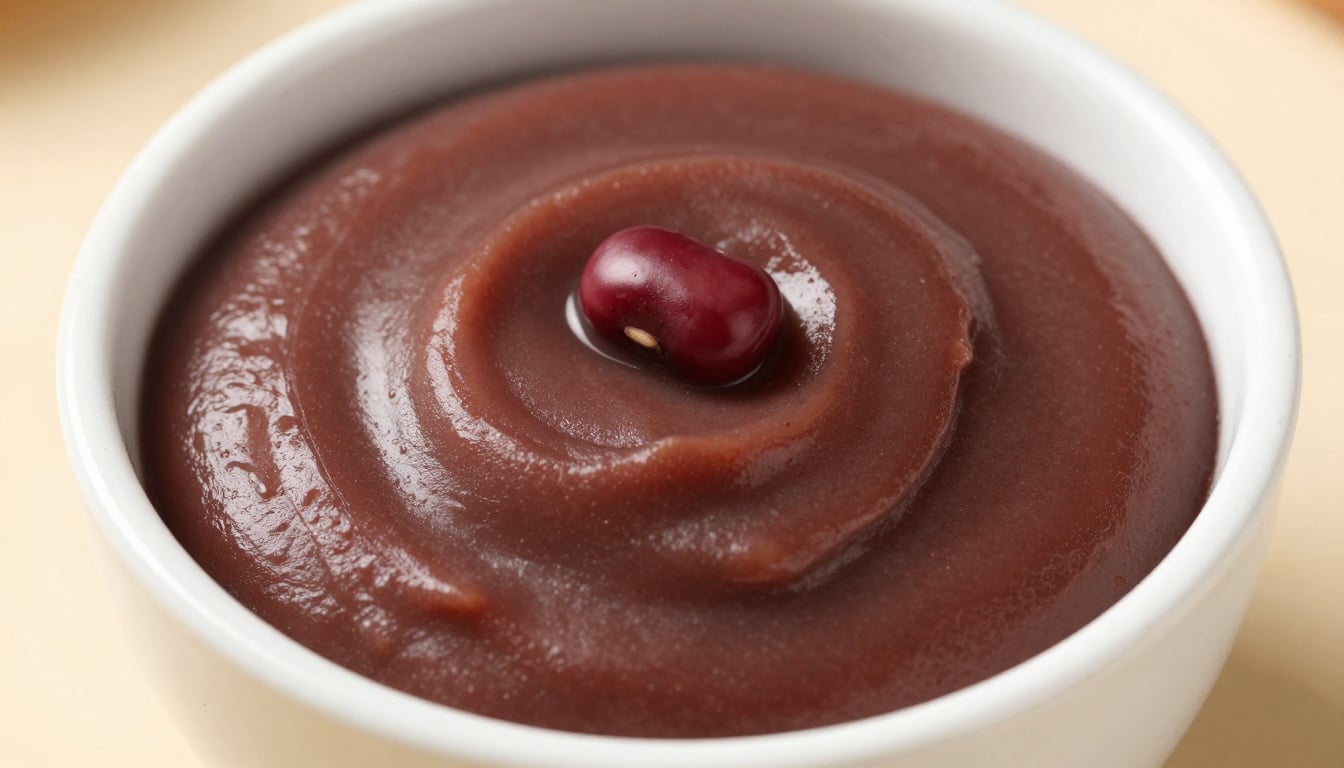
Introduction: Why Making Your Own Red Bean Paste (Anko) is Worth the Effort
Picture this: a warm bowl of zenzai on a chilly day, the beans soft and just sweet enough. Homemade red bean paste beats store-bought every time. You tweak the sugar to your taste, and the texture stays smooth without weird additives.Red Bean Paste Recipe
Anko comes from adzuki beans and stars in dishes across Japan, China, and beyond. It’s the gooey heart of desserts like taiyaki fish-shaped waffles or anpan bread rolls. Even savory spots use it in some recipes. The best part? You get real control over quality.
Many think cooking beans from scratch takes forever. Truth is, with basic tools, you nail it in a couple hours. Follow these steps, and you’ll whip up paste that’s as good as any bakery’s. Ready to dive in and make your own batch?Red Bean Paste Recipe
Understanding the Essential Ingredients for Perfect Anko
Good ingredients make all the difference in your homemade red bean paste recipe. Start with the beans, then pick sweeteners that fit your style. Water plays a big role too. Let’s break it down so you know exactly what to grab.
Selecting the Right Red Beans (Azuki)
Go for small red adzuki beans every time. These little guys cook up soft and hold their shape well. Larger kidney beans get mushy too fast and lack that nutty adzuki taste.
Adzuki beans shine in traditional recipes because they absorb flavors without falling apart. Skip the big ones—they turn watery and dull. Fresh beans mean better color and less cooking time.Red Bean Paste Recipe
Look for shiny, unbroken adzuki at Asian markets or online. Check the bag for the harvest date to ensure they’re not old. Fresh ones soak up water evenly and mash smoothly.
- Rinse them under cold water first to spot any debris.
- Aim for organic if you can; they often taste richer.
- A pound of dry beans yields about four cups of paste.
Sweeteners and Flavor Enhancers
Sugar brings the sweetness, but type matters. Granulated white sugar melts fast for a clear paste. Rock sugar, common in Chinese styles, gives a subtle caramel note and glossy look.Red Bean Paste Recipe
Too much sugar makes it cloying; too little leaves it bland. Start with half a cup per cup of beans, then taste as you go. A pinch of salt sharpens the flavors without overpowering.
Oil or butter adds a silky shine and helps it last longer. In Japanese koshian, it’s smoother and less sweet than the chunkier Chinese hongdou sha. Both work great—just adjust to your liking.
For a twist, try brown sugar for deeper warmth. It pairs well with spices like a dash of cinnamon in modern takes.

Water Quality and Soaking Techniques
Clean water keeps your paste pure. Use filtered or spring water to avoid chlorine tastes. Tap works in a pinch, but rinse beans extra well.Red Bean Paste Recipe
Soak the beans overnight in plenty of water—about three times their volume. This cuts cooking time by half and lets them plump evenly. Change the water once if it clouds up.
Without soaking, beans stay tough and take forever to soften. Aim for eight to twelve hours at room temp. In a rush? Quick-soak by boiling them for two minutes, then letting sit an hour.
Drain the soak water before cooking. It removes bitter bits and makes the final paste cleaner.Red Bean Paste Recipe
Step-by-Step Guide to Cooking and Softening the Beans
Now comes the fun part: turning dry beans into tender gold. Follow these steps for beans that mash like a dream. Patience pays off here.Red Bean Paste Recipe
Prepping the Beans: Rinsing and Initial Boiling
Start by rinsing your adzuki beans under running water. Swirl them in a bowl until the water runs clear—no more foam from natural coatings. This step washes away dirt and saponins that cause bitterness.
Next, cover the beans with fresh water in a pot. Bring to a boil for five minutes, then drain it all. This blanching trick pulls out impurities for a brighter, milder paste.
Repeat if your beans look extra dirty. Dry them lightly with a towel. Now they’re ready for the long simmer.Red Bean Paste Recipe
The Main Cooking Process: Achieving Ultimate Tenderness
Use a 3:1 water-to-bean ratio for stovetop cooking. Bring to a boil, then lower to a gentle simmer. Cover and cook for one to one-and-a-half hours, checking often.
A pressure cooker speeds things up—try 20 minutes on high with natural release. Instant Pot users love this for hands-off results. Stovetop gives more control over texture.
Test doneness by pinching a bean between your fingers. It should squish easily with no hard center. If not, add hot water and keep going. Your homemade red bean paste depends on this softness.
Stir every 15 minutes to prevent sticking. Skim foam from the top for clearer liquid.
Draining and Rinsing the Cooked Beans
Once tender, drain the beans in a colander. Save that cooking water—it’s great for sweet teas or thin soups. Let them sit a minute to steam off extra moisture.
For super clean flavor, rinse under cool water. This washes away any starch cloudiness. Skip if you like a bit of earthiness.Red Bean Paste Recipe
Gently shake the colander to remove excess water. Your beans are now prepped for sweetening. This step keeps the paste from getting soupy.
Sweetening and Creating the Paste Consistency
With soft beans ready, add the sweet stuff. This phase builds flavor and thickness. Go slow to avoid lumps.Red Bean Paste Recipe
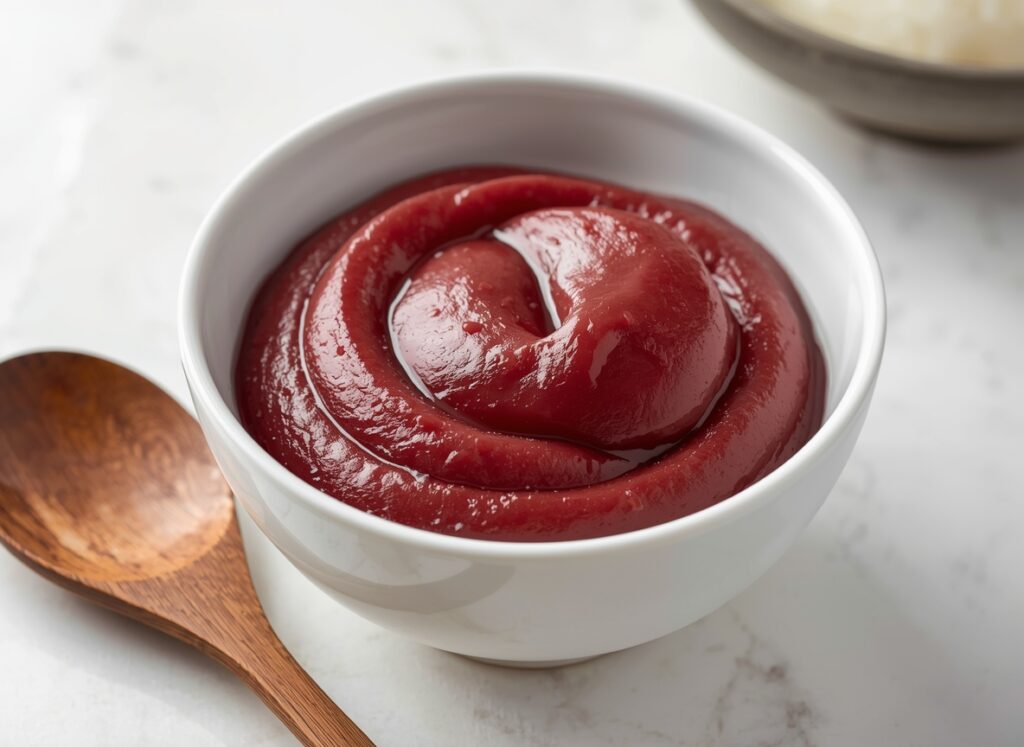
Incorporating Sugar: The Sweetening Phase
Add sugar right after draining, while beans are hot. Stir over low heat until it dissolves fully. This takes about 10 minutes—keep the pot moving to stop burning.
Sugar draws out moisture, so the mix thickens as it cooks. Taste and add more if needed, but err on less for versatility. Your simple homemade red bean paste recipe shines with balanced sweetness.
Watch the heat. High flames caramelize too fast and scorch the bottom.
Mashing Techniques: From Chunky (Tsubuan) to Smooth (Koshian)
Tsubuan keeps some bean bits for texture—use a potato masher in the pot. Press until half-mashed, leaving chunks for bite. It’s quick and rustic.
For smooth koshian, grab an immersion blender. Pulse until creamy, or use a food processor in batches. Traditional folks push it through a sieve with a spoon.
To remove skins for ultra-smoothness, strain the mashed mix. Press hard on the solids; discard what’s left. This extra work pays off in silky results.
Both styles work in desserts. Chunky suits breads; smooth fills delicate pastries.
The Final Cooking: Thickening and Seasoning
Simmer the mashed paste uncovered on low. Stir often as water evaporates—aim for 20-30 minutes. It pulls away from the pot sides when done.Red Bean Paste Recipe
Drizzle a bit from your spoon; it should ribbon back without breaking. Add a teaspoon of neutral oil now for shine and shelf life. A tiny salt pinch ties it together.
Season lightly if you want—vanilla extract adds warmth. Cool slightly before jarring. Your paste is now versatile and fresh.
Troubleshooting Common Homemade Red Bean Paste Issues
Things don’t always go perfect on the first try. But fixes are easy. Here’s how to handle hiccups.
Dealing with Undercooked or Hard Beans
If beans stay firm after cooking, check your heat. Old beans or hard water might be the culprit. Add a pinch of baking soda to soften them next time.Red Bean Paste Recipe
Return to the pot with fresh water and simmer longer—up to 30 minutes more. Pressure cook if you have one. They’ll catch up.
Prevent this by soaking well. Test early to avoid overcooking others.
Preventing Burning During the Thickening Stage
Burning happens when sugar sits too long on the bottom. Use a thick pot and stir every minute. Low heat is your friend here.
If it scorches, scrape off the burned bits and taste. Salvage by adding a splash of water. Scents tell you fast—pull off heat at once.
Non-stick pans help beginners. Always watch closely in this stage.
Adjusting Consistency: Too Thick or Too Runny
Too thick? Stir in warm water a tablespoon at a time. Reheat gently to blend. It loosens without diluting flavor.Red Bean Paste Recipe
Runny paste needs more time on the stove. Cook uncovered and stir until it holds shape. Patience thickens it naturally.
Taste as you adjust. Aim for spreadable like peanut butter, but softer for fillings.
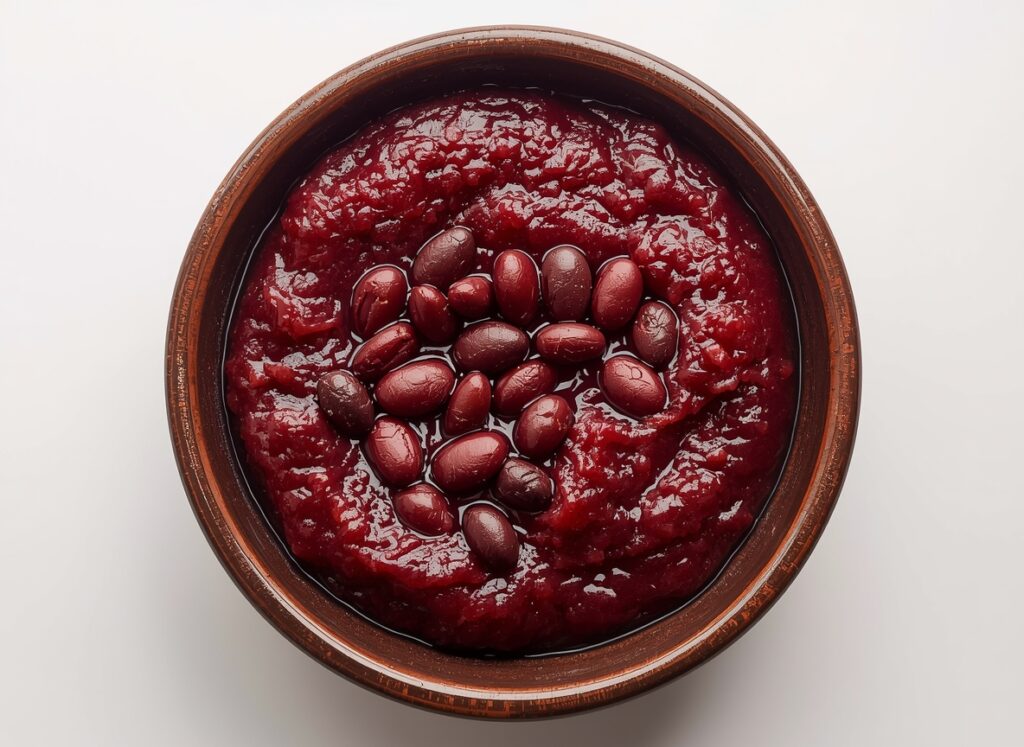
Storing and Utilizing Your Homemade Anko
You’ve got a batch of gold. Now store it right and put it to work. Fresh anko lasts well if handled properly.
Cooling and Proper Storage Methods
Spread the paste on a plate to cool quickly. Room temp works, then fridge it in airtight jars. Glass lasts longer without absorbing smells.Red Bean Paste Recipe
In the fridge, it keeps one to two weeks. Freeze in portions up to three months—thaw overnight. Label with dates for ease.
Avoid metal containers; they can react with the sugar. Portion into ice cube trays for small uses.
Creative Applications Beyond Basic Fillings
Spoon anko over vanilla ice cream for a quick treat. Mix into oatmeal for sweet breakfast vibes. Even swirl it into brownie batter.
In savory spots, thin it for a glaze on grilled meats. Try zenzai by reheating with water and mochi bits. Daifuku mochi stuffed with it feels like a hug.
Beyond dorayaki, fill crepes or top toast. Experiment—it’s forgiving. Your homemade batch inspires endless ideas.Red Bean Paste Recipe
Quick & Flavor-Packed Dill Pickle Pasta Salad Recipe
Best Eggplant Pasta Recipes – Easy, Hearty & Delicious
10 Low Calorie Pasta Recipes for Weight-Friendly Meals
Quick Spinach Tomato Pasta Recipe – Healthy & Flavorful
Quick & Flavorful Elote Pasta Salad Recipe
Quick & Delicious Chicken Fajita Pasta recipe Family Favorite
Homemade Red Bean Paste Recipe with Simple Steps – FAQ
What is red bean paste used for?
It’s commonly used in desserts, buns, and pastries.
What beans are used to make it?
Adzuki beans are traditionally used.
Is red bean paste sweet?
Yes, it’s mildly sweet and smooth.
Can I control the sweetness?
Absolutely, adjust sugar to taste.
Is it difficult to make at home?
No, it just requires patience while cooking.
Can I make it smooth or chunky?
Yes, blend fully for smooth or mash lightly for texture.
How long does it last in the fridge?
Up to 1 week in an airtight container.
Can I freeze red bean paste?
Yes, freeze for up to 3 months.
Conclusion: Mastering the Art of Authentic Homemade Red Bean Paste
Making red bean paste at home gives you full control over taste and quality. No more overly sweet cans; just pure, fresh anko for your desserts. The steps boil down to soaking, cooking tender, and thickening with care.Red Bean Paste Recipe
Patience in simmering and stirring yields the best results. You’ll love how it elevates mochi, mooncakes, or even simple snacks. Grab those adzuki beans and start today—your kitchen adventures await. What’s your first dish with this recipe?Red Bean Paste Recipe