Cedar Plank Salmon Recipe Ever bitten into a piece of salmon at a fancy restaurant and wondered why it tastes so smoky and tender? Home-cooked versions often fall flat, turning dry or bland. But with a simple cedar plank, you can bring that pro-level flavor right to your kitchen. This trick locks in moisture and adds a woodsy aroma that screams gourmet. Get ready to turn your next dinner into something special.
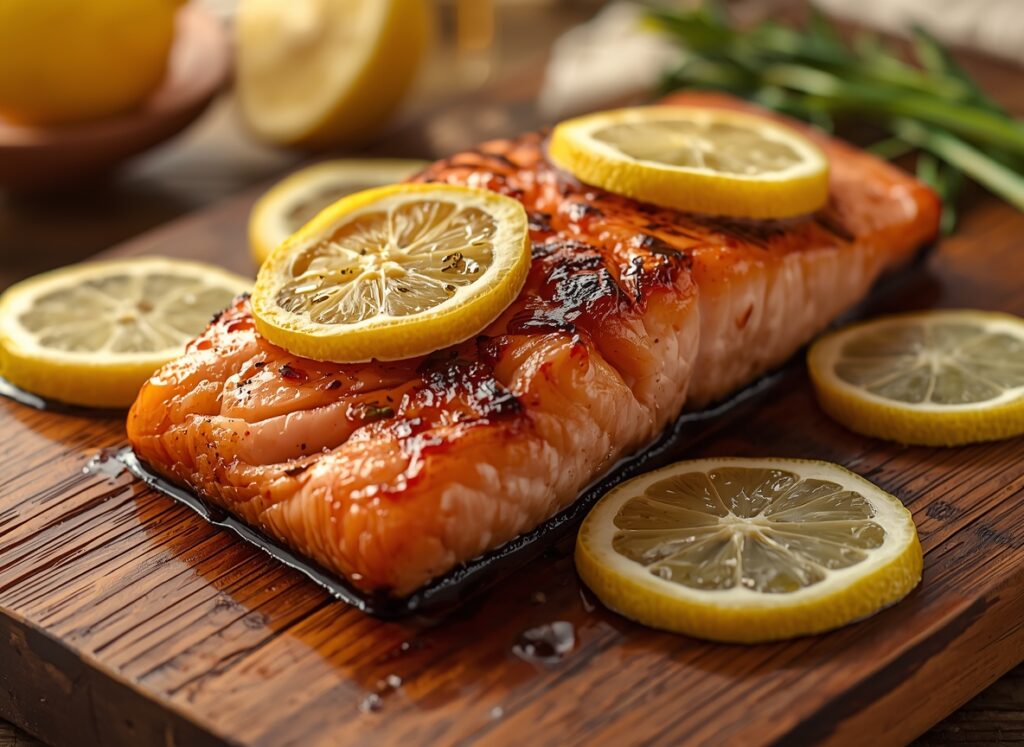
Mastering the Cedar Plank – Selection, Soaking, and Safety
Why Cedar Planks are the Secret to Restaurant Flavor
Cedar planks give your salmon that rich, smoky taste chefs love. The wood releases gentle steam as it heats, keeping the fish juicy while the Maillard reaction browns the surface just right. This method draws from old Pacific Northwest ways, where Indigenous folks cooked fish over cedar for centuries to boost flavor and preserve it. You get a subtle earthiness that pairs perfectly with salmon’s natural oils. No more bland fillets—think of it as your ticket to backyard bliss.Cedar Plank Salmon Recipe
In short, the plank acts like a flavor booster. It infuses the meat without overpowering it. Restaurants swear by this for good reason; it elevates simple ingredients to star status.
Choosing the Right Cedar: Food-Grade vs. Aromatic Woods
Pick food-grade cedar planks every time—they’re safe for cooking and free from chemicals. Skip the cheap wood chips from hardware stores; they might have treatments that harm your health. Look for planks about 1/2 inch thick and 12 by 6 inches to fit most grills or oven trays. Thinner ones burn too fast, while thicker pieces hold up better for even cooking.Cedar Plank Salmon Recipe
Go for untreated, aromatic cedar from reliable sources like kitchen supply shops. This ensures the wood’s natural scent shines through. Size matters too; match it to your salmon fillet for a snug fit.
The Essential Soaking Ritual: Ensuring Perfect Steam and Preventing Fire
Soak your plank for at least one hour, but two to four hours works best. Submerge it in a sink or large bowl of water to draw in moisture, which creates steam during cooking. Weigh it down with a heavy pot or water-filled dish so it stays under the surface—no floating headaches.
This step stops flare-ups and lets the wood smoke slowly. Dry planks catch fire easy, ruining your meal. Once soaked, pat it dry lightly; it’s ready for the heat.Cedar Plank Salmon Recipe
Preparing the Star: Selecting and Seasoning the Salmon
Sourcing Superior Salmon: Skin-On vs. Skin-Off Fillets
Grab skin-on salmon fillets for the best results on a plank. The skin shields the flesh from direct heat and holds in those precious juices. Center-cut pieces stay uniform and cook evenly, unlike thinner tail ends that dry out quick. Aim for wild Alaskan Sockeye if you can—it’s sustainable and packs bold flavor over farmed options.
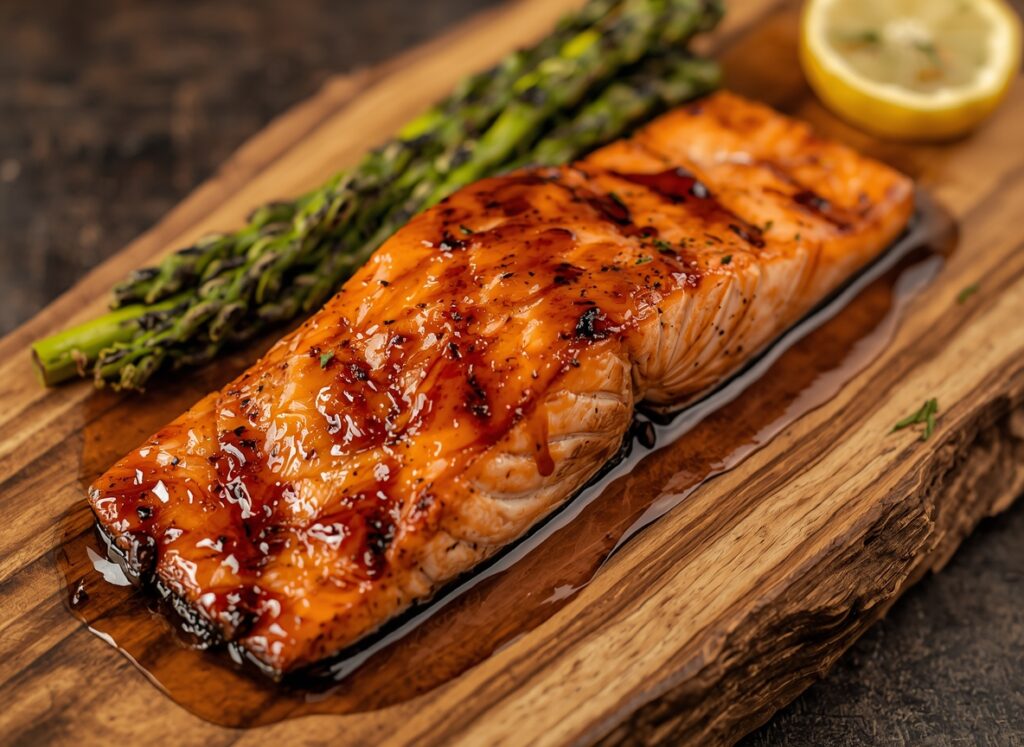
Fresh is key; check for bright pink flesh and a clean sea smell. Skin-off works in a pinch, but it sticks more without that protective layer. Your choice here sets the stage for success.
The Essential Marinade & Rub for Smoky Depth
Mix brown sugar, a splash of maple syrup, Dijon mustard, chopped fresh dill, and lemon zest for a rub that sings with cedar. This combo adds sweet-tangy notes without salt overload—start with a teaspoon per pound to keep it balanced. Let it sit on the fish for 30 minutes; the acids tenderize while the herbs build depth.Cedar Plank Salmon Recipe
Brine lightly if you like, but skip heavy salt to avoid toughness. This rub caramelizes nicely, enhancing the plank’s smoke. It’s simple yet packs a punch for restaurant-style cedar plank salmon.
Perfecting the Placement: Prepping the Plank for Heat Transfer
Lightly brush the top of your soaked plank with olive oil before laying down the salmon. This creates a barrier so the fish lifts off easy after cooking. Pat the fillet dry, then season both sides generously.
For ovens, preheat to 400°F; grills need medium heat around 350°F. Place the salmon skin-side down for even exposure. These tweaks ensure smooth heat flow and great texture.Cedar Plank Salmon Recipe
The Cooking Process: Achieving Flaky, Tender Results
Outdoor Grilling: Indirect Heat for Maximum Smoke Infusion
Fire up your gas or charcoal grill to medium-low, aiming for 350°F on the grate. Set the plank on the cooler side, away from direct flames, to let smoke build slow. Close the lid tight—this traps the cedar aroma and cooks the salmon gently for about 15-20 minutes per inch of thickness.
On charcoal, bank the coals to one side for that indirect setup. Gas users turn off one burner to create the zone. You’ll see light smoke rising; that’s your cue for flavor magic. Why rush? Slow heat means flaky, not tough, results every time.
Flip isn’t needed—the plank does the work. Keep an eye on it, but resist peeking too much.
Indoor Oven Method: Simulating the Plank Experience
Preheat your oven to 400°F for a quick start, then drop to 375°F once the plank goes in. Place it on a baking sheet to catch drips and promote even smoke. Bake for 20-25 minutes, depending on fillet size—the house will fill with that inviting wood scent.Cedar Plank Salmon Recipe
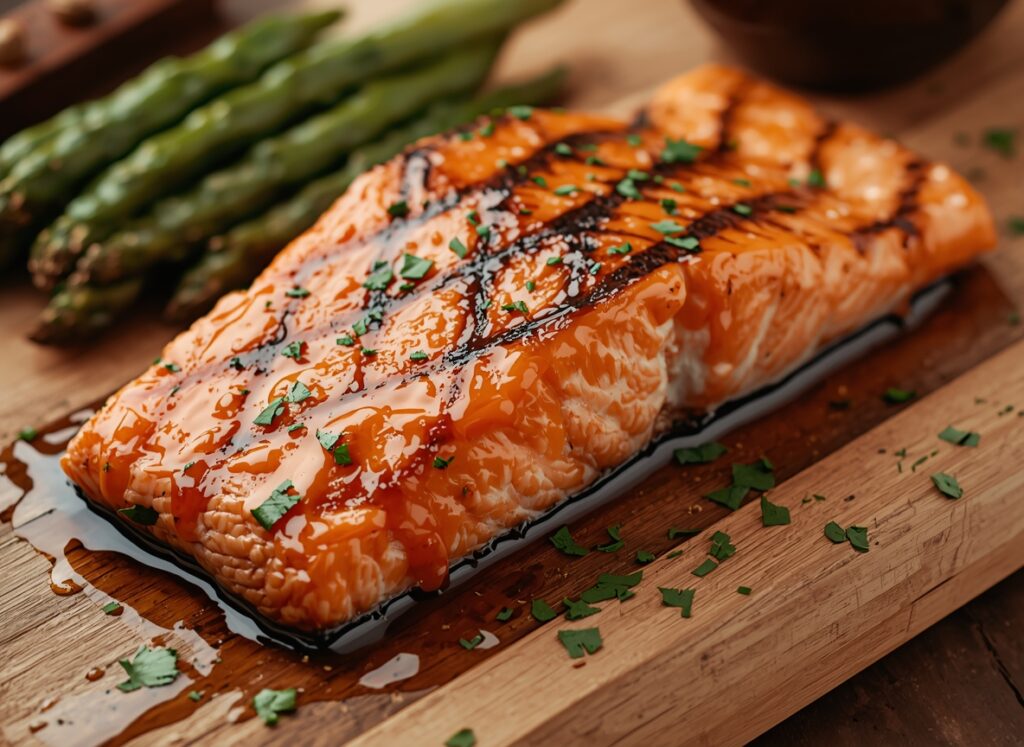
This mimics grilling without the weather worries. Vent the oven slightly if smoke gets heavy, but most times it stays contained. It’s perfect for winter nights when you crave cedar plank grilled salmon indoors.
Monitoring Doneness: The Flake Test vs. Thermometer Readings
Use a thermometer for precision—pull the salmon at 135-140°F internal temp. It hits the USDA’s safe 145°F with carryover heat. Or test by flaking the thickest part with a fork; it should separate easily without resistance.
Don’t overcook; juicy is the goal. Early pull prevents dryness. These checks make your restaurant-style cedar plank salmon recipe foolproof.Cedar Plank Salmon Recipe
Finishing Touches and Presentation Secrets
The Glaze Application: Caramelization Without Burning
In the last 5-7 minutes, brush on a glaze from reduced marinade—boil it down with a bit of honey for shine. This adds a sticky, caramelized crust without scorching the wood. Watch close; too early and it burns bitter.Cedar Plank Salmon Recipe
The timing seals in flavors just right. It’s that pro touch that wows guests. Simple, but it elevates the whole dish.Cedar Plank Salmon Recipe
Resting the Salmon Post-Cook: Crucial for Juiciness
After cooking, slide the plank off heat and tent loosely with foil for five minutes. This lets juices settle back into the flesh, keeping every bite moist. Skipping this step? You risk a dry exterior.
Resting relaxes the proteins too. It’s like a quick nap for your fish. Patience pays off big here.
Plating Like a Professional: Simple Garnishes that Pop
Slide the salmon onto plates straight from the plank for drama. Scatter fresh parsley, a few capers, and lemon wedges around it. Drizzle with olive oil or a balsamic swirl for color and zest.Cedar Plank Salmon Recipe
Keep it clean—no clutter. These accents highlight the smoky’s star power. Your table looks restaurant-ready in seconds.Cedar Plank Salmon Recipe
Troubleshooting Common Cedar Plank Salmon Mistakes
Dealing with a Smoking Plank That Won’t Catch Fire
If the plank smokes but won’t ignite, spritz edges with water mid-cook. Or dab a tiny bit of oil on dry spots to revive the sizzle. Start with hotter initial heat next time to kick off the process right.
This keeps things controlled. No big fires needed—just steady smoke. Adjust as you go for better runs.
Preventing the Fish from Sticking to the Wood
Always oil the plank’s top surface well. If it still clings, the soak was too short or heat too low. Use a thin spatula to loosen gently post-rest.
That barrier is your friend. Practice makes it seamless. No more frustrating peels.

Why the Salmon Tastes Bitter or Burnt
High heat chars the plank fast, adding off notes to the fish. Stick to medium-low settings and monitor closely. Over-soaked wood can steam too much, diluting smoke—balance is key.
Burnt edges come from direct flames; indirect rules. Taste improves with steady temps. Learn from slips to nail it.Cedar Plank Salmon Recipe
Sockeye Salmon Recipe – Fresh, Tender & Delicious
How to Make Salmon Crudo recipe at Home – Simple & Fresh
The Best Blackstone Salmon Recipe for Weeknight Dinners
Fresh & Flavorful Salmon Lomi Lomi Recipe at Home
Restaurant-Style Cedar Plank Salmon Recipe
FAQ:
Why use cedar planks for salmon?
Cedar planks infuse a smoky, woodsy flavor and keep salmon moist while grilling or baking.
Do I need to soak the plank?
Yes, soak for at least 1 hour to prevent burning on the grill.
Can I use other wood planks?
Yes! Alder, maple, or hickory planks work as alternatives.
What seasonings work best?
Simple salt, pepper, lemon, garlic, and herbs like dill or thyme highlight the salmon.
How long do I cook cedar plank salmon?
Usually 12–15 minutes on medium-high heat until salmon flakes easily.
Can I bake instead of grill?
Yes! Preheat oven to 375°F (190°C) and bake on the soaked plank for 20–25 minutes.
How do I prevent the salmon from sticking?
Oil the plank lightly or use parchment paper between plank and fish.
Can I reuse cedar planks?
No, planks are generally single-use due to burning and absorbed flavors.
Conclusion: Your New Go-To Recipe for Impressive Flavor
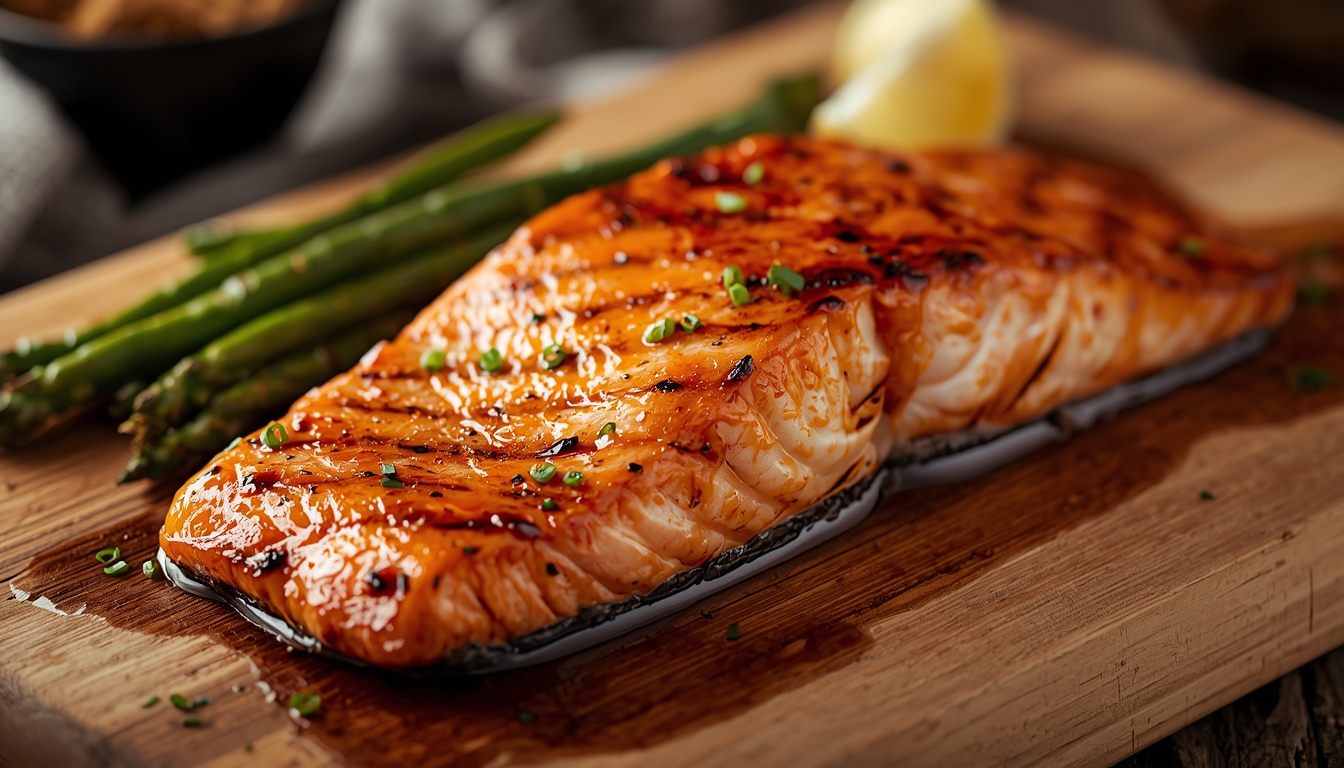
Cedar plank salmon brings restaurant magic home with locked-in moisture, bold smoke, and easy prep. You’ve got the steps—from picking planks and seasoning fish to grilling just right and fixing hiccups. This method turns ordinary nights into feasts without fuss.Cedar Plank Salmon Recipe
Why wait? Grab a plank, some fresh salmon, and fire it up this weekend. Your taste buds—and guests—will thank you. Dive into this cedar plank salmon recipe today for that wow factor.Cedar Plank Salmon Recipe