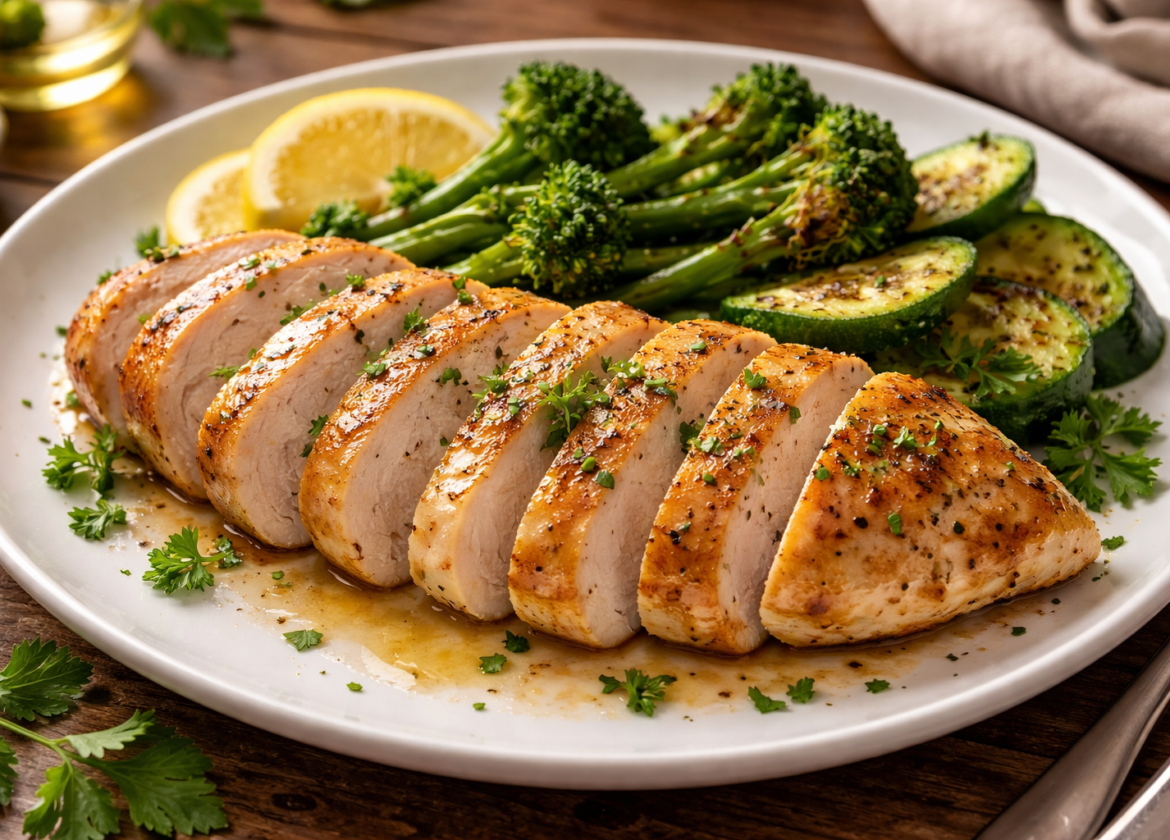
The quest for the perfect chicken breast often ends in disappointment, resulting in meat that is either dangerously undercooked or hopelessly dry. The sous vide chicken recipe changes this narrative entirely by utilizing precision temperature control. Unlike traditional roasting or pan-frying, where the window between “done” and “overcooked” is a matter of seconds, sous vide offers a foolproof method to achieve edge-to-edge perfection every single time.
This cooking technique, once reserved for high-end restaurants, involves vacuum-sealing food in a bag and cooking it in a precisely regulated water bath. By using a sous vide immersion circulator, you can target the exact internal temperature that yields the juiciest results. Whether you are meal prepping for the week or hosting a formal dinner, mastering a basic sous vide chicken recipe is a foundational skill for any modern home cook.
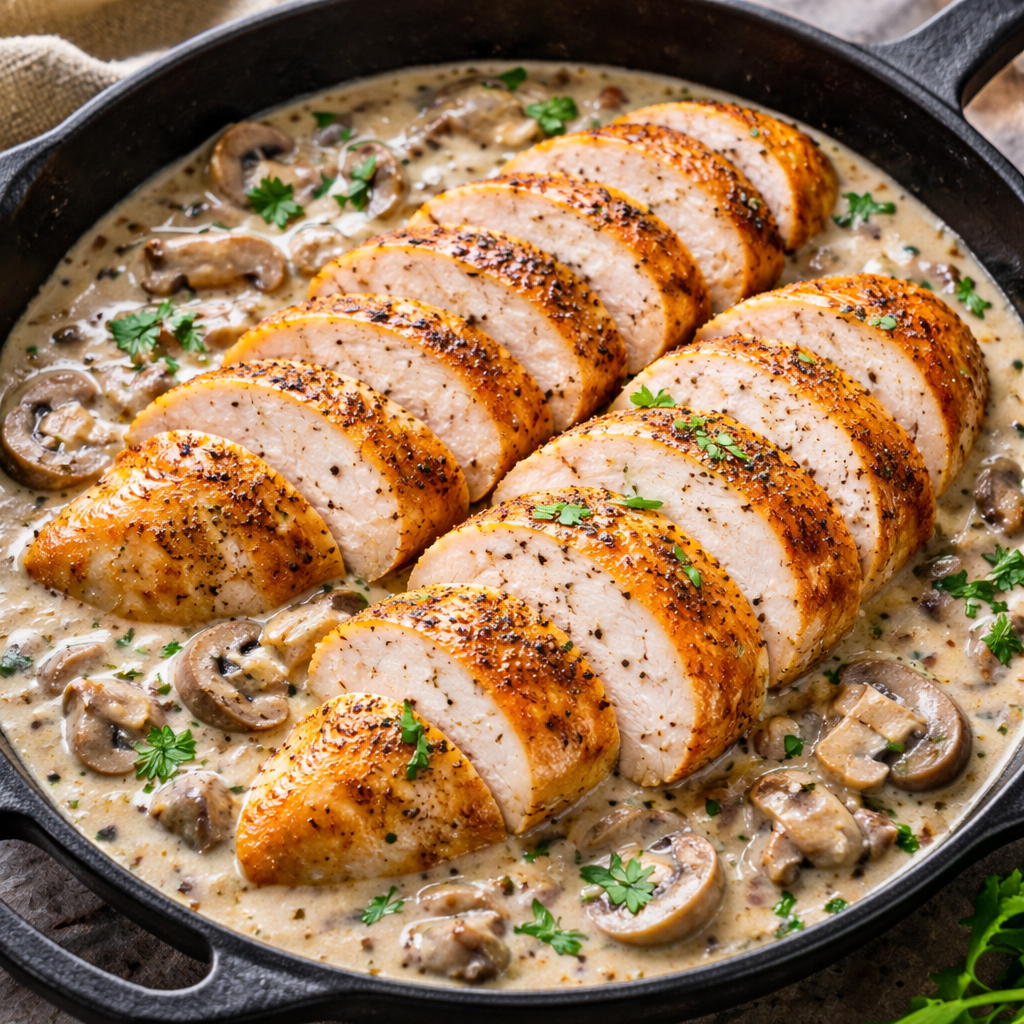
What Makes Sous Vide Chicken Different
Traditional cooking methods rely on high heat (350°F to 450°F) to cook meat. Because the exterior is exposed to such intense heat, it often becomes tough and fibrous before the center reaches a safe temperature. In contrast, a sous vide chicken recipe uses the water bath as a heat conductor, ensuring the chicken never exceeds the temperature of the water.
- Texture: The meat remains incredibly tender and buttery, a texture nearly impossible to achieve with a grill or oven.
- Moisture Retention: Because the chicken is sealed, it cooks in its own juices. There is minimal weight loss from evaporation, resulting in a significantly moister product.
- Precision: You can choose your preferred level of doneness. While the USDA recommends 165°F for instant pasteurization, sous vide allows you to cook chicken at 145°F or 150°F for a longer duration to achieve safe pasteurization with a far superior texture.
Ingredients for Sous Vide Chicken Recipe
To execute a high-quality sous vide chicken recipe, you only need a few pantry staples. The beauty of this method is that the slow infusion of flavors makes even simple seasonings taste gourmet.
- Chicken Breasts: 2 to 4 boneless, skinless chicken breasts (approximately 6–8 ounces each).
- Aromatics: Fresh sprigs of thyme, rosemary, or oregano.
- Fats: 1 tablespoon of extra virgin olive oil or unsalted butter per bag.
- Seasoning: Kosher salt and freshly cracked black pepper.
- Garlic: 2 cloves of garlic, smashed (optional but highly recommended).
- Lemon: Thin slices of lemon to add brightness to the protein.
Essential Equipment for Sous Vide Cooking
Before starting your sous vide chicken recipe, ensure you have the necessary tools. Precision is the hallmark of this method.
- Immersion Circulator: The device that heats and moves the water to maintain a constant temperature.
- Water Container: A large stockpot or a dedicated polycarbonate sous vide container.
- Vacuum Sealer or Freezer Bags: While a vacuum sealer is ideal, you can use high-quality BPA-free gallon-sized freezer bags and the “displacement method” to remove air.
- Cast Iron Skillet: Essential for the post-sous vide sear to develop color and flavor.
- Meat Thermometer: To verify the final internal temperature if you are new to the process.
Prep Time and Cook Time Breakdown
The active “hands-on” time for this recipe is minimal, making it an excellent choice for busy schedules.
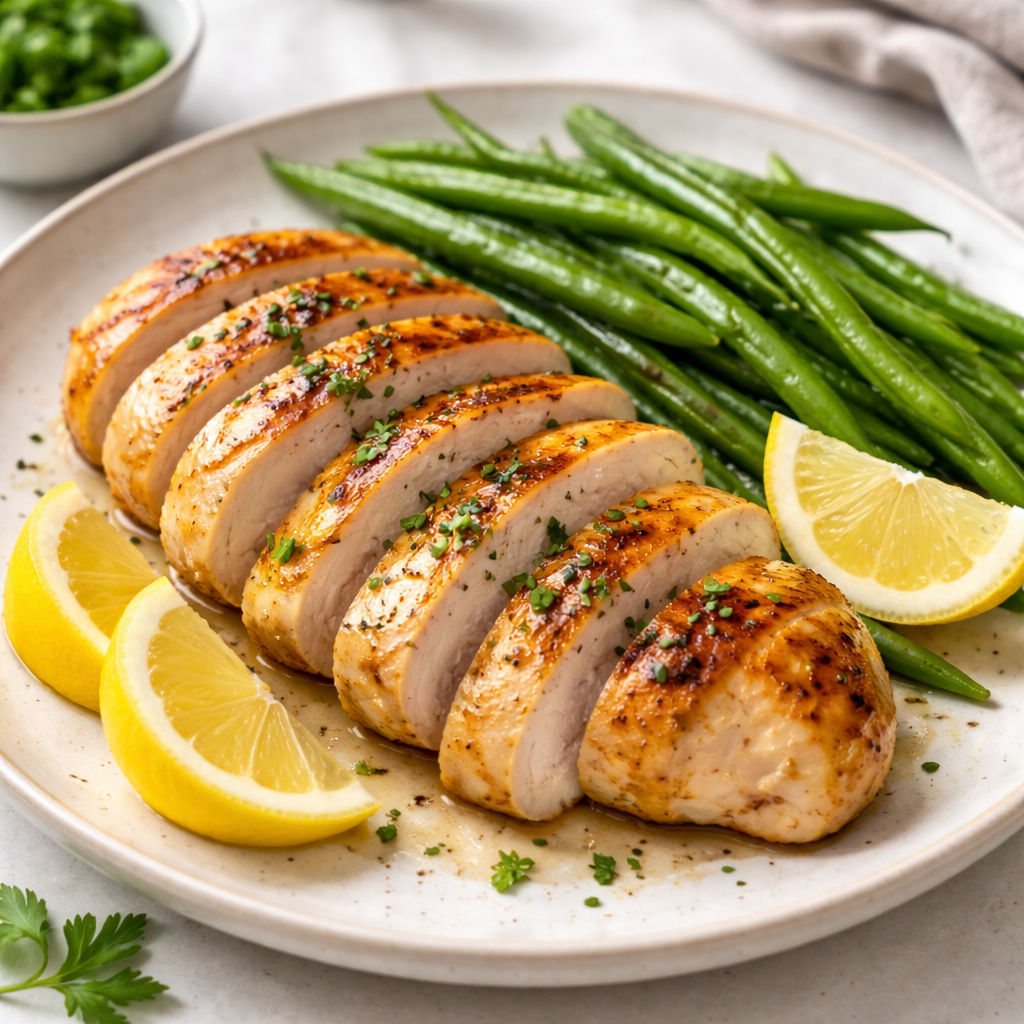
- Prep Time: 10 minutes (seasoning and bagging)
- Cook Time: 1 to 2 hours (depending on thickness)
- Searing Time: 5 minutes
- Total Time: Approximately 1 hour 15 minutes to 2 hours 15 minutes
Temperature Guide:
- 140°F (60°C): Very soft and juicy (1.5 to 4 hours).
- 145°F (63°C): The “sweet spot” for most; tender, succulent, and traditional (1 to 4 hours).
- 150°F (66°C): Firmer, more like traditional roasted chicken but still very moist (1 to 4 hours).
Step-by-Step Sous Vide Chicken Instructions
1. Preheat the Water Bath
Attach your immersion circulator to a water-filled container. Set the temperature according to your preference (145°F is recommended for a standard sous vide chicken recipe). Allow the water to reach the target temperature before adding the meat.
2. Season the Chicken
Pat the chicken breasts dry with paper towels. Season generously on both sides with salt and pepper. Place the chicken in a single layer inside the vacuum-seal bag or heavy-duty freezer bag.
3. Add Aromatics and Seal
Place the herbs, smashed garlic, and olive oil into the bag with the chicken. If using a vacuum sealer, trigger the seal. If using a freezer bag, use the water displacement method: slowly lower the open bag into the water, allowing the pressure to push the air out, then seal it just before the opening reaches the water line.
4. The Cooking Process
Submerge the bag completely in the water. Use a clip to secure the bag to the side of the container to ensure it does not block the circulator’s intake or exhaust. Cook for at least 1 hour (or up to 4 hours for maximum tenderness).
5. The Finishing Sear
Once the timer is up, remove the bag from the water. Remove the chicken and pat it extremely dry with paper towels. This is a critical step; moisture on the surface will prevent a proper crust from forming. Heat a cast-iron skillet over high heat with a tablespoon of high-smoke-point oil (like avocado oil). Sear the chicken for 1 minute per side until golden brown.
Common Sous Vide Chicken Mistakes
Even with a foolproof sous vide chicken recipe, certain errors can affect the final quality of the dish.
- Overcrowding the Bag: Ensure chicken breasts are in a single layer. If they overlap, they will not cook evenly, and the centers may remain undercooked.
- Using Low-Quality Bags: Ensure your bags are heat-safe. Cheaper sandwich bags may fail at the seams during long cook times.
- Not Drying the Meat Before Searing: If the chicken is damp when it hits the pan, it will steam rather than sear. This leads to a rubbery texture and prevents the Maillard reaction.
- Leaving the Chicken in Too Long: While sous vide is forgiving, leaving chicken in the water bath for over 4 hours can result in the meat becoming overly soft or “mushy” as the fibers break down too much.
Serving Suggestions and Final Thoughts
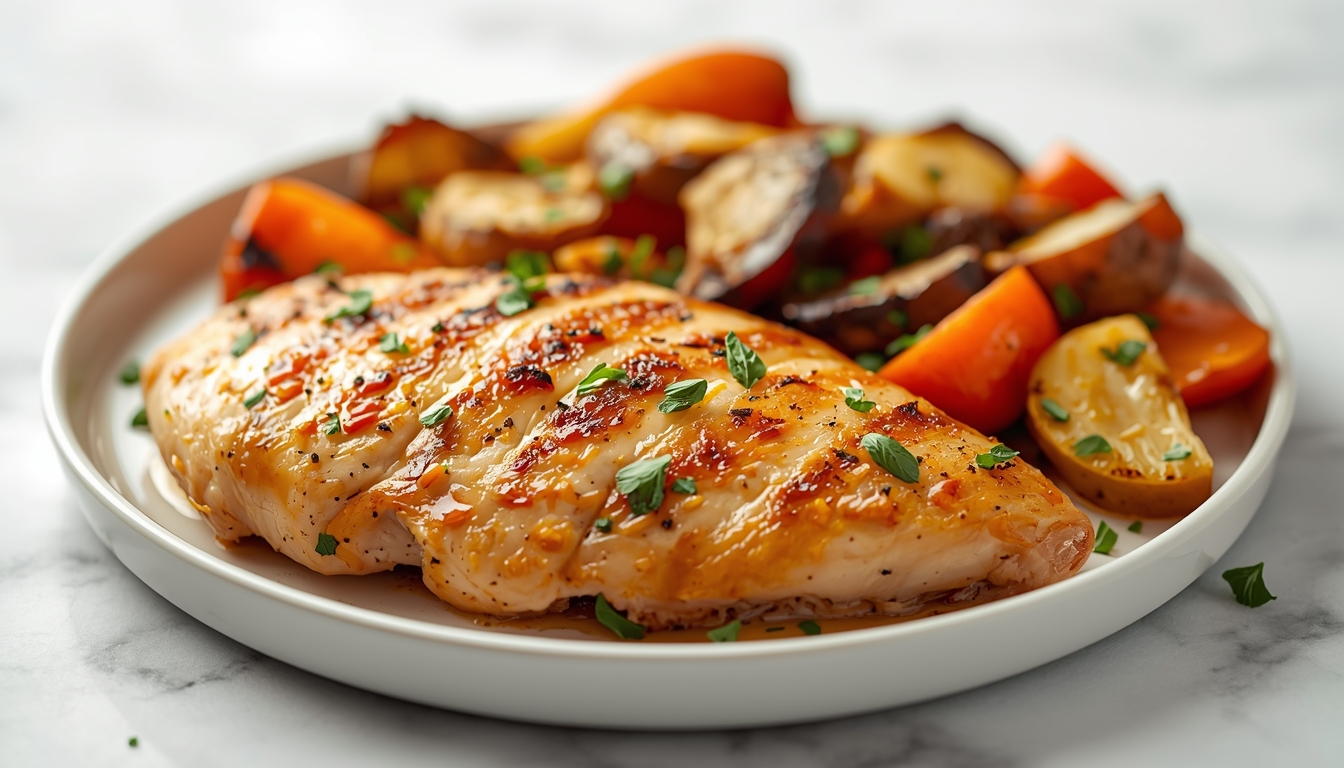
This sous vide chicken recipe yields a versatile protein that can be used in numerous ways. You can slice it thinly for a gourmet Caesar salad, dice it for a superior chicken salad, or serve it as a standalone main course.
Suggested Pairings:
- Vegetables: Roasted asparagus, sautéed kale, or honey-glazed carrots.
- Starches: Garlic mashed potatoes, wild rice pilaf, or a light quinoa salad.
- Sauces: Since the chicken is cooked in a bag, you can use the juices left in the bag (bag jus) to create a quick pan sauce with white wine and butter.
In summary, the sous vide method removes the guesswork from one of the most difficult proteins to master. By controlling the temperature to the degree, you ensure a meal that is consistently delicious, safe, and professional in quality.
Pro Tip: If you are meal prepping, you can move the sealed bags directly from the water bath into an ice bath. Once chilled, store them in the refrigerator for up to 5 days, then sear them right before serving.
Simple Breaded Chicken Recipes You’ll Make Again
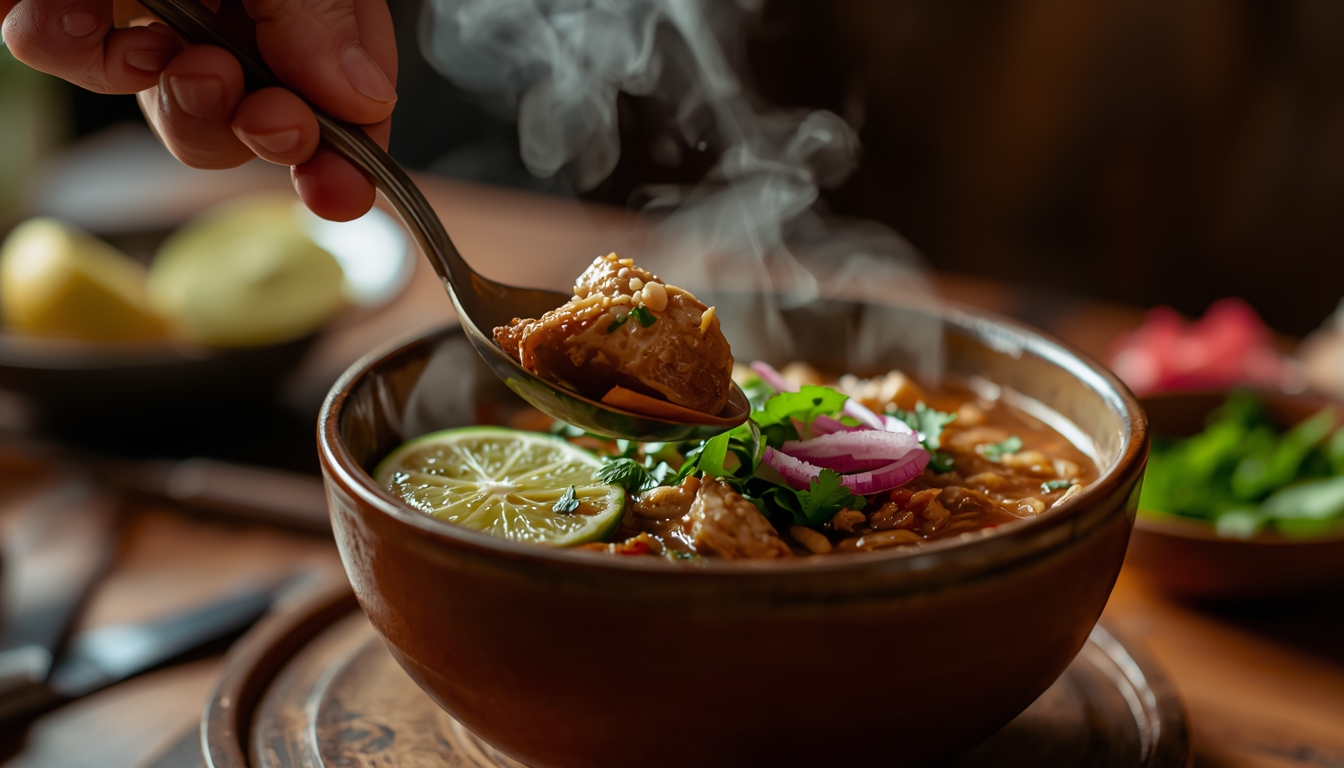
Homemade Chicken Mole Recipe Step by Step
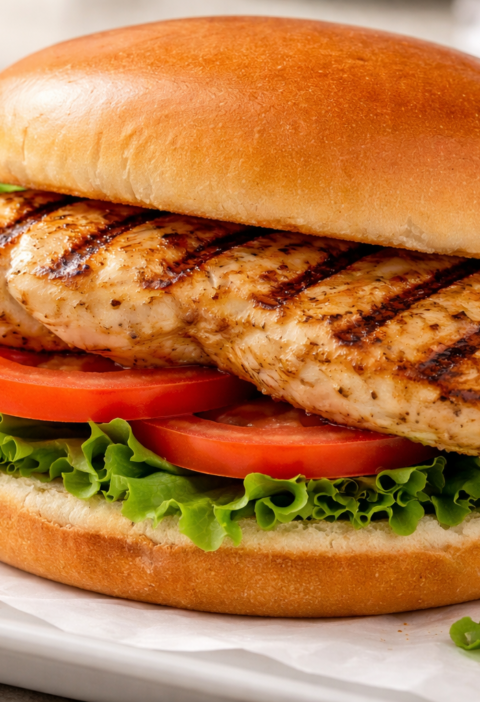
Classic Grilled Chicken Sandwich Recipe Everyone Loves
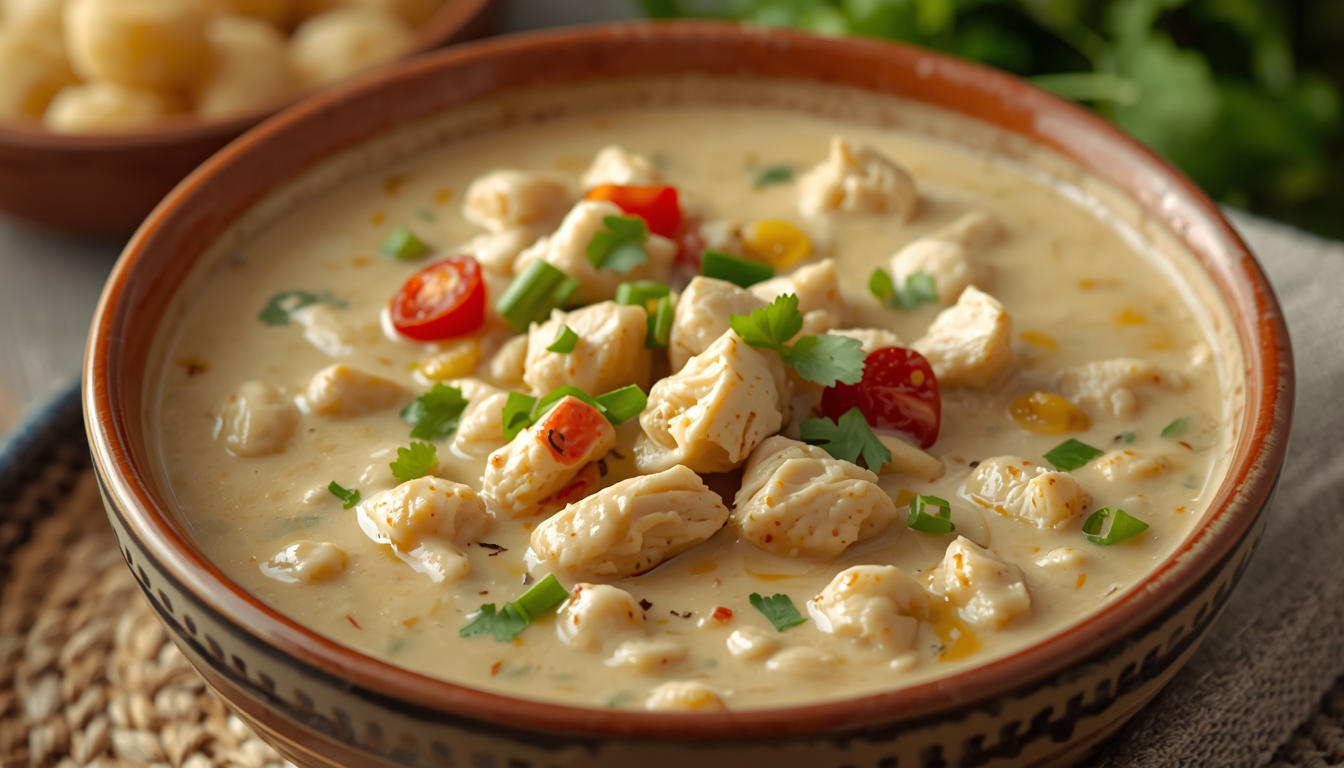
Healthy White Chicken Chili Recipe Made Simple
Classic Chicken Salad Recipe with Grapes Everyone Loves
The Best Chicken and Biscuits Recipe for Family Dinners