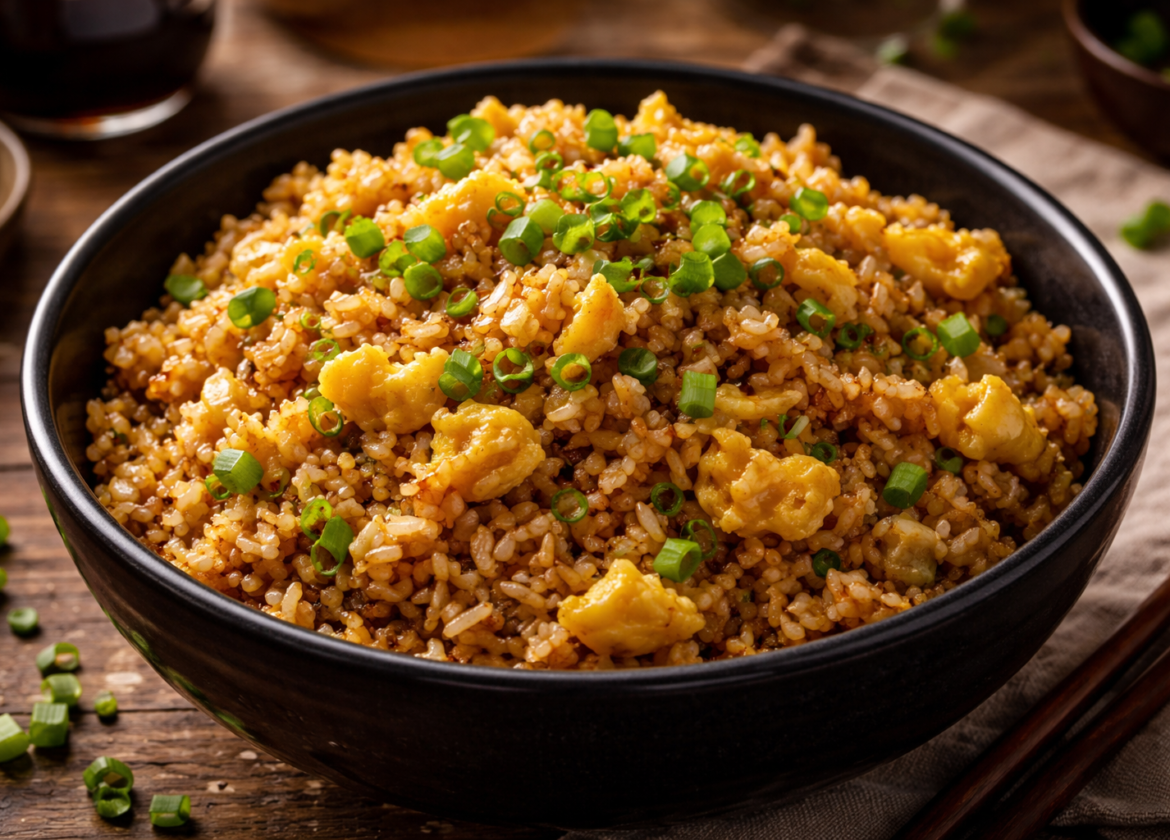
The rice and eggs recipe is a fundamental culinary preparation found in nearly every culture, from the Japanese Tamago Kake Gohan to Chinese fried rice and the Mediterranean Arroz con Huevo. At its core, this dish represents a perfect balance of complex carbohydrates and high-quality proteins. Beyond its simplicity, the rice and eggs recipe serves as a canvas for technical precision, demonstrating how two humble ingredients can be transformed through specific heat applications and emulsification techniques.
For the modern home cook or professional chef, mastering this recipe is an exercise in texture management. The goal is to create a dish where the rice remains distinct and “toothy” while the eggs provide either a rich, velvety coating or light, fluffy clouds of protein. Because both ingredients are neutral in flavor, the recipe relies on the quality of fats and the timing of seasonings to achieve a superior gastronomic result.
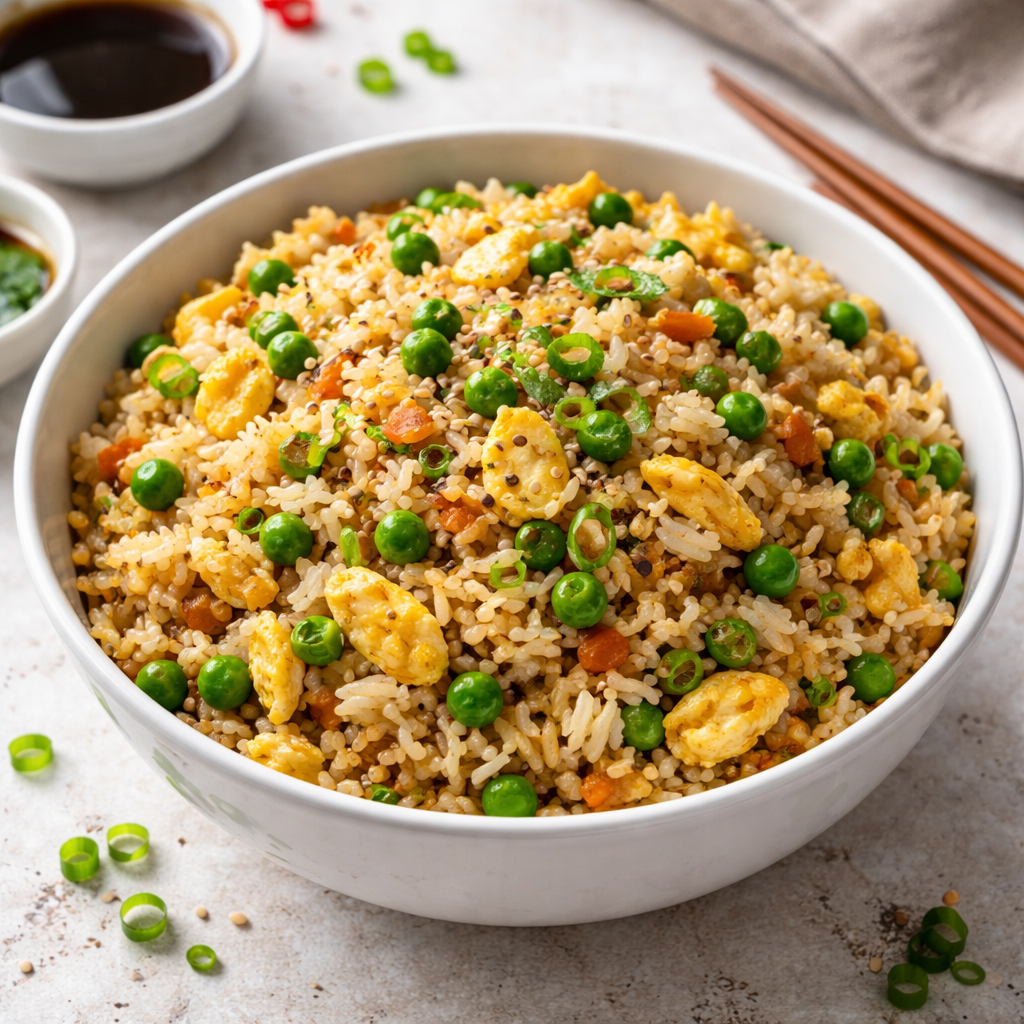
How Cooking Affects Rice and Eggs Texture
To execute a high-quality rice and eggs recipe, one must understand the scientific interaction between starch and protein. The texture of the final dish is determined by two main factors: the amylose content in the rice and the coagulation temperature of the eggs.
The Role of Starch
Rice contains two types of starch: amylose and amylopectin. For recipes where the rice should stay separate (like fried rice), a high-amylose grain like Jasmine or Basmati is preferred. If the goal of the rice and eggs recipe is a creamy, porridge-like consistency, a short-grain rice with more amylopectin is ideal. Chilled, day-old rice is often recommended for stir-fry methods because the starch has undergone retrogradation, making the grains firmer and less likely to turn into a mushy paste when the liquid egg is introduced.
Protein Coagulation
Eggs begin to coagulate at approximately 140°F (60°C) and become fully firm by 160°F (71°C). In a rice and eggs recipe, the timing of when the egg meets the heat is critical. If added to a pan that is too hot, the egg will rubberize before it can coat the rice. If added at a low temperature, the egg can be used to create a rich, custard-like sauce that binds the grains together without “scrambling” them.
Ingredients Required for Rice and Eggs Recipe
A professional-grade rice and eggs recipe requires high-quality staples. Since there are few components, the freshness of each ingredient is magnified.
- Cooked Rice: 2 cups (preferably chilled for at least 12 hours).
- Large Eggs: 3 units (pasture-raised eggs provide a deeper golden color and richer lipid profile).
- Cooking Fat: 2 tablespoons of a high-smoke-point oil (like peanut or avocado oil) or unsalted butter for a richer finish.
- Aromatics: 1 tablespoon of finely minced ginger and 2 cloves of garlic.
- Liquid Seasoning: 1 tablespoon of light soy sauce or a pinch of sea salt.
- Alliums: 2 stalks of green onions (scallions), thinly sliced, separating the whites from the greens.
- Toasted Sesame Oil: 1 teaspoon (added at the end to preserve volatile aromatic compounds).
Equipment Needed for Accurate Cooking
Success in a rice and eggs recipe is often determined by the heat conductivity and surface area of your cookware.
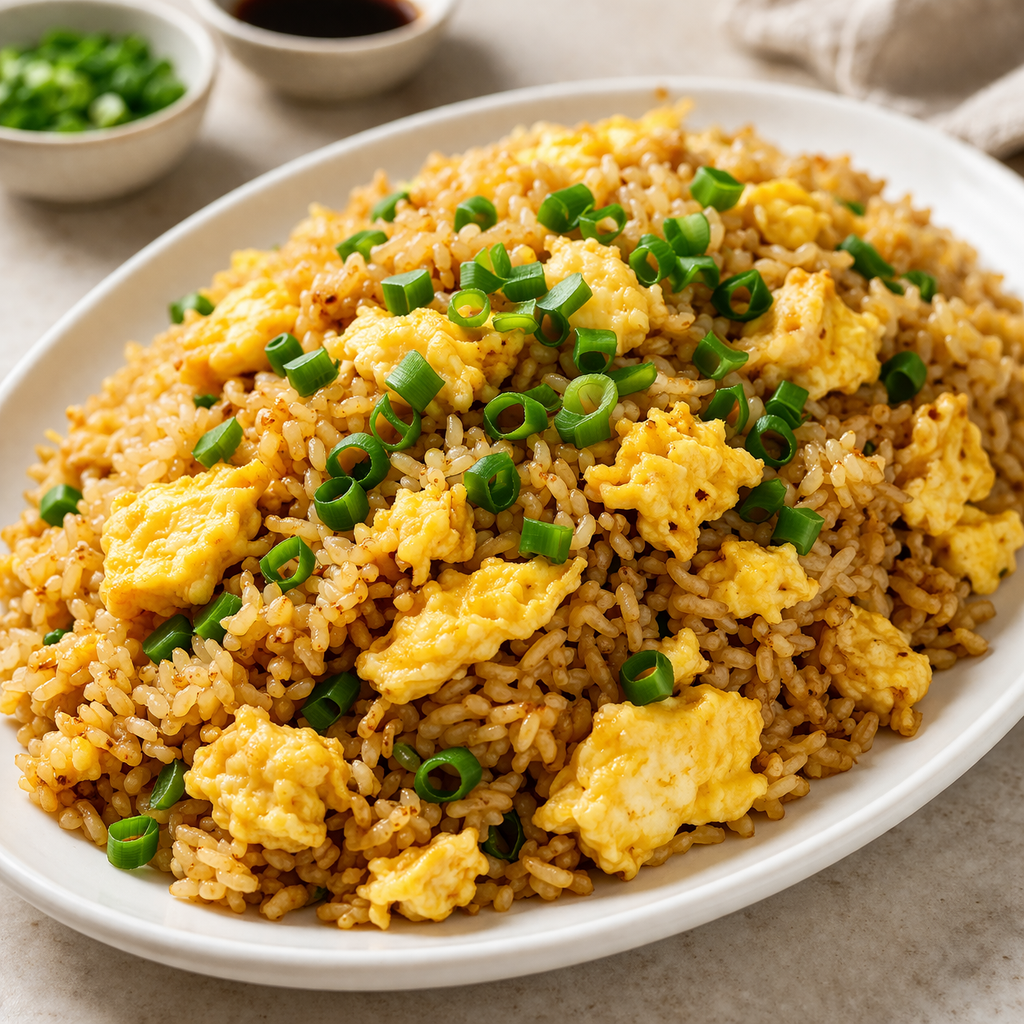
- Wok or Carbon Steel Skillet: These tools offer high heat capacity and sloped sides, which are essential for tossing the rice and ensuring even egg distribution.
- Silicone Spatula or Flat Wood Turner: These allow you to scrape the bottom of the pan efficiently to prevent the egg from sticking and burning.
- Large Mixing Bowl: If using the “golden rice” technique (mixing raw yolk with rice before cooking), a bowl is necessary for thorough incorporation.
- Fine-Mesh Sieve: Useful for rinsing rice prior to the initial boiling/steaming process to remove excess surface starch.
Temperature and Time Guidelines
Managing the thermal environment is the most important aspect of the rice and eggs recipe.
- Rice Preparation: 15–20 minutes (if cooking fresh); 12 hours (if chilling).
- Active Cooking Time: 6–8 minutes.
- Pan Temperature: Medium-high heat for the rice to achieve “breath of the wok” (wok hei); Low-medium heat for the final egg integration to maintain moisture.
- Internal Egg Safety: Ensure eggs reach at least 160°F if they are being fully scrambled, or serve immediately if using a raw-yolk emulsification method with steaming hot rice.
Rice and Eggs Recipe: Step-by-Step Method
1. Grain Preparation
If using leftover rice, break up any large clumps with clean hands or a spatula. Ensuring the grains are individual before they hit the pan is vital for an even coating of fat and egg.
2. Tempering the Aromatics
Heat your oil in the wok until it begins to shimmer but not smoke. Add the whites of the green onions, minced ginger, and garlic. Sauté for 30–45 seconds. The goal is to infuse the oil with these aromatics without browning the garlic, which can introduce bitterness.
3. Searing the Rice
Increase the heat to high. Add the rice to the pan. Spread it out to maximize surface contact with the heat. Let it sit undisturbed for 1 minute to develop a slight toast, then toss. This step ensures the rice and eggs recipe has a complex, nutty flavor profile.
4. Creating the “Well”
Push the rice to the outer edges of the wok, creating a clear space in the center. Add a small drop of oil to this space and crack your eggs directly into the center.
5. The Integration Phase
Gently break the yolks and whisk the eggs in the center of the pan until they are halfway set (soft curds). Quickly begin incorporating the surrounding rice into the center. Stir constantly to ensure the egg ribbons wrap around the grains.
6. Final Seasoning
Drizzle the soy sauce or sprinkle salt over the rice. Add the green parts of the scallions. Toss for another 30 seconds. Turn off the heat and finish with a drizzle of toasted sesame oil to provide a professional aromatic finish.
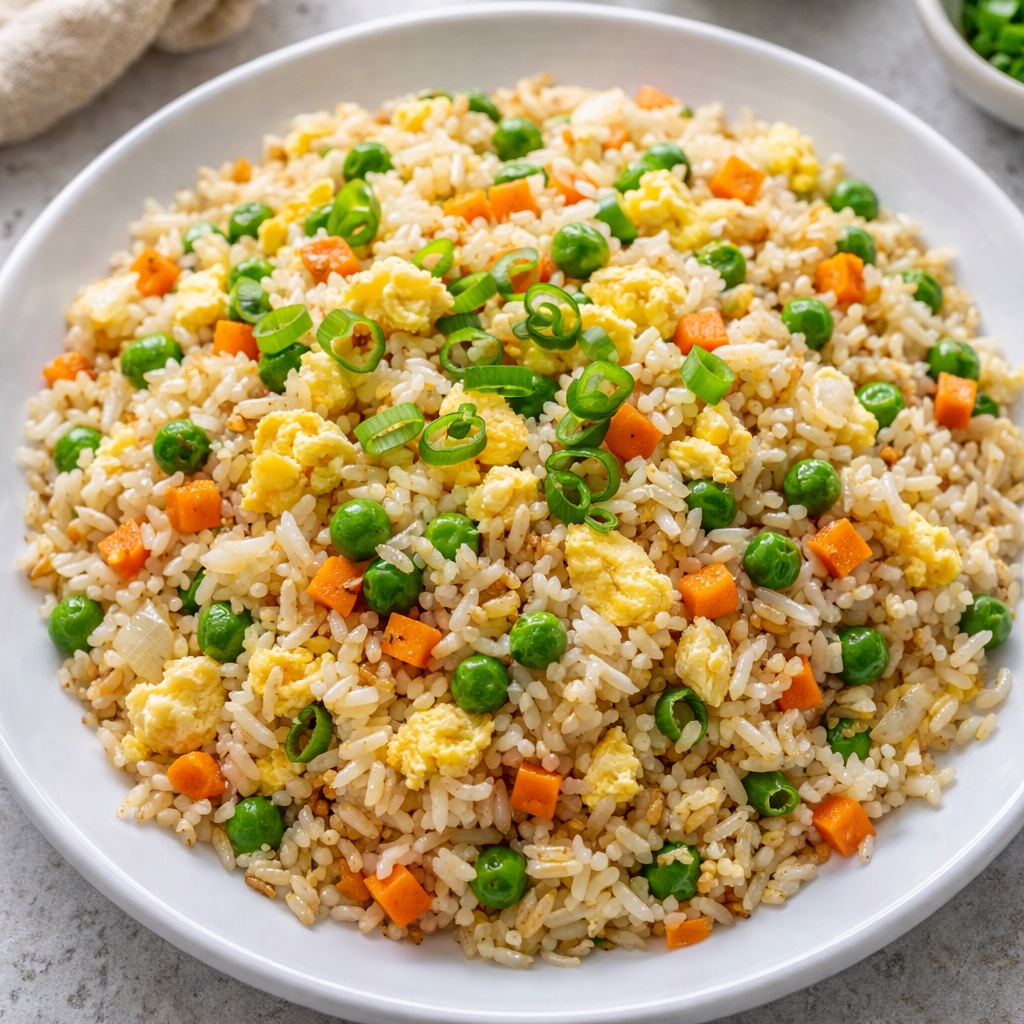
Technical Mistakes That Reduce Quality
Even a simple rice and eggs recipe can fail if specific technical nuances are ignored.
- Using Fresh, Wet Rice: Freshly cooked rice has too much surface moisture. When combined with egg, it will become a gummy mass rather than a distinct grain dish. Always use rice that has had time to dry or adjust the water ratio during the initial boiling.
- Overcooking the Eggs: If the eggs are cooked until they are dry and brown, they lose their ability to act as a textural contrast to the rice. They should remain bright yellow and tender.
- Insufficient Heat: If the pan is not hot enough when the rice is added, the grain will absorb the oil rather than searing in it, leading to a greasy mouthfeel.
- Excessive Liquid Seasoning: Adding too much soy sauce or broth will rehydrate the rice starches, causing the dish to lose its structure. Season in small increments.
Presentation, Serving, and Conclusion
The presentation of a rice and eggs recipe should reflect its clean and nourishing nature. For a professional look, press the finished rice into a small bowl and invert it onto a flat plate to create a perfect dome.
Suggested Accompaniments
- Pickled Vegetables: The acidity of pickled radish or ginger cuts through the richness of the egg yolks.
- Crispy Chili Oil: Adds texture and a capsaicin heat that complements the neutral grains.
- Fresh Herbs: Cilantro or Thai basil can add a bright, floral top note to the dish.
In conclusion, the rice and eggs recipe is a masterclass in efficiency and flavor. By focusing on the temperature of the pan and the moisture content of the rice, any cook can produce a meal that is both comforting and technically sound. Whether served as a quick breakfast or a structured dinner side, the synergy between these two ingredients remains a cornerstone of culinary excellence.
The Best Shrimp with Rice Recipes for Family Dinners
Easy Spinach Rice Recipe – Healthy & Flavorful
Easy French Onion Rice Recipe – Rich & Savory