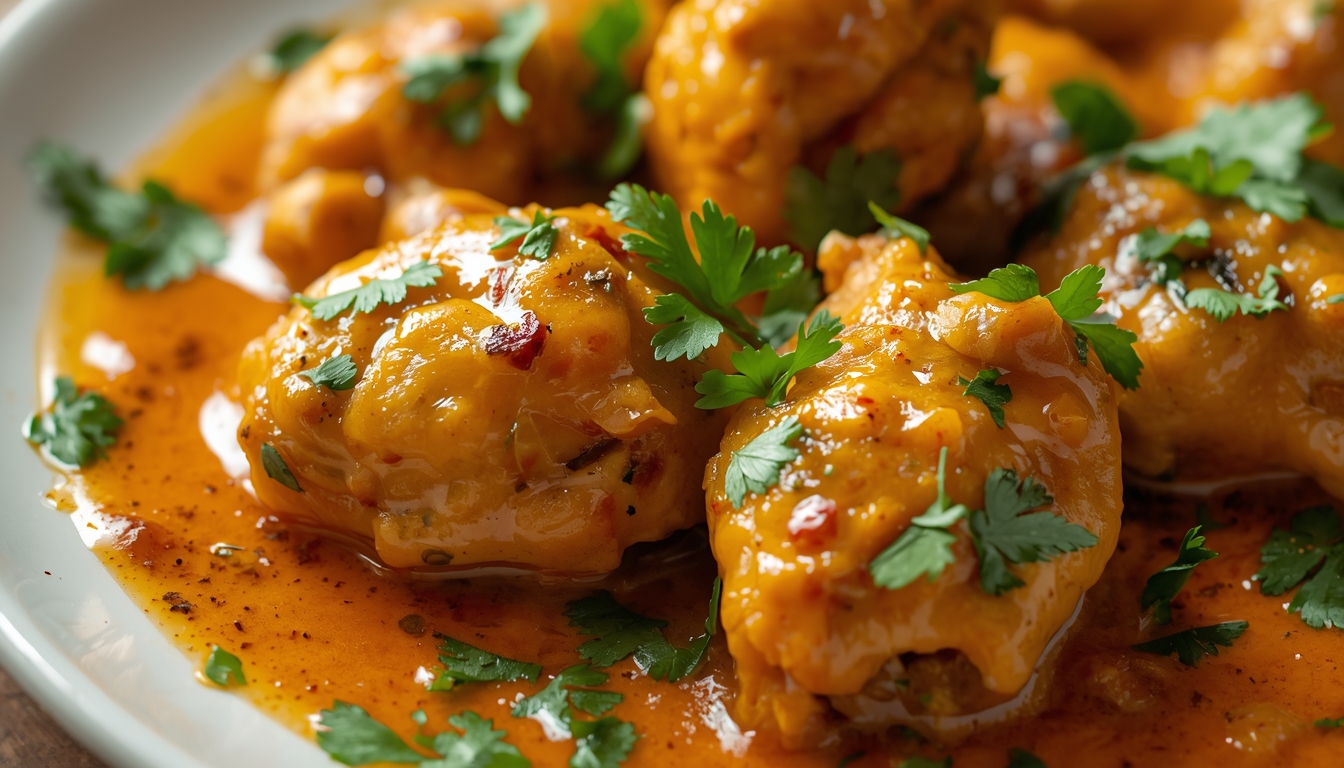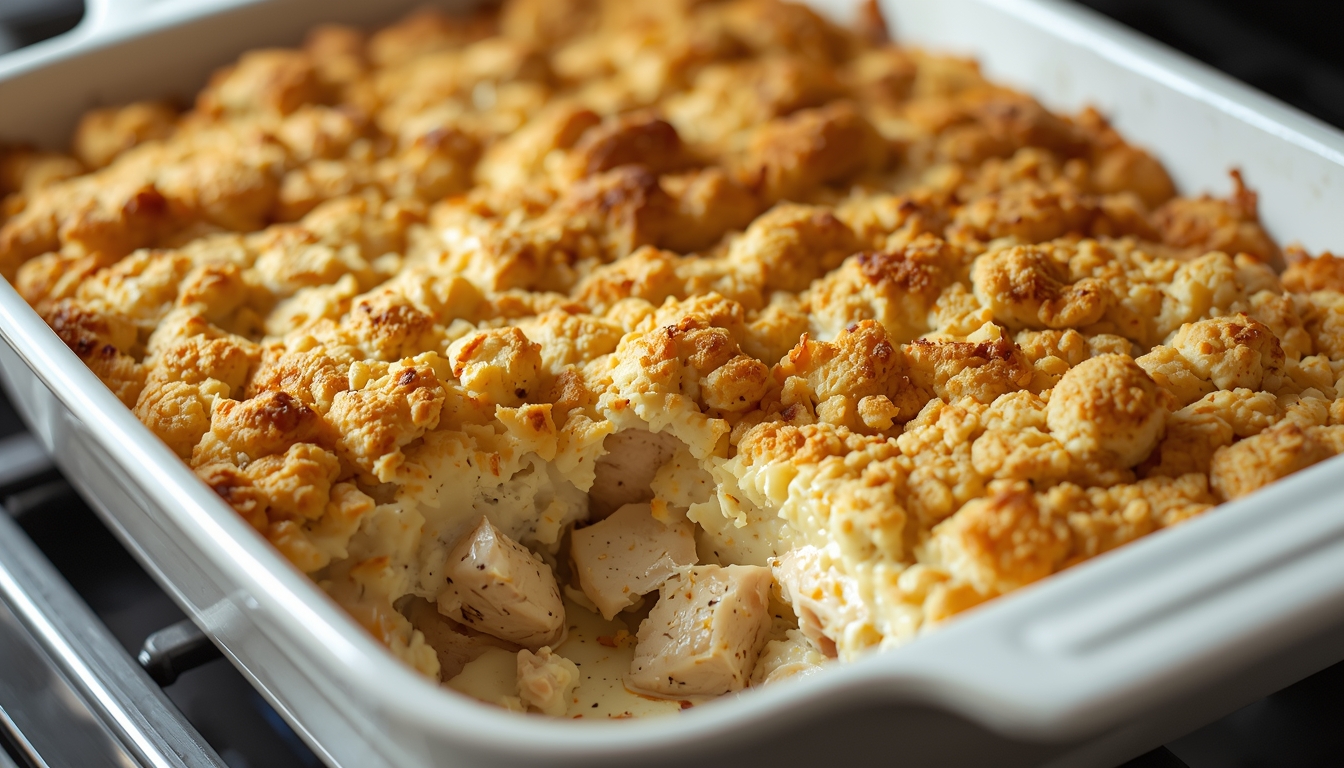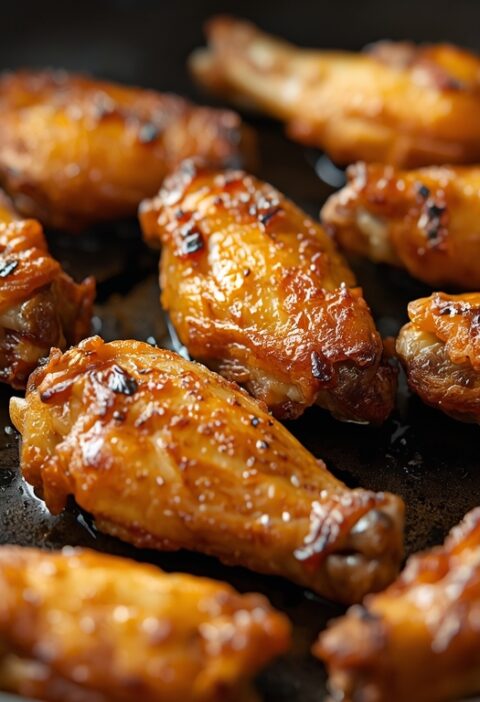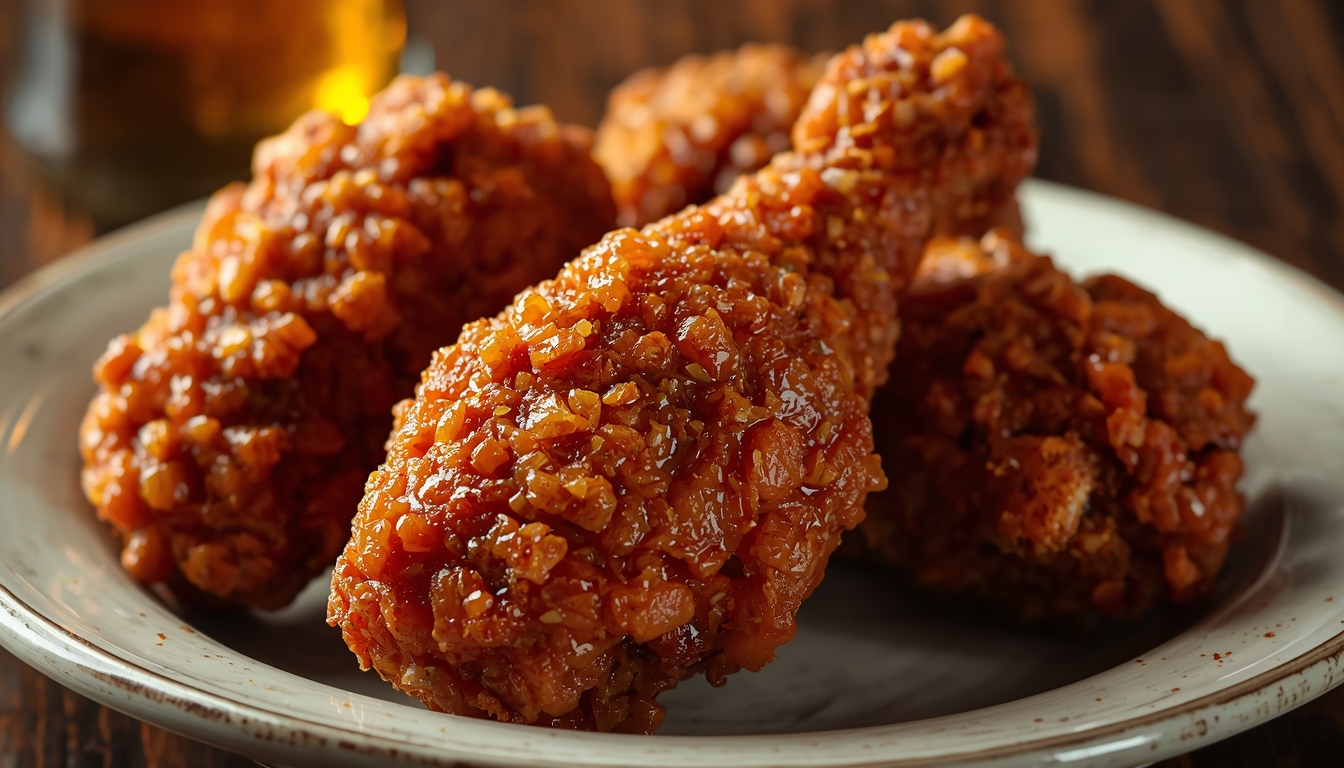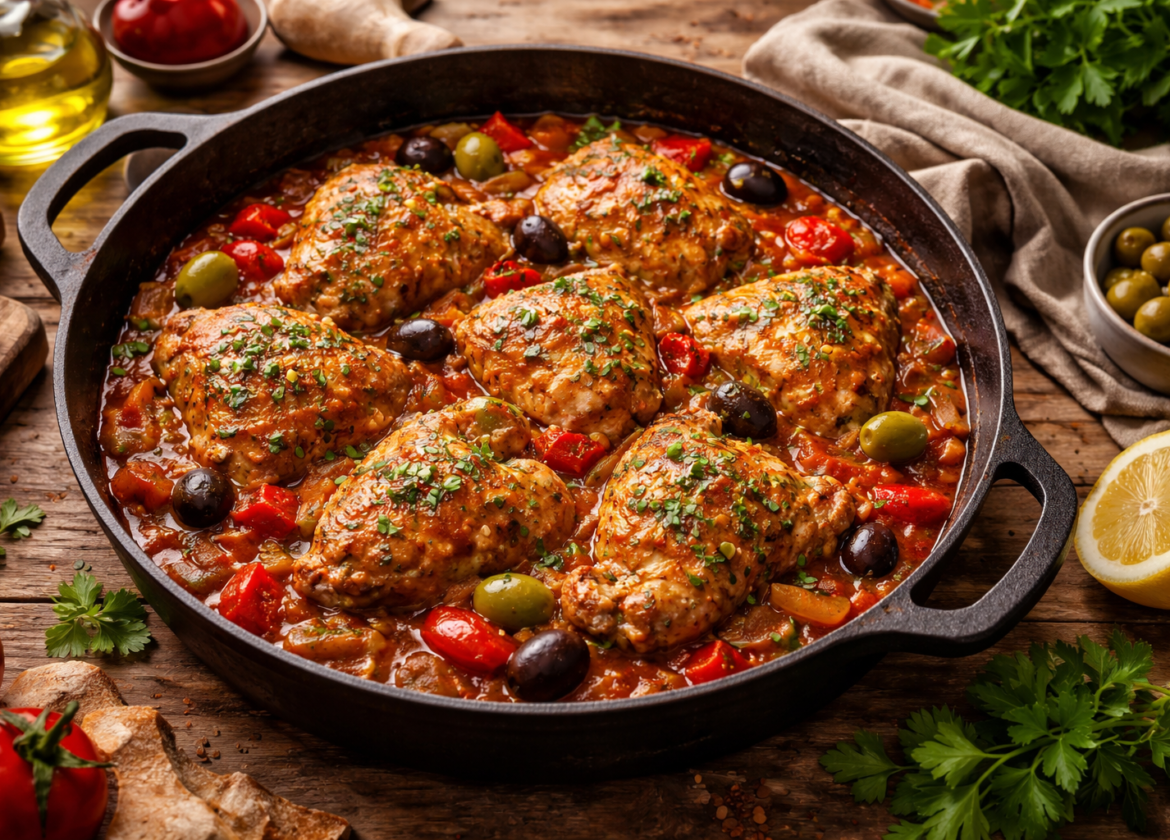
The Spanish Chicken Recipe is a cornerstone of Mediterranean cuisine, celebrated for its vibrant colors, aromatic spices, and hearty composition. Known in Spain as Pollo a la Española or often associated with the rustic Pollo Chilindrón, this dish represents the perfect marriage of tender poultry and a rich, tomato-based sauce infused with smoky pimentón (Spanish paprika). Unlike standard chicken stews, a traditional Spanish preparation focuses on the depth of flavor derived from slow-cooked aromatics and the high-quality produce of the Iberian Peninsula.
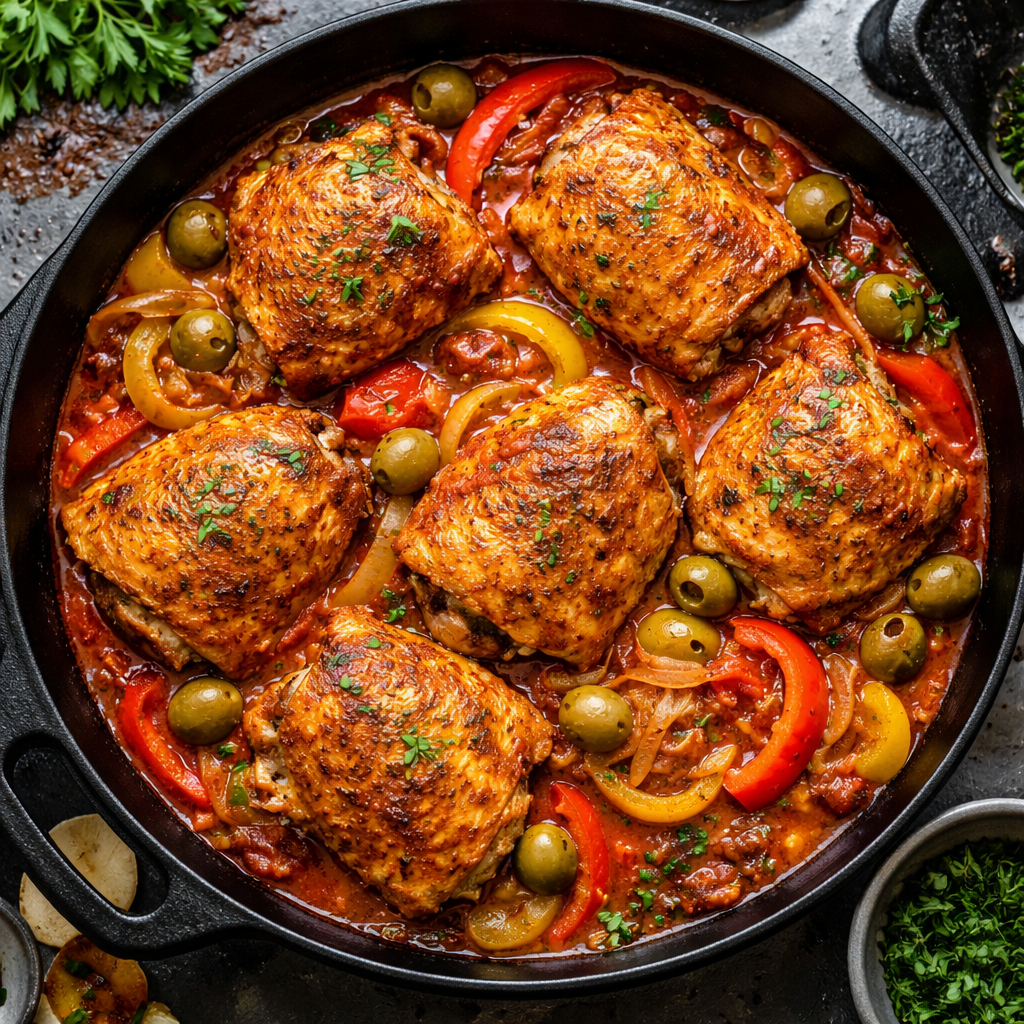
At its core, a Spanish Chicken Recipe is a versatile one-pot meal that captures the essence of Spanish home cooking. It typically features bone-in chicken thighs or drumsticks, which remain succulent throughout the braising process. The addition of bell peppers, onions, garlic, and olives creates a complex flavor profile that is simultaneously smoky, sweet, and savory. Whether you are a seasoned chef or a home cook looking to expand your repertoire, understanding the nuances of this recipe is essential for delivering an authentic dining experience.
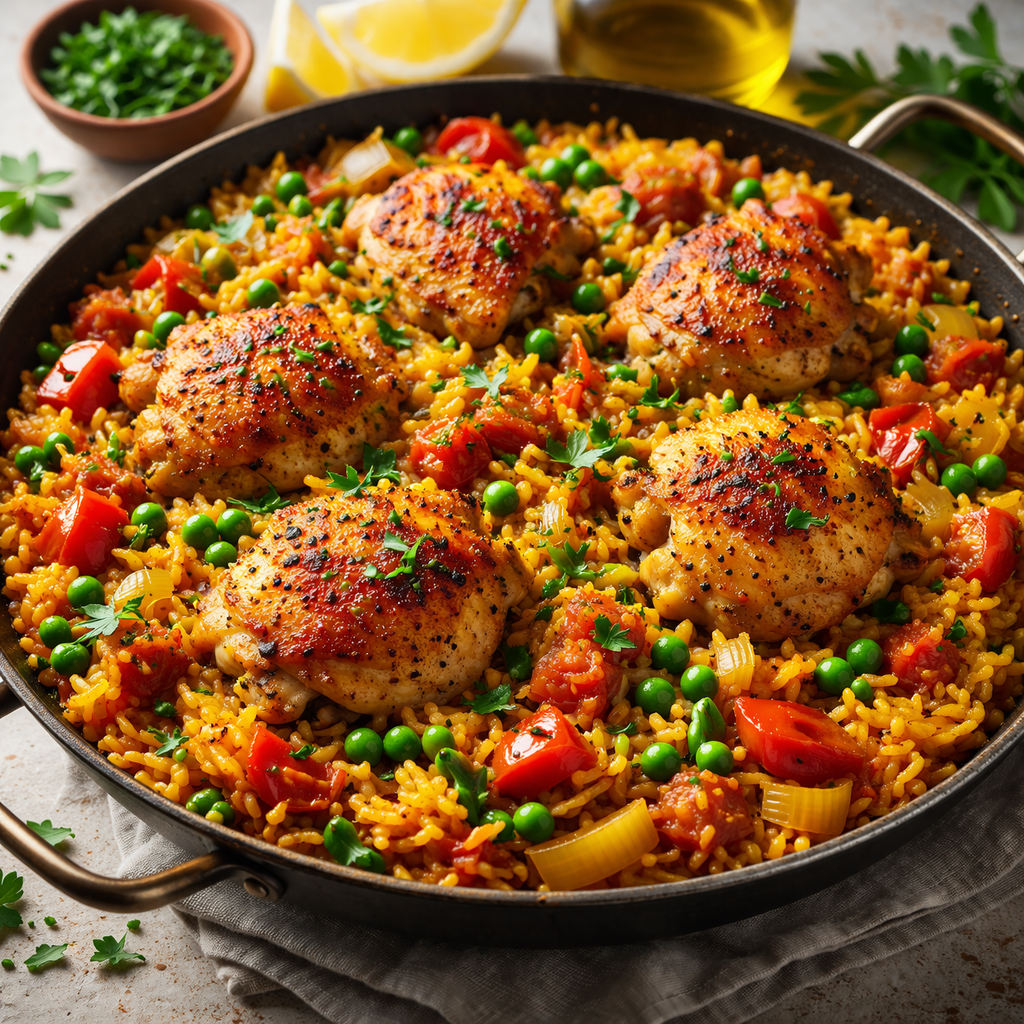
How Cooking Improves Spanish Chicken Quality
The culinary success of a Spanish Chicken Recipe is not merely dependent on the ingredients but on the techniques used to develop flavor layers. Several scientific and culinary processes occur during the cooking cycle that significantly enhance the quality of the final dish.
The Maillard Reaction
Properly searing the chicken skin before braising is a critical step. This chemical reaction between amino acids and reducing sugars creates a savory “crust” and a depth of flavor that cannot be achieved through boiling or steaming alone. This initial sear ensures that the chicken contributes a rich, roasted essence to the surrounding sauce.
Reduction and Emulsification
As the chicken simmers with tomatoes, wine, and peppers, the liquids reduce, concentrating the sugars and acids. The gelatin released from the chicken bones acts as a natural thickener, creating an emulsified sauce that coats the meat perfectly. This process transforms thin liquids into a velvety, high-quality sauce that defines a premium Spanish Chicken Recipe.
Infusion of Aromatics
Slow-cooking allows the fat-soluble compounds in Spanish paprika and saffron to fully dissolve and permeate the meat. Because chicken is a relatively neutral protein, the extended cooking time ensures that the smoke from the pimentón and the earthiness of the garlic reach the center of the muscle fibers, rather than remaining purely on the surface.
Ingredients Breakdown for Spanish Chicken Recipe
To achieve an authentic taste, the selection of ingredients for your Spanish Chicken Recipe should prioritize freshness and traditional Spanish staples.
- Chicken: 3 to 4 pounds of bone-in, skin-on chicken thighs and drumsticks. Bone-in cuts provide more flavor and better moisture retention.
- Spanish Pimentón: 2 teaspoons of smoked Spanish paprika (Pimentón de la Vera). You may choose dulce (sweet) or picante (spicy) depending on your preference.
- Aromatics: 1 large yellow onion (finely diced), 1 red bell pepper (sliced into strips), and 4 to 6 cloves of garlic (minced).
- Tomatoes: 1 can (14 oz) of high-quality crushed tomatoes or 4 large, ripe tomatoes, grated.
- Liquid Base: 1/2 cup of dry white wine (such as Albariño or Sauvignon Blanc) and 1 cup of low-sodium chicken stock.
- Olives and Capers: 1/2 cup of Manzanilla or Castelvetrano olives for a briny finish.
- Chorizo (Optional): 4 ounces of Spanish chorizo, sliced into rounds, to add extra smokiness and fat.
- Herbs and Seasoning: Fresh parsley, dried bay leaves, kosher salt, and freshly cracked black pepper.
- Oil: Extra virgin olive oil, preferably of Spanish origin.
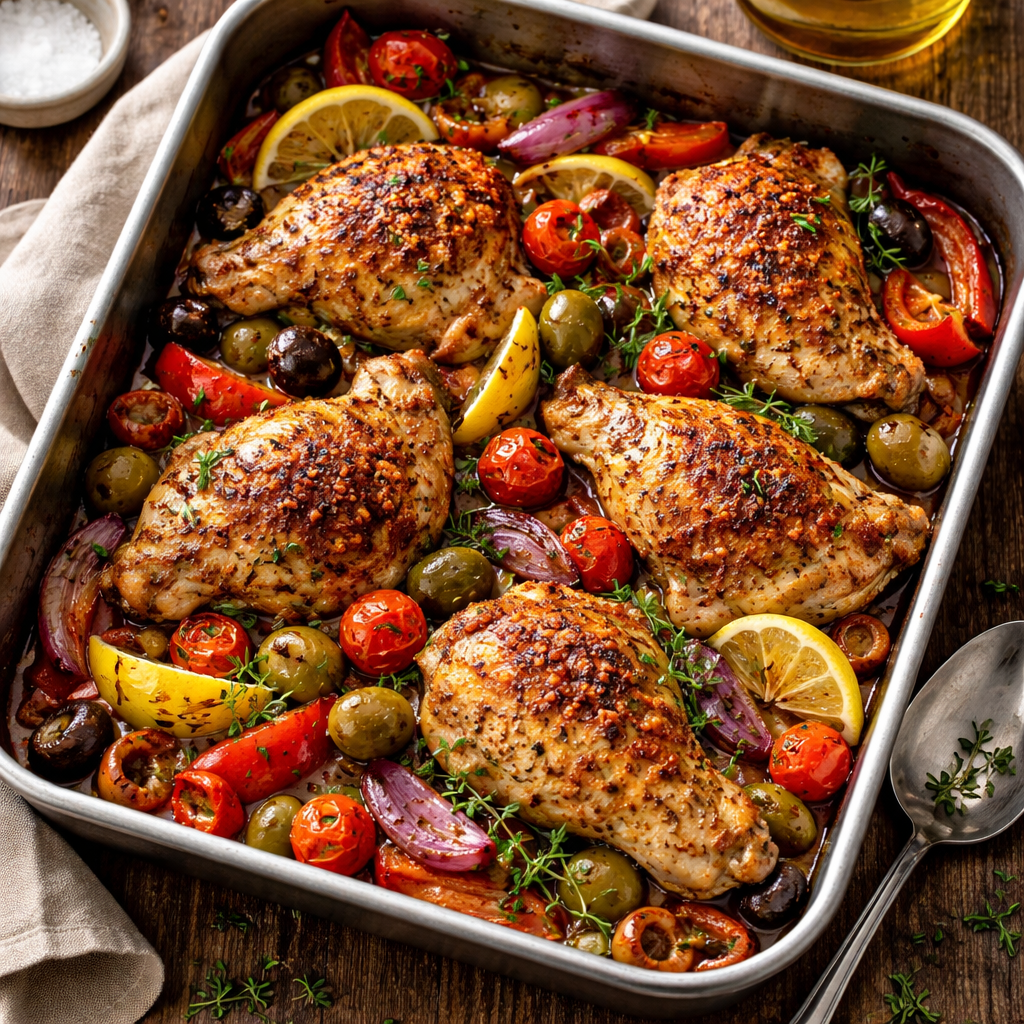
Tools and Equipment You Must Have
Precision in a Spanish Chicken Recipe is aided by using the right culinary tools. Because this is a braised dish, heat distribution is paramount.
- Dutch Oven or Heavy-Bottomed Skillet: A cast-iron Dutch oven is ideal because it retains heat evenly and can transition from the stovetop to the oven if needed.
- Kitchen Tongs: Essential for searing the chicken without tearing the skin.
- Chef’s Knife: A sharp knife is required to finely dice the aromatics, ensuring they melt into the sauce.
- Wooden Spoon: Perfect for scraping the “fond” (the browned bits) off the bottom of the pan during the deglazing process.
- Meat Thermometer: To ensure the chicken has reached a safe internal temperature of 165°F (74°C).
Timing and Temperature Explained Clearly
A Spanish Chicken Recipe is not a rushed meal; it requires a controlled temperature to ensure the meat is tender rather than tough.
- Prep Time: 20 minutes (chopping vegetables and seasoning chicken).
- Searing Time: 10–12 minutes (medium-high heat).
- Sautéing Time: 8–10 minutes (medium heat).
- Simmering/Braising Time: 30–40 minutes (low-medium heat).
- Total Time: Approximately 1 hour and 15 minutes.
Temperature Control Tip: Always start with medium-high heat for the initial sear to prevent the chicken from sticking and to encourage browning. Once you begin the simmer, reduce to low-medium heat. The liquid should show gentle bubbles; a hard boil will toughen the protein fibers.
Step-by-Step Guide to Spanish Chicken Recipe
1. Preparation and Seasoning
Pat the chicken pieces dry with paper towels. Moisture is the enemy of a good sear. Season generously on all sides with salt, pepper, and one teaspoon of the smoked paprika.
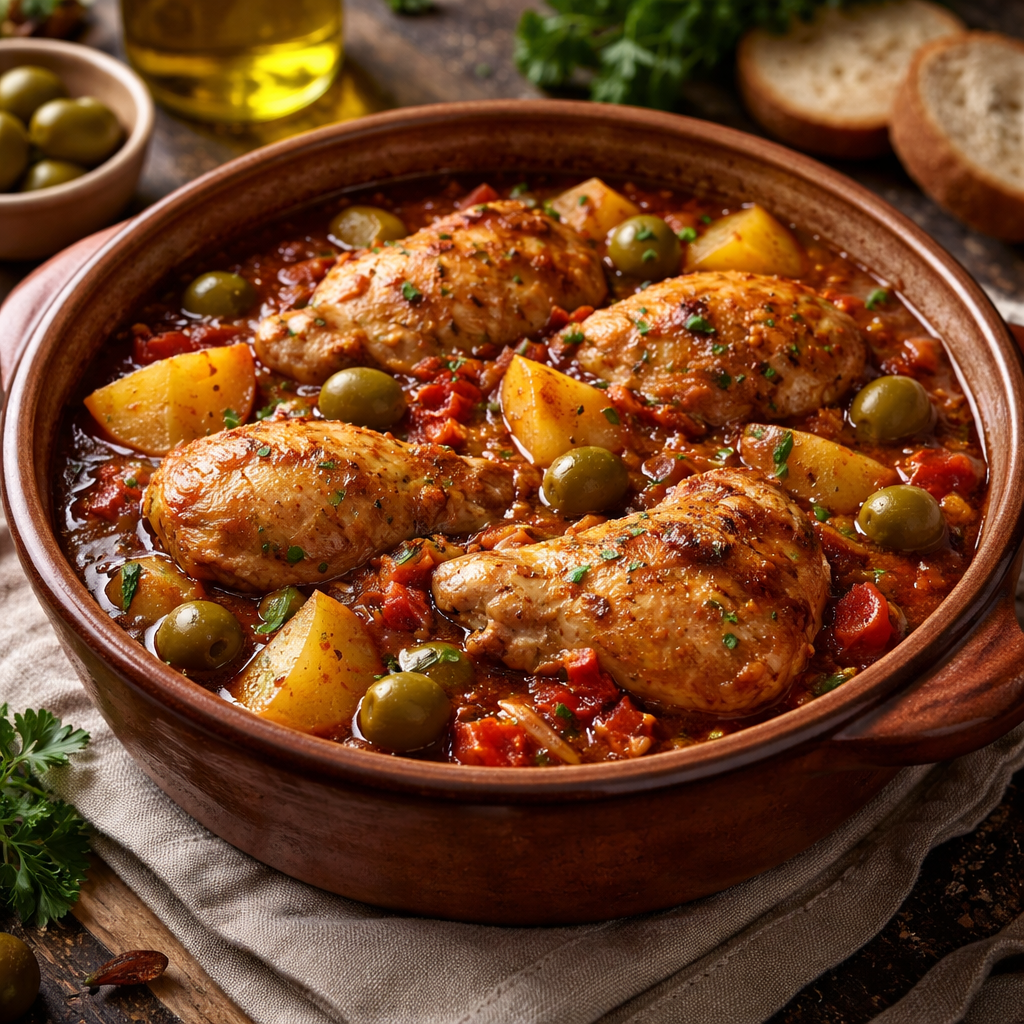
2. Searing the Protein
Heat two tablespoons of olive oil in your Dutch oven over medium-high heat. Place the chicken skin-side down in the pan. Sear for 5–7 minutes until the skin is golden and crisp. Flip and sear for another 3 minutes. Remove the chicken and set it aside on a plate.
3. Sautéing the Aromatics
If using chorizo, add it to the rendered fat in the pan and cook for 2 minutes. Add the onions and bell peppers. Sauté for 5–7 minutes until softened. Add the garlic and the remaining paprika, stirring constantly for 60 seconds to prevent the garlic from burning.
4. Deglazing the Pan
Pour in the white wine. Use your wooden spoon to scrape the bottom of the pan to release the caramelized bits. This is where the concentrated flavor of the Spanish Chicken Recipe resides. Allow the wine to reduce by half.
5. Building the Braising Liquid
Stir in the crushed tomatoes, chicken stock, and bay leaves. Return the chicken and any accumulated juices to the pan, ensuring the chicken is nestled into the sauce but the skin remains slightly above the liquid to maintain some texture.
6. The Simmer
Cover the pot partially and reduce the heat to low. Simmer for 30–35 minutes. About 10 minutes before the end of cooking, stir in the olives.
7. The Finishing Touch
Remove the bay leaves. Taste the sauce and add salt or pepper if necessary. Garnish with a generous amount of fresh chopped parsley and a squeeze of lemon juice for brightness.
Common Errors and How to Prevent Them
To ensure your Spanish Chicken Recipe is of professional quality, avoid these common pitfalls:
- Crowding the Pan: If you add too much chicken at once during the searing phase, the temperature will drop and the meat will steam rather than brown. Sear in batches if necessary.
- Burning the Paprika: Smoked paprika is delicate. If it burns, it becomes extremely bitter. Always add it alongside the garlic or wet ingredients to protect it from direct high heat.
- Using Boneless, Skinless Breasts: While possible, chicken breasts often dry out during the 30-minute simmer required for the sauce to develop. For the best Spanish Chicken Recipe, stick to dark meat.
- Neglecting the Resting Period: Let the dish sit for 5–10 minutes after turning off the heat. This allows the juices to redistribute within the chicken and the sauce to thicken slightly.
Frequently Asked Questions About Spanish Chicken Recipe
Can I make this recipe in a slow cooker?
Yes. Follow the searing and sautéing steps on the stovetop first, as these are vital for flavor. Then, transfer everything to a slow cooker and cook on low for 4–5 hours.
What should I serve with Spanish Chicken?
The most traditional accompaniment is saffron rice or crusty bread to soak up the sauce. Roasted potatoes or a simple green salad also work exceptionally well.
Is the wine necessary?
The wine adds a necessary acidity that cuts through the richness of the chicken and chorizo. However, if you prefer not to use alcohol, you can substitute it with extra chicken stock and a tablespoon of sherry vinegar.
How do I store leftovers?
This Spanish Chicken Recipe actually tastes better the next day as the flavors continue to meld. Store in an airtight container in the refrigerator for up to 3 days. Reheat gently on the stovetop over low heat.
By following these instructions, you will create a Spanish Chicken Recipe that is authentic, flavorful, and visually stunning. This dish is a testament to the power of simple ingredients prepared with time-honored techniques.
The Best Butter Chicken Recipe Made at Home
The Best Chicken Fried Steak Recipe for Family Dinners
Delicious Shredded Chicken Recipes Your Family Will Love
Easy Chicken Parmesan Recipe – Crispy, Cheesy & Delicious
Quick & Delicious Chipotle Chicken Recipe for Busy Nights
Healthy Chicken and Orzo Recipes Made Simple