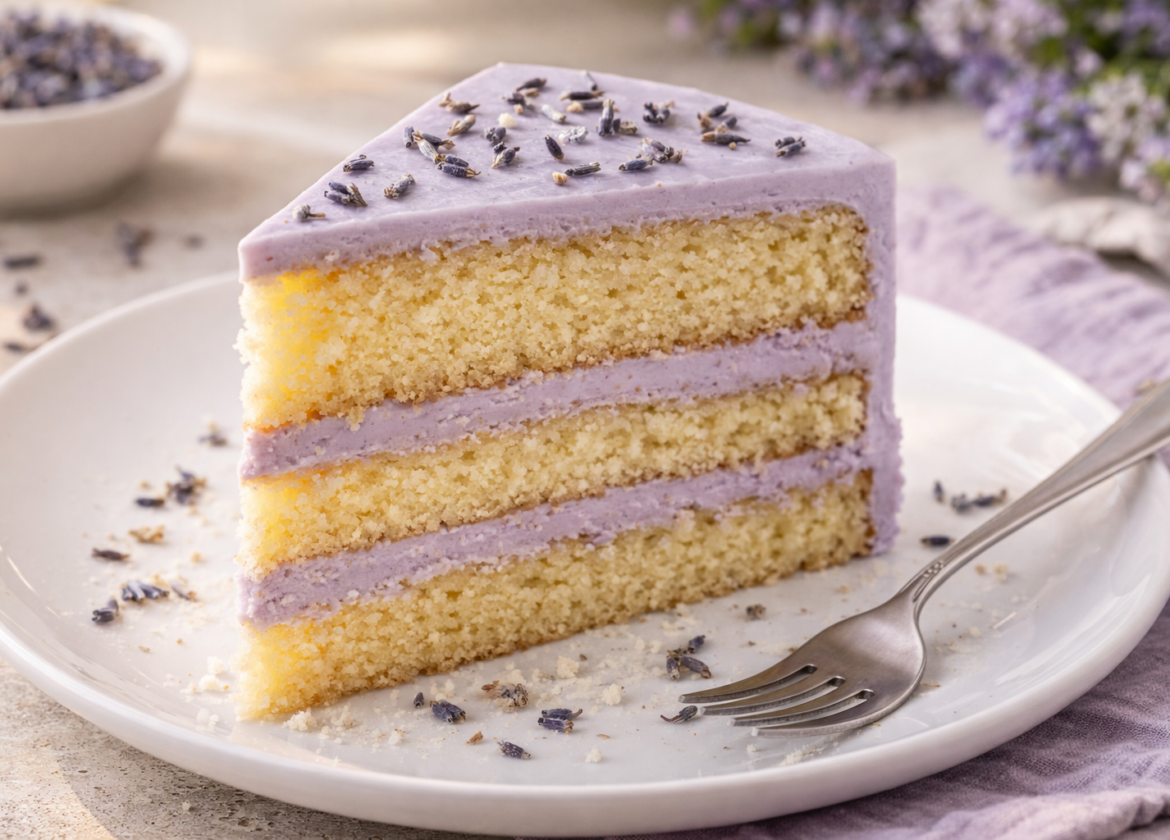
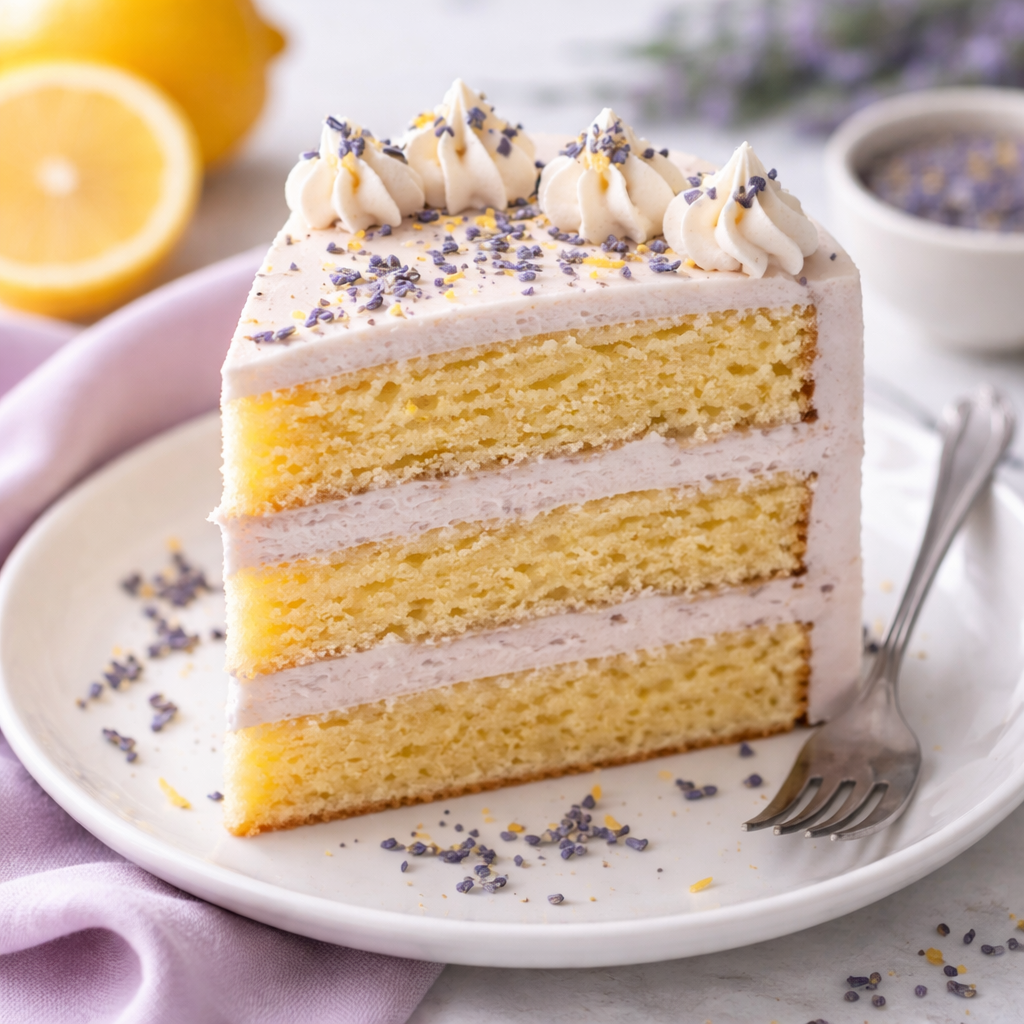
The Lavender Cake Recipe represents a sophisticated departure from traditional vanilla or lemon cakes. Lavender, a member of the mint family, offers a unique floral profile that, when balanced correctly, adds an elegant, herbal depth to baked goods. This cake is typically characterized by a light, tender crumb and a subtle fragrance that pairs exceptionally well with honey, lemon, and cream.
In professional confectionery, lavender is prized for its ability to elevate a simple tea cake into a gourmet dessert. However, many home bakers are hesitant to use floral elements due to the risk of an “over-perfumed” result. This Lavender Cake Recipe focuses on precision and the proper infusion of flavors, ensuring that the floral notes remain a complementary background element rather than an overwhelming presence.
When and Why to Use Lavender Cake Recipe
Choosing a Lavender Cake Recipe is an excellent way to mark seasonal transitions or special occasions. Its aesthetic and flavor profile make it particularly suited for specific events:
- Spring and Summer Gatherings: The light, floral notes mirror the seasonal atmosphere of garden parties and bridal showers.
- High Tea Events: Lavender has long been a staple of British tea culture, making this cake a natural pairing for Earl Grey or herbal infusions.
- Aromatic Complexity: If you find standard sponge cakes too one-dimensional, lavender provides a complex “top note” that lingers on the palate.
- Visual Appeal: The inclusion of dried lavender buds within the batter or as a garnish creates a rustic, artisanal appearance that requires minimal additional decoration.
Ingredient List With Practical Notes
The success of a Lavender Cake Recipe hinges on the quality of the lavender and the method of infusion.
The Essential Floral Component
- Culinary Grade Dried Lavender: 1 to 2 tablespoons. It is critical to use culinary-grade lavender, which has been processed for consumption. Ornamental lavender from craft stores may contain pesticides or a soapy, bitter flavor profile.
The Cake Base
- All-Purpose Flour: 2 ½ cups. Sifting the flour is essential for a light, airy texture.
- Granulated Sugar: 1 ½ cups. Sugar not only sweetens but also helps the lavender flavors “bloom” during the creaming process.
- Unsalted Butter: 1 cup (2 sticks), softened to room temperature.
- Large Eggs: 4 units. Room temperature eggs emulsify more effectively with the butter.
- Whole Milk: 1 cup. The fat content in whole milk provides a richer crumb.
- Leavening Agents: 2 ½ teaspoons of baking powder and ½ teaspoon of salt.
Aromatics
- Vanilla Extract: 1 teaspoon. Use pure vanilla to complement the floral notes.
- Lemon Zest: 1 tablespoon. The acidity of lemon cuts through the perfume of the lavender, creating a balanced flavor.
Kitchen Tools Checklist
To execute the Lavender Cake Recipe with professional consistency, ensure the following tools are prepared:
- Mortar and Pestle: Used to lightly bruise or grind the lavender buds with a bit of sugar. This releases the essential oils without leaving large, woody pieces in the cake.
- Electric Stand Mixer or Hand Mixer: Essential for the creaming stage to incorporate air into the butter and sugar.
- 9-inch Cake Pans: Two round pans, greased and lined with parchment paper.
- Fine-Mesh Sieve: For sifting dry ingredients and ensuring a lump-free batter.
- Rubber Spatula: For folding the final ingredients to prevent over-mixing.
- Wire Cooling Rack: To allow steam to escape evenly after baking.
Start-to-Finish Cooking Timeline
Efficiency is maintained by following a structured workflow. The Lavender Cake Recipe follows a standard creaming method timeline:
- Prep and Infusion: 15 minutes (grinding lavender and measuring ingredients).
- Mixing: 10 minutes.
- Baking: 30–35 minutes.
- Cooling: 45 minutes to 1 hour.
- Total Time: Approximately 2 hours.
Temperature Control Tip: Preheating your oven to 350°F (175°C) at the start of your prep is vital. A consistent starting temperature ensures the leavening agents react correctly the moment the pans enter the oven.
How to Cook Lavender Cake Recipe Correctly
1. Infusing the Sugar
The most effective way to distribute flavor in a Lavender Cake Recipe is to grind the dried lavender buds with a tablespoon of the recipe’s sugar using a mortar and pestle. This creates “lavender sugar,” which distributes the floral oils evenly throughout the batter.
2. The Creaming Method
In a large bowl, beat the softened butter and the remaining sugar (including the lavender sugar) until the mixture is pale and fluffy. This should take 3 to 5 minutes. Do not rush this step, as the incorporated air is what gives the cake its lift.
3. Adding the Liquids
Add the eggs one at a time, beating well after each addition. Scrape down the sides of the bowl to ensure a uniform mixture. Stir in the vanilla extract and lemon zest.
4. Alternating Dry and Wet Ingredients
Sift the flour, baking powder, and salt together. Add one-third of the flour mixture to the butter mixture and mix on low speed. Follow with half of the milk. Repeat the process, ending with the final third of the flour. Mix only until just combined to avoid developing too much gluten.
5. The Bake
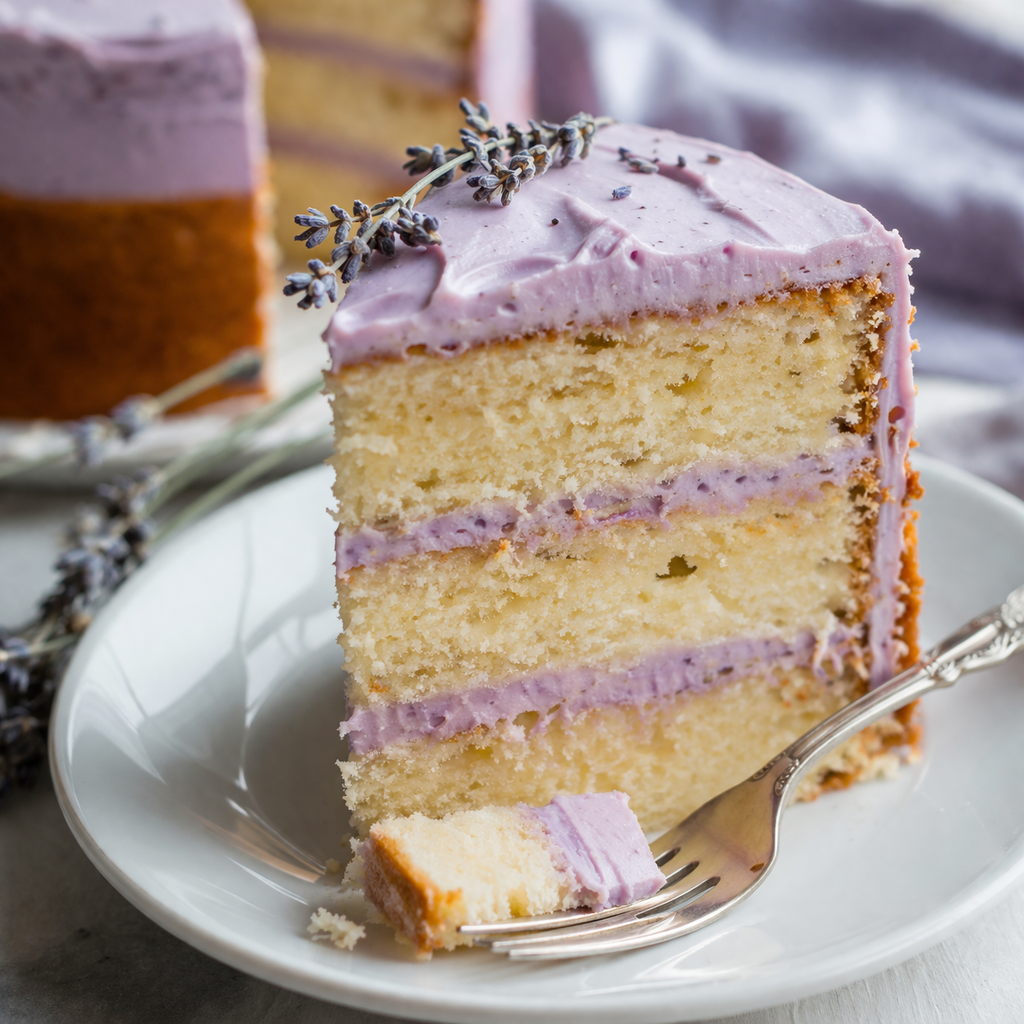
Divide the batter equally between the two prepared pans. Bake for 30–35 minutes. The cakes are done when a toothpick inserted into the center comes out clean or with a few moist crumbs.
6. Cooling Process
Allow the cakes to rest in the pans for 10 minutes. This allows the structure to firm up. Invert them onto a wire cooling rack and remove the parchment paper. Let them cool completely before applying any frosting or glaze.
What Can Go Wrong and Why
Even a carefully followed Lavender Cake Recipe can yield poor results if technical nuances are ignored.
- Soapy Flavor Profile: This occurs when too much lavender is used or if the lavender is not culinary grade. Lavender is potent; less is often more. Stick to the measured amounts.
- Tough or Dense Crumb: This is usually the result of over-mixing the batter once the flour is added. Over-mixing develops gluten, which is desirable in bread but detrimental to cake.
- Sunken Center: If the oven door is opened too frequently during the first 20 minutes of baking, the sudden drop in temperature can cause the delicate structure to collapse.
- Greasy Texture: This happens if the butter and sugar were not creamed sufficiently or if the eggs were added while still cold, causing the emulsion to “break.”
Lavender Cake Recipe FAQ Section
Can I use fresh lavender instead of dried?
Yes, but you will need to triple the amount. Fresh lavender has a higher water content and is less concentrated than dried. Ensure the lavender is free from pesticides and has been thoroughly cleaned.
Does the cake taste like soap?
When using high-quality culinary lavender in the correct proportions, the cake should taste floral and earthy, similar to a high-end herbal tea. The soapy taste only occurs when the dosage is too high or the lavender variety is meant for fragrance rather than food.
What frosting pairs best with this Lavender Cake Recipe?
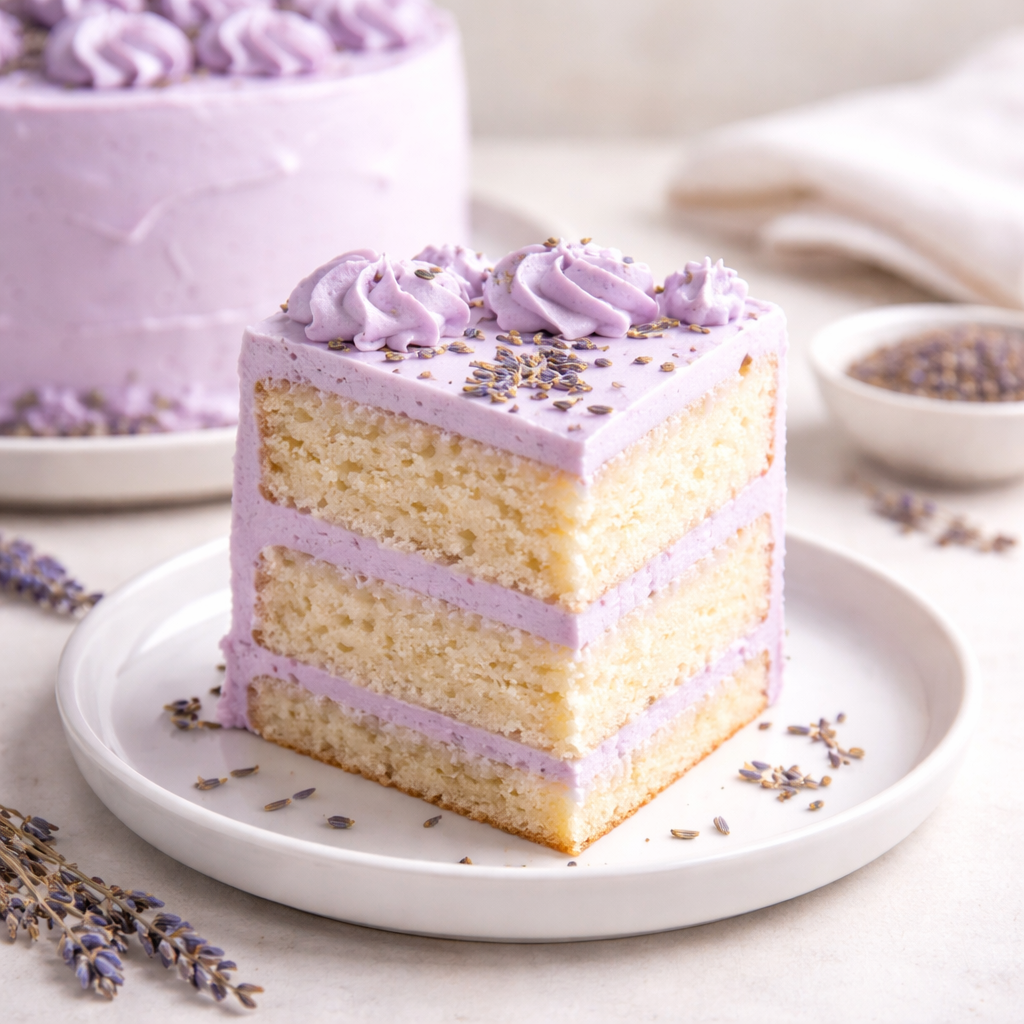
A Honey Buttercream or a Lemon Cream Cheese Frosting are the most common pairings. The sweetness of honey and the acidity of lemon perfectly balance the herbal notes of the lavender.
How should I store the finished cake?
Store the cake in an airtight container at room temperature for up to 3 days. If the cake is frosted with a dairy-based frosting, it should be refrigerated. To freeze, wrap the un-frosted layers tightly in plastic wrap and aluminum foil for up to 2 months.
Can I make this recipe gluten-free?
Yes, you can substitute the all-purpose flour with a high-quality 1:1 gluten-free flour blend. Note that the texture may be slightly denser, but the lavender infusion remains unchanged.
By adhering to these professional guidelines and focusing on the delicate balance of floral infusion, your Lavender Cake Recipe will produce a dessert that is as flavorful as it is unique. Consistency in measurement and patience during the creaming process remain the keys to success.
The Best Pig Pickin Cake Recipe You’ll Ever Try
Easy Pumpkin Bundt Cake Recipe with Fall Flavors
Moist Buttermilk Cake Recipe – Soft, Rich & Homemade
Easy Hoe Cakes Recipe Made with Simple Ingredients