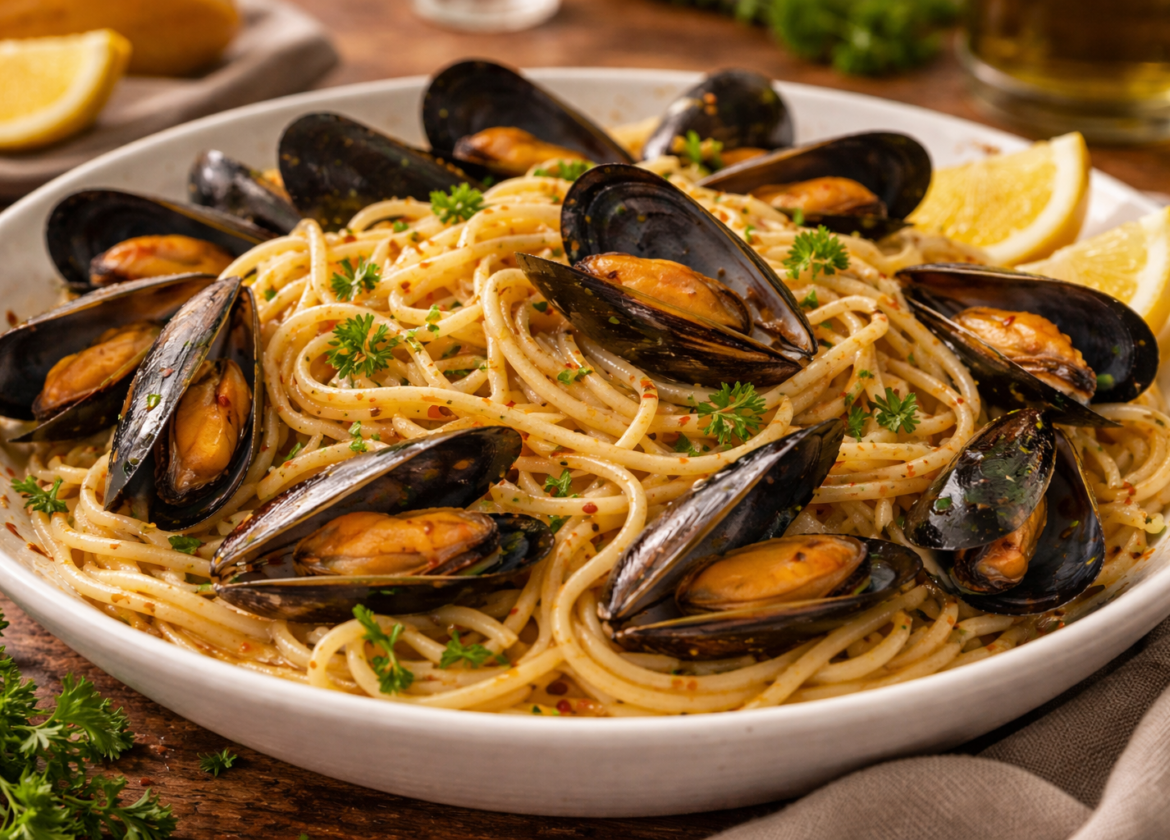
There is something inherently celebratory about a bowl of pasta crowned with glistening, dark-shelled mussels. In the culinary world, this dish is often viewed as the pinnacle of coastal Mediterranean cooking—effortless, aromatic, and deeply satisfying. However, for many home cooks, the idea of preparing shellfish at home feels intimidating. There are concerns about cleaning, the “fear” of undercooking, or the risk of the mussels becoming rubbery.
The truth is that a Mussel Pasta Recipe is one of the fastest “fancy” meals you can master. It relies on a few fundamental techniques rather than complex gadgetry. This approach focuses on the marriage between the briny liquor released by the mussels and a base of garlic, white wine, and olive oil. When these elements emulsify, they create a sauce that is far superior to anything you could pour out of a jar. This guide is designed to demystify the process, offering a reliable framework that works every time, whether you are cooking for a quiet Tuesday night or a lively weekend gathering.
What Makes This Method Worth Using
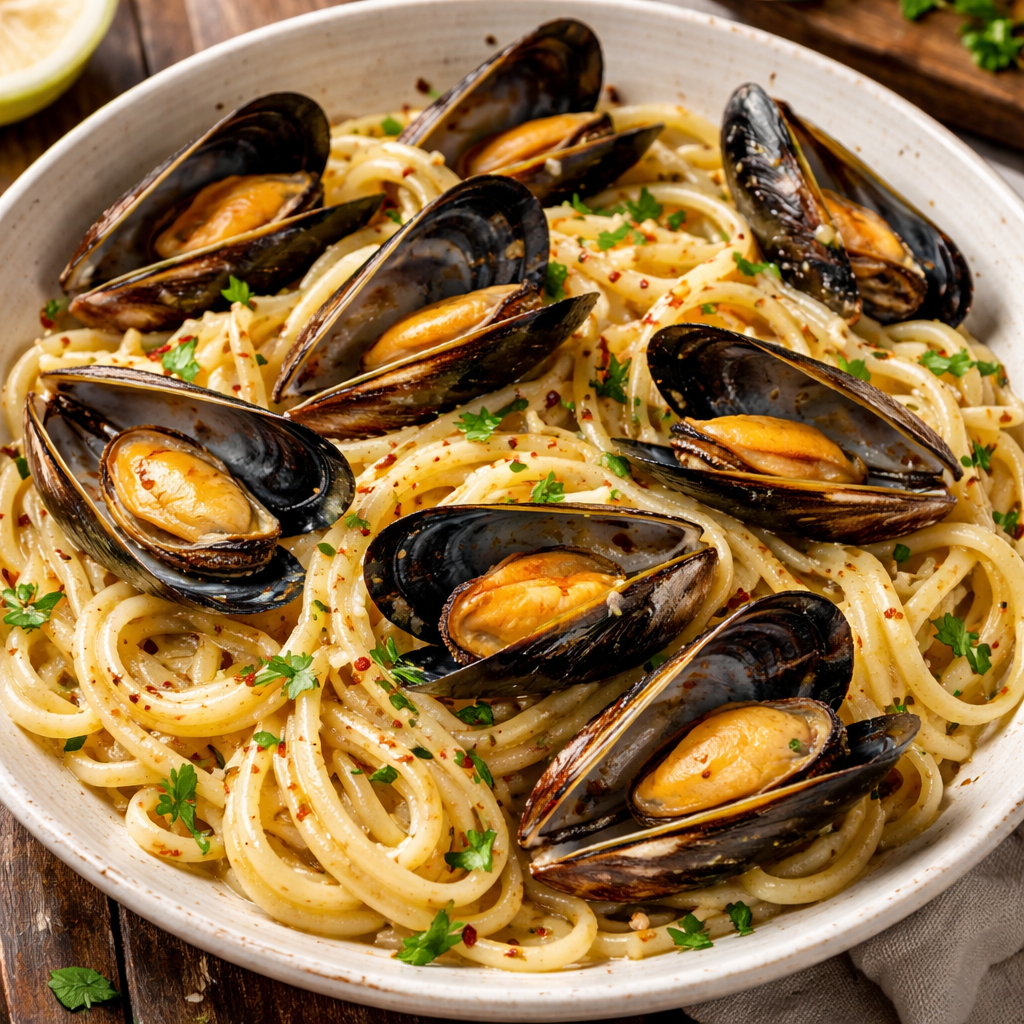
When you look at a professional Mussel Pasta Recipe, you’ll notice it isn’t just about boiling noodles and tossing them with seafood. The magic lies in how the ingredients are layered to build a “sea-to-table” flavor profile.
- Natural Brine Utilization: Unlike shrimp or scallops, mussels come with their own built-in seasoning. As they steam open, they release “liquor”—a salty, flavorful liquid that serves as the soul of your sauce.
- Speed and Efficiency: Mussels cook in approximately five to seven minutes. This makes the dish an ideal candidate for those who want high-impact flavor without spending hours over a stove.
- Textural Contrast: By finishing the pasta directly in the pan with the mussels, the noodles absorb the sauce, resulting in a cohesive dish where the pasta tastes like the sea, rather than just sitting under it.
- Economic Elegance: Mussels are traditionally one of the most affordable types of seafood. This recipe allows you to serve a luxury-feeling meal on a modest budget.
Ingredient Choices That Improve Results
Because this Mussel Pasta Recipe is minimalist, the quality of each component is amplified. You cannot hide poor-quality ingredients in a light wine sauce.
The Seafood
- Fresh Mussels: Look for “PEI” (Prince Edward Island) or blue mussels. They should be tightly closed or close when tapped. Avoid mussels with cracked shells or those that feel unusually heavy (which can indicate they are full of silt).
- The “Beard”: Most farmed mussels come de-bearded, but you should always check. The beard is the hairy ligament the mussel uses to attach to rocks; simply tug it toward the hinge to remove it.
The Pasta
- Long Strands: Linguine or Spaghetti are the traditional choices. The flat surface of linguine is particularly good at catching the light, oily sauce.
- Bronze-Cut: If possible, choose pasta labeled “bronze-cut.” It has a rougher exterior that allows the sauce to cling to the noodle rather than sliding off.
The Aromatics and Liquids
- Dry White Wine: Choose a crisp, high-acid wine like Pinot Grigio, Sauvignon Blanc, or Muscadet. Avoid “cooking wine” from the grocery store aisle, which is loaded with unnecessary salt.
- Fresh Garlic and Shallots: These provide the base notes. Slicing the garlic thinly (rather than mincing it) allows it to flavor the oil without burning as easily.
- Extra Virgin Olive Oil: Use the good stuff here. It’s a primary flavor carrier in this dish.
- Red Pepper Flakes: Even if you don’t like spice, a small pinch (peperoncino) is essential for cutting through the richness of the oil.
Tools That Support Consistent Cooking
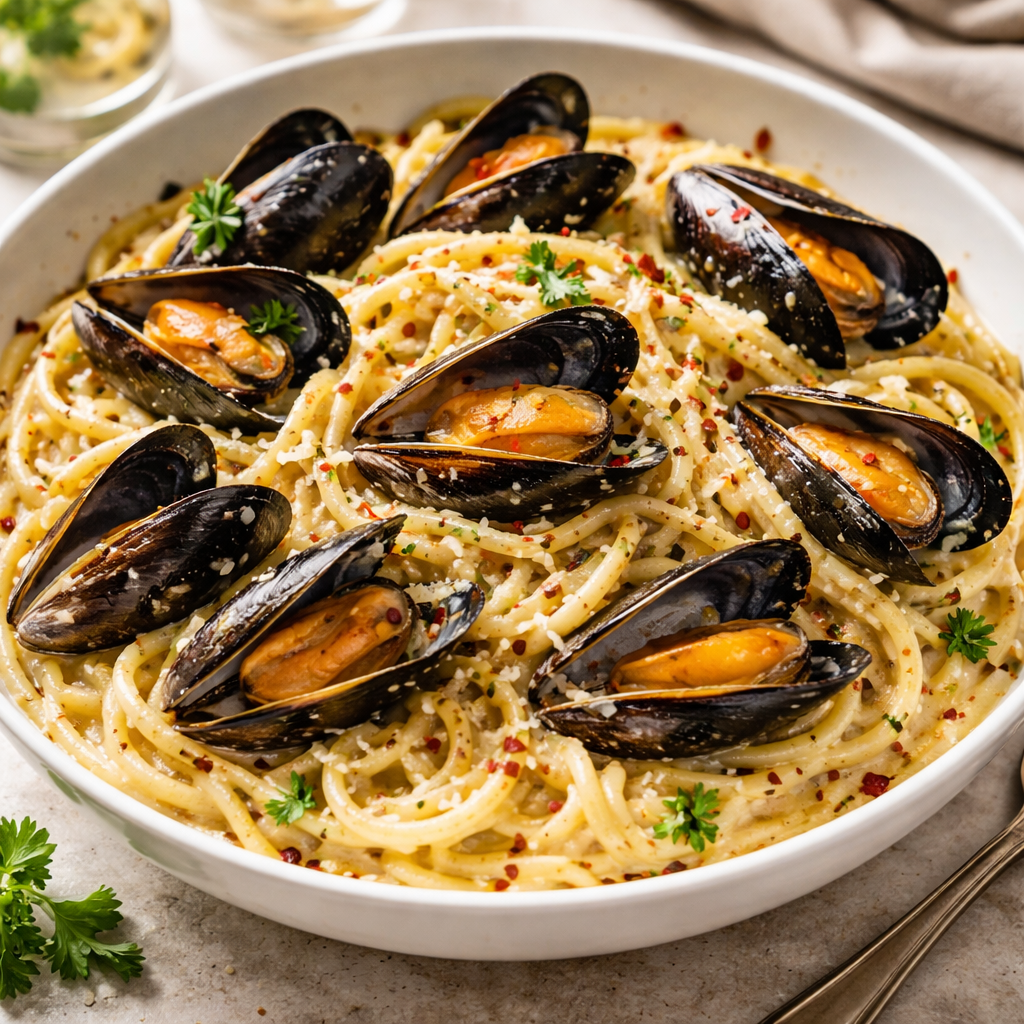
You don’t need a professional kitchen, but a few specific tools will make your Mussel Pasta Recipe much easier to manage.
- A Large, Wide Pan with a Tight Lid: You need enough surface area so the mussels aren’t stacked too deep. A deep skillet or a wide Dutch oven is perfect. The lid is essential for trapping the steam that opens the shells.
- A Large Stockpot: For boiling the pasta. Remember, the pasta needs plenty of salted water to move around.
- Kitchen Tongs: For tossing the pasta into the sauce and for plucking out any mussels that refuse to open.
- A Colander: To drain the pasta—though I always recommend using tongs to move the pasta directly from the water to the pan to keep some of that starchy water.
- A Fine-Mesh Sieve: Only necessary if you are worried about sand. You can strain the cooking liquid if you feel the mussels were particularly gritty.
Timing Strategy for Best Texture
Timing is everything in a Mussel Pasta Recipe. If the pasta is done too early, it gets gummy. If the mussels sit too long, they shrink and become tough.
- The Staggered Start: Start your pasta water first. Mussels cook so quickly that you should only start the sauce once the pasta is halfway through its boiling time.
- The Al Dente Rule: Always pull your pasta out of the water two minutes before the package says it’s done. It will finish cooking in the mussel broth, soaking up all that flavor.
- The Steam Phase: Mussels need about 5–6 minutes of steaming. As soon as the majority are open, they are done.
Step-by-Step Mussel Pasta Recipe (Naturally Written)
1. Prep the Mussels
First, give your mussels a cold bath. Scrub any grit off the shells and pull off the beards. If a mussel is open, give it a firm tap on the counter. If it doesn’t close, discard it—it’s no longer alive. Pat them dry and set them aside.
2. Boil the Pasta
Get a big pot of water going with enough salt that it “tastes like the sea.” Drop your linguine. Set your timer for about 7 minutes (assuming a 9-minute box instruction).
3. Build the Flavor Base
While the pasta is bubbling, heat 3 tablespoons of olive oil in your wide skillet over medium heat. Add your sliced shallots and cook until they soften. Add the garlic and red pepper flakes. Cook for just a minute until the garlic is fragrant and pale gold. Don’t let the garlic turn dark brown, or it will taste bitter.
4. Steam the Mussels
Turn the heat up to medium-high. Add the mussels to the pan and immediately pour in 1/2 cup of white wine. Pop the lid on immediately. Let them steam for 5 minutes. Give the pan a good shake once or twice (with the lid on) to move things around.
5. The Marriage
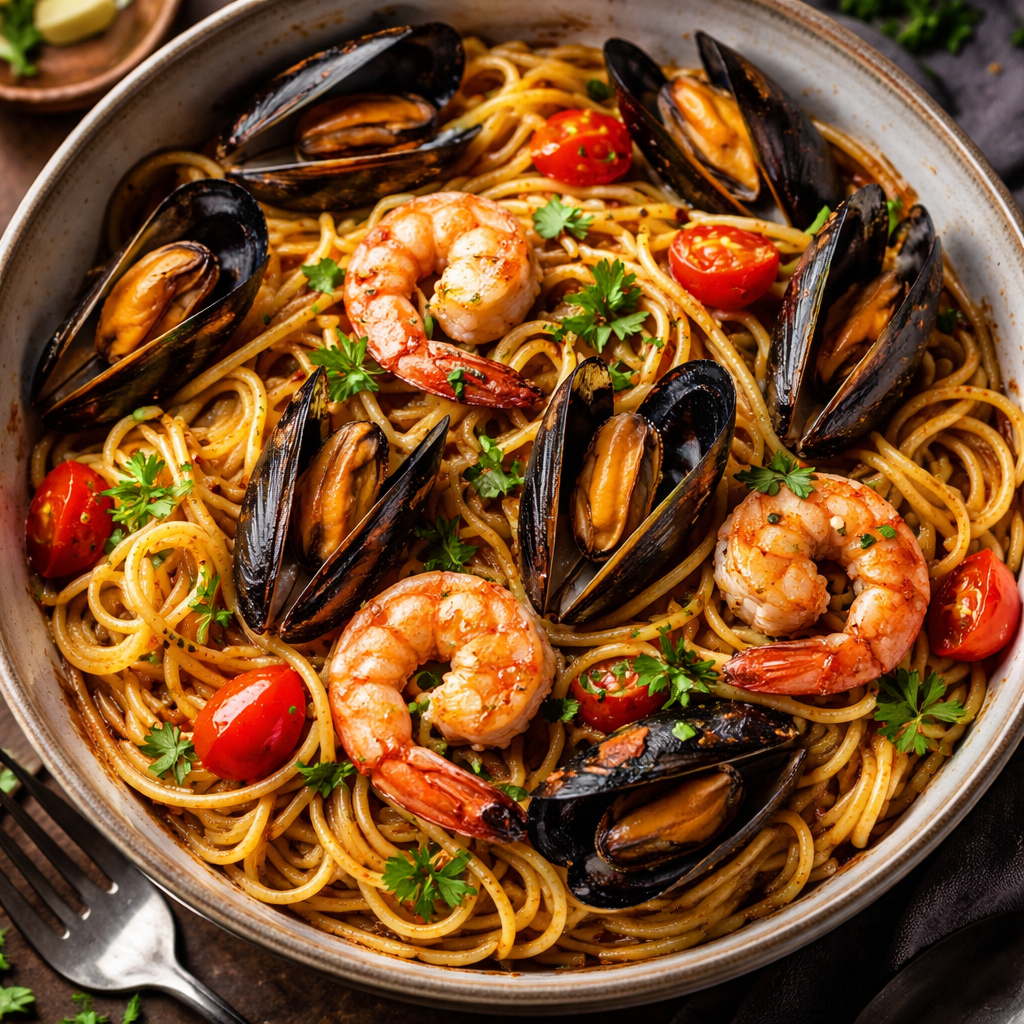
Remove the lid. Most of the mussels should be wide open. Use your tongs to transfer the pasta directly from its pot into the skillet with the mussels.
6. The Emulsion
Add a handful of fresh chopped parsley and a squeeze of lemon juice. If the pan looks a bit dry, add a splash of the starchy pasta cooking water. Toss everything vigorously for about 60 seconds. This “agitation” helps the oil, wine, and starch form a silky sauce that coats every strand.
Common Cooking Problems and Solutions
The “Closed” Mussel
Problem: You finish cooking, and three or four mussels are still tightly shut. Solution: There is an old kitchen myth that you must discard these. However, most modern chefs agree that if they are fresh, they might just have a strong hinge. Give them an extra minute. If they still won’t budge, discard them just to be safe, but don’t panic if one or two are stubborn.
Gritty Sauce
Problem: You take a bite and feel a “crunch” of sand. Solution: This happens with wild-caught mussels. To prevent this next time, soak your mussels in cold water with a pinch of cornmeal or flour for 20 minutes before cooking; they will “spit out” the sand. If it’s already happened, you can carefully remove the mussels, strain the sauce through a coffee filter, and recombine.
Broken Sauce
Problem: The oil is sitting at the bottom of the plate and the pasta is dry. Solution: You missed the emulsification step. You need that starchy pasta water! Next time, make sure you’re tossing the pasta into the pan while it’s still dripping with water, and don’t be afraid to add an extra ladle of that cloudy cooking liquid.
FAQ Based on Real User Questions
Q: Can I use frozen mussels for this recipe? A: You can, but the texture is never quite the same. Frozen mussels are usually pre-cooked, so you only need to heat them through in the sauce for 2–3 minutes. Be careful not to overcook them, or they will become quite small and rubbery.
Q: Is it safe to eat the “liquid” in the pan? A: Safe? It’s the best part! That liquid is a concentrated shot of ocean flavor. Just be sure to scrub your shells well before cooking so the liquid is clean.
Q: Can I make this without wine? A: Absolutely. You can substitute the wine with a high-quality chicken or vegetable broth, or even just extra pasta water with an extra squeeze of lemon to provide the necessary acidity.
Q: How do I store leftovers? A: Seafood pasta is best eaten immediately. However, you can store it in the fridge for one day. When reheating, do it gently in a pan with a splash of water. Do not microwave mussels, as they will turn into “rubber erasers” in seconds.
Q: What if I don’t have fresh parsley? A: Fresh is much better than dried here. If you don’t have parsley, fresh basil or even a bit of fresh tarragon can work, though they will change the flavor profile significantly.
Mastering a Mussel Pasta Recipe is a rite of passage for any home cook who loves seafood. It teaches you to trust your senses—listening for the sizzle of the garlic, watching the shells pop open, and feeling the pasta reach that perfect bite. Once you’ve done it once, it will likely become a permanent fixture in your culinary rotation.
Best Eggplant Pasta Recipes – Easy, Hearty & Delicious
Quick & Flavorful Elote Pasta Salad Recipe
Quick & Delicious Chicken Fajita Pasta recipe Family Favorite
best way to Make olive garden pasta e fagioli recipe at Home
Boursin Cheese Pasta Recipes – Creamy, Easy & Flavorful