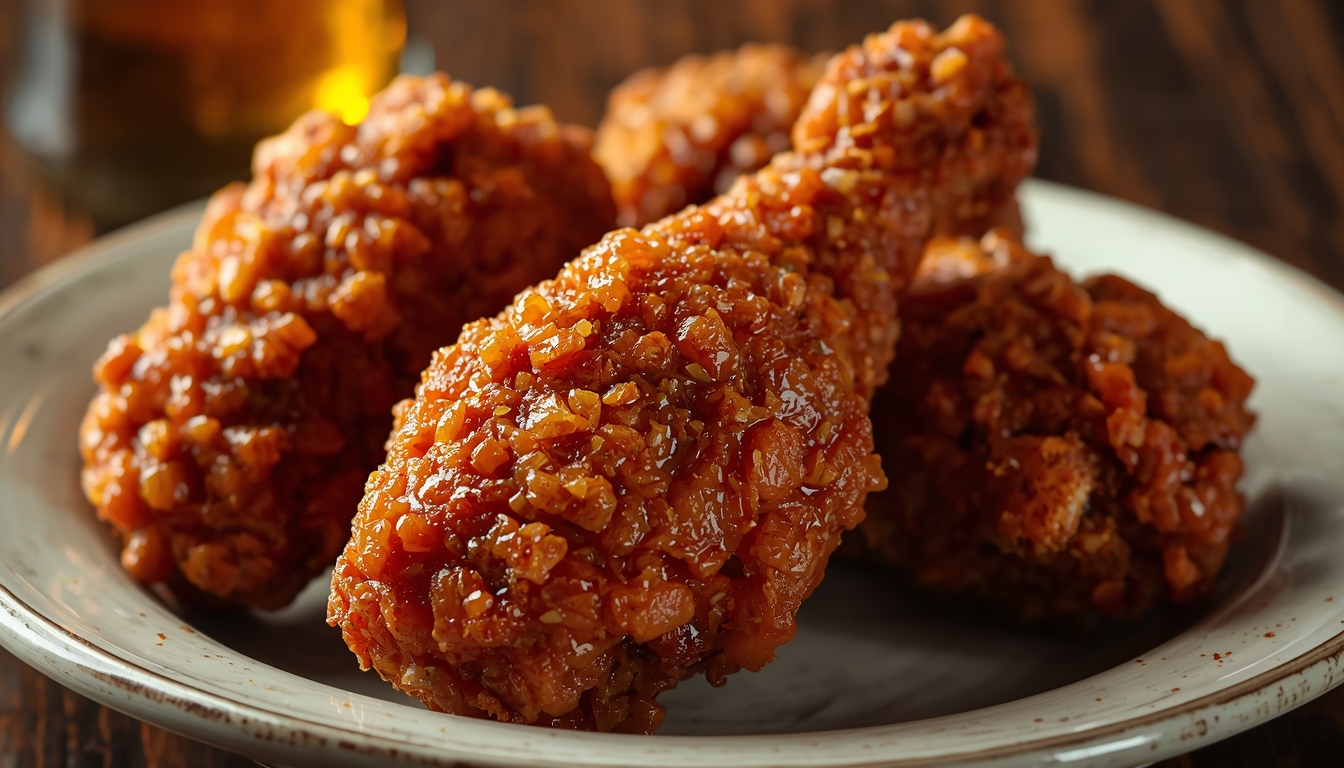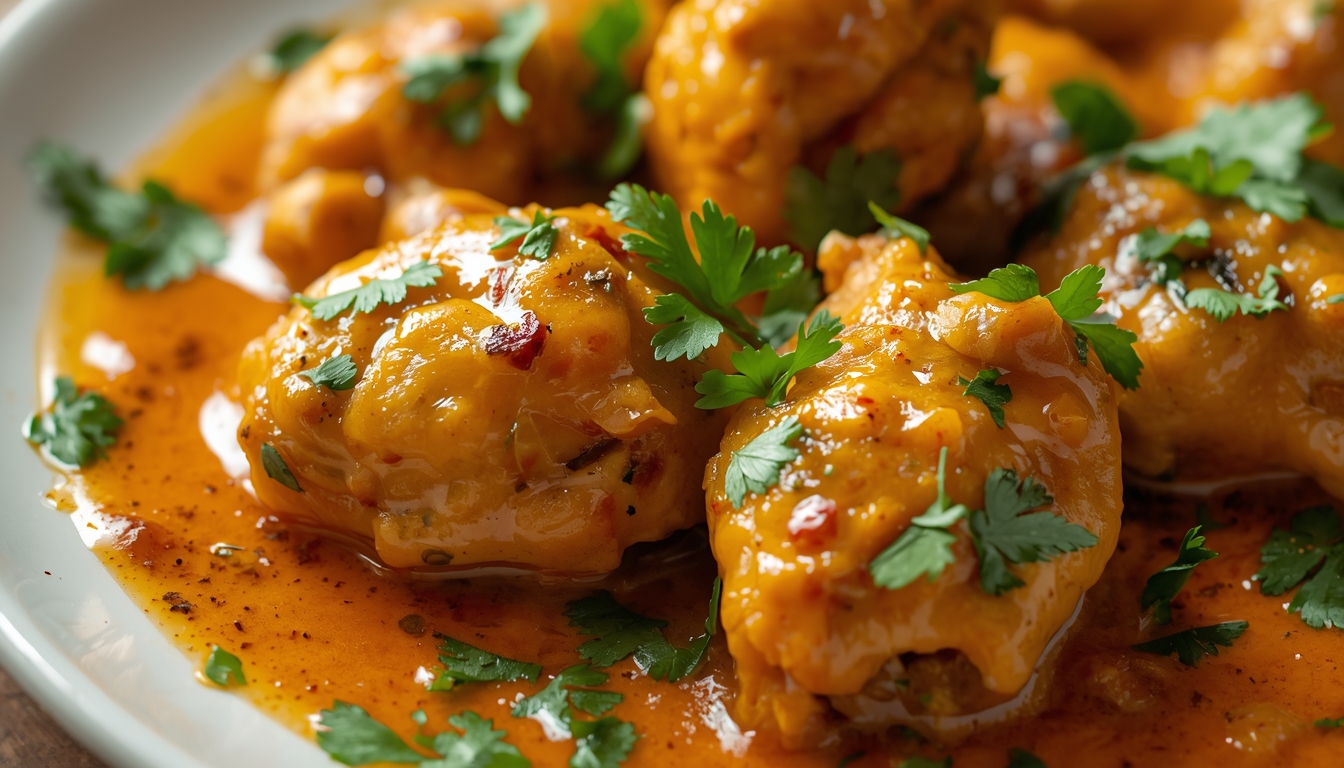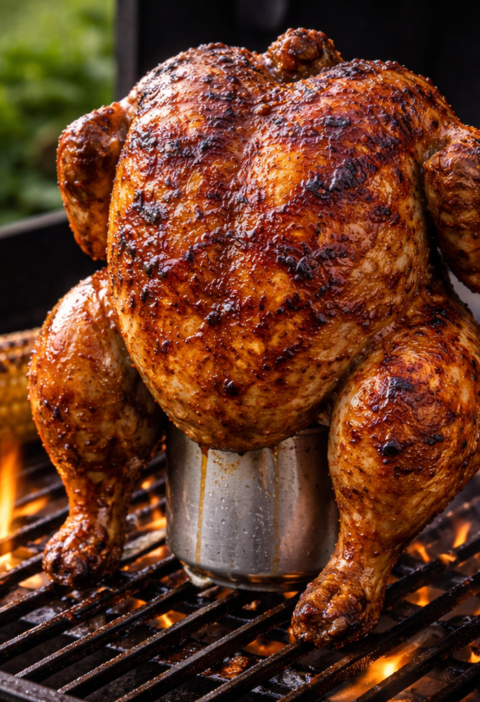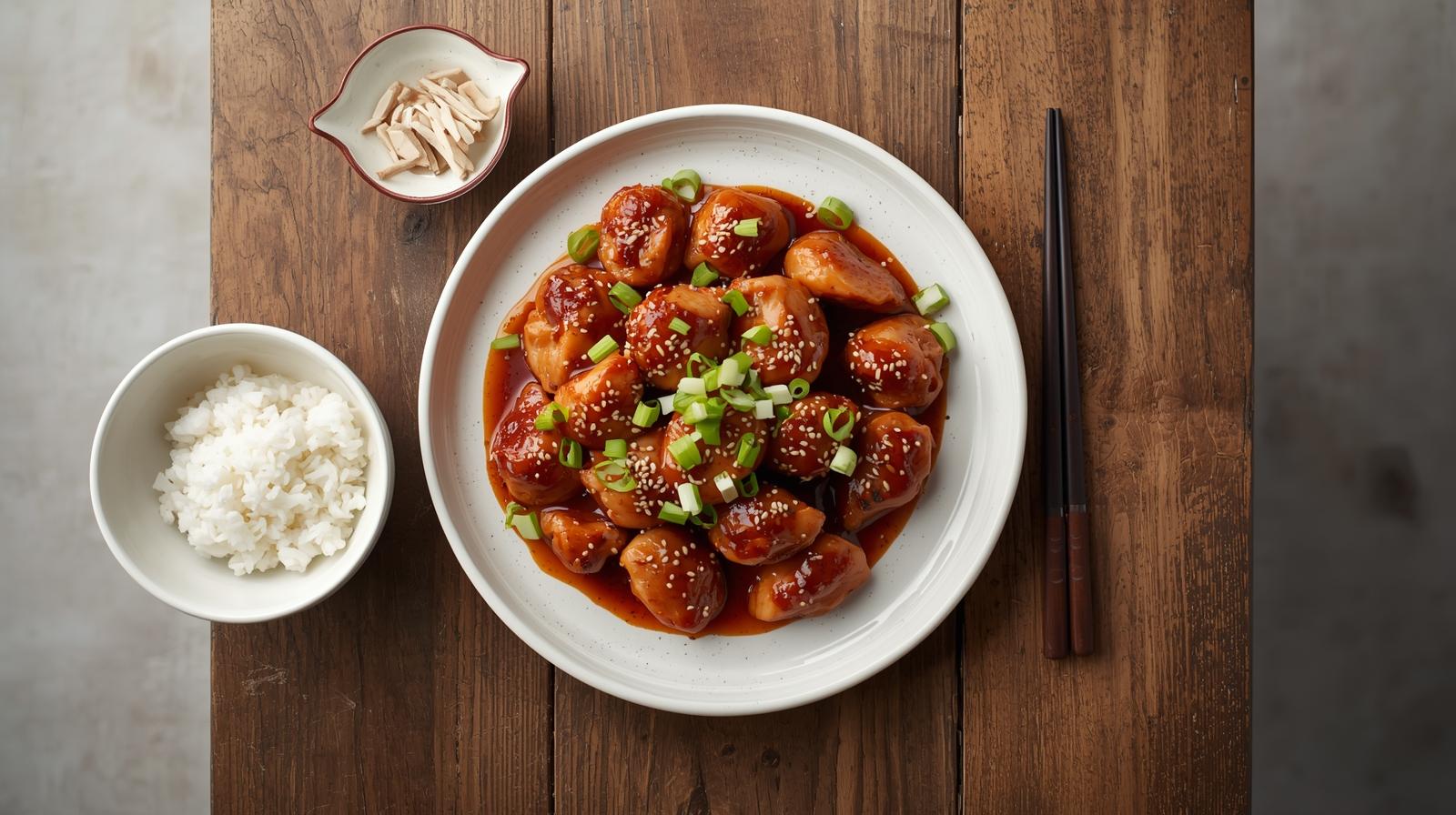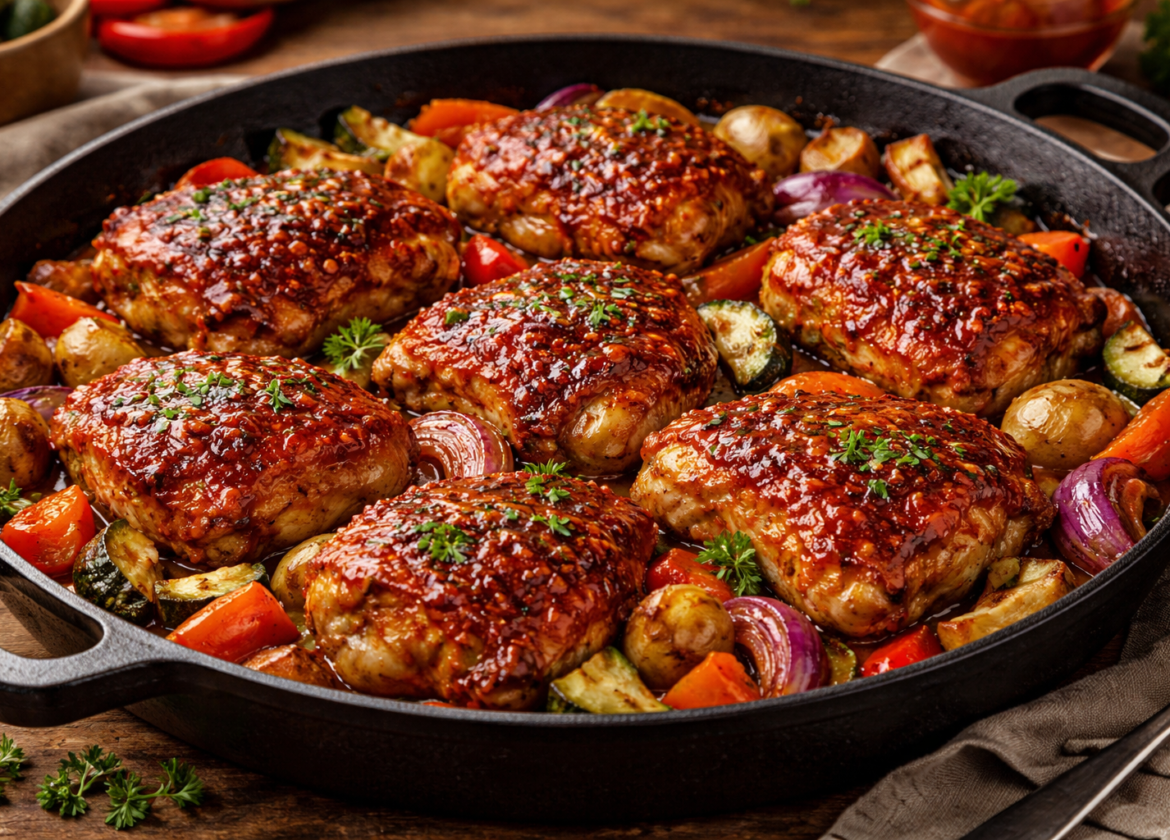
The Chicken and Harissa Paste Recipe is an exploration of North African flavors, specifically the bold, sun-drenched heat of Tunisia. Harissa is a complex chili paste made from roasted red peppers, Baklouti peppers, serrano peppers, and other hot chili peppers, blended with olive oil and a dry spice mixture of cumin, coriander, and caraway. When applied to chicken, this paste transforms a neutral protein into a vibrant, aromatic masterpiece that balances smoky, spicy, and tangy notes.
For the home cook, this recipe offers an efficient way to achieve deep, slow-cooked flavor in a fraction of the time. Because harissa is a concentrated ingredient, a small amount provides a massive sensory impact. You can expect a dish that is visually striking—featuring deep reds and charred edges—and a flavor profile that is far more sophisticated than a standard spicy chicken dish. Whether you are roasting a whole bird, grilling thighs, or pan-searing breasts, the Chicken and Harissa Paste Recipe is a versatile technique that scales easily for weeknight dinners or formal gatherings.
Final Texture and Flavor Explained
A successful execution of the Chicken and Harissa Paste Recipe results in a specific harmony of textures and tastes. Understanding the target outcome helps in monitoring the cooking process.
The Palate Experience
The flavor begins with a front-end heat from the chilies, but it is immediately followed by the “earthy” notes of cumin and the citrusy brightness of coriander. Most high-quality harissa pastes also contain a hint of acidity—either from lemon juice or vinegar—which cuts through the natural fats of the chicken. The result is a “clean” heat that lingers without overwhelming the palate.
The Surface and Interior
Texture is paramount in a Chicken and Harissa Paste Recipe. The sugars and oils within the harissa paste should caramelize under heat, creating a slightly tacky, charred crust (the “bark”). This exterior protects the interior, ensuring the meat remains succulent and tender. If cooked correctly, the chicken should pull away easily from the bone, saturated with the oils and spices from the marinade.
Ingredient Measurements and Preparation
Precision in the marinade ratios is the secret to a balanced Chicken and Harissa Paste Recipe. If the paste is too thick, it may burn; if too thin, it will fail to coat the protein effectively.
The Core Components
- Chicken: 2 lbs of bone-in, skin-on thighs or drumsticks. Skin-on cuts are preferred as the fat renders into the paste, creating a rich sauce.
- Harissa Paste: 3 to 4 tablespoons. If using a “Rose Harissa,” which is slightly sweeter and more floral, you may use the higher end of the measurement.
- Olive Oil: 2 tablespoons of extra virgin olive oil to help the paste spread and to aid in the roasting process.
- Acid: 1 tablespoon of fresh lemon juice or red wine vinegar.
- Sweetener: 1 teaspoon of honey or maple syrup. This is a professional tip to balance the intense salt and spice of the fermented chilies.
- Aromatics: 3 cloves of minced garlic and 1 teaspoon of smoked paprika to enhance the color.
Preparation Steps
- Pat Dry: Always use paper towels to remove surface moisture from the chicken. Moisture is the enemy of a good sear; if the chicken is wet, it will steam rather than roast.
- Scoring the Meat: For larger cuts like thighs, make two or three shallow diagonal cuts into the skin. This allows the Chicken and Harissa Paste Recipe marinade to penetrate deep into the muscle fibers.
Tools Needed for Consistent Results
Using the correct culinary equipment ensures that the heat is distributed evenly and the chicken cooks at a predictable rate.
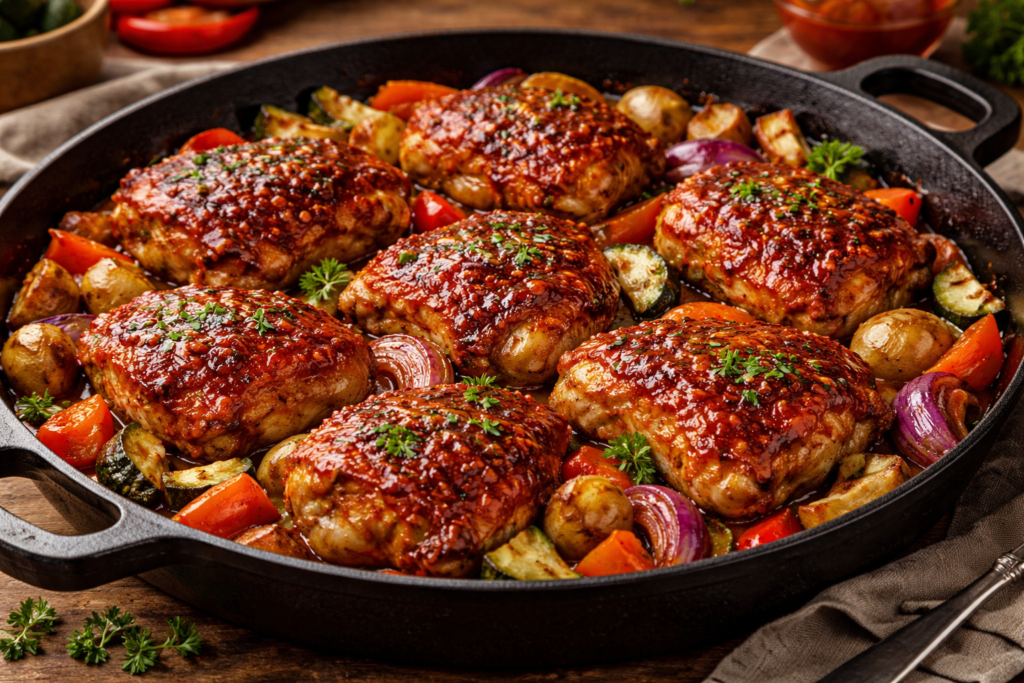
- Cast Iron Skillet or Heavy Roasting Pan: These materials retain heat exceptionally well. A cast iron skillet is particularly effective for this recipe because it can move from the stovetop to the oven seamlessly.
- Stainless Steel Mixing Bowl: For whisking the marinade. Avoid plastic bowls, as the pigments in harissa can permanently stain the surface.
- Digital Meat Thermometer: This is the only way to ensure the chicken is safe to eat without overcooking it. The target internal temperature for dark meat is 165°F to 175°F.
- Tongs: To flip the chicken without piercing the skin, which would allow precious juices to escape.
- Basting Brush: For applying a final layer of the Chicken and Harissa Paste Recipe sauce during the last few minutes of cooking.
Cooking Phases and Time Management
The Chicken and Harissa Paste Recipe follows a logical progression of flavor building. Efficiency comes from managing the marination and roasting windows correctly.
- Marination Phase (30 Minutes to 4 Hours): While you can cook the chicken immediately, a minimum of 30 minutes allows the salt and acidity to tenderize the meat. Do not exceed 12 hours, or the acidity may begin to “cook” the chicken, resulting in a mealy texture.
- The Searing Phase (5 Minutes): Starting the chicken on the stovetop allows the skin to begin rendering fat and crisping up before the ambient heat of the oven takes over.
- The Roasting Phase (25–30 Minutes): This is where the internal temperature reaches safety while the exterior caramelizes.
- The Resting Phase (5–10 Minutes): Vital for moisture retention.
Complete Chicken and Harissa Paste Recipe Cooking Process
1. Creating the Harissa Marinade
In your stainless steel bowl, whisk together the harissa paste, olive oil, lemon juice, honey, minced garlic, and smoked paprika. Taste a small amount; if it is too spicy, add another teaspoon of honey or olive oil to dilute the heat.
2. Coating the Protein
Place the chicken in a large zip-top bag or a shallow dish. Pour the marinade over the chicken, ensuring that the paste gets into the scores you made in the skin. Refrigerate for at least 30 minutes.
3. The Stovetop Start
Preheat your oven to 400°F (200°C). Heat your cast iron skillet over medium-high heat. Place the chicken skin-side down in the hot pan. Sear for 4–5 minutes until the skin is golden and has begun to release its fat.
4. The Oven Transfer
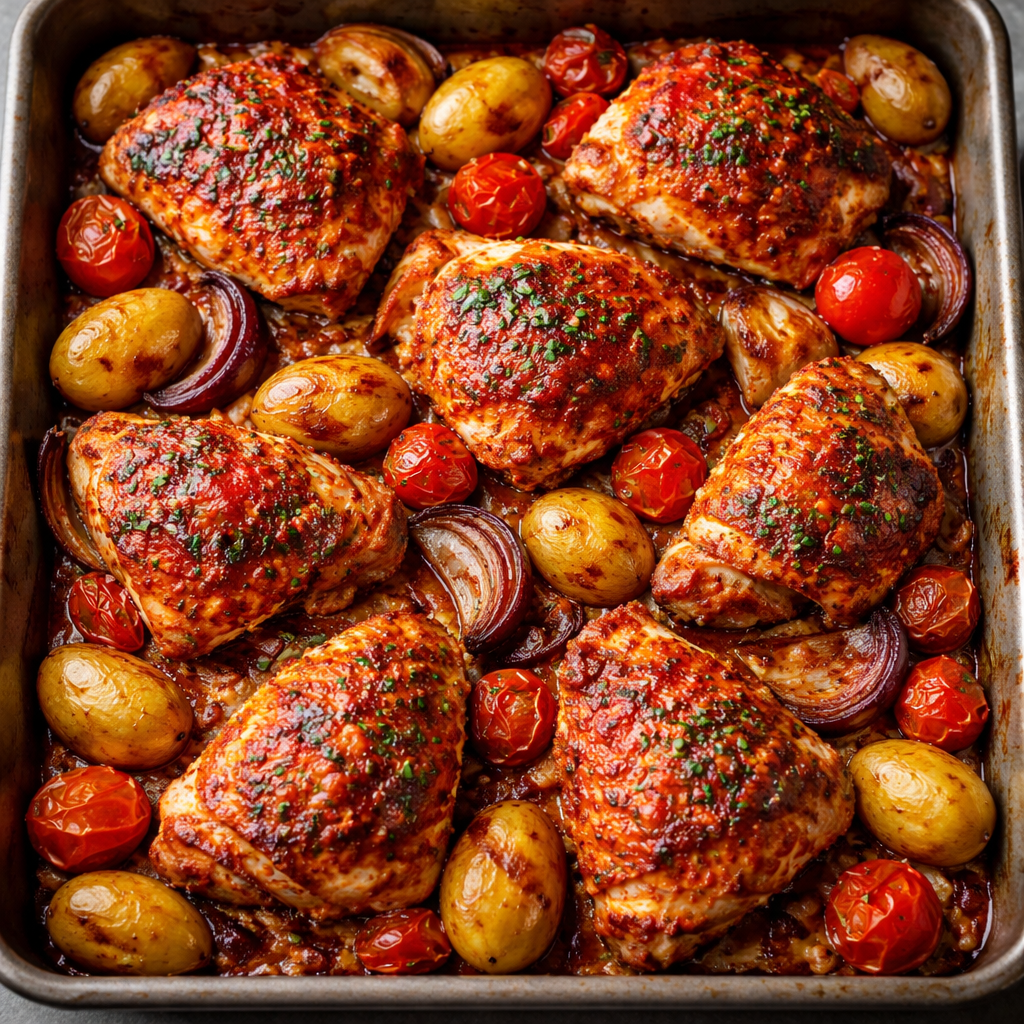
Carefully flip the chicken pieces so they are skin-side up. Transfer the entire skillet into the preheated oven. The concentrated heat of the oven will now cook the chicken through while the Chicken and Harissa Paste Recipe mixture thickens into a glaze.
5. Final Basting
About 5 minutes before the chicken is done (check with your thermometer at the 20-minute mark), use a brush to coat the tops with the juices collected at the bottom of the pan. This adds a final layer of flavor and shine.
6. Resting and Serving
Once the chicken reaches an internal temperature of 165°F, remove it from the oven. Transfer the chicken to a warm platter and let it rest for at least 5 minutes. This ensures that when you cut into it, the juices remain in the meat.
Issues That Can Ruin the Outcome
Despite the simplicity of the Chicken and Harissa Paste Recipe, technical errors can lead to a sub-optimal meal.
- Burnt Harissa Paste: Because harissa contains solids (chili flakes and garlic), it can burn if the oven temperature is too high or if the chicken is placed too close to the heating element. If you notice the paste darkening too quickly, tent the pan loosely with aluminum foil.
- Soggy Skin: This happens if the pan is overcrowded. If the chicken pieces are touching, they will release steam and the skin will become rubbery. Ensure at least an inch of space between each piece of chicken.
- Under-seasoning: Harissa paste varies wildly in salt content. Always check the label of your paste. If it is low in sodium, you must salt your chicken liberally before applying the harissa mixture.
- Cold Meat to Hot Pan: Taking chicken directly from the refrigerator to a hot skillet can cause the muscle fibers to “shock” and tighten, leading to a tough result. Allow the chicken to sit at room temperature for about 15 minutes before cooking.
Frequently Asked Questions About Chicken and Harissa Paste Recipe
What can I serve with Harissa Chicken?
The Chicken and Harissa Paste Recipe pairs exceptionally well with cooling sides. Consider a lemon-herb couscous, a cucumber and mint yogurt salad (tzatziki style), or roasted root vegetables like carrots and parsnips, which benefit from the spicy drippings in the pan.
Is Harissa Paste very spicy?
The heat level depends on the brand. “Tunisian Harissa” is typically the hottest, while “Moroccan Harissa” or “Rose Harissa” can be milder. Always taste a small dab of the paste before starting your Chicken and Harissa Paste Recipe to calibrate the heat level for your guests.
Can I use chicken breasts instead of thighs?
Yes, but you must be careful. Chicken breasts are leaner and can dry out quickly. If using breasts, skip the stovetop sear and roast them directly at a slightly lower temperature (375°F) until they reach an internal temperature of 160°F, then let them rest to 165°F.
Where do I buy Harissa paste?
Most modern grocery stores stock harissa in the international aisle or near the specialty condiments. You can find it in jars, cans, or tubes. For this recipe, the jarred or tubed varieties are often easier to whisk into a marinade.
How do I store leftovers?
Leftovers of the Chicken and Harissa Paste Recipe are excellent the next day. Store them in an airtight container for up to 3 days. To reheat, use an oven or toaster oven to maintain the texture of the skin; microwaving will make the skin soft.
The Best Nashville Hot Chicken Recipe You’ll Ever Try
Quick & Delicious Chicken Burrito Recipe for Busy Days
The Best Bourbon Chicken Recipe for Dinner Tonight
The Best Mississippi Chicken Recipe for Comfort Food Lovers
The Best Chicken Cutlet Recipes for Weeknight Dinners
Easy Weeknight Chicken Carbonara recipe – Ready in 30 Minutes