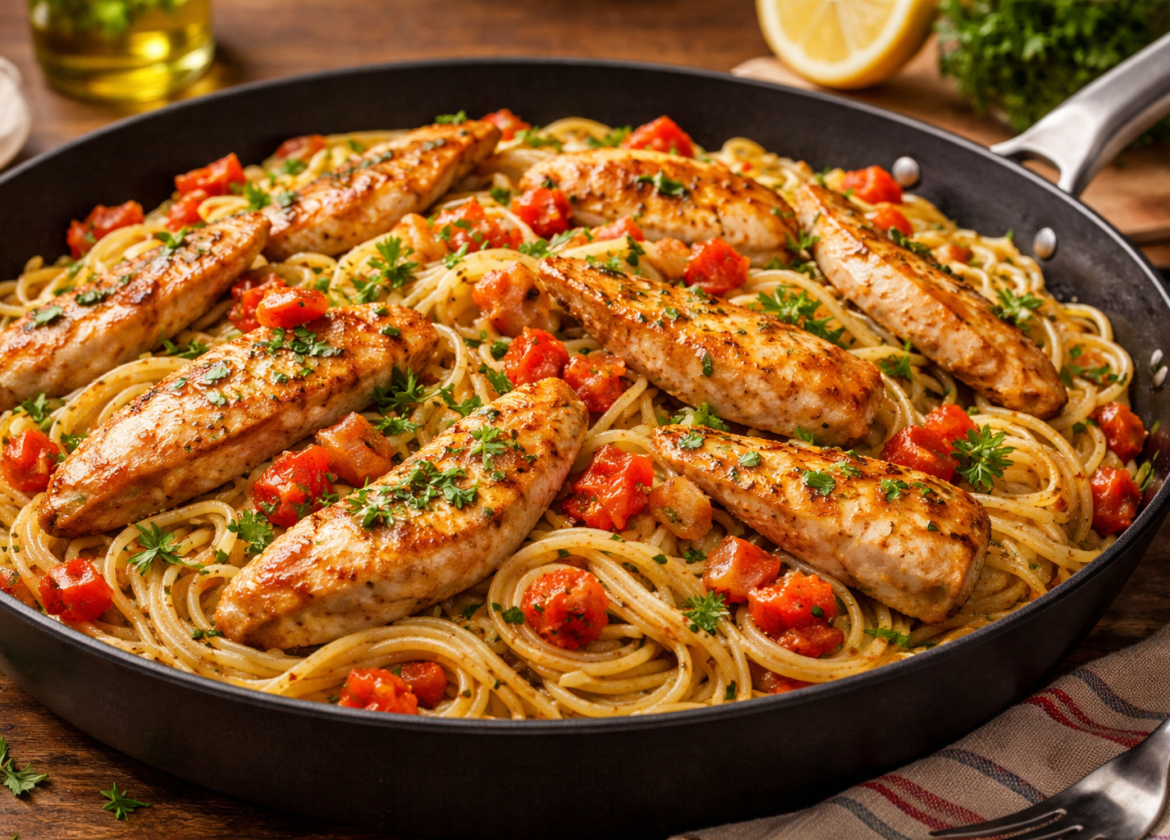
Achieving restaurant-grade results with Italian Chicken with Pasta Recipes requires a shift from viewing the dish as a simple combination of starch and protein to seeing it as a technical exercise in balance and timing. In the traditional Italian culinary framework, the sauce serves as a bridge, unifying the savory, seared chicken with the structural integrity of the pasta. High-quality execution ensures that the chicken remains succulent, the pasta retains its bite, and the flavors are integrated rather than layered.
For the home cook, the goal is to avoid common pitfalls such as rubbery meat or a broken, oily sauce. By focusing on fundamental techniques—such as the Maillard reaction, emulsification, and starch management—you can transform basic Italian Chicken with Pasta Recipes into sophisticated meals. This guide provides the instructional framework necessary to produce consistent, high-quality outcomes every time you step into the kitchen.
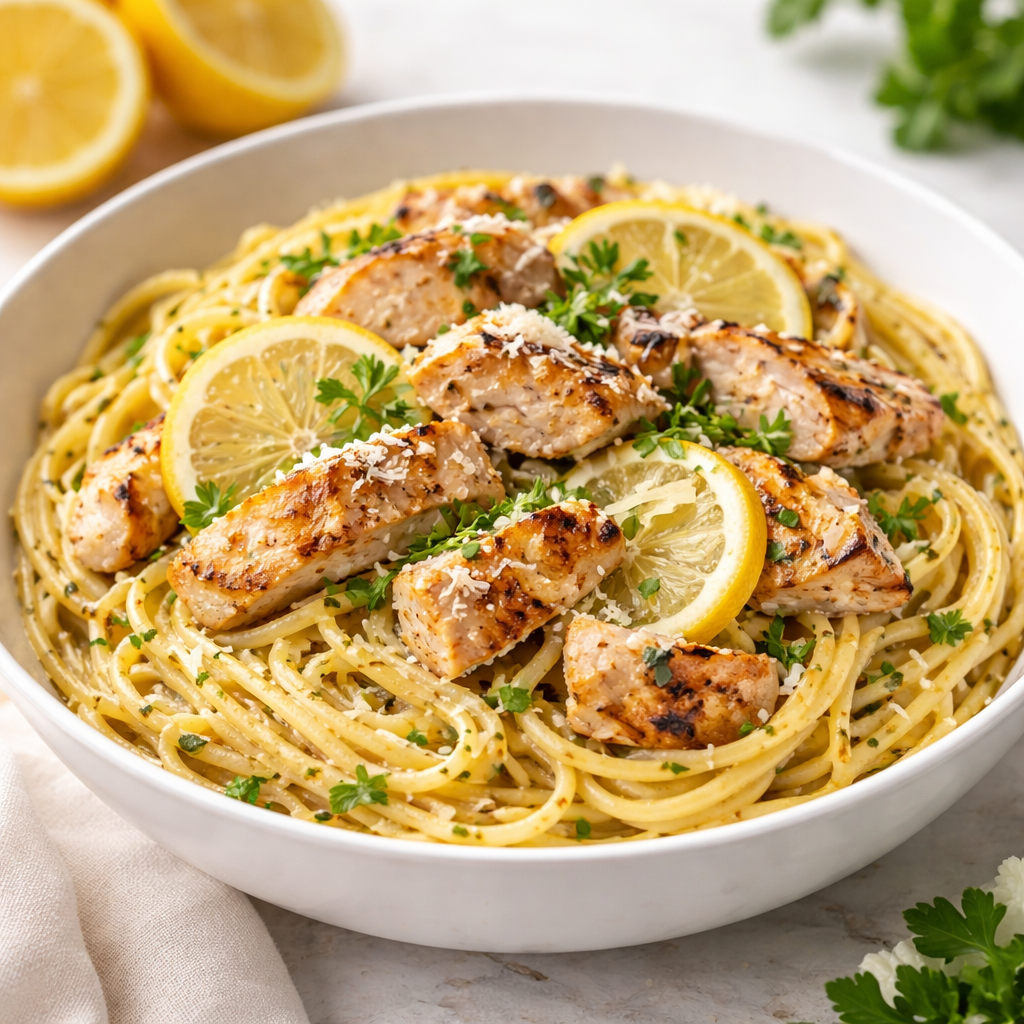
Factors That Influence Chicken and Pasta Quality
The final quality of Italian Chicken with Pasta Recipes is dictated by the chemical and physical changes that occur during the cooking process.
- Protein Moisture Retention: Chicken, particularly the breast, is lean and prone to drying out. Quality is maintained by monitoring internal temperatures and utilizing techniques like pounding for uniform thickness.
- Starch Management: The water used to boil pasta is a powerful tool. The starch released into the water acts as an emulsifier, helping the sauce cling to the noodles. Failing to utilize this “liquid gold” often results in a sauce that pools at the bottom of the bowl.
- Emulsification: A high-quality Italian sauce is a stable emulsion of fats (oil or butter) and liquids (stock, wine, or pasta water). Proper heat management prevents the sauce from separating or becoming greasy.
Selecting and Preparing Ingredients
To elevate your Italian Chicken with Pasta Recipes, ingredient selection must move beyond the generic. Quality begins at the source.
The Chicken
Use air-cooled chicken whenever possible. Many commercial brands are water-chilled, which adds excess moisture that prevents the meat from searing properly. For the most tender results, slice the chicken against the grain into uniform strips. This breaks up the muscle fibers, ensuring a softer texture after cooking.
The Pasta
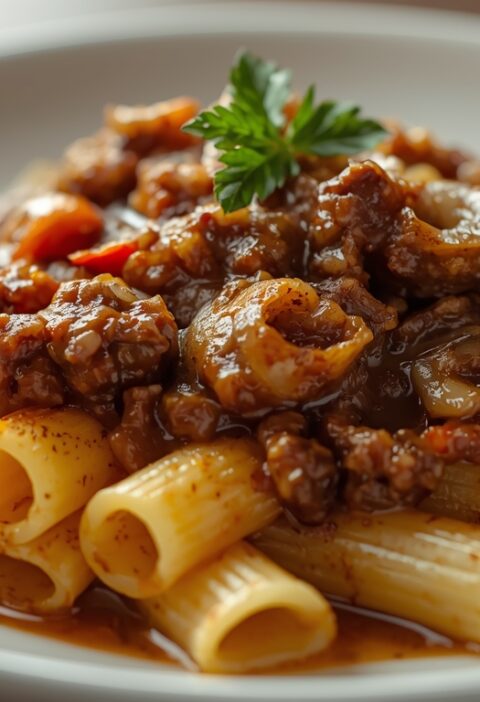
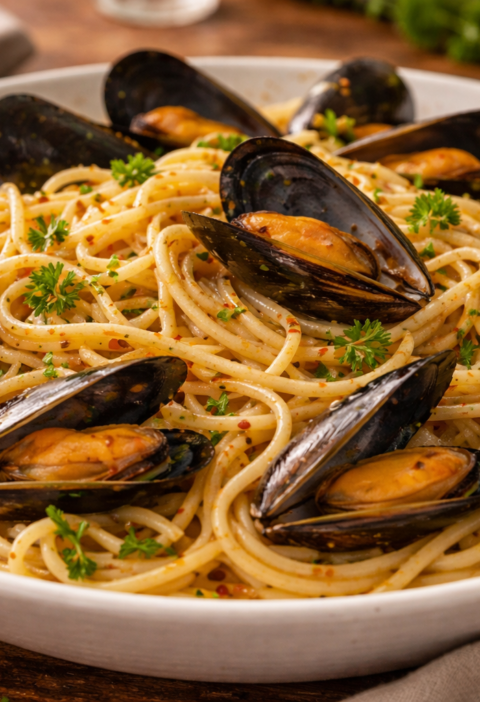
Select a pasta brand with a rough, “bronze-cut” texture. These noodles have a porous surface that captures the sauce effectively. Match the pasta shape to the sauce: use long, thin strands for oil-based sauces and ridged shapes like penne or rigatoni for heavier, creamier versions of Italian Chicken with Pasta Recipes.
Aromatics and Seasoning
Freshness is mandatory. Use fresh garlic, high-quality extra virgin olive oil, and freshly grated hard cheeses like Parmigiano-Reggiano or Pecorino Romano. Pre-shredded cheeses contain anti-caking agents that prevent a smooth melt, compromising the sauce’s texture.
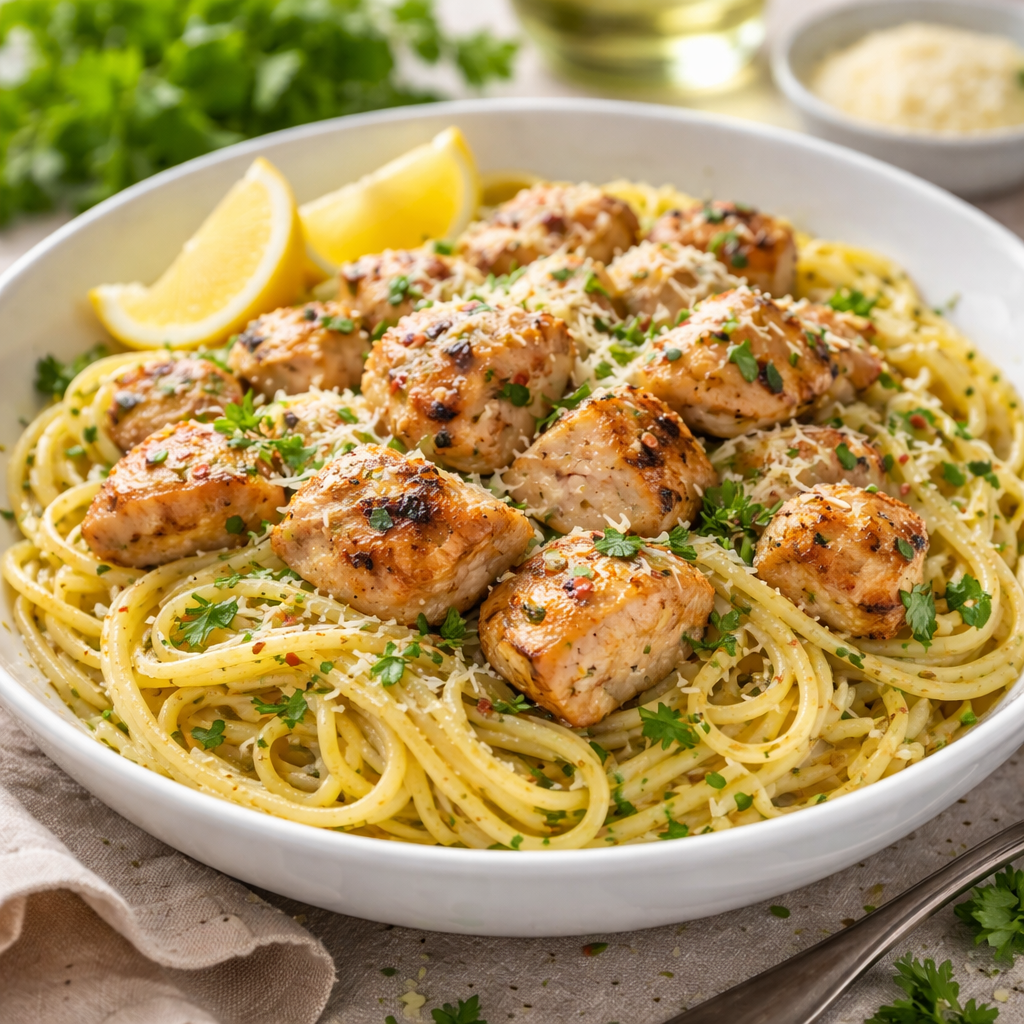
Equipment Setup for Precision Cooking
The physical tools you use will directly impact the consistency of your Italian Chicken with Pasta Recipes.
- Stainless Steel or Cast Iron Skillet: These materials are superior for searing chicken because they retain heat efficiently. Non-stick pans often fail to produce a deep, flavorful crust (fond).
- Large Stockpot: Pasta needs ample room to circulate. Boiling in too little water increases the starch concentration to an extent that makes the noodles gummy.
- Digital Meat Thermometer: This tool removes the guesswork from protein safety, ensuring you pull the chicken at the exact moment it reaches 165°F (74°C).
- Tongs and a Spider Strainer: For moving pasta directly from the water into the skillet. This preserves the starchy water clinging to the noodles, which is essential for the sauce.
Temperature Control and Timing
Successful Italian Chicken with Pasta Recipes rely on a specific sequence of thermal events.
- Searing (High Heat): Use a high smoke-point oil to sear the chicken quickly. This develops flavor without overcooking the center.
- Aromatic Sweating (Medium-Low Heat): Garlic and herbs should be cooked gently. If the heat is too high, the garlic will burn and turn bitter, ruining the entire flavor profile.
- Simmering (Low Heat): Once the sauce components are combined, a low simmer allows flavors to meld without breaking the emulsion.
Executing the Italian Chicken with Pasta Recipes
1. Preparation and Pounding
Before cooking, pound the chicken breasts to an even thickness. This ensures that the entire piece cooks at the same rate, preventing the thin edges from drying out while the center finishes.
2. The Sear
Season the chicken liberally with salt and pepper. Heat your skillet with oil until it begins to shimmer. Add the chicken in a single layer. Do not crowd the pan. Sear for 3–4 minutes per side until golden brown. Remove and set aside to rest; the juices will redistribute, keeping the meat moist.
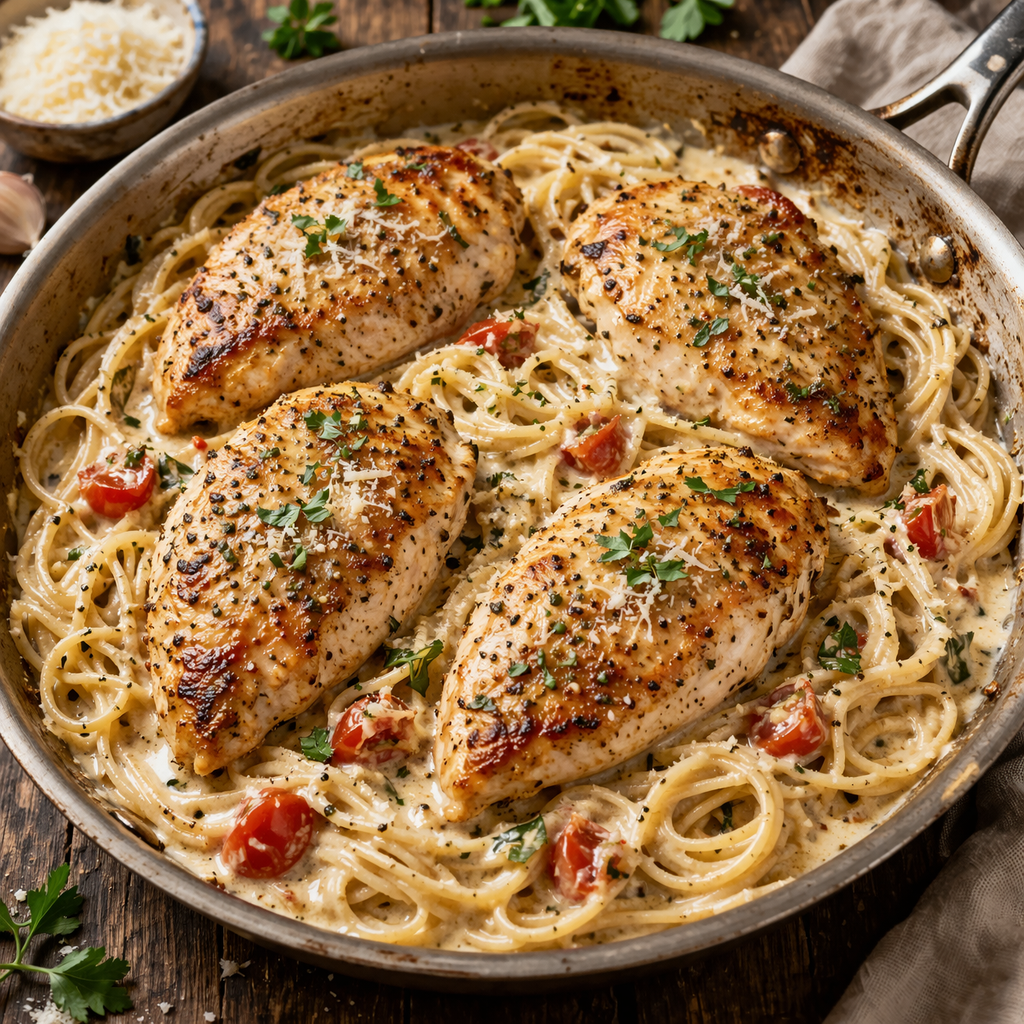
3. The Pasta Boil
Boil the pasta in heavily salted water. Aim for al dente—the pasta should have a firm center. Cook it for 1–2 minutes less than the package instructions, as it will finish cooking in the sauce.
4. Building the Sauce
In the same skillet used for the chicken, add aromatics (garlic, shallots). Deglaze the pan with white wine or chicken stock, scraping up the browned bits (fond). Add your base—whether it be crushed tomatoes, cream, or olive oil—and bring to a gentle simmer.
5. The Marriage
Transfer the pasta directly into the sauce. Add a splash of the starchy pasta water. Return the chicken to the pan. Toss everything together over medium-high heat for 60 seconds. This “marries” the components, allowing the sauce to thicken and coat every surface.
Quality Problems and Corrections
Even when following refined Italian Chicken with Pasta Recipes, technical errors can occur.
- Dry, Stringy Chicken: This is caused by overcooking. If this occurs, slice the chicken thinner and toss it thoroughly in the sauce to provide external moisture.
- Oily, Separated Sauce: This happens when the emulsion breaks due to high heat or a lack of starch. Correction: Add a tablespoon of hot pasta water and whisk vigorously off the heat to bring the sauce back together.
- Bland Flavor: Usually a result of under-salting the pasta water. Salt is the only way to season the “inside” of the noodle. Add a squeeze of lemon juice or a pinch of red pepper flakes at the end to brighten the flavors.
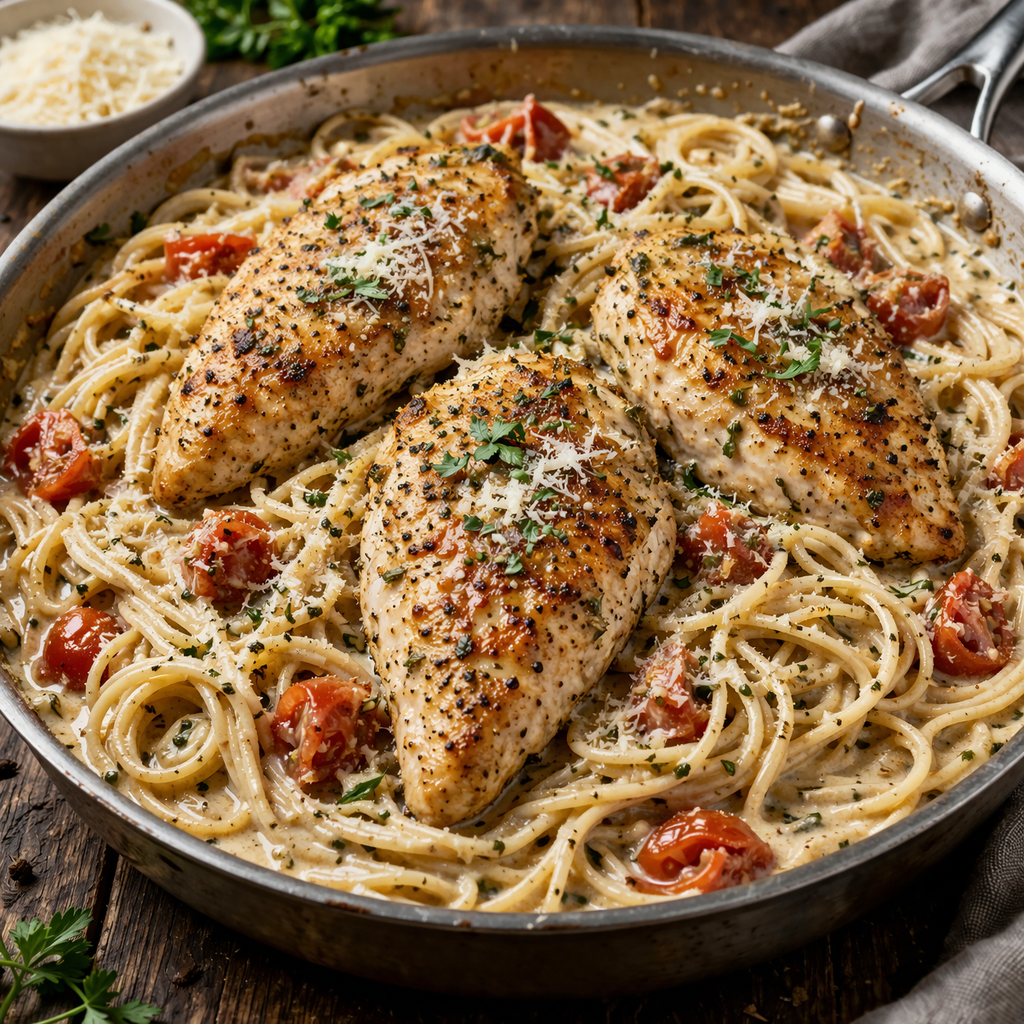
Frequently Asked Questions (FAQ)
Can I use frozen chicken?
Yes, provided it is thawed completely and patted bone-dry. Any surface moisture on the chicken will create steam, preventing the golden-brown crust essential for high-quality Italian Chicken with Pasta Recipes.
Why is my pasta sticking together?
Sticking occurs when there is too much surface starch and not enough water or agitation. Ensure you use a large pot and stir the pasta immediately after dropping it into the boiling water.
Can I make these recipes ahead of time?
Pasta is best served immediately. If you must prepare it in advance, undercook the pasta significantly and store it separately from the sauce. Reheat them together with a splash of water to restore the consistency.
How do I achieve a glossy sauce without heavy cream?
The secret is the combination of fat (olive oil or butter) and starchy pasta water. When tossed over high heat, they create a natural, glossy emulsion that is much lighter than a cream-based sauce.
Easy Pappardelle Pasta Recipes You Can Make at Home
How to Make Squid Ink Pasta recipe at Home – Simple & Delicious
Quick & Flavor-Packed Dill Pickle Pasta Salad Recipe
Best Eggplant Pasta Recipes – Easy, Hearty & Delicious
Quick & Flavorful Elote Pasta Salad Recipe
Quick & Delicious Chicken Fajita Pasta recipe Family Favorite
best way to Make olive garden pasta e fagioli recipe at Home