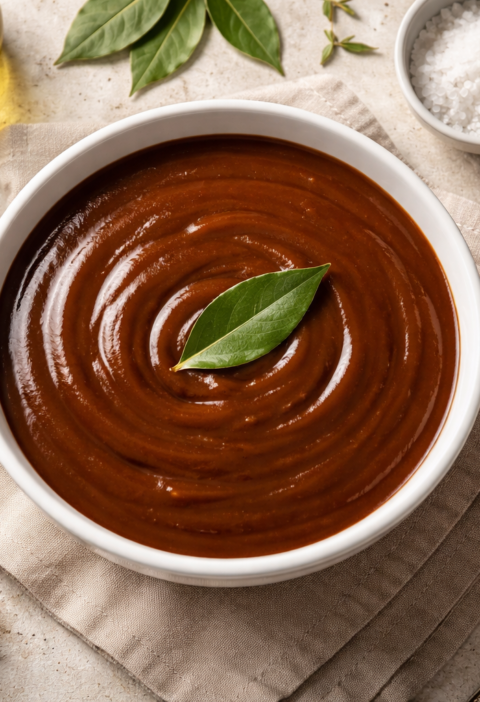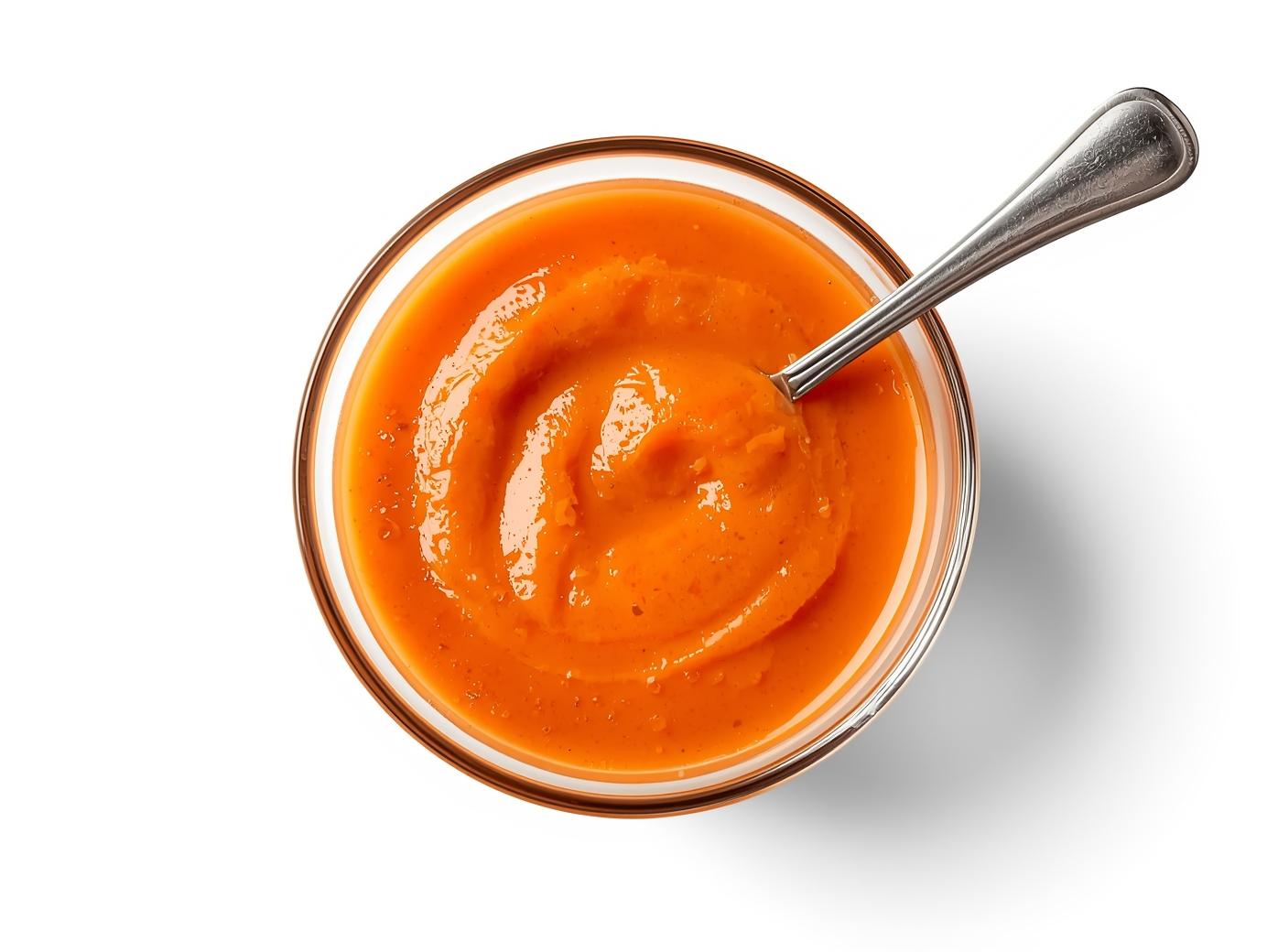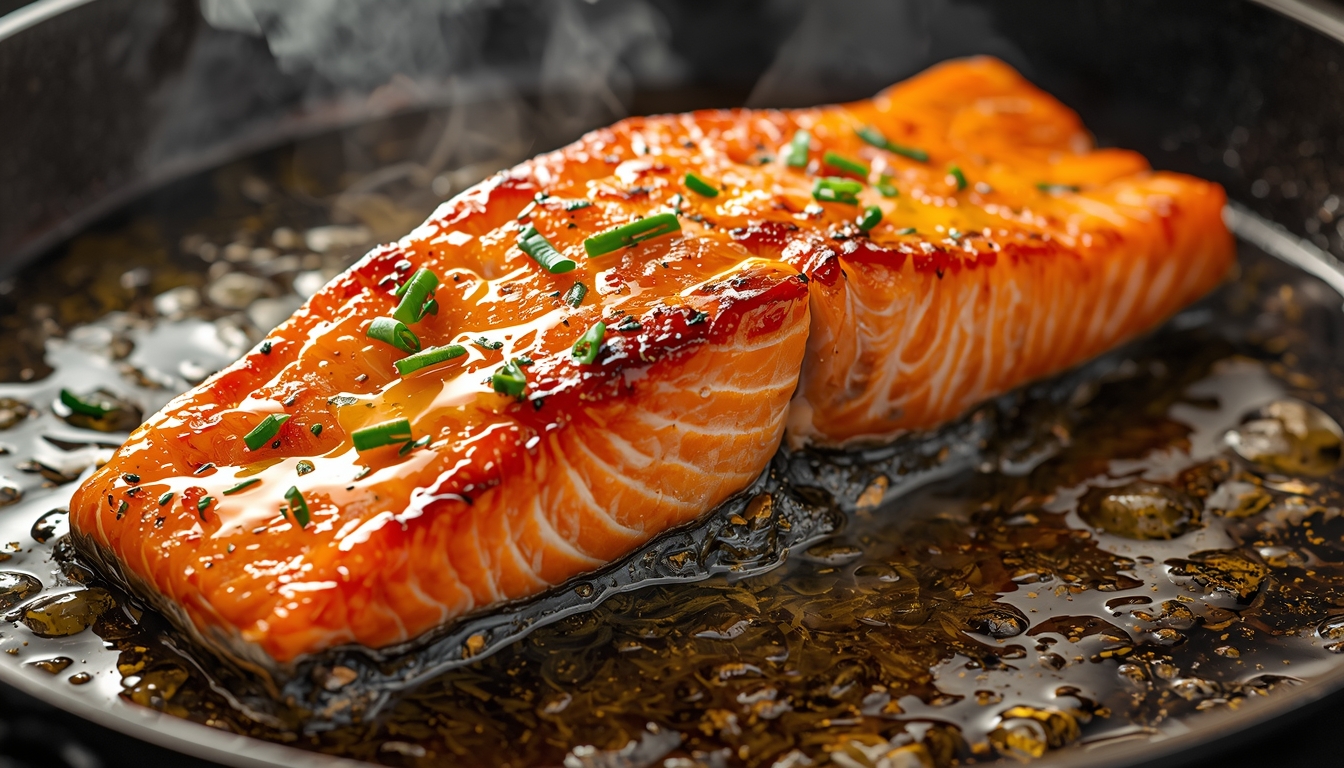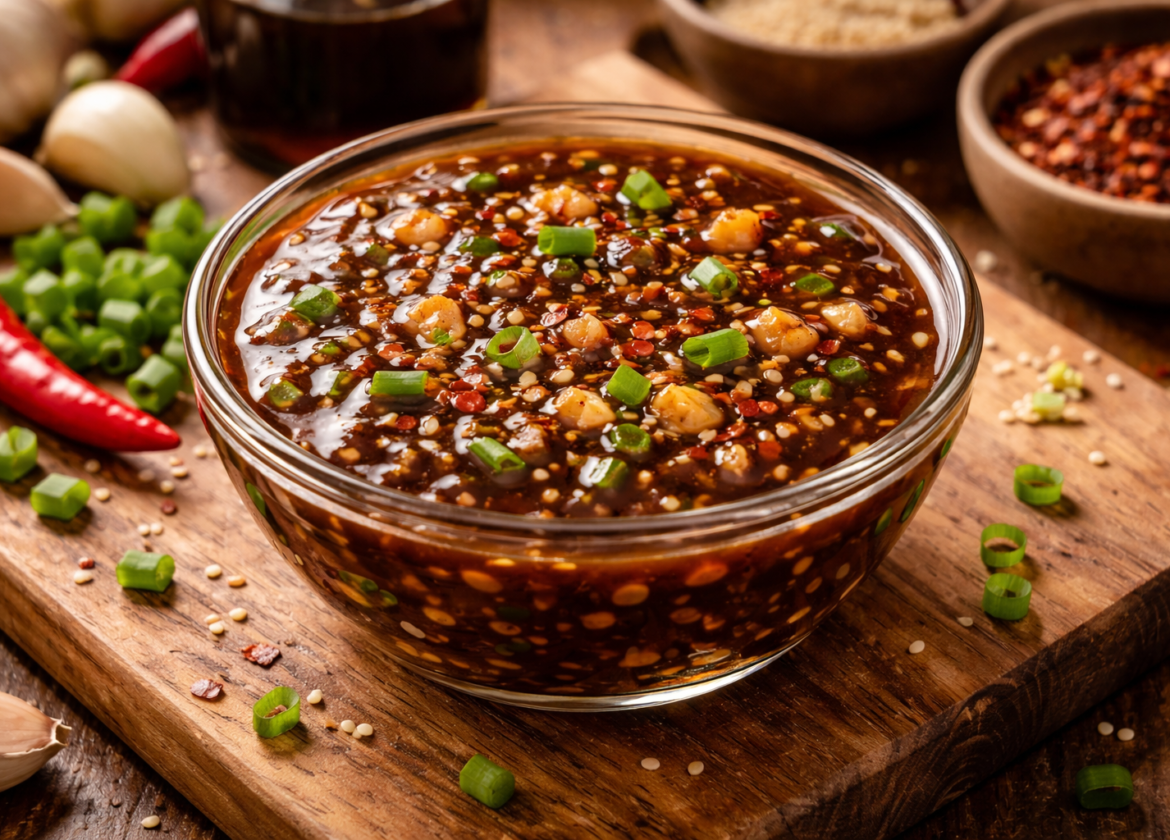
Mastering a Chinese Garlic Sauce Recipe is often the turning point for any home cook looking to replicate the high-heat, high-flavor experience of a professional restaurant kitchen. This sauce is far more than just a mixture of aromatics; it is a carefully balanced emulsion of savory, sweet, and pungent notes that can transform basic vegetables, poultry, or seafood into a cohesive dish. While many Western sauces rely on long reduction times to build body, this sauce utilizes specific Chinese pantry staples and starch gelatinization to achieve a glossy, clingy texture in mere minutes.
In a professional setting, the versatility of a Chinese Garlic Sauce Recipe lies in its “mother sauce” status. Once you understand the ratio of fermented soy to aromatic garlic, you can adapt it to accommodate spice, extra acidity, or varying degrees of sweetness. This guide approaches the recipe with a focus on technique and ingredient synergy, ensuring that your results are consistent, balanced, and technically sound.
How This Cooking Method Changes Results
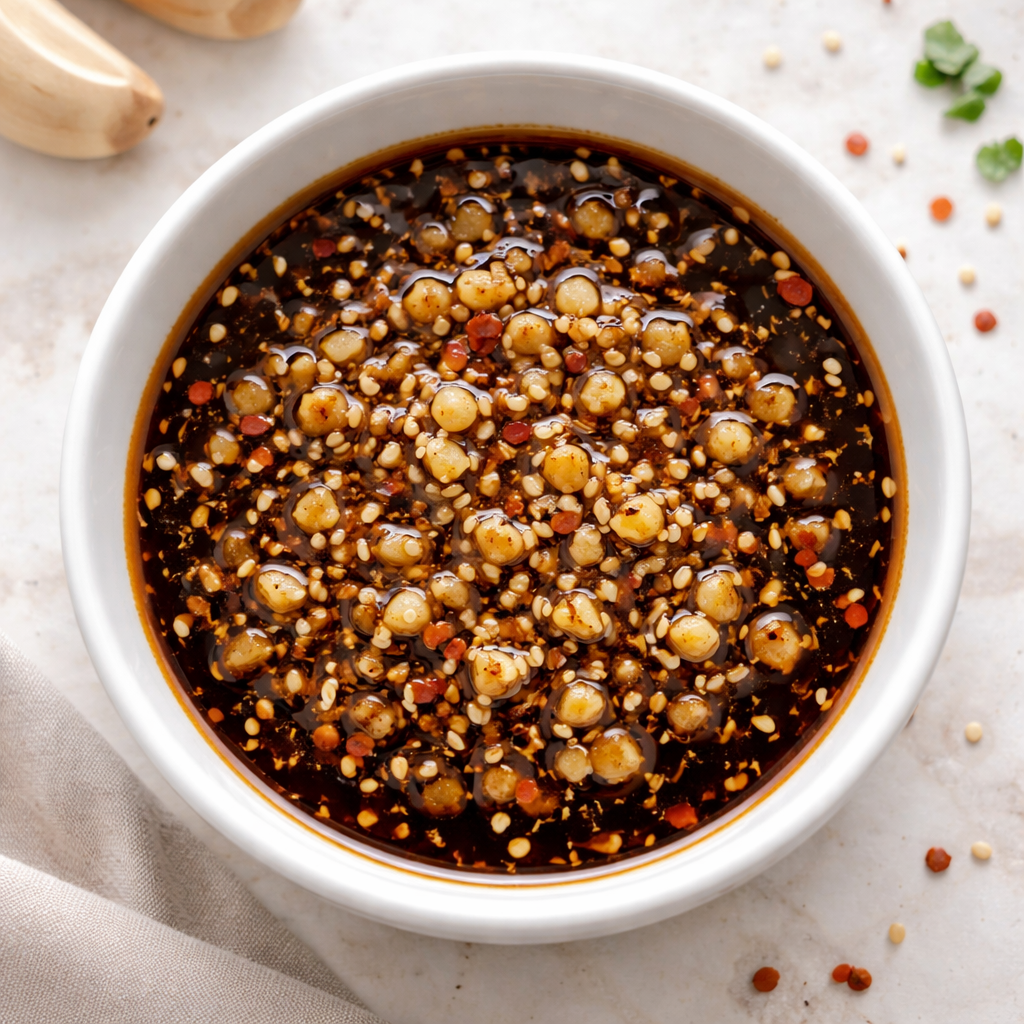
The way you approach a Chinese Garlic Sauce Recipe fundamentally alters the flavor profile of the final dish. It isn’t just about what goes into the pan, but how those ingredients are introduced to heat.
The Science of “Blooming” Garlic
When you mince garlic, you release an enzyme called alliinase, which creates the characteristic sharp bite. In this recipe, we use a technique called “blooming.” By gently heating the garlic in a neutral oil before adding liquids, you mellow the harsh sulfur compounds and infuse the oil with a nutty, rounded flavor. If the garlic is added directly to a boiling liquid, it remains raw and acrid; if it is bloomed first, it becomes aromatic and sweet.
Maillard Reaction and Deglazing
When using this sauce in a stir-fry, the high-heat environment of the wok allows the sugars in the soy sauce and oyster sauce to undergo the Maillard reaction. As the sauce hits the hot metal, it caramelizes instantly. This process creates the “Wok Hei” or “breath of the wok,” a charred complexity that defines the best Chinese Garlic Sauce Recipe outcomes.
Starch Gelatinization
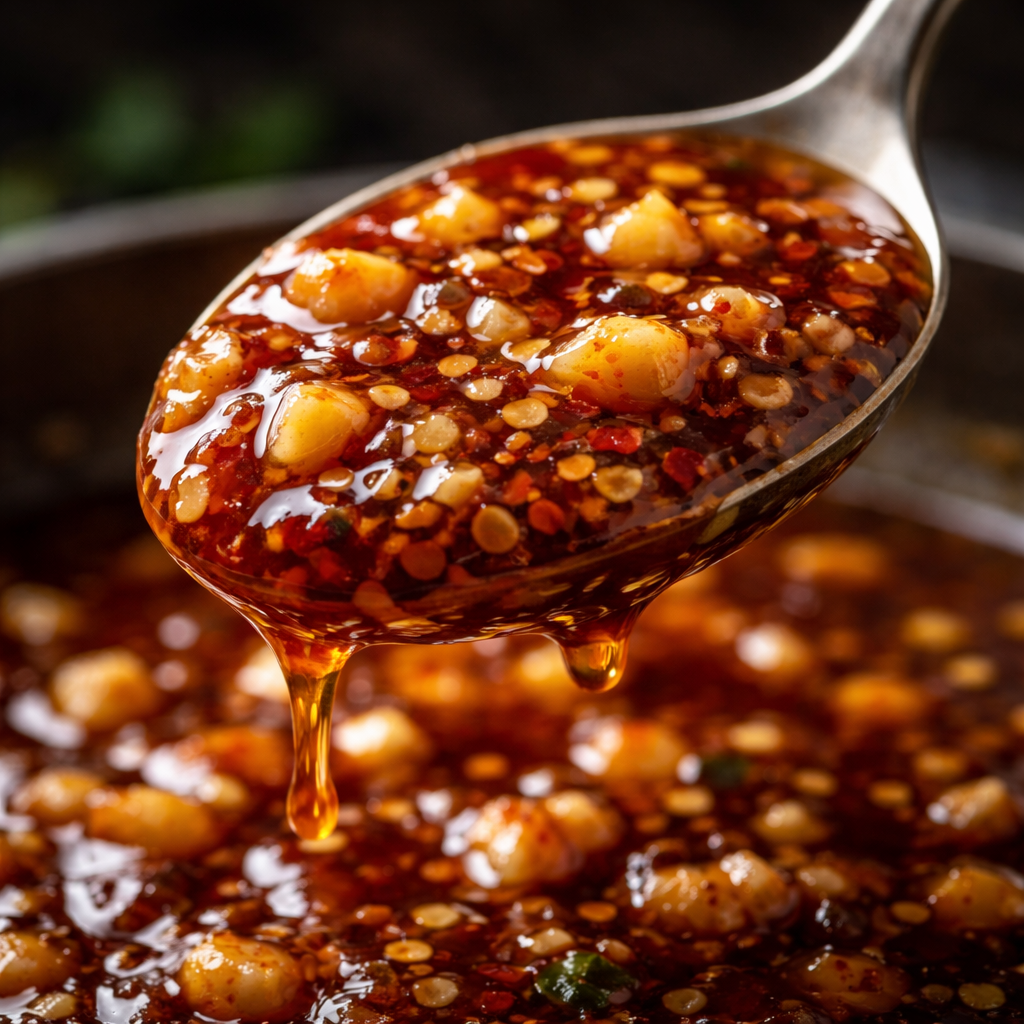
A critical component of this sauce is the cornstarch slurry. Unlike a flour-based roux, cornstarch provides a translucent, glass-like finish. When the starch molecules reach approximately 144°F to 162°F, they swell and trap water, thickening the sauce into a glaze that coats ingredients without making them soggy.
Ingredients and Their Purpose
To execute an authentic Chinese Garlic Sauce Recipe, the quality and type of each ingredient must be selected for its functional role in the emulsion.
The Aromatics
- Garlic: 6 to 8 cloves. This is the heart of the recipe. Freshly minced garlic is mandatory; pre-minced jarred versions lack the essential oils required for a pungent sauce.
- Ginger: 1 tablespoon, finely grated. This provides a sharp, fresh counterpoint to the heavy umami of the soy.
The Savory Base
- Light Soy Sauce: Provides saltiness and the foundational savory note.
- Oyster Sauce: Adds body, a hint of sweetness, and a deep mahogany color.
- Shaoxing Wine: This traditional Chinese rice wine adds a fermented grain aroma that is essential for a restaurant-style finish.
Acids and Sweeteners
- Chinkiang Vinegar (Black Vinegar): Adds a complex, malty acidity. If unavailable, balsamic vinegar is a functional, though less traditional, substitute.
- Granulated Sugar: Just enough to balance the salt of the soy and the acidity of the vinegar.
The Binder
- Cornstarch Slurry: A 1:2 ratio of starch to cold water. This ensures the sauce remains stable and does not separate during the final toss.
Equipment Needed for Proper Execution
Having the right tools ready prevents the garlic from burning while you search for ingredients. Precision is easier when your station is properly equipped.
- A Carbon Steel Wok or Heavy Skillet: These materials respond quickly to temperature changes, which is vital when managing a sauce that thickens in seconds.
- Fine Microplane or Grater: For the ginger. You want a paste-like consistency so the ginger integrates into the sauce rather than leaving woody chunks.
- Whisk or Small Fork: Essential for stirring the cornstarch slurry immediately before it enters the pan, as starch settles at the bottom of the bowl quickly.
- A Sharp Chef’s Knife: For achieving a uniform, fine mince on the garlic. Large chunks of garlic may remain raw in the center during a quick stir-fry.
Cooking Schedule and Preparation Flow
A Chinese Garlic Sauce Recipe moves exceptionally fast once the heat is applied. The professional workflow follows a “Mise en Place” (everything in its place) philosophy.
- Step 1: The Aromatic Prep (5 Minutes): Mincing the garlic and grating the ginger.
- Step 2: The Liquid Premix (2 Minutes): Whisking together the soy, oyster sauce, wine, and vinegar in a small bowl.
- Step 3: The Slurry (1 Minute): Mixing the cornstarch and water separately.
- Step 4: The Bloom and Bind (3 Minutes): The actual cooking phase where the flavors are unified.
Total Time: Approximately 11 minutes.
Human-Written Step-by-Step Chinese Garlic Sauce Recipe
1. The Cold Liquid Base
In a small glass bowl, combine 1/2 cup of chicken broth (or water), 2 tablespoons of light soy sauce, 1 tablespoon of oyster sauce, 1 tablespoon of Shaoxing wine, 1 teaspoon of Chinkiang vinegar, and 1 teaspoon of sugar. Whisk until the sugar is dissolved. Set this aside.
2. Preparing the Aromatics
Mince your garlic cloves finely. You want them small enough to release their juices but not so small that they turn into a paste that burns instantly. Grate the ginger using a microplane.
3. Creating the Slurry
In a separate small ramekin, mix 1 tablespoon of cornstarch with 2 tablespoons of cold water. It must be cold to prevent the starch from clumping.
4. Sautéing the Foundation
Heat 2 tablespoons of a neutral, high-smoke-point oil (like grapeseed or vegetable oil) in your wok over medium heat. Add the minced garlic and ginger. Stir-fry for about 45 to 60 seconds. The goal is for the garlic to turn a pale straw color. If it turns dark brown, it will be bitter.
5. Incorporating the Liquids
Pour the liquid premix into the wok with the aromatics. Increase the heat to medium-high and bring the mixture to a gentle simmer.
6. Thickening the Sauce
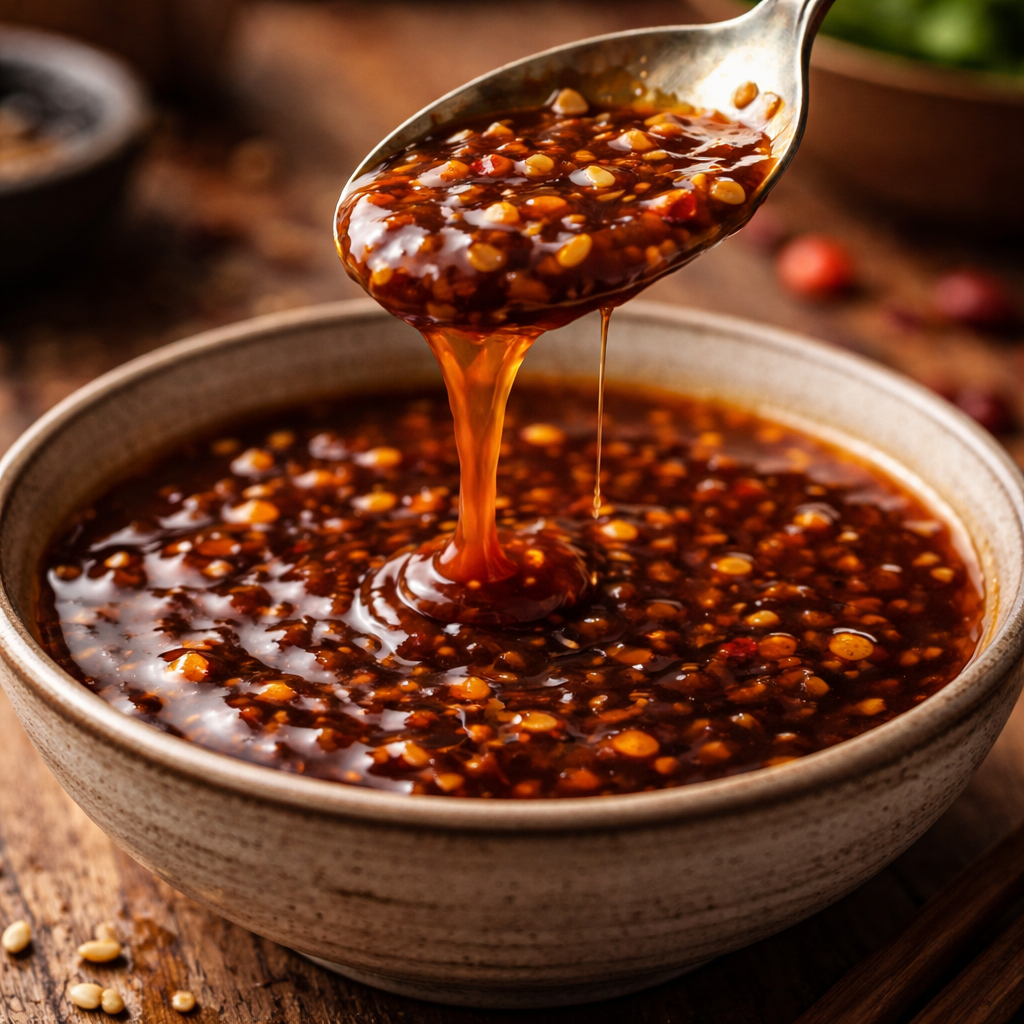
Give the cornstarch slurry a final stir to recombine it. Slowly pour the slurry into the simmering sauce while stirring constantly. Within 15 to 30 seconds, you will see the sauce transition from a cloudy brown to a clear, glossy, and thick glaze.
7. The Final Application
Add your pre-cooked vegetables or protein to the wok and toss for 60 seconds to ensure everything is evenly coated in the Chinese Garlic Sauce Recipe. Serve immediately while the sauce is at its peak glossiness.
Real-World Cooking Mistakes to Avoid
Even a technically simple Chinese Garlic Sauce Recipe can be compromised by a few common errors.
- Using Pre-Minced Garlic: Commercial jarred garlic is stored in citric acid. This acidity clashes with the delicate balance of the soy and sugar, often leaving a metallic aftertaste.
- Adding the Slurry to Boiling Liquid: If the sauce is at a rolling boil when you add the starch, the outer layer of the starch particles will gelatinize instantly, trapping dry starch inside and creating lumps. Always aim for a gentle simmer.
- Overcooking the Sauce: Once the sauce thickens and becomes glossy, remove it from the heat or add your other ingredients. If you continue to boil a cornstarch-thickened sauce for too long, the starch bonds will break, and the sauce will turn watery again.
- Neglecting the Ginger: While garlic is the star, the ginger provides the “high notes” that keep the sauce from feeling too heavy or one-dimensional.
Frequently Asked Questions From Home Cooks
Can I make this sauce in bulk?
While you can mix the liquid ingredients in advance, it is best to bloom the garlic fresh each time. However, you can store the premixed liquids in the refrigerator for up to a week. Just add the fresh aromatics and the starch slurry at the time of cooking.
What is a good substitute for Shaoxing wine?
Dry sherry is the closest professional substitute. If you need an alcohol-free version, use a bit more chicken broth with a tiny splash of apple cider vinegar to mimic the fermented tang.
Why isn’t my sauce as dark as the restaurant version?
Restaurants often add a teaspoon of dark soy sauce. Dark soy is less salty but very rich in caramel color. Adding a small amount to your Chinese Garlic Sauce Recipe will give it that deep, ebony finish without over-salting the dish.
Is this sauce gluten-free?
Standard soy sauce and oyster sauce contain wheat. To make a gluten-free Chinese Garlic Sauce Recipe, substitute with Tamari and a certified gluten-free mushroom sauce or oyster sauce.
Can I add heat to this recipe?
Absolutely. To make a spicy version, add a teaspoon of red chili flakes or a dollop of Sambal Oelek during the garlic blooming stage. This allows the capsaicin to dissolve in the oil, distributing the heat evenly throughout the sauce.
By focusing on the sequence of heat and the quality of the aromatics, you can ensure that this Chinese Garlic Sauce Recipe becomes a reliable staple in your kitchen.
Homemade Peruvian Green Sauce Recipe Everyone Loves
Classic White Pasta Sauce Recipe Everyone Loves
Homemade Hot Honey Sauce Recipe Everyone Loves
Quick Gyoza Sauce Recipe You Can Make at Home
The Best Shrimp Sauce Recipe for Seafood Lovers
Quick Taco Sauce Recipe in Just 10 Minutes
Homemade Cilantro Lime Sauce Recipe with Simple Ingredients