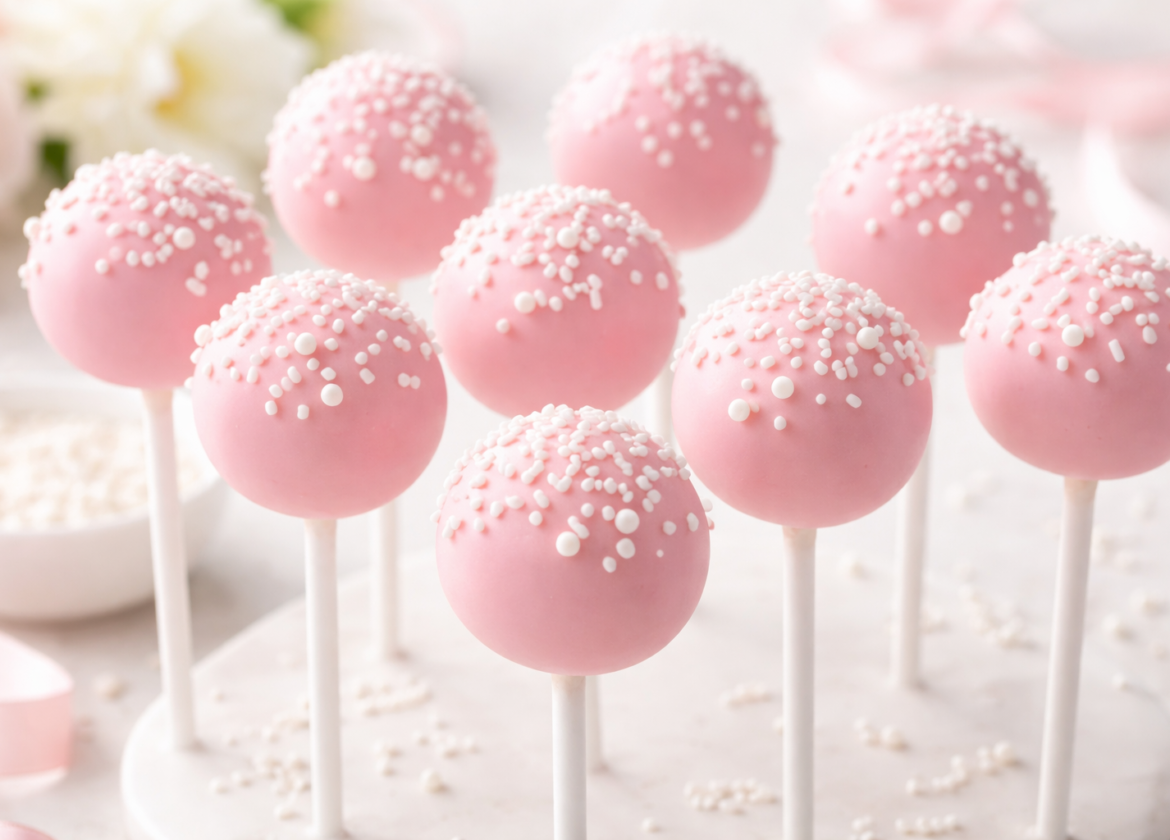
When many home bakers attempt to replicate a professional-grade Starbucks Cake Pops Recipe, they often encounter a series of frustrating technical hurdles. The most frequent issue is structural instability. It is common for the cake ball to fall off the stick or crumble during the dipping process. This usually stems from an incorrect ratio of cake crumbs to frosting, leading to a dough that is either too dry to hold its shape or too heavy to remain upright.
Another significant challenge is the aesthetic finish. Achieving that perfectly smooth, crack-free chocolate coating seen in cafes is notoriously difficult at home. Often, the coating is too thick, or the temperature difference between the chilled cake and the warm candy melts causes the shell to fracture as it sets. Understanding that these are physics-based problems—rather than personal baking failures—is the first step toward mastering the Starbucks Cake Pops Recipe.
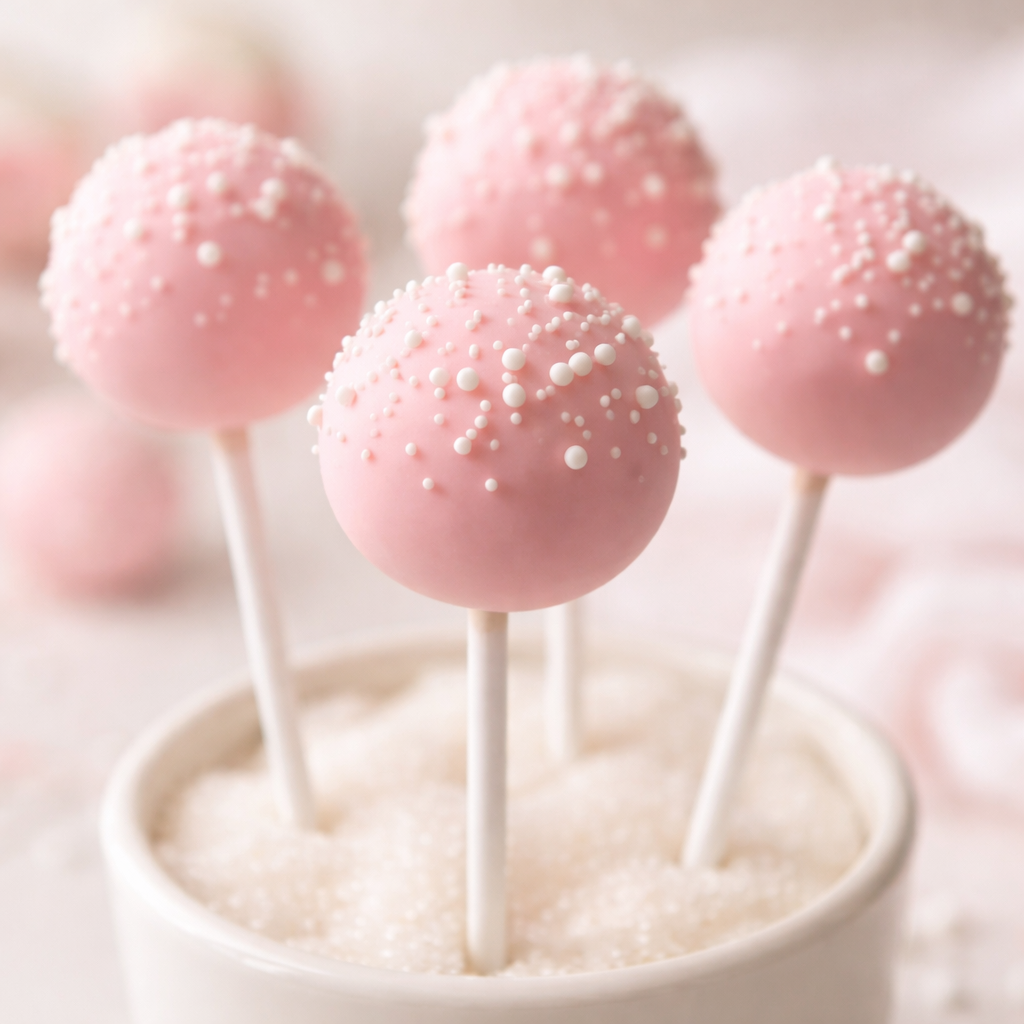
Why Starbucks Cake Pops Recipe Solves These Problems
The beauty of the Starbucks Cake Pops Recipe lies in its “reconstructive” nature. Unlike traditional cupcakes or tiered cakes that must be baked to a specific rise, cake pops are created by deconstructing a fully baked cake and rebuilding it into a denser, more durable form. This method solves the problem of “waste” in the kitchen, as it allows you to use cake layers that may have come out slightly uneven or dry.
By binding crumbs with a controlled amount of frosting, you create a “baking clay.” This medium is much more forgiving than batter. It allows the baker to manipulate the density and moisture level manually. Furthermore, the small, portion-controlled size of a cake pop solves the problem of serving logistics at events. They are portable, require no cutlery, and provide a concentrated burst of flavor that satisfies a sweet craving without the commitment of a full slice of cake.
Ingredient Handling for Better Control
Precision in ingredient selection is what separates a grainy, homemade treat from a smooth, professional Starbucks Cake Pops Recipe.
The Cake Base
While a box mix is convenient, a dense vanilla or chocolate sponge is preferable. High-moisture cakes, like oil-based carrot cakes, can sometimes be too greasy for the sticks to grip. If using a mix, reducing the liquid slightly can help create a sturdier crumb.
The Binder (Frosting)
The frosting acts as the “glue.” For the best control, use a stiff buttercream rather than a whipped or cream cheese frosting. Cream cheese frosting has a lower melting point, which can cause the pops to soften too quickly at room temperature.
The Coating
For a reliable result, use high-quality candy melts or compound chocolate. True chocolate requires tempering (a complex process of heating and cooling) to stay shiny and snap. Compound chocolate contains vegetable fats that allow it to melt smoothly and set firmly without the need for tempering, making it the ideal choice for a beginner-friendly Starbucks Cake Pops Recipe.
Equipment Choices That Reduce Errors
Having the right tools is essential for managing the temperature and stability of your cake pops.
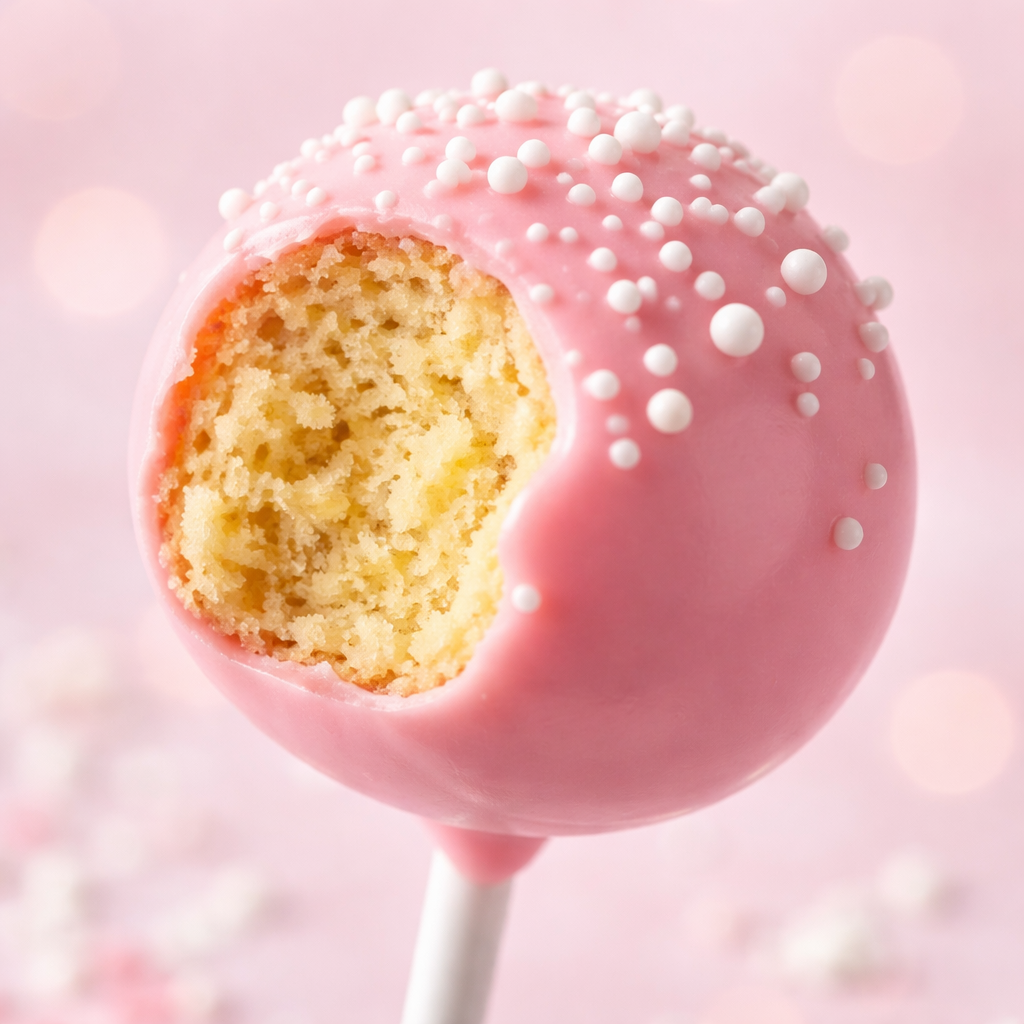
- Electric Stand Mixer: While you can crumble the cake by hand, using a mixer with a paddle attachment ensures the crumbs are fine and the frosting is integrated perfectly without large lumps.
- Small Cookie Scoop: This ensures every pop is the exact same weight. If the pops vary in size, they will require different dipping times, leading to an inconsistent finish.
- Cake Pop Stand or Styrofoam Block: You cannot lay a wet cake pop on a flat surface without ruining the sphere. You need a way to hold them upright while the coating sets.
- Deep, Narrow Microwavable Cup: When dipping, you want a vessel that is deep enough to submerge the pop in one go, but narrow enough that you don’t need five pounds of chocolate to fill it.
Preventive Planning Before Cooking
Before you start the Starbucks Cake Pops Recipe, you must account for “Thermal Shock.” This is the primary reason why cake pops crack.
- The Cooling Window (2 Hours): The cake must be completely cold before it is crumbled. If you crumble a warm cake, the steam will turn the crumbs into a gummy paste.
- The Chilling Window (1 Hour): Once the balls are rolled, they must be chilled. However, they should not be frozen. If the cake ball is $0^{\circ}C$ (32°F) and the chocolate is $40^{\circ}C$ (104°F), the rapid expansion and contraction will shatter the shell.
- Thinning the Coating: Most candy melts are too thick right out of the bag. Bold Tip: Use a teaspoon of solid vegetable shortening or paramount crystals to thin the melted chocolate until it reaches the consistency of heavy cream.
Executing the Starbucks Cake Pops Recipe
1. Crumbing the Cake
Bake your cake and let it cool completely. Trim off any hard, browned edges, as these will create lumps in your pops. Break the cake into large chunks and place them in a mixer. Pulse until the cake resembles fine sand.
2. Adding the Binder
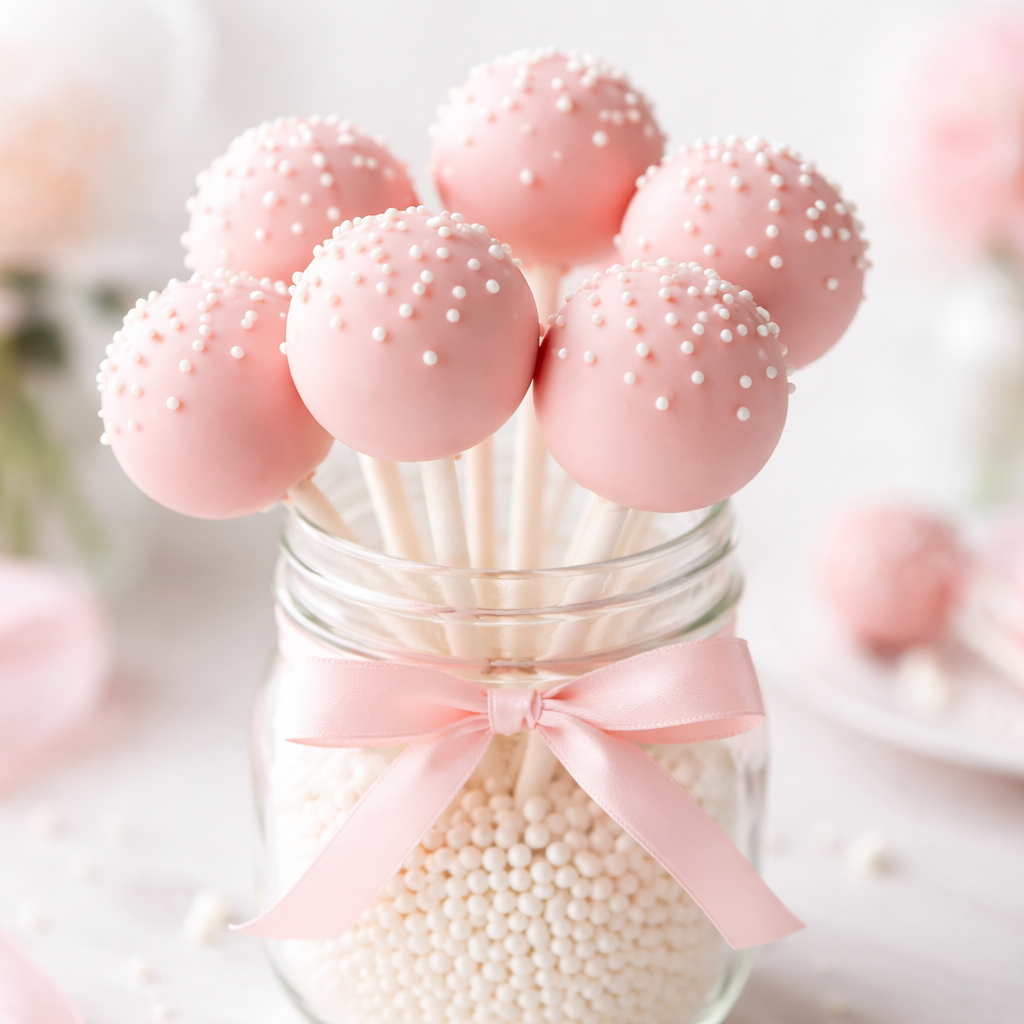
Add your frosting one tablespoon at a time. For a standard 9×13 cake, you usually only need 1/3 to 1/2 cup of frosting. The goal is a texture like Play-Doh. If you squeeze a handful of crumbs, it should hold its shape without sticking to your hand.
3. Shaping
Use a scoop to portion the dough. Roll them into smooth spheres between your palms. Place the spheres on a parchment-lined tray and refrigerate for 30–60 minutes.
4. Securing the Stick
Melt a small amount of chocolate. Dip the tip of a lollipop stick (about 1/2 inch) into the chocolate and insert it halfway into the chilled cake ball. This creates a “seal” that prevents the pop from sliding down the stick. Let these set for 5 minutes.
5. The Dip
Submerge the cake pop vertically into the thinned chocolate until the coating meets the stick. Do not stir the pop in the chocolate. Lift it straight up and gently tap your wrist to remove the excess.
6. Decorating
While the coating is still wet, add sprinkles or sugar. Place the stick into your stand and let it set at room temperature for 20 minutes.
Fixing Texture or Flavor Problems
If your Starbucks Cake Pops Recipe isn’t yielding the desired results, the solution is usually a minor adjustment in moisture or temperature.
- Problem: The cake balls are falling apart.
- The Fix: You likely have too few “binders.” Add another tablespoon of frosting to the dough and re-roll. Ensure the balls are chilled but not so cold that they become brittle.
- Problem: The chocolate coating is “sweating” or dripping.
- The Fix: This is caused by condensation. If you take the balls from the fridge to a humid kitchen, moisture forms on the surface. Pat the cake balls dry with a paper towel before dipping.
- Problem: The coating has bubbles or lumps.
- The Fix: This means the chocolate was overheated or not thinned enough. Melt fresh chocolate at 50% power in the microwave, stirring every 30 seconds.
- Problem: The cake pops are too sweet.
- The Fix: Use a dark chocolate coating to contrast with a vanilla interior, or add a pinch of salt to your frosting binder to cut through the sugar.
Frequently Asked Questions Explained Simply
Why do my cake pops crack after dipping?
Cracking happens because the cake ball expands as it warms up, while the chocolate shell is already set and rigid. To prevent this, take the cake balls out of the fridge for 10 minutes before dipping so the temperature difference is less extreme.
Can I make these in advance?
Yes. You can roll the cake balls and keep them in the fridge for up to 2 days before dipping. Once dipped and set, they stay fresh at room temperature for 3–5 days in an airtight container.
Why is the chocolate sliding off?
If the chocolate is too hot, it will be too thin to “grip” the cake. Let the chocolate sit for a few minutes to cool slightly before you begin the dipping process.
Can I use a cake pop maker machine?
You can, but the texture will be different. A machine bakes “cake balls” that have a crumbly, muffin-like texture. A true Starbucks Cake Pops Recipe uses the “crumble and frost” method, which creates that signature fudgy, truffle-like interior.
Do I need to refrigerate them after they are done?
It is not necessary unless your kitchen is very warm. In fact, refrigerating finished cake pops can sometimes cause the chocolate to lose its shine or develop “bloom” (white spots).
By focusing on the structural “glue” of the frosting and managing the temperature of the coating, you can successfully recreate a Starbucks Cake Pops Recipe that looks and tastes like it came straight from the bakery case.
Almond Flour Cake Recipes You’ll Make Again & Again
Homemade Date Cake Recipe Everyone Will Love
Easy Piña Colada Cake Recipe – Tropical & Moist
The Best Biscoff Cake Recipe for Lotus Lovers
Moist Rhubarb Cake Recipes Everyone Will Love
Soft & Moist Limoncello Cake Recipe You’ll Love
Homemade Irish Apple Cake Recipe Made Simple