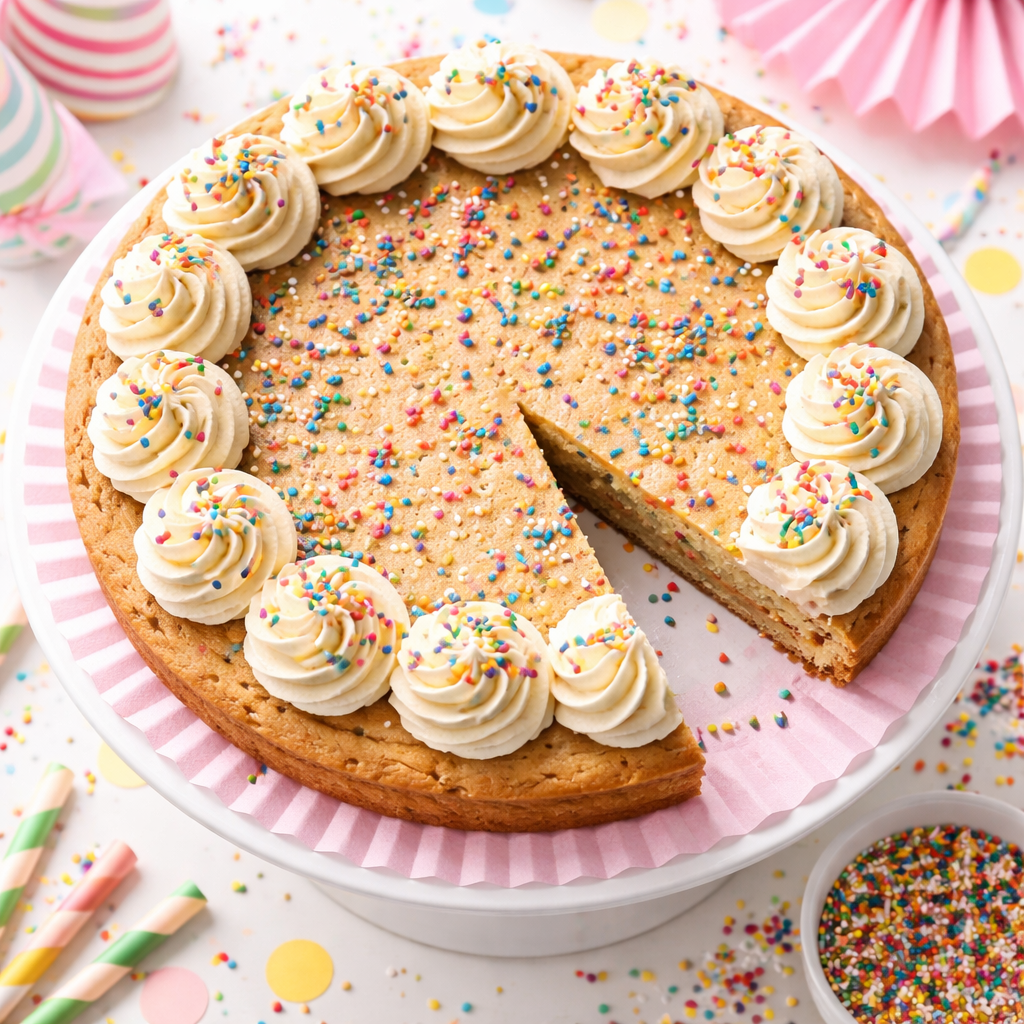
Achieving a professional-grade result with a Sugar Cookie Cake Recipe requires a shift in perspective from traditional cookie baking. While a standard cookie is designed for individual crispness, a cookie cake must maintain structural integrity while remaining tender enough to slice like a traditional sponge. The primary goal is to produce a dense, buttery crumb that is soft in the center with slightly caramelized edges.
Consistency in this recipe is not a matter of luck but of thermal management and ingredient ratios. Many home bakers find that their cookie cakes either turn out too thin and brittle or so thick that the center remains raw while the edges burn. By focusing on reliability, you can ensure that every Sugar Cookie Cake Recipe you execute results in a perfectly leveled, soft-textured dessert that serves as a stable canvas for frosting and decoration.
Variables That Affect Cooking Accuracy
When working with a Sugar Cookie Cake Recipe, several external factors can influence the final outcome. Recognizing these variables allows you to adjust your process before errors occur.
Ambient Temperature and Humidity
Sugar and butter are highly sensitive to their environment. In high-humidity conditions, sugar absorbs moisture from the air, which can lead to a “spreading” effect or a sticky surface. Conversely, in a very cold kitchen, your butter may not emulsify correctly with the sugar, resulting in a grainy texture. Bold Tip: Aim for a kitchen temperature of approximately 70°F (21°C) for the most predictable dough behavior.
Flour Protein Content
Not all all-purpose flours are identical. Different brands have varying protein percentages. A higher protein content creates more gluten, which can make a cookie cake tough. For a Sugar Cookie Cake Recipe, using a standard all-purpose flour with a protein content of around 10-11% is ideal for achieving that signature “soft-bite” texture.
Oven Calibration
Most household ovens fluctuate by as much as 25 degrees from the set temperature. A cookie cake is dense, and even a slight temperature deviation can cause the bottom to scorch before the middle is set. Using an independent oven thermometer is the only way to ensure your Sugar Cookie Cake Recipe is baking at the precise temperature required.
Ingredient Prep for Reliable Outcomes
Precision in preparation is the foundation of reliability. Measuring by volume (cups) is inherently inconsistent; measuring by weight (grams) is the professional standard for a Sugar Cookie Cake Recipe.
The Butter State
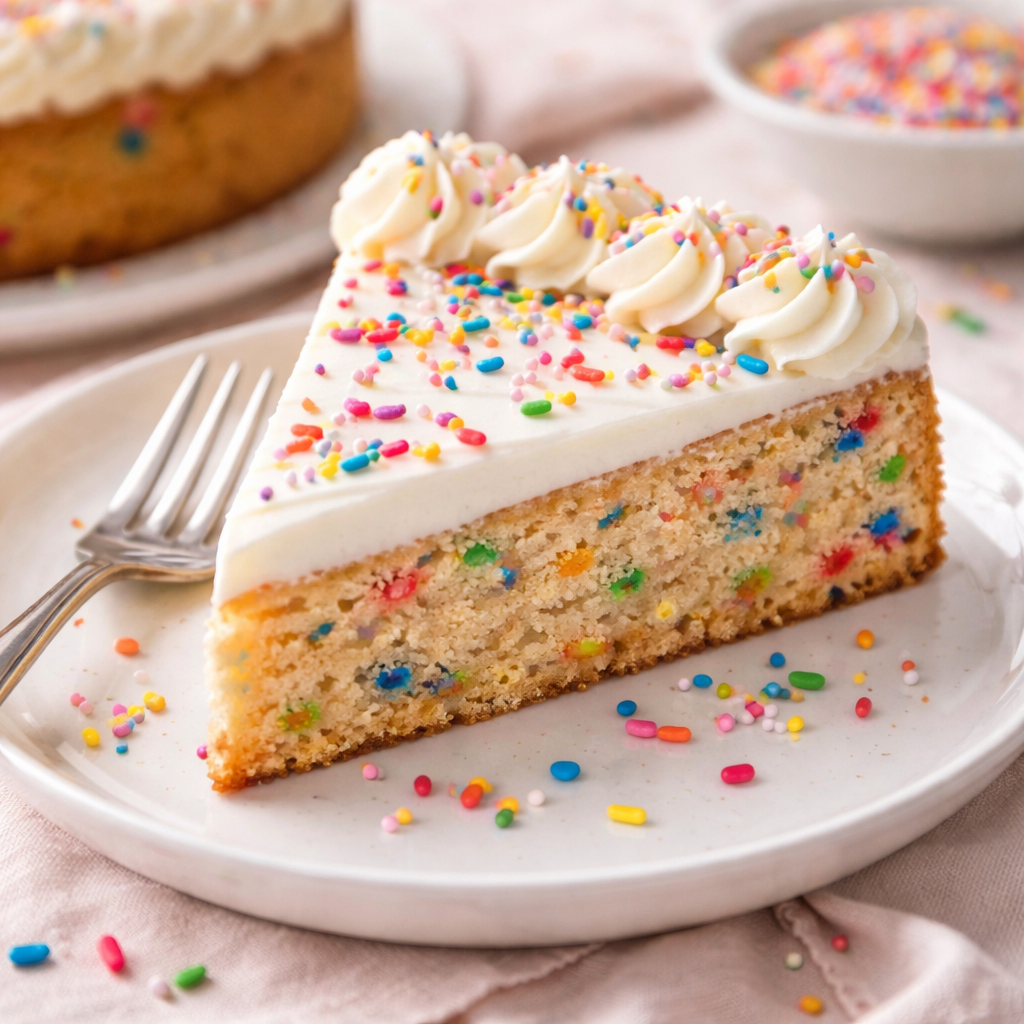
The butter must be “cool room temperature.” If you press your finger into the butter, it should leave an indentation but not feel greasy or slide. If the butter is too soft, the cake will lose its loft and become oily. If it is too cold, the aeration process (creaming) will fail.
Room Temperature Eggs
Cold eggs can cause the creamed butter to seize, breaking the emulsion. To quickly bring eggs to room temperature, place them in a bowl of warm water for five minutes before use. This ensures a smooth, homogeneous dough that rises evenly.
Fresh Leavening Agents
Baking powder and baking soda lose their potency over time. For a Sugar Cookie Cake Recipe, the rise is minimal but crucial. Test your baking powder by dropping a small amount into hot water; if it bubbles vigorously, it is active. This simple check prevents the “sunken middle” syndrome.
Equipment Calibration and Setup
The tools you choose act as the delivery system for heat. Inconsistent equipment leads to inconsistent browning.
- Pan Selection: A 9-inch or 10-inch round cake pan with 2-inch sides is standard. For a Sugar Cookie Cake Recipe, light-colored aluminum pans are superior to dark non-stick pans. Dark pans absorb more radiant heat and are more likely to burn the bottom of the cookie.
- Parchment Paper: Do not rely solely on greasing the pan. Lining the bottom with a parchment circle ensures a clean release, which is vital when transferring a heavy, dense cookie cake to a serving board.
- The Stand Mixer: While a hand mixer can work, a stand mixer with a paddle attachment provides the consistent torque needed to cream the butter and sugar into a light, aerated fluff. This aeration is what gives the Sugar Cookie Cake Recipe its tender crumb.
- Heat Distribution: Always place your rack in the center position. Placing the pan too high or too low leads to uneven cooking between the top crust and the base.
Timing Strategy for Best Results
Timing is divided into three critical phases: the Creaming Window, the Bake Window, and the Set Window.
- The Creaming Window (3–5 Minutes): You must beat the butter and sugar until the color pales significantly. This builds the air pockets that the leavening agents will later expand.
- The Bake Window (18–22 Minutes): A Sugar Cookie Cake Recipe should be removed from the oven when the edges are just starting to turn golden, but the center still looks slightly underbaked or “puffy.”
- The Set Window (60 Minutes): Residual heat cooking (carryover cooking) is essential. The cake will continue to firm up as it cools in the pan. Slicing too early will result in a crumbly, unformed mess.
Reliable Sugar Cookie Cake Recipe Method
1. The Creaming Stage
In the bowl of a stand mixer, combine 1 cup (227g) of unsalted, cool room-temperature butter with 1 cup (200g) of granulated white sugar. Beat on medium-high speed for at least 3 minutes. The mixture should look like pale, fluffy frosting.
2. Emulsification
Add 1 large room-temperature egg and 2 teaspoons of high-quality vanilla extract. Beat for another minute. Scrape down the sides of the bowl to ensure no butter streaks remain.
3. Dry Ingredient Integration
In a separate bowl, whisk together 2.5 cups (312g) of all-purpose flour, 1/2 teaspoon of baking powder, and 1/2 teaspoon of salt. Turn the mixer to the lowest setting and gradually add the flour. Bold Tip: Stop the mixer the moment the last streak of white flour disappears. Overmixing at this stage will activate gluten and toughen the cake.
4. Pan Preparation and Pressing
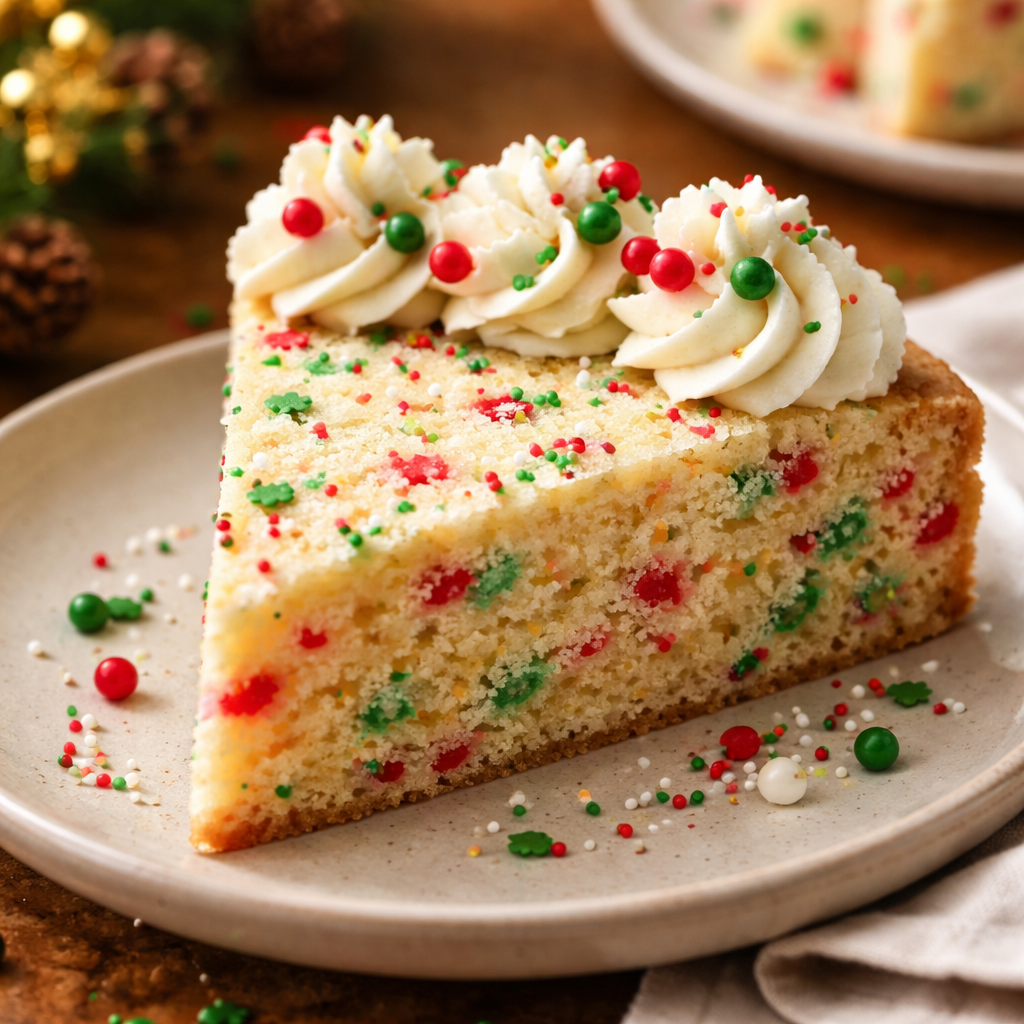
Line your 10-inch pan with parchment and lightly grease the sides. Transfer the dough to the pan. Since the dough is thick, use a piece of plastic wrap or an offset spatula to press it into an even layer. An uneven surface will lead to uneven baking.
5. The Controlled Bake
Bake at 350°F (177°C) for 18 to 22 minutes. Watch for the edges to pull away slightly from the pan and turn a light golden hue. The center should not be liquid, but it should remain soft to the touch.
6. The Cooling Process
Place the pan on a wire cooling rack. Allow the Sugar Cookie Cake Recipe to cool completely in the pan for at least one hour. Once cool, run a thin knife around the edge and invert it onto a plate, then flip it upright onto a serving board.
Consistency Issues and Solutions
Even with a reliable Sugar Cookie Cake Recipe, you may encounter specific textural or visual problems. Use these solutions to calibrate your next attempt.
- Problem: The cake is dry and crumbly.
- Solution: You likely overbaked the cake or used too much flour. Next time, use a scale to weigh your flour and pull the cake from the oven 2 minutes earlier. Remember, it should look slightly underdone when it comes out.
- Problem: The center has collapsed.
- Solution: This is often caused by over-beating the eggs or using expired baking powder. Ensure you only beat the eggs until incorporated, and check the potency of your leavening agents.
- Problem: The edges are hard but the middle is raw.
- Solution: Your oven temperature is likely too high. Lower the temperature by 15 degrees and extend the bake time. Alternatively, ensure you are using a light-colored metal pan rather than glass or dark silicone.
- Problem: The cake is too greasy.
- Solution: This occurs when the butter was too soft or melted before being creamed. Ensure the butter is cool to the touch (around 65°F) before starting the process.
Frequently Asked Questions (FAQ)
Can I use salted butter for this Sugar Cookie Cake Recipe?
Yes, but you must reduce the added salt in the dry ingredients by half. For the most consistent flavor control, unsalted butter is always preferred so you can manage the sodium levels yourself.
How do I store a cookie cake to keep it soft?
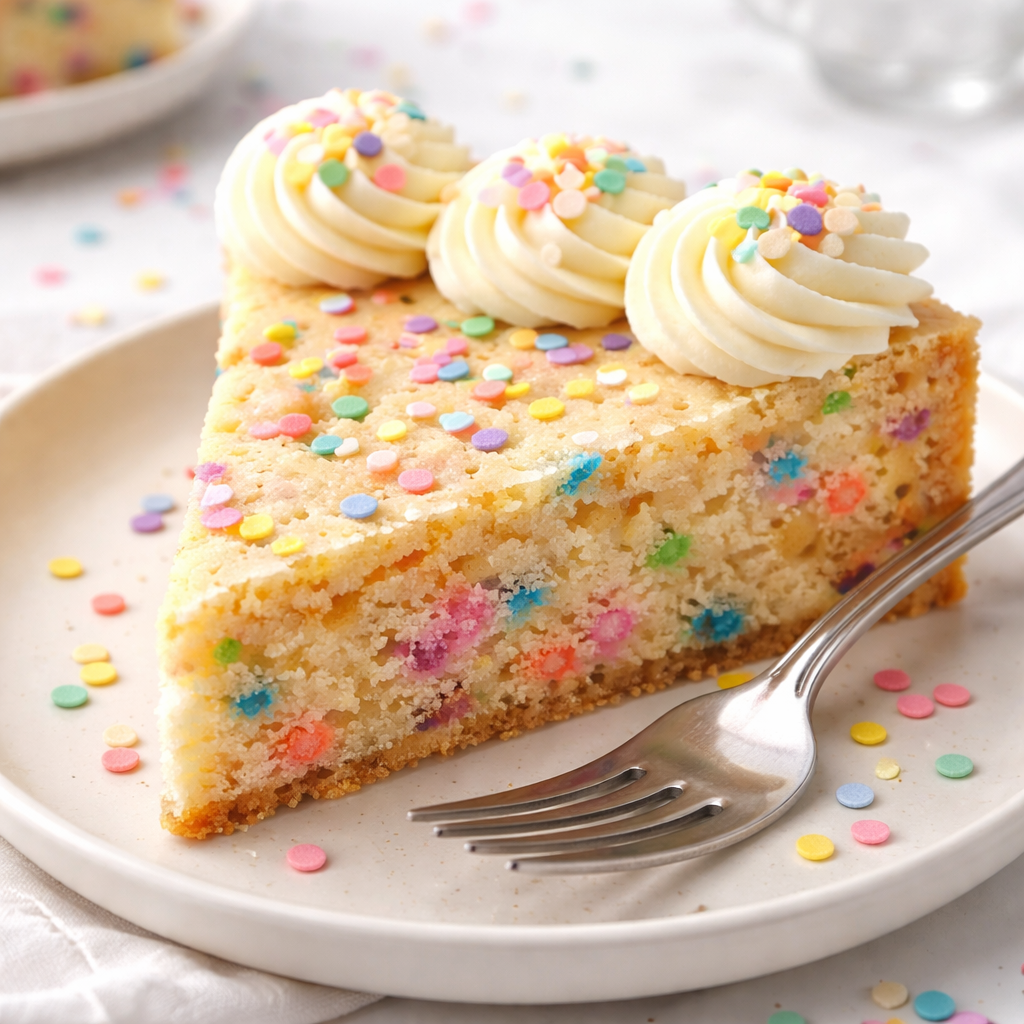
Once the cake is completely cool and frosted, store it in an airtight container at room temperature. It will stay soft for up to 4 days. If you need to store it longer, you can wrap the unfrosted cake in plastic wrap and freeze it for up to 3 months.
Can I add chocolate chips or sprinkles?
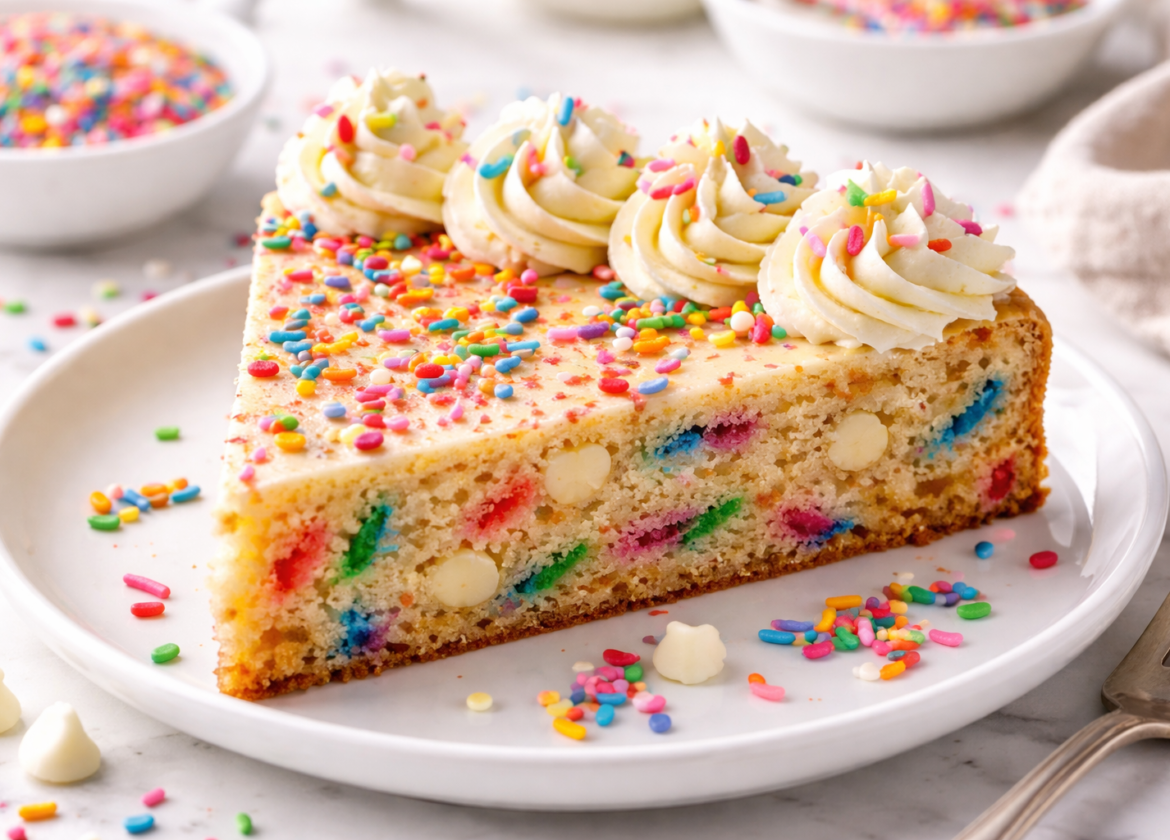
Absolutely. If adding “mix-ins,” fold them in by hand after the flour is integrated. For a Sugar Cookie Cake Recipe, 1/2 cup of sprinkles or chocolate chips is the ideal amount to maintain structural stability.
Why did my cake stick even though I greased the pan?
The high sugar content in a Sugar Cookie Cake Recipe can cause it to caramelize and “glue” itself to the pan. This is why parchment paper is a non-negotiable requirement for a reliable release.
Should I use a fan-forced (convection) oven?
If using convection, reduce the temperature by 25°F and begin checking for doneness 5 minutes earlier. Convection air can dry out the surface of a cookie cake too quickly, so a conventional oven setting is generally safer for this specific recipe.
Can I make the dough in advance?
Yes. You can prepare the dough and press it into the pan, then cover it with plastic wrap and refrigerate it overnight. When you are ready to bake, let it sit at room temperature for 20 minutes before placing it in the oven to ensure an even bake.
Moist & Delicious Mini Bundt Cake Recipes Made Simple
The Best Jewish Apple Cake Recipe You’ll Ever Bake
Homemade Matcha Cake Recipe – Simple & Delicious
The Best Pig Pickin Cake Recipe You’ll Ever Try
Easy Pumpkin Bundt Cake Recipe with Fall Flavors
Moist Buttermilk Cake Recipe – Soft, Rich & Homemade
Easy Hoe Cakes Recipe Made with Simple Ingredients
Easy Cinnamon Coffee Cake Recipe Perfect for Breakfast