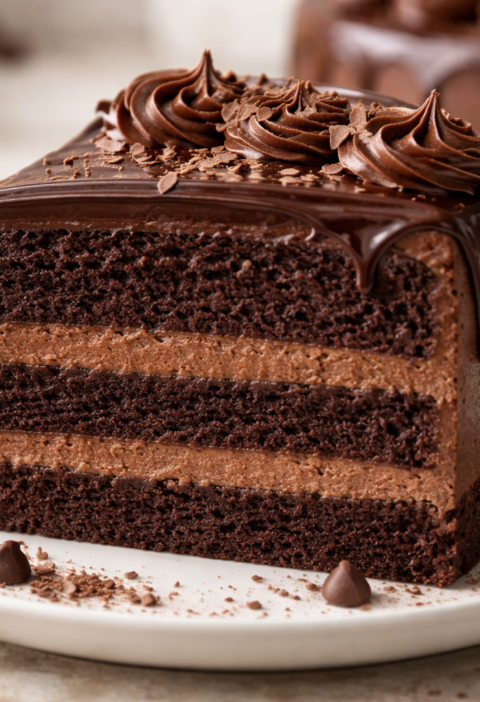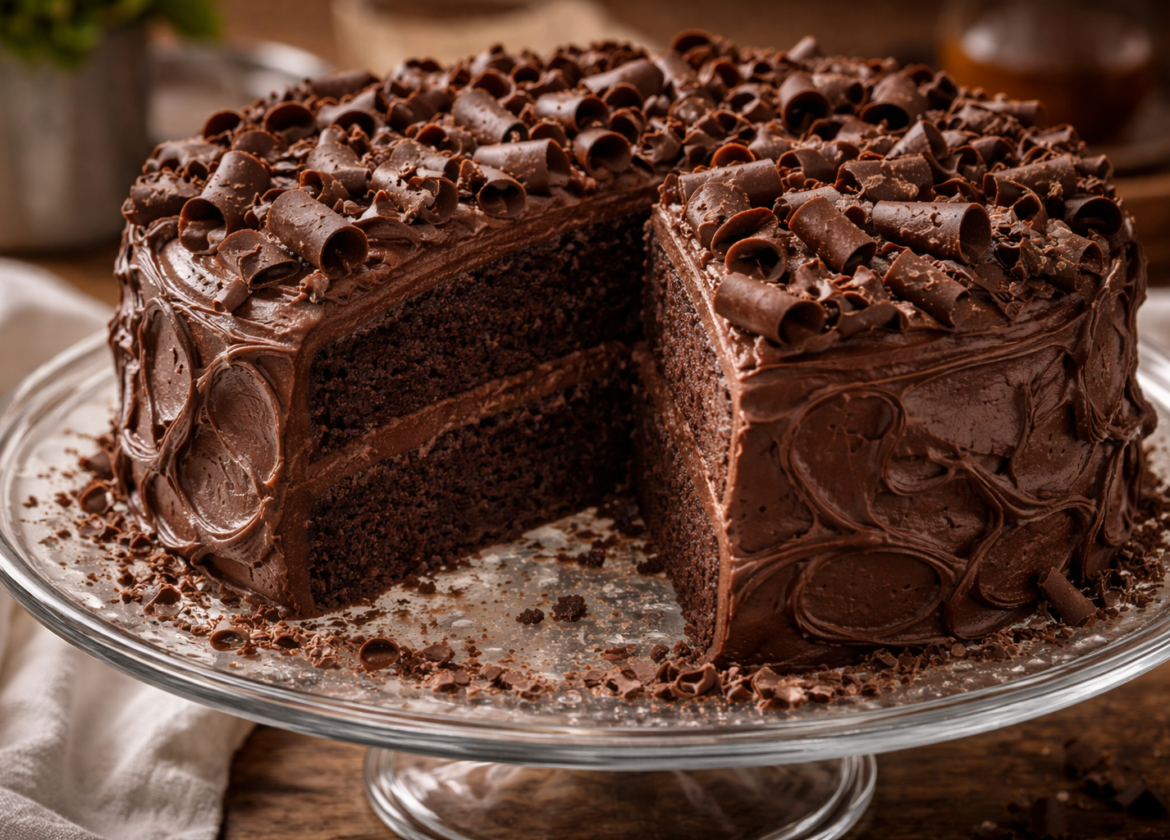
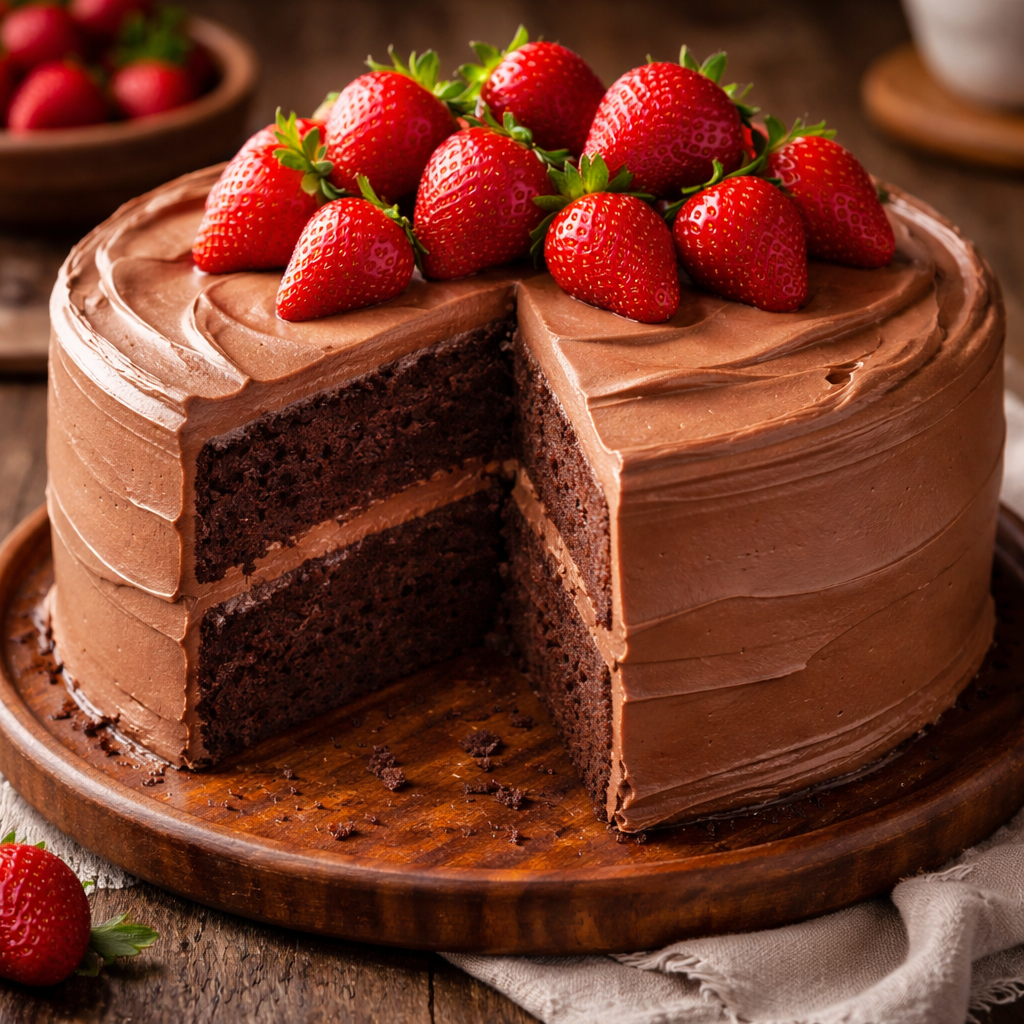
The Thunder Cake Recipe is a unique culinary tradition rooted in American folklore, specifically designed as a sensory tool to help individuals manage fear during storms. From a technical standpoint, it is a rich, dense chocolate-based cake that utilizes unconventional ingredients to achieve a specific crumb structure and moisture level. Unlike standard sponges, this cake must possess enough structural integrity to support a thick chocolate buttercream frosting while remaining moist under various atmospheric conditions.
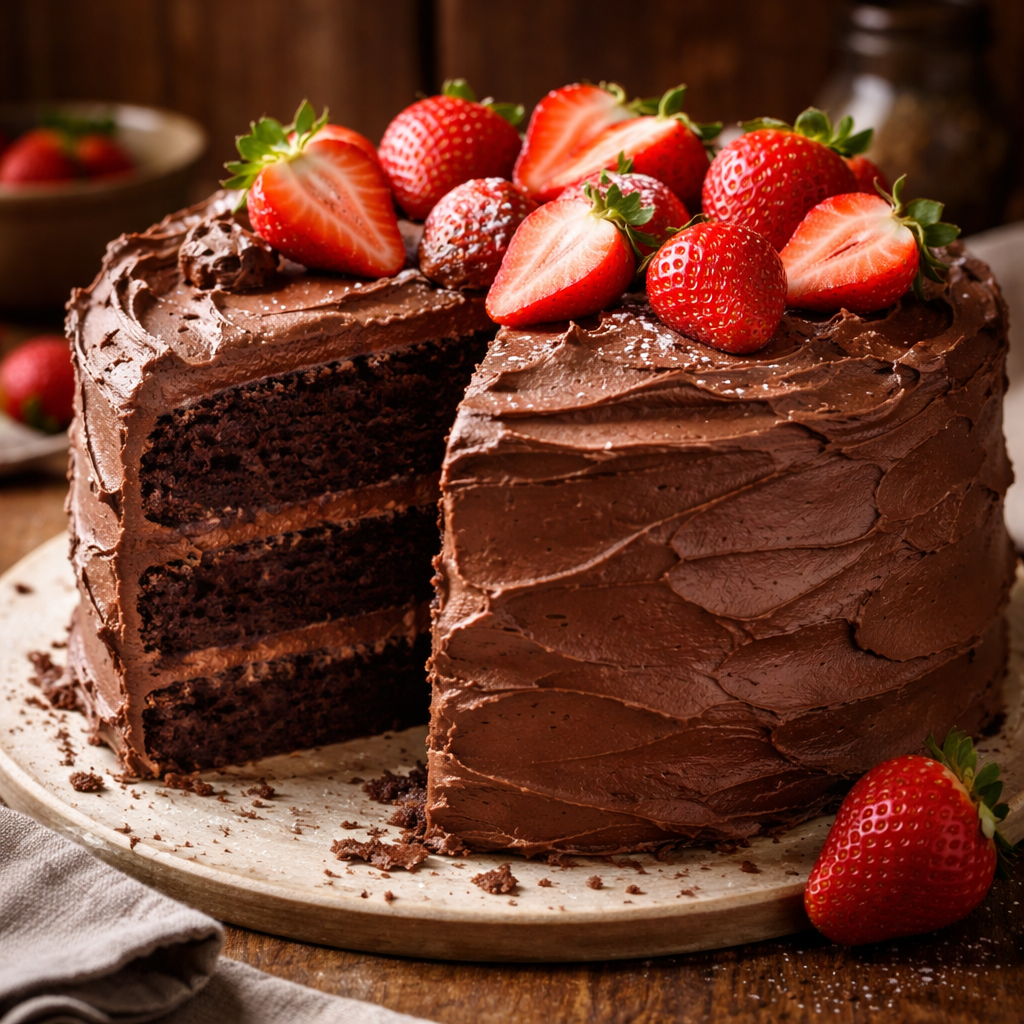
Executing a Thunder Cake Recipe successfully requires an understanding of how moisture-retaining agents interact with cocoa solids. While the narrative surrounding the cake emphasizes the timing of the thunder, the baker must emphasize the timing of the chemical leavening and the precision of the oven temperature. This article outlines the rigorous standards required to produce a consistent, high-quality result that honors both the tradition and the technical requirements of the dish.
The Science Behind Thunder Cake Recipe
The defining characteristic of a traditional Thunder Cake Recipe is the inclusion of pureed tomatoes. While this may seem counterintuitive in a dessert, the science is sound. Tomatoes provide acidity and moisture without the heavy fat content of additional butter or the protein structure of extra eggs.
The acidity in the tomatoes reacts with the baking soda to produce carbon dioxide, which provides the necessary lift for a dense batter. Furthermore, the lycopene and natural sugars in the tomatoes enhance the depth of the cocoa, resulting in a darker, more complex chocolate profile. The goal is not to taste the vegetable component but to utilize its pH level and water content to create a superior “tender-melt” mouthfeel that persists even after the cake has cooled.
Ingredients and Quality Considerations
For a Thunder Cake Recipe to yield professional results, the quality and state of the ingredients must be standardized.
- Cocoa Powder: Use a high-quality Dutch-processed cocoa powder. This provides a smoother flavor and a darker color than natural cocoa, which can be too acidic when combined with tomatoes.
- Tomato Puree: Use unseasoned, canned tomato puree or finely sieved fresh tomatoes. Avoid “tomato sauce” or “tomato paste,” as the former contains spices like oregano and the latter lacks the necessary water volume.
- Leavening Agents: Ensure your baking soda is fresh. Because this cake relies on the immediate reaction between the soda and the tomato acid, dormant leavening will result in a heavy, sunken center.
- Fats: Shortening or unsalted butter is typically used. Shortening provides a higher melting point, which helps the cake maintain its shape in humid, “thundery” weather.
Equipment and Setup
Precision in a Thunder Cake Recipe is supported by the correct equipment configuration.
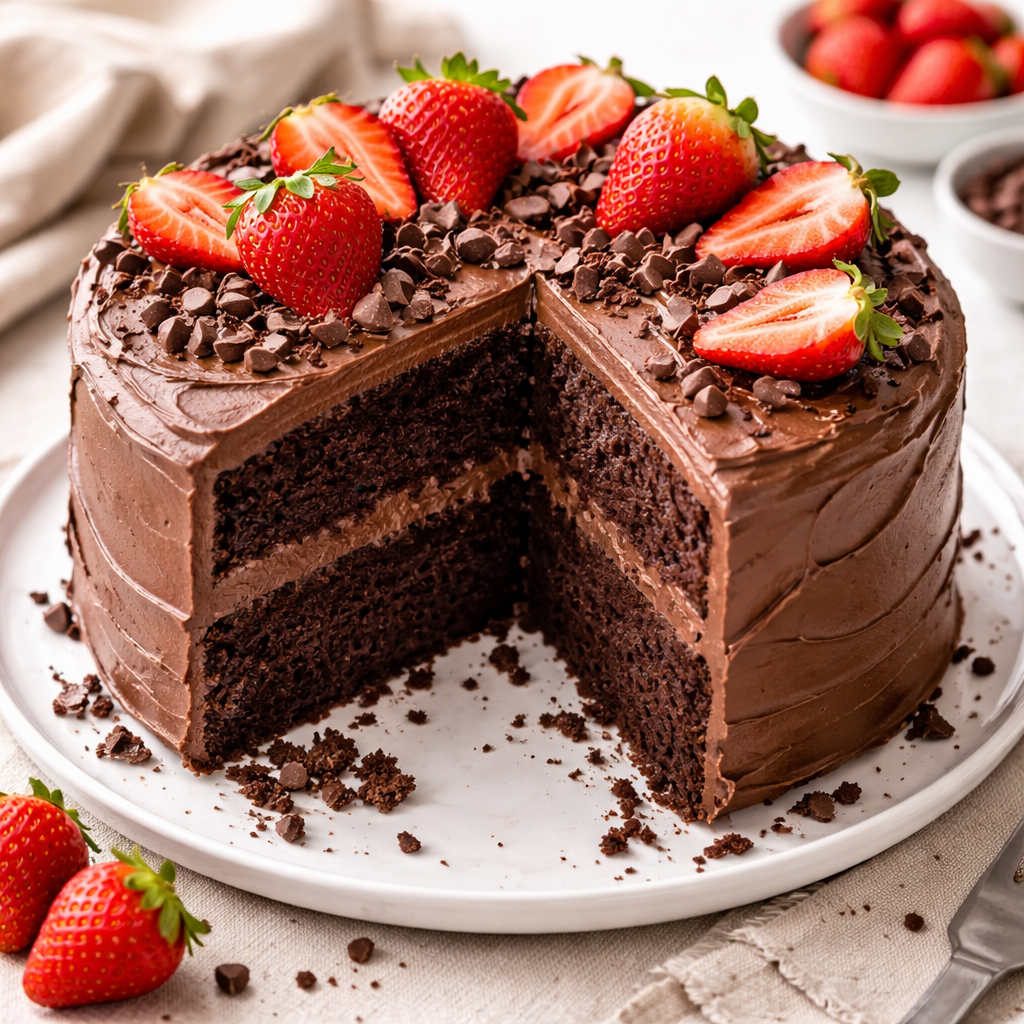
- Standard 9-inch Round Cake Pans: Two pans are required for a traditional layered presentation.
- Fine-Mesh Sieve: Necessary for sifting the cocoa and flour together. Cocoa powder is prone to clumping, and lumps will not dissolve during the brief mixing phase.
- Digital Scale: Measuring flour and cocoa by weight rather than volume prevents the cake from becoming dry or “bready.”
- Stand Mixer with Paddle Attachment: This is the most efficient tool for “creaming” the fats and sugars, ensuring enough air is incorporated to balance the heavy tomato puree.
- Parchment Paper: Given the high moisture content of this recipe, the cake is prone to sticking. Lining the bottom of the pans is a mandatory safety measure for successful extraction.
Safe Temperature and Time Standards
The Thunder Cake Recipe is sensitive to overbaking due to its high sugar and moisture content.
- Oven Temperature: A steady 350°F (177°C) is the standard. If the oven is too hot, the exterior will set before the middle has risen, causing a “volcano” effect or a cracked surface.
- Internal Temperature: For perfect consistency, the cake should be removed when the internal temperature reaches 205°F to 210°F.
- Cooling Standards: The cake must remain in the pan for exactly 10 minutes post-bake. Removing it too soon will cause it to break due to the fragile crumb; leaving it too long will cause steam to build up, making the bottom soggy.
Thunder Cake Recipe: Complete Method
1. Preparation of Dry Ingredients
Sift together 2.5 cups of all-purpose flour, 1/2 cup of Dutch-processed cocoa powder, 1.5 teaspoons of baking soda, and 1 teaspoon of salt. This ensures even distribution of the leavening agent.
2. Creaming the Base
In a stand mixer, cream 1 cup of shortening (or unsalted butter) with 1.75 cups of granulated sugar. Beat for 3–5 minutes until the mixture is light and aerated. Add 3 large room-temperature eggs, one at a time, ensuring each is fully emulsified before adding the next.
3. Integrating the Tomatoes
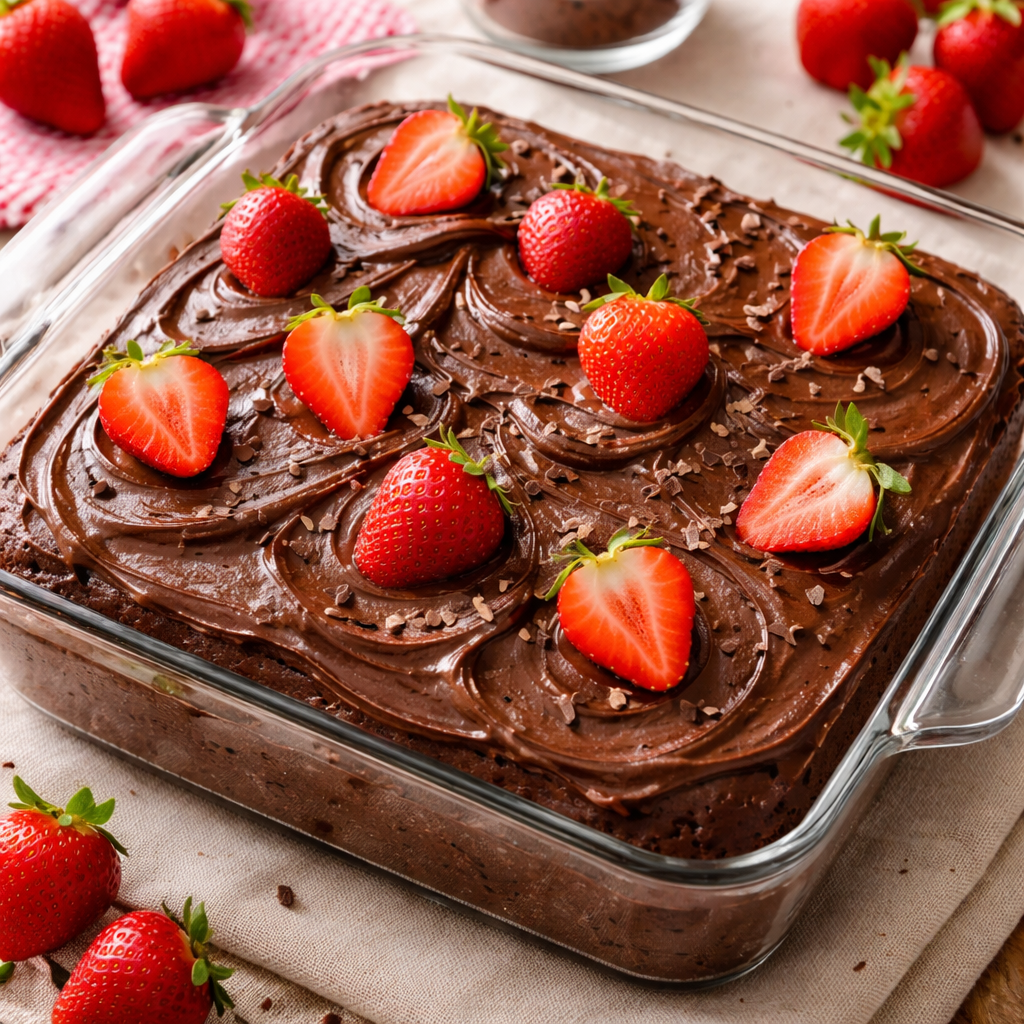
Stir in 1 teaspoon of vanilla extract. Gradually add 1 cup of tomato puree. The mixture may appear slightly curdled at this stage; this is a normal reaction to the water content of the tomatoes and will resolve once the dry ingredients are added.
4. Final Batter Assembly
Reduce the mixer speed to low. Add the dry ingredients in three parts, alternating with 1/2 cup of cold water. Bold Tip: Do not overmix. Stop the mixer as soon as the last streak of flour is incorporated to prevent gluten development.
5. The Bake
Divide the batter evenly between the prepared pans. Bake for 35 to 40 minutes. Perform a “spring-back” test: the center of the cake should gently bounce back when touched.
6. Frosting and Finish
Once completely cooled, frost with a thick chocolate ganache or buttercream. The robustness of the Thunder Cake Recipe allows for heavy decorative elements if desired.
Technical Problems and Solutions
- Problem: The cake has a “tattered” or crumbly edge.
- Solution: This is often caused by cold eggs. Ensure all dairy and eggs are at room temperature to create a stable emulsion.
- Problem: A visible “ring” of unmixed cocoa.
- Solution: This indicates the cocoa was not sifted. Always pass cocoa through a fine-mesh sieve.
- Problem: The cake tastes slightly metallic.
- Solution: This occurs if the baking soda was not thoroughly mixed with the flour or if the tomato puree was too acidic. Ensure you are using Dutch-processed cocoa to neutralize the pH.
- Problem: The cake is too dense.
- Solution: You may have overmixed the batter after adding the flour. Use the “fold” method or the lowest setting on your mixer for the final stage.
Frequently Asked Questions on Thunder Cake Recipe
Can I taste the tomatoes in this Thunder Cake Recipe?
No. The tomatoes serve as a functional ingredient for texture and pH balance. When combined with cocoa and sugar, the vegetable flavor is completely neutralized, leaving only a rich chocolate taste.
Is it possible to use fresh tomatoes instead of canned puree?
Yes, but they must be peeled, seeded, and pureed in a blender until perfectly smooth. You must ensure the volume equals exactly one cup, as fresh tomatoes contain more water than canned versions.
Why did my cake sink in the middle?
This is typically a result of opening the oven door too early, which causes a sudden drop in temperature before the structure has set. Alternatively, it may indicate that your baking soda has expired.
How should the cake be stored for maximum shelf life?
Due to the high moisture content, the Thunder Cake Recipe should be stored in an airtight container. It will remain fresh at room temperature for 3 days or can be refrigerated for up to 7 days.
Classic Carrot Cake Recipe – Moist & Perfect Every Time
Easy Chocolate Torte Cake Recipe – Rich & Elegant
The Best Babka Cake Recipe Made at Home
Decadent Tuxedo Cake Recipe Everyone Will Love
Classic Apple Spice Cake Recipe Made Simple