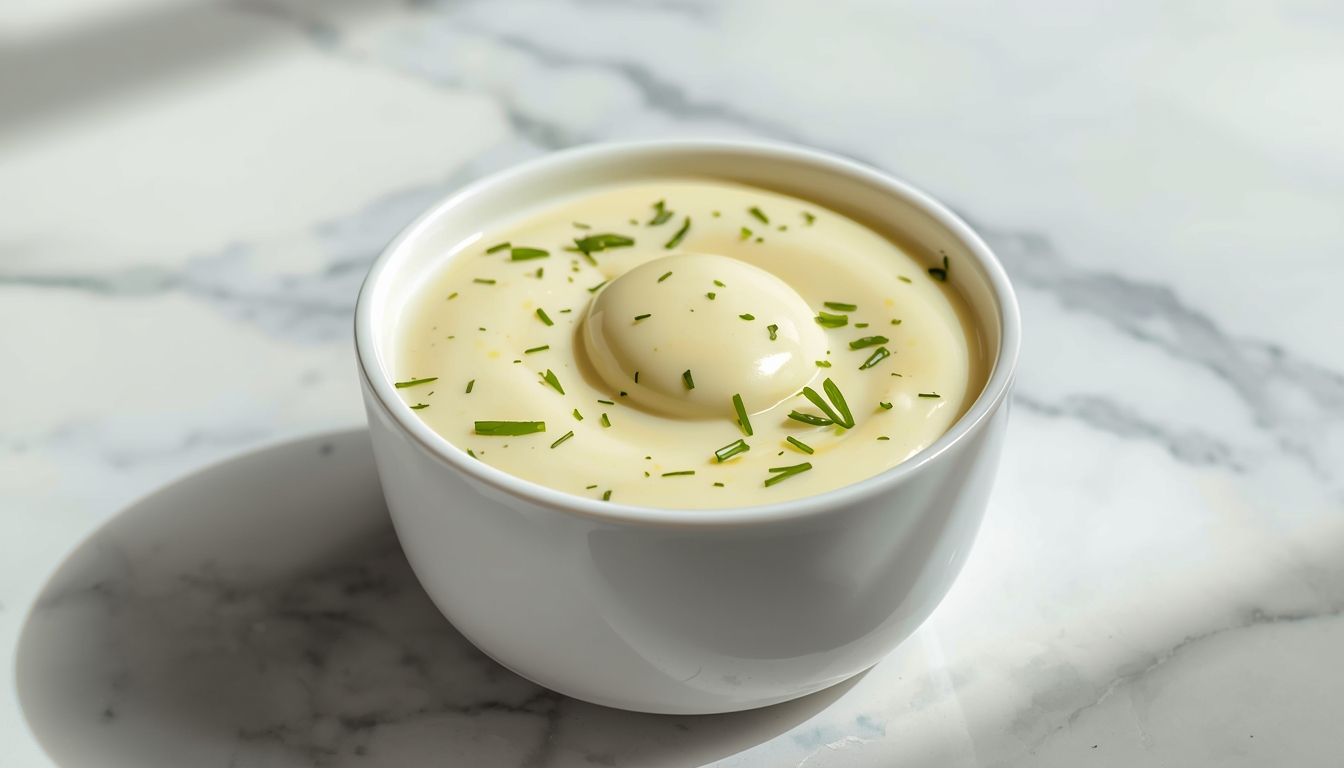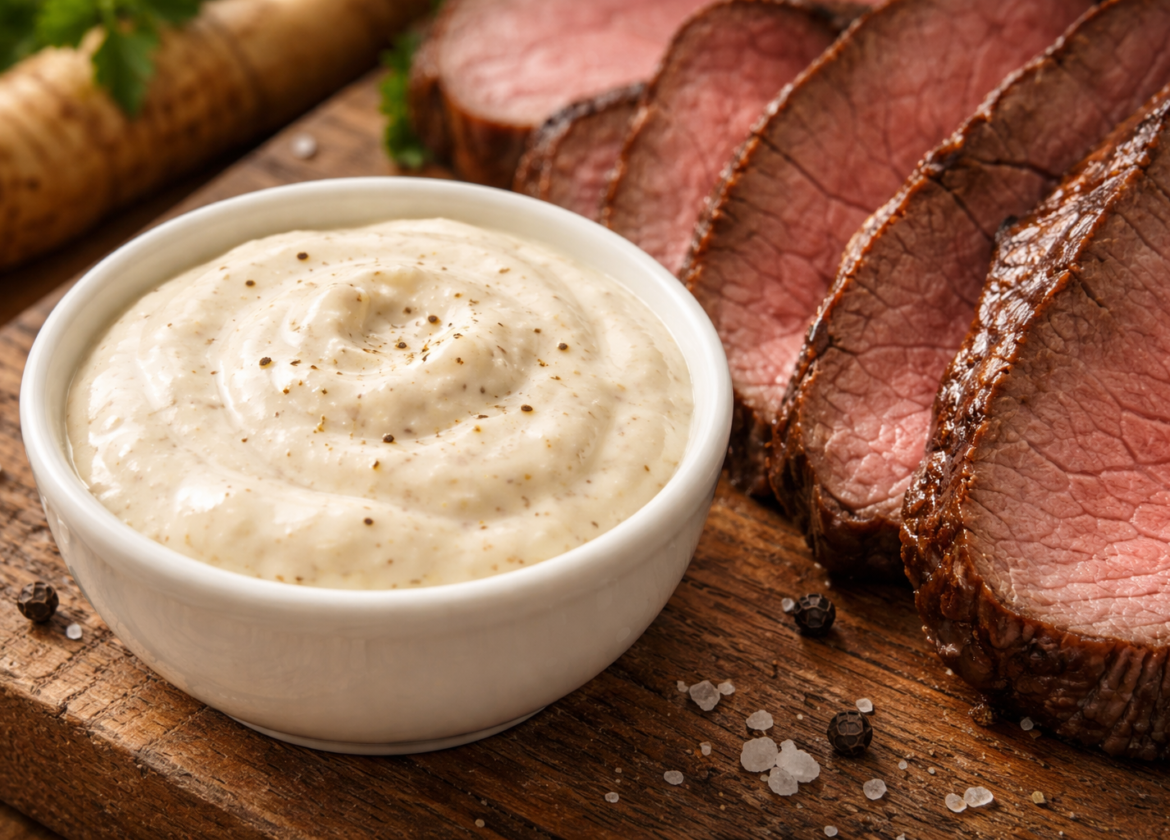
Approaching a Horsey Sauce Recipe requires a specific understanding of balance. For most, this sauce is synonymous with a particular roast beef sandwich chain, but for the home cook, it represents a fundamental lesson in emulsion and pungency. The mindset shouldn’t be about just mixing ingredients; it should be about managing the volatile nature of horseradish.
When you decide to make this at home, you are stepping away from stabilized, preservative-heavy condiments and moving toward a fresh, vibrant alternative. The goal is to achieve a creamy base that carries a distinct “nasal heat”—that sharp, fleeting sting that defines horseradish—without allowing the acidity to overwhelm the palate. It is a subtle craft. You have to be willing to taste as you go and understand that the sauce will evolve as it sits.
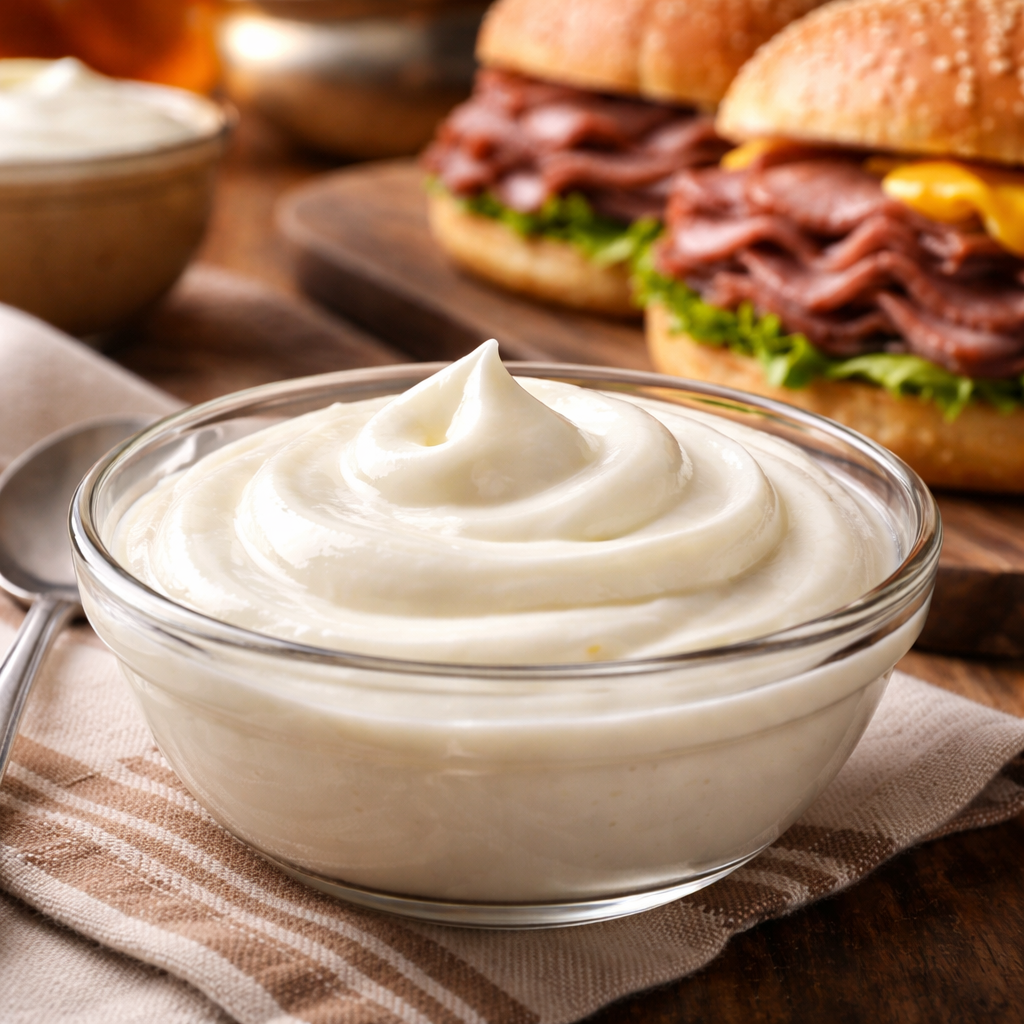
Understanding the Cooking Environment
Temperature and air exposure are the two biggest environmental factors when working on a Horsey Sauce Recipe. Horseradish contains an enzyme called myrosinase which, when combined with water, creates mustard oil (allyl isothiocyanate). This is what provides the heat. However, this heat is highly volatile.
If your kitchen is too warm, the subtle flavors of the mayonnaise base can turn slightly greasy, and the “kick” of the horseradish may dissipate too quickly. It is best to work in a cool environment. Furthermore, because we are dealing with a cold-emulsion sauce, there is no heat involved in the assembly. This means the cleanliness of your environment is paramount. Always work with chilled ingredients directly from the refrigerator to ensure the emulsion remains stable and the flavor profile stays sharp and crisp.
Preparing Ingredients With Purpose
The secret to a professional-grade Horsey Sauce Recipe isn’t a secret ingredient; it is the quality and preparation of the standard ones.
The Creamy Base
Most people reach for a standard mayonnaise, but the choice of brand or style matters. You want a heavy, “extra creamy” mayonnaise that uses egg yolks as a primary stabilizer. This provides the necessary mouthfeel to coat a piece of savory meat. Some cooks prefer to cut the mayonnaise with a bit of sour cream to add a lactic tang, which helps mellow the aggressive nature of the horseradish.
The Horseradish Choice
For this recipe, you generally have two choices: prepared horseradish or fresh root. Prepared horseradish (in a jar with vinegar and salt) is the standard for a Horsey Sauce Recipe because the vinegar has already stabilized the heat. If you use freshly grated root, you must be prepared for a much more intense and unpredictable level of spice. Bold Tip: If using jarred horseradish, drain the excess vinegar liquid before measuring to prevent the sauce from becoming too runny.
The Sweet and Acidic Balancers
A small amount of granulated sugar or honey is essential. It doesn’t make the sauce sweet; rather, it rounds off the sharp edges of the vinegar and salt. For the acid, a touch of lemon juice or apple cider vinegar provides a “bright” finish that cuts through the fat of the roast beef it is typically paired with.
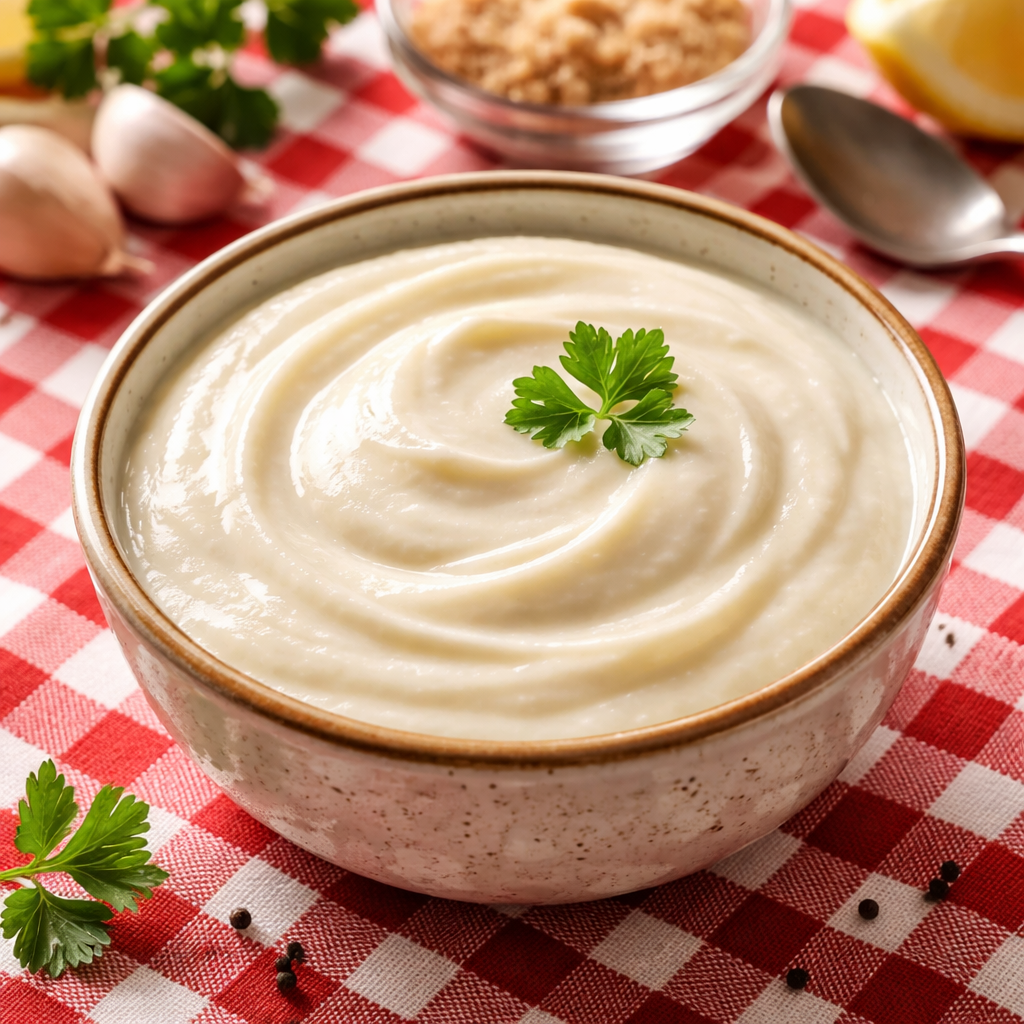
Equipment Readiness and Setup
Since there is no actual “cooking” over a flame, the equipment setup for a Horsey Sauce Recipe is focused on aeration and storage.
- Stainless Steel or Glass Mixing Bowl: Avoid plastic bowls, as they can retain the scent of onions or garlic from previous meals, which will contaminate the delicate creaminess of the sauce.
- Whisk or Silicone Spatula: A whisk is better for incorporating air and making the sauce fluffy, while a spatula is better for folding in ingredients if you prefer a denser consistency.
- Digital Scale or Measuring Spoons: Precision in the first attempt is vital. Once you know your preferred heat level, you can eye-ball it, but for the first time, stick to the measurements.
- Glass Airtight Jar: Plastic containers can react with the vinegar over time. A glass mason jar is the gold standard for storing any horseradish-based condiment.
Timing Decisions Before Cooking
One of the most common mistakes in making a Horsey Sauce Recipe is serving it immediately after mixing. This is a “marination” sauce.
- The Integration Window: After mixing, the salt and sugar need time to dissolve into the fats of the mayonnaise.
- The Heat Development: As the horseradish sits in the cream, the flavor molecules distribute evenly.
- The Ideal Wait Time: Bold Tip: Allow the sauce to chill in the refrigerator for at least 30 to 60 minutes before serving. This allows the flavors to meld and the texture to firm up. If you taste it immediately, the horseradish often feels separate from the cream; after an hour, they become a singular, cohesive flavor.
Cooking Through the Horsey Sauce Recipe
1. The Base Layer
Start by placing 1 cup of high-quality mayonnaise into your chilled mixing bowl. If you are opting for a tangier version, use 3/4 cup mayonnaise and 1/4 cup sour cream. Whisk these together until perfectly smooth.
2. Introducing the Heat
Add 3 tablespoons of prepared horseradish. As mentioned, ensure it is well-drained. If you are a fan of extreme heat, you can increase this to 4 tablespoons, but start with 3 to maintain the balance of the Horsey Sauce Recipe.
3. Adding the Balancers
Stir in 1 tablespoon of sugar and 1 teaspoon of lemon juice. The sugar will look like crystals at first, but it will dissolve during the resting phase.
4. Seasoning
Add a pinch of kosher salt and a very small amount of white pepper. White pepper is preferred over black pepper because it maintains the clean, white aesthetic of the sauce while adding a different kind of earthy heat.
5. The Emulsion Check
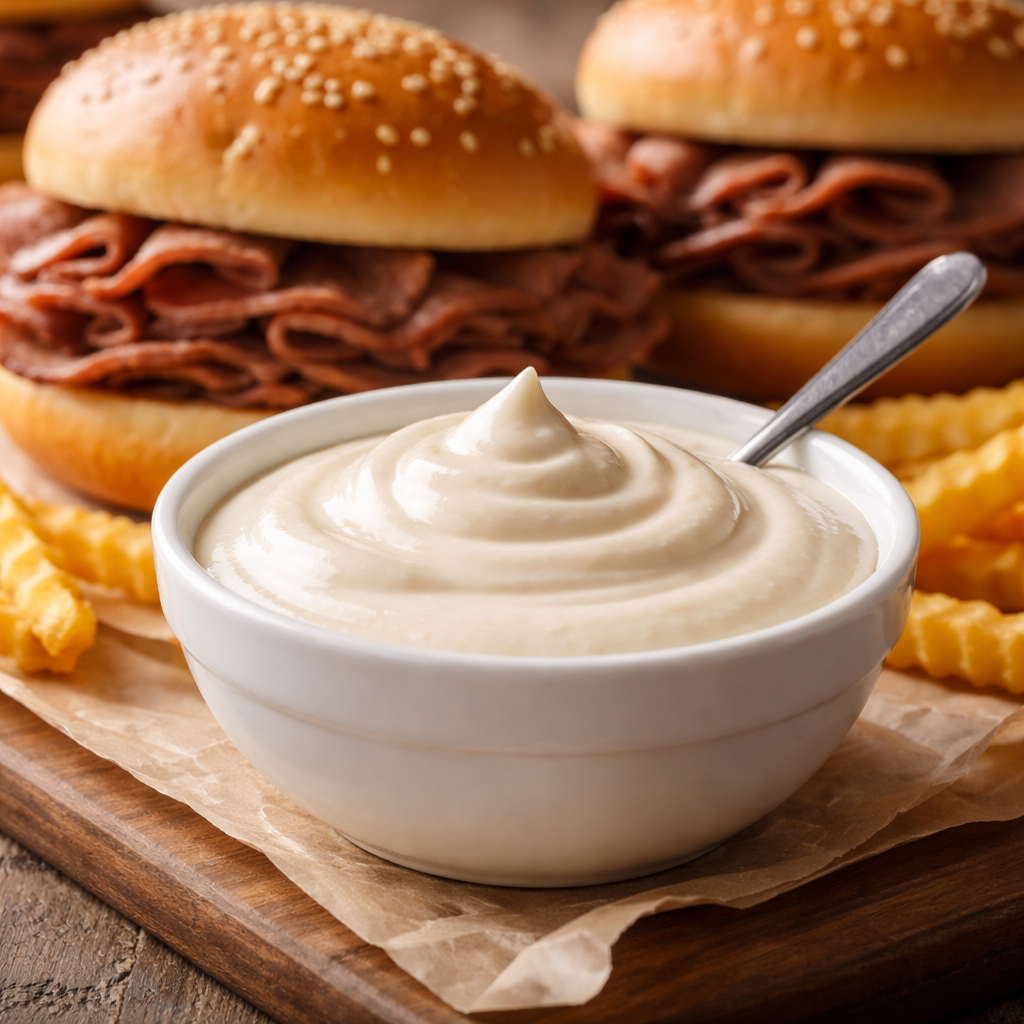
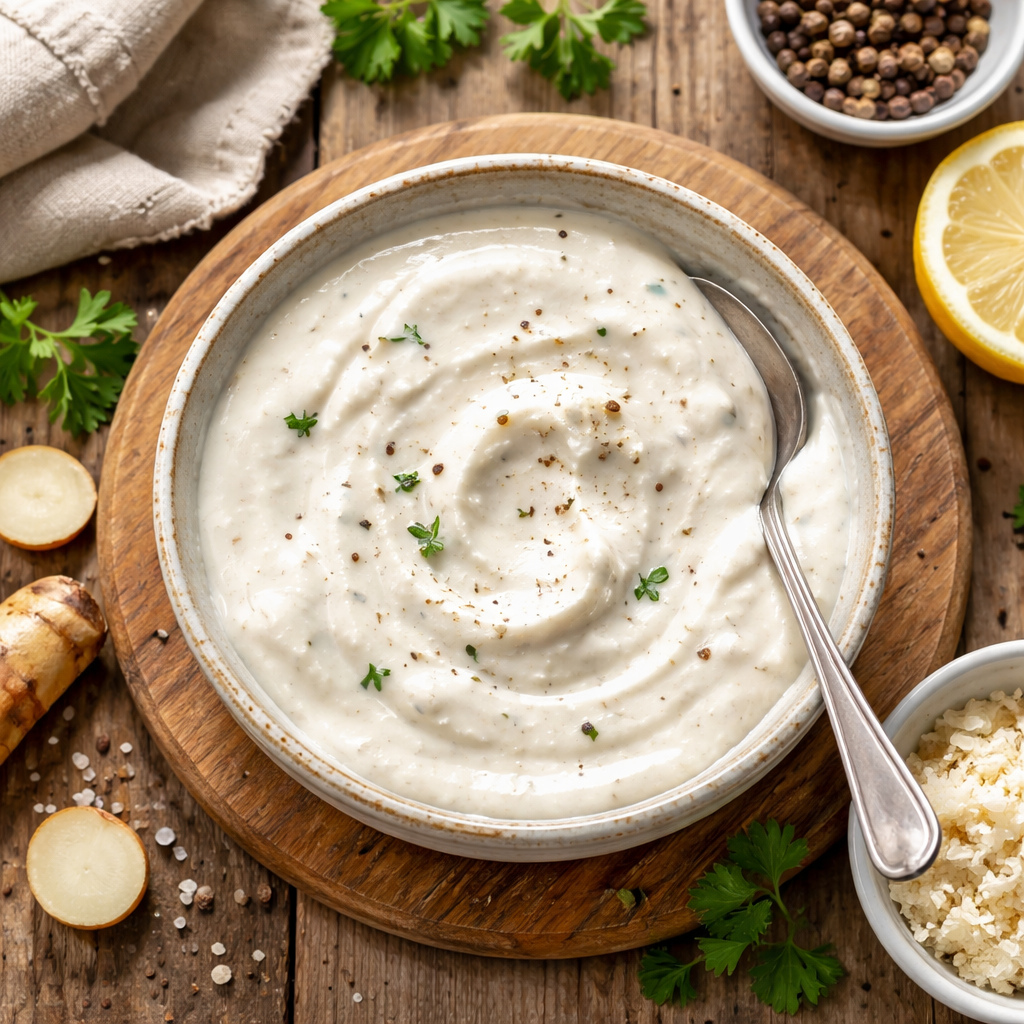
Whisk the mixture vigorously for about 30 seconds. This incorporates a tiny bit of air, making the sauce feel lighter on the tongue. The consistency should be thick enough to hold a soft peak; if it’s too thin, you can whisk in another tablespoon of mayonnaise.
6. The Rest
Transfer the sauce to your glass jar. Seal it tightly and place it in the coldest part of your refrigerator. Resist the urge to keep opening it; let the chemistry happen undisturbed.
Signs Something Is Going Wrong
Even with a simple Horsey Sauce Recipe, things can occasionally go off-track. Here is how to spot and fix issues:
- Separation (Breaking): If you see a layer of oil forming on top, the emulsion has broken. This usually happens if the sauce got too warm. To fix, add a teaspoon of fresh mayonnaise and whisk rapidly.
- The Sauce is Too “Thin”: This happens if you didn’t drain the horseradish or used too much lemon juice. You can thicken it by whisking in a small amount of Greek yogurt or more mayonnaise.
- A Bitter Aftertaste: This occurs if the horseradish is old or if you used a low-quality vinegar. A tiny pinch of extra sugar can often mask this bitterness.
- Lack of “Kick”: If your sauce tastes like plain mayonnaise, your horseradish has likely lost its potency due to age. You can revive it by adding a half-teaspoon of dry mustard powder, which uses similar flavor compounds to boost the heat.
FAQ for First-Time Horsey Sauce Users
How long will this Horsey Sauce Recipe last in the fridge?
Because of the vinegar in the horseradish and the stabilizers in the mayonnaise, this sauce will stay fresh for up to 2 weeks if kept in a sealed glass jar. However, the “heat” of the horseradish will slowly fade after the first 5 days.
Can I use this as a marinade?
While it is primarily a topping, it works exceptionally well as a binder for a crust. If you are roasting a beef tenderloin, coating the meat in this Horsey Sauce Recipe and then dredging it in breadcrumbs creates a magnificent, flavorful crust.
Is this recipe gluten-free?
Generally, yes. However, always check the label of your mayonnaise and prepared horseradish. Some cheap brands use grain-based thickeners that may contain gluten.
Why is my sauce turning slightly pink?
Horseradish naturally contains enzymes that can cause a pinkish tint when exposed to air (oxidation). It is perfectly safe to eat, but keeping the jar tightly sealed will minimize this color change.
Can I make a vegan version?
Absolutely. Simply substitute the mayonnaise with a high-quality vegan mayo alternative. Since the “zest” comes from the horseradish, the flavor profile remains remarkably similar.
What else can I use this for besides roast beef?
This Horsey Sauce Recipe is surprisingly versatile. It is excellent on grilled salmon, as a dip for crispy potato wedges, or even as a spread on a turkey and Swiss sandwich to add a bit of unexpected character.
By following these narrative steps and respecting the volatile nature of your ingredients, you’ll produce a sauce that is far superior to anything found in a packet. It’s about the patience of the rest and the quality of the emulsion.
Homemade Hot Honey Sauce Recipe Everyone Loves
Quick Gyoza Sauce Recipe You Can Make at Home
The Best Shrimp Sauce Recipe for Seafood Lovers
Quick Taco Sauce Recipe in Just 10 Minutes
Homemade Cilantro Lime Sauce Recipe with Simple Ingredients