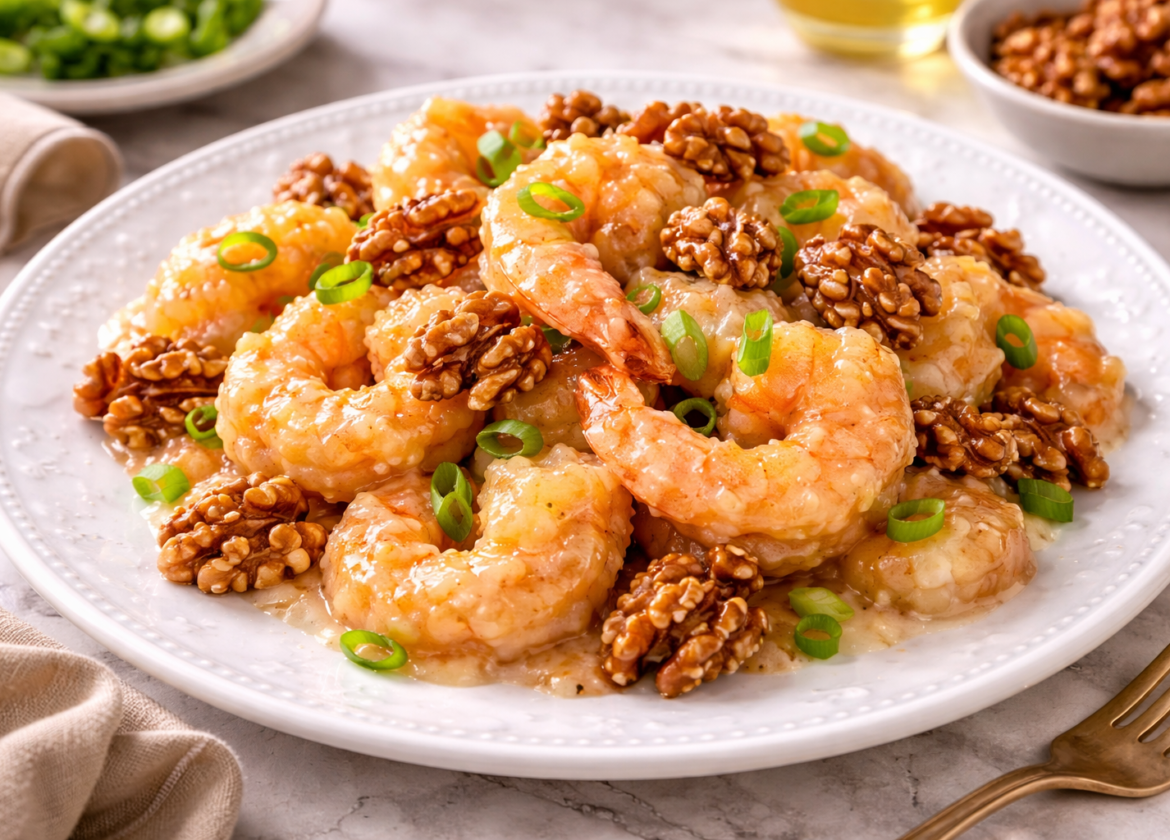
When you are looking for a dish that balances contrasting textures and bold flavors, the Honey Walnut Shrimp Recipe is often the first choice that comes to mind. This dish is a staple of Hong Kong-style cafes and high-end banquet menus for a reason: it manages to be crunchy, creamy, sweet, and savory all at once. For the home cook, deciding to tackle this recipe usually stems from a desire to replicate that specific “shrimp and mayo” magic without the heavy grease often found in takeout versions.
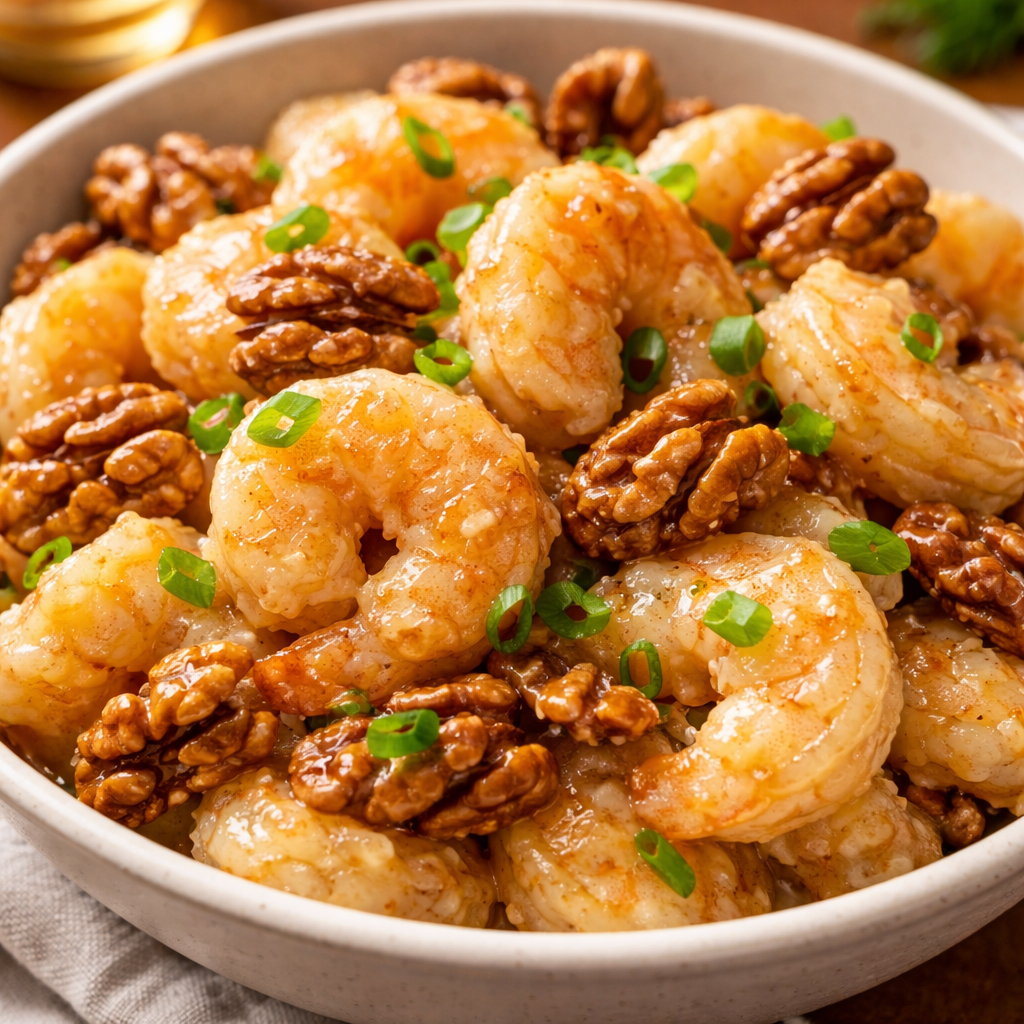
The decision to make this at home allows for a level of customization you won’t find in a restaurant. You can control the quality of the oil, the sweetness of the glaze, and most importantly, the size and freshness of the shrimp. It is a rewarding project for someone who wants to practice their tempura-style frying and candy-making skills in one sitting. While it may seem intimidating due to the multiple components, the process is logical and highly manageable if you approach each phase with a focus on temperature and timing.
Expected Results From This Cooking Method
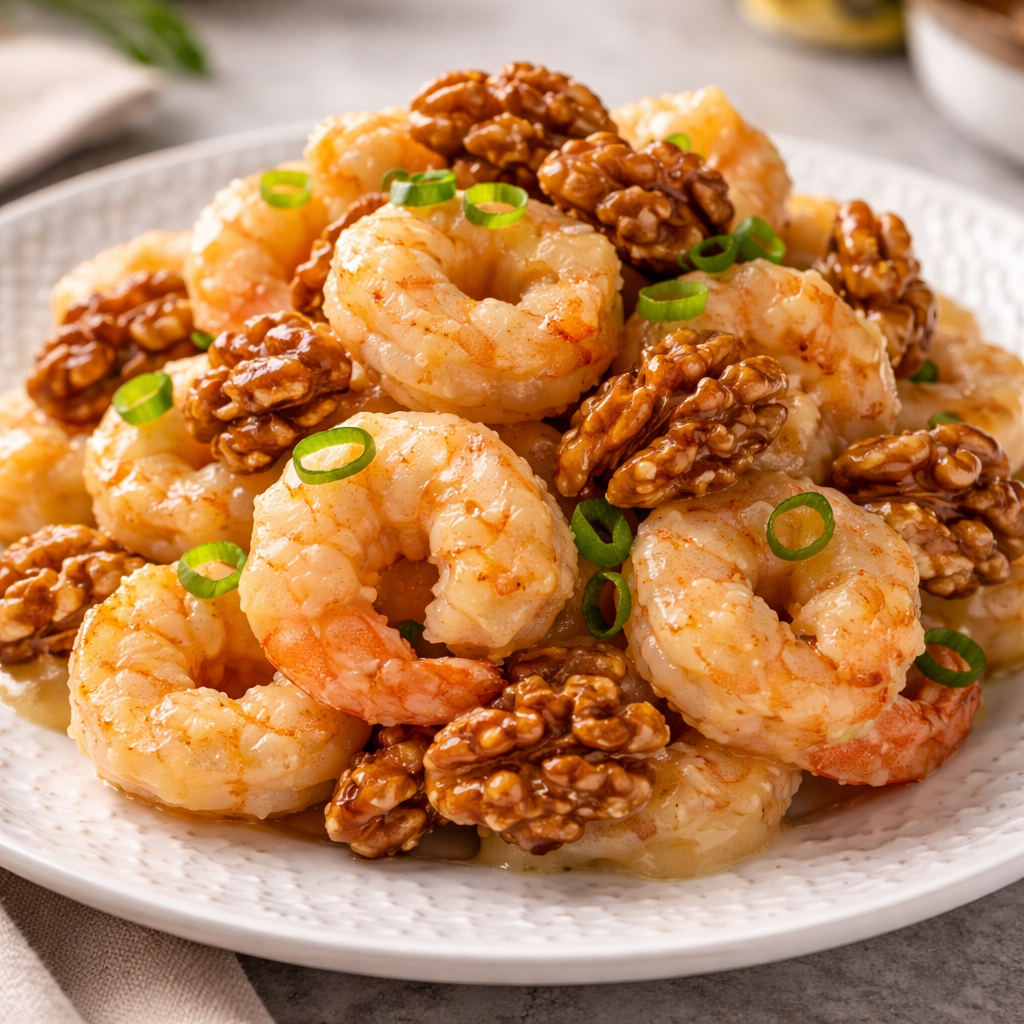
When you follow this Honey Walnut Shrimp Recipe, you should expect a very specific set of sensory outcomes. The shrimp should not just be “fried”; they should have a light, airy, and shatteringly crisp coating that stays crunchy even after being tossed in the sauce. This is achieved through a starch-heavy batter rather than a breadcrumb-based one.
The walnuts are another highlight. A successful result yields nuts that are deeply caramelized, glossy, and brittle, providing a significant “snap” that contrasts with the tender shrimp. Finally, the sauce should be ivory-white and thick enough to coat the shrimp without pooling at the bottom of the plate. It shouldn’t taste like plain mayonnaise; instead, it should have a subtle tang from citrus or condensed milk that cuts through the richness of the fried components.
Ingredient Decisions That Affect Flavor
The difference between an average dish and a professional-grade Honey Walnut Shrimp Recipe lies in the specific choices you make at the grocery store.
Selecting the Shrimp
I always recommend 16/20 or 21/25 count shrimp (this refers to the number of shrimp per pound). Bold Tip: Use large or jumbo shrimp because they can withstand the high heat of the fryer without becoming tough. Ensure they are peeled and deveined, but more importantly, they must be “butterfly” cut slightly. This creates more surface area for the batter to cling to.
The Starch Component
For the batter, you have a choice between flour, cornstarch, or potato starch. For the lightest, crunchiest results, potato starch is the superior choice. It creates a crispier shell that is less likely to become soggy when hit with the honey sauce.
The Sauce Base
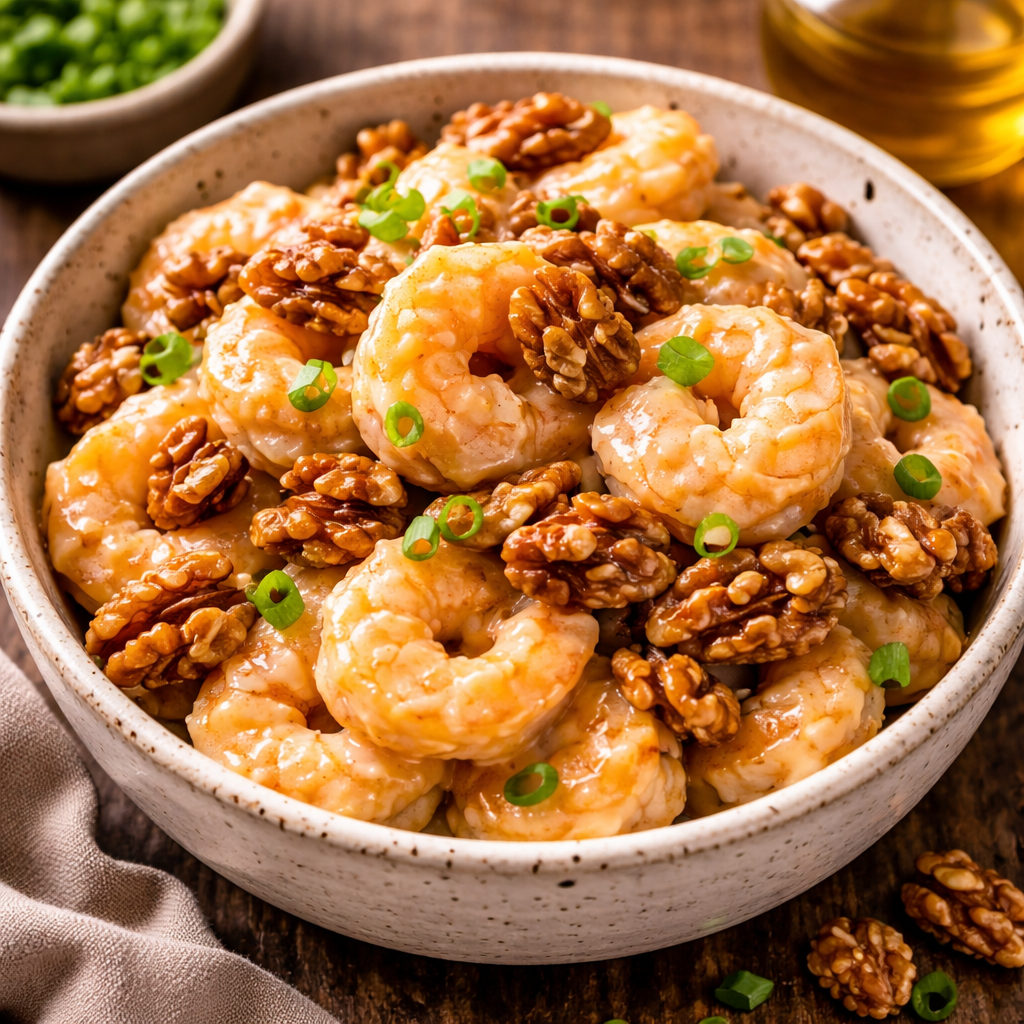
The classic sauce uses Kewpie (Japanese) mayonnaise or a high-quality full-fat American mayo. To get that authentic restaurant flavor, you must use sweetened condensed milk. This provides the creamy sweetness and the signature “gloss” that honey alone cannot achieve. A squeeze of fresh lemon juice is also vital to prevent the dish from feeling too heavy.
Choosing the Right Equipment Setup
To ensure safety and consistency, your equipment setup should be arranged before you turn on the stove.
- Wok or Deep Heavy-Bottomed Pot: A cast-iron Dutch oven is excellent for this because it maintains a steady oil temperature, which is the most difficult part of any Honey Walnut Shrimp Recipe.
- Digital Thermometer: You cannot guess the oil temperature. If the oil is too cold, the shrimp will be greasy; if it’s too hot, the batter will burn before the shrimp is cooked.
- Wire Cooling Rack: Never place fried shrimp on paper towels. Paper towels trap steam under the shrimp, which turns the crispy batter soft. A wire rack allows air to circulate.
- Small Non-Stick Skillet: This is specifically for the walnuts. Sugar-based glazes stick to stainless steel, making cleanup a nightmare.
Planning the Cooking Window
Efficiency in a Honey Walnut Shrimp Recipe comes from working in a specific order. If you fry the shrimp first, they will be cold by the time the walnuts are glazed.
- Phase 1: The Walnuts (10 Minutes): These need time to cool and harden. Always start here.
- Phase 2: The Sauce (2 Minutes): Whisk this together and set it aside at room temperature.
- Phase 3: The Batter and Fry (15 Minutes): This is the active “high-heat” phase.
- Phase 4: Assembly (2 Minutes): Tossing everything together right before serving.
Honey Walnut Shrimp Recipe Explained Clearly
1. Candying the Walnuts
In a small skillet, combine 1/2 cup of water, 1/2 cup of sugar, and 1 cup of walnut halves. Bring to a boil, stirring constantly. Once the water has evaporated and the sugar turns a light amber color, remove the nuts and spread them out on parchment paper. Bold Tip: Sprinkle a tiny pinch of salt over the hot walnuts; it highlights the sweetness and removes any bitterness from the nuts.
2. Preparing the Sauce
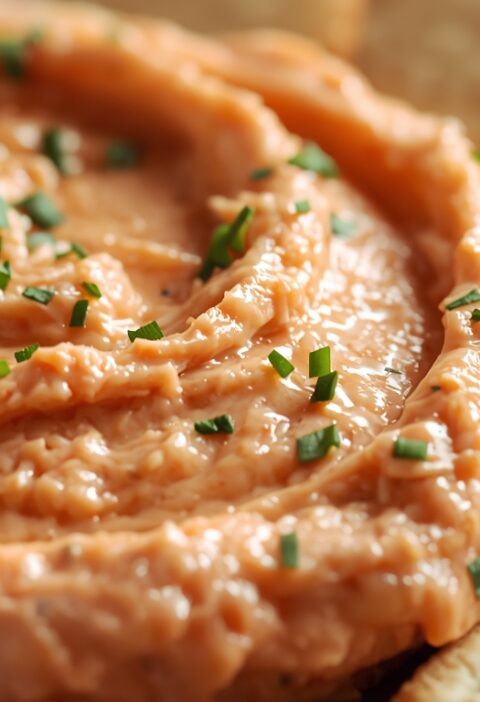
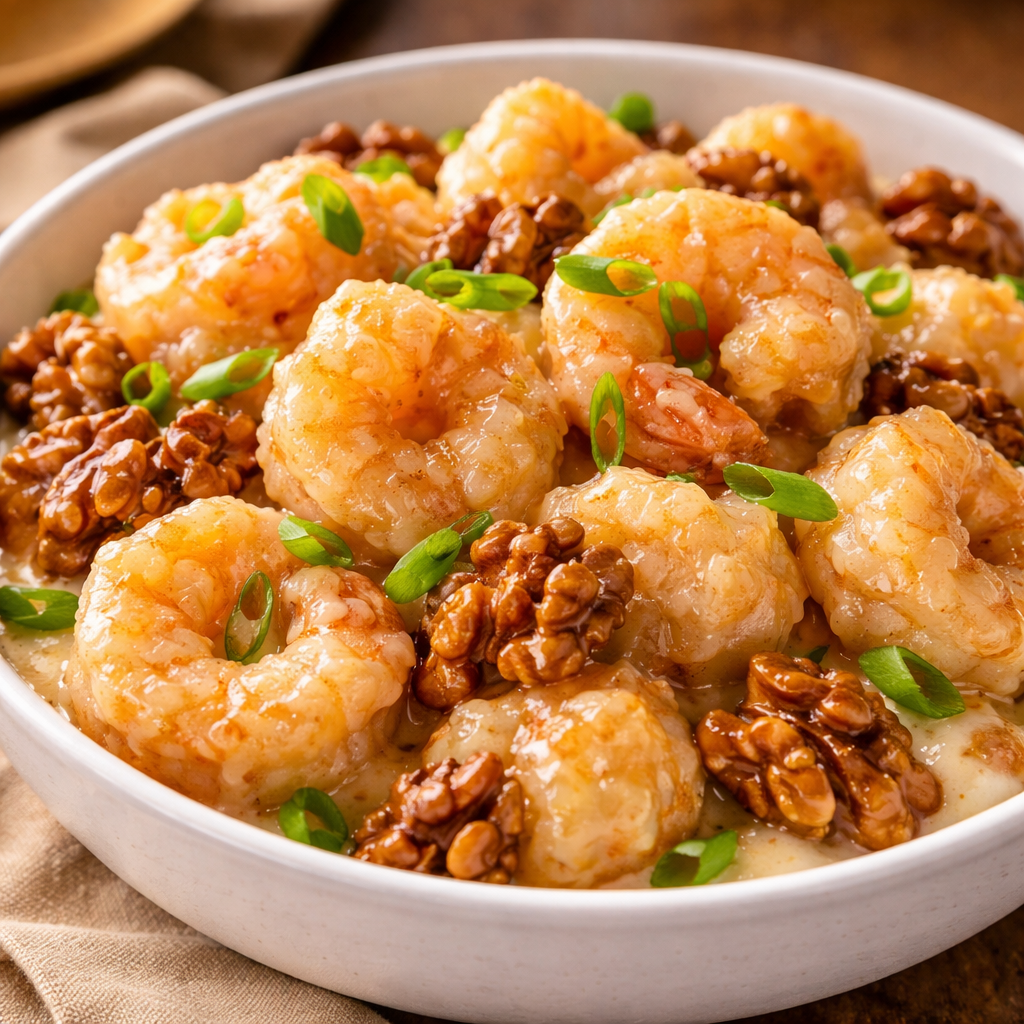
In a large bowl, whisk together 1/4 cup of mayonnaise, 2 tablespoons of sweetened condensed milk, 1 tablespoon of honey, and 1 teaspoon of lemon juice. The consistency should be thick and drizzly.
3. The Batter Technique
Beat 2 egg whites in a bowl until they are frothy but not stiff. Add 1/2 cup of potato starch (or cornstarch) and whisk until you have a thin, glue-like paste. This “velveting” technique ensures the shrimp stay moist inside while the outside gets crispy.
4. The Fry
Heat 2 inches of neutral oil (peanut or vegetable) to 350°F (175°C). Dip each shrimp into the batter, let the excess drip off, and carefully drop into the oil. Fry in batches for about 2–3 minutes until they are a very pale golden color.
5. The Second Fry (Optional but Recommended)
For maximum crunch, let the shrimp rest for two minutes, then flash-fry them again at 375°F (190°C) for 30 seconds. This is the secret to a professional Honey Walnut Shrimp Recipe that stays crispy even under the sauce.
6. Final Assembly
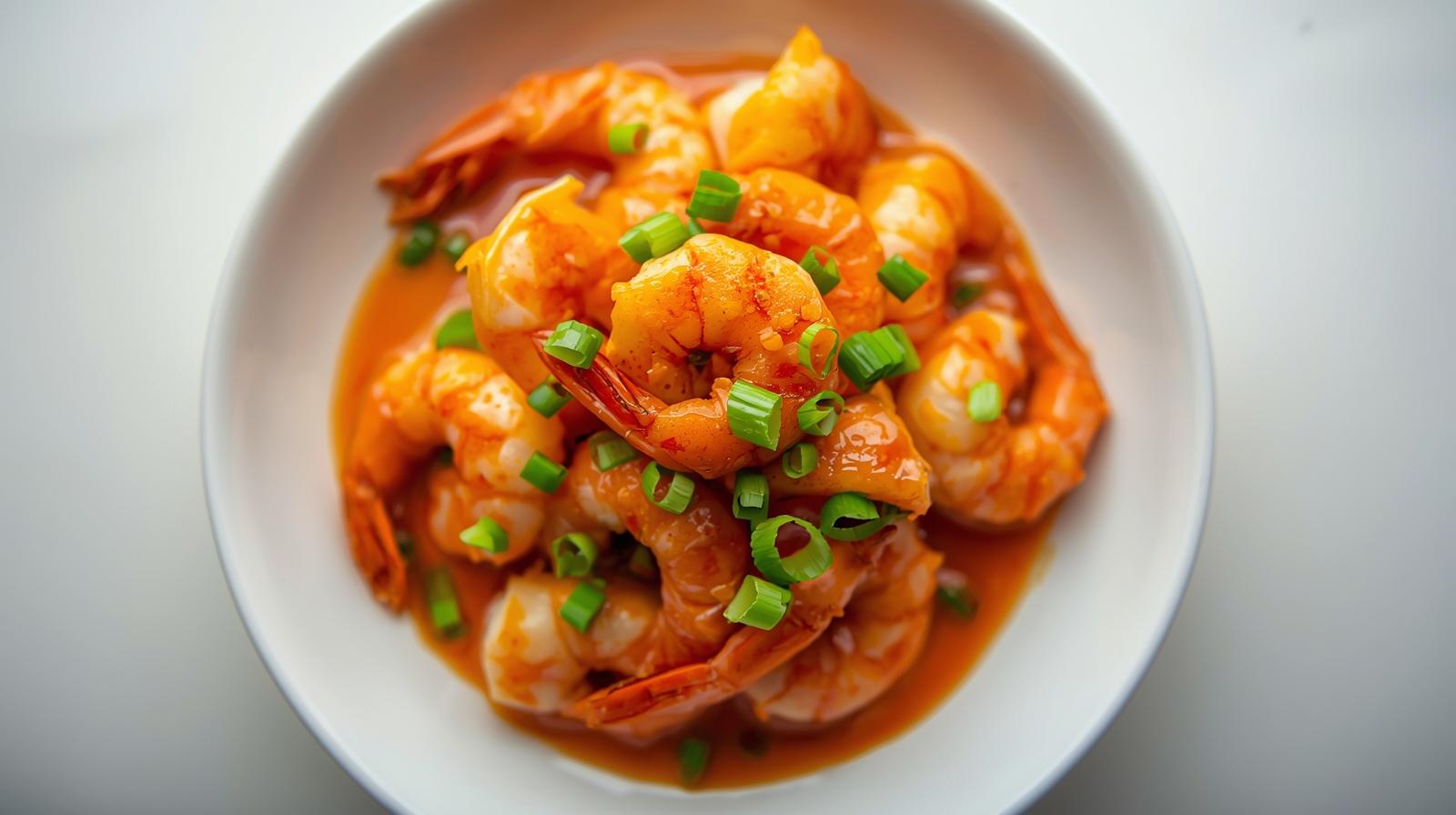
Place the hot shrimp into the bowl with the sauce. Toss gently with a spatula until coated. Fold in the candied walnuts. Serve immediately, perhaps garnished with some sliced green onions or sesame seeds.
Result-Based Problems and Adjustments
Even with a detailed guide, real-world cooking presents variables. Here is how to adjust based on your results:
- Problem: The walnuts are sticky, not crunchy.
- Adjustment: This means the sugar didn’t reach the “hard crack” stage. Next time, let the sugar boil a bit longer until it is a darker amber. To fix the current batch, you can put them in a 300°F oven for 5 minutes.
- Problem: The batter is falling off the shrimp.
- Adjustment: The shrimp were likely too wet before dipping. Bold Tip: Always pat your shrimp dry with paper towels before putting them in the batter. If the shrimp are wet, the starch cannot “grip” the surface.
- Problem: The sauce is breaking or looks oily.
- Adjustment: This usually happens if the shrimp were too hot and the mayonnaise melted. Let the shrimp drain on the wire rack for at least 60 seconds before tossing them in the sauce.
- Problem: The shrimp taste “bready” or heavy.
- Adjustment: Your batter was too thick. Thin it out with a teaspoon of water or another egg white. You want a translucent coating, not a thick crust.
Frequently Asked Questions From Readers
Can I use a different nut?
While walnuts are traditional for the Honey Walnut Shrimp Recipe, pecans are an excellent substitute because they have a similar fat content and crevice-filled shape that holds the glaze well.
Is it possible to air-fry the shrimp?
You can, but the result will be significantly different. An air fryer cannot replicate the “puff” of a starch and egg-white batter. If air-frying, use a panko-breading method instead, though it will not be an authentic honey walnut shrimp experience.
How do I store leftovers?
This dish is best eaten fresh. If you must store it, keep the walnuts in a separate dry container. The shrimp will inevitably lose their crunch in the fridge. To reheat, use an air fryer or oven at 350°F to try and revive the coating; avoid the microwave.
Why is lemon juice used in the sauce?
Mayonnaise and condensed milk are both very heavy. Without the acid from the lemon juice, the dish can taste “cloying” or overly oily. The lemon juice balances the pH and refreshes the palate.
Can I make this gluten-free?
Yes. If you use potato starch or cornstarch for the batter, the Honey Walnut Shrimp Recipe is naturally gluten-free. Just ensure your mayonnaise and condensed milk are certified gluten-free.
What should I serve with this?
Because the dish is rich and sweet, it pairs best with steamed white rice and a crisp green vegetable, such as sautéed bok choy or steamed broccoli, to provide a fresh contrast.
By focusing on these specific decisions—from the type of starch to the order of operations—you can master a dish that is often considered the highlight of any Chinese-American feast.
The Best Shrimp Quesadilla Recipe for Quick Meals
Fresh Shrimp and Salad Recipes for Lunch or Dinner
Quick Sautéed Shrimp Recipe You Can Make in 10 Minutes
Crispy Boom Boom Shrimp Recipe – Sweet, Spicy & Easy to Make