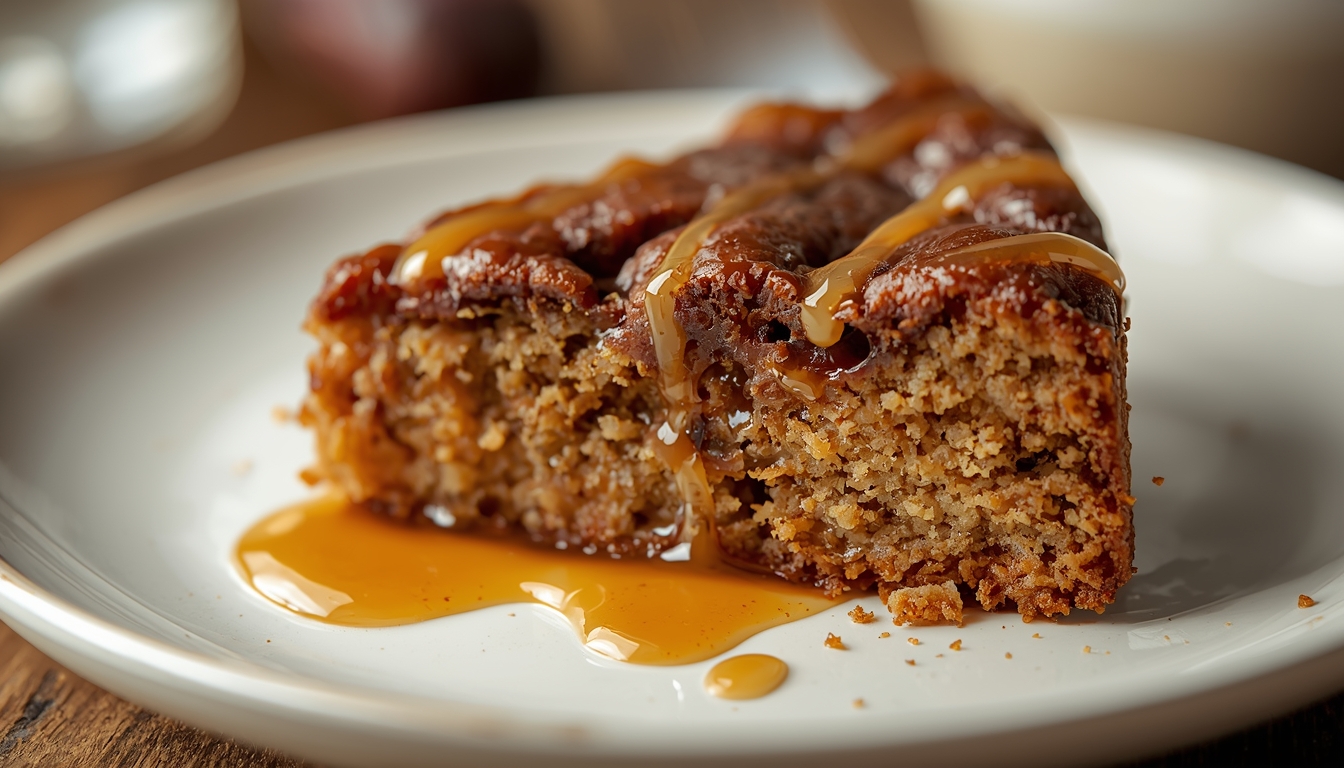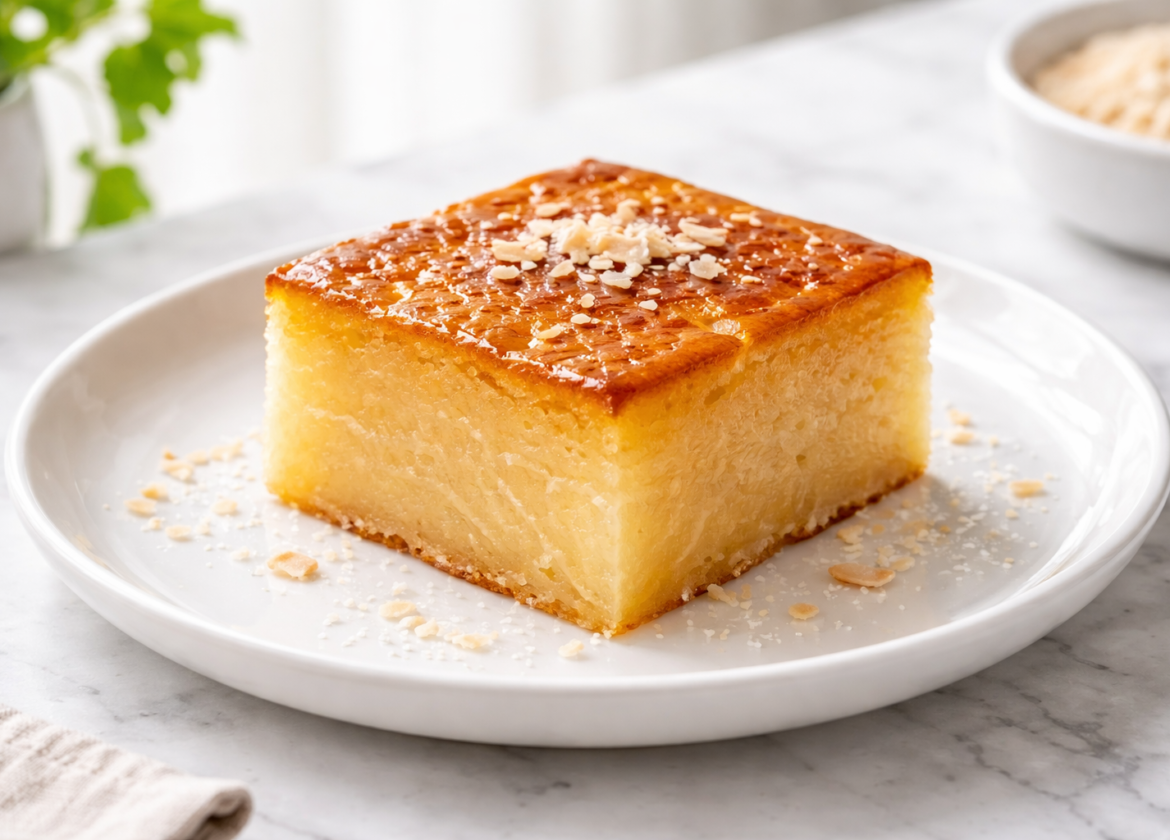
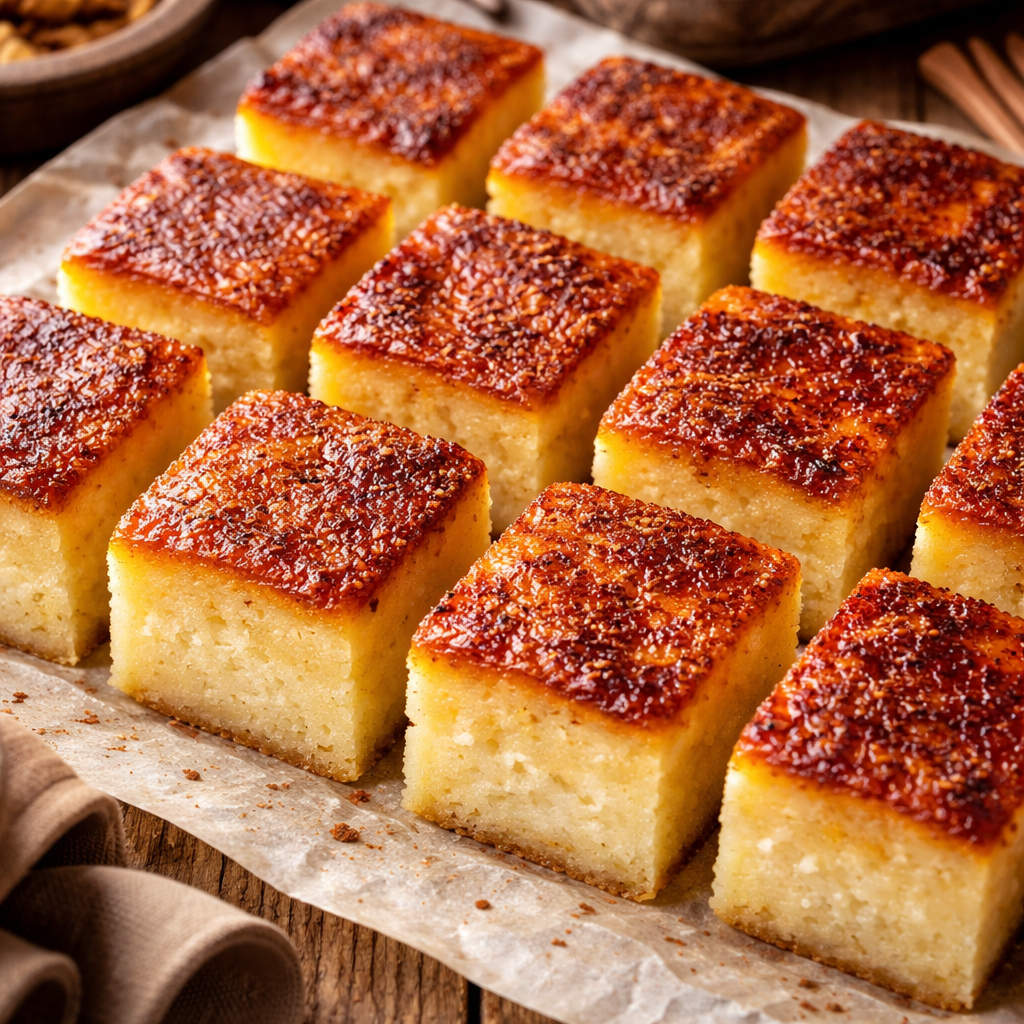
If you have ever spent time in a Filipino or Vietnamese kitchen, you likely know the distinct aroma of a Yucca Cake Recipe as it nears the end of its bake. Also known as Cassava Cake, this dish is a masterclass in texture. Unlike a Western sponge cake that relies on a light, airy crumb, a reliable yucca cake is all about density, stretch, and a custard-like finish.
The reason this specific recipe stands the test of time is its structural integrity. Because yucca (cassava) is a highly starchy root vegetable, it creates a unique “chew” that manages to be both heavy and incredibly smooth. It is a forgiving bake because it doesn’t rely on the temperamental rise of yeast or baking powder. Whether you are a seasoned baker or someone who rarely touches an oven, the reliability of this recipe comes from the fact that it is almost impossible to “deflate.” As long as you balance the moisture of the root with the richness of the coconut, you are guaranteed a successful outcome.
Cooking Insights You Learn From Experience
Through years of making this Yucca Cake Recipe, I’ve realized that the most important lesson isn’t in the mixing—it’s in the moisture management. Yucca is a root that varies wildly in water content depending on whether it’s fresh or frozen. If you ignore this, you might end up with a cake that is soup-like in the middle or, conversely, unpleasantly fibrous.
Another insight is the “caramelization factor.” Many people focus only on the cake itself, but the topping is what defines the dish. The interaction between condensed milk and coconut cream creates a Dulce de Leche-style layer that needs to be baked separately at the end. I’ve found that if you add the topping too early, it sinks into the raw batter and loses its distinct, glassy finish. Experience has taught me to wait until the base is set before applying that final, sweet glaze.
Ingredient Preparation Details
The soul of a Yucca Cake Recipe is, of course, the yucca. But how you prepare it changes everything.
Dealing with the Root
If you are using fresh yucca, you must be meticulous about peeling. There is a thick, bark-like skin and a waxy under-layer that must be completely removed. After peeling, the root needs to be grated very finely. Bold Tip: If you use a food processor to grate the yucca, pulse it carefully; you want a fine shred, not a liquid puree. If you are using frozen grated yucca, which is much more convenient, make sure it is fully thawed and drained of any excess liquid before measuring.
The Creamy Elements
- Coconut Milk and Cream: Use full-fat versions. This cake relies on the natural oils of the coconut to keep the starch from becoming rubbery.
- Condensed Milk: This acts as both the sweetener and the binder for the topping.
- Evaporated Milk: This adds a “dairy depth” that balances the tropical flavor of the coconut.
The Secret Binder
Many traditional recipes call for macapuno (preserved young coconut strings). While optional, adding these into the batter provides a textural “pop” that breaks up the dense starchiness of the yucca.
Equipment Setup Explained Clearly
You don’t need a high-end pastry kitchen for a Yucca Cake Recipe, but you do need tools that handle heat and weight well.
- A Sturdy 9×13 Inch Baking Pan: Glass or ceramic is preferable over thin metal. This cake is heavy and takes a long time to bake; glass distributes the heat more evenly and prevents the bottom from scorching before the middle is set.
- Fine-Mesh Sieve: Essential if you are using fresh yucca to squeeze out the bitter juice, which can contain cyanogenic glycosides that interfere with the flavor.
- Large Mixing Bowl: You’ll need more space than you think. The batter starts out quite liquid before it thickens in the oven.
- Silicone Spatula: For scraping every bit of that sticky, starch-heavy batter into the pan.
Managing Time and Temperature
This is not a “quick” cake. A Yucca Cake Recipe requires patience, particularly during the cooling phase.
- Bake Temperature: I’ve found that 325°F (163°C) is the “sweet spot.” Many recipes call for 350°F, but the lower temperature allows the starch to gelatinize fully without the edges becoming too hard.
- Total Time: Expect about 45 to 60 minutes for the base, plus another 15 to 20 minutes for the topping to brown.
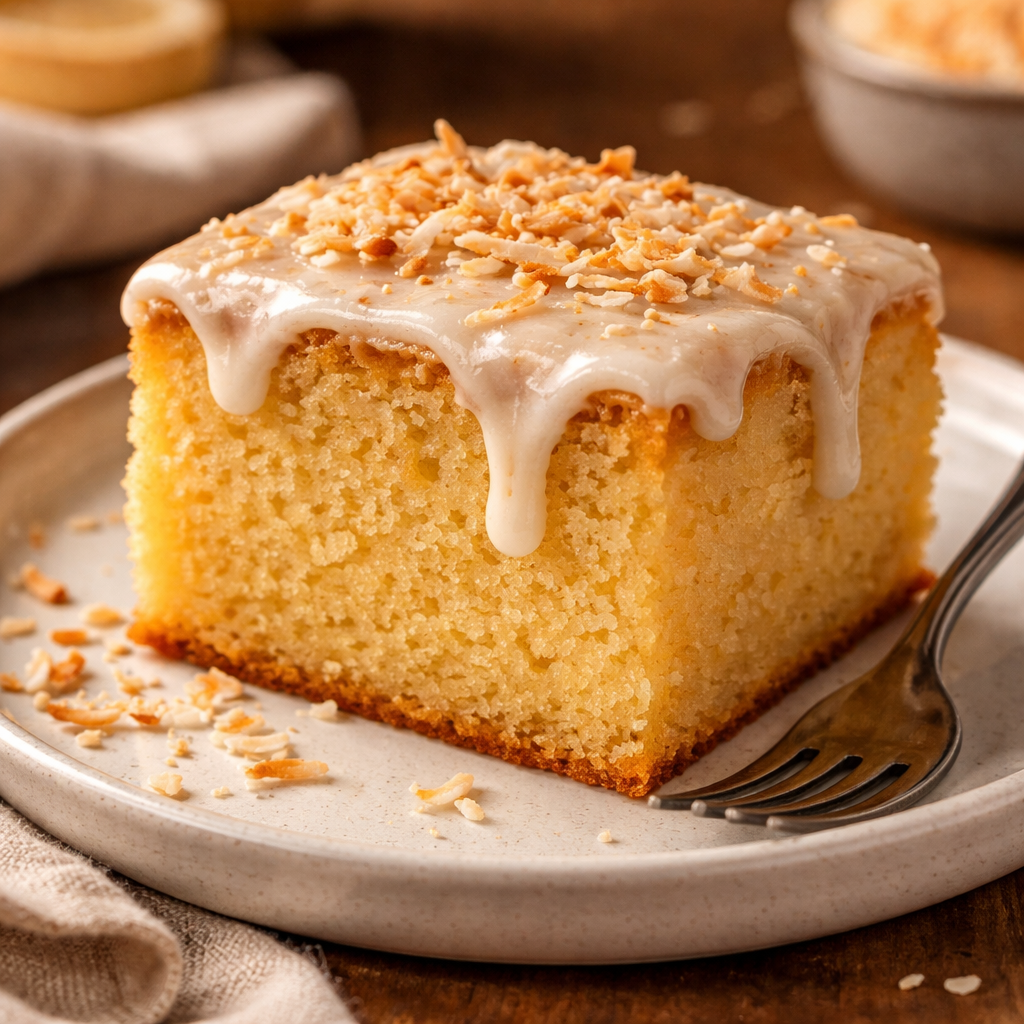
- The Resting Window: This is the hardest part of the experience. You cannot slice yucca cake while it is hot. It will be a gooey mess. Bold Tip: Let the cake cool completely at room temperature for at least two hours, or even better, refrigerate it overnight. This “sets” the starch and gives you those clean, professional-looking squares.
Cooking Yucca Cake: A Realistic Guide
1. The Batter Base
In a large bowl, combine 2 lbs of finely grated yucca with 1 can of coconut milk, 1/2 can of condensed milk, 1/2 can of evaporated milk, and 2 beaten eggs. Stir in 1/2 cup of melted butter. If you like it traditional, fold in 1/2 cup of macapuno strings.
2. The First Bake
Pour the mixture into your greased baking pan. Smooth the top with a spatula. Place it in the oven and bake until the center is firm to the touch. It should feel like a dense sponge, not a liquid.
3. The Topping Preparation
While the base is baking, whisk together the remaining 1/2 can of condensed milk and 1/2 cup of coconut cream. I often add an egg yolk to this topping to give it a richer golden color and a more custard-like set.
4. The Glazing Stage
Once the base is firm, remove it from the oven and pour the topping evenly over the surface. Increase the oven temperature to 375°F (190°C) or turn on the broiler.
5. The Final Sear
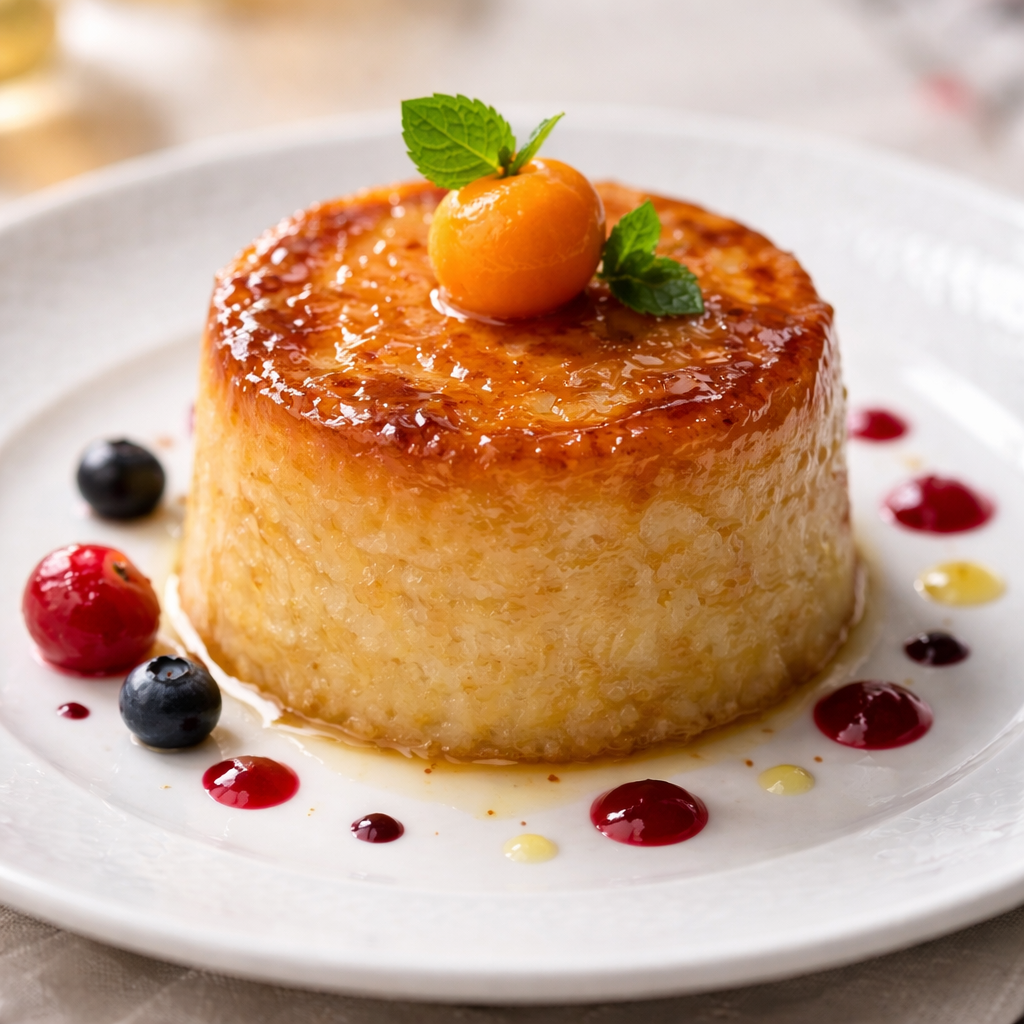
Return the cake to the oven for 15 minutes. You are looking for a deep, mottled brown color on top. This is the Maillard reaction at work, turning the sugars in the milk into a caramelized crust.
6. The Long Wait
Remove from the oven and set it on a wire rack. As mentioned, resist the urge to cut it. The cake is technically still “cooking” and setting as it cools.
Practical Errors and How to Fix Them
Even a reliable Yucca Cake Recipe can go wrong if you aren’t paying attention to the textures.
- Problem: The cake is too watery or mushy.
- Fix: This usually means the yucca wasn’t drained well enough or the cake didn’t bake long enough. If you notice this before adding the topping, just keep baking. If it’s already done, refrigerate it for 24 hours—this often firms up the starch significantly.
- Problem: The bottom is burnt but the top is pale.
- Fix: Your oven rack is too low. Move the cake to the middle or upper third of the oven. If the bottom is already getting dark, slide a second baking sheet underneath your pan to act as a heat shield.
- Problem: The cake tastes “woody” or fibrous.
- Fix: This happens if the central core of the yucca wasn’t removed before grating. Unfortunately, you can’t fix this once baked, so meticulous prep is the only solution.
- Problem: The topping is runny.
- Fix: You might have used coconut “milk” instead of coconut “cream.” Cream has the fat content needed to set. To fix it, you can broil it for an extra 2 minutes, but watch it like a hawk to prevent burning.
Frequently Asked Questions From Practice
Can I use cassava flour instead of grated yucca?
No. This Yucca Cake Recipe depends on the fiber and whole starch of the grated root. Using flour will result in a completely different, much more “rubbery” texture that lacks the traditional charm.
Is yucca cake gluten-free?
Yes, naturally! Since yucca is a root vegetable and we use no wheat-based thickeners, this is an excellent dessert for those with gluten sensitivities. Just ensure your condensed and evaporated milk brands are certified gluten-free.
How do I store leftovers?
Yucca cake stores beautifully. Wrap it tightly in plastic wrap and keep it in the fridge for up to 5 days. You can eat it cold (my personal favorite) or zap it in the microwave for 15 seconds to bring back that freshly-baked softness.
Why do some recipes use cheese?
Adding a sprinkle of grated cheddar cheese on top of the glaze is a popular Filipino variation. The saltiness of the cheese cuts through the intense sweetness of the topping. It sounds unusual, but the “sweet and salty” combo is highly effective.
Can I freeze yucca cake?
Yes. You can freeze the baked cake for up to 3 months. Thaw it in the refrigerator overnight before serving. The texture holds up remarkably well to freezing and thawing because of the high starch content.
Is fresh yucca better than frozen?
In my experience, high-quality frozen grated yucca is often better for beginners. It is consistently grated to the right size and has a more predictable moisture level. Fresh yucca is wonderful, but only if you have the patience to grate it by hand and the knowledge to discard the bitter cores.
By focusing on the prep and respecting the cooling time, you can turn a humble root into a sophisticated, tropical dessert. This Yucca Cake Recipe is more than just a sweet treat; it’s a textural experience that reflects the heart of traditional island baking.
easy Oreo Dirt Cake Recipe – Simple & Delicious
Moist & Delicious Mini Bundt Cake Recipes Made Simple
The Best Jewish Apple Cake Recipe You’ll Ever Bake
Homemade Matcha Cake Recipe – Simple & Delicious
The Best Pig Pickin Cake Recipe You’ll Ever Try