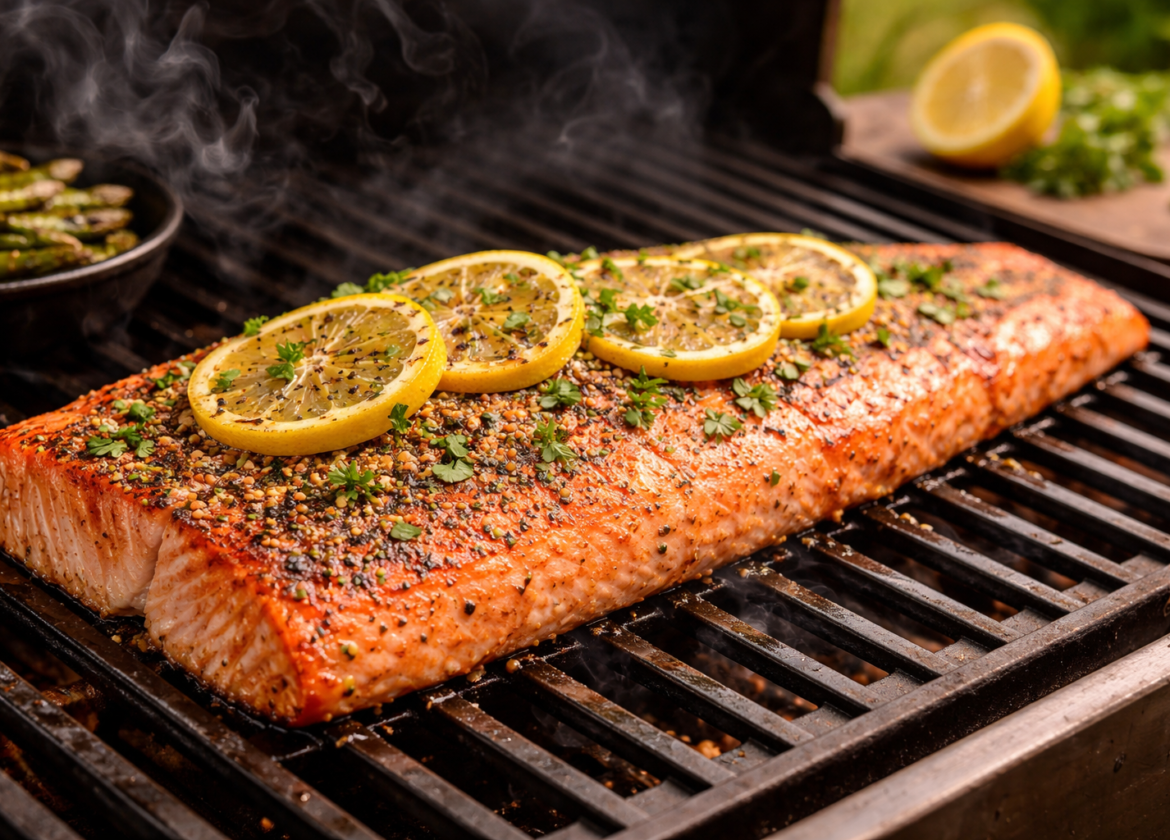
When approaching Traeger Salmon Recipes, the primary objective is to balance the delicate nature of the fish with the robust, smoky environment of a wood-pellet grill. Unlike high-heat searing methods, using a Traeger allows for a controlled, convection-style cook that infuses the salmon with distinct wood flavors while maintaining internal moisture. Successful execution begins with a clear understanding of the target outcome: a flakey, tender fillet with a subtle smoky aroma.
Planning involves selecting the right species of salmon and deciding on the desired smoke profile. King (Chinook) and Sockeye are popular choices; King salmon offers a higher fat content which is more forgiving on the grill, while Sockeye provides a leaner, more intense flavor. Regardless of the species, the workflow remains consistent. You must account for preheating time, prep time, and the resting period to ensure the fish is served at the peak of its quality.
Preparing Salmon for Cooking
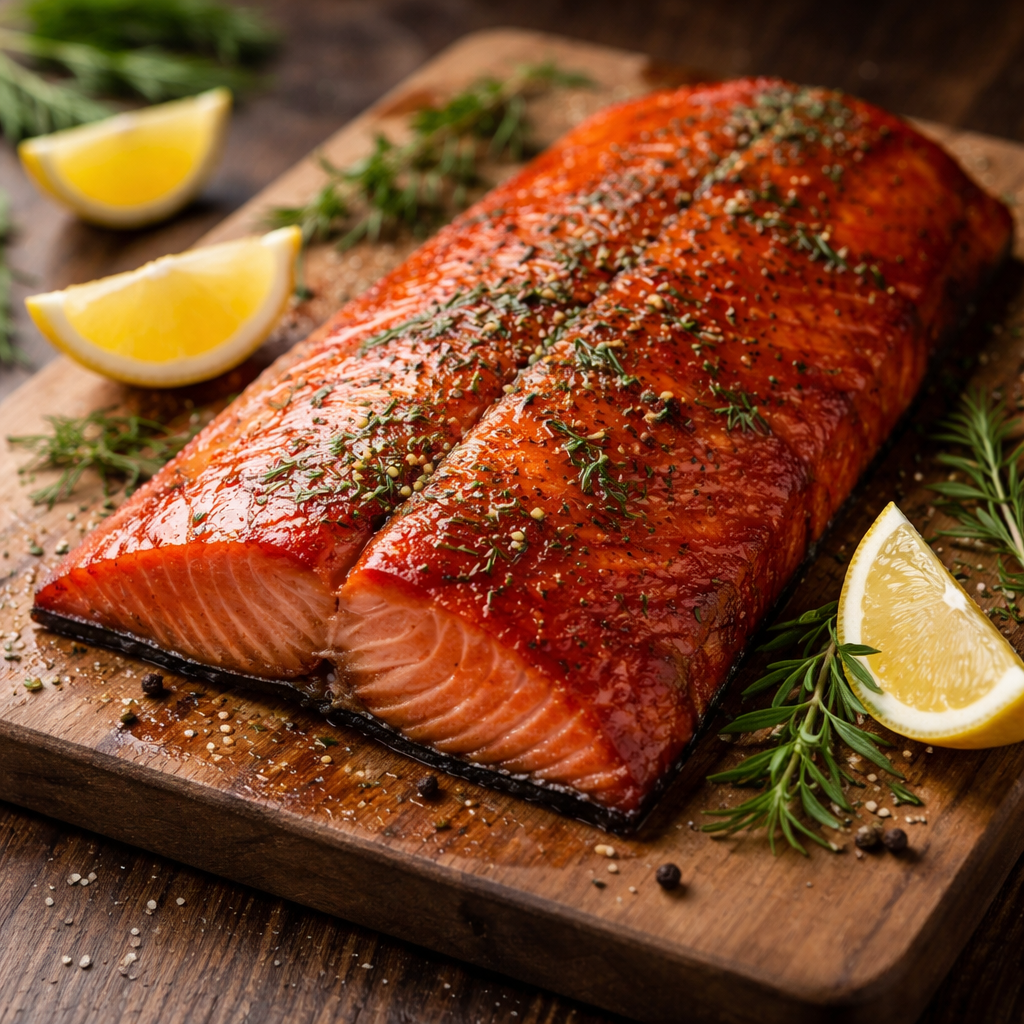
The preparation phase is critical for ensuring that the smoke penetrates the meat and that the texture remains firm.
- Moisture Removal: Start by patting the salmon fillets completely dry with paper towels. Any surface moisture will create steam, which interferes with the “bark” or crust development and prevents the smoke from adhering properly.
- Trimming: Remove any excess silver skin or pin bones if they are still present. While the skin provides a protective barrier against the heat, it should be cleaned of any scales to ensure a better presentation.
- Temperature Tempering: Allow the salmon to sit at room temperature for approximately 15 to 20 minutes before placing it on the grill. Bold Tip: Placing ice-cold fish directly onto a hot grill can cause the muscle fibers to seize, leading to a tougher texture.
Ingredient Handling and Seasoning
In most Traeger Salmon Recipes, the seasoning serves to enhance, not mask, the natural flavor of the fish and the wood smoke.
The Brine Choice
For those seeking the highest level of moisture retention, a dry brine is highly effective. Coating the salmon in a mixture of salt and sugar for 30 minutes before cooking draws out excess water and seasons the meat deeply. If you are skipping a brine, ensure you season immediately before the fish hits the grates to prevent the salt from drawing out juices prematurely.
Wood Pellet Selection
The choice of wood pellets is an ingredient in itself.
- Alder: The traditional choice for seafood; it provides a light, sweet smoke.
- Fruitwoods (Apple or Cherry): These offer a subtle sweetness that pairs well with maple or honey glazes.
- Hickory: Use sparingly, as its intense flavor can easily overwhelm the delicate oils of the salmon.
Finishing Elements
High-quality fats like clarified butter or extra virgin olive oil should be used sparingly to help seasonings adhere. Fresh herbs like dill or parsley should be added at the very end of the cooking process to preserve their volatile oils and bright color.
Required Cooking Equipment
To maintain a professional workflow with Traeger Salmon Recipes, having the correct tools staged and ready is essential.
- Traeger Wood Pellet Grill: Ensure the grease trap is clean and the pellet hopper is full.
- Digital Instant-Read Thermometer: This is the most important tool for salmon. Because salmon cooks quickly, a margin of 5 degrees can be the difference between juicy and dry.
- Fish Spatula: A long, flexible metal spatula is necessary to lift the delicate fillets without breaking them.
- Silicon Basting Brush: For applying glazes or melted butter during the final stages of the cook.
- Heavy-Duty Aluminum Foil: Useful for “tenting” the fish during the resting phase or for cooking on a foil boat if you prefer a softer skin.
Managing Cooking Time Efficiently
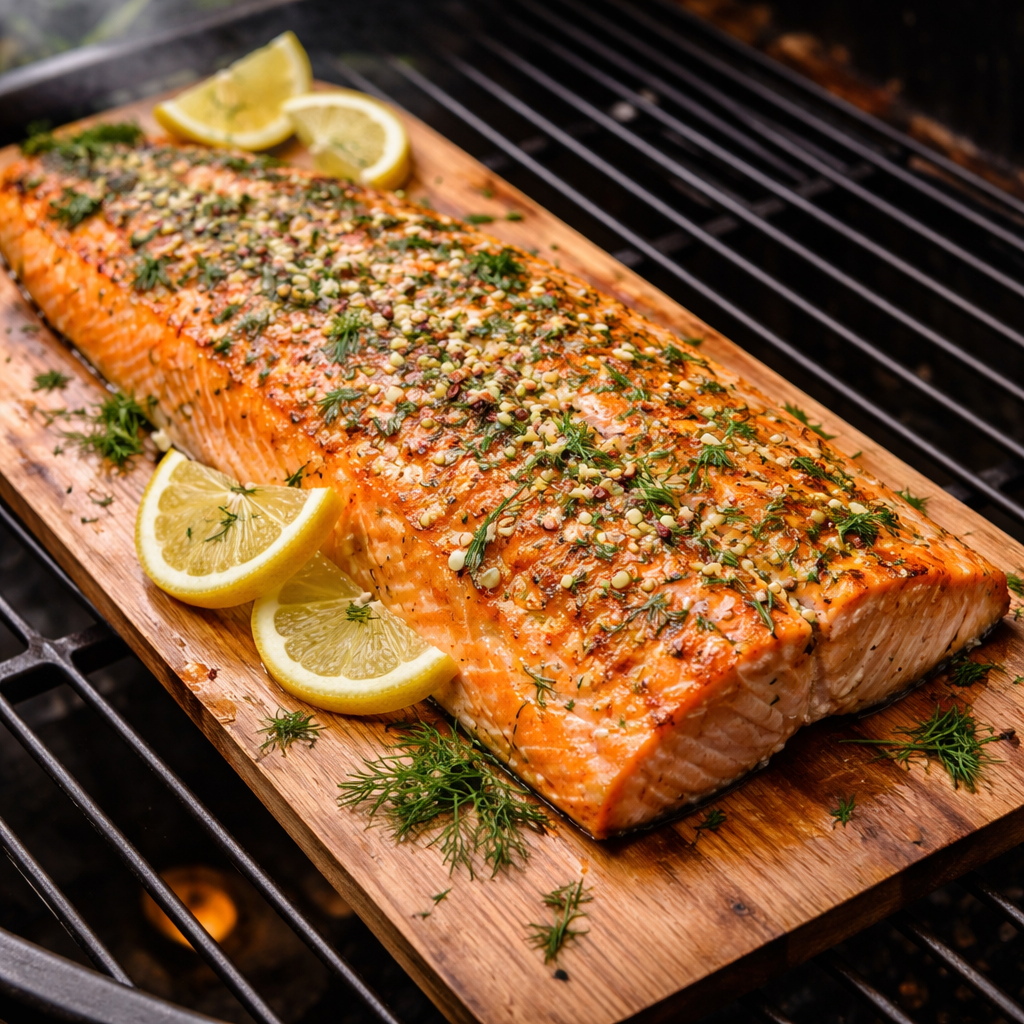
Efficiency in the kitchen is about anticipating transitions. For Traeger Salmon Recipes, the timeline is generally divided into three segments: preheating, active smoking, and the finish.
| Phase | Duration | Temperature |
| Preheating | 10–15 Minutes | 225°F – 275°F |
| Active Smoking | 30–45 Minutes | 225°F |
| Finishing/Resting | 5 Minutes | Off Heat |
The thickness of the fillet is the primary driver of time. A 1-inch thick fillet typically takes about 30 to 40 minutes at 225°F. Bold Tip: Always cook to internal temperature rather than relying solely on a timer, as external variables like wind and ambient temperature affect pellet grill performance.
Traeger Salmon Execution Steps
1. Preheating the Grill
Start your Traeger with the lid open until the fire is established (usually about 4 to 5 minutes). Close the lid and set the temperature to 225°F. For a more pronounced smoke flavor, use the “Super Smoke” setting if your model is equipped with it.
2. Seasoning the Fillet
While the grill preheats, apply a thin layer of olive oil to the salmon. Season generously with kosher salt, cracked black pepper, and a teaspoon of brown sugar to encourage caramelization.
3. Placement
Place the salmon directly on the grill grates, skin-side down. This protects the delicate flesh from the direct heat of the convection air. Close the lid and maintain a consistent temperature.
4. Monitoring Internal Temperature
After 20 minutes, check the internal temperature at the thickest part of the fillet.
- Rare: 120°F
- Medium-Rare: 125°F
- Medium (Recommended): 130°F–135°F
5. The Glaze (Optional)
If your recipe calls for a glaze (such as honey-mustard or maple-soy), apply it when the salmon reaches 120°F. This allows the sugars to tack up and caramelize without burning.
6. The Rest
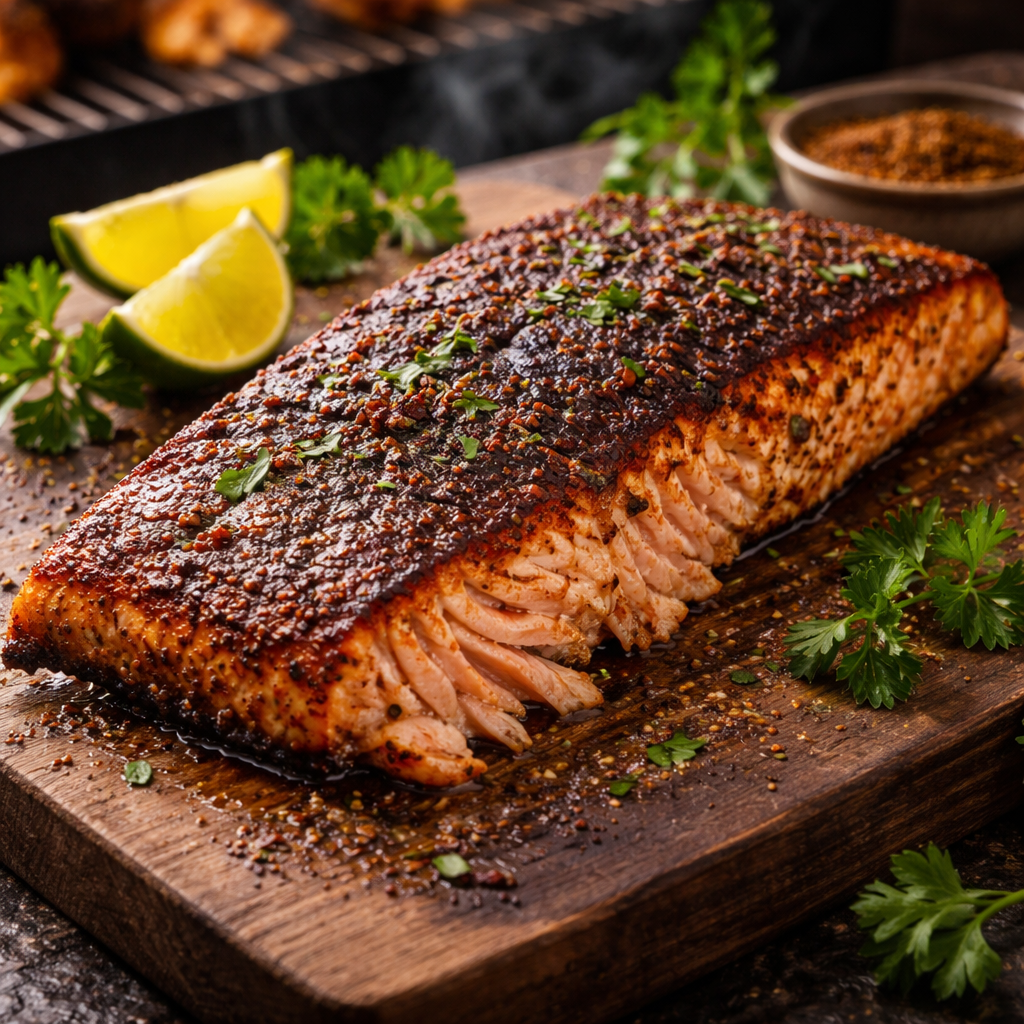
Remove the salmon from the grill when it is 2 to 3 degrees below your target temperature. Place it on a warm platter and tent loosely with foil. The internal temperature will continue to rise during the 5-minute rest.
Workflow Mistakes to Avoid
- Ignoring the Pellet Hopper: Running out of pellets mid-cook will cause the temperature to plunge, resulting in a “stalled” cook and potentially ruining the texture of the fish.
- Opening the Lid Frequently: Every time the lid is opened, heat and smoke escape. This extends the cooking time and reduces the smokiness of the final product.
- Overcooking: Salmon continues to cook after it is removed from the grill. If you wait until it reaches 145°F (the FDA recommended temp) on the grill, it will likely be dry by the time it reaches the table. Aim to pull at 130°F–135°F for a moist, tender result.
- Using Low-Quality Pellets: Pellets that have absorbed moisture will crumble and can clog the auger, leading to inconsistent temperatures. Always store pellets in a dry, airtight container.
FAQ: Traeger Salmon Workflow
Should I leave the skin on?
Yes. In almost all Traeger Salmon Recipes, the skin acts as a heat shield. Even if you do not intend to eat the skin, leaving it on during the cooking process helps the fillet stay together and prevents the bottom from drying out.
Do I need to flip the salmon?
No. A Traeger works like a convection oven, circulating hot air around the food. Flipping salmon is unnecessary and often leads to the fish breaking apart or sticking to the grates.
How do I prevent the salmon from sticking?
Ensure your grill grates are clean and well-oiled before preheating. Additionally, patting the skin side of the salmon very dry before seasoning will help prevent sticking.
Can I cook frozen salmon on a Traeger?
It is highly recommended to thaw salmon completely before smoking. Cooking from frozen leads to uneven results, where the outside is overcooked and the inside remains cold and raw.
Why did white stuff (albumin) appear on my salmon?
Albumin is a protein that pushes to the surface when salmon is cooked too quickly or at too high a temperature. To minimize this, keep your Traeger at a lower temperature (225°F) and do not overcook the fish.
How long does smoked salmon keep?
If you are hot-smoking salmon using this method, it can be stored in an airtight container in the refrigerator for up to 3 days. It is excellent served cold on salads or flaked into pasta.
By following this structured workflow, you ensure that your Traeger Salmon Recipes result in a consistently high-quality meal that highlights the unique capabilities of your pellet grill.
Fresh & Flavorful Salmon Lomi Lomi Recipe at Home
The Best Blackstone Salmon Recipe for Weeknight Dinners
Gordon Ramsay Salmon Recipe – Easy, Juicy & Delicious
Easy Salmon and Mushroom Recipe – Healthy Dinner Idea
Easy Coho Salmon Recipe – Tender & Flavorful