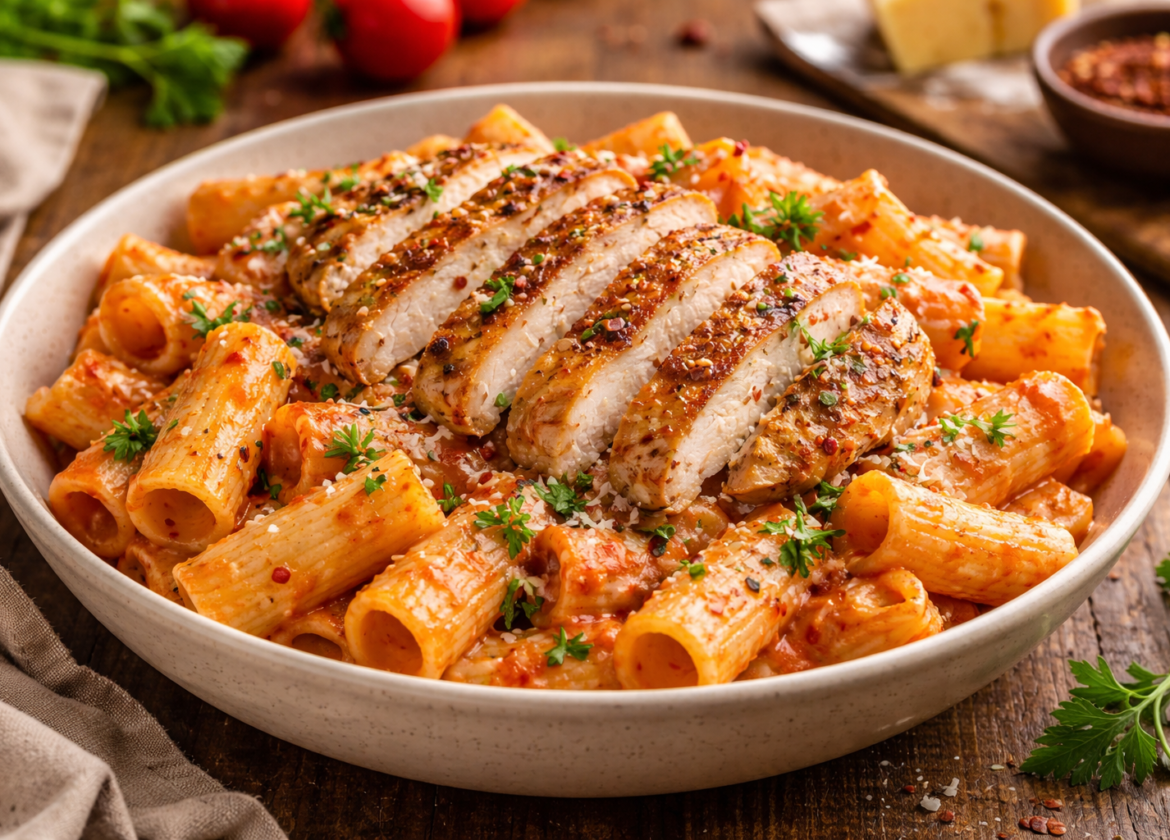
A well-executed Chicken and Tomato Pasta Recipe serves as a fundamental pillar of balanced weeknight cooking. This dish combines lean protein, complex carbohydrates, and the antioxidant-rich acidity of tomatoes into a single, cohesive meal. The primary objective when preparing this recipe is to achieve a harmonious balance between the savory, seared chicken and a bright, vibrant tomato base.
For many home cooks, the challenge lies in the timing—ensuring the chicken remains succulent while the tomato sauce reduces to a consistency thick enough to coat the pasta. By focusing on a structured approach to assembly and temperature management, you can transform these basic pantry staples into a meal that rivals professional bistro standards. This article will provide the technical clarity needed to master various Chicken and Tomato Pasta Recipes, focusing on reliability, flavor extraction, and texture.
When and Why to Use Chicken and Tomato Pasta Recipes
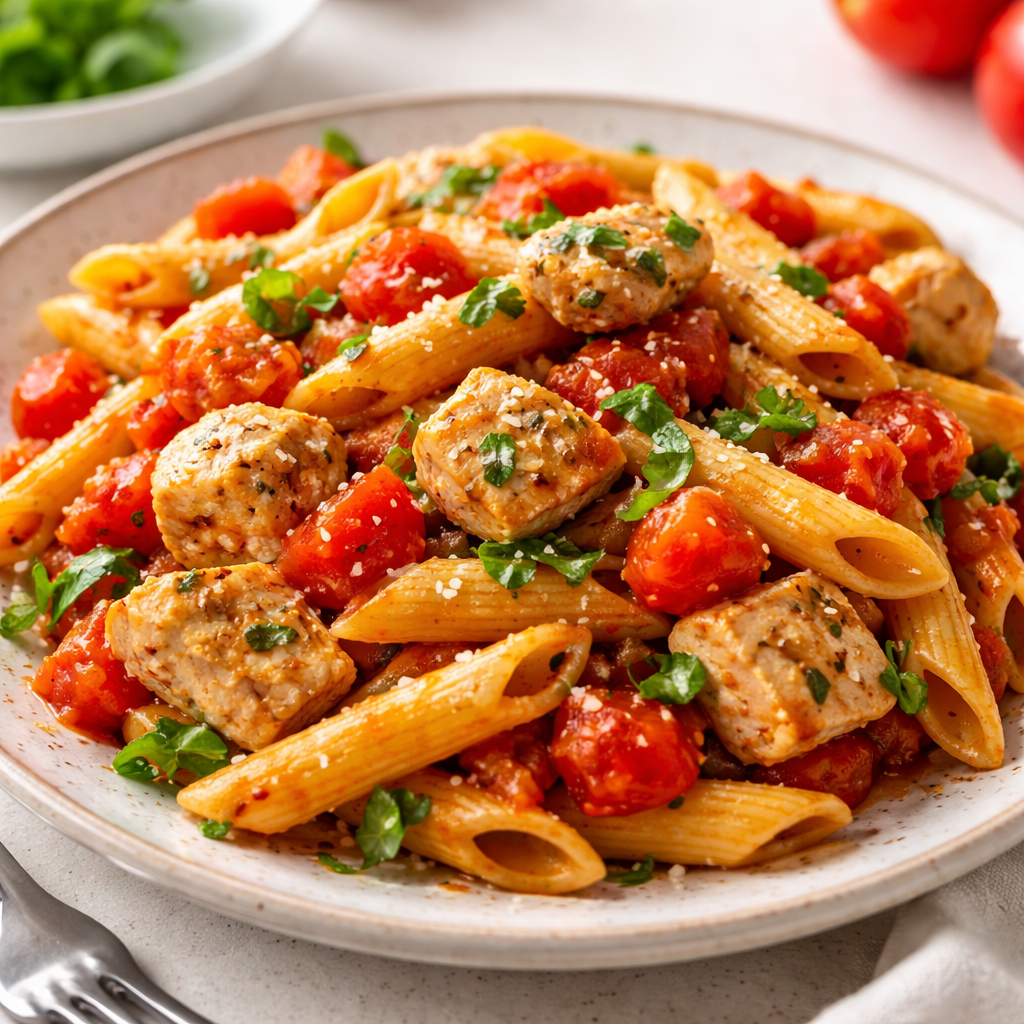
Choosing a Chicken and Tomato Pasta Recipe is often a strategic decision based on efficiency and nutritional density. From a culinary perspective, this combination is highly effective because tomatoes contain high levels of glutamates, which enhance the savory profile of the chicken.
This recipe is particularly useful in the following contexts:
- Meal Prep Efficiency: The components of these recipes store exceptionally well, making them ideal for reheating throughout the work week.
- Nutritional Balance: It provides a complete macro-nutrient profile, offering high protein from the poultry and essential vitamins from the cooked tomatoes.
- Versatility: The base of chicken and tomato is highly adaptable. It can be shifted toward a spicy Mediterranean profile with red pepper flakes and olives, or toward a smoother, creamier profile with a splash of heavy cream or a dollop of mascarpone.
Ingredient List With Practical Notes
The quality of your Chicken and Tomato Pasta Recipes depends heavily on the preparation and selection of each component.
The Chicken
- Cut: Boneless, skinless chicken thighs offer the most flavor and are less likely to dry out during the simmering process. However, chicken breasts are a popular lean alternative if cooked with precision.
- Preparation: Bold Tip: Always pat the chicken dry with paper towels before seasoning. This ensures a proper sear (Maillard reaction) rather than steaming the meat in its own juices.
The Tomato Component
- Canned vs. Fresh: For a consistent, year-round sauce, canned San Marzano or crushed tomatoes are preferred due to their consistent sugar and acid levels. Fresh cherry tomatoes are excellent for “burst” sauces during the summer months.
- Acidity Control: If the tomatoes are particularly tart, a very small amount of tomato paste can add depth and sweetness without the need for processed sugars.
The Pasta
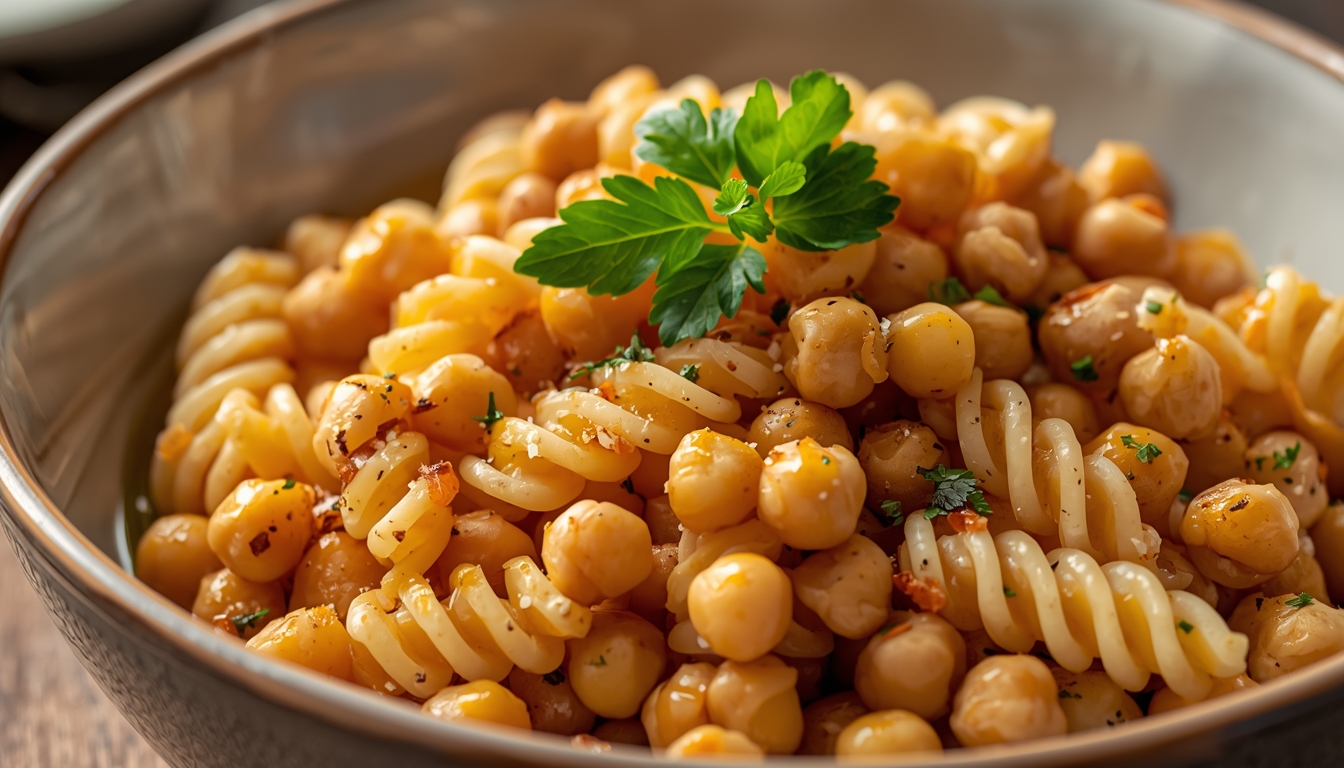
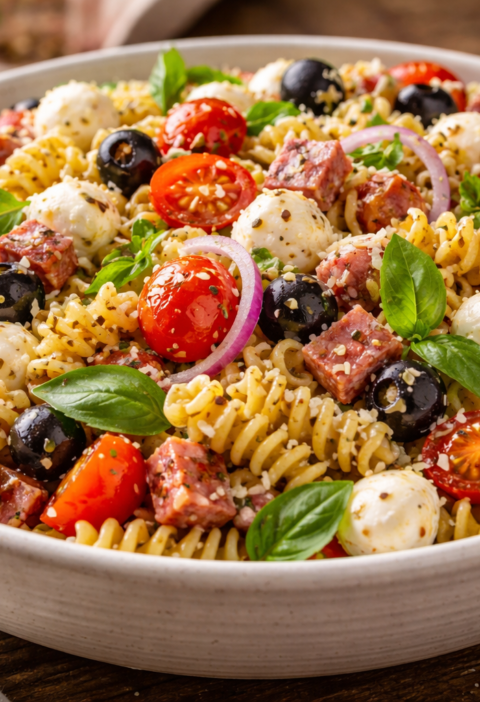
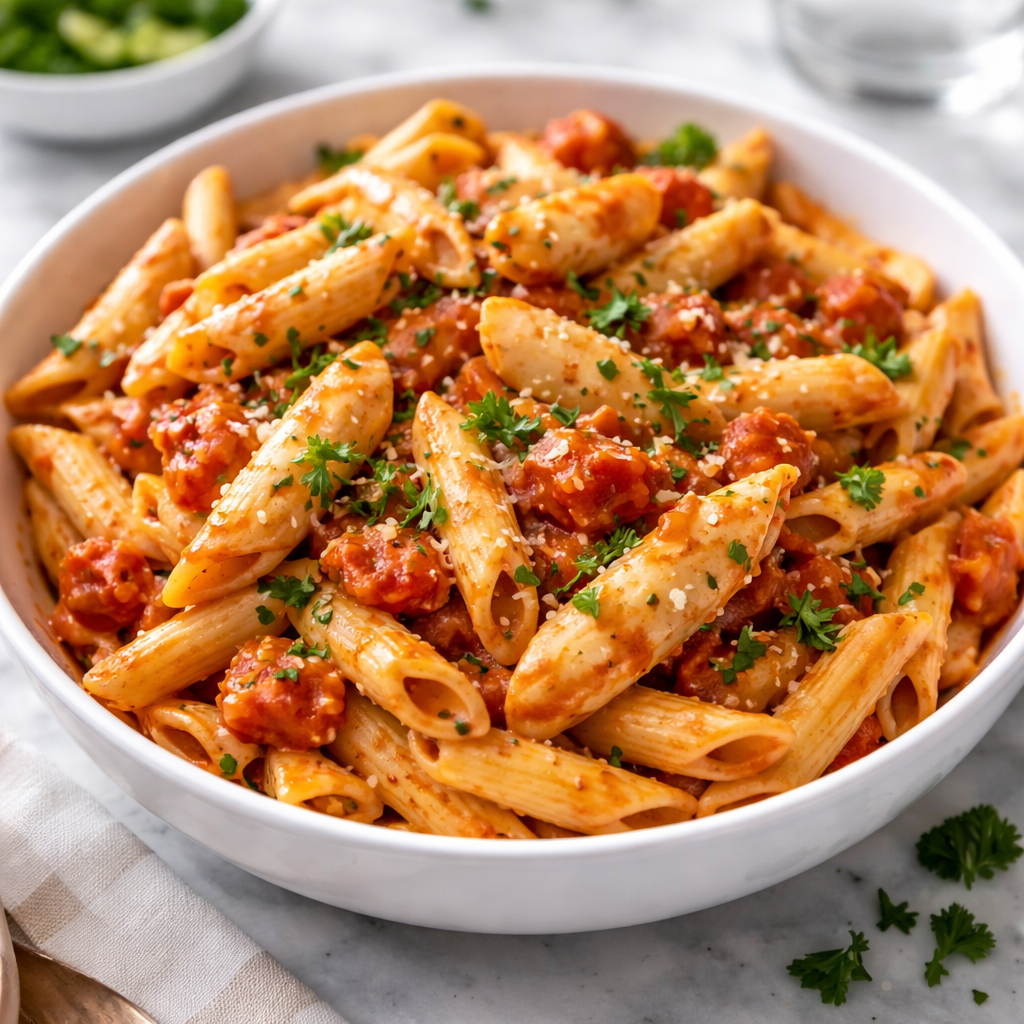
- Shapes: Rigatoni, Penne, or Fusilli are the most effective shapes for Chicken and Tomato Pasta Recipes. Their ridges and hollow centers are designed to trap pieces of chicken and thick tomato sauce.
- Water: Never discard all of your pasta water. The starchy liquid is essential for emulsifying the sauce.
Kitchen Tools Checklist
To maintain a professional workflow, ensure the following tools are staged before you begin the cooking process.
- Large Heavy-Bottomed Skillet or Sauté Pan: A wide surface area is necessary to sear the chicken without crowding the pan.
- Large Stockpot: For boiling the pasta. Ensure there is enough water to allow the pasta to move freely to prevent sticking.
- Digital Meat Thermometer: This is the only way to ensure the chicken reaches exactly 165°F (74°C) without overcooking.
- Tongs and a Wooden Spoon: Tongs are best for handling the chicken, while a wooden spoon is ideal for scraping the “fond” (browned bits) from the bottom of the skillet to incorporate into the sauce.
- Colander and a Liquid Measuring Cup: The cup is used specifically to reserve at least one cup of starchy pasta water before draining.
Start-to-Finish Cooking Timeline
Efficiency in Chicken and Tomato Pasta Recipes is achieved by overlapping tasks. Follow this general timeline for a 30-minute execution:
- 0-5 Minutes: Set the pasta water to boil and dice the chicken.
- 5-15 Minutes: Sear the chicken and remove it from the pan. Drop the pasta into the boiling water.
- 15-25 Minutes: Sauté aromatics (garlic/onions), add tomatoes, and allow the sauce to simmer and reduce.
- 25-30 Minutes: Combine the pasta, chicken, and sauce. Emulsify with pasta water and serve.
How to Cook Chicken and Tomato Pasta Recipes Correctly
1. Searing the Protein
Heat two tablespoons of olive oil in your skillet over medium-high heat. Add the seasoned chicken in a single layer. Leave it undisturbed for 3-4 minutes to develop a golden-brown crust. Flip and cook for another 2 minutes, then remove the chicken from the pan. It does not need to be fully cooked at this stage, as it will finish in the sauce.
2. The Flavor Base
In the same skillet, reduce heat to medium. Add minced garlic and diced onions. Use the moisture from the vegetables to scrape up the browned bits left by the chicken. This is where the depth of flavor in Chicken and Tomato Pasta Recipes is built.
3. Reducing the Tomatoes
Add your crushed or diced tomatoes to the skillet. Season with salt, pepper, and dried herbs (like oregano or basil). Allow the sauce to simmer uncovered. This allows water to evaporate, concentrating the tomato flavor and thickening the texture.
4. Boiling the Pasta
Cook the pasta in well-salted water until it is al dente (firm to the bite). Bold Tip: The pasta should be slightly undercooked when it leaves the water, as it will absorb moisture and finish cooking once added to the hot tomato sauce.
5. The Marriage of Ingredients
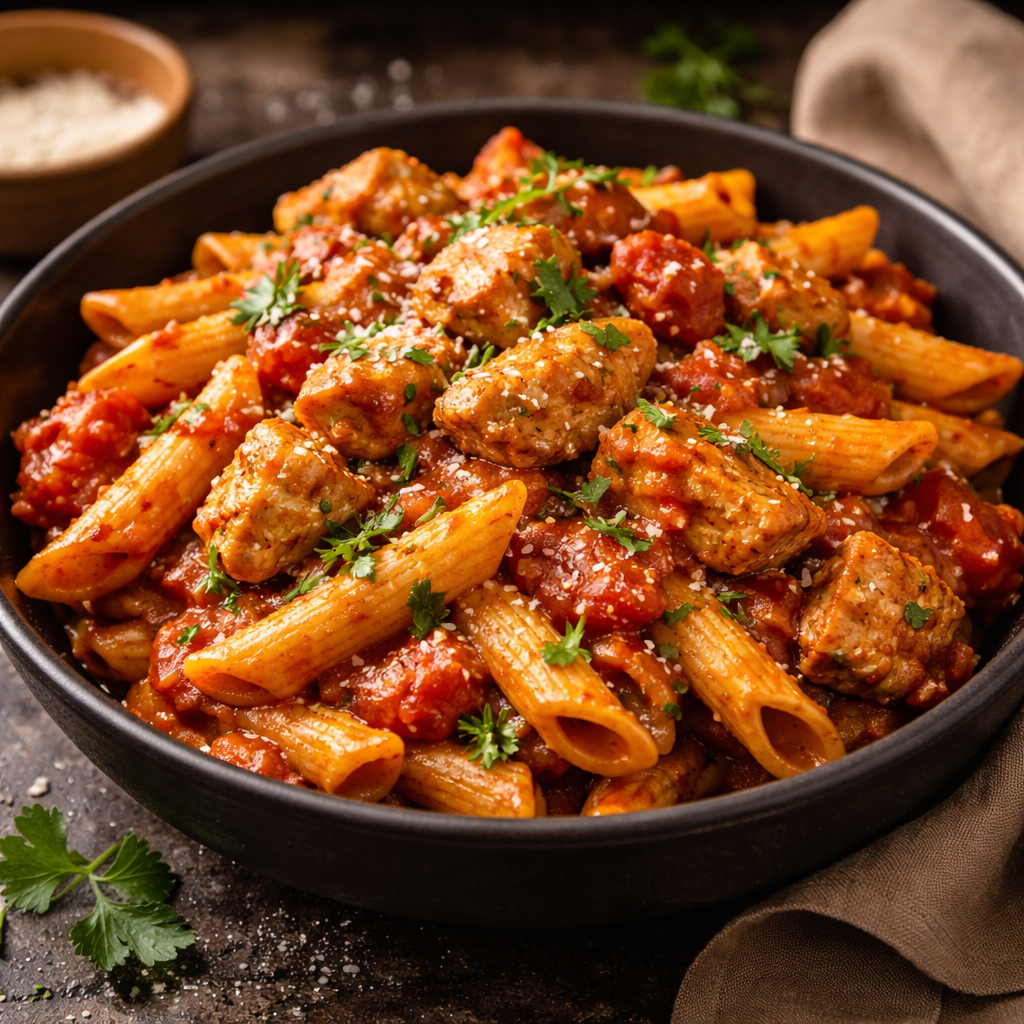
Add the seared chicken back into the simmering sauce. Using your measuring cup, add approximately 1/4 cup of the reserved pasta water to the skillet. Add the drained pasta and toss everything together over medium heat for 1-2 minutes. The starch in the water will help the tomato sauce cling to the chicken and pasta.
What Can Go Wrong and Why
Even with a straightforward Chicken and Tomato Pasta Recipe, certain technical errors can affect the final result.
- Dry, Rubbery Chicken: This is the result of overcooking during the initial sear or simmering the chicken in the sauce for too long. Always remove the chicken after the sear and only return it for the final 2-3 minutes of simmering.
- Watery Sauce: If the sauce is thin and pools at the bottom of the plate, the tomatoes did not reduce sufficiently, or too much pasta water was added at once. Continue to simmer the sauce until it reaches a “jammy” consistency before adding the pasta.
- Bland Flavor: This often occurs when the pasta water is not salted enough or the “fond” was left at the bottom of the pan. Salt the water until it tastes like the sea; this seasons the pasta from the inside out.
- Gummy Pasta: Overcooking the pasta in the stockpot leads to a mushy texture once it hits the sauce. Always aim for al dente.
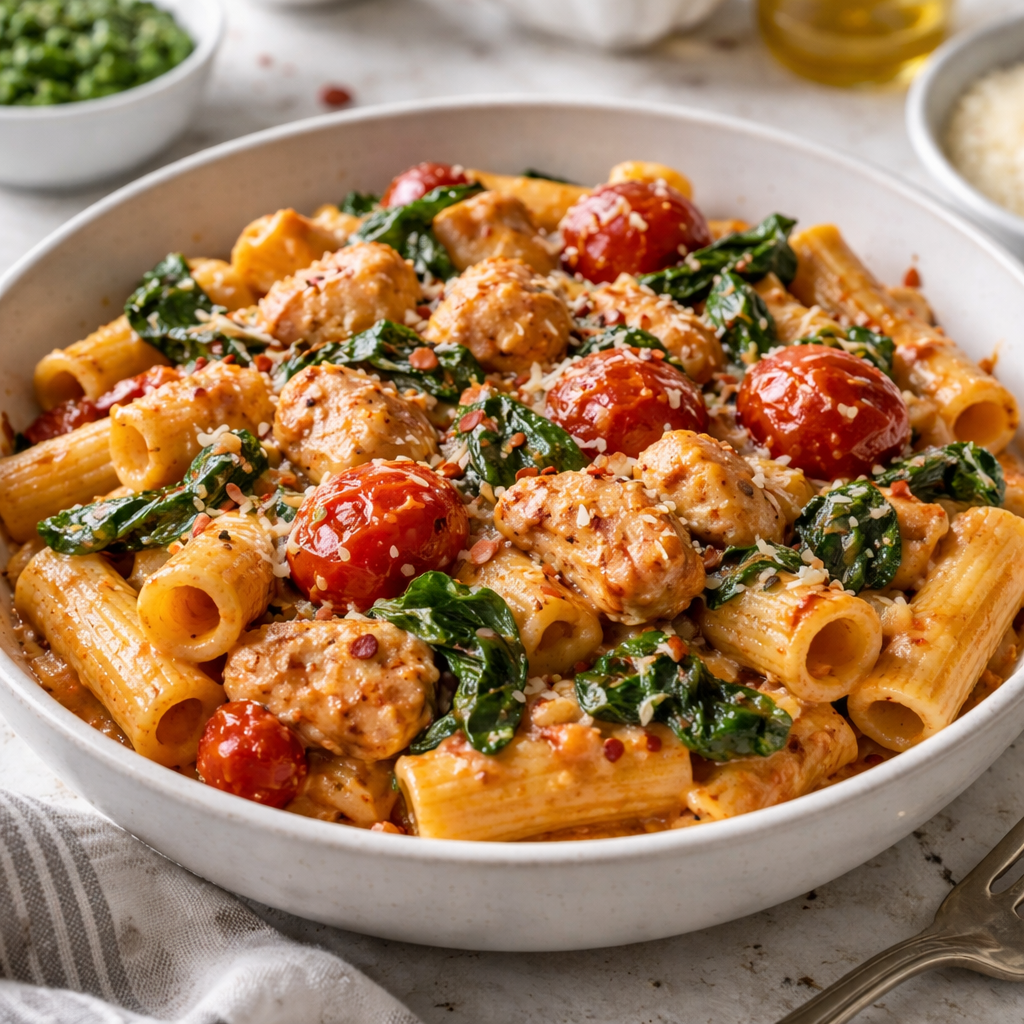
Chicken and Tomato Pasta Recipes FAQ Section
Can I use frozen chicken for these recipes? Yes, but the chicken must be fully thawed and patted dry before cooking. Frozen chicken releases a significant amount of water as it thaws, which will prevent the meat from searing and instead cause it to boil in the pan.
Should I use fresh or dried herbs? Dried herbs like oregano and thyme should be added at the beginning of the sauce-making process to allow their oils to release. Fresh herbs, such as basil or parsley, should only be added at the very end to preserve their bright color and delicate flavor.
How do I make the tomato sauce less acidic? If the sauce tastes too sharp, the best solution is longer simmering. If that does not work, add a tablespoon of butter or a splash of heavy cream. The fats will coat the palate and neutralize the perception of acid more effectively than sugar.
What is the best way to reheat leftovers? Pasta tends to absorb sauce as it sits. When reheating Chicken and Tomato Pasta Recipes, add a splash of water or chicken broth to the dish before microwaving or heating on the stovetop. This restores the moisture and prevents the chicken from becoming tough.
Is it necessary to use olive oil? While other neutral oils can be used for searing, extra virgin olive oil is recommended for the sauce-making phase. It provides a distinct fruitiness that complements the acidity of the tomatoes and is a hallmark of authentic Mediterranean pasta dishes.
Can I add other vegetables to this recipe? Absolutely. Bell peppers, zucchini, and spinach are common additions. Sauté firm vegetables like peppers with the onions, and add leafy greens like spinach at the very end so they wilt in the residual heat.
By following these instructions and maintaining focus on the technical milestones—searing, reducing, and emulsifying—you will consistently produce a high-quality Chicken and Tomato Pasta Recipe that is both flavorful and professionally balanced.
Semolina Pasta Recipe – Simple, Homemade & Delicious
Marry Me Chicken Pasta Recipe Delicious & Easy
Easy Rotel Chicken Spaghetti Recipe (Creamy & Cheesy)
Spicy Chipotle Chicken Pasta Recipe – Quick & Tasty
Quick & Easy Spicy Pasta Chicken Recipe
Quick & Flavorful Elote Pasta Salad Recipe
Quick & Delicious Chicken Fajita Pasta recipe Family Favorite