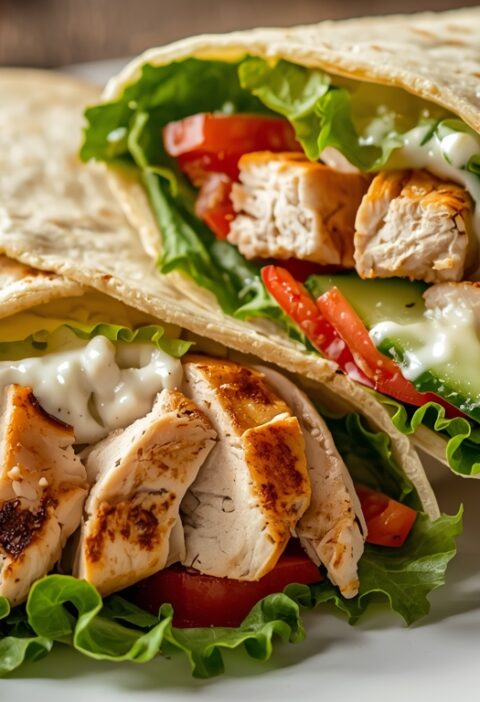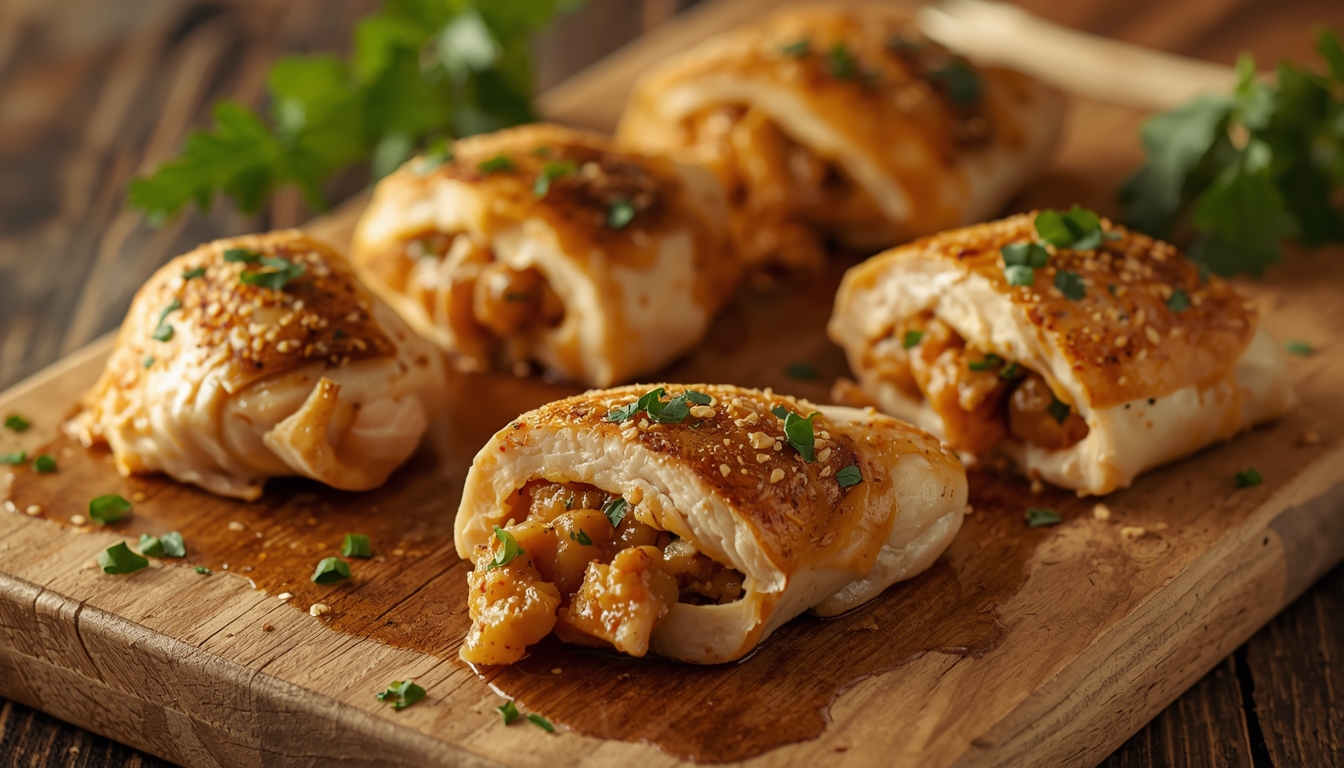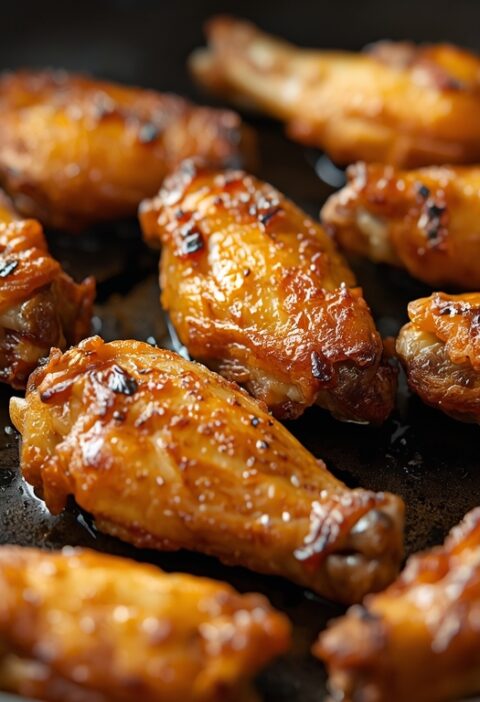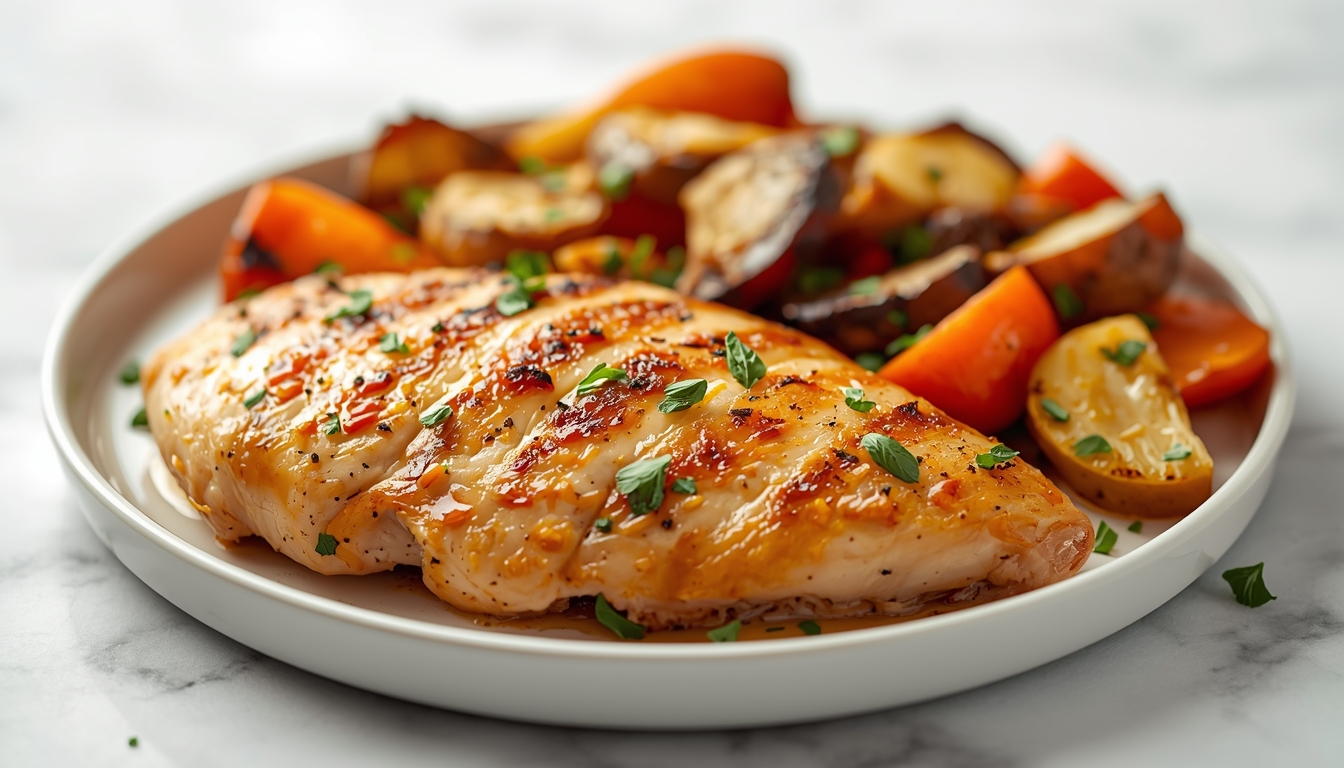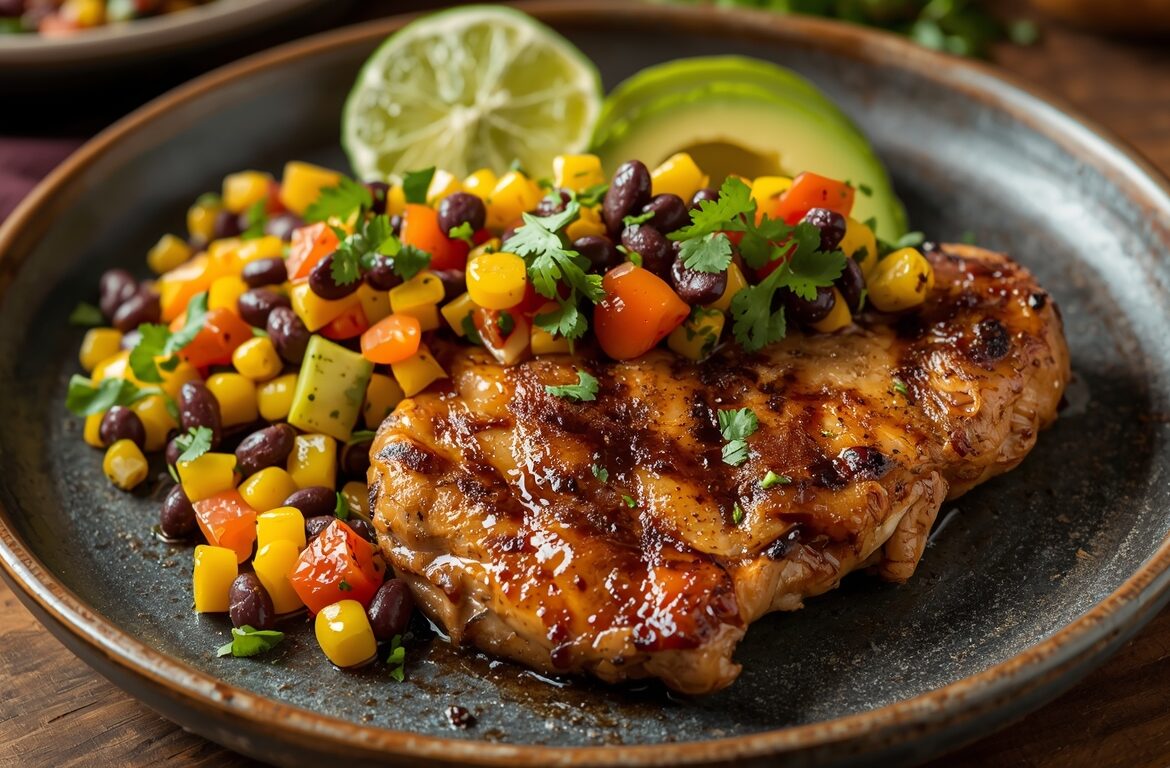
The Cowboy Chicken Recipe is a culinary staple rooted in the traditions of open-fire cooking and rustic, heart-land flavors. At its core, this dish is defined by a robust seasoning profile, a char-grilled exterior, and an exceptionally juicy interior. Unlike standard roasted chicken, which often relies on subtle herbs like thyme or rosemary, this preparation emphasizes bold, smoky, and slightly sweet notes that reflect a frontier-style aesthetic.
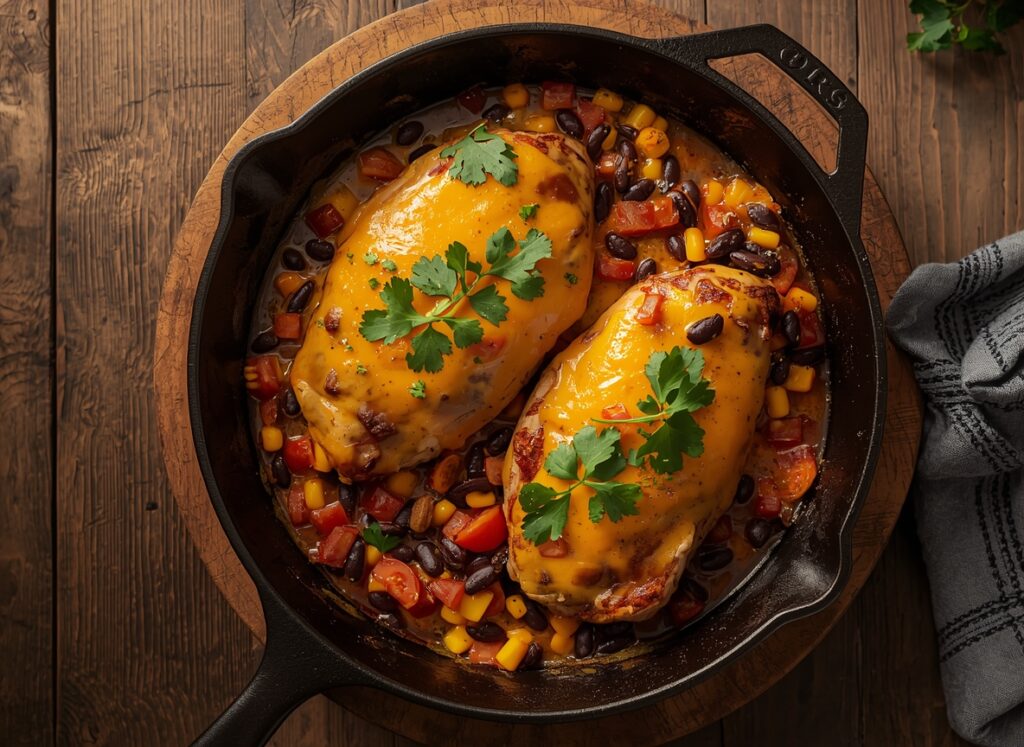
For the modern home cook, mastering this recipe requires an understanding of how to balance high-heat searing with controlled internal cooking. The goal is to replicate the wood-fired depth of a rotisserie while using standard kitchen or backyard equipment. Whether prepared in a cast-iron skillet or on a pellet grill, the Cowboy Chicken Recipe serves as a versatile, high-protein centerpiece that pairs effectively with a wide range of side dishes.
Key Advantages of Cowboy Chicken Recipe
Adopting the Cowboy Chicken Recipe into your culinary repertoire offers several distinct benefits that improve both the dining experience and the efficiency of meal preparation.
- Flavor Complexity: The use of a dry rub containing smoked paprika, cumin, and brown sugar creates a “bark” or crust that provides a complex flavor profile without the need for long marination times.
- Textural Integrity: The cooking method focuses on rendering the skin fat completely, resulting in a crisp texture that contrasts with the tender meat.
- Meal Versatility: This chicken is equally effective as a standalone entrée, sliced for tacos, or shredded into salads and hearty soups.
- Nutritional Profile: By focusing on dry seasonings and controlled fats, this recipe provides a high-density protein source with lower caloric overhead than deep-fried or heavily sauced alternatives.
Ingredient Selection and Preparation
The success of a Cowboy Chicken Recipe is heavily dependent on the quality of the poultry and the freshness of the spices used in the dry rub.
Selecting the Poultry
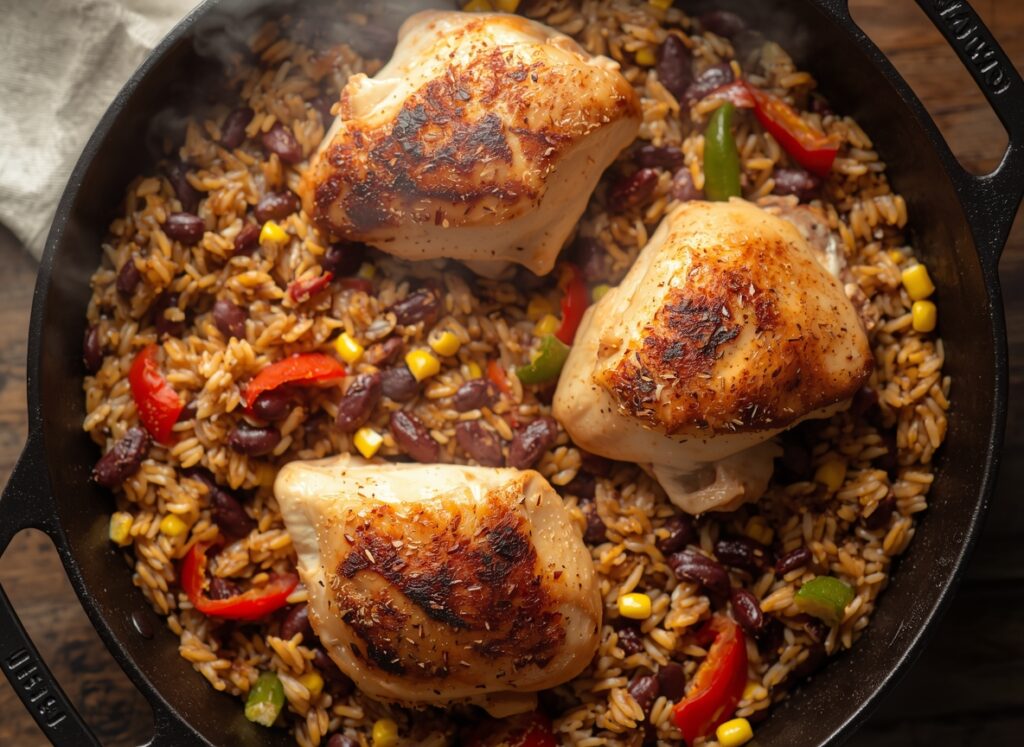
For the most authentic results, a whole “fryer” chicken weighing between 3 and 4 pounds is ideal. If you prefer individual cuts, bone-in, skin-on thighs are the best substitute. The bone acts as a thermal conductor, ensuring the meat cooks evenly and remains moist. Bold Tip: Always ensure the chicken is completely thawed and has sat at room temperature for 20 minutes prior to cooking to prevent the muscle fibers from seizing under heat.
The “Cowboy” Dry Rub
A professional-grade rub should be mixed in batches to ensure consistency. The following ratios are recommended:
- Smoked Paprika: Provides the characteristic deep red color and wood-smoke aroma.
- Brown Sugar: Facilitates the Maillard reaction and balances the heat of the peppers.
- Chili Powder and Cumin: Establish the “southwestern” foundational notes.
- Garlic and Onion Powder: Provide savory depth without the risk of fresh aromatics burning at high temperatures.
- Kosher Salt and Black Pepper: Essential for moisture retention and basic seasoning.
Required Kitchen Equipment
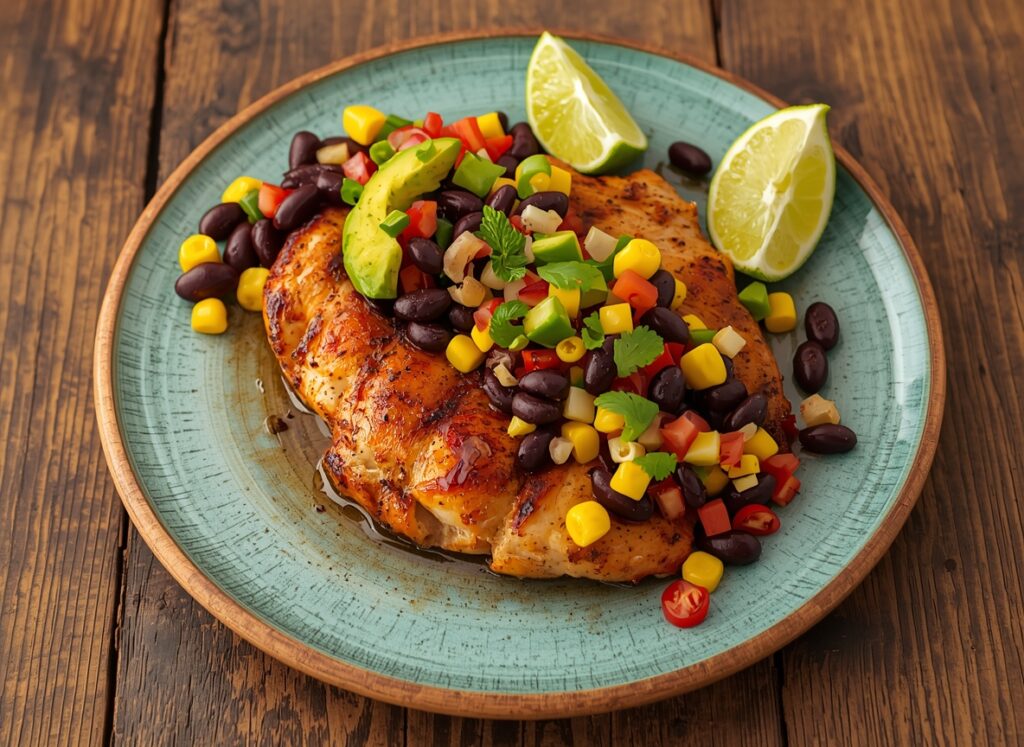
To execute the Cowboy Chicken Recipe with precision, you will need tools that can handle high heat and provide accurate feedback on the cooking progress.
- Cast-Iron Skillet: This is the preferred vessel for indoor cooking. Its superior heat retention allows for a professional-grade sear that mimics an outdoor grill.
- Digital Instant-Read Thermometer: Accuracy is non-negotiable. Cooking by “time” alone is unreliable due to variations in chicken size and oven calibration.
- Kitchen Shears: If you choose to “spatchcock” the chicken (removing the backbone), a sturdy pair of shears is necessary to flatten the bird for even cooking.
- Basting Brush: Useful if you choose to finish the chicken with a light mop of apple cider vinegar or a thin barbecue glaze during the final minutes.
Cooking Duration and Temperature Control
Managing the thermal environment is the most critical aspect of the Cowboy Chicken Recipe. Chicken must reach a safe internal temperature without the exterior sugars in the rub becoming carbonized or bitter.
| Method | Temperature | Estimated Time |
| Oven Roasting | 400°F (204°C) | 45–60 Minutes |
| Cast-Iron Skillet | Medium-High (Sear) then 375°F (190°C) | 50 Minutes |
| Pellet Grill | 350°F (177°C) | 60–75 Minutes |
Bold Tip: Always pull the chicken when the internal temperature of the thickest part of the breast reaches 160°F (71°C). Residual heat will carry the temperature to the FDA-recommended 165°F (74°C) during the resting phase.
Detailed Cowboy Chicken Recipe Instructions
1. Preparation and Spatchcocking
If using a whole chicken, place it breast-side down on a cutting board. Use kitchen shears to cut along both sides of the backbone and remove it. Flip the chicken over and press down firmly on the breastbone until it cracks. This flattens the bird, ensuring that the dark meat and white meat finish cooking at approximately the same time.
2. Applying the Dry Rub
Pat the skin extremely dry with paper towels. Rub a small amount of neutral oil (like grapeseed or canola) over the entire surface. Apply the cowboy seasoning rub generously, ensuring you coat the area under the skin where possible.
3. The Searing Phase
If using a skillet, heat it over medium-high heat with a tablespoon of oil. Place the chicken skin-side down for 5–7 minutes. This “sets” the crust and begins the fat-rendering process.
4. The Roasting Phase
Transfer the skillet to a preheated oven at 400°F. If using a grill, place the chicken on the indirect heat side. Bake or grill until the internal temperature reaches 160°F.
5. The Mandatory Rest
Remove the chicken from the heat source and place it on a warm platter. Tent loosely with aluminum foil. Bold Tip: Allow the chicken to rest for at least 10 to 15 minutes. This allows the juices to redistribute through the meat, ensuring it does not dry out when sliced.
Troubleshooting Common Cooking Issues
Even with a structured Cowboy Chicken Recipe, environmental variables can affect the final outcome.
- Problem: The skin is dark/burnt, but the meat is raw.
- Solution: Your heat source is too high or the chicken was placed too close to the heating element. Lower the oven temperature to 350°F and cover the chicken with foil to stop further browning while the interior finishes.
- Problem: The skin is rubbery or soft.
- Solution: This is caused by excess moisture. Ensure the chicken is patted dry before cooking and avoid “crowding” the pan. If the skin isn’t crisp at the end, a 2-minute broil can rectify the texture.
- Problem: The meat is dry and stringy.
- Solution: The chicken was likely overcooked. Always use a digital thermometer and account for “carry-over cooking” by removing the bird 5 degrees before the target temperature.
- Problem: The rub is falling off.
- Solution: You may have used too much oil. A light coating is all that is needed to help the spices adhere. Alternatively, apply the rub at least 30 minutes before cooking to allow the salt to create a slight “tack” on the skin.
Cowboy Chicken Recipe FAQ
Can I use chicken breasts for this recipe?
Yes, but you must adjust the timing. Boneless breasts cook significantly faster than bone-in cuts. To keep them moist, consider searing them quickly and then finishing them in the oven for only 15–20 minutes.
What is the best way to reheat Cowboy Chicken?
To preserve the crisp skin of the Cowboy Chicken Recipe, avoid the microwave. Reheat leftovers in an oven or air fryer at 350°F for about 10 minutes. Adding a splash of chicken broth to the pan can help keep the meat from drying out.
Is the brown sugar in the rub necessary?
While you can omit it for a low-carb version, the sugar is vital for the “cowboy” style. It creates the caramelized crust that defines the dish. If you remove it, increase the amount of smoked paprika to maintain the color.
What wood pellets/chips pair best with this chicken?
If grilling, use hickory or mesquite for a strong, authentic frontier flavor. For a milder taste, fruitwoods like apple or cherry complement the sweetness of the rub perfectly.
How long can I store the cooked chicken?
Cooked chicken stays fresh in an airtight container in the refrigerator for up to four days. It can also be frozen for up to three months; however, the skin will lose its crispness upon thawing.
Should I wash the chicken before applying the rub?
No. Modern food safety standards advise against washing raw poultry, as it can spread bacteria across kitchen surfaces. Patting the chicken dry with paper towels is sufficient and safer.
By following this technical guide to the Cowboy Chicken Recipe, you ensure a result that is both safe to consume and superior in flavor. The key lies in the preparation of the bird and the strict monitoring of internal temperatures.
Classic Chicken Artichoke Recipe Made at Home
The Best Apricot Chicken Recipe for Weeknight Dinnerse
The Best Shawarma Chicken Recipe Made at Home full guide
Classic Cheesy Chicken and Rice Recipe Made Simple
Homemade Chicken Empanada Recipe Made Simple