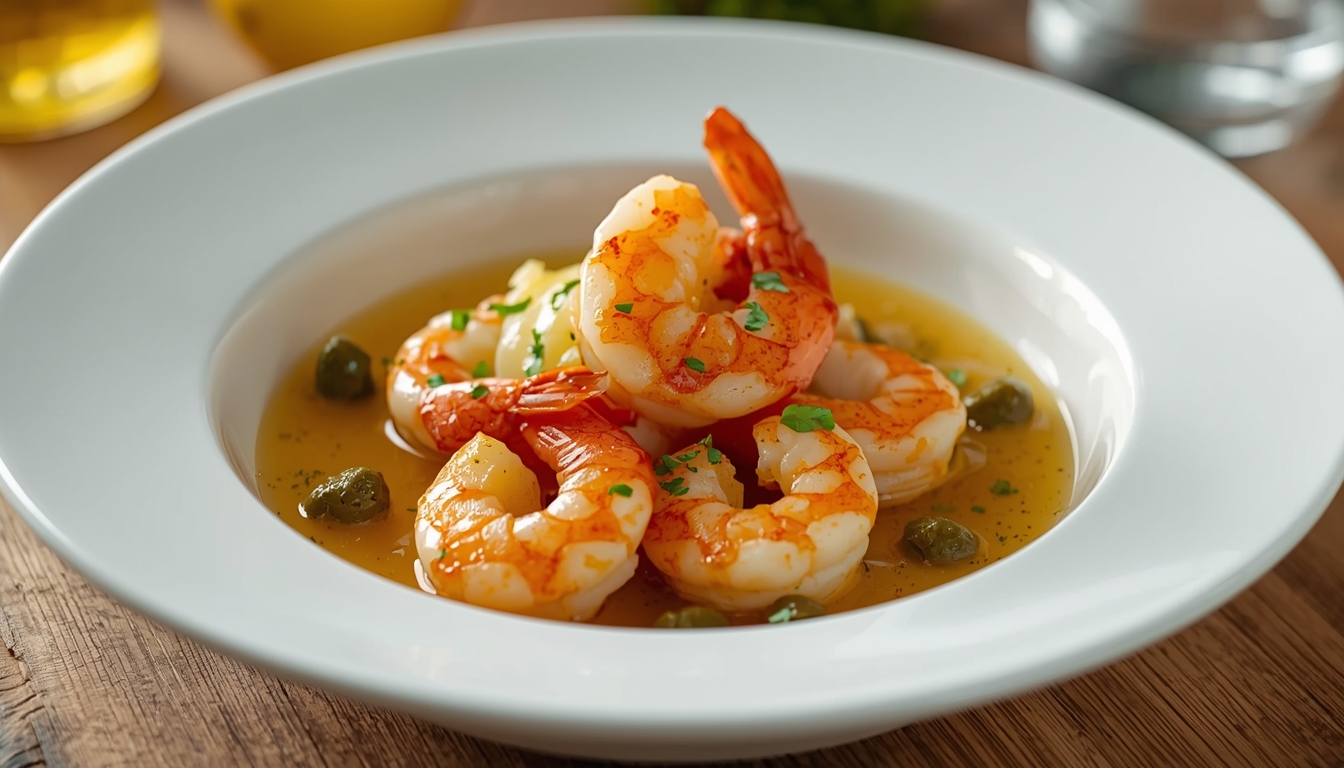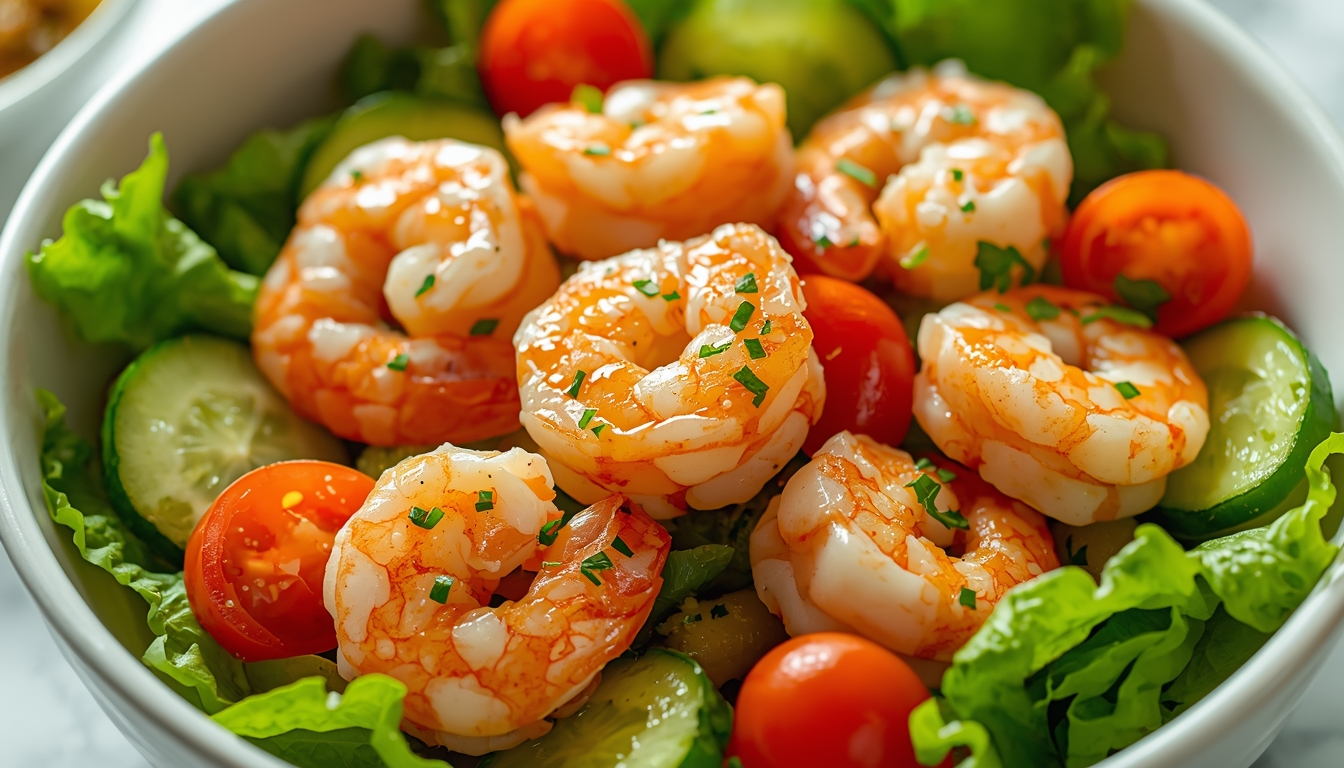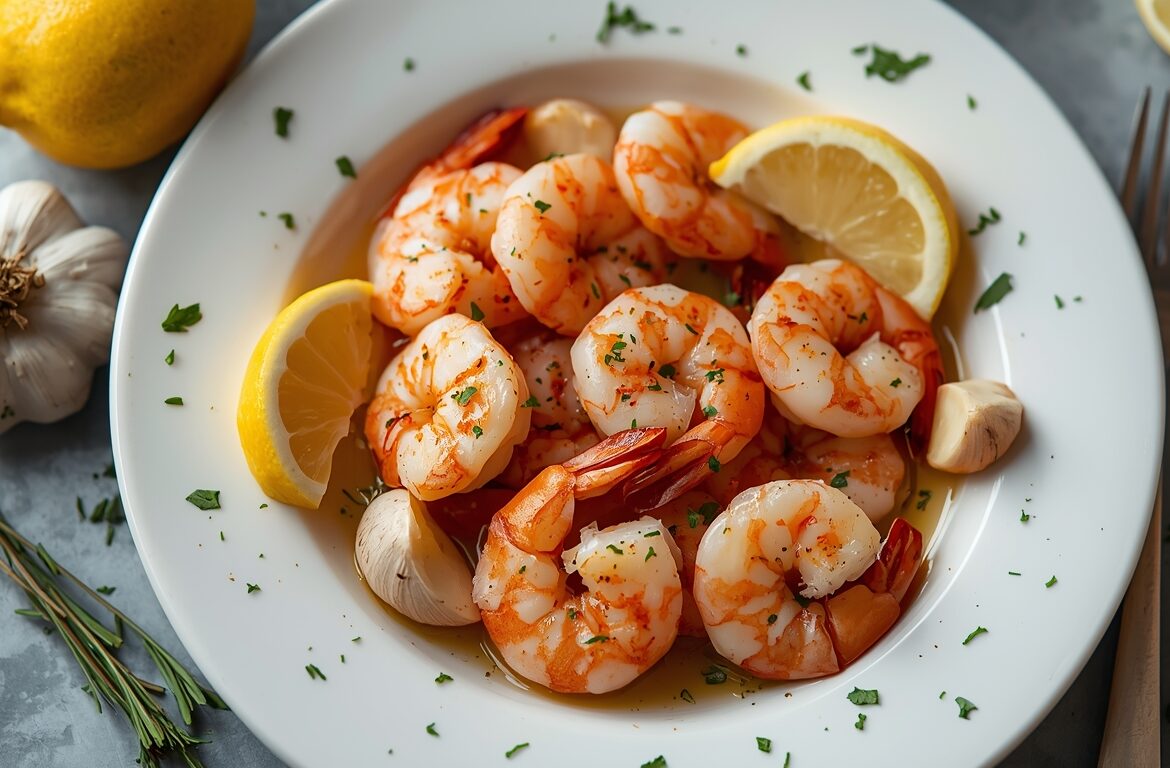
Mastering Steamed Shrimp Recipes is an essential skill for any home cook looking to prioritize flavor, health, and efficiency. Unlike boiling, which can dilute the natural sweetness of seafood and lead to a rubbery texture, steaming is a gentle, indirect cooking method. It preserves the delicate proteins and moisture within the shell, resulting in succulent, tender shrimp that taste primarily of the sea.
In professional culinary circles, steaming is often preferred because it allows for precise temperature control. Whether you are preparing a simple peel-and-eat appetizer or a sophisticated Cantonese-style garlic dish, the fundamental principles of Steamed Shrimp Recipes remain the same: high-quality sourcing, aromatic infusion, and strict adherence to timing. This article provides a comprehensive, technical guide to achieving restaurant-quality results in your own kitchen.
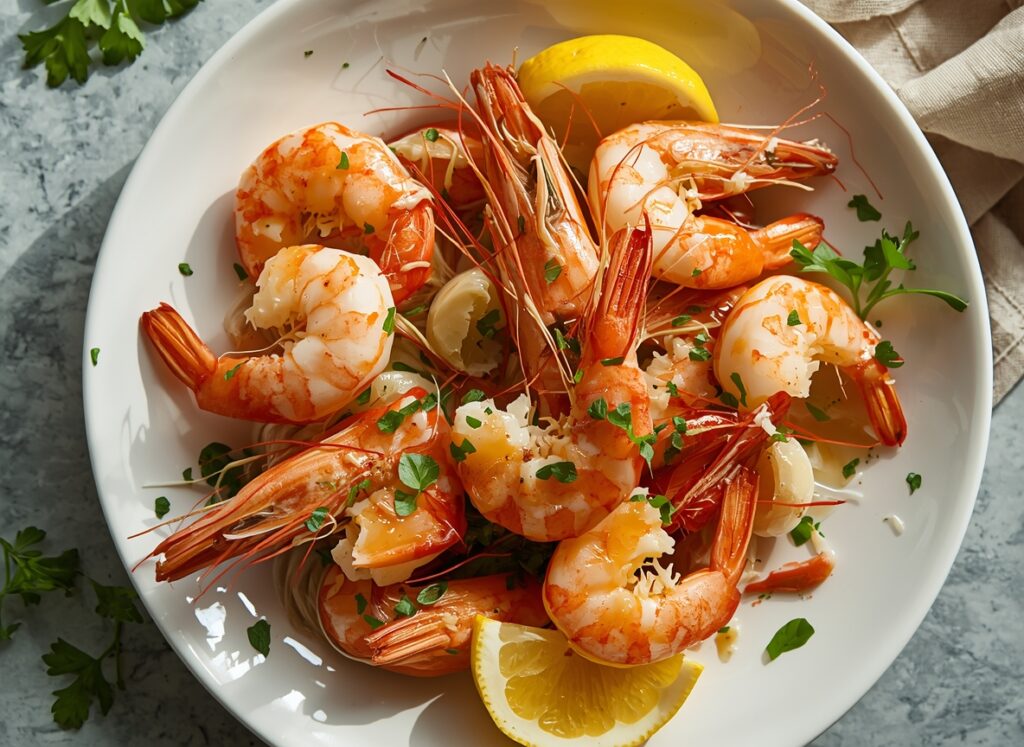
Why This Steamed Shrimp Recipe Works
The efficacy of Steamed Shrimp Recipes lies in the physics of water vapor. Steam transfers heat more efficiently than air but more gently than boiling water. This environment prevents the shrimp from being tossed around in a turbulent pot, which can damage the delicate flesh and cause the heads or tails to detach prematurely.
- Nutritional Retention: Steaming minimizes the leaching of water-soluble vitamins and minerals into the cooking liquid.
- Flavor Concentration: Because the shrimp are not submerged, their natural juices stay concentrated within the meat.
- Texture Control: The gentle heat allows for a wider window of “perfect” doneness, reducing the risk of the shrimp becoming tough or stringy.
- Aromatic Infusion: As the steam rises, it carries the essence of any aromatics placed in the water or directly on the shrimp, such as ginger, lemon, or beer.
Ingredient Breakdown and Selection Tips
The success of any Steamed Shrimp Recipes is 90% dependent on the quality of the raw ingredients. Because the cooking method is so simple, there are no heavy sauces to hide inferior products.
1. Sourcing the Shrimp
Bold Tip: When possible, purchase “Easy Peel” or shell-on shrimp. The shell acts as a protective barrier during the steaming process, keeping the meat moist and providing a deeper flavor.
- Size: Look for “Jumbo” (16/20 count) or “Extra Large” (21/25 count) for the best steaming results. Smaller shrimp cook too quickly and are prone to overcooking.
- Fresh vs. Frozen: Most shrimp sold at fish counters were previously frozen. Buying high-quality IQF (Individually Quick Frozen) shrimp directly from the freezer case is often fresher than the “thawed” options in the display.
2. Aromatic Additives
To elevate the flavor profile of Steamed Shrimp Recipes, consider what you add to the steaming liquid:
- Citrus: Lemon or lime slices in the water provide a bright acidity.
- Herbs: Fresh parsley, dill, or Old Bay Seasoning are traditional for Western styles.
- Asian Aromatics: Sliced ginger, smashed garlic, and scallions are essential for Eastern styles.
- Liquids: Replacing a portion of the water with dry white wine or a light beer adds complexity to the steam.
Required Cooking Tools and Equipment
To execute Steamed Shrimp Recipes with precision, you need equipment that facilitates even steam distribution and easy retrieval of the seafood.
- Steamer Basket: A collapsible stainless steel basket or a traditional bamboo steamer is ideal. Bamboo is preferred for Asian preparations as it absorbs excess moisture, preventing condensation from dripping back onto the shrimp.
- Large Pot with Tight-Fitting Lid: The lid must create a solid seal to maintain internal pressure and temperature.
- Kitchen Tongs: For arranging the shrimp in a single layer and removing them safely once cooked.
- Digital Kitchen Timer: In the world of seafood, 30 seconds can be the difference between perfection and failure.
- Large Bowl for Ice Bath: To immediately stop the cooking process if the shrimp are to be served cold (e.g., Shrimp Cocktail).
Cooking Timeline: From Prep to Finish
Efficiency is key when handling seafood. Follow this structured timeline to ensure your Steamed Shrimp Recipes move smoothly from the refrigerator to the table.
- Preparation (10–15 Minutes): Thawing (if necessary), deveining, and seasoning.
- The Boil (5 Minutes): Bringing the steaming liquid and aromatics to a rolling boil.
- Active Steaming (4–6 Minutes): The time varies slightly based on the size of the shrimp and whether they are shell-on.
- The Rest/Cool (2–5 Minutes): Allowing the residual heat to finish the cook or shocking in an ice bath.
Detailed Steamed Shrimp Recipes Instructions
1. Preparation and Cleaning
If using frozen shrimp, thaw them in a bowl of cold water for about 15–20 minutes. Pat them dry. Using kitchen shears, snip through the shell along the back of the shrimp to remove the vein while leaving the rest of the shell intact. This allows the steam to penetrate the meat more effectively.
2. Seasoning
Toss the shrimp in a bowl with your chosen dry seasonings. For a classic style, use 1 tablespoon of Old Bay or a mixture of sea salt and smoked paprika. For an Asian style, toss with minced garlic and a splash of Shaoxing wine.
3. Setting Up the Steamer
Fill your pot with 1–2 inches of water (or a mix of water and aromatics). Ensure the water level is below the bottom of the steamer basket. Bring to a boil over high heat.
4. The Steaming Process
Arrange the shrimp in the steamer basket in a single layer to ensure even heat distribution. Place the basket in the pot and cover with the lid.
- Large Shrimp (21/25): 4 to 5 minutes.
- Jumbo Shrimp (16/20): 5 to 6 minutes.
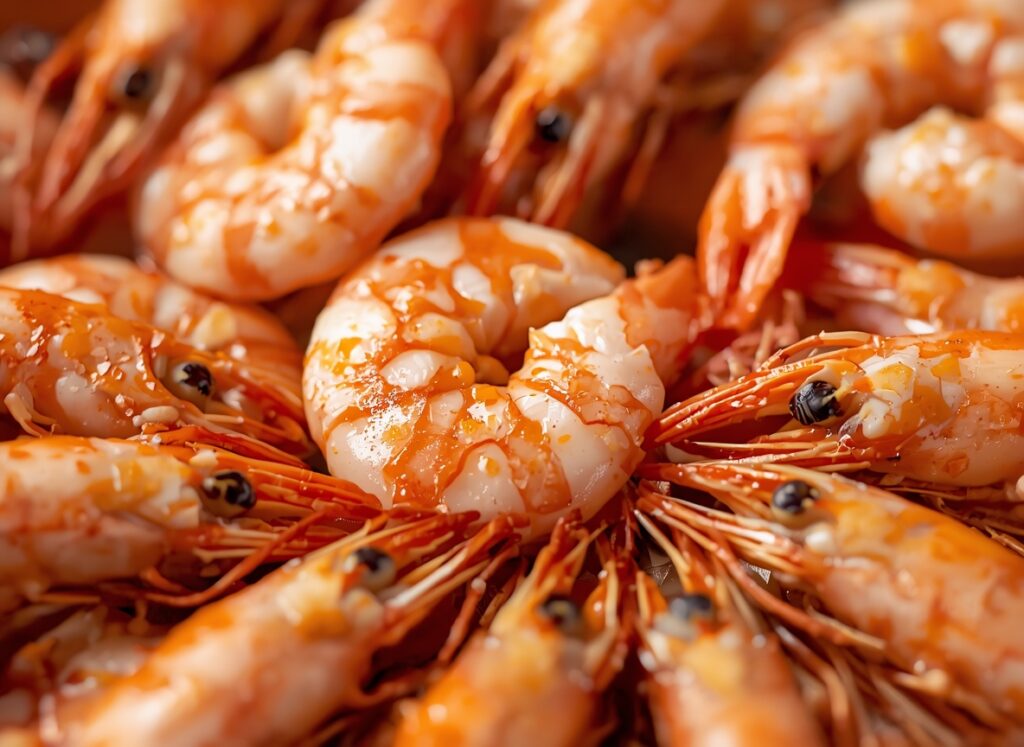
Bold Tip: Shrimp are done when they turn opaque and form a “C” shape. If they have curled into an “O” shape, they are overcooked.
5. Finishing
Remove the basket from the pot immediately. If serving warm, toss with melted butter or a squeeze of lemon juice. If serving cold, plunge them into an ice bath for 2 minutes, then drain and pat dry.
Common Problems and How to Avoid Them
Even with the simplicity of Steamed Shrimp Recipes, technical errors can occur.
- Problem: Shrimp are tough and rubbery.
- Cause: Overcooking.
- Solution: Pull the shrimp as soon as they turn pink and opaque. Remember that carry-over cooking occurs even after they are removed from the steam.
- Problem: Shrimp are bland.
- Cause: Seasoning only the water.
- Solution: While aromatics in the water help, you must season the shrimp themselves before they go into the steamer. Salt is necessary to draw out the natural sweetness of the meat.
- Problem: Uneven cooking.
- Cause: Overcrowding the steamer basket.
- Solution: If cooking a large batch, steam in multiple rounds. Piling shrimp on top of each other prevents the steam from circulating, leaving the middle layer raw while the bottom layer overcooks.
- Problem: Shells stick to the meat.
- Cause: The shrimp were not fresh or were steamed for too short a time at too low a temperature.
- Solution: High, consistent steam pressure helps separate the shell from the meat.
Serving Options and Recipe Summary
The versatility of Steamed Shrimp Recipes allows for various presentation styles depending on the occasion.
Summary Table
| Method | Best For | Recommended Aromatics |
| Western Classic | Peel-and-Eat, Salads | Lemon, Bay Leaf, Peppercorns |
| Asian Style | Dinner Entrées | Ginger, Scallion, Garlic |
| Low-Country | Casual Gatherings | Beer, Onions, Old Bay |
Serving Suggestions
- Traditional: Serve hot with a small bowl of clarified butter (drawn butter) or a sharp cocktail sauce.
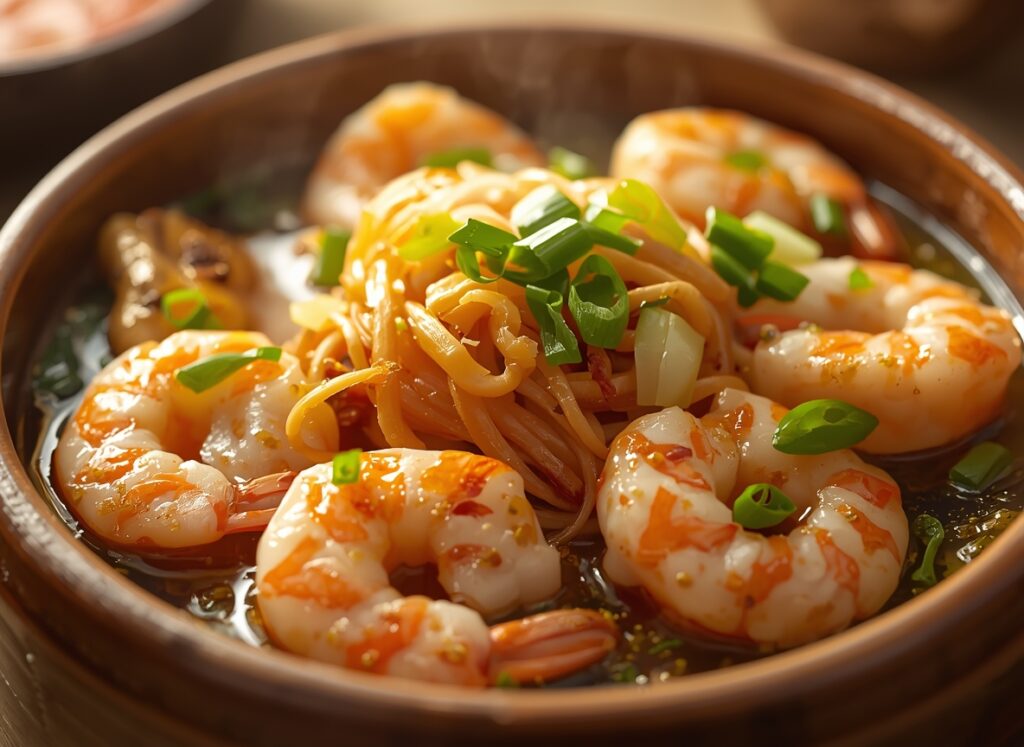
- Cantonese: Arrange steamed shrimp on a bed of glass noodles, topped with fried garlic and a light soy sauce drizzle.
- Modern: Use chilled steamed shrimp in a Mediterranean grain bowl with quinoa, cucumbers, feta, and an herb vinaigrette.
In conclusion, the most important factor in Steamed Shrimp Recipes is the respect for the ingredient. By using a gentle steaming method and monitoring the internal temperature/visual cues, you can produce a protein that is light, healthy, and incredibly flavorful.
Easy Shrimp Francese Recipe – Lemon, Butter & Perfection
easy Dynamite Shrimp Recipe Better Than Restaurant Style
The Best Shrimp Piccata Recipe – Quick & Flavorful
Easy Shrimp Louie Salad Recipe – Fresh & Delicious