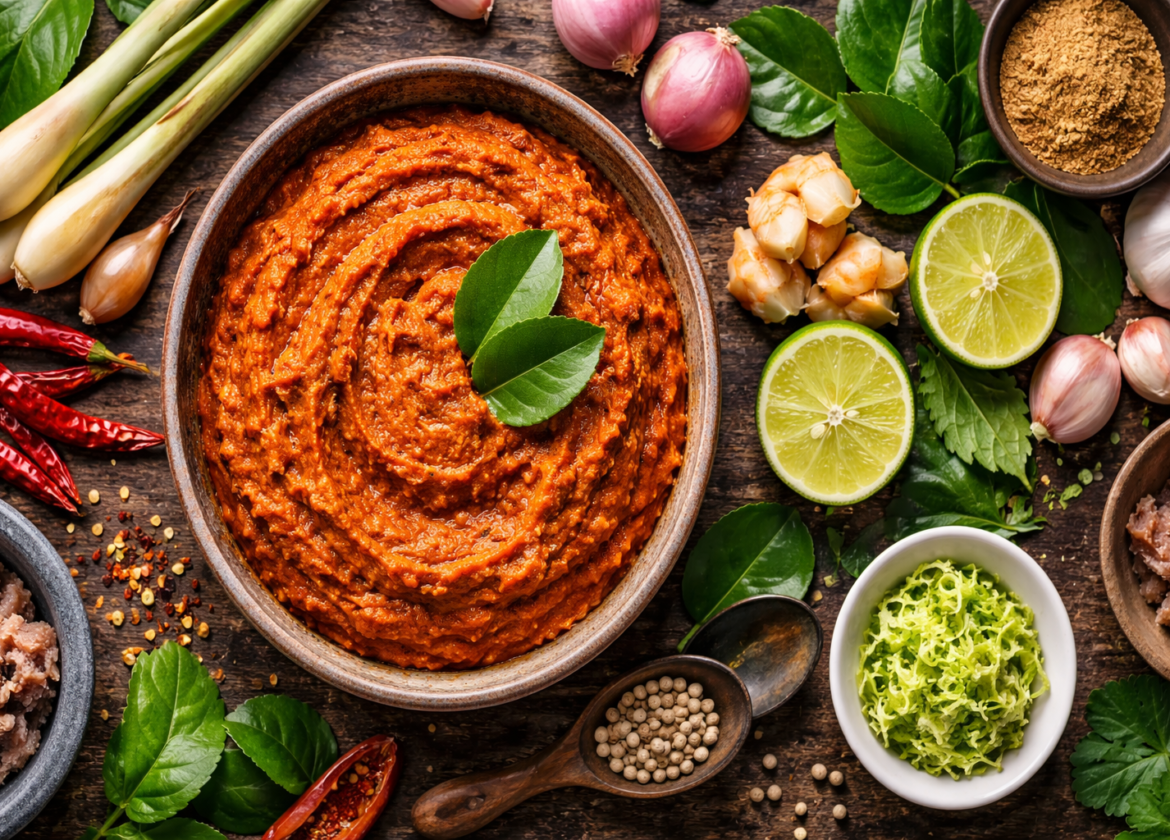
The Panang Curry Paste Recipe is the foundational element of one of Thailand’s most beloved and sophisticated dishes. Panang curry is distinguished from other Thai curries, such as Red or Green, by its richer, creamier, and milder profile. It is historically influenced by Persian and Indian culinary traditions, which introduced dry spices into the Southeast Asian aromatic base.
For the home cook, creating a Panang Curry Paste Recipe from scratch is a transformative culinary exercise. While commercial pastes are available, they often lack the volatile oils and bright citrus notes found in a fresh preparation. A traditional Panang paste is characterized by the inclusion of roasted peanuts and specific dry spices like cumin and coriander seeds, which provide a nutty undertone and a thicker, more luscious consistency to the final curry.
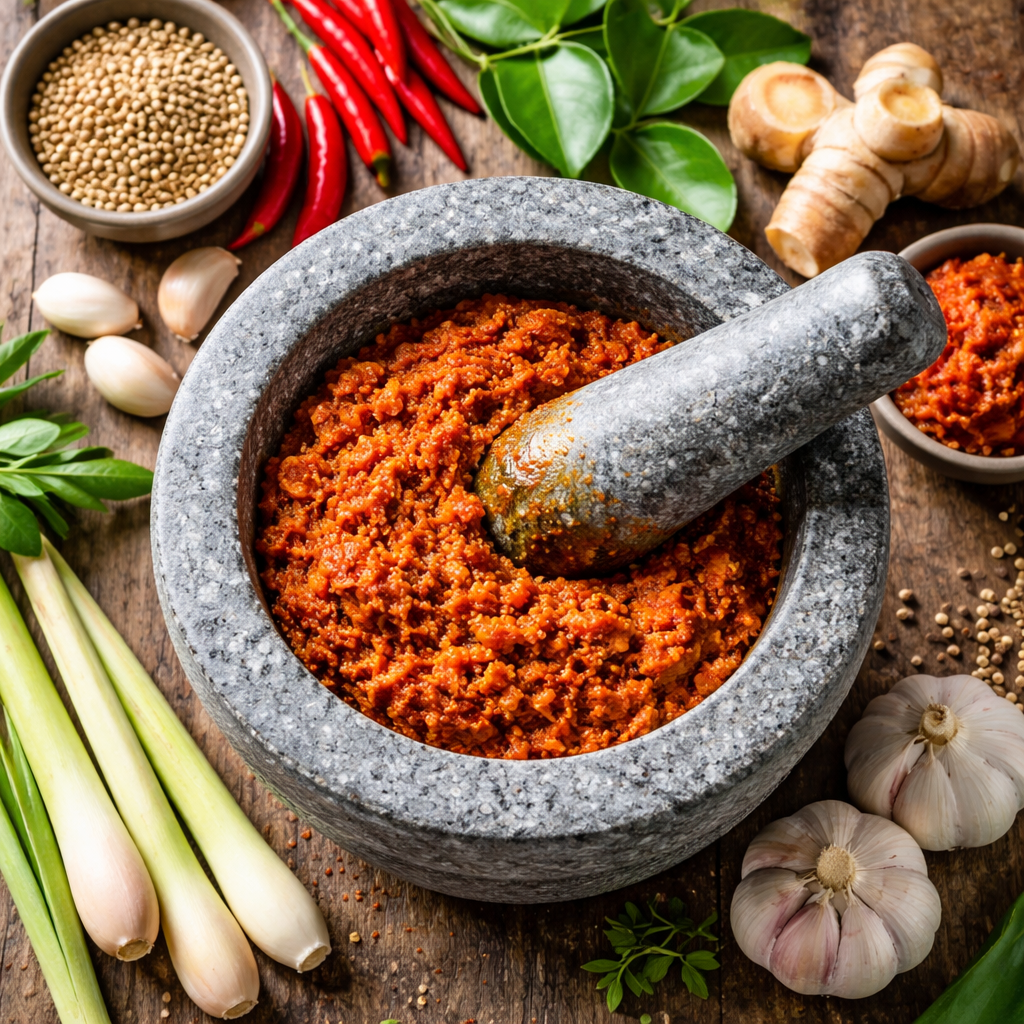
Why Panang Curry Paste Is a Reliable Method for Chicken
Utilizing a fresh Panang Curry Paste Recipe is particularly effective when cooking chicken. Because chicken breast and thigh meat are relatively neutral in flavor, they benefit immensely from the high concentration of aromatics found in a handmade paste.
- Enzymatic Tenderization: Ingredients like lemongrass and galangal contain natural compounds that help soften the muscle fibers of the chicken as it simmers.
- Aromatic Infusion: The fat-soluble flavors in the paste—such as those from chilies and kaffir lime—bond with the fats in the chicken and the coconut milk, ensuring the flavor is deep-seated rather than superficial.
- Texture Management: The ground peanuts in the Panang Curry Paste Recipe create a natural thickening agent. This allows the sauce to cling to the chicken pieces effectively, providing a consistent mouthfeel without the need for additional starches or thickeners.
Choosing the Right Ingredients
To achieve an authentic result, the selection of raw materials for your Panang Curry Paste Recipe must be precise.
The Chilies
Dried red spur chilies (Prik Chee Fa) are the standard. They provide a vibrant red color and a moderate heat level. They must be deseeded and soaked in warm water before grinding to ensure a smooth texture.
The Aromatics
- Lemongrass: Use only the inner white part of the stalk, sliced very thinly.
- Galangal: This is distinct from ginger. It is harder, woodier, and has a citrus-pine aroma.
- Kaffir Lime Zest: If fresh Kaffir limes are unavailable, the zest is the most critical component to replicate the specific “Thai” aroma.
- Coriander Root: This provides a deep, earthy flavor that stems and leaves cannot provide.
The Dry Spices and Legumes
- Peanuts: Unsalted, roasted peanuts are essential. They define the “Panang” style.
- Cumin and Coriander Seeds: These should be toasted until fragrant before being pulverized.
The Salt and Umami
- Shrimp Paste (Kapi): A fermented product that provides essential salinity and savory depth. Bold Tip: To improve the flavor of the shrimp paste, wrap it in foil and toast it briefly over an open flame before adding it to the mixture.
Essential Cooking Tools
The texture of a Panang Curry Paste Recipe is just as important as the flavor. To achieve a fine, emulsified paste, the right tools are required.
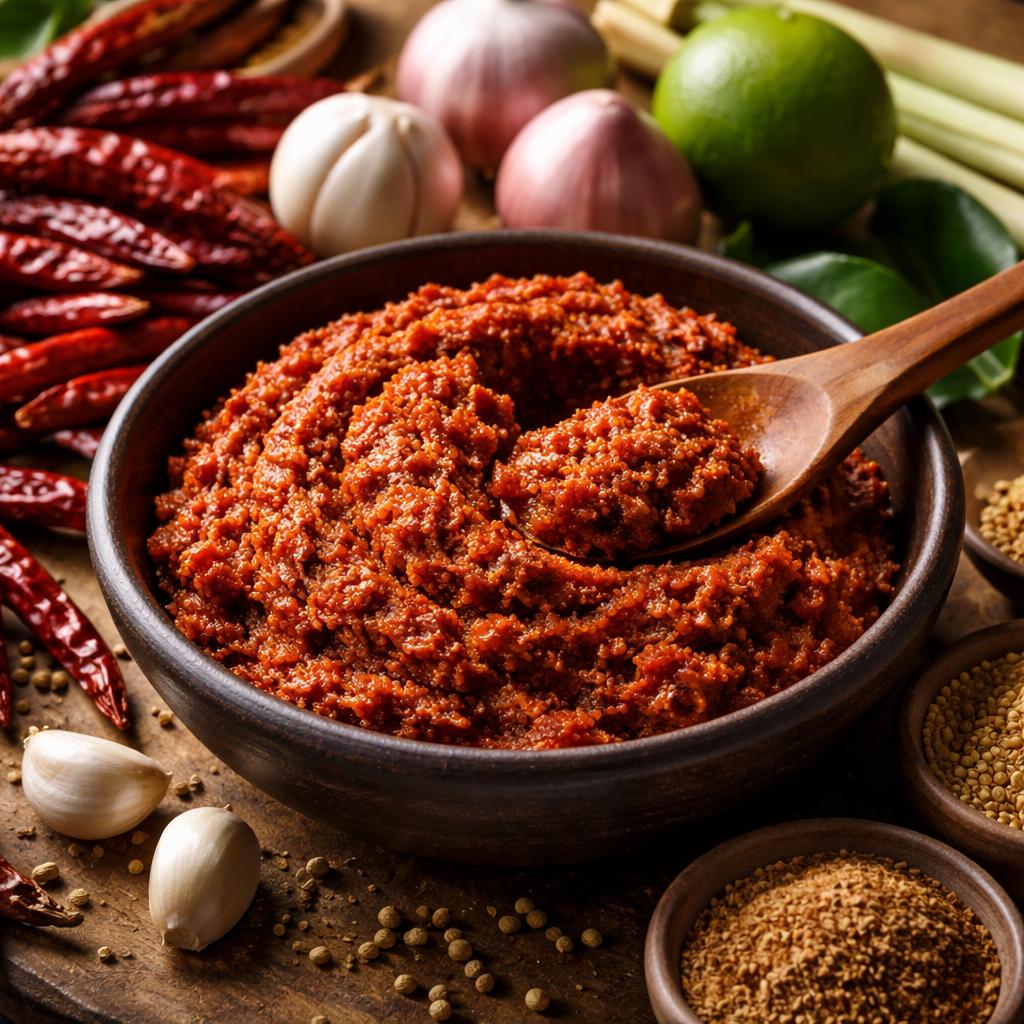
- Granite Mortar and Pestle: This is the traditional and most effective tool. The heavy granite uses friction to burst the cell walls of the aromatics, releasing essential oils that a blade cannot extract.
- High-Speed Food Processor: A modern alternative. While faster, it requires the addition of a small amount of liquid to keep the blades moving, which can slightly dilute the intensity.
- Small Skillet: For dry-toasting the seeds and peanuts.
- Fine-Mesh Sieve: To drain the soaked chilies thoroughly before they are processed.
Preparation and Cooking Timeline
Preparation of a Panang Curry Paste Recipe is an exercise in sequential processing.
- 0-15 Minutes: Soaking the dried chilies and toasting the dry spices.
- 15-25 Minutes: Cleaning and finely dicing the fresh aromatics (lemongrass, galangal, shallots).
- 25-45 Minutes: The grinding process. If using a mortar and pestle, this is the most labor-intensive phase.
- Storage: The paste can be used immediately or stored for future use.
Full Panang Curry Paste Recipe Method
1. Preparation of Dry Elements
Place 1 tablespoon of coriander seeds and 1 teaspoon of cumin seeds in a dry skillet over medium heat. Shake the pan until they become fragrant and slightly darker. Grind them into a fine powder. Roast 2 tablespoons of unsalted peanuts until golden, then crush them into a coarse meal.
2. Preparing the Chilies
Deseed 5-7 dried red chilies and soak them in warm water for 15 minutes. Drain and squeeze out as much water as possible. Mince them finely.
3. The Sequential Grinding
Using a granite mortar and pestle, begin with the hardest ingredients first.
- Chilies and Salt: Grind the soaked chilies with a pinch of sea salt until a paste forms.
- Hard Aromatics: Add the sliced lemongrass, galangal, and Kaffir lime zest. Pound until the fibers are no longer visible.
- Fibrous Aromatics: Add coriander root and white peppercorns.
- Soft Aromatics: Integrate the shallots and garlic.
- Finishing: Stir in the toasted spice powder, the crushed peanuts, and the shrimp paste.
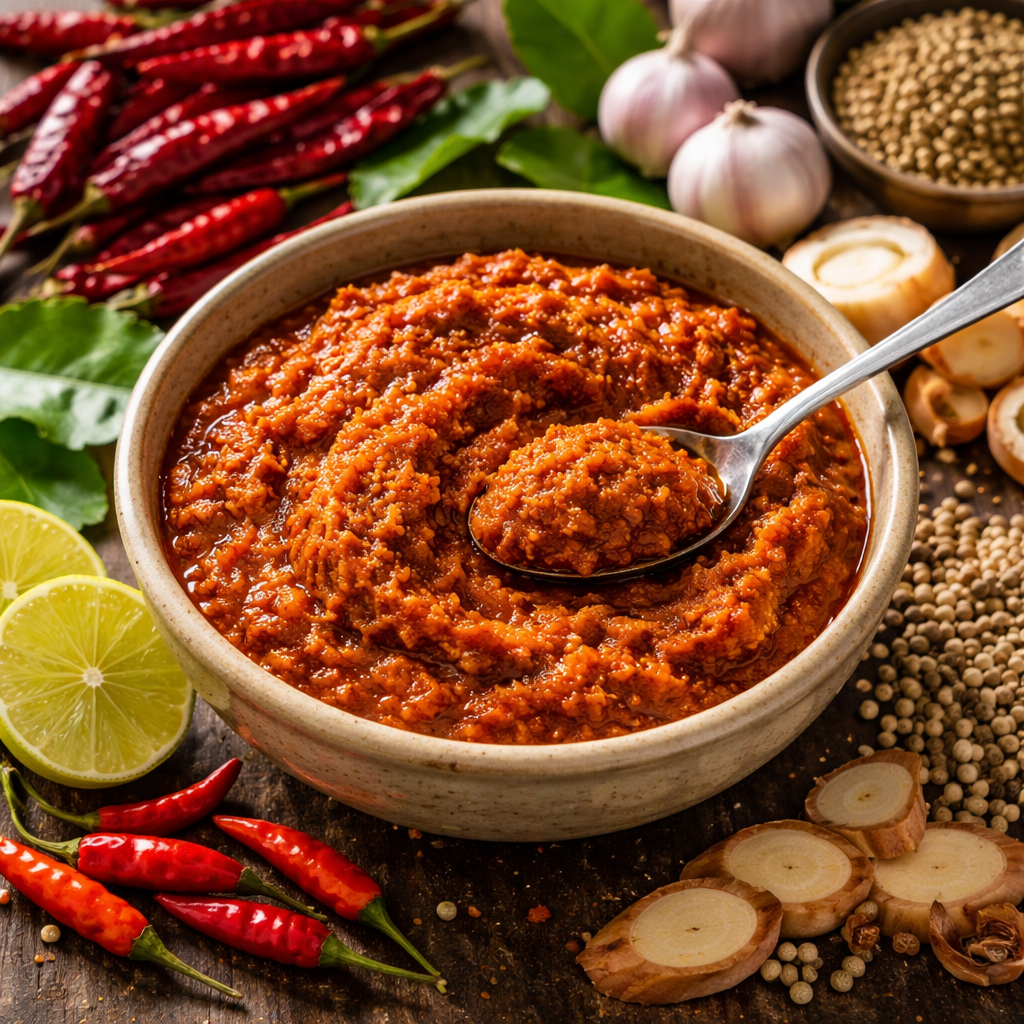
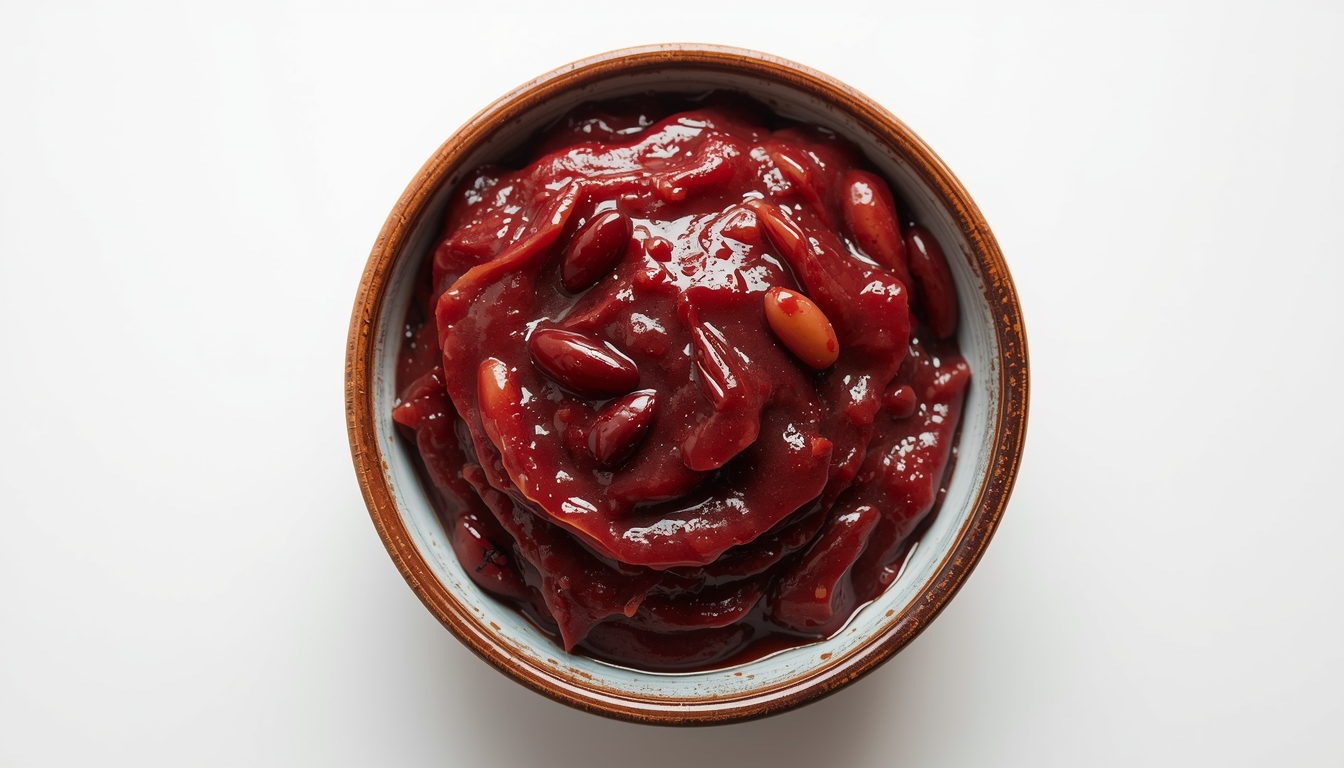
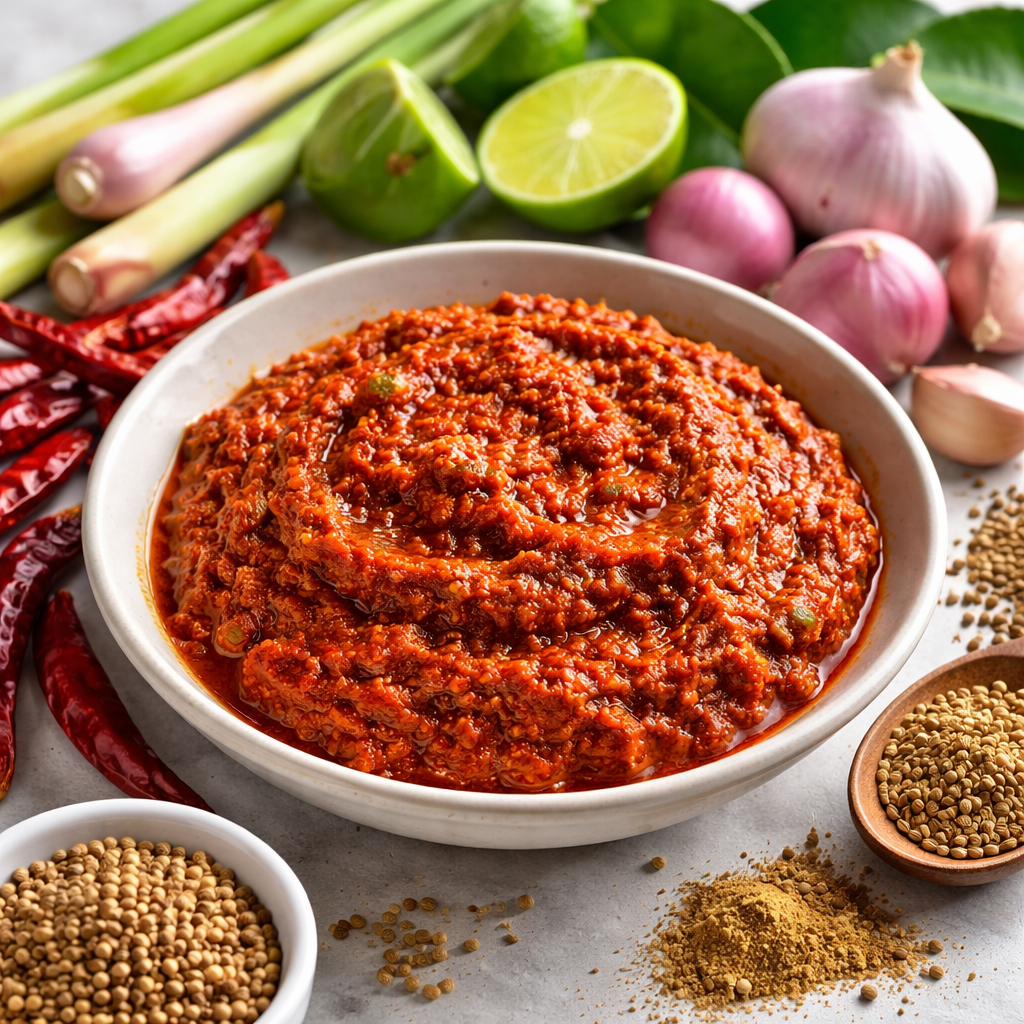
Bold Tip: The final Panang Curry Paste Recipe should be a uniform, deep-red color with a thick, moist consistency that holds its shape on a spoon.
Mistakes That Affect Texture and Taste
Even with high-quality ingredients, certain technical errors can compromise the Panang Curry Paste Recipe.
- Excessive Moisture: If the chilies are not drained properly, the paste will be watery. This prevents the paste from “frying” correctly in coconut cream later, leading to a boiled flavor rather than a toasted one.
- Visible Fibers: If the lemongrass or galangal are not sliced thinly across the grain before pounding, the final curry will have a “woody” or stringy texture.
- Burning the Dry Spices: Cumin and coriander seeds can go from fragrant to burnt in seconds. Always remove them from the pan immediately once they smell toasted.
- Inadequate Pounding: If using a mortar and pestle, stopping too early results in a coarse paste that doesn’t emulsify. The oils must be fully expressed for a professional-grade result.
Frequently Asked Questions (FAQ)
How long does handmade Panang curry paste last? Freshly made paste can be kept in an airtight container in the refrigerator for up to 2 weeks. For longer storage, freeze it in tablespoon-sized portions in an ice cube tray for up to 6 months.
Can I use ginger if galangal is unavailable? Ginger is not a recommended substitute for a Panang Curry Paste Recipe. Ginger is hot and juicy, whereas galangal is earthy and citrusy. If you cannot find galangal, it is better to omit it or use a small amount of galangal powder.
Is Panang curry paste spicy? Panang is generally milder than Green or Red curry. The heat level is controlled by the type and quantity of dried chilies used. Removing the seeds from the chilies is the most effective way to manage the spice level.
Why are peanuts used in this specific paste? The peanuts provide the signature nutty flavor and thick texture that distinguishes Panang from other Thai curries. They also help balance the acidity of the lime and the saltiness of the shrimp paste.
Can I make this recipe vegan? To make a vegan Panang Curry Paste Recipe, substitute the shrimp paste with an equal amount of fermented soybean paste (miso) or a specialized vegan mushroom-based stir-fry sauce.
Why does my paste look orange instead of red? The color is determined by the ratio of red chilies to other ingredients and how long the chilies were soaked. To achieve a deeper red, use more dried spur chilies and ensure they are ground thoroughly to release their natural pigments.
Semolina Pasta Recipe – Simple, Homemade & Delicious
Easy Rotel Chicken Spaghetti Recipe (Creamy & Cheesy)