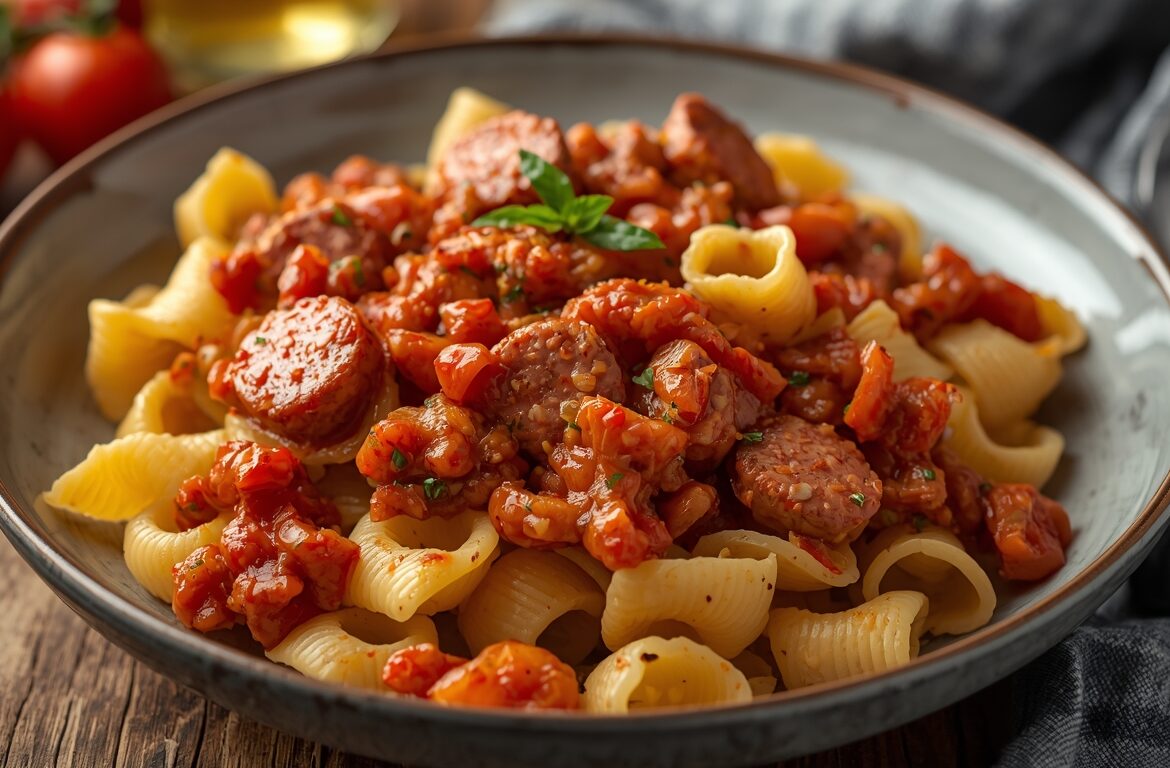
The Pasta Campanelle Recipe represents a sophisticated intersection of Italian tradition and culinary engineering. “Campanelle,” which translates to “bellflowers” or “little bells,” is a cone-shaped pasta with a ruffled, fluted edge. Mastering this specific pasta shape matters because its unique geometry provides a functional advantage that standard shapes like penne or spaghetti cannot replicate.
For the home cook, the Pasta Campanelle Recipe is a gateway to professional-grade saucing. Because the pasta is hollow with a flared opening, it acts as a funnel, capturing and holding thick sauces, small proteins, and finely diced vegetables within its core. Understanding how to cook this shape correctly ensures that every bite is perfectly balanced between the texture of the durum wheat and the flavors of your chosen sauce base.
What Makes Pasta Campanelle Recipe Different
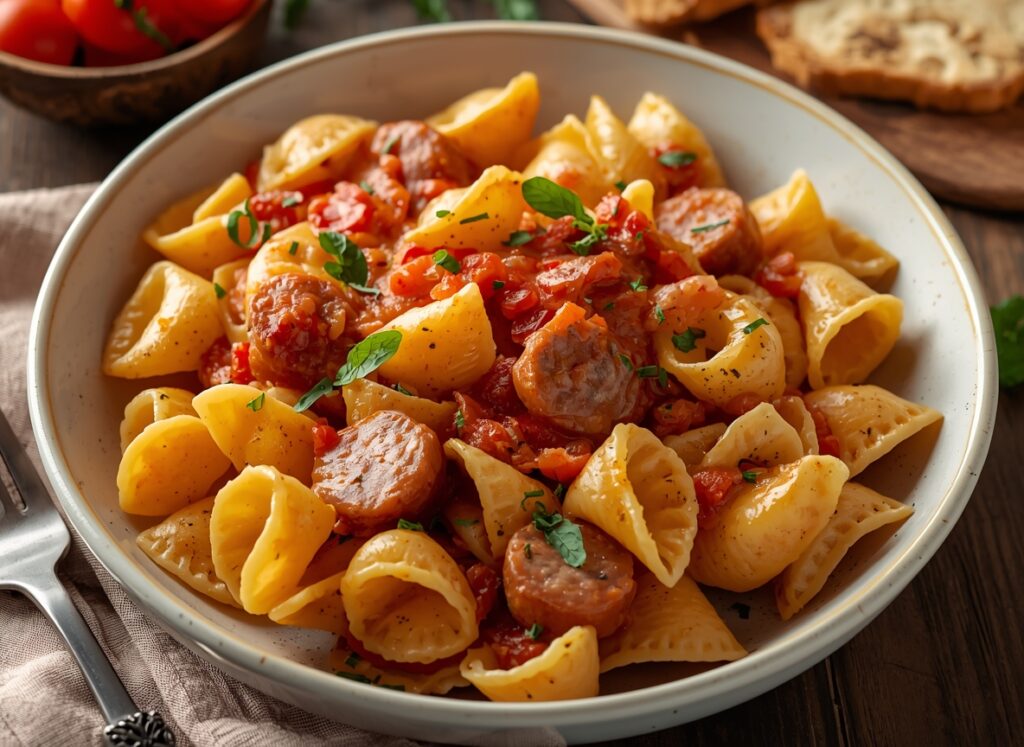
The defining characteristic of a Pasta Campanelle Recipe is its ability to create “flavor pockets.” While long pasta relies on surface area for sauce adhesion, campanelle relies on volume.
Structural Superiority
The ruffled edges of campanelle provide a delicate, thin texture that cooks faster than the denser, rolled center. This creates a dual-texture experience: a soft, tender fringe and a firm, “al dente” body. This contrast is particularly effective in baked pasta dishes or hearty ragùs.
Versatility in Pairing
Unlike delicate angel hair or robust rigatoni, campanelle is medium-bodied. It is sturdy enough to withstand thick, meat-heavy sauces but delicate enough to be paired with simple olive oil, lemon, and fresh herbs. This versatility makes the Pasta Campanelle Recipe an essential tool for varied meal planning.
Ingredient Preparation and Selection Tips
To achieve a high-quality result, the selection of the pasta brand and the accompanying ingredients is paramount.
Selecting the Pasta
When shopping for a Pasta Campanelle Recipe, look for “bronze-cut” labels. Bronze-die extrusion creates a rough, porous surface on the pasta. This microscopic texture is essential for sauce emulsification; smooth, teflon-cut pasta will allow the sauce to slide off rather than cling to the “bellflower” ruffles.
The Sauce Components
- Aromatics: Fresh garlic, shallots, or yellow onions should be finely minced to ensure they can fit inside the hollow centers of the campanelle.
- Fats: High-quality extra virgin olive oil or unsalted European-style butter provides the necessary lipids to create a glossy emulsion.
- Vegetables: Choose vegetables that can be diced to a size similar to the pasta opening, such as peas, small florets of broccoli, or diced zucchini.
Liquid Gold: Pasta Water
Bold Tip: Never discard your pasta water without reserving at least one cup. The starch released into the water during the boiling process is the “glue” that binds your sauce to the ruffles of the campanelle.
Tools Required for Pasta Campanelle Recipe
Using the correct equipment ensures consistency in texture and prevents the delicate ruffles of the pasta from breaking during the cooking process.
- Large Stockpot: Campanelle needs ample space to circulate. If the pot is too small, the ruffles can lock together, leading to uneven cooking.
- Fine-Mesh Strainer or Spider Skimmer: A spider skimmer is preferred for a Pasta Campanelle Recipe because it allows you to transfer the pasta directly from the water to the sauce pan, carrying over a small amount of starchy water naturally.
- Wide Sauté Pan: A wide pan with high sides is ideal for tossing the pasta with the sauce. The surface area facilitates rapid evaporation and sauce reduction.
- Tongs or a Wooden Spoon: Avoid using aggressive metal tools that might tear the delicate fluted edges of the pasta.
From Prep to Finish: Cooking Flow
Efficiency in a Pasta Campanelle Recipe is achieved by synchronizing the sauce preparation with the pasta’s boiling time.
- Phase 1: Boiling (0-10 Minutes): Salt the water heavily and begin boiling the pasta.
- Phase 2: The Base (2-8 Minutes): While the pasta boils, sauté your aromatics and proteins in the sauté pan.
- Phase 3: The Emulsion (8-11 Minutes): Add liquids (broth, cream, or tomato) to the sauté pan and reduce.
- Phase 4: The Marriage (11-13 Minutes): Transfer the pasta to the sauce, add pasta water, and toss vigorously to emulsify.
Step-by-Step Pasta Campanelle Recipe Guide
1. Water Preparation
Fill a large pot with 4-6 quarts of water. Add 2 tablespoons of kosher salt. The water should taste like the sea. This is the only opportunity to season the pasta itself.
2. Boiling the Campanelle
Add 1 lb of campanelle pasta to the boiling water. Stir immediately to prevent the “bells” from nesting together. Set a timer for 1-2 minutes less than the package instructions for al dente.
3. Sautéing the Foundation
In a wide sauté pan, heat 2 tablespoons of olive oil over medium heat. Add minced garlic and red pepper flakes. Sauté until the garlic is fragrant but not browned. If adding protein (like ground sausage or pancetta), cook it now until browned.
4. Integrating the Sauce
Add 1/2 cup of chicken broth or white wine to the sauté pan to deglaze. Let the liquid reduce by half. If making a creamy Pasta Campanelle Recipe, add 1/2 cup of heavy cream now and bring to a simmer.
5. The Transfer
Using a spider skimmer, move the undercooked campanelle directly into the sauté pan. Bold Tip: The pasta should still be slightly firm in the center; it will finish cooking in the sauce, absorbing the flavors of the pan.
6. Emulsification
Add 1/4 cup of the reserved starchy pasta water to the pan. Increase the heat to medium-high and toss or stir vigorously. The agitation, combined with the starch and fat, will create a creamy, cohesive sauce that fills the pasta bells.
7. Final Touches
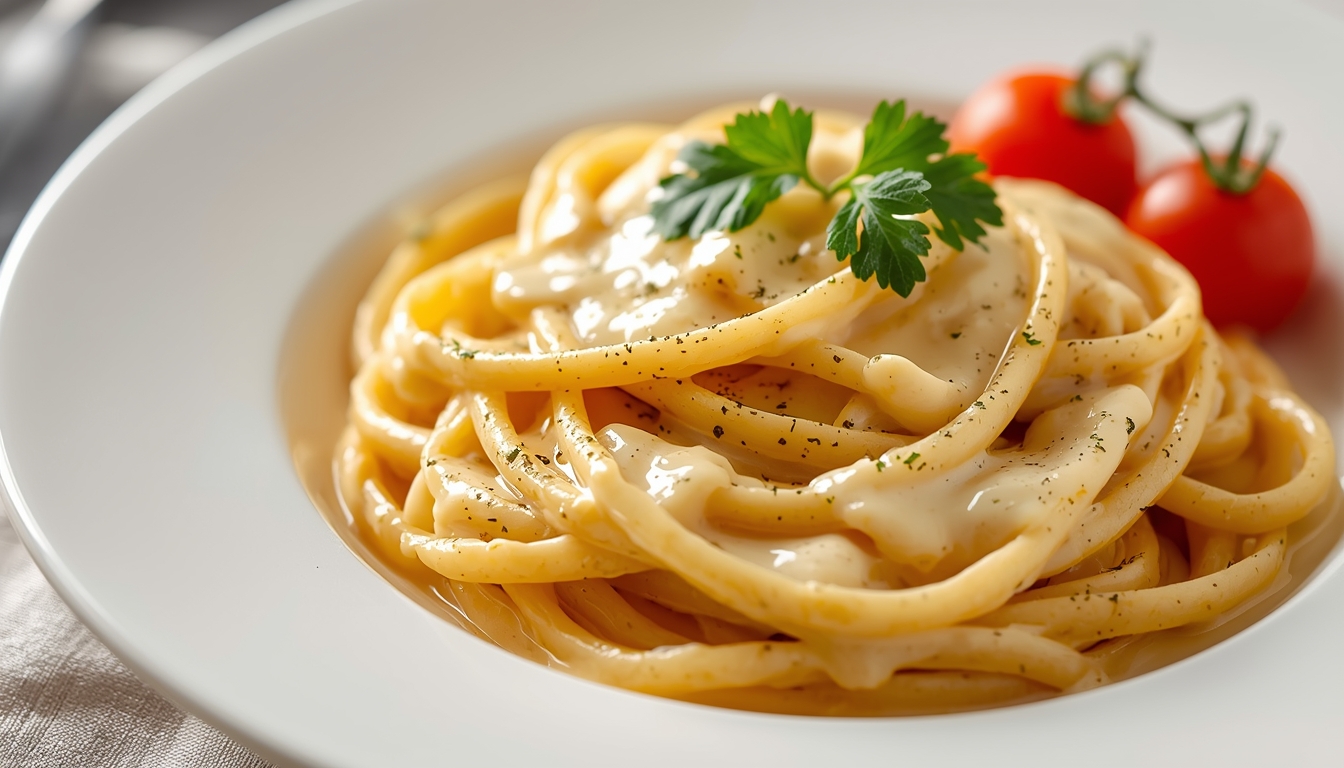
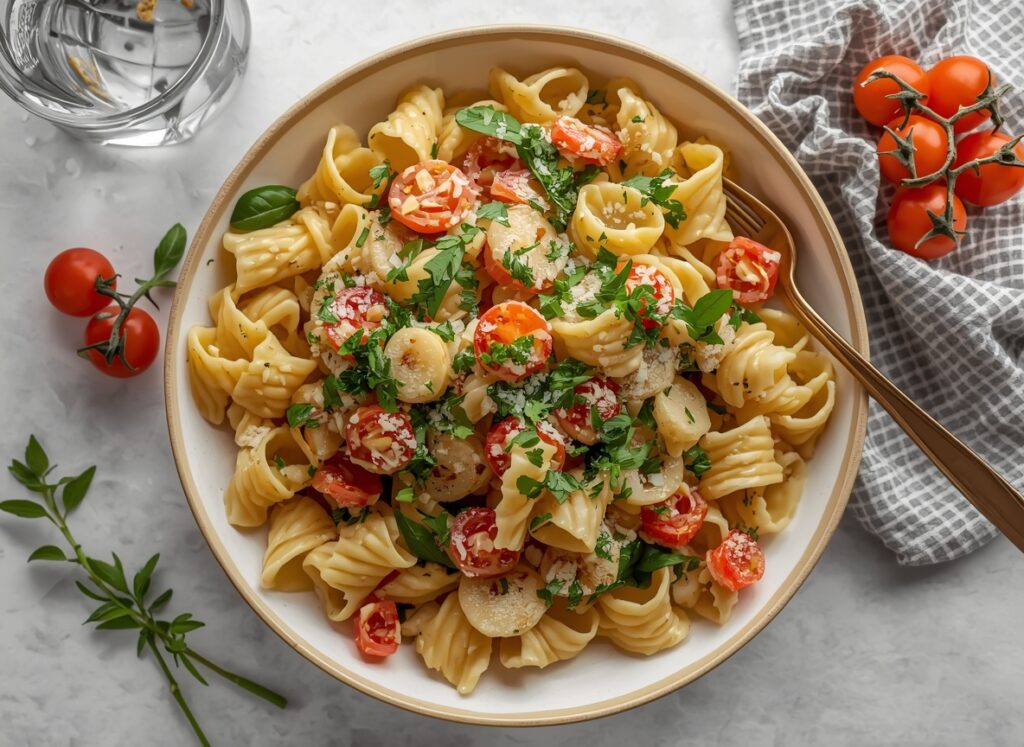
Turn off the heat. Stir in freshly grated Parmesan cheese and fresh parsley. The residual heat will melt the cheese without causing it to clump or separate.
Common Questions and Practical Answers
Why is my campanelle pasta falling apart? This is usually the result of overcooking or using low-quality pasta. Campanelle has thin ruffles that overcook quickly. Always check the pasta 2 minutes before the suggested time. Additionally, bronze-cut pasta is structurally stronger than cheap, mass-produced versions.
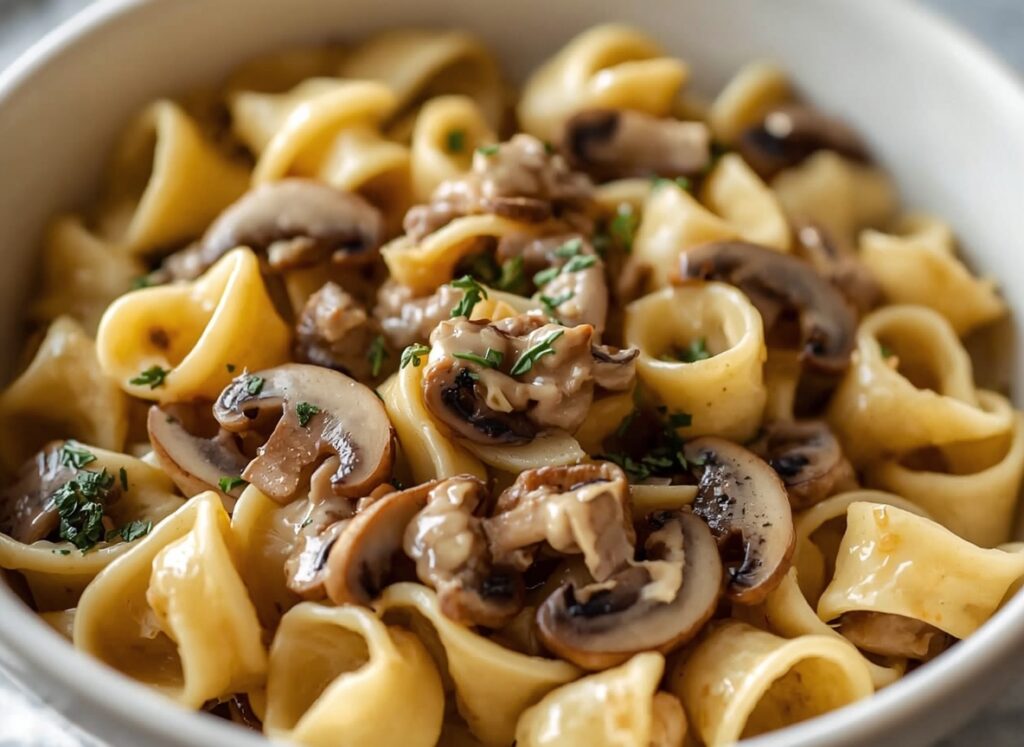
Can I use this pasta shape for a cold salad? Absolutely. The Pasta Campanelle Recipe is excellent for cold salads because the hollow center holds onto vinaigrettes much better than rotini or fusilli. Ensure you shock the pasta in an ice bath after boiling to stop the cooking process immediately.
What is the best sauce for Campanelle? While versatile, it excels with “chunky” sauces. A Bolognese, a sausage and cream sauce, or a Mediterranean blend of feta, olives, and cherry tomatoes works best. The ruffles catch the small pieces of meat and vegetables, ensuring a complete flavor profile in every bite.
FAQ: Pasta Campanelle Recipe Explained
How much salt should I add to the pasta water? For a standard Pasta Campanelle Recipe, use about 1 tablespoon of salt per liter of water. Most of this salt stays in the water, but it is necessary for the osmosis process that seasons the interior of the pasta bell.
Does campanelle take longer to cook than penne? Generally, no. Most campanelle brands require 9-11 minutes. However, because of the ruffled edges, it can feel cooked on the outside while remaining raw in the center. Always taste a piece to ensure the center of the “cone” is tender.
Can I substitute campanelle with another shape? If you cannot find campanelle, the best substitutes are Gigli (nearly identical) or Radiatori. These shapes share the same ruffled, high-surface-area characteristics that allow for maximum sauce retention.
How do I store leftovers? Store in an airtight container for up to 3 days. When reheating a Pasta Campanelle Recipe, add a splash of water or broth. This re-activates the starch and prevents the pasta from becoming dry or gummy in the microwave or on the stovetop.
Is campanelle suitable for baked pasta dishes? Yes. Its structure holds up well under the heavy weight of cheese and sauce in the oven. When baking, undercook the pasta by at least 3-4 minutes during the boiling phase, as it will absorb moisture from the sauce during the 20-30 minutes it spends in the oven.
By following these technical steps and focusing on the emulsification of starch and fat, you can master the Pasta Campanelle Recipe and provide a restaurant-quality experience that highlights the unique beauty of this Italian shape.
Quick & Flavorful Elote Pasta Salad Recipe
Quick & Delicious Chicken Fajita Pasta recipe Family Favorite
best way to Make olive garden pasta e fagioli recipe at Home
Boursin Cheese Pasta Recipes – Creamy, Easy & Flavorful
Easy Pappardelle Pasta Recipes You Can Make at Home