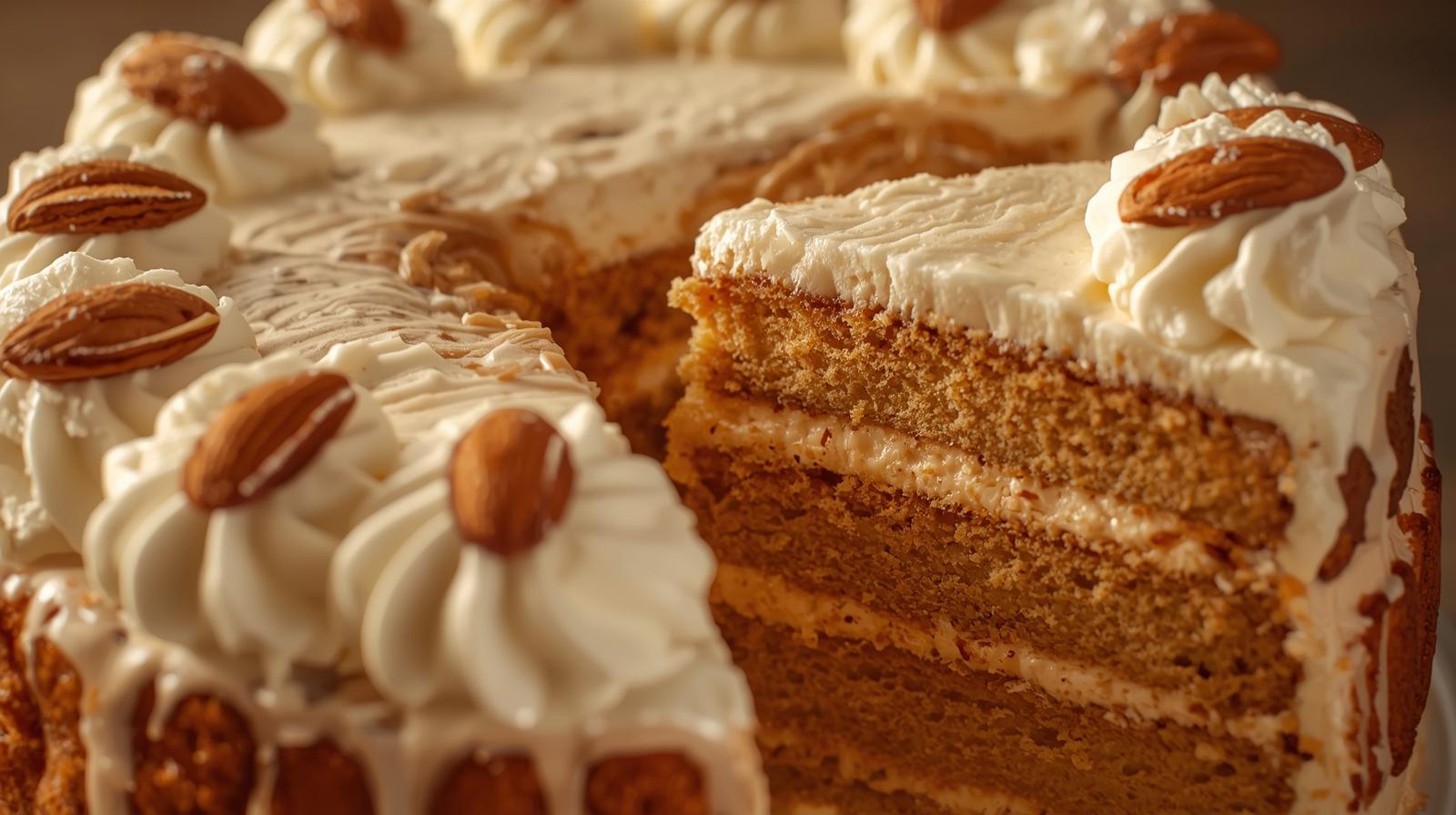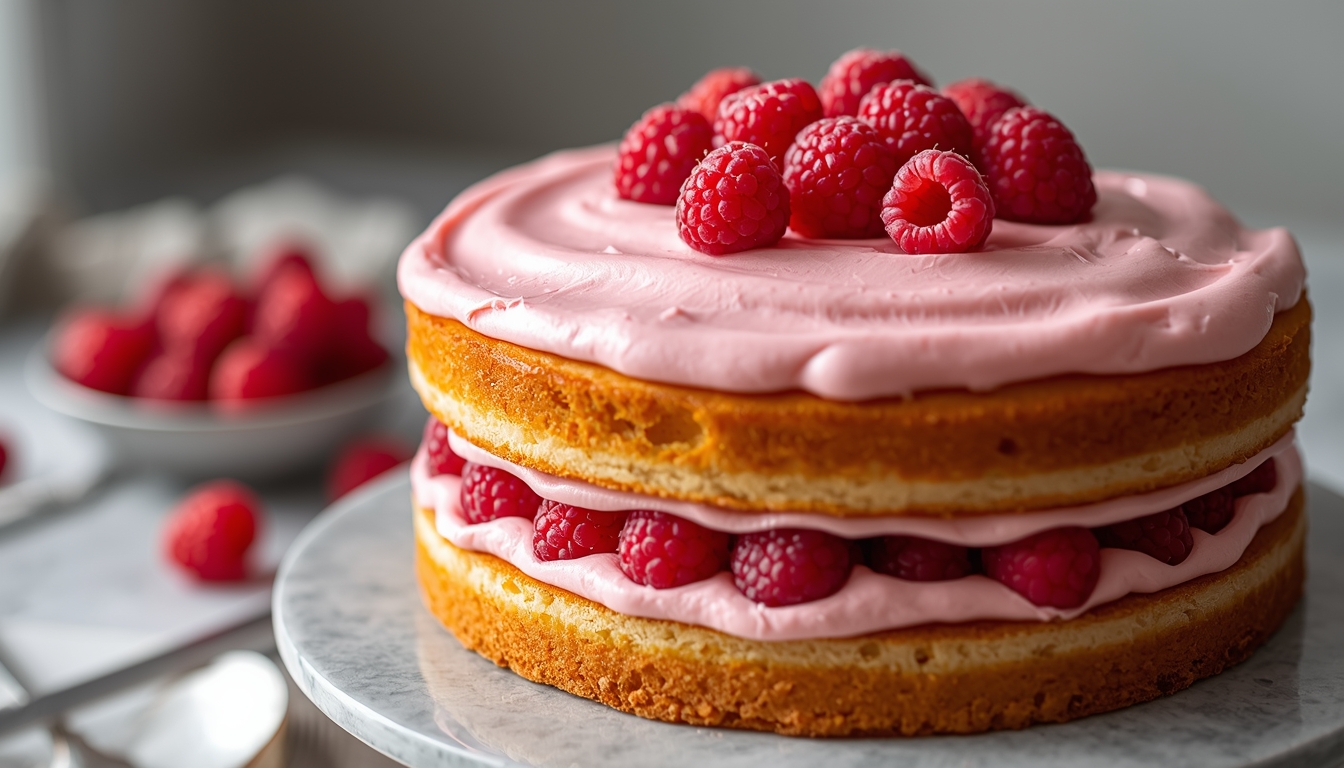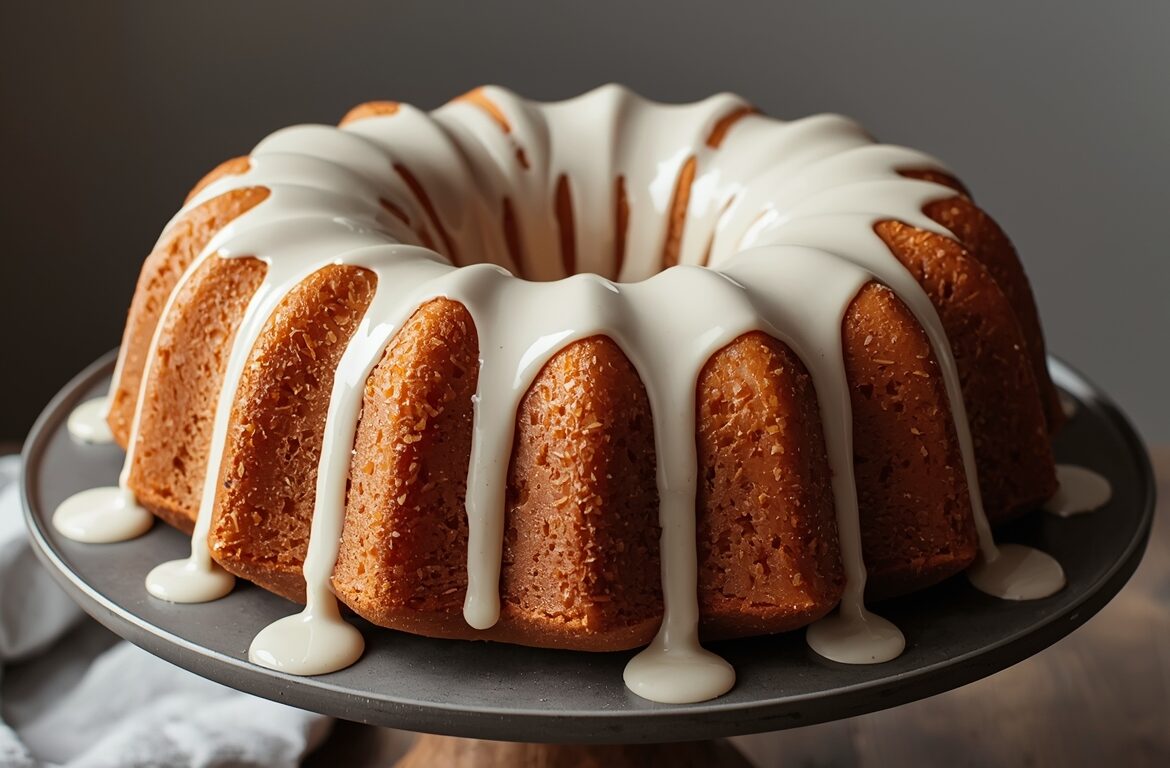
The Cake with Glaze Recipe is a cornerstone of sophisticated home baking, offering a refined alternative to the heavy, often overpowering nature of traditional buttercream frostings. A glaze is a thin, liquid coating that sets into a sheer or opaque finish, providing a burst of concentrated flavor and a professional sheen. Unlike thicker toppings, a glaze is designed to seep slightly into the crumb of the cake, enhancing its moisture and ensuring a cohesive taste profile.
When executing this recipe, bakers can expect a process that prioritizes temperature control and timing. The beauty of a glazed cake lies in its simplicity and the elegant way the topping drapes over the edges of the sponge. Whether you are preparing a citrus-infused pound cake or a rich chocolate bundt, the Cake with Glaze Recipe provides a versatile framework that can be adapted to various flavor palettes while maintaining a consistently high-end aesthetic.
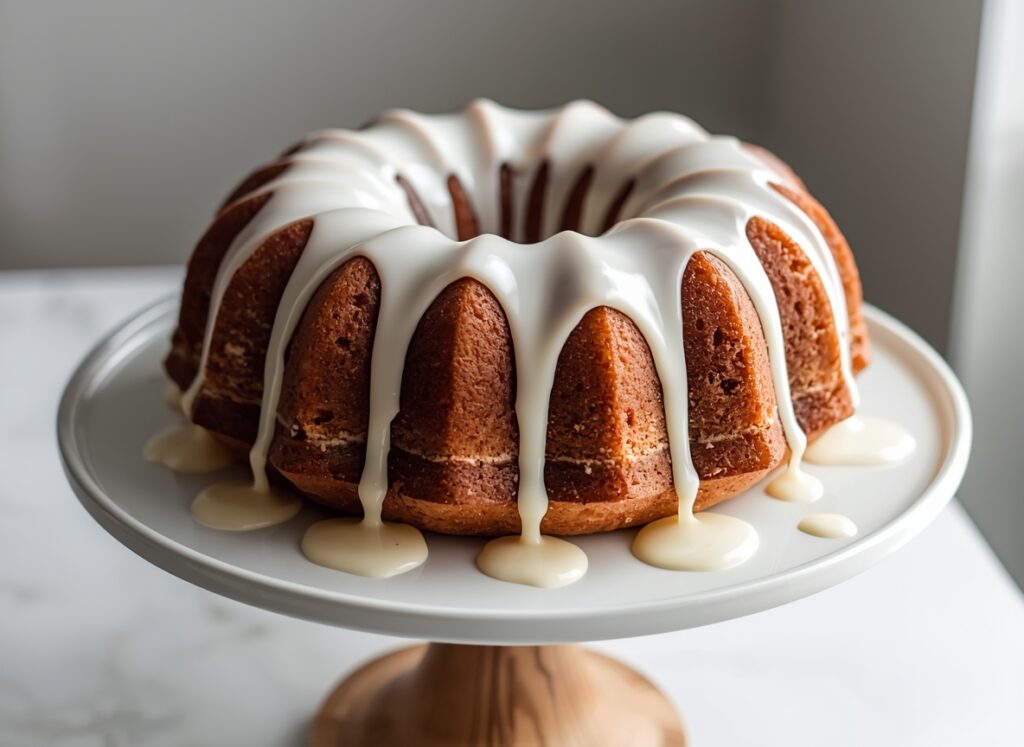
Final Texture and Flavor Explained
A successful Cake with Glaze Recipe results in a specific dual-texture experience. The cake itself should possess a tight, tender crumb—sturdy enough to support the moisture of the glaze without becoming soggy. The glaze, once set, should have a slight “snap” or a smooth, silky mouthfeel, depending on the ingredients used.
Flavor-wise, the glaze acts as a high-note accompaniment to the base cake. If the cake is buttery and dense, a tart lemon or orange glaze provides a necessary acidic contrast. In contrast, a chocolate or vanilla bean glaze adds a layer of creamy sweetness that rounds out the savory notes of the baked flour and eggs. The overall goal is a dessert that feels light on the palate yet deeply flavorful.
Ingredient Measurements and Preparation
Precision in measuring ingredients is vital for the structural integrity of both the cake and the glaze. For the best results, use a digital kitchen scale to measure by weight.
The Cake Base
- All-Purpose Flour: 375g (Sifted to ensure aeration).
- Granulated Sugar: 300g.
- Unsalted Butter: 225g (Must be at room temperature).
- Large Eggs: 4 (Room temperature to ensure proper emulsification).
- Whole Milk: 240ml.
- Baking Powder: 2 teaspoons.
- Salt: ½ teaspoon.
The Glaze
- Confectioners’ Sugar: 240g (Sifted to prevent lumps).
- Liquid Base: 3–4 tablespoons (Milk, heavy cream, or citrus juice).
- Flavoring: 1 teaspoon (Vanilla extract, almond extract, or zest).
Tools Needed for Consistent Results
To achieve a professional finish with your Cake with Glaze Recipe, specialized tools are required to manage the application of the liquid topping.
- Wire Cooling Rack: This is the most critical tool. Placing the cake on a rack allows excess glaze to drip away, preventing a “puddle” at the base of the cake.
- Baking Sheet: Place this under the wire rack to catch the drips for easy cleanup.
- Whisk: A small balloon whisk is necessary to emulsify the confectioners’ sugar and liquid into a perfectly smooth glaze.
- Offset Spatula: While many glazes are pourable, an offset spatula helps guide the liquid over the edges for a controlled “drip” effect.
- Fine-Mesh Sieve: Essential for sifting sugar and flour to avoid textural inconsistencies.
Cooking Phases and Time Management
The Cake with Glaze Recipe is a two-phase process where the temperature of the cake determines the success of the topping.
- Baking Phase (60–75 Minutes): This includes the creaming of butter and sugar, mixing, and the actual oven time.
- Cooling Phase (45–60 Minutes): The cake must reach a specific thermal state before glazing.
- Glazing Phase (10 Minutes): Preparing the glaze and applying it to the cake.
- Setting Phase (20 Minutes): Allowing the glaze to air-dry and form its characteristic “shell.”
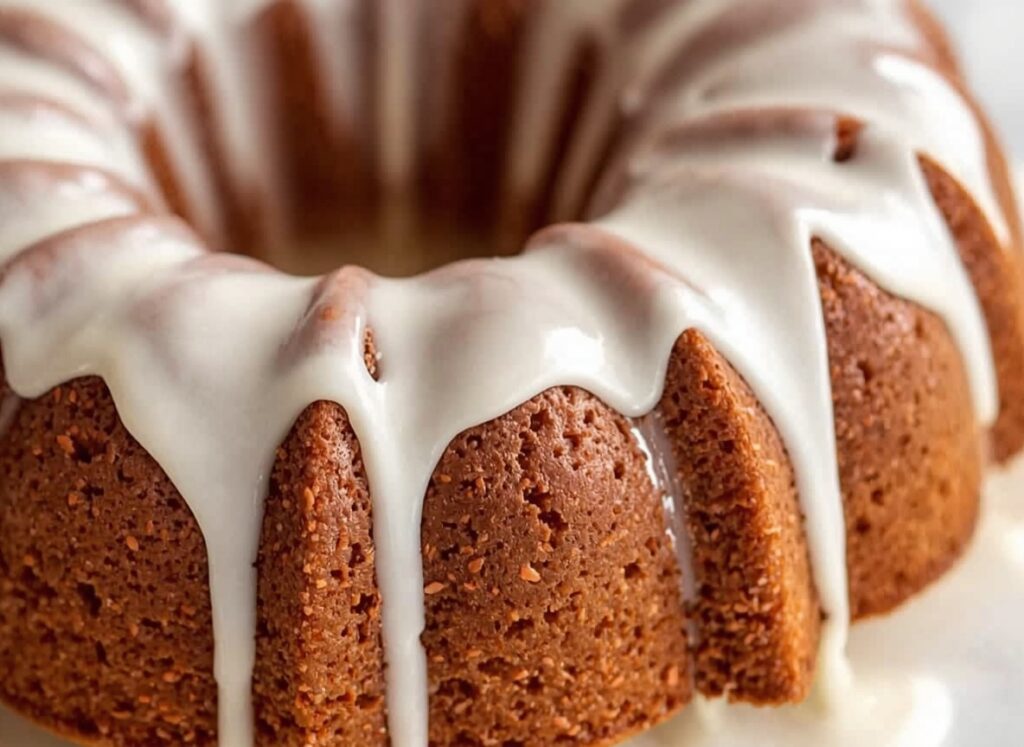
Bold Tip: Never attempt to glaze a cake that is straight out of the oven. The high heat will cause the sugar in the glaze to melt and run off completely, leaving the cake looking bare and feeling greasy.
Complete Cake with Glaze Recipe Cooking Process
1. The Creaming Method
Preheat your oven to 350°F (175°C). In a stand mixer, cream the room-temperature butter and sugar together for 3–5 minutes until the mixture is pale and fluffy. Add the eggs one at a time, ensuring each is fully incorporated before adding the next.
2. Incorporating Dry and Wet Ingredients
Sift the flour, baking powder, and salt together. Alternating between the dry ingredients and the milk, add them to the butter mixture in three batches. Mix on low speed only until the last streak of flour disappears.
3. The Bake
Pour the batter into a greased bundt or loaf pan. Bake for 55–65 minutes, or until a skewer inserted into the center comes out clean.
4. The Critical Cooling Window
Allow the cake to cool in the pan for 10 minutes, then invert it onto a wire rack. Let the cake cool until it is just slightly warm to the touch (approximately 100°F).
5. Preparing the Glaze
While the cake cools, whisk the confectioners’ sugar with your chosen liquid and flavorings. Bold Tip: Add the liquid one tablespoon at a time. The glaze should be thick enough to coat the back of a spoon but thin enough to pour slowly.
6. The Pour
Place the wire rack over a parchment-lined baking sheet. Slowly pour the glaze over the top of the warm cake, starting in the center and moving outward in a circular motion. Let the cake sit undisturbed for 20 minutes to allow the glaze to set.
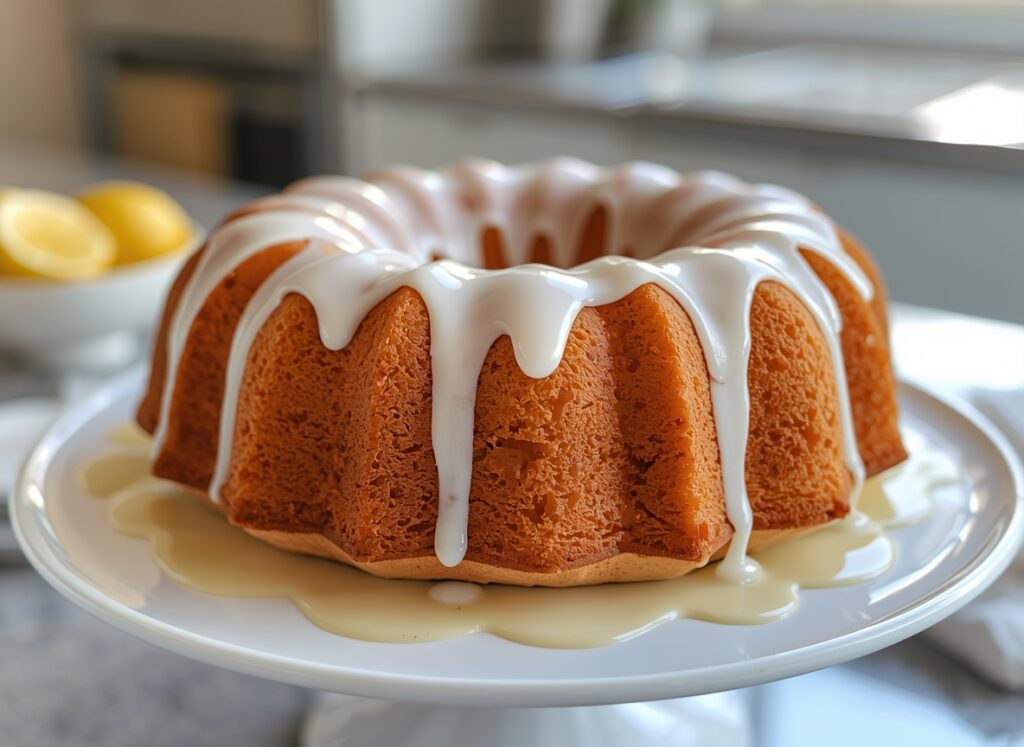
Issues That Can Ruin the Outcome
- The Glaze Disappears: If the cake is too hot, the glaze will be absorbed entirely into the sponge. While this tastes good, it ruins the visual appeal. Ensure the cake is only slightly warm.
- Lumpy Glaze: This is caused by not sifting the confectioners’ sugar. Once sugar clumps are in the liquid, they are very difficult to whisk out. Always sift first.
- Cake Sticking to the Pan: Because glazed cakes are often baked in intricate bundt pans, thorough greasing and flouring are mandatory.
- Translucent Glaze: If the glaze is too thin, it will look watery. Add more confectioners’ sugar, one tablespoon at a time, until the desired opacity is reached.
Frequently Asked Questions About Cake with Glaze Recipe
Can I make the glaze in advance? It is best to make the glaze right before you intend to use it. Because of the high sugar content, a “skin” will form on the surface if it sits for too long. If you must make it ahead, cover the surface directly with plastic wrap.
How should I store a glazed cake? A cake from a Cake with Glaze Recipe can usually be stored at room temperature in an airtight container for 2–3 days. If the glaze contains fresh dairy (like heavy cream) and the environment is warm, refrigeration is recommended.
Can I freeze a glazed cake? It is better to freeze the cake unglazed. The freezing and thawing process can cause the glaze to become “weepy” or lose its sheen. If you must freeze a glazed cake, wrap it loosely in parchment and then foil.
Why did my glaze crack? Cracking usually occurs if the glaze is too thick or if the cake was moved before the glaze was fully set. Ensure the cake is on its final serving platter before applying the glaze.
What is the best liquid for a glaze? For a bright, professional look, milk or cream provides an opaque white finish. For a more flavorful, translucent finish, use lemon, orange, or passionfruit juice.
Key Lime Cake Recipe – Tangy, Moist & Delicious
The Best Neiman Marcus Cake Recipe – Rich & Delicious
Pumpkin Dump Cake Recipe – Easy, Moist & Delicious
Easy Cinnamon Coffee Cake Recipe Perfect for Breakfast
Easy Cannoli Cake Recipe – Creamy, Sweet & Delicious