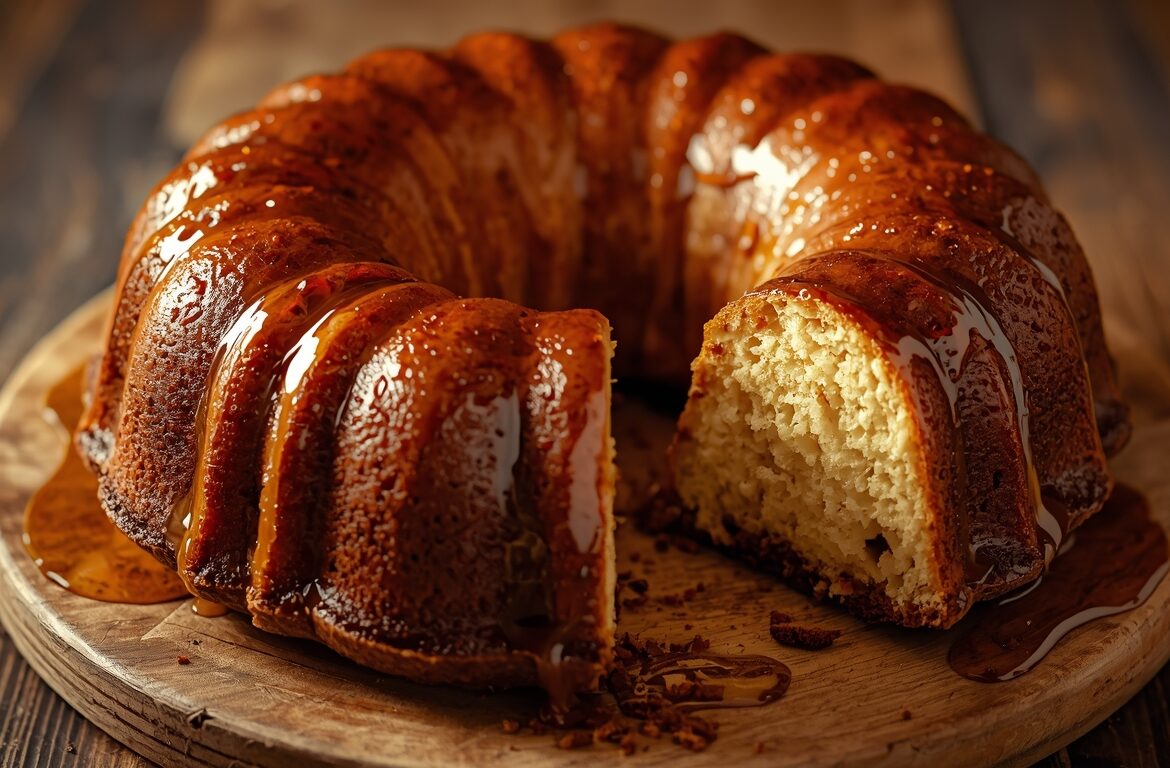
The Caribbean Rum Cake Recipe is a centerpiece of West Indian culinary tradition, renowned for its dense, moist texture and an unmistakable aromatic depth. Unlike standard sponge cakes, a true Caribbean rum cake—often referred to as “Black Cake” or “Great Cake”—relies on a complex workflow involving macerated fruits and a potent rum-butter glaze. The planning phase is the most critical stage of the process, as the flavor profile develops significantly over time.
To execute a professional-grade Caribbean Rum Cake Recipe, one must decide between the “Golden” style and the “Dark” style. The Golden style is lighter, often utilizing a box-mix base enhanced with pudding and dark rum, whereas the Dark style involves browning (burnt sugar syrup) and dried fruits that have been soaked for weeks or even months. Regardless of the variation, the objective remains a cake that is saturated with syrup but retains its structural integrity. Successful planning requires a minimum of 24 hours of lead time to allow for ingredient tempering and glaze absorption.
Preparing Ingredients for Caribbean Rum Cake
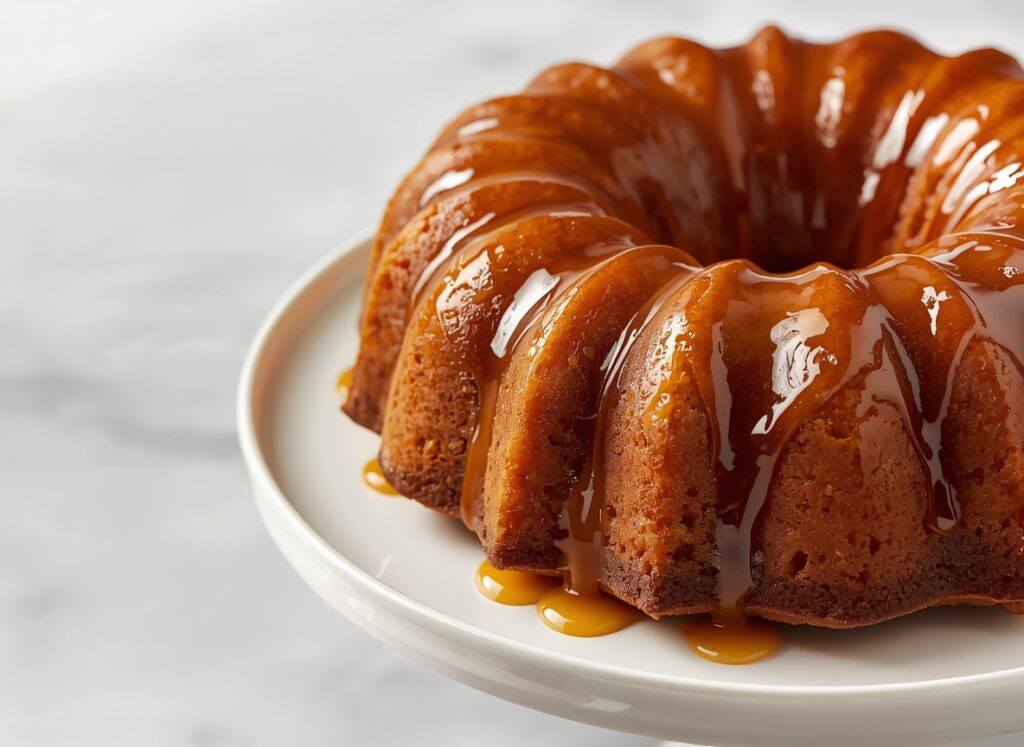
Precision in ingredient selection is the differentiator between a standard dessert and an authentic Caribbean Rum Cake Recipe. The chemical interaction between the alcohol, the sugars, and the fats requires high-quality raw materials.
The Spirit Selection
The rum is the primary flavoring agent. For an authentic profile, use a dark, aged Caribbean rum. Dark rums offer notes of molasses, oak, and spice that clear rums lack. Some bakers also incorporate a small amount of “Overproof” white rum to provide a sharp, clean finish to the glaze.
The Fruit Element (For Dark Variations)
If your Caribbean Rum Cake Recipe includes fruit, a blend of raisins, currants, prunes, and glacé cherries is standard. These should be finely chopped or pulsed in a food processor to ensure they distribute evenly throughout the batter rather than sinking to the bottom.
The Base Components
- Flour: All-purpose flour provides the necessary gluten structure to hold the heavy moisture of the rum.
- Fats: Use high-fat European-style unsalted butter. The fat acts as a barrier, preventing the rum from making the crumb overly soggy.
- Sugars: A mix of granulated white sugar and dark brown sugar is ideal for achieving a rich, caramelized color.
Ingredient Handling and Seasoning
In a Caribbean Rum Cake Recipe, how you handle the ingredients is just as important as the ingredients themselves. Emulsification is the technical goal during the mixing phase.
Temperature Management
Bold Tip: All refrigerated ingredients, including eggs, butter, and milk, must be at room temperature (approximately 70°F) before mixing. If the butter is too cold, it will not cream properly with the sugar; if the eggs are cold, they will cause the butter to seize, resulting in a broken batter that leaks oil during baking.
Seasoning and Spices
The “seasoning” of a rum cake refers to the warm spice blend. Nutmeg, cinnamon, and allspice are the traditional triumvirate. Always use freshly grated nutmeg if possible, as the volatile oils provide a more pungent aroma that stands up to the strength of the rum. A pinch of salt is essential to sharpen the sweetness and highlight the complexities of the aged spirit.
Required Cooking Equipment
The Caribbean Rum Cake Recipe requires tools that facilitate even heat distribution and precise moisture application.
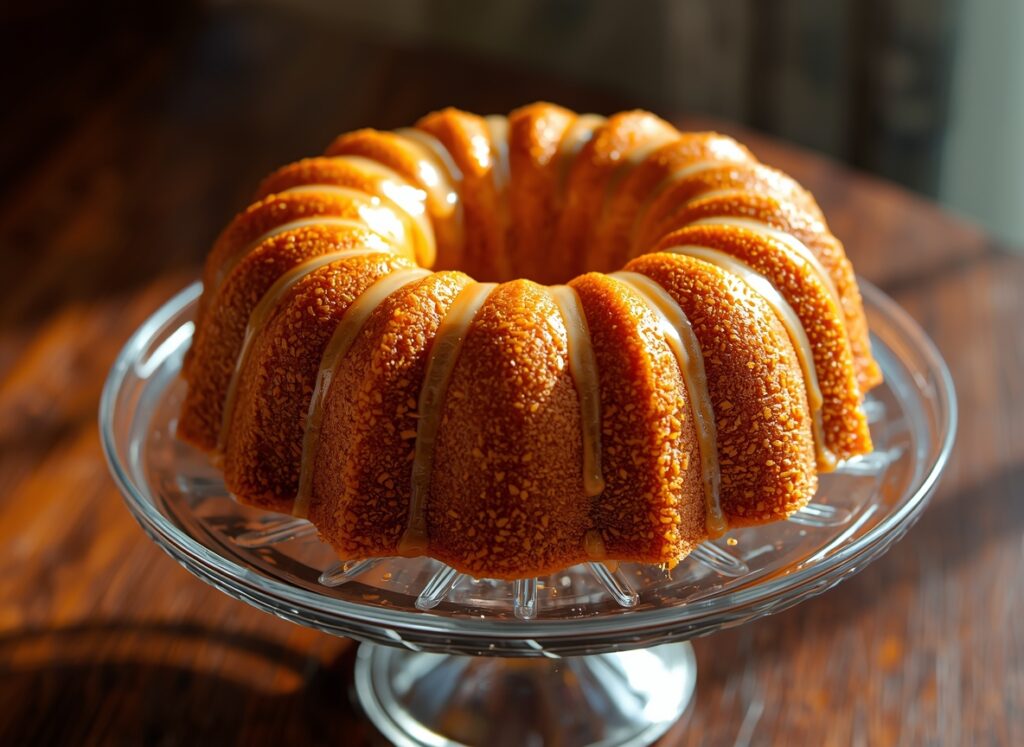
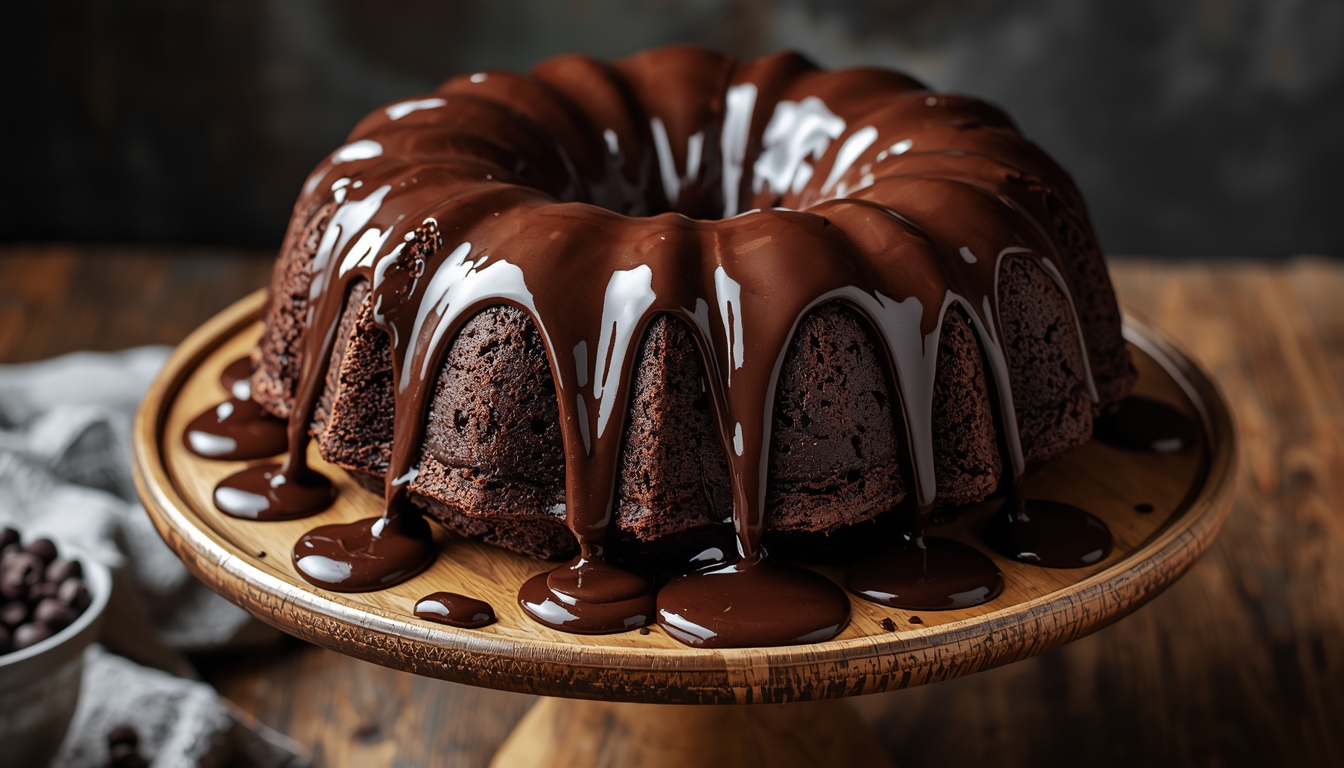
- Bundt Pan or Tube Pan: The central chimney of a Bundt pan is vital. Because the batter is dense and moist, the center would remain raw in a standard round pan while the edges burned. The chimney ensures heat reaches the core of the cake.
- Stand Mixer: A stand mixer with a paddle attachment is necessary for the extended creaming time required to aerate the butter and sugar.
- Small Heavy-Bottomed Saucepan: Used for creating the rum glaze. A heavy bottom prevents the sugars from scorching.
- Skewers or Cake Testers: For puncturing the cake to allow the glaze to penetrate the interior.
- Digital Kitchen Scale: Essential for measuring flour and sugar by weight, as volume measurements can vary by up to 20% depending on packing.
Managing Cooking Time Efficiently
Workflow efficiency in a Caribbean Rum Cake Recipe is divided into three distinct blocks: Prep, Bake, and Saturate.
| Phase | Duration | Key Objective |
| Preparation | 30 Minutes | Achieving a stable emulsion of fats and sugars. |
| Baking | 50–65 Minutes | Even rise and structural setting at 325°F. |
| Saturating | 24 Hours | Capillary action allows the glaze to permeate the crumb. |
Bold Tip: Do not rush the cooling process. If the glaze is applied to a cake that is too cold, it will sit on the surface. If applied to a cake that is too hot, it can cause the cake to collapse. The “Sweet Spot” for glazing is when the cake is warm to the touch (approx. 110°F).
Caribbean Rum Cake Execution Steps
1. Creaming and Aeration
Preheat the oven to 325°F (163°C). Cream the butter and sugars for at least 5 minutes. The mixture should change from yellow to a pale ivory color and feel light and “fluffy.” This air is the primary leavening agent for the cake.
2. Emulsifying the Eggs
Add eggs one at a time, beating for 30 seconds after each addition. If the mixture begins to look curdled, add a tablespoon of the measured flour to re-stabilize the emulsion.
3. Dry and Wet Integration
Incorporate the dry ingredients (flour, baking powder, spices) alternating with the liquid components (rum, vanilla, milk). Begin and end with the dry ingredients. Mix only until combined to avoid overworking the gluten.
4. The Controlled Bake
Pour the batter into a heavily greased and floured pan. Bake for 50–60 minutes. The cake is done when a skewer comes out clean or with a few moist crumbs.
5. The Glaze Preparation
While the cake bakes, combine 1/2 cup of butter, 1/4 cup of water, and 1 cup of sugar in a saucepan. Bring to a boil, then reduce heat and simmer for 5 minutes. Remove from heat and stir in 1/2 cup of dark rum.
6. The Saturation Process
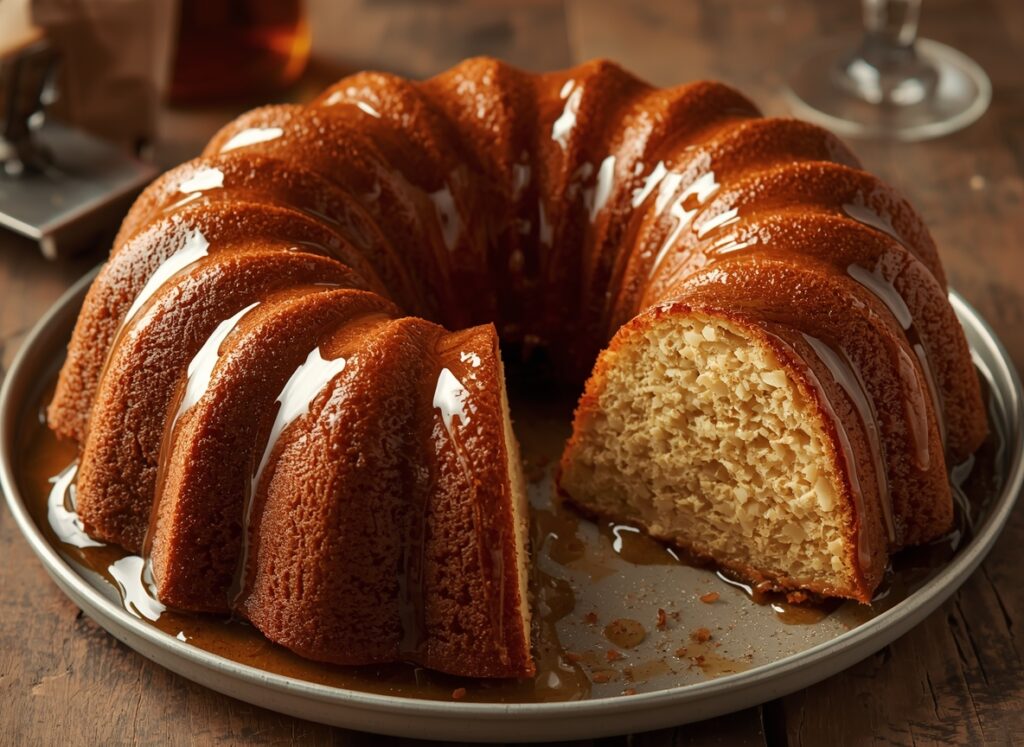
Once the cake is removed from the oven, let it sit in the pan for 10 minutes. Use a skewer to poke 40–50 holes into the bottom of the cake. Pour half of the warm glaze over the cake. After another 10 minutes, invert the cake onto a serving plate and brush the remaining glaze over the top and sides until fully absorbed.
Workflow Mistakes to Avoid
- Using Cold Butter: This results in a dense, heavy cake with a “greasy” crumb because the sugar cannot create air pockets in cold fat.
- Over-mixing after Flour Addition: Once flour meets moisture, gluten forms. Over-mixing leads to a tough, bread-like texture rather than a tender cake.
- Inadequate Greasing of the Pan: Due to the high sugar content in the Caribbean Rum Cake Recipe, the cake is prone to sticking. Use a combination of shortening and flour or a specialized baking spray with flour included.
- Premature Slicing: A rum cake needs at least 12–24 hours for the rum flavor to mellow and the moisture to stabilize. Slicing too early may cause the cake to crumble.
FAQ: Caribbean Rum Cake Workflow
Can I make this Caribbean Rum Cake Recipe without alcohol?
While the rum is the defining feature, you can substitute it with a mixture of rum extract and apple juice or ginger ale. However, the preservative qualities and the specific “bite” of the cake will be altered.
How long does the cake stay fresh?
Due to the high sugar and alcohol content, a rum cake has an exceptional shelf life. It stays fresh at room temperature for up to 5 days, in the refrigerator for 2 weeks, and can be frozen for up to 3 months.
Why did my cake sink in the middle?
This usually occurs due to over-leavening (too much baking powder) or opening the oven door too early in the baking process, which causes a sudden drop in temperature before the structure has set.
Should I use light or dark rum?
Dark rum is highly recommended for the Caribbean Rum Cake Recipe. It provides the molasses-heavy, toasted flavor profile that is traditional to the islands. Light rum is often lost in the baking process.
Can I use a glass pan instead of a metal Bundt pan?
Glass conducts heat differently and takes longer to cool down. If using glass, lower the oven temperature by 25°F and monitor the timing closely, as the edges may overcook before the center is done.
How do I prevent the glaze from pooling at the bottom?
Apply the glaze in stages. Pour a small amount, wait for it to be absorbed, and then repeat. This ensures the capillary action of the sponge can draw the liquid into the center of the cake.
Quick & Delicious Strawberry Poke Cake Recipe
Homemade Whiskey Cake Recipe – Perfect for Celebrations
The Best 7UP Pound Cake Recipe You’ll Ever Bake
Easy Oreo Mug Cake Recipe – Ready in 5 Minutes
Moist Blueberry Dump Cake Recipe Everyone Will Love
Easy Vanilla Pound Cake Recipe from Scratch
easy Oreo Dirt Cake Recipe – Simple & Delicious