When food enthusiasts search for a Bobby Flay Crispy Rice Recipe, they are usually looking for a specific culinary signature: bold flavors, contrasting textures, and a professional “crunch” that is difficult to replicate at home. This dish, popularized by Flay’s fascination with Mediterranean and Spanish cuisines—particularly the socarrat found in a perfect paella—isn’t just about pan-frying grains. It is about the intentional caramelization of starch to create a golden, crackling crust that protects a soft, seasoned interior.
The expectation is a dish that serves as a sophisticated base for various toppings, from spicy tuna to glazed short ribs. Most home cooks want to know the secret to achieving that deep mahogany color without burning the rice or having it fall apart in the pan. By following the logic of a Bobby Flay Crispy Rice Recipe, you are essentially learning how to manage moisture and heat to transform a humble leftover into a high-end appetizer or side dish.
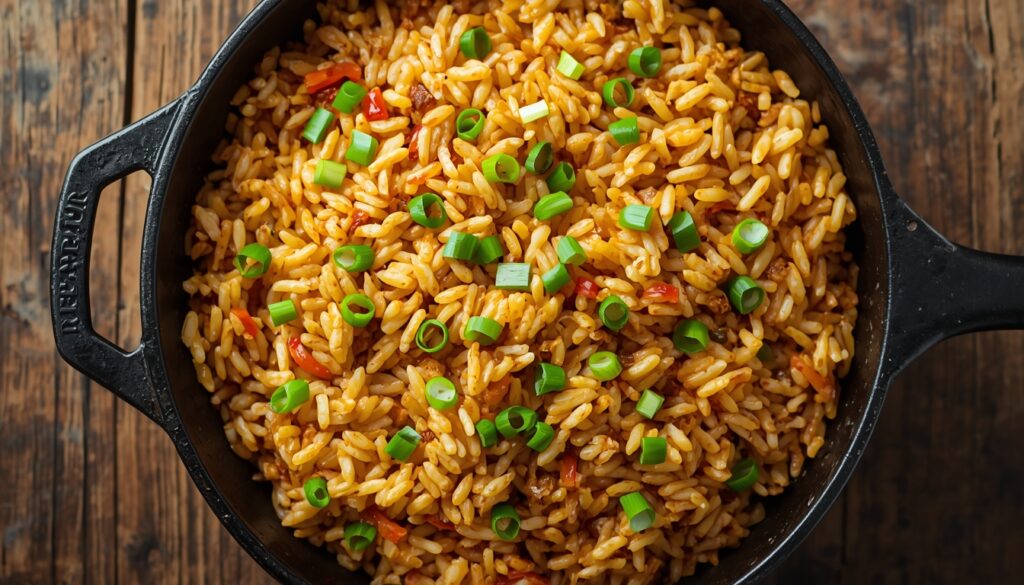
How It Delivers Better Results
The reason this particular method stands out among other rice preparations is the focus on “texture-first” cooking. Standard fried rice aims for separate, tender grains. However, the Bobby Flay Crispy Rice Recipe approach focuses on the “cake” method. By pressing the rice into a uniform block before frying, you create a larger surface area for the Maillard reaction to occur.
- Uniformity: Pressing the rice into a pan or mold ensures that every bite has an equal ratio of crunch to fluff.
- Depth of Flavor: Flay often incorporates a hit of acidity and heat (like rice vinegar and chili oil) directly into the rice before it is crisped, ensuring the flavor is baked into the grain rather than just sitting on top.
- Structural Integrity: This method allows the rice to be sliced into manageable rectangles or cubes, making it an ideal finger food that holds its shape even under the weight of heavy toppings.
Ingredient Planning and Preparation
The success of a Bobby Flay Crispy Rice Recipe begins with the type of rice used and how it is handled before it ever touches a skillet.
The Right Grain
Sushi Rice (Short-Grain White Rice): This is non-negotiable. Short-grain rice has a higher starch content (amylopectin) than long-grain varieties like Basmati. This starch acts as the “glue” that allows the rice to stick together in a solid block. Without this stickiness, your crispy rice will crumble into individual grains in the oil.
The Prep Liquid
You will need a mixture of Rice Vinegar, Sugar, and Kosher Salt. This seasoned vinegar not only provides the classic “sushi” flavor profile but also helps break down the surface starches slightly, which aids in the browning process during frying.
Toppings and Garnishes
To stay true to the Flay style, prepare a contrast of fresh and spicy.
- Proteins: Fresh sashimi-grade tuna, salmon, or even crispy pork belly.
- Creamy Element: Spicy mayo (Sriracha and Kewpie mayonnaise) or avocado mash.
- Freshness: Sliced jalapeños, scallions, or microgreens to cut through the richness of the fried rice.
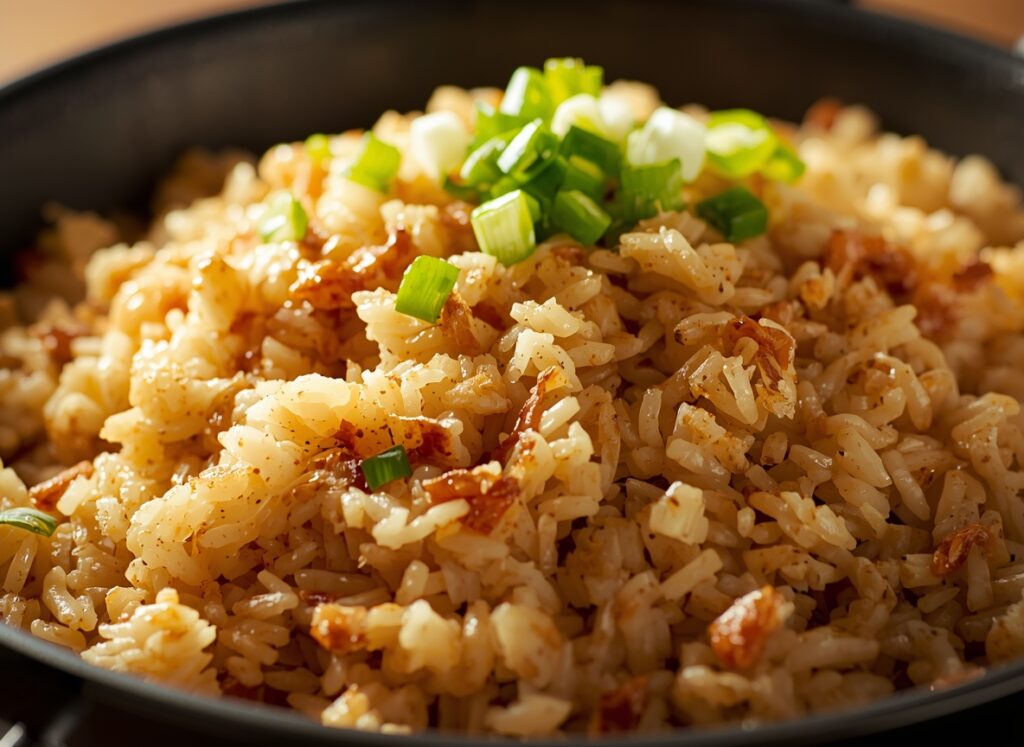
Required Equipment Overview
You do not need an industrial kitchen, but you do need tools that can handle high-temperature frying and provide an even surface for pressing the rice.
- Non-Stick or Cast-Iron Skillet: A high-quality non-stick pan is often easier for beginners to prevent the starch from bonding to the metal. However, a well-seasoned cast-iron skillet will produce a more superior, even crust.
- Square or Rectangular Baking Dish: Used to press the cooked rice into a flat, even layer. A 9×9-inch pan is usually sufficient for a standard batch.
- Plastic Wrap: Crucial for lining your pan and pressing the rice without it sticking to your hands.
- A Heavy Weight: A second pan or a few heavy canned goods to place on top of the rice while it chills. This “compresses” the grains into a single, cohesive unit.
- Chef’s Knife: A very sharp knife is required to cut the chilled rice into clean, sharp-edged rectangles.
Time and Temperature Planning
The most common mistake in a Bobby Flay Crispy Rice Recipe is trying to cook it all in one go. This recipe requires a “rest and set” period.
- Cooking the Rice (20 Minutes): Standard rice cooker or stovetop method.
- The Chill Phase (3–4 Hours): This is the most important step. The rice must be completely cold and pressed to stay together during frying. Bold Tip: If you are in a rush, you can place the pressed rice in the freezer for 45 minutes, but the refrigerator is better for long-term structural stability.
- Frying Temperature (350°F – 375°F): You need high heat. If the oil is too cool, the rice will absorb the fat and become greasy rather than crispy.
- The Fry (3–4 Minutes per side): Just enough to achieve a deep golden color.
Clear and Natural Bobby Flay Crispy Rice Recipe Steps
1. Cooking the Base
Wash 2 cups of sushi rice until the water runs clear. Cook it with slightly less water than usual (a 1:1 ratio is often better than 1:1.2) to ensure the grains remain firm. Once cooked, fold in your seasoned rice vinegar while the rice is still steaming.
2. The Press
Line a square baking dish with plastic wrap, leaving plenty of overhang. Transfer the warm rice into the dish. Fold the plastic over the top and press down firmly with your palms until the surface is level. Place a weight on top and refrigerate for at least 3 hours.
3. Slicing for Success
Remove the rice block from the pan by lifting the plastic wrap. Using a wet, sharp knife, cut the block into 1-inch by 2-inch rectangles. Bold Tip: Dipping your knife in water between every slice prevents the starch from dragging and tearing the rice blocks.
4. The Searing Process
Heat about 1/4 inch of neutral oil (canola or grapeseed) in your skillet over medium-high heat. Once the oil shimmers, carefully place the rice blocks in the pan. Do not crowd them. Fry for 3–5 minutes on one side until you see a dark golden rim forming at the base. Flip gently and fry the other side for another 3 minutes.
5. Draining and Assembly
Transfer the crispy rice to a wire rack or paper towels. While still hot, top with a dollop of spicy mayo, a slice of avocado, and your protein of choice. Finish with a sliver of jalapeño for that signature Bobby Flay heat.
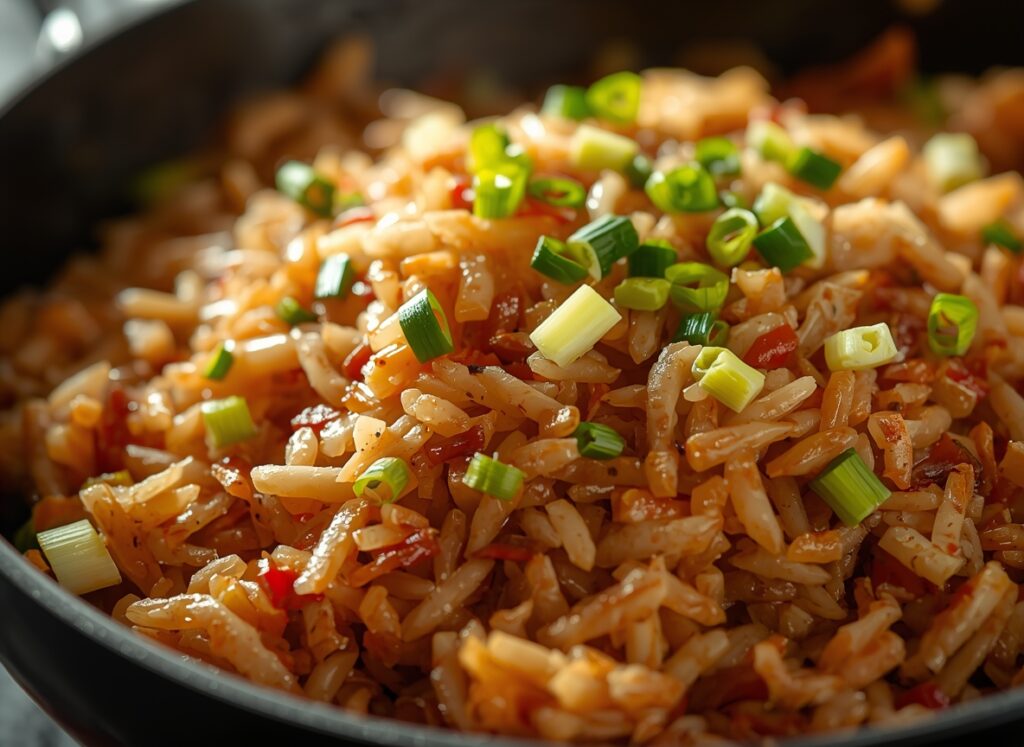
Mistakes That Affect Final Results
- Using Long-Grain Rice: As mentioned, Jasmine or Basmati will not hold the “block” shape. They will fall apart the moment they hit the hot oil.
- Frying Wet Rice: If the rice hasn’t been properly chilled and pressed, the moisture will turn to steam in the pan, causing the blocks to explode or crumble.
- Not Enough Oil: This isn’t a sauté; it’s a shallow fry. If there isn’t enough oil to surround the edges of the rice, you won’t get that iconic “side-crunch.”
- Moving the Rice Too Soon: Much like searing a steak, you have to let the rice sit undisturbed to develop a crust. If you try to flip it too early, the bottom layer of rice will stick to the pan while the rest of the block comes away.
FAQ: Honest Answers for Beginners
Can I use leftover rice from the night before? Yes, but you will need to gently reheat it with a splash of water so it becomes “sticky” again before pressing it into the pan. Cold, dry rice from the fridge won’t compress into a solid block.
Why is my crispy rice oily instead of crunchy? Your oil temperature was likely too low. The rice acts like a sponge; if the oil isn’t hot enough to instantly sear the exterior, the rice will simply soak up the oil. Always test a small grain of rice in the oil—if it doesn’t sizzle immediately, it’s not ready.
Is it possible to bake these instead of frying? You can bake them at 425°F with a heavy coating of oil, but you will struggle to get the same uniform GBD (Golden, Brown, Delicious) result that Flay’s pan-frying method produces. The texture will be closer to a rice cracker than a crispy rice cake.
What oil is best for a Bobby Flay Crispy Rice Recipe? Use an oil with a high smoke point. Grapeseed, canola, or peanut oil are ideal. Avoid extra virgin olive oil, as it will smoke and turn bitter at the temperatures required for this dish.
How do I keep the rice blocks from sticking to the knife? Keep a tall glass of warm water nearby. Dip the knife in the water and give it a quick wipe between every single cut. The moisture creates a barrier between the blade and the sticky rice starch.
Simple Saffron Rice Recipe with Rich Flavor
How to Make Turmeric Rice recipe – Simple & Flavorful
How to Make Puerto Rican Rice recipe Like a Pro – Quick & Delicious!
Hibachi Fried Rice Recipe – Quick, Flavorful & Authentic
Easy Shrimp Fried Rice Recipe – Quick, Flavorful & Delicious