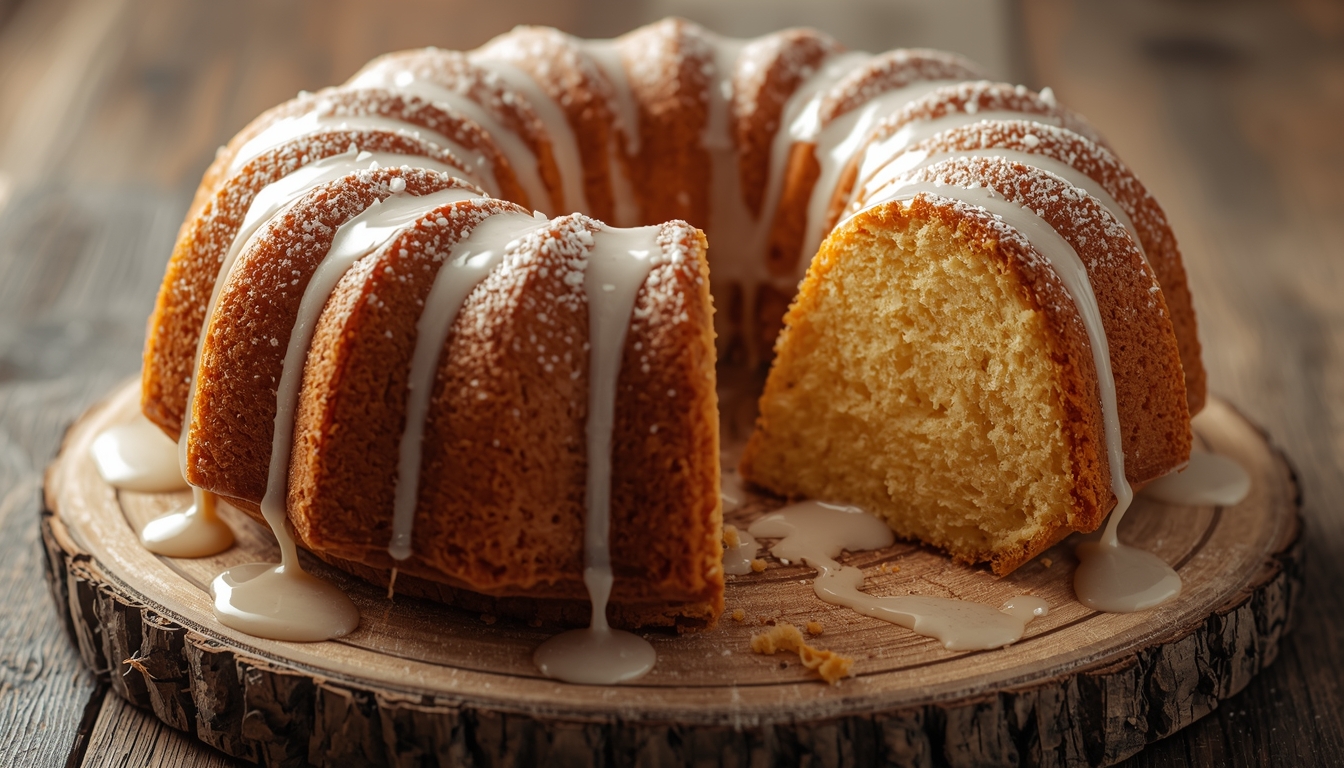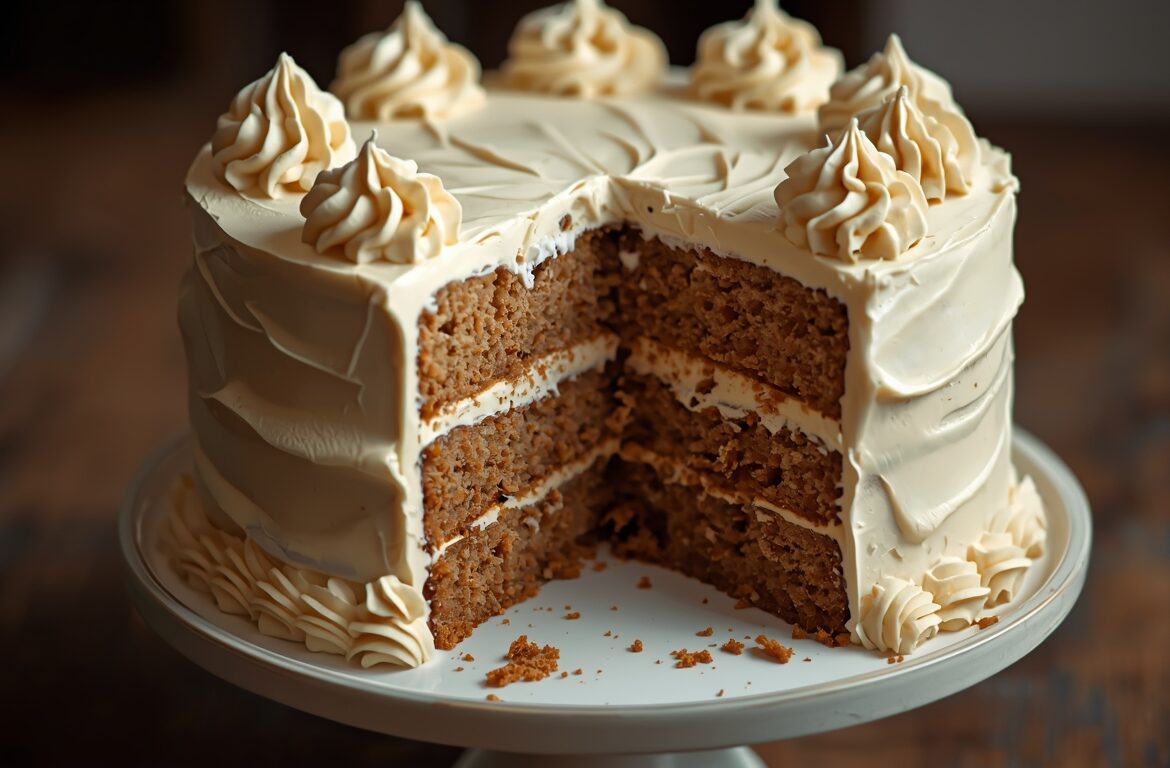
There is a common misconception that a Chai Cake Recipe is simply a vanilla cake with a heavy handful of cinnamon thrown in. In reality, a true Chai cake is an exercise in aromatic balance. It is a dessert that attempts to translate the comforting, multi-layered experience of a cup of spiced tea into a crumb that is tender, moist, and structurally sound. When you bite into it, you shouldn’t just taste “spice”; you should experience the warmth of ginger, the floral notes of cardamom, and the deep, tannic backbone of black tea.
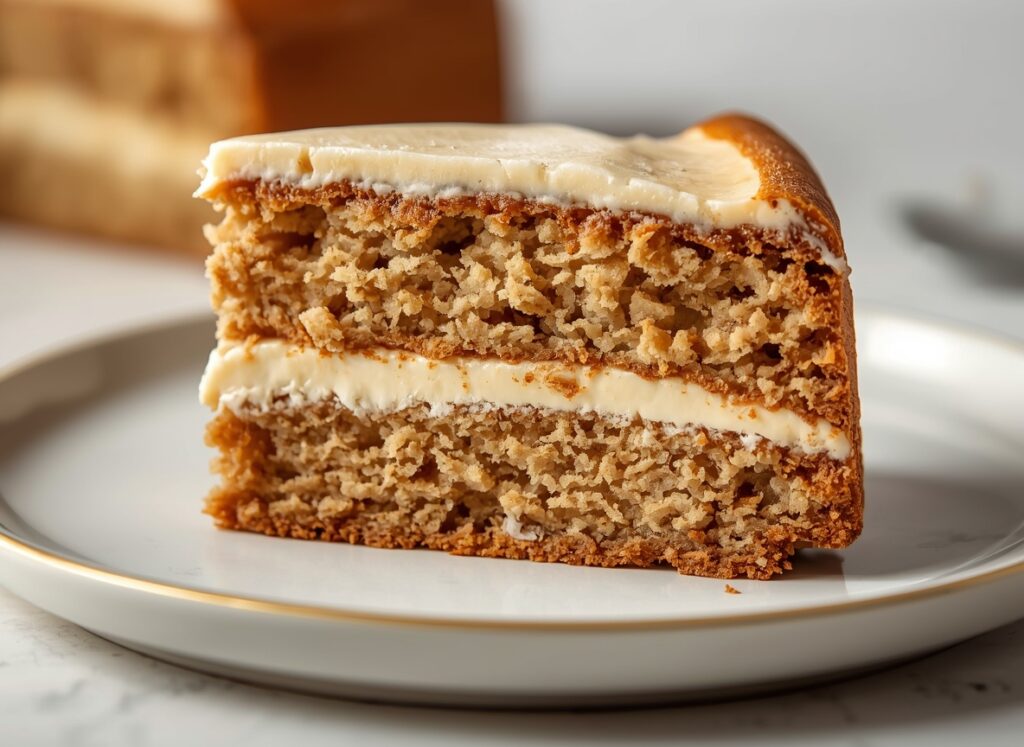
From a baker’s perspective, this recipe is incredibly rewarding because it fills the entire house with a scent that feels like a seasonal transition. However, it requires a bit more thought than a standard sponge. Because we are dealing with oils from spices and the astringency of tea, the chemistry of the batter changes slightly. This isn’t a “difficult” cake, but it is one that rewards the patient baker who understands how to infuse flavor rather than just mixing it in.
What Actually Happens During Cooking
When you begin a Chai Cake Recipe, you are essentially managing a series of infusions. Unlike a chocolate cake where the cocoa is the star, the flavor in a Chai cake comes from a blend of spices that are fat-soluble. This means that if you simply toss dry spices into the flour, the flavor will be muted. The magic happens when those spices hit the warm butter or oil, blooming and releasing their essential oils into the fat, which then carries that flavor through every grain of the crumb.
During the baking process, the black tea provides more than just flavor. The tannins in the tea act as a mild structural stabilizer, while the acidity can interact with your leavening agents to create a tighter, more “velvety” crumb. You’ll notice that Chai cakes often have a slightly darker, more golden-caramel hue than a standard yellow cake—this is the result of the tea infusion and the Maillard reaction between the spices and the sugars.
Ingredient Roles and Preparation Logic
To get a professional result with your Chai Cake Recipe, you have to look at your ingredients as functional components.
The Tea Base
Don’t use weak tea. You need a high-quality, loose-leaf black tea or a strong Assam or Darjeeling tea bag. You are going to “over-steep” this tea in a small amount of milk or water to create a concentrated extract. If the tea is too weak, the flavor will disappear once it is diluted by the flour and eggs.
The Spice Profile (The Masala)
- Cardamom: The soul of the cake. It provides a citrusy, floral note.
- Ginger: Adds a subtle “bite” or heat that lingers on the back of the palate.
- Cinnamon and Cloves: Provide the classic “warmth” associated with Chai.
- Black Pepper: Bold Tip: Adding a tiny pinch of finely ground black pepper doesn’t make the cake spicy, but it amplifies the other spices and makes the Chai flavor feel “authentic.”
Fats and Sugars
I prefer using a combination of butter for flavor and a neutral oil for moisture. Butter alone can make a Chai cake feel too heavy, but the oil ensures the cake stays soft for days. For sugar, a mix of granulated and light brown sugar adds a hint of molasses that complements the tea.
Tools That Influence Cooking Accuracy
The right tools prevent the most common frustrations in a Chai Cake Recipe.
- A Fine-Mesh Sieve: Essential for sifting your dry spices with the flour. There is nothing worse than biting into a clump of raw ginger powder or a shard of tea leaf.
- Mortar and Pestle (Optional): If you are using whole cardamom pods (which I highly recommend for the best flavor), you’ll need this to grind the seeds into a fine powder.
- Digital Kitchen Scale: Spices are light, and flour is easy to over-pack. Measuring by weight ensures your ratios are perfect every time.
- A Heavy-Duty Whisk or Stand Mixer: You need to aerate the butter and sugar properly to ensure the cake isn’t a brick.
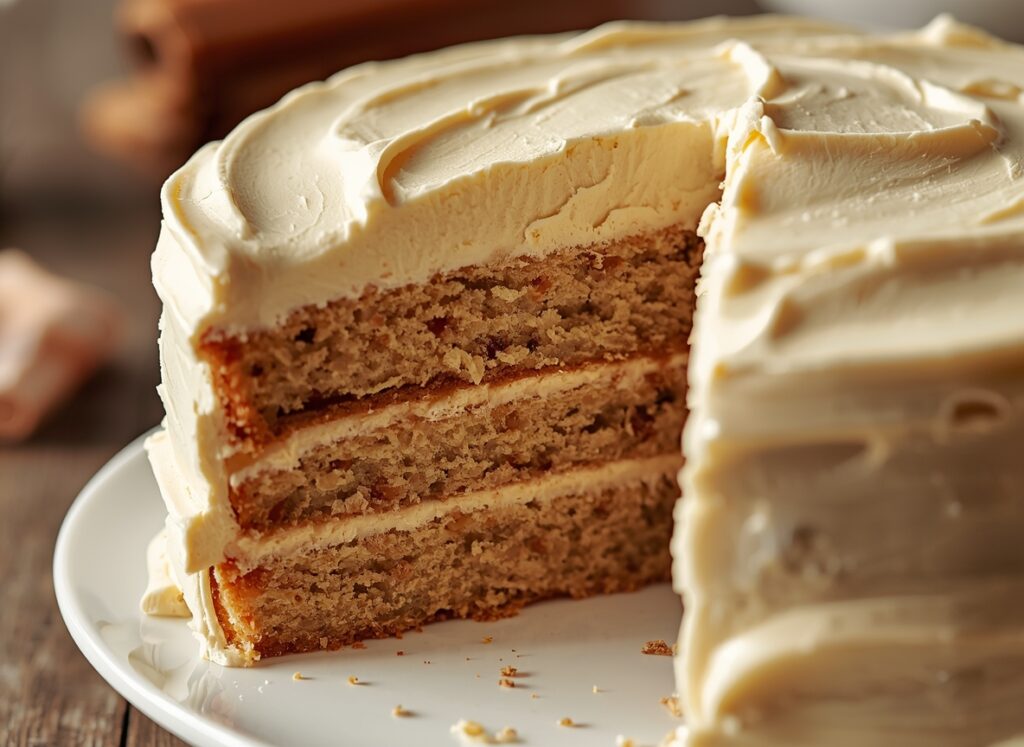
Structuring the Cooking Process
Efficiency in a Chai Cake Recipe is all about the “prep-steep-mix” flow.
- Phase 1: The Infusion (15 Minutes): Steeping the tea in warm milk and letting it cool. This is the first step you should take, as adding hot liquid to your eggs will scramble them.
- Phase 2: The Dry Mix: Sifting flour, leavening, and the spice blend.
- Phase 3: The Emulsion: Creaming the fats and sugars, then adding eggs.
- Phase 4: The Integration: Alternating the tea-milk and the flour mixture into the butter.
- Phase 5: The Bake: Usually 30–45 minutes depending on the pan size.
Writing a Natural Chai Cake Recipe Walkthrough
1. Steeping the Concentrate
Heat 1/2 cup of whole milk until it just begins to simmer. Remove from heat and add 3 bags of strong black tea. Let this sit for at least 10 minutes. Squeeze the bags to get every drop of concentrated tea out, then let the milk cool to room temperature.
2. Sifting the Spices
In a medium bowl, whisk together 2 cups of all-purpose flour, 1.5 teaspoons of baking powder, and your spice blend: 2 tsp cinnamon, 1 tsp cardamom, 1/2 tsp ginger, and 1/4 tsp each of cloves and nutmeg. Don’t forget that pinch of black pepper.
3. Creaming the Fats
In your main bowl, beat 1/2 cup of softened butter and 1/4 cup of vegetable oil with 1.25 cups of sugar. Bold Tip: Spend at least 3 to 4 minutes on this step. The mixture should look pale and almost like whipped cream. Add 2 large eggs, one at a time.
4. The Final Batter
Turn your mixer to the lowest setting. Add one-third of the flour mixture, followed by half of the tea-milk. Repeat, ending with the flour. Mix just until you see no more white streaks. Over-mixing here will lead to a tough cake.
5. Baking and Cooling
Pour the batter into a greased 9-inch round pan or a loaf pan. Bake at 350°F (175°C). The cake is done when a skewer comes out with a few moist crumbs clinging to it. Let it cool in the pan for 10 minutes before moving it to a rack.
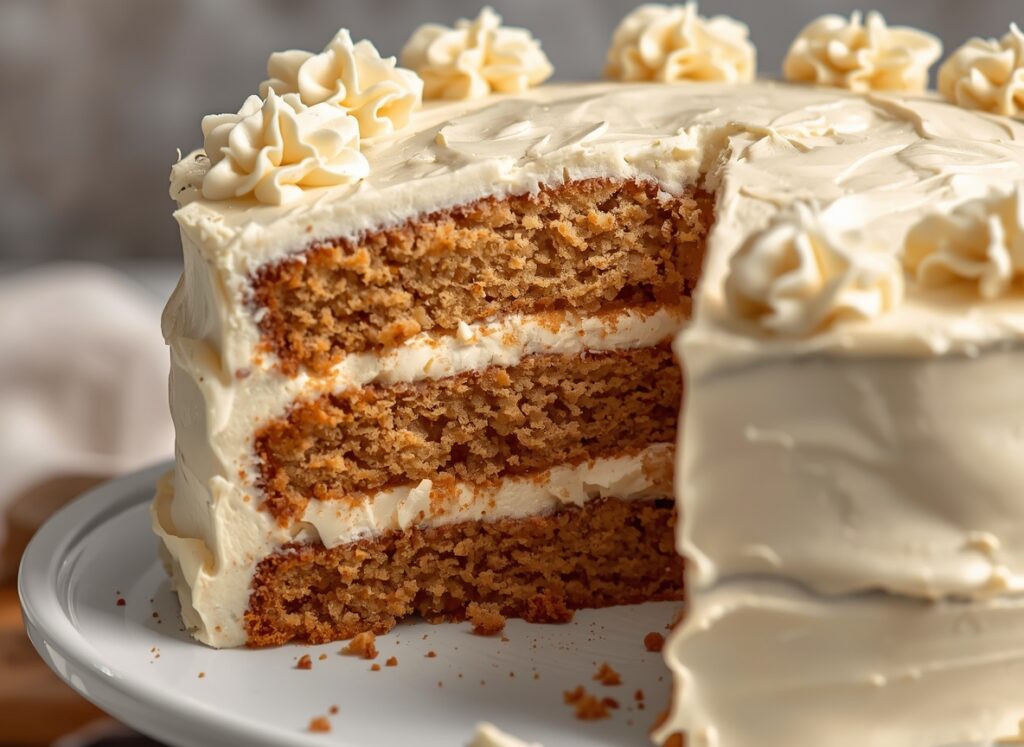
Practical Issues Encountered During Cooking
Even the best Chai Cake Recipe can run into real-world snags. Here is how I’ve handled them in the past:
- The “Soap” Taste: This usually happens if you overdo the cardamom or use a low-quality tea. Cardamom is powerful; stick to the measurements. If the tea tastes like soap, it might be an Earl Grey with too much bergamot. Stick to a plain Black Tea or a specific “Masala Chai” blend.
- Sunken Center: This often happens if the tea-milk was still too hot when added to the batter, or if the oven door was opened too early. Keep that door closed until the 30-minute mark.
- Dry Crumb: If the cake feels dry, you likely overbaked it. Because of the dark color of the tea, it’s hard to tell by sight when it’s done. Always use the toothpick test.
- Spices Are Gritty: If you ground your own spices and they feel like sand in the cake, you need a finer grind or a better sieve. If using whole spices in the milk infusion, make sure to strain them out completely.
FAQ Based on Common Reader Concerns
Can I use pre-mixed Chai tea bags? Yes, but be aware that many “Chai” tea bags contain sugar or powdered milk. If you use these, your Chai Cake Recipe might turn out overly sweet. I recommend using plain black tea and adding your own spices for the cleanest flavor.
What is the best frosting for this cake? A honey-cream cheese frosting is the gold standard for Chai cake. The tanginess of the cheese and the floral sweetness of honey complement the spices perfectly. A simple vanilla bean glaze also works well if you want something lighter.
Can I make this dairy-free? Absolutely. You can substitute the milk with oat milk or almond milk for the tea infusion. Use a vegan butter substitute or increase the oil slightly, though the flavor will be slightly less “buttery.”
How long does Chai cake last? Because of the oil and the tea moisture, this cake stays fresh for about 3 to 4 days if kept in an airtight container at room temperature. It actually tastes even better on the second day as the spices have more time to meld.
Do I have to use black tea? Black tea is traditional, but you can use Rooibos for a caffeine-free version. The flavor will be earthier and slightly sweeter, which works quite well with the ginger and cinnamon.
Why did my spices sink to the bottom? Spices are usually too light to sink, but if you added “inclusions” like ginger bits or tea leaves that weren’t finely ground, they might fall. Ensure everything is whisked thoroughly into the dry flour before adding the wet ingredients.
The Best Coconut Poke Cake Recipe for Dessert Lovers
The Ultimate Snickerdoodle Cake Recipe: Soft, Spiced Perfection
The Ultimate Dubai Chocolate Cake Recipe
Easy Italian Rum Cake Recipe – Perfect for Any Occasion
Easy Cherry Chip Cake Recipe for Beginners
Easy Butter Pecan Cake Recipe – Sweet & Nutty Perfection