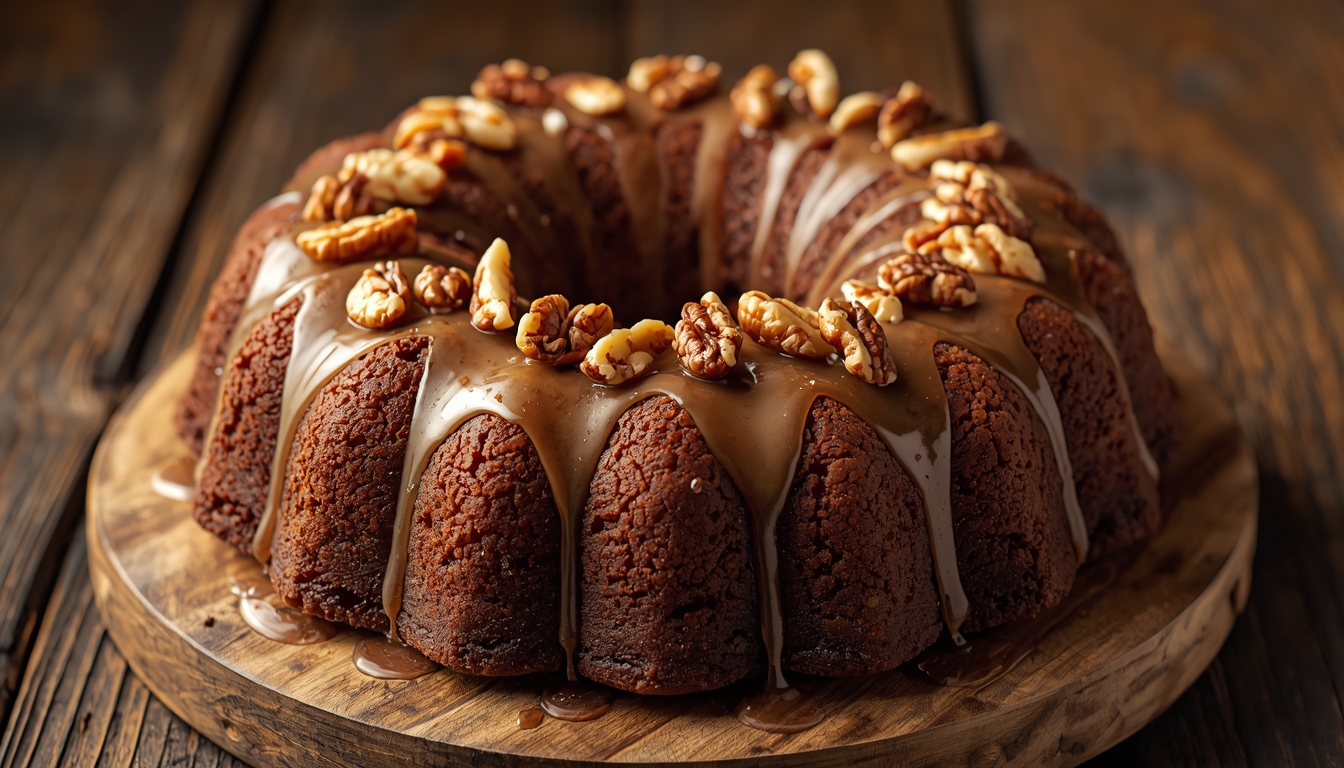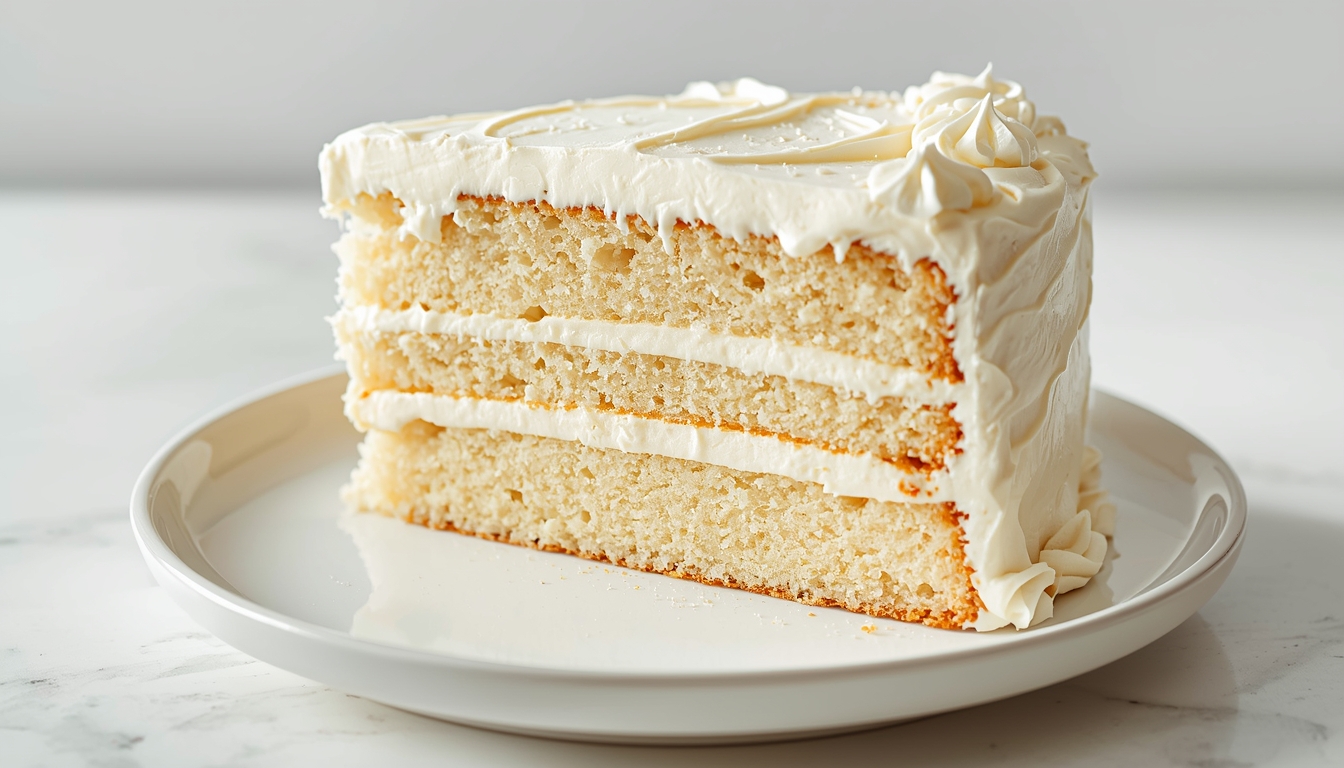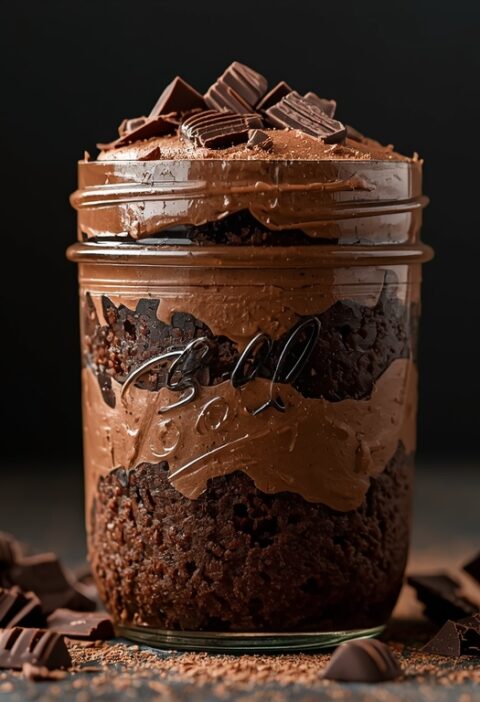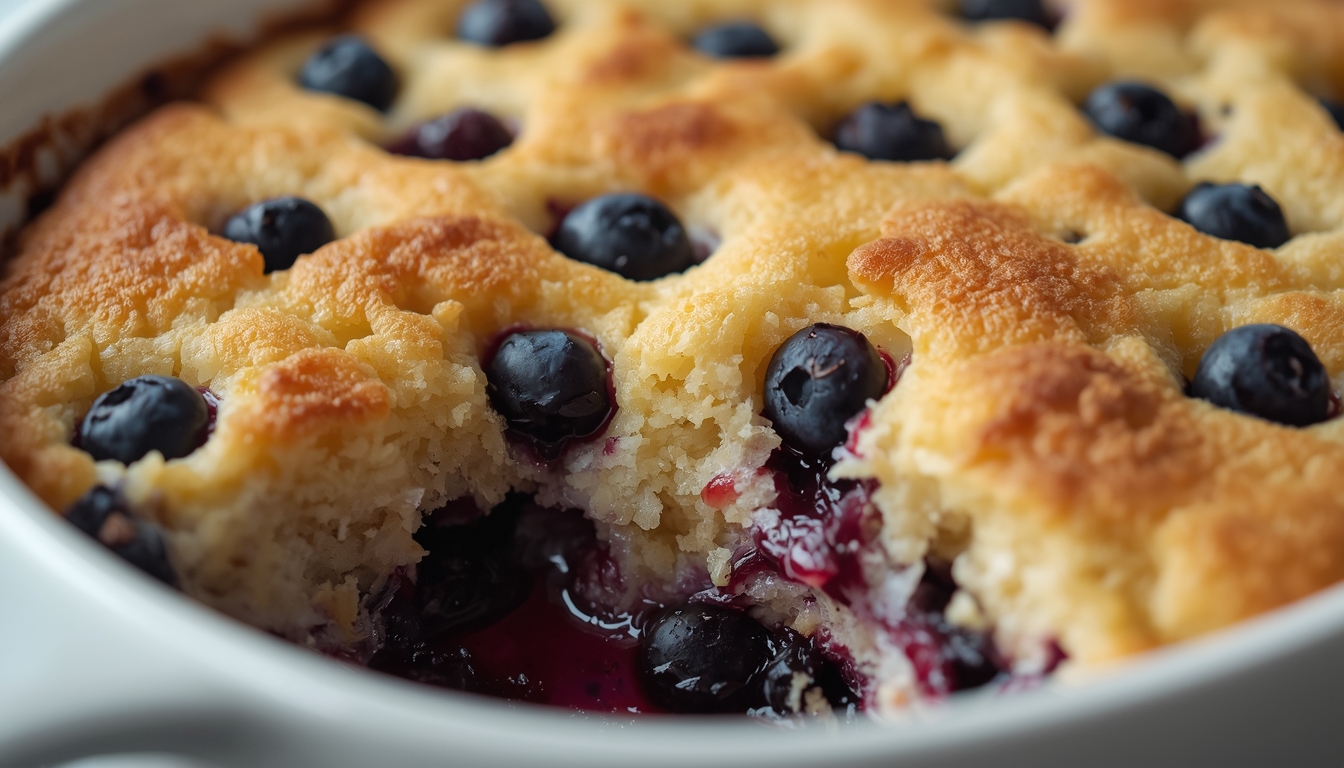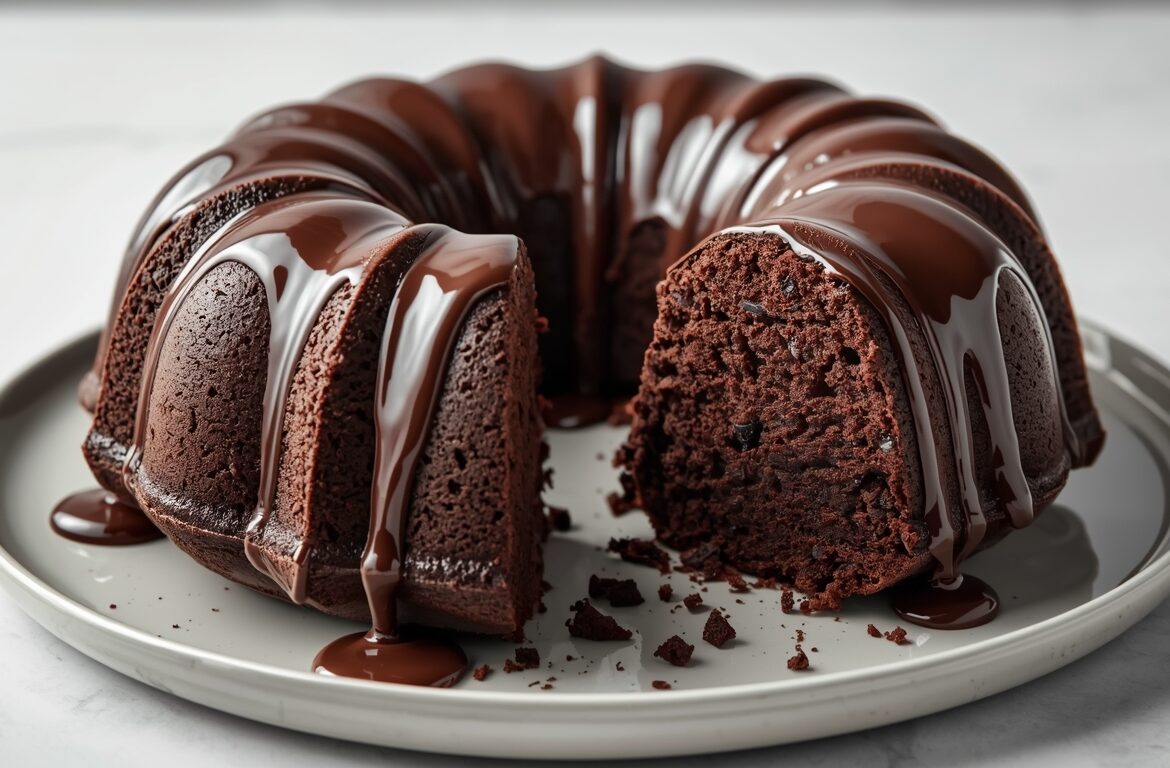
When home bakers search for Chocolate Bundt Cake Recipes, they are typically looking for more than just a list of ingredients. The primary intent is to find a reliable method for creating a visually stunning, deeply flavored cake that releases perfectly from the pan. The complexity of a Bundt pan—with its intricate ridges and central tube—creates specific challenges regarding moisture balance and structural integrity.
Readers often want to know how to achieve a “fudgy” rather than “spongy” texture. They are looking for the science behind why some cakes stick to the pan while others slide out effortlessly. Furthermore, there is a strong interest in how to intensify the chocolate flavor without making the cake overly sweet or dry. This guide addresses these core concerns by focusing on technical precision and ingredient synergy.
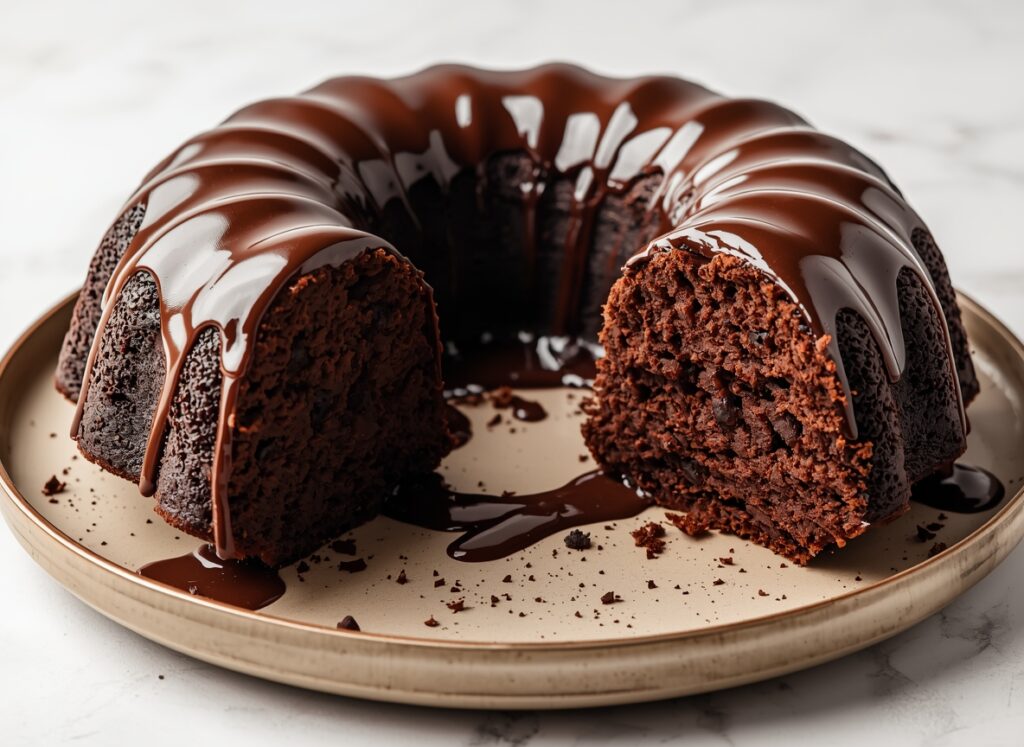
When Chocolate Bundt Cake Recipes Are the Best Choice
A Bundt cake is a unique category of dessert that fills the gap between casual loaf cakes and elaborate layer cakes. Choosing Chocolate Bundt Cake Recipes is the strategic choice for several specific occasions:
- Large Gatherings: Due to the density and size of the standard 10-12 cup Bundt pan, these recipes naturally serve 12 to 16 people, making them more efficient than standard round cakes.
- Ease of Decoration: The pan provides the architectural beauty. Unlike layer cakes that require professional-level frosting skills, a Bundt cake looks complete with a simple chocolate ganache or a light dusting of powdered sugar.
- Longevity: Because Bundt cakes are denser and often contain high levels of moisture (from ingredients like sour cream or oil), they tend to stay fresh longer than airy sponge cakes.
- Transportability: The sturdy structure of a Bundt cake makes it ideal for potlucks or gifting, as it is less fragile than a multi-tiered cake.
Ingredient Choices That Matter
The chemistry of Chocolate Bundt Cake Recipes relies on high-fat and high-moisture ingredients to compensate for the large surface area exposed to the pan.
The Chocolate Base
To achieve a professional flavor, many recipes call for a combination of cocoa powder and melted chocolate. Bold Tip: Use Dutch-processed cocoa powder for a darker color and a smoother, less acidic chocolate taste. If your recipe relies on baking soda as a leavener, ensure you understand the difference between natural and Dutch-processed cocoa, as the acidity levels differ.
Moisture Agents
Standard butter cakes can sometimes dry out in the intricate oven environment of a Bundt pan. Successful Chocolate Bundt Cake Recipes often incorporate:
- Sour Cream or Full-Fat Greek Yogurt: These add fat and acidity, which tenderizes the gluten and creates a tight, moist crumb.
- Vegetable Oil: Often used in combination with butter to ensure the cake remains soft even when refrigerated.
- Coffee: Adding hot brewed coffee to the cocoa powder “blooms” the chocolate, intensifying the flavor without making the cake taste like coffee.
Leavening and Structure
Because the batter for a chocolate Bundt cake is heavy, it requires a robust leavening system. Using fresh baking powder and baking soda is essential. Additionally, using all-purpose flour rather than cake flour provides the protein structure needed to support the weight of the chocolate and moisture agents.
Equipment That Improves Accurac
The pan is the most critical piece of equipment, but it is also the most common source of failure.
- Standard 10-12 Cup Non-Stick Bundt Pan: Ensure your pan is in good condition. Scratches in the non-stick coating are the primary cause of sticking.
- Digital Kitchen Scale: Weighing flour and cocoa powder is the only way to prevent a dry, crumbly cake. A cup of cocoa powder can vary significantly in weight depending on how it is packed.
- Pastry Brush: Used for precisely applying grease into the deep crevices of the pan.
- Cooling Rack: Essential for airflow. If a Bundt cake cools entirely in the pan, it will steam itself and become soggy.
Time and Temperature Planning
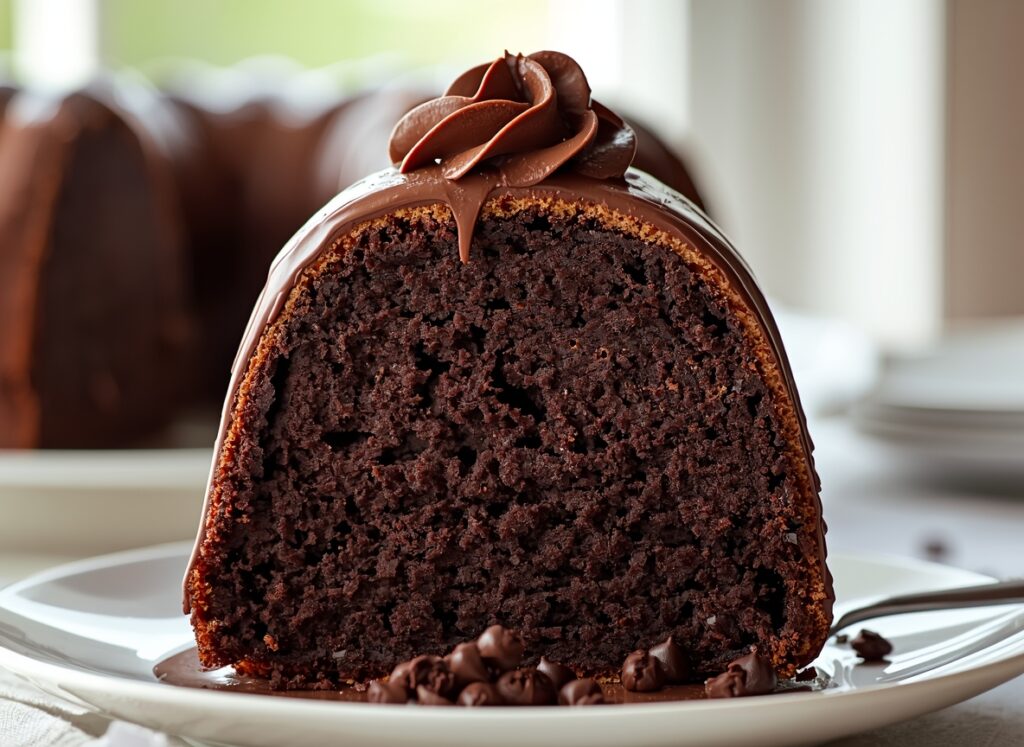
Successful execution of Chocolate Bundt Cake Recipes requires a strict adherence to a thermal timeline.
- Oven Calibration: Bundt cakes are large and dense; they require a steady temperature of 325°F or 350°F. If the oven is too hot, the exterior will scorch before the middle is set.
- Room Temperature Ingredients (30 Minutes Prep): Ensure eggs, sour cream, and butter are at room temperature to create a stable emulsion.
- Bake Time (50–65 Minutes): Bundt cakes take significantly longer than layers.
- The 10-Minute Window: This is the most critical time. Bold Tip: Allow the cake to rest in the pan for exactly 10 minutes before inverting. If you flip too soon, the cake is too fragile and will break. If you wait too long, the sugar will set and glue the cake to the pan.
Step-by-Step Chocolate Bundt Cake Recipes
1. Preparing the Vessel
Grease your pan thoroughly. Many professionals recommend a “baking spray” that contains flour, or a homemade “cake goop” (equal parts flour, oil, and shortening). Dust the greased pan with cocoa powder instead of flour to avoid white streaks on your dark chocolate cake.
2. Blooming the Cocoa
Whisk your cocoa powder into hot coffee or boiling water. This removes lumps and intensifies the chocolate notes. Set this mixture aside to cool slightly.
3. Creaming and Emulsifying
Beat your butter and sugars until light and fluffy (approximately 3–5 minutes). Add eggs one at a time, followed by your sour cream and vanilla extract. The mixture should look uniform and thick.
4. Alternating Dry and Wet
Add your sifted dry ingredients (flour, salt, leavening) in three parts, alternating with the chocolate-liquid mixture. Start and end with the dry ingredients. Mix on low speed only until the flour streaks disappear. Over-mixing at this stage will create a rubbery texture.
5. The Bake and Release
Pour the batter into the pan and smooth the top. Tap the pan firmly on the counter three times to release trapped air bubbles. Bake until a long skewer inserted into the thickest part comes out with just a few moist crumbs. Rest for 10 minutes, then invert onto a wire rack to cool completely.
User Mistakes and Fixes
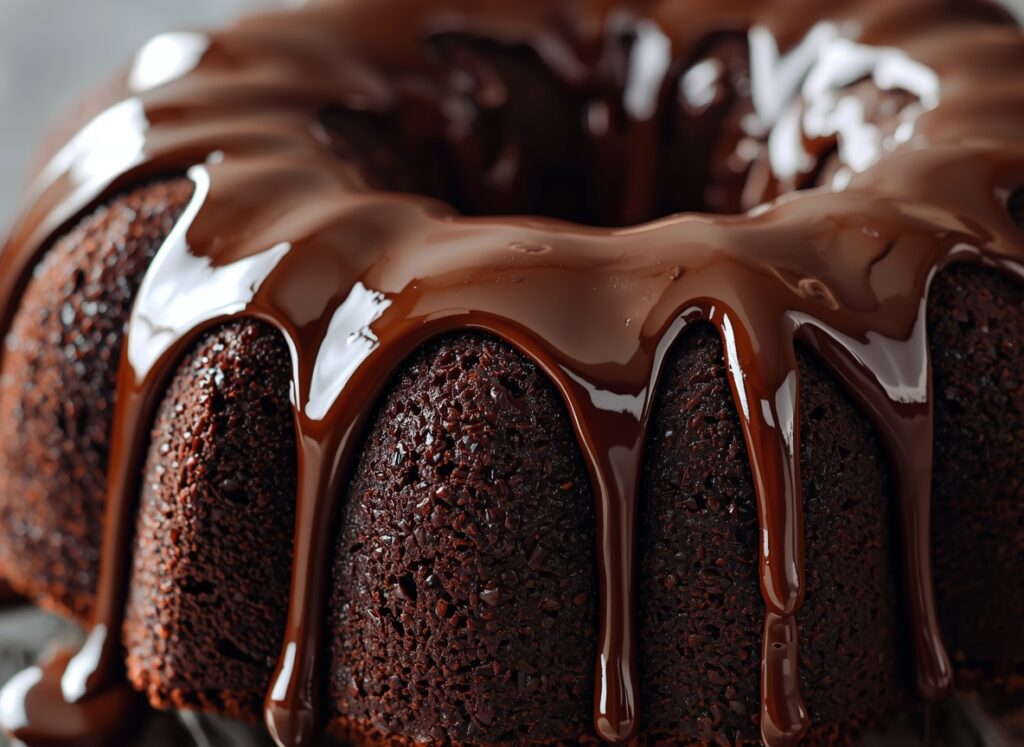
Even the most seasoned bakers encounter issues with Chocolate Bundt Cake Recipes. Here are the most frequent problems and their technical solutions:
- The Cake Stuck to the Pan: If pieces of the cake stay in the pan, the culprit is usually improper greasing or an old pan. Fix: You can “glue” the pieces back on using chocolate ganache as mortar. Next time, use a paste of flour and fat and apply it with a brush to every corner.
- The Cake is Dry: This is usually caused by over-baking or over-measuring the flour. Fix: Brush the warm cake with a simple syrup (equal parts sugar and water) to reintroduce moisture. Always use a scale for dry ingredients.
- The Cake Collapsed: This happens if the cake is under-baked or if there was too much leavening agent. Fix: Ensure your baking soda is measured accurately. If the cake is under-baked in the center, it cannot support its own weight.
- The Surface is Greasy: This occurs if you used too much spray or if the butter separated in the batter. Fix: Ensure all ingredients are at room temperature to maintain the emulsion.
Chocolate Bundt Cake Recipes FAQ
How do I know my pan is a 10-cup or 12-cup size? To test your pan capacity, use a measuring cup to fill the pan with water. Count how many cups it takes to reach the top. Chocolate Bundt Cake Recipes should only fill a pan about two-thirds to three-quarters full to allow for rising.
Can I use a cake mix to make a Bundt cake? Yes, you can “doctor” a cake mix by adding an extra egg, using milk instead of water, and adding a small box of instant chocolate pudding mix. This increases the density and makes it suitable for a Bundt pan.
Should I use butter or oil for greasing? Solid shortening or a flour-based baking spray is generally superior to butter for greasing. The milk solids in butter can actually act as a glue, causing the cake to stick to the pan.
Can I freeze a chocolate Bundt cake? Absolutely. These cakes freeze exceptionally well. Wrap the un-glazed, completely cooled cake in a double layer of plastic wrap and then foil. It will stay fresh for up to 3 months. Thaw at room temperature before adding ganache or glaze.
Why did my glaze disappear into the cake? If you apply a glaze while the cake is still warm, the crumb will absorb the liquid. Wait until the cake is completely cool to the touch before pouring over a ganache or icing.
What is the best way to clean a Bundt pan? Avoid using abrasive scrubbers that can damage the non-stick coating. Soak the pan in warm, soapy water and use a soft brush or cloth to gently clean the crevices.
Quick & Delicious Strawberry Poke Cake Recipe
Homemade Whiskey Cake Recipe – Perfect for Celebrations
The Best 7UP Pound Cake Recipe You’ll Ever Bake
Easy Oreo Mug Cake Recipe – Ready in 5 Minutes
Moist Blueberry Dump Cake Recipe Everyone Will Love
Easy Vanilla Pound Cake Recipe from Scratch