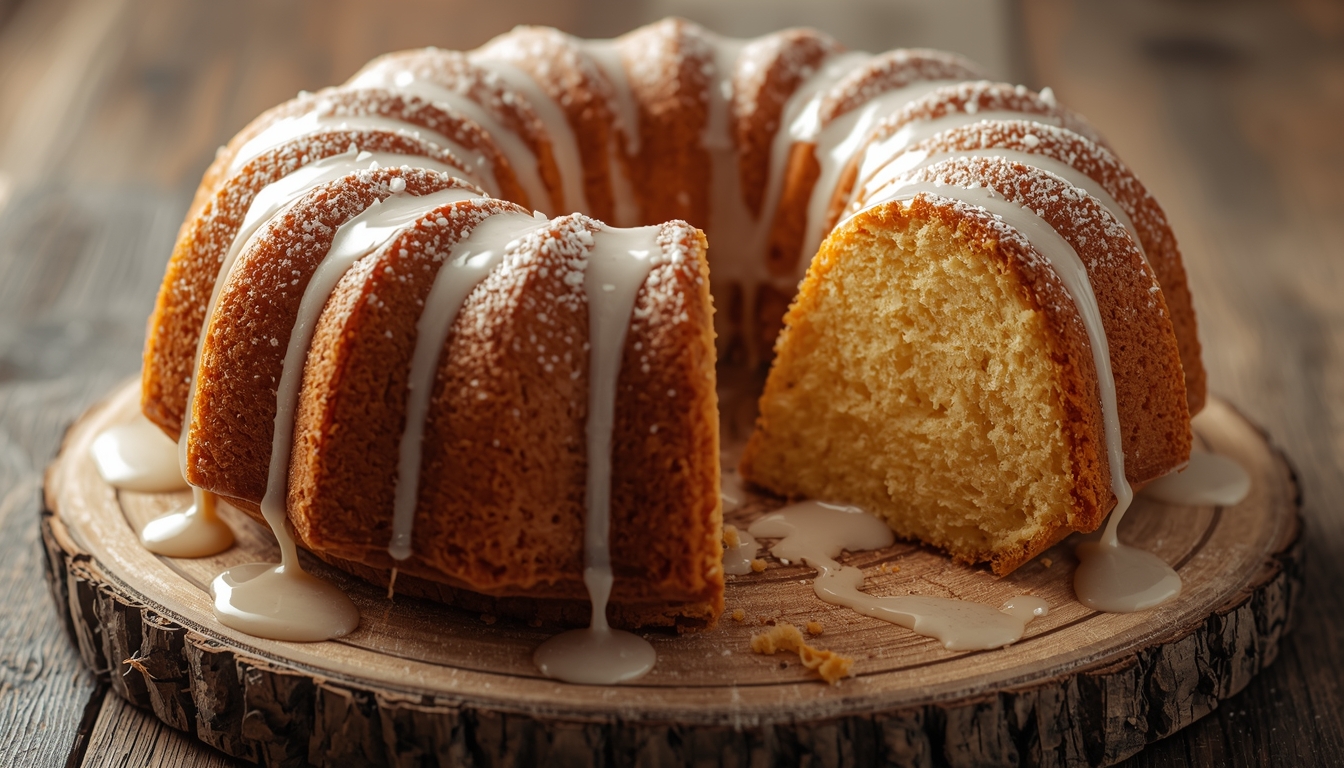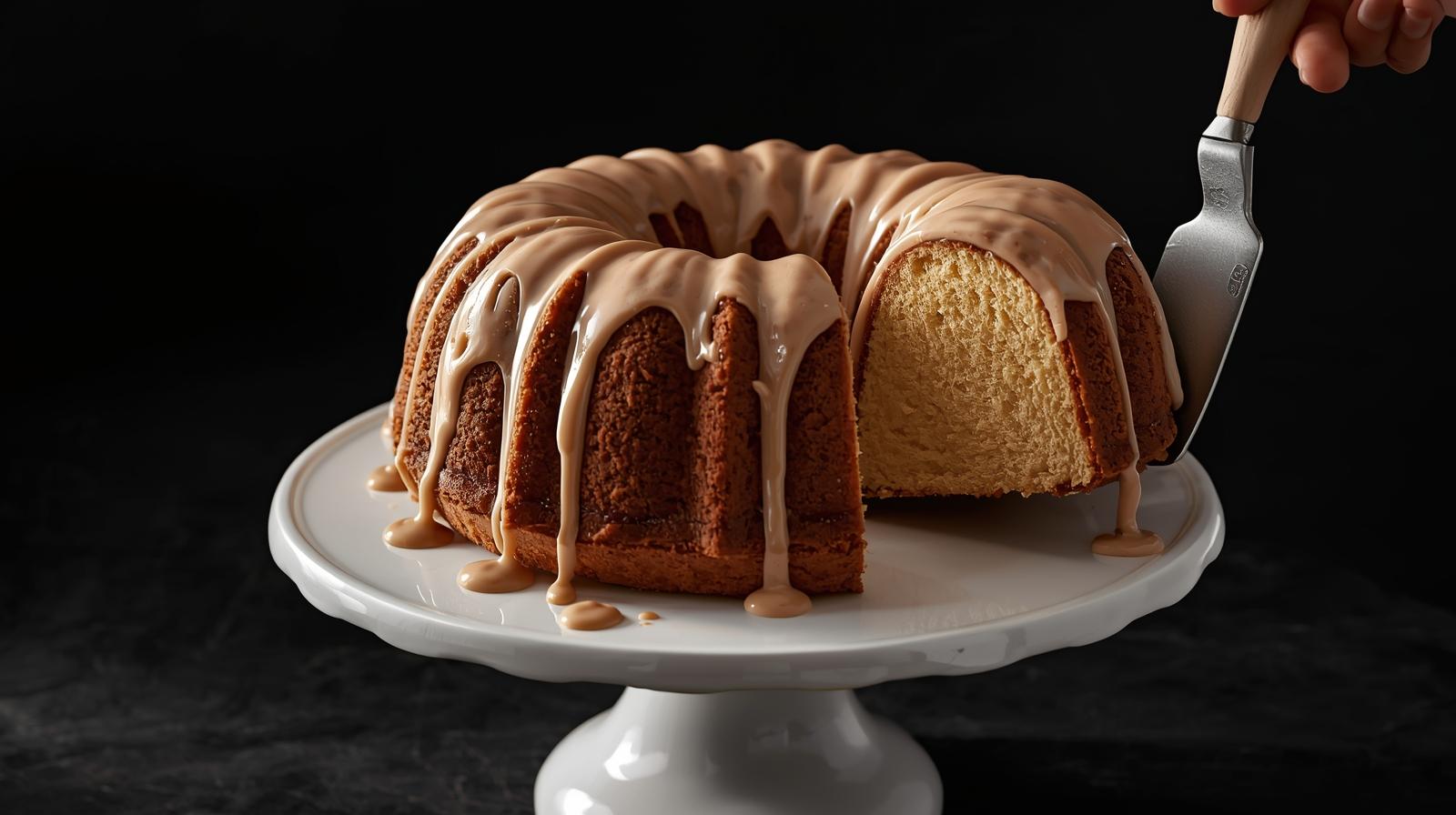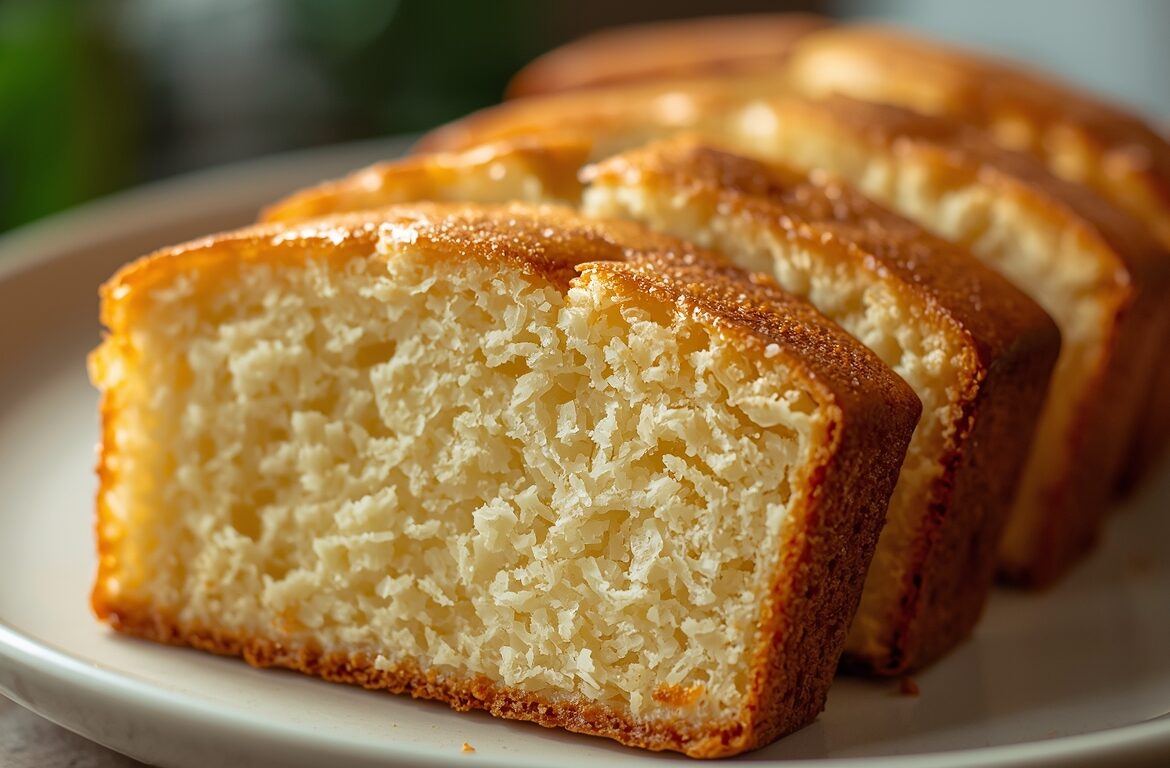
The world of baking is filled with complex techniques, but some of the most profound flavors come from the simplest additions. Among the most cherished “secret ingredients” is sweetened condensed milk. In Condensed Milk Cake Recipes, this thick, creamy staple replaces a significant portion of the traditional sugar and fat, resulting in a crumb that is exceptionally tender, milky, and dense in the best possible way.
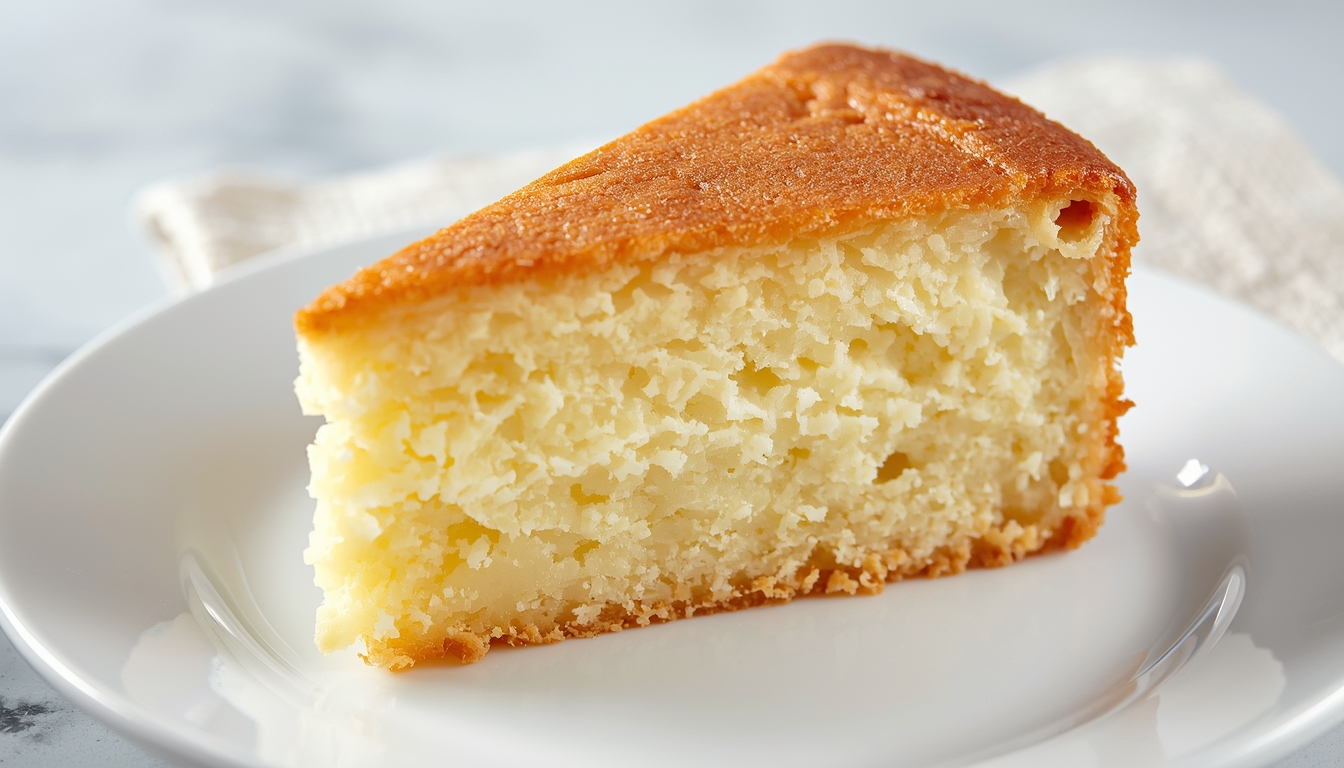
A homemade condensed milk cake is often referred to as a “snow cake” or “Brazilian pound cake” due to its pale, delicate appearance and velvety texture. Unlike standard sponge cakes that can sometimes lean toward the dry side, the high sugar and milk-solid content in condensed milk act as a humectant, locking in moisture for days. This guide will help you master the nuances of this unique batter to achieve a professional-grade result.
Why Everyone Loves This Dish
The primary appeal of an easy condensed milk cake recipe is the unique mouthfeel it provides. It possesses a luxurious, melt-in-your-mouth quality that standard granulated sugar simply cannot replicate. The sweetness is mellow and “cooked,” reminiscent of dulce de leche or high-end fudge, rather than being sharp or overwhelming.
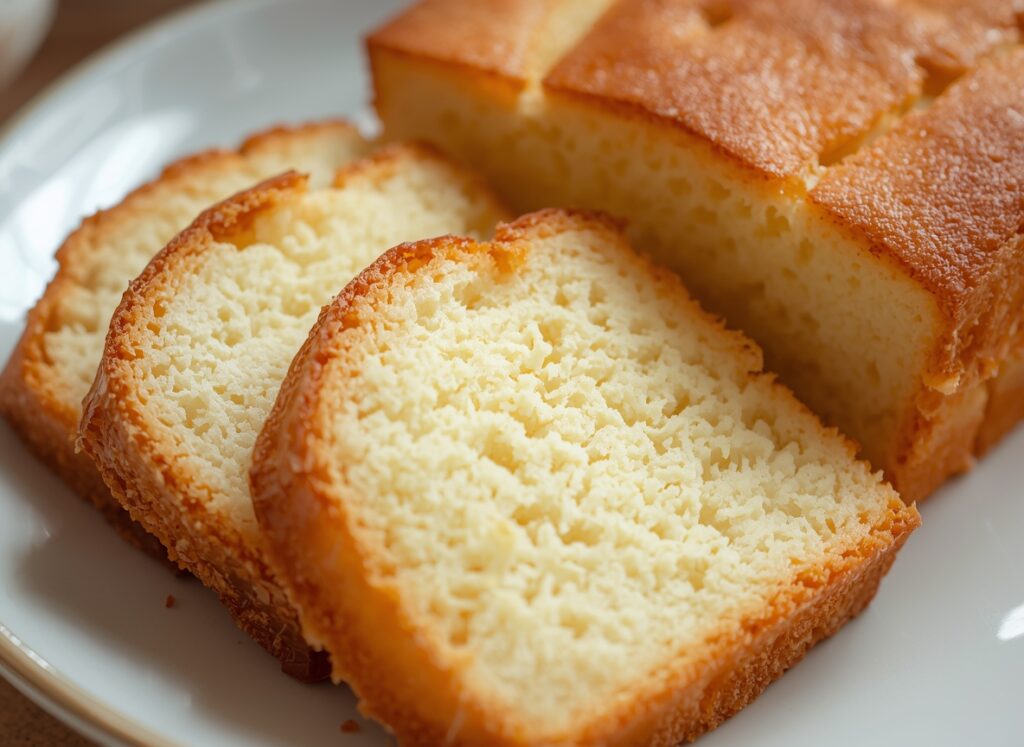
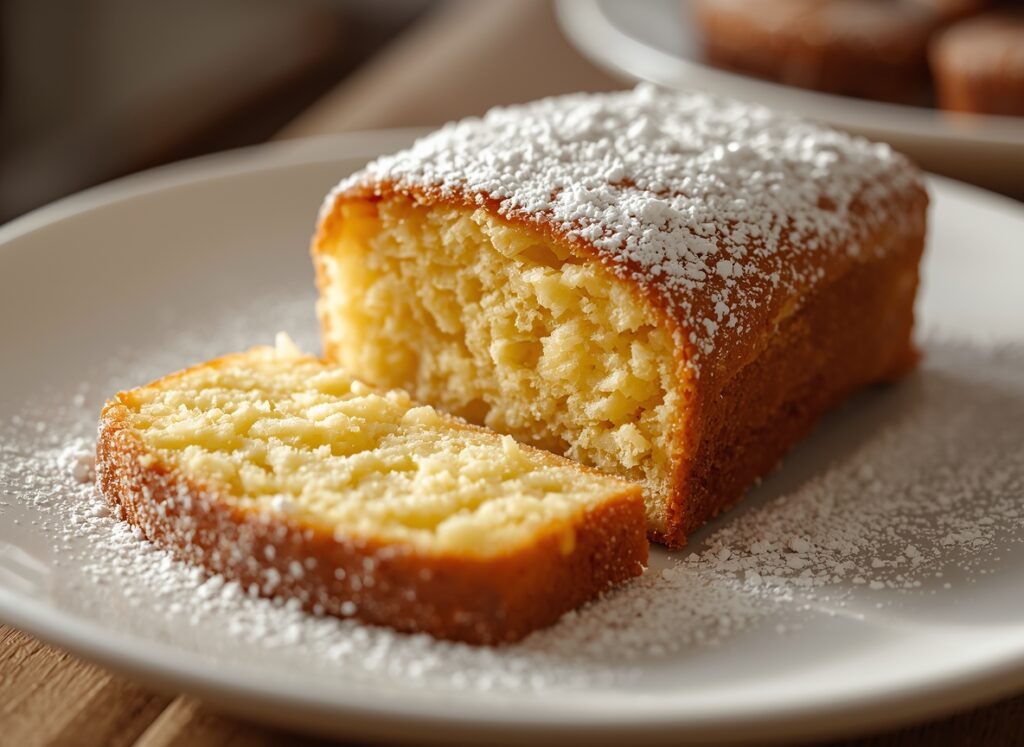
Furthermore, it is an incredibly reliable bake. Because the condensed milk provides so much structure and moisture, the cake is less prone to the common pitfalls of over-mixing or slight oven temperature fluctuations. It serves as the perfect canvas for various toppings, though it is sophisticated enough to be served plain with a simple dusting of powdered sugar.
Ingredients Breakdown (With Tips)
To ensure your Condensed Milk Cake Recipes yield the perfect crumb, pay close attention to the quality and state of these ingredients:
- Sweetened Condensed Milk: Use a full-fat version for the richest flavor. Ensure it is at room temperature to prevent the butter from curdling during the mixing process.
- Unsalted Butter: High-quality European-style butter with a higher fat content will yield a better flavor. It must be softened, not melted.
- All-Purpose Flour: This provides the necessary structure. Sifting the flour is non-negotiable for this recipe, as it ensures the dense batter remains airy.
- Large Eggs: Eggs provide the lift. Like the milk and butter, they should be at room temperature to ensure a stable emulsion.
- Baking Powder: Since the batter is quite heavy, fresh baking powder is essential for a proper rise.
- Vanilla Extract or Bean Paste: A high-quality vanilla enhances the milky notes of the cake.
Substitute Options for Missing Ingredients
While the core of Condensed Milk Cake Recipes is the milk itself, some adjustments can be made if you are in a pinch:
- Butter Alternative: You can use a neutral oil like grapeseed or avocado oil. The cake will be even moister, though you will lose that distinct buttery aroma.
- Egg Substitute: For an eggless version, a mixture of yogurt and a touch more baking soda can work, though the cake will be denser.
- Flavor Twists: Replace vanilla with almond extract or citrus zest (lemon or orange) to cut through the richness of the milk.
- Flour Swap: You can use cake flour for an even finer, more delicate crumb, though all-purpose is traditional for a sturdier slice.
Must-Have Kitchen Tools
- Stand Mixer or Electric Hand Mixer: Crucial for creaming the butter and condensed milk to incorporate enough air.
- Fine-Mesh Sieve: For sifting dry ingredients to avoid lumps in the thick batter.
- 9-inch Bundt Pan or Loaf Pan: These cakes bake best in pans with a center tube or narrow shape to ensure even heat distribution.
- Silicone Spatula: For folding the final streaks of flour by hand to prevent over-working the gluten.
Quick Prep & Cooking Schedule
- Prep Time: 15 minutes (measuring and creaming).
- Bake Time: 45–55 minutes (depending on pan type).
- Cooling Time: 20 minutes in the pan, then fully on a wire rack.
- Total Time: Approximately 1 hour 30 minutes.
How to Cook Condensed Milk Cake Step by Step
1. Cream the Base
Preheat your oven to 325°F (165°C). In a large bowl, beat the softened butter until smooth. Slowly pour in the sweetened condensed milk while continuing to beat at medium speed until the mixture is light and fluffy.
2. Add the Eggs
Incorporate the eggs one at a time. Ensure each egg is fully absorbed before adding the next. Stir in the vanilla extract.
3. Sift and Fold
Sift the flour and baking powder together. Gradually add the dry ingredients to the wet mixture. Use a spatula to fold by hand until no white streaks remain. Do not over-mix, as this will lead to a rubbery texture.
4. Prepare the Pan
Generously grease and flour your baking pan. Even for non-stick pans, the high sugar content in condensed milk cake can cause sticking.
5. Bake
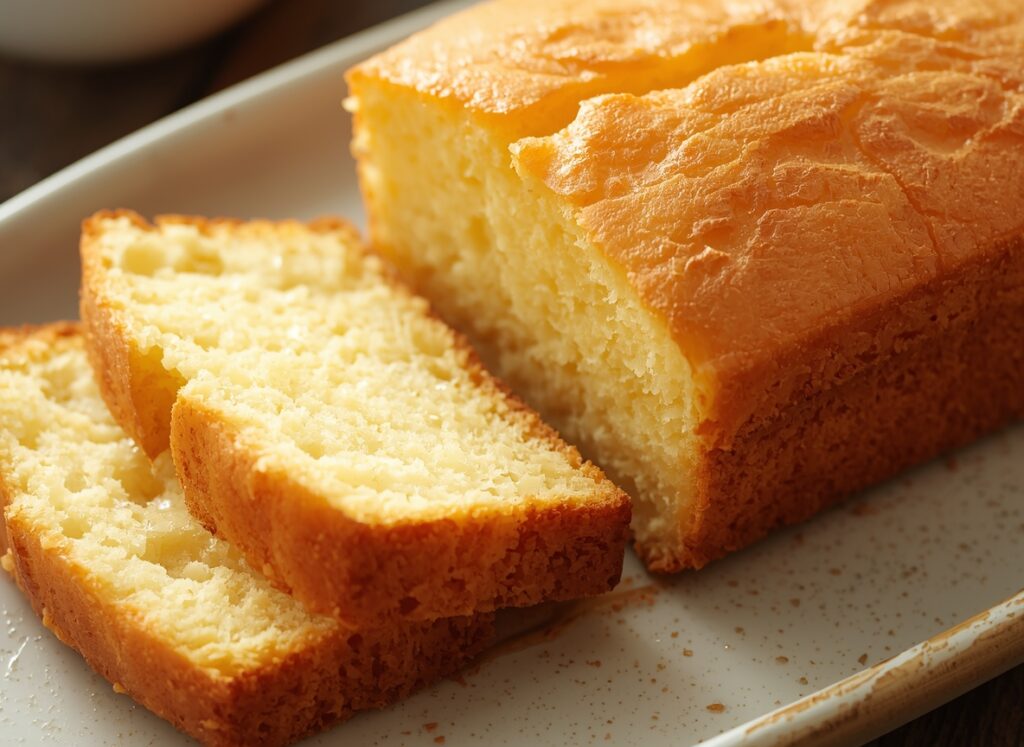
Pour the batter into the pan and smooth the top. Bake for 45–55 minutes. The cake is done when a wooden skewer comes out clean or with just a few moist crumbs.
6. Cool and Invert
Let the cake rest in the pan for at least 15–20 minutes. This allows the structure to firm up before you invert it onto a serving plate.
Mistakes That Can Ruin Condensed Milk Cake
- Using Cold Ingredients: If your butter or eggs are cold, the batter will break and look curdled. This results in an uneven bake and a greasy texture.
- High Oven Temperature: Because of the high sugar content, this cake browns quickly. Baking at a slightly lower temperature ($325^\circ F$ instead of $350^\circ F$) prevents the outside from burning before the middle is set.
- Opening the Oven Door: Avoid peeking in the first 30 minutes. The weight of the condensed milk makes the cake sensitive to sudden temperature drops, which can cause it to sink.
Expert Tips for Extra Richness
To take your homemade condensed milk cake to the next level, try “brushing” the cake. While the cake is still slightly warm, brush the exterior with a mixture of warm milk and a splash of condensed milk. This creates a “Tres Leches” style exterior that is incredibly moist.
Another tip is to allow the cake to sit overnight. Like a traditional pound cake, the flavors and moisture levels in Condensed Milk Cake Recipes stabilize after 12–24 hours, making the second day’s slice even better than the first.
Serving Ideas & Pairings
This cake is surprisingly versatile and can be dressed up or down:
- Fresh Berries: The acidity of raspberries or strawberries perfectly balances the sweet, milky flavor of the cake.
- Coffee and Tea: Serve a thick slice with a bitter espresso or a strong Earl Grey tea.
- Warm Ganache: A dark chocolate drizzle provides a beautiful contrast to the pale cake.
- Whipped Cream: A dollop of unsweetened whipped cream adds a light, airy component to the dense crumb.
Nutritional Value Overview
Condensed milk cake is a calorie-dense dessert intended for enjoyment. It provides a significant amount of calcium due to the concentrated milk solids. However, it is also high in carbohydrates and fats.
Enjoying this cake in moderate slices is the best way to incorporate it into a balanced lifestyle. It contains no artificial preservatives when made at home, unlike many store-bought pound cakes.
Calories, Protein & Carbs
(Per slice, based on 12 servings)
| Nutrient | Amount |
| Calories | 340 kcal |
| Total Fat | 16g |
| Carbohydrates | 44g |
| Protein | 5g |
| Sugars | 28g |
Make-Ahead & Storage Advice
One of the best features of any easy condensed milk cake recipe is its shelf life.
- Room Temperature: Wrap the cake tightly in plastic wrap or store it in an airtight container for up to 4 days.
- Freezing: This cake freezes exceptionally well. Wrap individual slices or the whole cake in plastic wrap, then a layer of foil. It will stay fresh for up to 3 months. Thaw at room temperature for a few hours before serving.
Reheating Tips for Best Texture
If you prefer your cake warm, avoid high-power microwave settings. Instead, use the “defrost” or low power setting for 15–20 seconds. This gently softens the butter within the crumb without making the cake “leathery.” For a gourmet touch, lightly toast a slice in a pan with a tiny bit of butter until the edges are golden and crisp.
FAQs About Condensed Milk Cake
Q: Can I use evaporated milk instead?
A: No. Evaporated milk lacks the sugar and the thick, syrupy consistency of condensed milk. The recipe will fail as the ratios of sugar and liquid will be incorrect.
Q: My cake is too dense, what happened?
A: This usually results from over-mixing the flour or using expired baking powder. Ensure you fold the flour in gently until just combined.
Q: Do I need to add sugar to this recipe?
A: Most Condensed Milk Cake Recipes do not require additional granulated sugar because the condensed milk is already heavily sweetened. However, some versions add a small amount for a specific crust texture.
Q: Can I make this in a cupcake tin?
A: Yes, but reduce the baking time to 18–22 minutes. Keep a close eye on them as small cakes will brown much faster.
Almond Flour Cake Recipes You’ll Make Again & Again
Homemade Date Cake Recipe Everyone Will Love
Easy Piña Colada Cake Recipe – Tropical & Moist
The Best Biscoff Cake Recipe for Lotus Lovers
Moist Rhubarb Cake Recipes Everyone Will Love