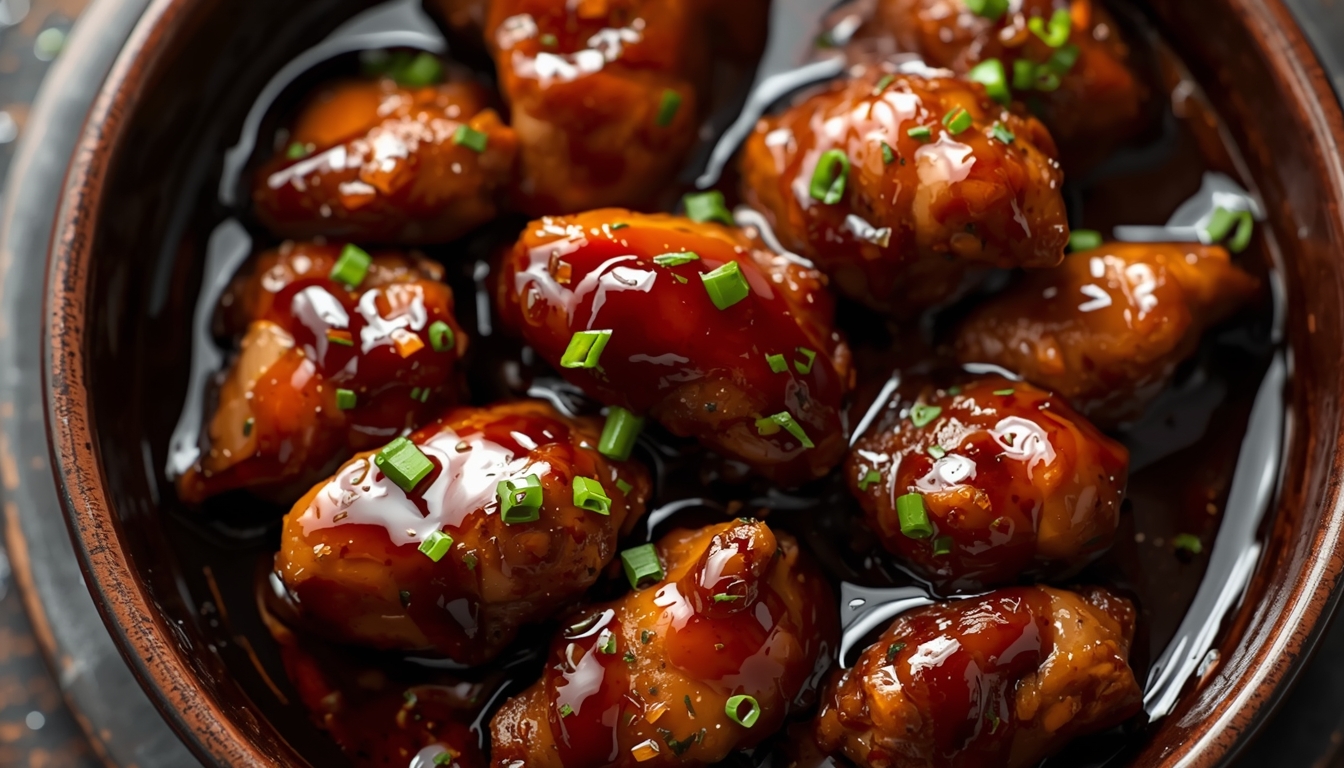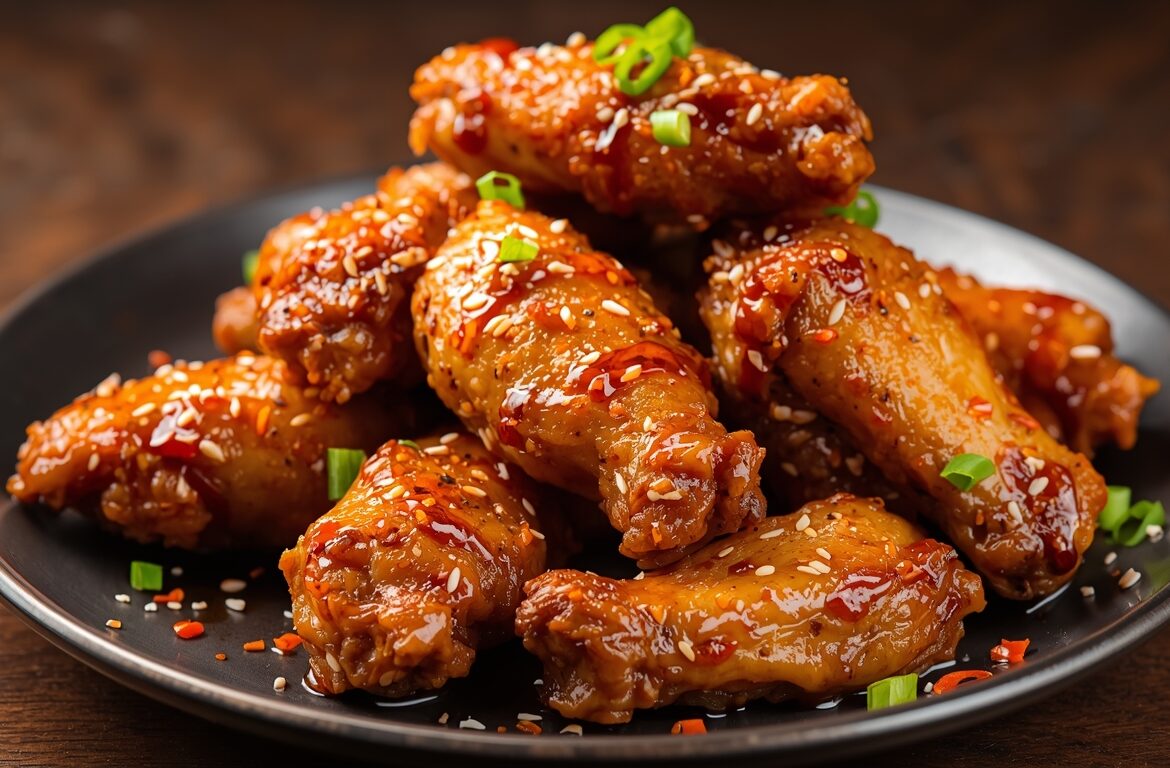
Korean Fried Chicken, often referred to as “KFC,” is a global phenomenon known for its shatteringly crisp crust and its signature sweet-and-spicy glaze. This Korean Chicken Wings Recipe focuses on the specific techniques required to achieve that “sticky” exterior while maintaining an airy, light crunch. Unlike American-style fried chicken, which relies on a thick, bready batter, the Korean method uses a thin, starch-based coating.
The “sticky” element comes from a high-gloss glaze made with fermented chili paste and sweeteners. This glaze is cooked down until it reaches a syrupy consistency that coats every nook and cranny of the wing without making it soggy. In this guide, we will break down the double-fry method and the glaze reduction process to help you master this homemade korean chicken wings classic.
Why Everyone Loves This Dish
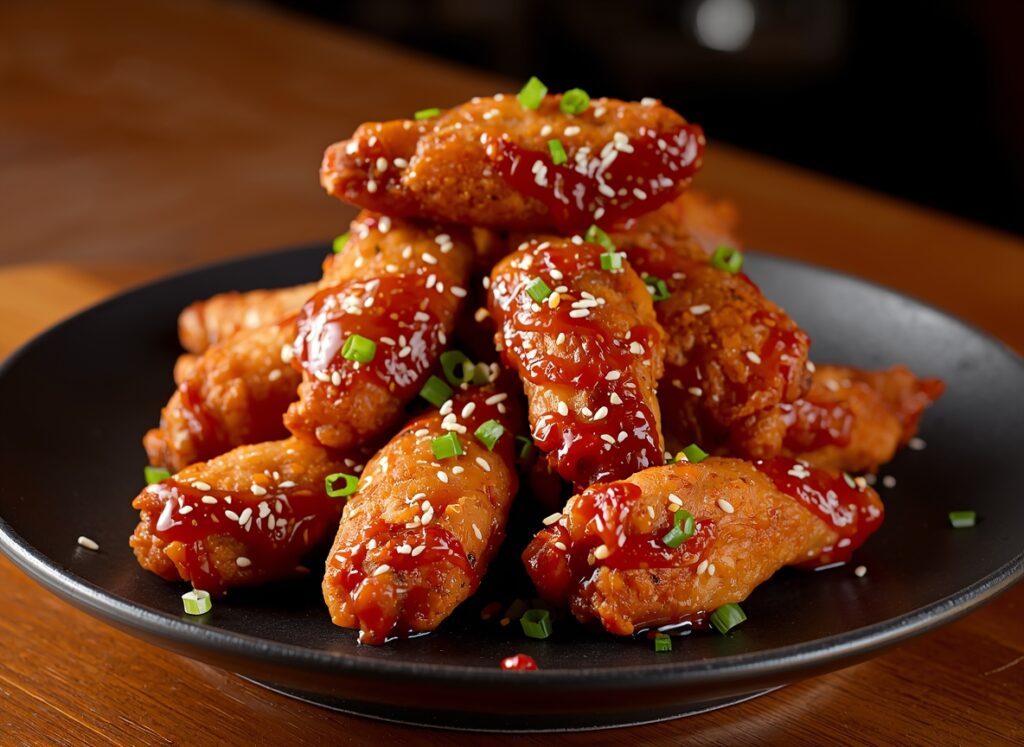
The allure of this easy korean chicken wings recipe lies in the perfect balance of “the four pillars of flavor”: sweet, salty, spicy, and acidic. The fermentation in the chili paste provides a deep umami backbone that simple hot sauces lack. It is a sensory experience that combines a loud, audible crunch with a smooth, velvety sauce.
Furthermore, these wings are incredibly addictive as a social food. They are the ultimate “crowd-pleaser” for sports viewings, parties, or casual weekend dinners. Because they are double-fried, they actually stay crispy longer than traditional wings, making them ideal for gatherings where food might sit out for a short period.
Ingredients Breakdown (With Tips)
To achieve authentic results, certain ingredients are non-negotiable for a high-quality Korean Chicken Wings Recipe.
- Chicken Wings: Use a mix of flats and drumettes. Ensure they are completely thawed and, most importantly, patted dry with paper towels to ensure the starch adheres properly.
- Potato Starch or Cornstarch: This is the secret to the light, thin, and ultra-crispy crust. Avoid using all-purpose flour alone, as it will create a heavy, doughy texture.
- Gochujang: A savory, sweet, and spicy fermented Korean chili paste. This is the heart of the sticky sauce.
- Rice Syrup or Honey: These provide the “stick” and the shine. Rice syrup is traditional for a cleaner sweetness, while honey adds a floral note.
- Ginger and Garlic: Fresh aromatics are essential. They cut through the richness of the fried skin and brighten the glaze.
- Rice Vinegar: This provides the necessary acidity to balance the sugar and heat.
Substitute Options for Missing Ingredients
If you cannot find specific items for your korean chicken wings, use these alternatives to maintain the flavor profile:
- Gochujang Swap: If you can’t find Gochujang, a mix of Sriracha and a teaspoon of miso paste can mimic the spicy-fermented flavor, though the texture will be thinner.
- Sweetener: If rice syrup is unavailable, light corn syrup or maple syrup can work, though maple will change the flavor profile slightly.
- Starch: If you lack potato starch, cornstarch is an excellent 1:1 substitute. You can also add 10% all-purpose flour to the starch for a slightly sturdier crunch.
Must-Have Kitchen Tools
- Deep-Fry or Instant-Read Thermometer: Essential for monitoring oil temperature. If the oil is too cold, the wings become greasy; too hot, and the starch burns before the meat is cooked.
- Large Wok or Dutch Oven: These provide ample space for the wings to move without dropping the oil temperature too rapidly.
- Wire Cooling Rack: Always rest fried chicken on a rack, never on paper towels. Paper towels trap steam, which will turn your crispy crust soggy.
- Small Saucepan: For reducing the glaze to the perfect sticky consistency.
Quick Prep & Cooking Schedule
- Prep Time: 20 minutes (drying chicken and mixing starch).
- First Fry: 8–10 minutes (to cook the meat through).
- Resting: 5 minutes (to allow moisture to escape).
- Second Fry: 2–3 minutes (to achieve the shatter-crisp crust).
- Glazing: 2 minutes.
- Total Time: Approximately 45 minutes.
How to Cook Sticky Chicken Step by Step
1. Dredge the Chicken
Season your dry wings with salt and pepper. Toss them in a bowl with potato starch until they are lightly but completely coated. Shake off any excess starch.
2. The First Fry
Heat your oil to 325°F (160°C). Fry the wings in batches for 8–10 minutes. They should look pale and feel firm, but not yet deeply browned. Remove and drain on a wire rack.
3. Prepare the Sticky Glaze
While the chicken rests, combine Gochujang, soy sauce, rice vinegar, minced garlic, grated ginger, and rice syrup in a saucepan. Simmer over medium heat for 3–5 minutes until it thickens into a glossy syrup.
4. The Second Fry
Increase the oil temperature to 375°F (190°C). Return the wings to the oil for 2–3 minutes. This high-heat blast evaporates any remaining surface moisture, creating a golden, “glass-like” crunch.
5. The Toss
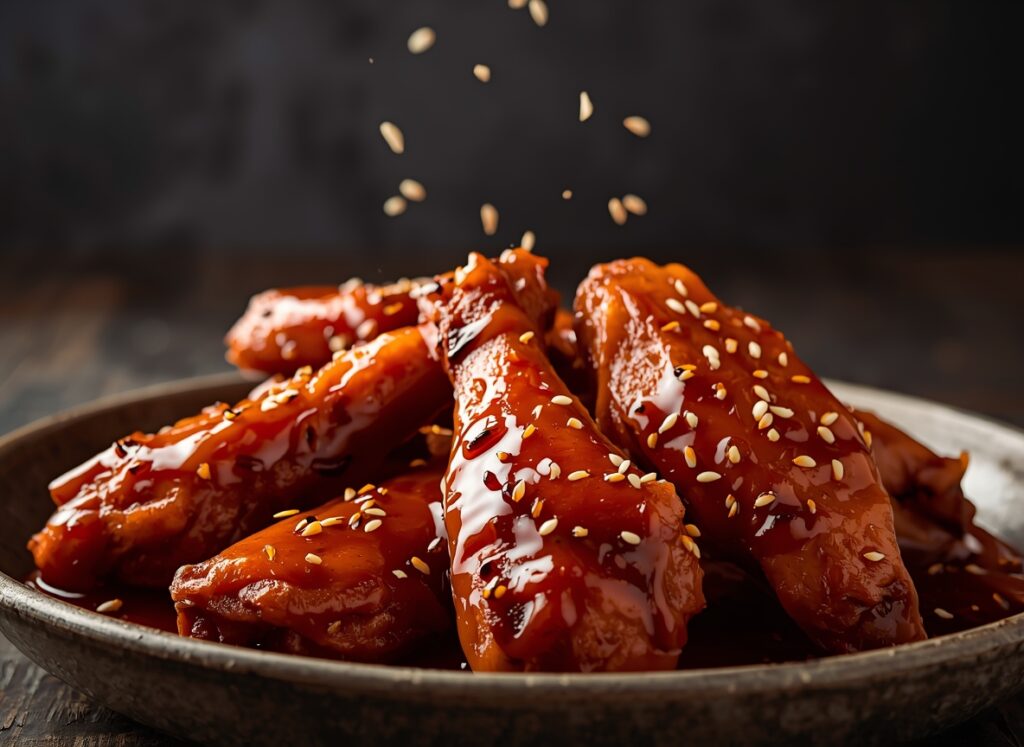
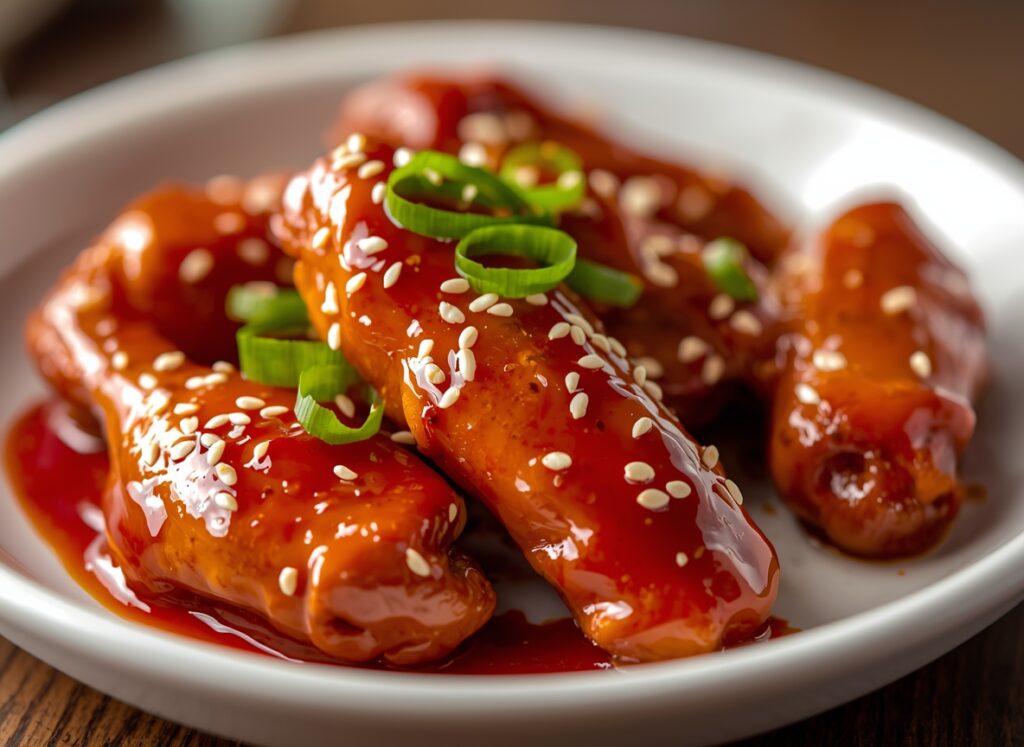
Place the hot wings in a large stainless steel bowl. Pour the warm glaze over them and toss vigorously with tongs until every wing is lacquered in sauce.
Mistakes That Can Ruin Sticky Chicken
- Wet Chicken: If the skin is damp when you apply the starch, it will create a “paste” that falls off in the oil.
- Crowding the Pot: Adding too many wings at once drops the oil temperature significantly, leading to soggy, oily chicken.
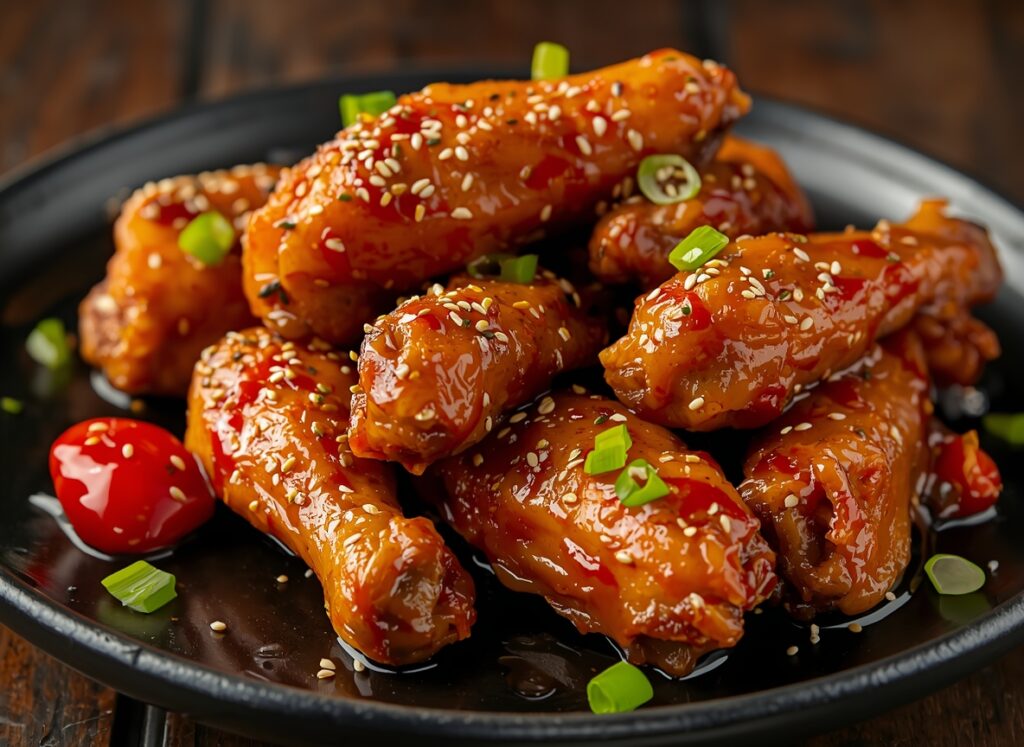
- Over-reducing the Sauce: If you cook the glaze for too long, it will turn into a hard, sticky taffy that is difficult to eat. It should be thick enough to coat a spoon but still pourable.
Expert Tips for Extra Stickiness
For the ultimate sticky finish, add a tablespoon of brown sugar to your glaze. The sugar helps create a candy-like coating that hardens slightly as it cools. Also, ensure your glaze is warm when you toss it with the chicken; cold glaze will not distribute evenly and can clump.
Another secret for the crunch is to use a “double-dredge.” After the first light coating of starch, let the wings sit for 5 minutes until they look slightly damp, then toss them in starch a second time right before they hit the oil.
Serving Ideas & Pairings
To stay traditional with your homemade korean chicken wings, serve them with:
- Pickled Radish (Mu): The sweet, tangy crunch of pickled daikon is the classic palate cleanser for KFC.
- Cold Beer: In Korea, this pairing is so famous it has its own name: “Chimek” (Chicken + Maekju/Beer).
- Garnish: Generously sprinkle toasted sesame seeds and thinly sliced green onions over the top for texture and visual appeal.
Nutritional Value Overview
Korean fried chicken is an indulgent dish. Because of the double-frying and the sugar-based glaze, it is higher in calories than grilled or roasted options. However, using potato starch instead of wheat flour can make it a lower-gluten or gluten-free option (depending on your soy sauce and Gochujang brand).
Calories, Protein & Carbs
(Per 3-wing serving)
| Nutrient | Amount |
| Calories | 420 kcal |
| Protein | 18g |
| Total Fat | 26g |
| Carbohydrates | 24g |
Make-Ahead & Storage Advice
While fried chicken is best fresh, you can prep ahead by performing the first fry several hours in advance. Keep the par-fried wings at room temperature and perform the second fry just before serving.
Store leftovers in an airtight container in the refrigerator for up to 2 days. Be aware that the sauce will lose its “stick” and the crust will soften over time.
Reheating Tips for Best Texture
Avoid the microwave at all costs; it will make the wings rubbery. The best way to reheat is in an Air Fryer at 375°F for 3–5 minutes or in a conventional oven at 400°F on a wire rack for 8 minutes. This helps re-crisp the skin and melt the glaze.
FAQs About Sticky Chicken
Q: Can I bake these instead of frying?
A: Yes, though the texture won’t be as “glassy.” Coat in starch mixed with a little baking powder and bake at 425°F on a wire rack for 40 minutes, flipping halfway through, then toss in the glaze.
Q: Is this recipe very spicy?
A: Gochujang is moderate in heat. If you want it milder, reduce the Gochujang and increase the rice syrup. For more heat, add dried red chili flakes (Gochugaru).
Q: Why is my chicken not crispy?
A: This is usually due to low oil temperature or skipping the second fry. The second fry is non-negotiable for the signature Korean crunch.
Classic Poppy Seed Chicken Recipe for Family Dinners
Easy Chicken Casserole Recipe (Ritz)
Healthy Chicken and Orzo Recipes Made Simple
The Best Chicken Lettuce Wraps Recipe for Quick Dinners
The Best Blackened Chicken Recipe for Quick Dinners