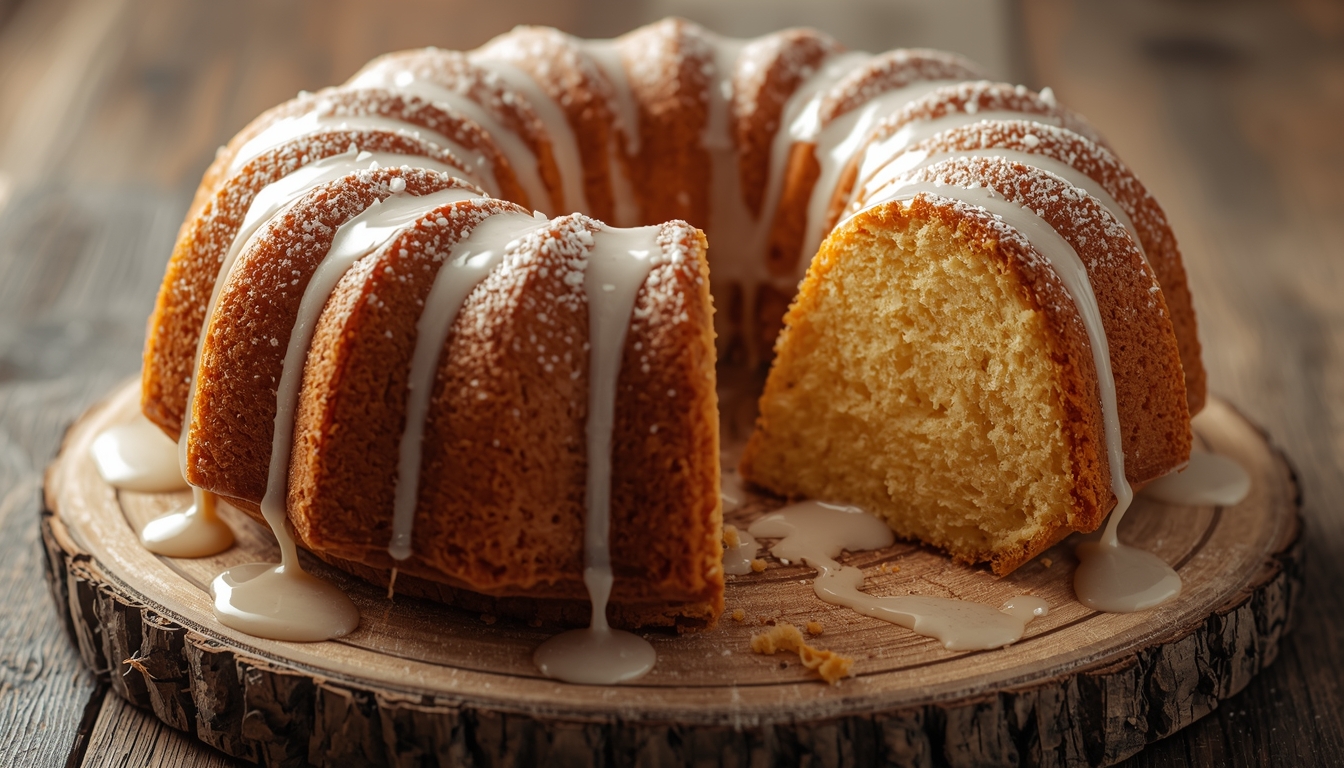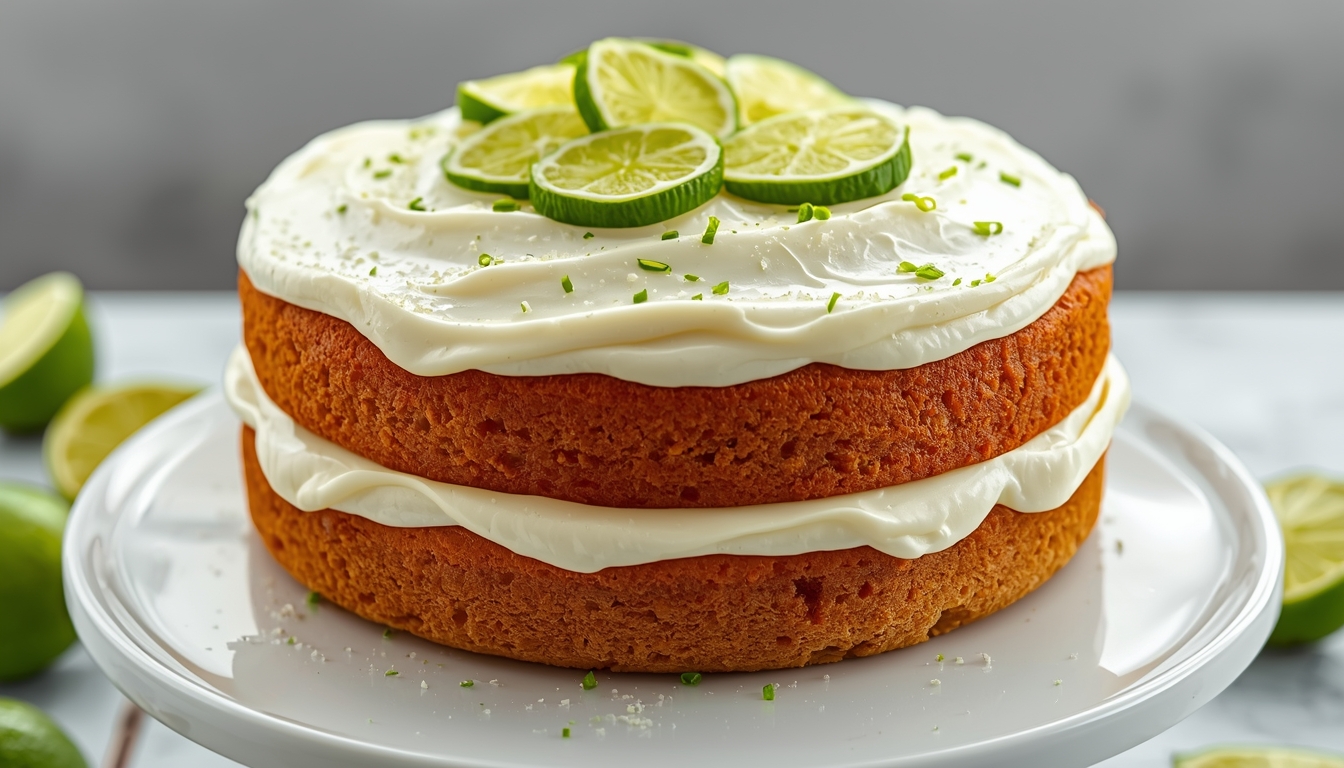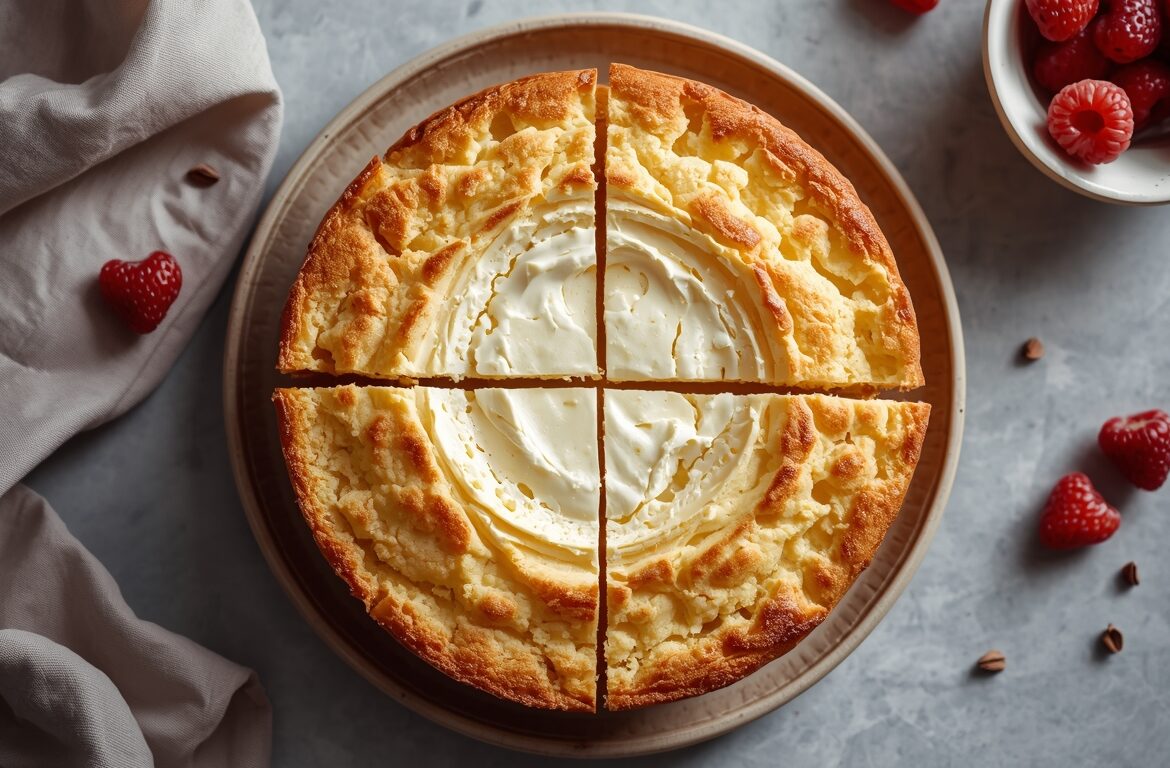
In a world dominated by dense New York-style cheesecakes, this Cottage Cheese Cake Recipe stands out as a sophisticated, lighter alternative. Often inspired by traditional European “Sirnik” or crustless protein cakes, this dish offers a unique texture that bridges the gap between a custard and a light sponge. By utilizing cottage cheese, you achieve a cake that is remarkably moist without the heavy, cloying richness of traditional cream cheese.
What truly makes this homemade cottage cheese cake special is its versatility and structural integrity. While it feels delicate on the palate, the proteins in the cottage cheese provide a sturdy bake that holds its shape beautifully. It is a baker’s secret for those who want to serve an impressive dessert that feels indulgent yet remains physically light, making it the perfect conclusion to a multi-course meal.
Recipe Overview & Flavor Profile
The flavor profile of this easy cottage cheese cake recipe is defined by a subtle tang and a clean, milky finish. Unlike standard cheesecakes that rely heavily on sugar and fat for flavor, this recipe allows the natural dairy notes to shine. The addition of lemon zest and pure vanilla extract provides a bright, aromatic lift that cuts through the creaminess, creating a perfectly balanced bite.
Texture is the hallmark of this dish. When the cottage cheese is blended or sieved, it transforms into a silk-like batter that bakes into a soft, airy crumb. It is less oily than a traditional cheesecake and has a slight “bounce” to it. Whether you choose to bake it with a traditional graham cracker crust or as a crustless protein-style cake, the result is consistently elegant.
Essential Ingredients You’ll Need
To achieve the best results with your Cottage Cheese Cake Recipe, focus on the quality and moisture content of your dairy.
- Cottage Cheese: Opt for full-fat (4%) small curd cottage cheese. The higher fat content ensures a creamier mouthfeel and a more stable bake.
- Eggs: These provide the necessary lift and structure. Ensure they are at room temperature to incorporate smoothly into the batter.
- Sweetener: Granulated sugar is standard, but you can use honey or maple syrup for a more complex, earthy sweetness.
- Thickener: A small amount of all-purpose flour or cornstarch helps bind the moisture, preventing the cake from becoming “weepy.”
- Aromatics: Fresh lemon zest and vanilla bean paste or extract are essential to mask any overly “savory” notes from the cheese.
- Butter: A touch of melted unsalted butter adds a professional silkiness to the batter.
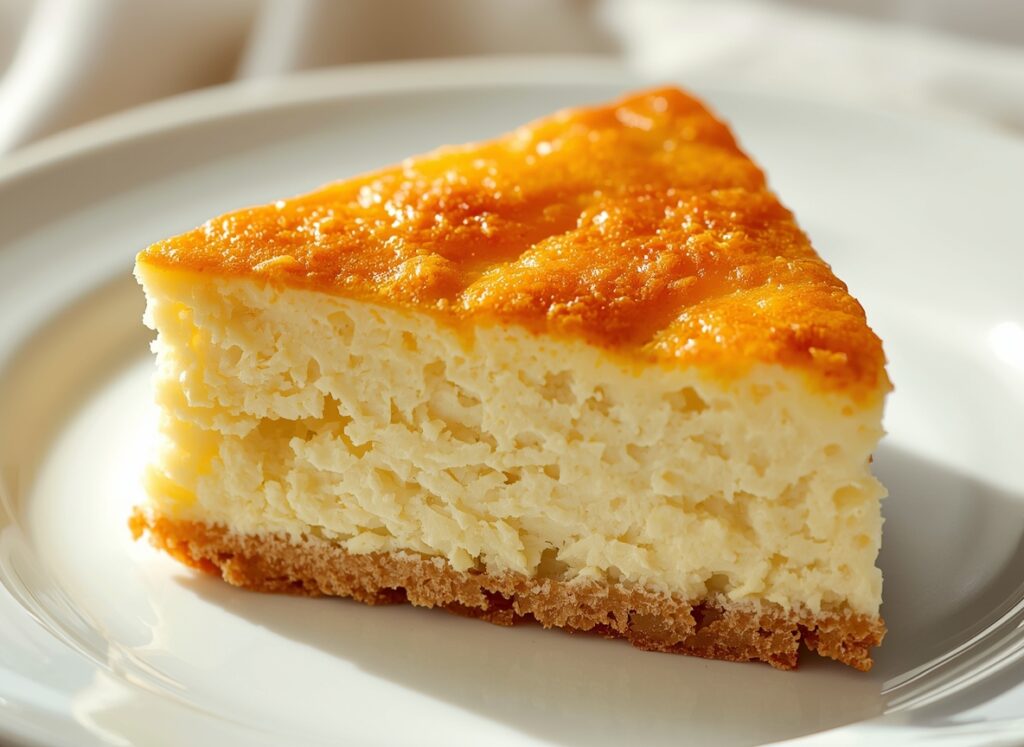
Smart Ingredient Swaps
One of the highlights of a homemade cottage cheese cake is how easily it adapts to various dietary needs:
- Gluten-Free: Swap the all-purpose flour for almond flour or a 1:1 gluten-free baking blend. Almond flour adds a lovely nutty undertone and extra moisture.
- Low-Sugar: Replace the granulated sugar with a monk fruit sweetener or erythritol blend. Because cottage cheese is naturally savory, these alternatives work exceptionally well.
- Greek Yogurt Twist: If you want an even tangier profile, replace 25% of the cottage cheese with thick, strained Greek yogurt.
- Ricotta Blend: For a texture closer to Italian-style cheesecake, you can use a 50/50 split of cottage cheese and ricotta.
Tools Every Home Cook Needs
- High-Speed Blender or Food Processor: This is the most important tool. To get that signature smooth texture, the cottage cheese curds must be completely emulsified.
- Springform Pan: A 9-inch springform pan allows you to remove the cake without damaging the delicate sides.
- Parchment Paper: Always line the bottom of your pan to ensure a clean release.
- Fine-Mesh Sieve: (Optional) If you don’t have a blender, pressing the cheese through a sieve is the traditional way to achieve a smooth consistency.
Prep Time vs Cooking Time Explained
Understanding the timeline of this Cottage Cheese Cake Recipe is key to achieving the perfect set:
- Prep Time: 15 minutes (blending the cheese and mixing the batter).
- Bake Time: 50–60 minutes.
- Cooling Time: 1 hour in the oven (with the door cracked) and at least 4 hours in the fridge.
- Total Time: Approximately 6 hours.
Patience is required during the cooling phase. Like all dairy-based cakes, the structure only fully sets once the cake has been thoroughly chilled.
Step-by-Step Cottage Cheese Cake Recipe Method
1. Prepare the Base
Preheat your oven to 325°F (165°C). Grease your springform pan and line the bottom with parchment paper. If you are using a crust, press your graham cracker or cookie crumb mixture into the bottom now.
2. Emulsify the Cheese
Place 24 ounces of cottage cheese into a blender or food processor. Blend on high until the mixture is completely smooth and resembles thick cream. There should be no visible curds.
3. Mix the Batter
In a large bowl, whisk 3 large eggs with 3/4 cup of sugar until pale and frothy. Stir in the blended cottage cheese, 1 teaspoon of vanilla, and the zest of one lemon.
4. Sift in Dry Ingredients
Gently sift 1/4 cup of flour and a pinch of salt over the wet mixture. Fold in using a spatula until just combined. Do not over-mix, as this can introduce too many air bubbles, causing the cake to crack.
5. The Bake
Pour the batter into the prepared pan. Bake for 50–60 minutes. The edges should be set and slightly golden, but the center should still have a slight “jiggle” when the pan is moved.
6. The Gradual Cool
Turn off the oven and crack the door open about 4 inches. Let the cake sit inside for 1 hour. This prevents the sudden temperature drop that causes cheesecakes to sink or crack. Finally, chill in the refrigerator for at least 4 hours.
Pro Cooking Secrets for Better Taste
To elevate this easy cottage cheese cake recipe to a professional level, pay attention to the “moisture balance.” If your cottage cheese seems particularly watery, strain it through cheesecloth for 30 minutes before blending. This results in a denser, more decadent cake.
Another secret is the temperature of your ingredients. Using room-temperature eggs and cheese ensures a perfectly smooth emulsion. Cold ingredients don’t bond as well, which can lead to a grainier texture after baking.
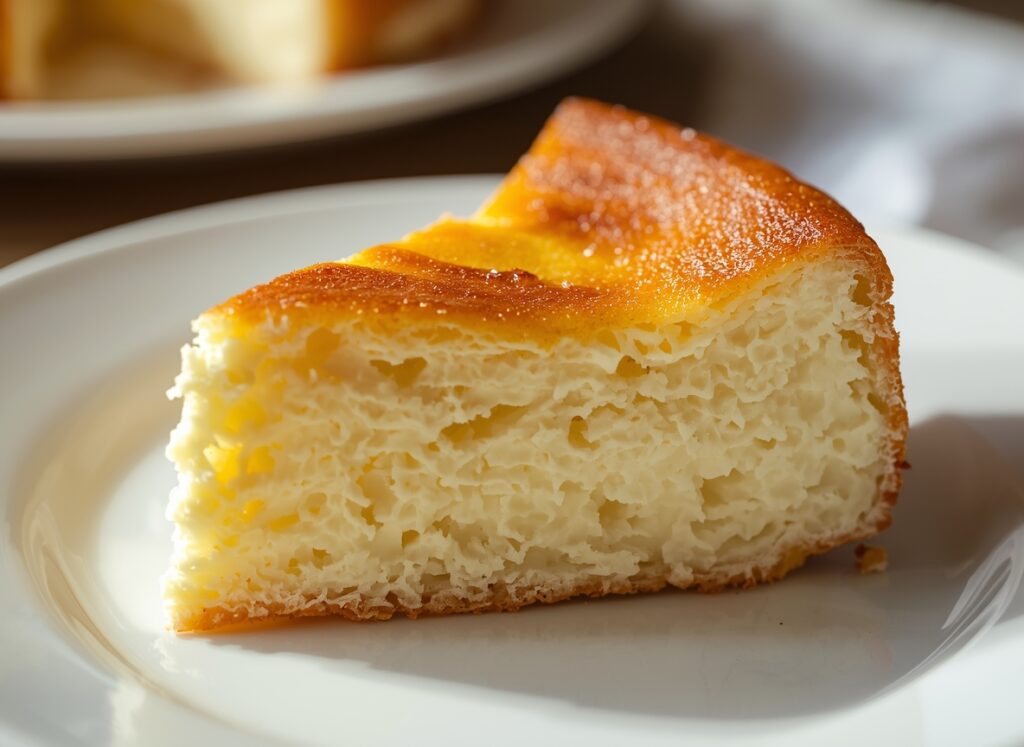
Health Benefits of Cottage Cheese Cake Recipe
Choosing a Cottage Cheese Cake Recipe over a traditional one offers significant nutritional advantages. Cottage cheese is a powerhouse of casein protein, which is slow-digesting and keeps you full for longer. It is also significantly lower in calories and saturated fats than heavy cream cheese.
Additionally, this cake is rich in calcium and B-vitamins. By using cottage cheese as the base, you are increasing the protein-to-calorie ratio of your dessert, making it a favorite for fitness enthusiasts or those looking for a “guilt-free” treat that supports muscle recovery and bone health.
Calories & Macro Breakdown
(Per slice, based on 10 servings)
| Nutrient | Amount |
| Calories | 195 kcal |
| Protein | 12g |
| Total Fat | 7g |
| Total Carbs | 21g |
| Sugars | 15g |
Best Ways to Serve Cottage Cheese Cake Recipe
This cake is a versatile canvas for various toppings:
- Fresh Berry Compote: A warm blueberry or raspberry sauce provides a stunning visual contrast and a tart flavor that complements the milky cake.
- Sieved Powdered Sugar: For an understated, elegant look, a simple dusting of sugar is all you need.
- Honey and Toasted Walnuts: To lean into the Mediterranean or Eastern European roots of the dish, drizzle with honey and add crunchy nuts.
- Fresh Mint: A few sprigs of mint add a refreshing aroma to every slice.
When Is the Best Time to Make This Dish?
Because it is lighter than a standard cheesecake, this dish is the perfect Summer Brunch centerpiece. It feels refreshing rather than heavy. It is also an excellent Meal Prep Dessert; because of its high protein content, a small slice can serve as a satisfying afternoon snack that won’t lead to a sugar crash.
Storage & Food Safety Tips
- Refrigeration: This cake must be kept refrigerated. Store it in an airtight container or tightly wrapped in plastic for up to 5 days.
- Freezing: You can freeze this cake! Wrap individual slices in plastic wrap and then foil. They will stay fresh for up to 2 months. Thaw in the refrigerator overnight before serving to maintain the texture.
How to Reheat Without Drying It Out
While this cake is traditionally served cold, some people prefer it at room temperature or slightly warm. To reheat without drying it out:
- Avoid the Microwave: The microwave can turn the dairy proteins rubbery.
- The Oven Method: Place a slice on a baking sheet and cover it loosely with foil. Heat in a 300°F oven for just 5–8 minutes.
- Steam: If you have a steamer basket, steaming a slice for 2 minutes can restore its moisture and give it a “fresh-baked” feel.
Frequently Asked Questions
Q: Can I use fat-free cottage cheese?
A: You can, but the cake will be significantly less creamy and may have a slightly rubbery texture. For the best balance of health and flavor, use 2% or 4% fat.
Q: Why did my cake crack on top?
A: Cracks are usually caused by over-beating the eggs (which adds too much air) or cooling the cake too quickly. Follow the “gradual cool” method in the recipe to prevent this.
Q: Do I need a water bath?
A: While not strictly necessary for this Cottage Cheese Cake Recipe, a water bath (bain-marie) can help ensure an even more even bake and extra-moist results.
Q: Can I make this in a loaf pan?
A: Yes! A loaf pan works well for a smaller, sliceable version. Just be sure to line it with parchment paper “slings” so you can lift the cake out easily.
Moist Blueberry Dump Cake Recipe Everyone Will Love
Easy Vanilla Pound Cake Recipe from Scratch
easy Oreo Dirt Cake Recipe – Simple & Delicious
Moist & Delicious Mini Bundt Cake Recipes Made Simple