The Dominican Cake Recipes, or Bizcocho Dominicano, hold a legendary status in the world of Caribbean baking. Unlike the dense, buttery pound cakes of Europe or the airy sponges of American tradition, this cake occupies a unique middle ground. It is prized for its “melt-in-your-mouth” texture, which is achieved through a specific aeration process and the use of high-fat ingredients.
What truly makes a homemade dominican cake special is its structural integrity. It is robust enough to be stacked into elaborate tiers for weddings and Quinceañeras, yet it possesses a delicate, moist crumb that feels incredibly light on the palate. This contradiction is the hallmark of a master baker, and mastering the technique is considered a rite of passage in Dominican households.
Recipe Overview & Flavor Profile
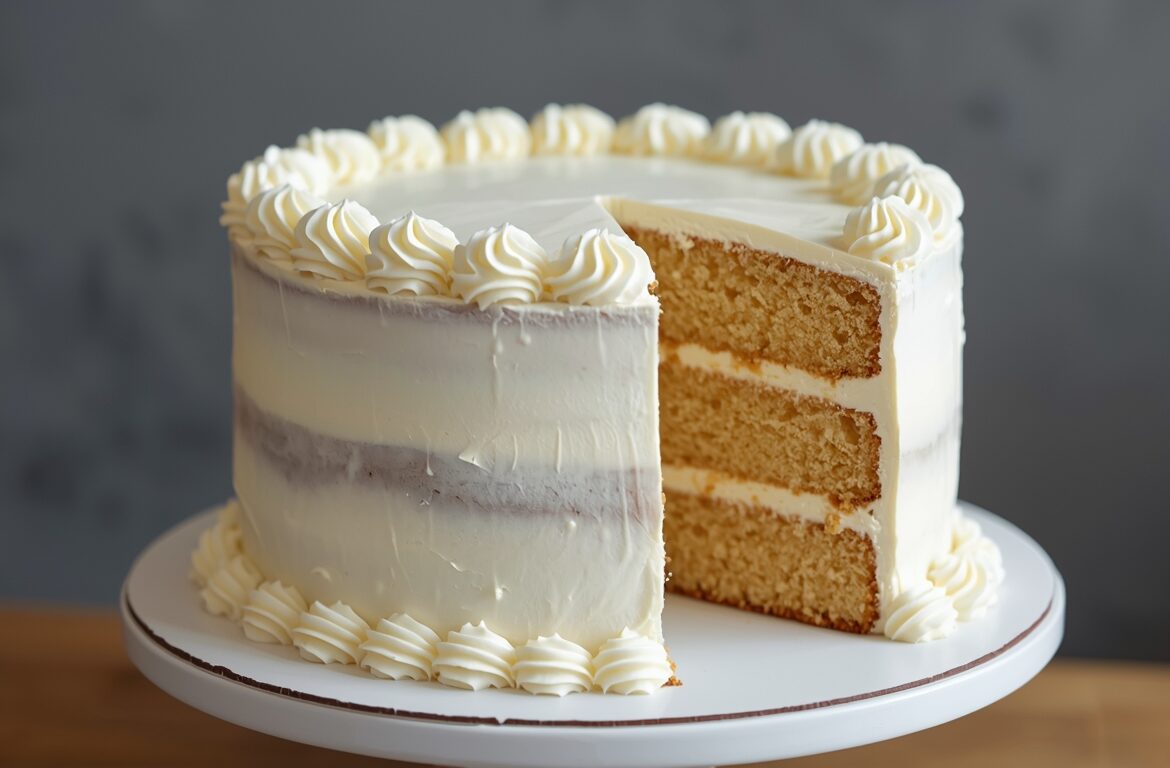
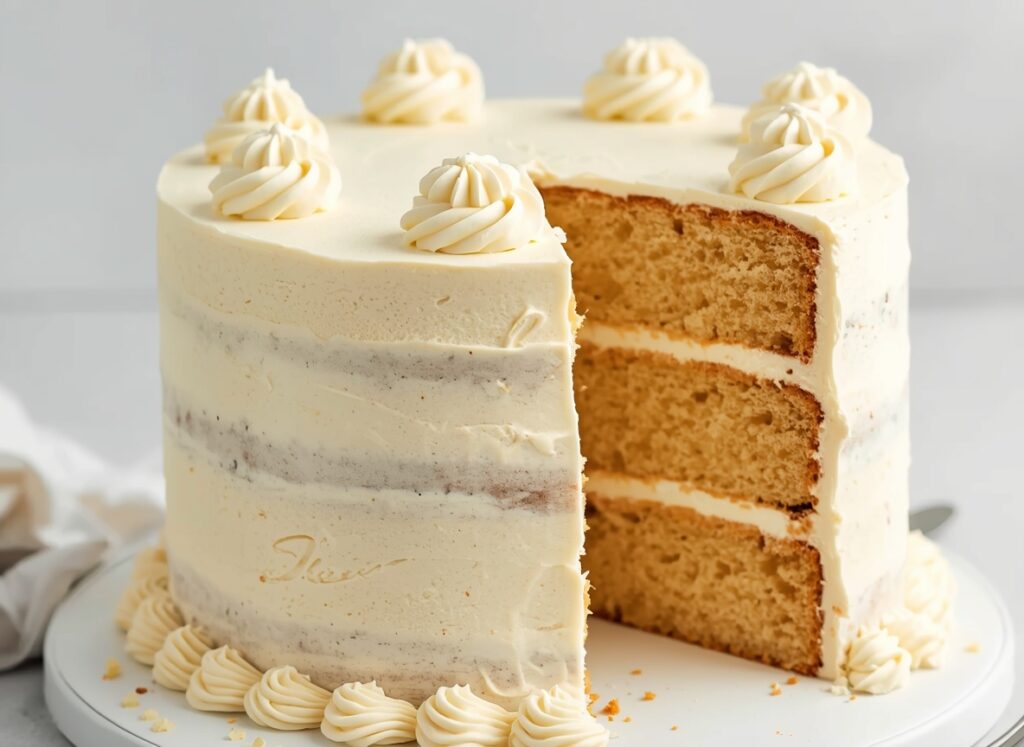
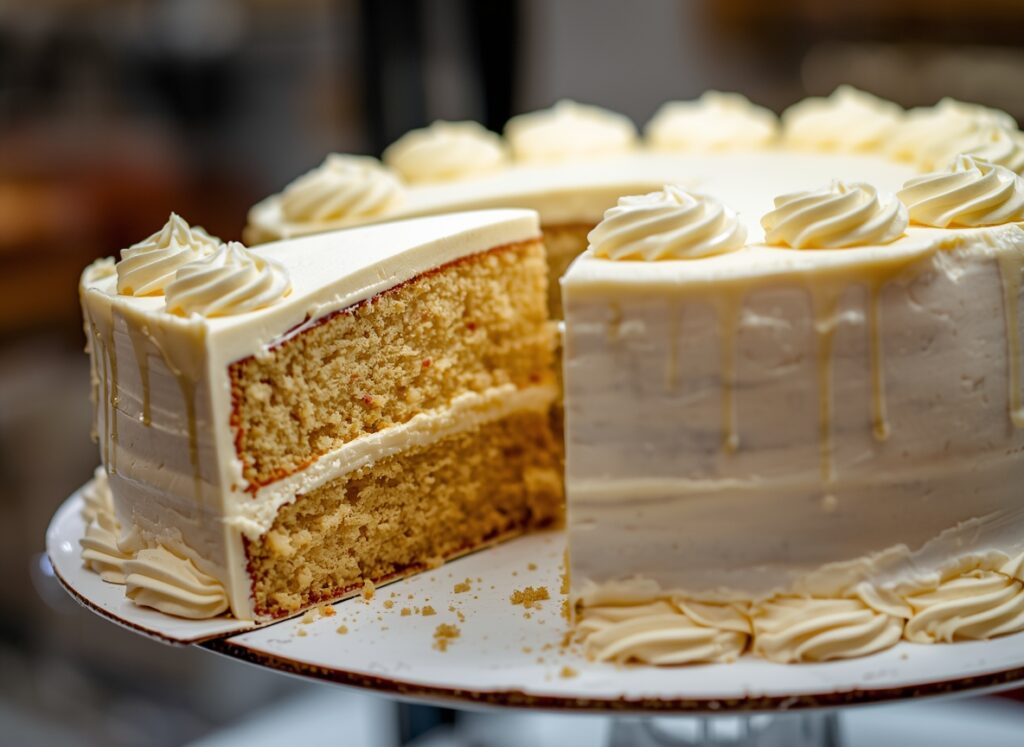
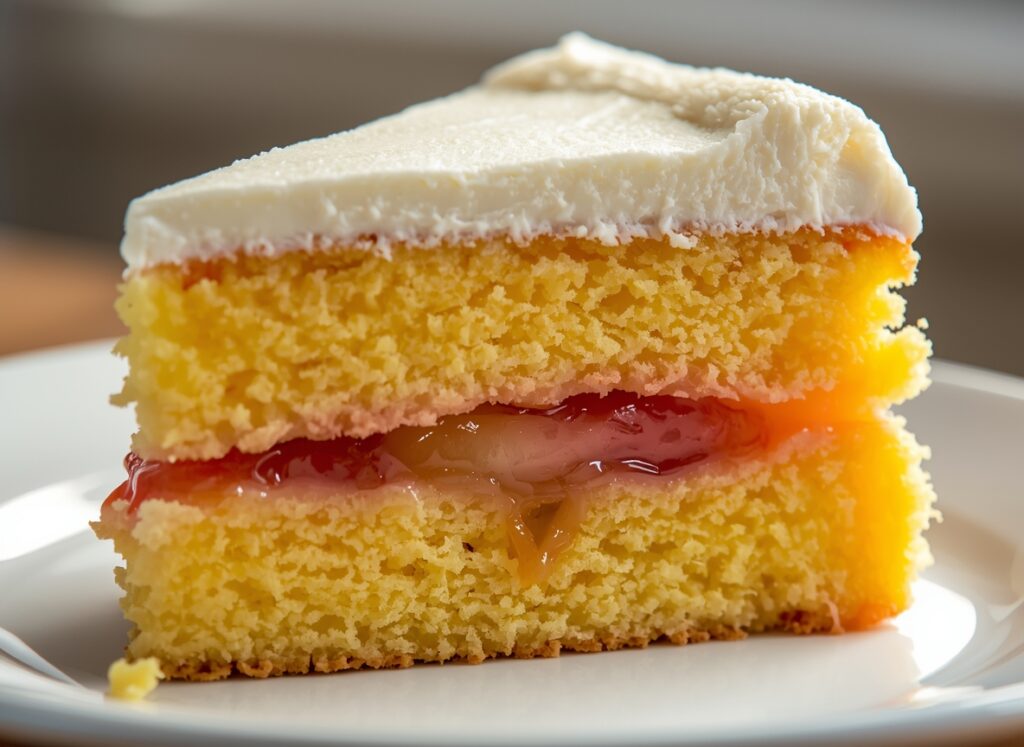
The flavor profile of this easy dominican cake recipe is predominantly defined by deep vanilla and citrus notes. It is traditionally infused with lime zest and vanilla extract, creating a bright, aromatic scent that balances the richness of the butter. The cake is almost always paired with Suspiro (a silky Italian meringue frosting) and filled with pineapple jam, which adds a tart, tropical contrast.
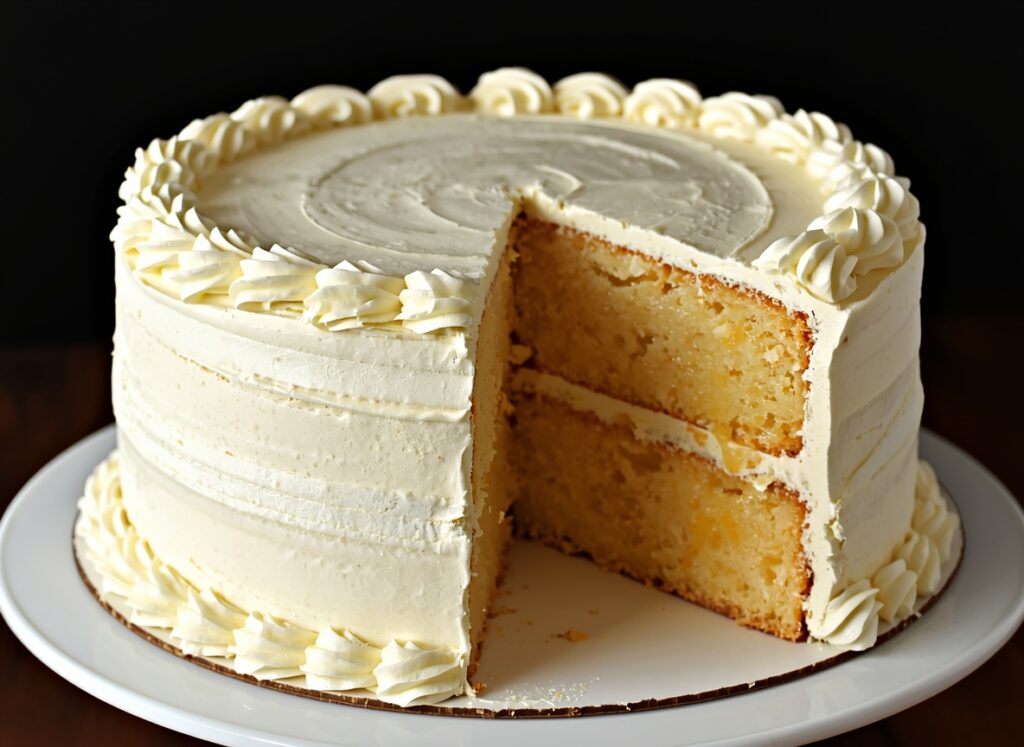
Texture-wise, the cake is often described as “cloud-like.” This is the result of the “creaming method,” where butter and sugar are beaten together until they reach a pale, voluminous state. When executed correctly, the cake should be moist enough that it doesn’t require a simple syrup soak, though many bakers add a touch of rum or lime syrup to further enhance the moisture.
Essential Ingredients You’ll Need
To achieve the authentic results expected of Dominican Cake Recipes, you must use high-quality, specific ingredients.
- Dominican Flour or Cake Flour: Dominican flour has a lower protein content, which is essential for that soft crumb. If unavailable, a high-quality cake flour is the best substitute.
- Unsalted Butter: This recipe requires a significant amount of butter. Use a brand with high butterfat content (European-style) for the best mouthfeel.
- Granulated Sugar: Standard sugar is used to create the aeration during the creaming process.
- Large Eggs: Use eggs at room temperature to ensure they emulsify properly with the butter.
- Liquid Base: Traditionally, a mixture of whole milk and a splash of orange juice or pineapple juice is used to hydrate the batter.
- Aromatics: Fresh lime zest and pure vanilla extract are non-negotiable. Many authentic recipes also include a hint of almond extract.
- Leavening: Fresh baking powder is vital to ensure the cake rises evenly and maintains its height.
Smart Ingredient Swaps
If you are looking to adapt your homemade dominican cake, consider these professional swaps:
- Dairy-Free: You can use a high-quality vegan butter block (not tub margarine) and coconut milk. However, the flavor will lean slightly more tropical.
- Citrus Variations: While lime is traditional, orange zest or even a hint of grapefruit zest can offer a modern twist on the classic profile.
- Filling Alternatives: While pineapple jam is the gold standard, Dulce de Leche or guava paste are popular secondary options that pair beautifully with the vanilla base.
- Sugar Substitutes: For a lower-glycemic option, monk fruit sweetener can be used, though the texture may be slightly denser as sugar plays a key role in the cake’s structure.
Tools Every Home Cook Needs
- Stand Mixer: This is almost a requirement for Dominican Cake Recipes. The creaming process takes 15–20 minutes, which is difficult to achieve with a hand mixer.
- Fine-Mesh Sieve: Sifting the flour three times is a secret step for many Dominican bakers to ensure the finest possible crumb.
- Digital Scale: Precision is the difference between a good cake and a great one. Measuring by weight prevents dry, crumbly cakes.
- Aluminum Cake Pans: These distribute heat more evenly than glass or dark non-stick pans, preventing the edges from browning too quickly.
Prep Time vs Cooking Time Explained
- Prep Time: 40 minutes (This includes the lengthy creaming process and sifting).
- Bake Time: 45–55 minutes depending on the size of the pans.
- Cooling Time: 1 hour in the pan, then fully chilled before frosting.
- Total Time: Approximately 2.5 hours.
Step-by-Step Dominican Cake Recipes Method
1. Creaming the Butter
Start by beating your room-temperature butter and sugar on medium-high speed. Do not rush this step; you are looking for a white, fluffy consistency that resembles whipped cream. This usually takes 10 to 15 minutes.
2. Adding the Yolks
Add your egg yolks one at a time, ensuring each is fully incorporated before adding the next. This builds the emulsion that gives the cake its “sticky” and moist internal texture.
3. Sifting and Combining
Sift your flour, baking powder, and salt. Gradually add the dry ingredients to the mixer, alternating with the milk and juice mixture. Start and end with the flour.
4. Aromatics
Fold in the lime zest, vanilla, and almond extracts by hand using a spatula. This prevents over-mixing, which could lead to a tough, bready cake.
5. The Bake
Pour the batter into greased and floured pans. Bake at 350°F ($177^\circ C$) until a skewer inserted into the center comes out clean. The top should be golden and spring back when lightly touched.
Pro Cooking Secrets for Better Taste
The most guarded secret of Dominican Cake Recipes is the temperature of the ingredients. Every single component—the butter, the eggs, and the milk—must be at room temperature ($70^\circ F$ or $21^\circ C$). If the milk is too cold, it will cause the butter to seize, resulting in a broken batter and a dense cake.
Another secret is the “double sifting” of the flour. By sifting the flour with the baking powder multiple times, you incorporate micro-pockets of air that help the cake rise more uniformly, preventing the “doming” effect and ensuring a flat top perfect for stacking.
Health Benefits of Dominican Cake Recipes
While a homemade dominican cake is undoubtedly a treat, it is made with wholesome, recognizable ingredients. Unlike store-bought cakes filled with hydrogenated oils and high-fructose corn syrup, this recipe relies on real butter and fresh eggs. Eggs provide high-quality protein and choline, while lime zest offers a small boost of antioxidants and Vitamin C.
Calories & Macro Breakdown
(Per slice, based on a 10-inch round cake)
| Nutrient | Amount |
| Calories | 420 kcal |
| Total Fat | 22g |
| Saturated Fat | 14g |
| Carbohydrates | 52g |
| Protein | 5g |
Best Ways to Serve Dominican Cake Recipes
To honor the tradition of Dominican Cake Recipes, the presentation should be as impressive as the flavor.
- The Suspiro Frosting: Always frost the cake with a thick layer of Italian meringue. It is marshmallow-y and light, providing the perfect contrast to the rich cake.
- The Filling: Ensure you have a thick layer of pineapple jam in the center. The acidity of the pineapple “cuts” through the sweetness of the meringue.
- Pairings: Serve with a cup of strong Dominican coffee or a glass of cold milk. The bitterness of the coffee beautifully complements the vanilla-citrus profile.
When Is the Best Time to Make This Dish?
This easy dominican cake recipe is synonymous with celebrations. It is the centerpiece for birthdays, Mother’s Day, and weddings. Because the cake is quite sturdy, it is also the ideal choice for outdoor gatherings or picnics where a more delicate sponge cake might wilt.
Storage & Food Safety Tips
- Room Temperature: If frosted with Suspiro, the cake can sit at room temperature for up to 2 days in a cool, dry place.
- Refrigeration: For longer storage, keep the cake in an airtight container for up to 5 days. Note that the butter in the cake will firm up in the fridge.
- Freezing: You can freeze un-frosted cake layers. Wrap them tightly in plastic wrap and then foil. They will stay fresh for up to 3 months.
How to Reheat Without Drying It Out
If you have refrigerated your homemade dominican cake, it is vital to bring it back to room temperature before eating.
- Countertop Method: Take the cake out of the fridge at least 1 hour before serving. This allows the butter to soften, restoring the cake’s airy texture.
- Microwave (Last Resort): If you are in a rush, heat a single slice for 8–10 seconds on low power. Do not overdo it, or the Suspiro frosting will melt and the cake will become oily.
Frequently Asked Questions
Q: Why is my Dominican cake dry?
A: This usually happens if the flour was over-measured or the cake was over-baked. Always measure your flour by weight and start checking for doneness 5 minutes before the timer goes off.
Q: Can I use margarine?
A: Traditional Dominican Cake Recipes strictly require butter. Margarine has a higher water content and lower fat, which will negatively impact the flavor and the “melt-in-your-mouth” texture.
Q: What is Dominican Flour?
A: It is a specialized flour used in the Dominican Republic that is very finely milled and has a low gluten content. In the U.S. or Europe, a high-quality cake flour is the closest equivalent.
Q: Why did my batter curdle?
A: This happens when your ingredients are at different temperatures. Ensure your eggs and milk are not cold when added to the creamed butter and sugar.
Quick & Simple Castella Cake Recipe – Perfect for Tea Time
Homemade Butterfinger Cake Recipe – Decadent & Simple
Easy Chocolate Bundt Cake Recipe – Soft, Rich & Decadent
The Best Pecan Pie Dump Cake Recipe You’ll Ever Try