A truly authentic Ragu Sauce Recipe is far more than just a meat-heavy marinara. It is a slow-cooked labor of love, traditionally known in Italy as a ragù alla bolognese or similar regional variations. While many modern sauces rely on sugar or heavy spices for impact, this recipe focuses on the transformation of humble ingredients—meat, aromatics, and wine—into a complex, savory masterpiece through the power of time.
What sets this homemade ragu sauce apart is the commitment to technique. Instead of boiling the meat in tomato juice, we focus on searing the proteins and “smothering” the vegetables. This process develops a deep “umami” base that provides a rich, velvety mouthfeel without needing excessive fat. It is a foundational recipe that every home cook should have in their repertoire for Sunday family dinners.
Recipe Overview & Flavor Profile
The flavor profile of this Ragu Sauce Recipe is defined by its balance. It is deeply savory and earthy, with a subtle sweetness derived from the caramelized soffritto (onions, carrots, and celery). Unlike quick sauces, there is no harsh acidic bite from the tomatoes; instead, the slow simmering mellows the acidity into a smooth, rounded finish.
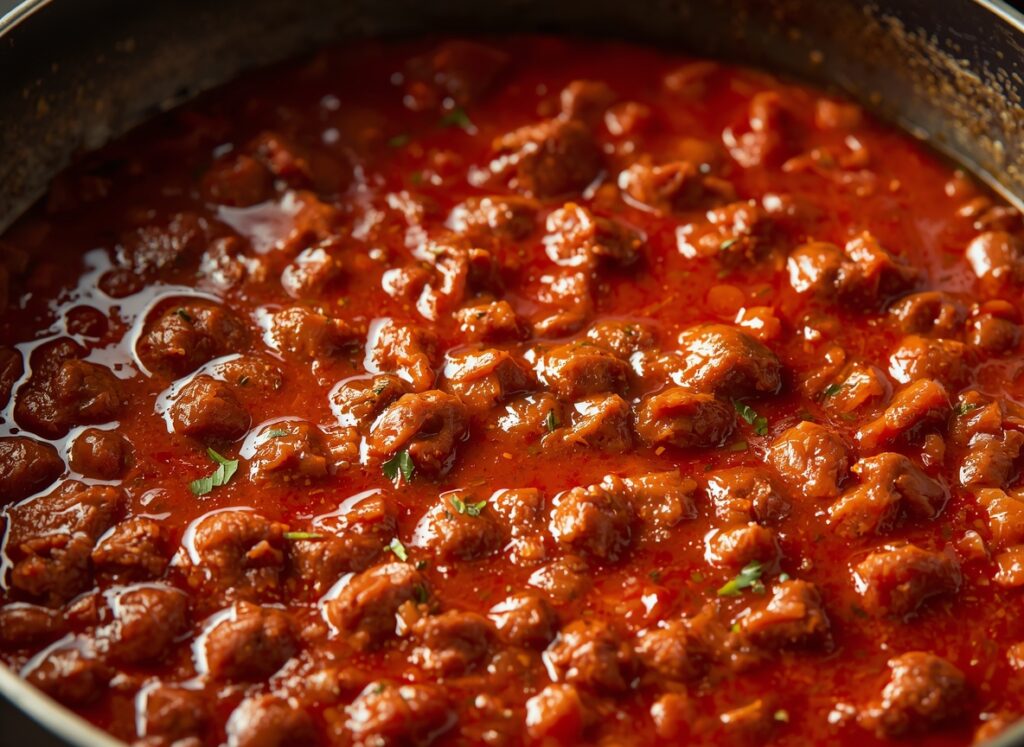
In terms of texture, a proper ragu should be thick and “chunky” rather than liquid. The meat should be tender enough to melt on the tongue, and the sauce should cling to the pasta rather than pooling at the bottom of the bowl. It is a hearty, robust sauce that feels substantial and comforting with every bite.
Essential Ingredients You’ll Need
To achieve the best results with an easy ragu sauce recipe, high-quality fats and proteins are non-negotiable.
- Ground Meat Blend: For the best flavor, use a 50/50 mix of ground beef (80/20 lean-to-fat ratio) and ground pork. The beef provides structure, while the pork adds sweetness and fat.
- The Soffritto: Finely minced onions, carrots, and celery. These are the aromatic backbone of the sauce.
- Tomato Paste and Crushed Tomatoes: Use high-quality Italian San Marzano tomatoes if possible. The paste provides color and thickness, while the crushed tomatoes provide the body.
- Dry White or Red Wine: Wine is essential for deglazing the pan. A dry white wine is traditional for Bolognese, while a hearty red wine creates a more robust, darker sauce.
- Whole Milk: This is the “secret” ingredient. Adding milk toward the end of the browning process tenderizes the meat and creates a silky emulsion.
- Beef or Chicken Stock: To keep the sauce moist during the long simmering process.
Smart Ingredient Swaps
If you need to adapt your homemade ragu sauce, these professional-grade substitutions will maintain the dish’s integrity:
- Vegetarian: Replace the ground meat with finely minced mushrooms (cremini or shiitake) and lentils. This provides a similar earthy texture and high protein content.
- Dairy-Free: Skip the milk or use a splash of heavy coconut cream. Alternatively, just increase the amount of beef stock to maintain the liquid balance.
- Alcohol-Free: If you prefer not to use wine, use an equal amount of beef stock mixed with a tablespoon of balsamic vinegar to mimic the acidity.
Tools Every Home Cook Needs
- Heavy-Bottomed Dutch Oven: This is vital for maintaining a consistent, low heat over several hours. Cast iron is preferred as it prevents the sauce from scorching.
- A Sharp Chef’s Knife: Since the vegetables need to be minced very finely to “melt” into the sauce, a sharp blade is essential.
- Wooden Spoon: Perfect for scraping the “fond” (the browned bits) off the bottom of the pan after deglazing.
- Fine Mesh Sieve: If you are using whole canned tomatoes, you may want to crush them through a sieve for a smoother consistency.
Prep Time vs Cooking Time Explained
- Prep Time: 20 minutes (chopping vegetables and gathering ingredients).
- Browning Time: 15–20 minutes (searing the meat and sautéing the soffritto).
- Simmering Time: 3 to 4 hours.
- Total Time: Approximately 4 hours.
While 4 hours may seem daunting, the active work is minimal. The long simmer is what allows the collagen in the meat to break down, resulting in the signature velvet texture of the Ragu Sauce Recipe.
Step-by-Step Ragu Sauce Recipe Method
1. Sauté the Soffritto
Heat olive oil and a knob of butter in your Dutch oven over medium heat. Add your finely minced onion, carrot, and celery. Sauté for 10 minutes until soft and translucent, but do not let them brown.
2. Brown the Meat
Increase the heat to medium-high. Add the ground beef and pork. Use your wooden spoon to break the meat into very small crumbles. Cook until the meat is browned and the liquid has evaporated.
3. The Milk Addition
Pour in the milk and a pinch of nutmeg. Simmer until the milk has evaporated completely. This step “protects” the meat from the acidity of the tomatoes and wine, ensuring it stays tender.
4. Deglaze with Wine
Add the wine and scrape the bottom of the pot to release all the flavorful browned bits. Simmer until the wine has reduced by half.
5. Incorporate Tomatoes and Simmer
Add the tomato paste and crushed tomatoes. Stir in a cup of stock. Reduce the heat to the lowest possible setting. Cover the pot partially and let it simmer for at least 3 hours. If the sauce looks too dry, add a splash of stock or water.
6. Final Seasoning
Remove from heat. Taste and add salt and black pepper as needed. A traditional ragu rarely needs extra herbs, but a bay leaf can be removed at this stage.
Pro Cooking Secrets for Better Taste
The most significant secret to an elite Ragu Sauce Recipe is the “low and slow” approach. If you see large bubbles in your sauce, the heat is too high. You want a “lazy” bubble—one that pops every few seconds. This prevents the fats from separating and keeps the sauce emulsified.
Another pro tip is the “fat cap.” If a layer of orange oil forms on the top of your sauce after 3 hours, do not skim it off! Stir it back in. That oil is packed with the flavor of the sautéed vegetables and rendered meat fat. It provides the shine and richness that defines a restaurant-quality homemade ragu sauce.
Health Benefits of Ragu Sauce Recipe
While rich, a Ragu Sauce Recipe made from scratch is quite nutritious. It is packed with high-quality protein and essential amino acids from the beef and pork. The cooked tomatoes are an excellent source of lycopene, a powerful antioxidant that is more easily absorbed by the body when cooked with fats like olive oil.
Furthermore, the inclusion of carrots, celery, and onions adds a serving of hidden vegetables and fiber to your meal, making it a well-rounded option when served with a moderate portion of pasta.
Calories & Macro Breakdown
(Per 1-cup serving of sauce)
| Nutrient | Amount |
| Calories | 320 kcal |
| Protein | 22g |
| Total Fat | 18g |
| Total Carbs | 12g |
| Fiber | 3g |
Best Ways to Serve Ragu Sauce Recipe
To truly enjoy an easy ragu sauce recipe, you must pair it with the right pasta.
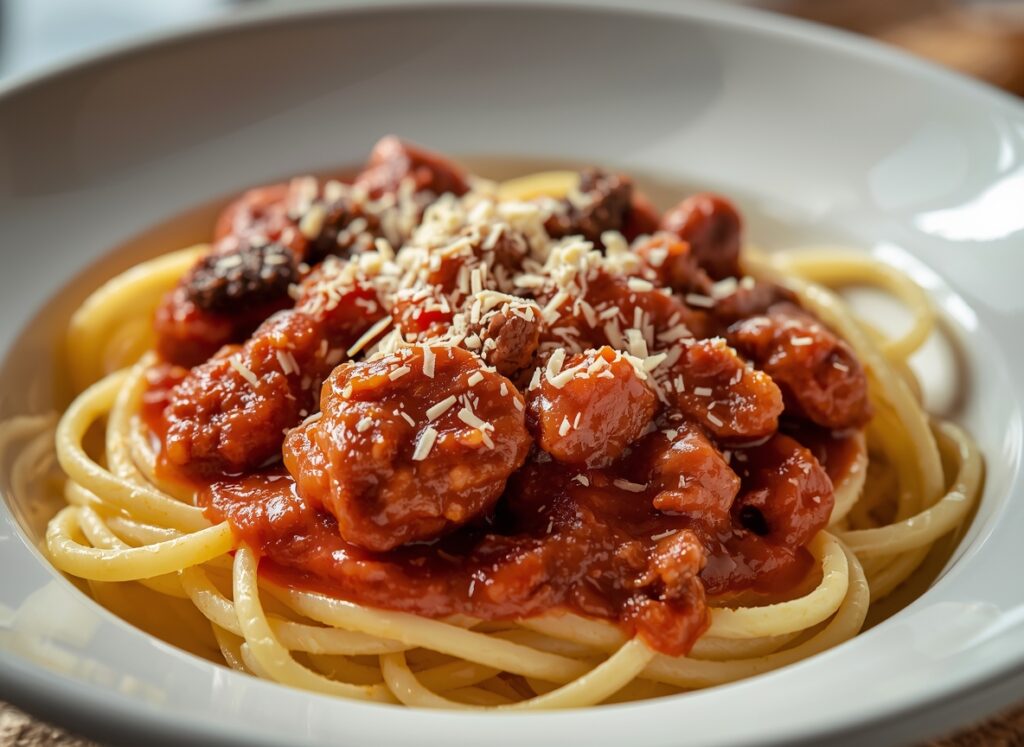
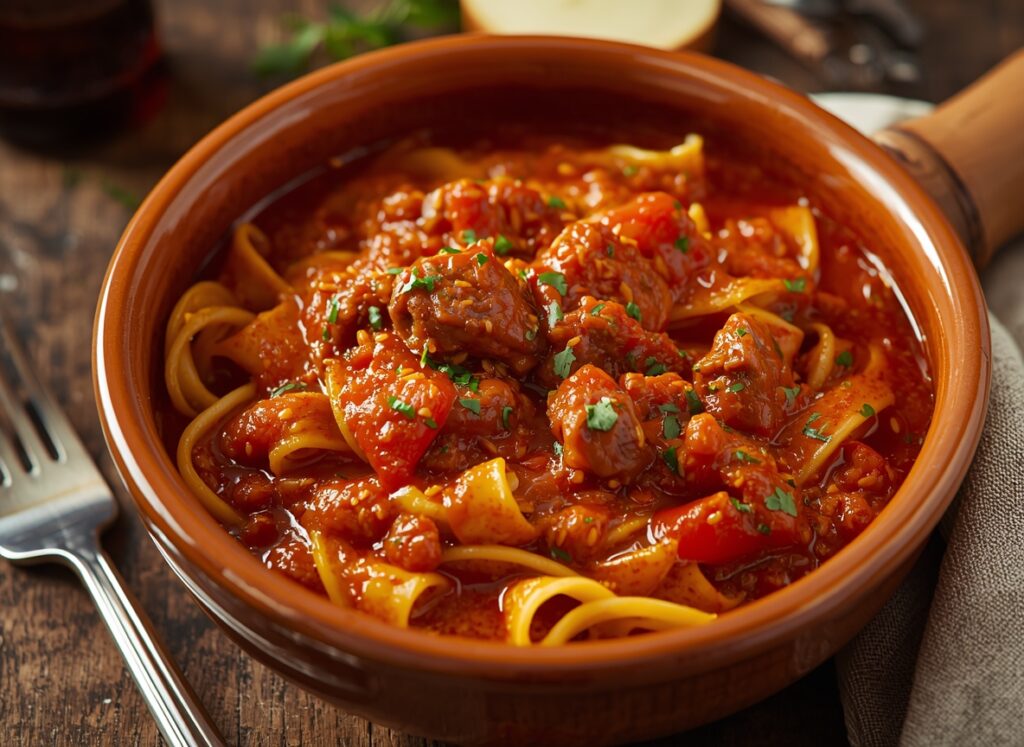
- The Pasta Choice: Traditionally, ragu is served with Tagliatelle or Pappardelle. The wide, flat ribbons provide a large surface area for the thick meat sauce to cling to. Avoid thin pastas like spaghetti, which can be overwhelmed by the weight of the meat.
- The Finishing Touch: Always finish the dish with a generous grating of Parmigiano-Reggiano or Pecorino Romano.
- The “Mantecatura”: Don’t just pour the sauce over the pasta. Toss the cooked pasta in the sauce with a splash of starchy pasta water for 60 seconds. This binds the two together for a perfect bite.
When Is the Best Time to Make This Dish?
Because it requires several hours of simmering, the best time to make a Ragu Sauce Recipe is on a Sunday afternoon. It is the perfect “slow living” activity. However, it is also a fantastic “make-ahead” dish. Like many stews and braises, the flavors of a ragu deepen and improve after a night in the refrigerator, making it an excellent option for a Monday night dinner that feels like a feast.
Storage & Food Safety Tips
- Refrigeration: Allow the sauce to cool completely before transferring it to an airtight container. It will stay fresh for 4 to 5 days.
- Freezing: This is one of the best sauces to freeze. Portion it into freezer bags or glass jars (leaving an inch of headspace). It will maintain its quality for up to 6 months.
- Labeling: Always label your containers with the date. Because it is so rich in meat, you want to ensure you consume it within the recommended window.
How to Reheat Without Drying It Out
When reheating a homemade ragu sauce, the goal is to restore its original silky consistency.
- Stovetop: Place the sauce in a pan over medium-low heat.
- Add Liquid: Add a splash of water, beef stock, or even a tablespoon of milk. As the sauce sits in the fridge, the fats solidify and the starches thicken; the extra liquid helps loosen the emulsion.
- Whisk: Give it a gentle whisk as it warms to ensure the oils re-incorporate into the tomato base.
Frequently Asked Questions
Q: Can I make this in a slow cooker?
A: Yes. Brown the meat and sauté the vegetables in a pan first, then transfer everything to the slow cooker on “low” for 6 to 8 hours.
Q: Why is my ragu bitter?
A: Bitterness usually comes from burning the garlic or browning the vegetables too quickly. Ensure your soffritto is cooked over medium-low heat until soft.
Q: Do I have to use milk?
A: While not strictly necessary, milk is a hallmark of traditional Bolognese. It softens the meat fibers and creates a more delicate flavor.
Q: What wine is best for a Ragu Sauce Recipe?
A: A dry white like Pinot Grigio is traditional for a lighter, more classic Bolognese. Use a dry red like Chianti or Merlot if you want a deeper, more rustic sauce.
Quick Garlic Cream Sauce Recipe in 10 Minutes
Classic White Pasta Sauce Recipe Everyone Loves
Homemade Hot Honey Sauce Recipe Everyone Loves
Quick Gyoza Sauce Recipe You Can Make at Home
The Best Shrimp Sauce Recipe for Seafood Lovers