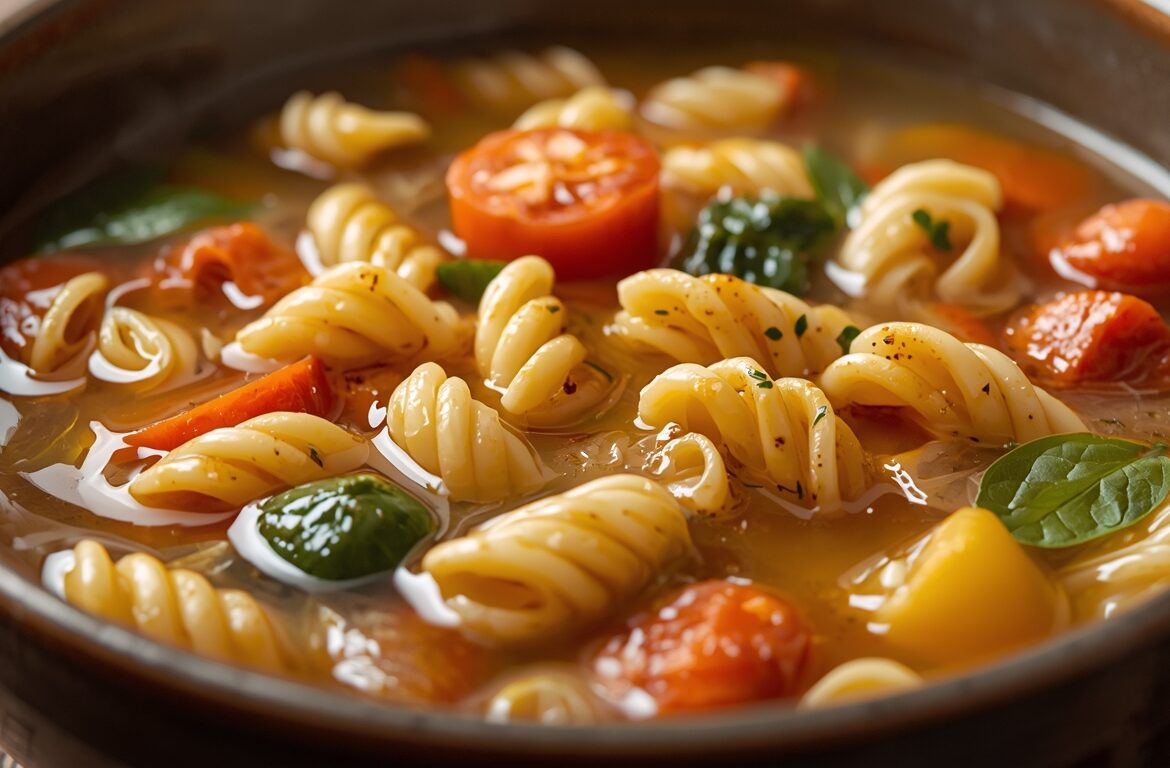
The combination of tender pasta and savory broth is a culinary tradition that spans continents, from the rustic Pasta e Fagioli of Italy to the comforting chicken noodle soups of childhood memories. Pasta and Soup Recipes represent the ultimate intersection of comfort and convenience, offering a complete, balanced meal in a single bowl. These dishes are celebrated for their ability to stretch simple ingredients into a hearty feast that satisfies both the palate and the soul.
Mastering a homemade pasta soup requires more than just boiling noodles in broth; it is about managing textures and timing. Because pasta is highly absorbent, it acts as a dynamic ingredient that can either thicken a soup to perfection or, if mishandled, turn it into a gummy mass. This guide explores the technical nuances of balancing starch, acidity, and aromatics to ensure your results are restaurant-quality every time you step into the kitchen.
Why This Dish Deserves a Try
An easy pasta and soup recipe is a versatile tool for any home cook, particularly those looking for budget-friendly ways to feed a family. By using pasta as a central filler, you can reduce the amount of expensive proteins required while still providing a satiating meal. It is also an exceptional way to use up “pantry staples,” transforming dry noodles and a few canned goods into a sophisticated dinner.
Furthermore, these recipes are highly adaptable to the seasons. In the colder months, a thick minestrone provides much-needed warmth, while a light lemon-orzo soup can be incredibly refreshing during the spring. The marriage of starch and liquid also creates a unique “velvet” mouthfeel as the pasta releases a small amount of gluten into the broth, resulting in a silkier consistency than vegetable-only soups.
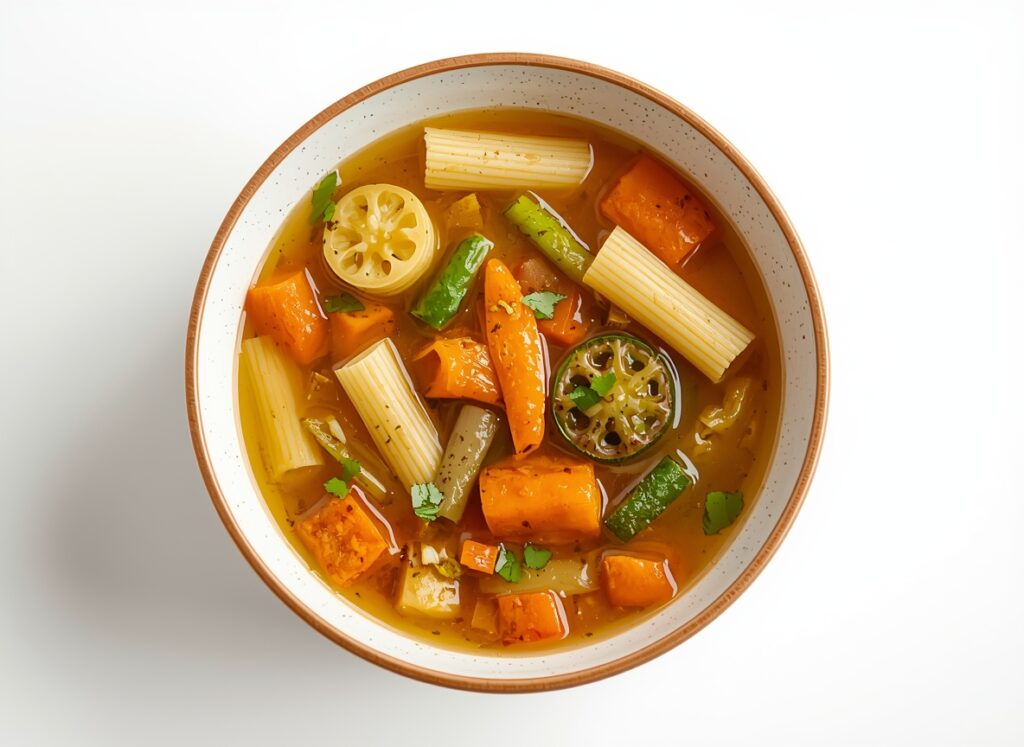
Ingredients Explained in Detail
To achieve excellence in Pasta and Soup Recipes, you must select your components based on how they interact over a long simmer.
- The Pasta Shape: Small, sturdy shapes like ditalini, orzo, shells, or orecchiette are ideal. These shapes hold their form in hot liquid and fit easily onto a spoon alongside vegetables and broth.
- Aromatic Base (Mirepoix): The classic trio of onions, carrots, and celery provides the foundational sweetness and depth. Sautéing these until soft is the first step in building a complex flavor profile.
- High-Quality Broth: Whether you use chicken, beef, or vegetable stock, it serves as the canvas for the dish. A low-sodium version is often best, as it allows you to control the final seasoning more precisely.
- Tomatoes or Acidity: Many recipes benefit from a touch of tomato paste or a squeeze of fresh lemon juice. This cuts through the starchiness of the pasta and brightens the overall flavor.
- Herbs and Spices: Fresh rosemary, thyme, or bay leaves added during the simmer provide an earthy aroma, while a finish of fresh parsley or basil adds a pop of color and freshness.
Ingredient Alternatives & Swaps
Flexibility is the hallmark of a great homemade pasta soup. Here are professional substitutions for various dietary needs:
- Gluten-Free Options: Use pasta made from chickpeas, brown rice, or lentils. Note that gluten-free pasta tends to release more starch and can break down faster, so it should always be cooked separately and added just before serving.
- Vegetarian/Vegan: Replace chicken broth with a rich mushroom or seaweed-based vegetable stock to maintain a deep “umami” flavor. Swap parmesan garnishes for nutritional yeast or a squeeze of lemon.
- Protein Boosts: You can easily add shredded rotisserie chicken, sautéed pancetta, or canned cannellini beans to increase the nutritional density of the dish.
- Grain Swaps: If you run out of pasta, pearled barley or farro can be used. These grains require a longer cooking time but offer a delightful chewy texture and nutty flavor.
Kitchen Essentials
- Heavy-Bottomed Dutch Oven: A thick-walled pot ensures even heat distribution, which is essential for sautéing aromatics without burning them and maintaining a steady simmer.
- Fine-Mesh Sieve: Useful for rinsing pasta if you choose to cook it separately, or for straining homemade stock.
- Microplane or Grater: Essential for finishing the dish with a cloud of hard cheese like Parmigiano-Reggiano.
- Ladle: A deep ladle helps you capture a perfect balance of pasta, vegetables, and broth in every serving.
Time Required for Preparation
- Prep Time: 15–20 minutes (chopping vegetables and measuring ingredients).
- Cook Time: 25–35 minutes.
- Total Time: Approximately 50 minutes.
- Efficiency Tip: While the aromatics are sautéing, you can measure out your pasta and prepare your herbs to keep the process moving smoothly.
Step-by-Step Pasta and Soup Recipes
1. Sauté the Foundation
Heat a tablespoon of olive oil in your Dutch oven over medium heat. Add finely diced onions, carrots, and celery. Cook for 8–10 minutes until the vegetables are softened and the onions are translucent.
2. Build the Flavor
Add minced garlic and your choice of dried herbs (like oregano or thyme). Stir for one minute until fragrant. If the recipe calls for tomato paste, add it now and cook for 2 minutes until it turns a deep rust color; this removes the “raw” metallic taste.
3. Simmer the Broth
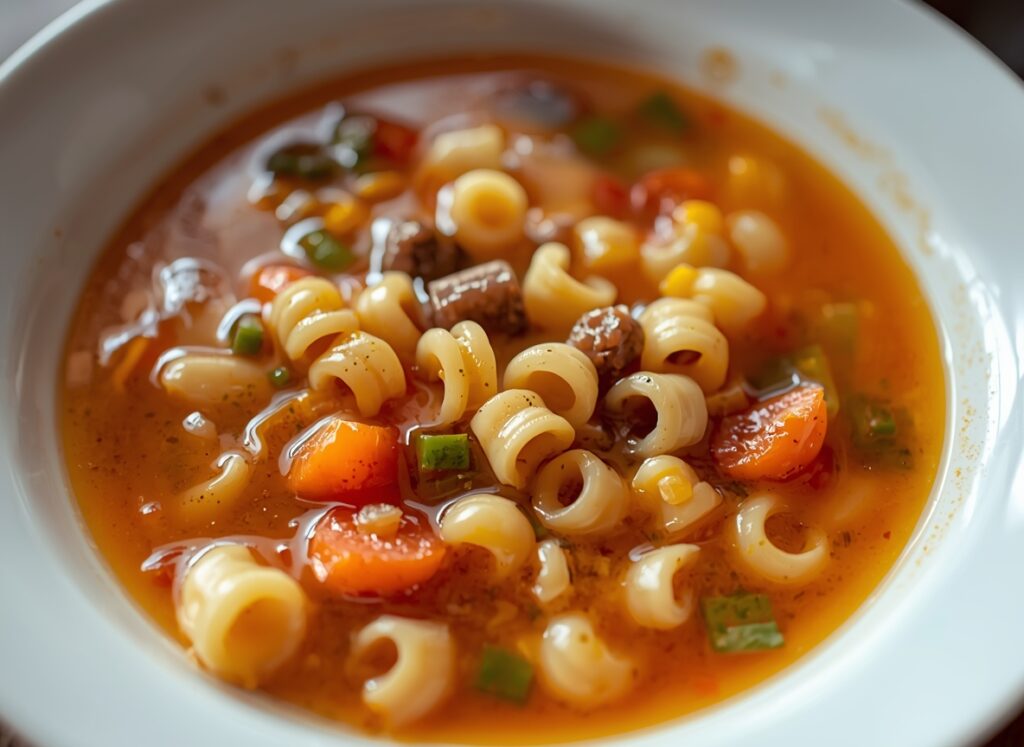
Pour in your stock and any hardy vegetables (like potatoes or beans). Bring the mixture to a boil, then immediately reduce to a low simmer. Let this cook for 15–20 minutes to allow the flavors to meld.
4. Cook the Pasta
You have two choices: cook the pasta directly in the soup for a thicker consistency, or cook it in a separate pot of salted water. If cooking in the soup, add the dry noodles about 10 minutes before you are ready to serve. If cooking separately, add the cooked noodles directly to the bowls.
5. The Final Seasoning
Remove the bay leaves. Taste the broth and adjust for salt and pepper. Add a splash of acidity, such as lemon juice or balsamic vinegar, to wake up the flavors.
Tips for Perfect Pasta and Soup
The single most important tip for Pasta and Soup Recipes is the “al dente” rule. Pasta continues to cook in the residual heat of the broth even after you turn off the stove. To avoid mushy noodles, stop the cooking process when the pasta still has a slight “bite” or firmness in the center.
Another expert secret is to store the pasta and the broth separately if you expect to have leftovers. If left together, the pasta will absorb all the liquid overnight, leaving you with a thick porridge rather than a soup. By keeping them apart, you preserve the integrity of the noodle and the clarity of the broth.
Cooking Mistakes to Avoid
- Crowding the Pot: Using too much pasta relative to the broth will result in a dish that is too thick. A general rule is about 1/2 cup of dry pasta per 4 cups of liquid.
- Under-seasoning: Pasta is a neutral starch that requires salt to bring out its flavor. Ensure your broth is well-seasoned before the pasta goes in.
- Adding Herbs Too Early: Delicate fresh herbs like parsley, cilantro, or basil should only be added at the very end. If they simmer for too long, they lose their vibrant color and become bitter.
Best Ways to Serve This Dish
A easy pasta and soup recipe is best served with accompaniments that provide textural contrast:
- Crusty Bread: A toasted baguette or a slice of garlic sourdough is essential for dipping into the flavorful broth.
- Hard Cheeses: A generous grating of Pecorino Romano or Parmesan adds a salty, savory finish.
- Fresh Oil: A final drizzle of high-quality extra virgin olive oil can elevate a simple soup to restaurant standards.
- Greens: Serve with a side of bitter greens, like an arugula salad, to balance the heartiness of the pasta.
When to Make Pasta and Soup
These dishes are the quintessential “Sunday Meal Prep” candidates. They are also the perfect solution for cold and flu season, as the warm broth and soft pasta are gentle on the throat and highly hydrating. Because they can be made in one pot, Pasta and Soup Recipes are also ideal for busy weeknights when you want a home-cooked meal without a sink full of dishes.
Estimated Nutrition Information
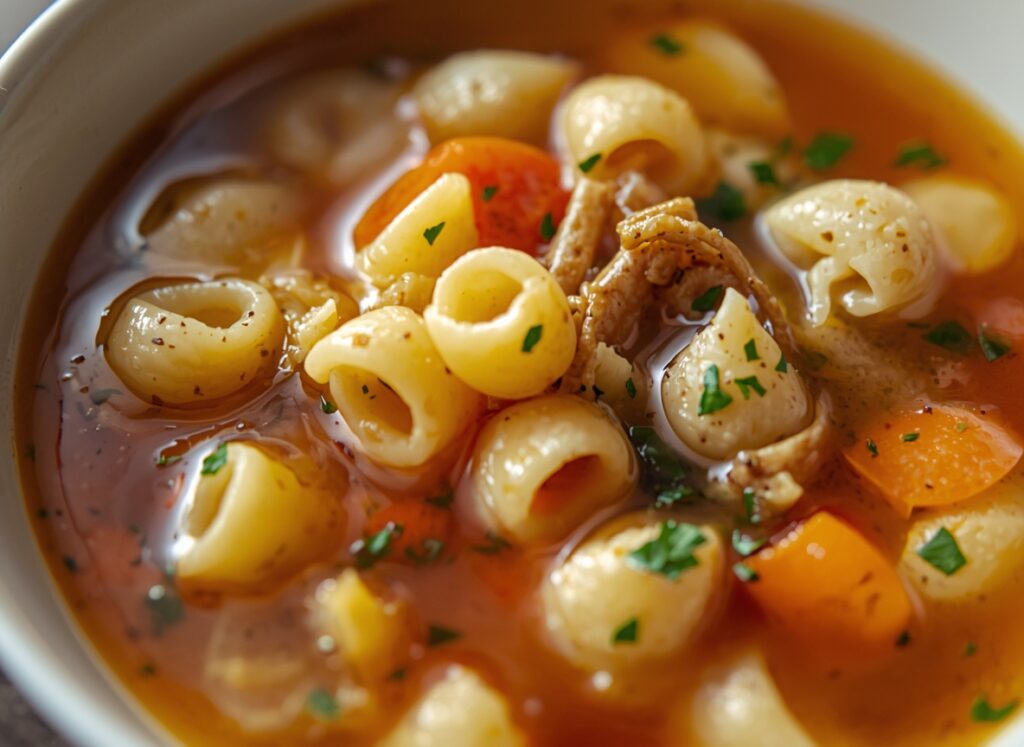
(Per 1.5-cup serving)
| Nutrient | Amount |
| Calories | 280–350 kcal |
| Protein | 12g |
| Total Fat | 8g |
| Carbohydrates | 40g |
| Fiber | 5g |
Proper Storage Methods
- Refrigeration: Store broth and pasta in separate airtight containers for up to 4 days. This prevents the pasta from becoming bloated and soft.
- Freezing: Most soup bases (without the pasta) freeze exceptionally well for up to 3 months. However, we do not recommend freezing cooked pasta, as it becomes mushy upon thawing. Simply cook fresh pasta when you are ready to eat the frozen soup base.
Reheating Without Losing Flavor
To reheat your homemade pasta soup, place the broth in a saucepan over medium heat. Once it reaches a gentle simmer, add your pre-cooked pasta. Heat only until the noodles are warmed through (about 2 minutes). This method prevents the pasta from overcooking while ensuring the soup is piping hot. If the broth has thickened too much, add a splash of water or stock to restore the consistency.
Pasta and Soup Recipes FAQ
Q: Can I use any pasta shape?
A: While you can use any shape, smaller varieties like ditalini or stelline stay on the spoon better. Long pastas like spaghetti should be broken into smaller pieces before cooking.
Q: Why did my soup turn cloudy?
A: This usually happens if the pasta is cooked too vigorously in the broth, releasing excess starch. For a crystal-clear broth, cook the pasta separately and rinse it before adding it to the soup.
Q: Is pasta soup healthy?
A: Yes! When loaded with vegetables and lean proteins, it is a well-balanced meal. Using whole-wheat pasta can also increase the fiber content.
Q: Can I make this in a slow cooker?
A: You can cook the soup base in a slow cooker, but always add the pasta during the last 20–30 minutes of cooking to ensure it doesn’t disintegrate.
Chickpea Pasta Recipe – Gluten-Free & Delicious
Quick & Delicious Creamy Ditalini Pasta Recipe
Easy Pappardelle Pasta Recipes You Can Make at Home
Quick & Flavor-Packed Dill Pickle Pasta Salad Recipe