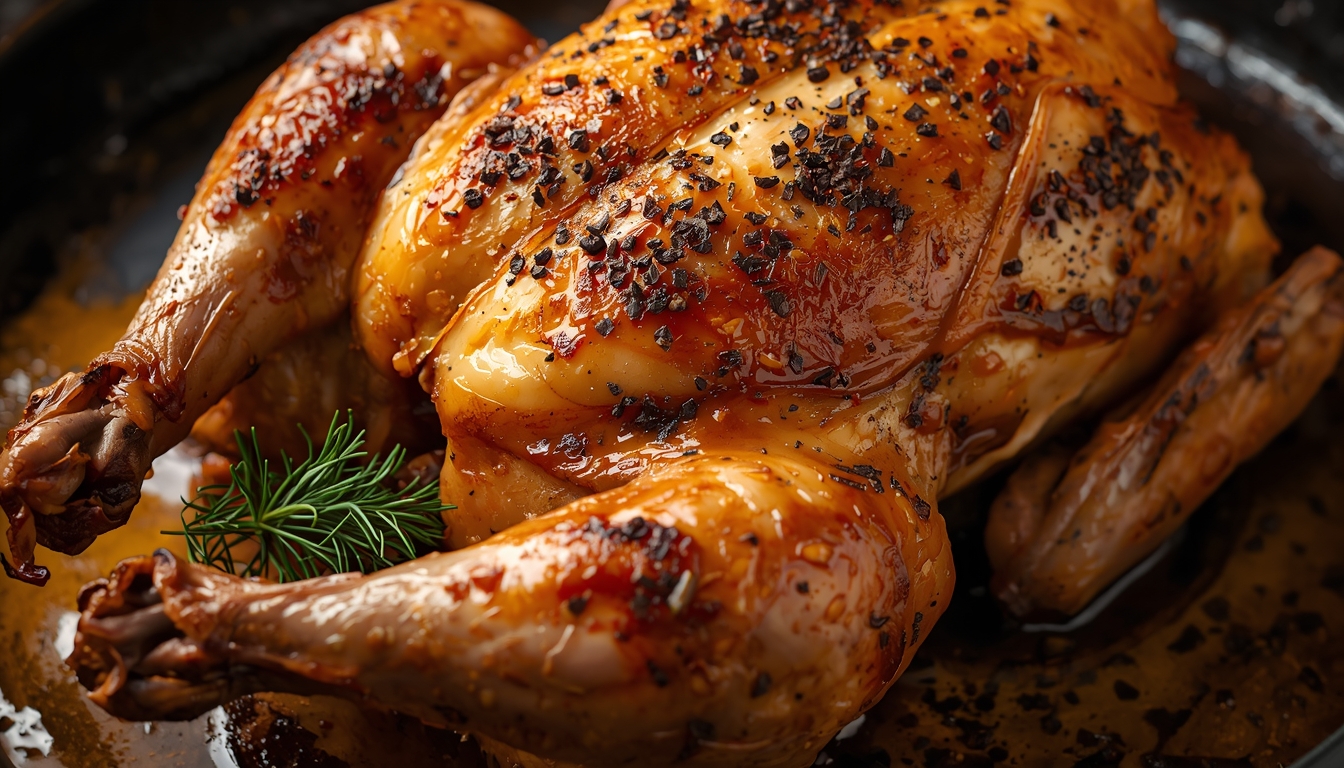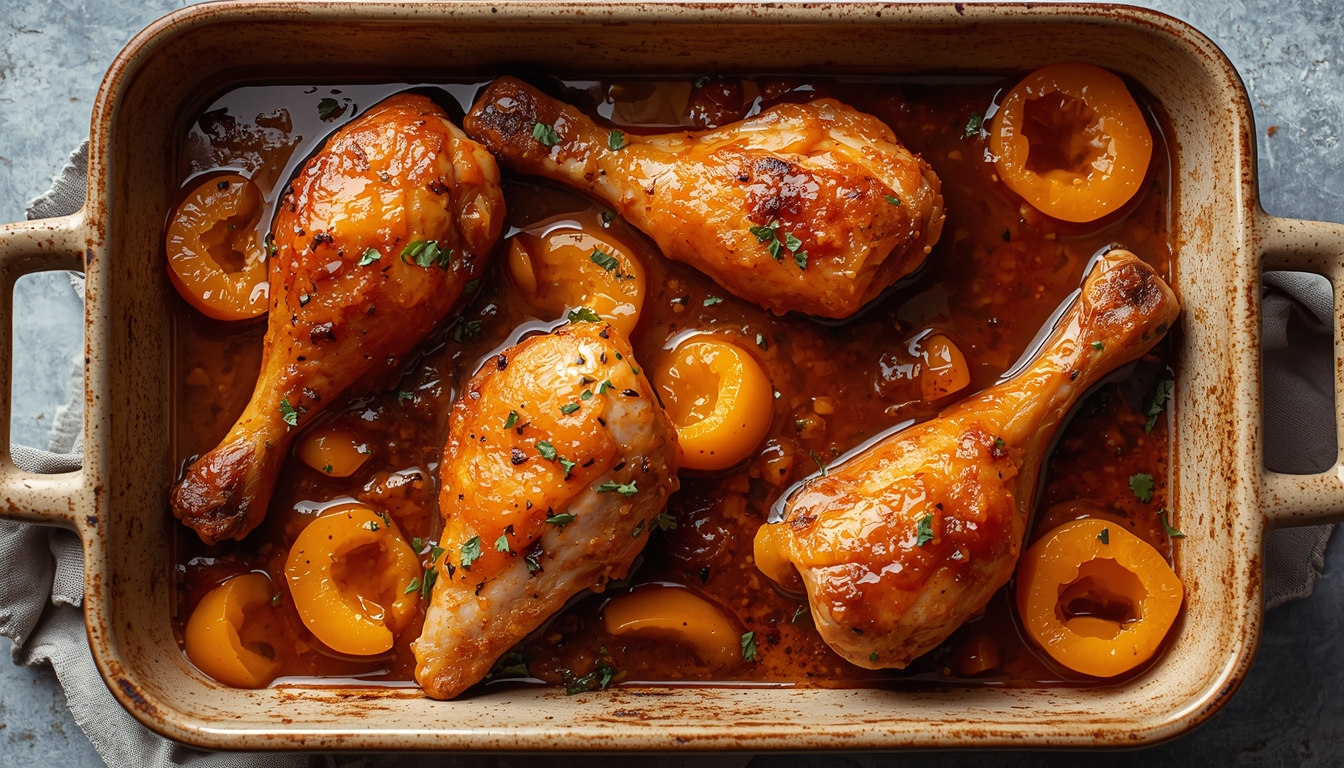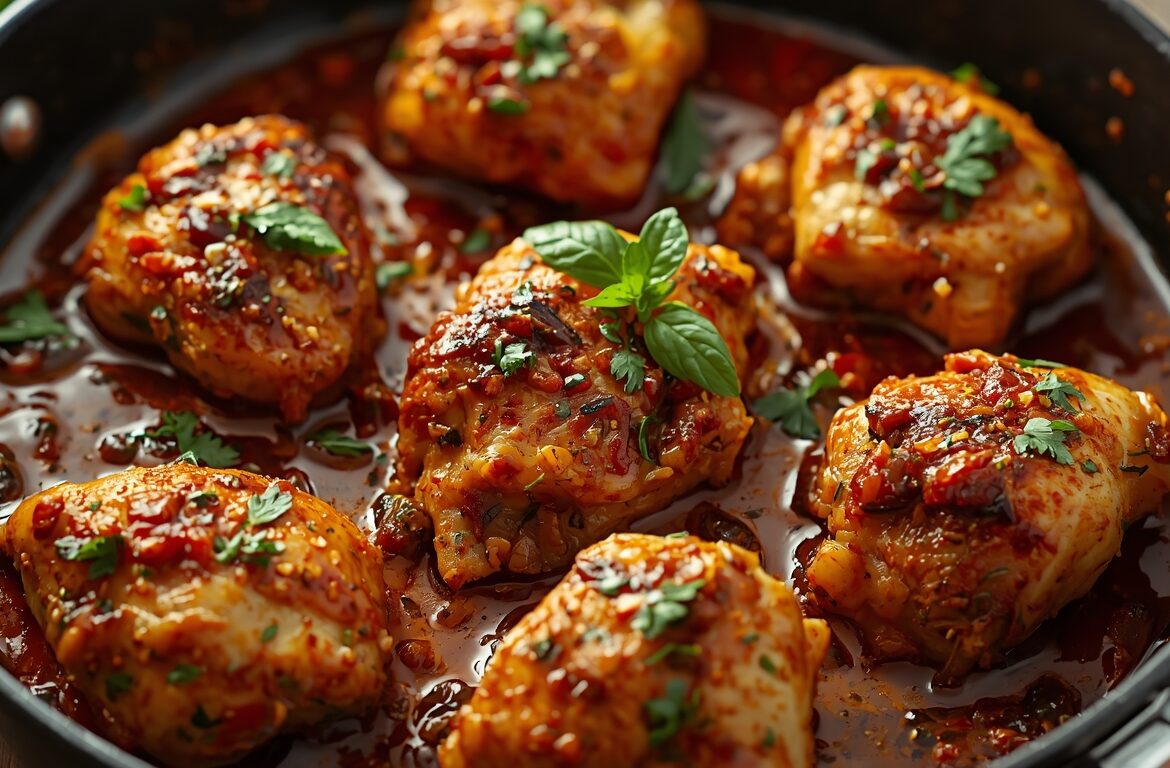
The culinary landscape of the Levant and the Arabian Peninsula is a treasure trove of aromatic spices, tender meats, and vibrant colors. Middle Eastern Chicken Recipes are at the very heart of this tradition, offering a unique balance of savory, tangy, and earthy flavors. Whether it is the smokiness of a grilled Shish Taouk or the slow-roasted depth of a Chicken Musakhan, these dishes prioritize high-quality spices and specific marination techniques to achieve their world-renowned reputation.
A classic homemade middle eastern chicken dish typically relies on a blend of warm spices like cumin and coriander, balanced by the bright acidity of lemon and the pungency of garlic. Unlike Western preparations that may lean on heavy sauces, these recipes use olive oil and citrus to create a “light” yet deeply flavorful crust on the meat. Mastering these foundations allows you to bring a touch of the Mediterranean and beyond into your home kitchen.
Why This Middle Eastern Chicken Recipes Delivers Great Results
The reason Middle Eastern Chicken Recipes consistently rank as fan favorites is their commitment to the marination process. In these traditions, the marinade is not just a surface coating; it is a tool used to tenderize the muscle fibers and infuse the meat with moisture. Using yogurt or lemon juice as a base creates a chemical reaction that breaks down proteins, resulting in chicken that is incredibly succulent even when cooked over high heat.
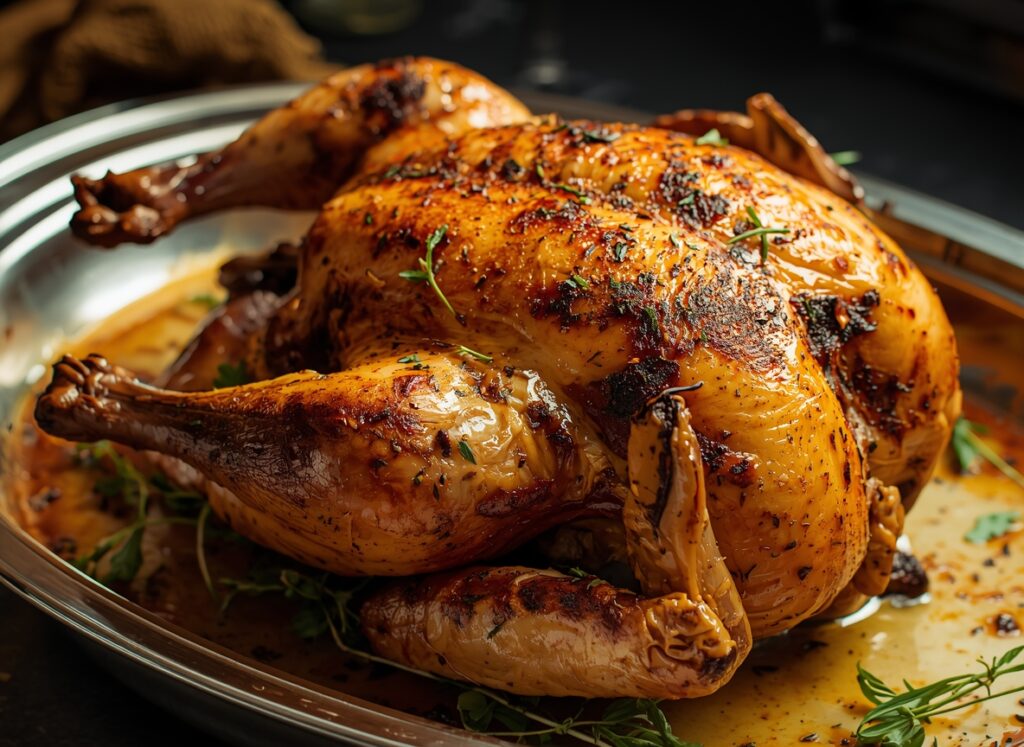
Furthermore, an easy middle eastern chicken recipe is designed for versatility. The flavor profiles are assertive enough to stand alone but neutral enough to pair with a wide array of sides, from creamy hummus to citrusy salads. This adaptability makes it a perfect choice for those who want to prepare a large batch of protein that can be used in different ways throughout the week, ensuring meal fatigue never sets in.
Ingredient List with Notes
To recreate an authentic Middle Eastern Chicken Recipes experience, your pantry must reflect the region’s signature aromatics:
- Chicken Thighs or Breasts: While breasts are leaner, boneless skinless thighs are the preferred choice for most Middle Eastern cooks. They have a higher fat content, which prevents the meat from drying out during high-heat grilling or roasting.
- Plain Greek Yogurt: The acidity in yogurt acts as a gentle tenderizer. It also creates a thick coating that help spices adhere to the meat.
- Extra Virgin Olive Oil: Use a peppery, high-quality oil to provide a rich mouthfeel and to help the skin or surface crisp up.
- Garlic: Middle Eastern cuisine is unapologetic about garlic. Freshly minced cloves are essential; avoid the pre-minced jars for the best aromatic impact.
- Lemon Juice: Freshly squeezed lemon provides the necessary “lift” to cut through the earthy spices.
- Spices (The Big Five): Cumin, Ground Coriander, Turmeric, Smoked Paprika, and Cinnamon. This combination creates a complex, warm, and slightly sweet undertone.
- Sumac: A deep red, tangy spice made from dried berries. It provides a unique citrus-like flavor without the liquid of lemon juice.
Flexible Ingredient Options
One of the highlights of making homemade middle eastern chicken is how easily you can swap ingredients based on what is available in your local market:
- Spice Blends: If you don’t want to mix individual spices, a high-quality Baharat or Za’atar blend can be used as a primary seasoning.
- Dairy-Free: If you cannot use yogurt, substitute with a mixture of olive oil and double the lemon juice. The acidity will still tenderize the meat, though the texture will be less “creamy.”
- The Sweetener: Many recipes from the region use a touch of honey or pomegranate molasses. If you don’t have these, a pinch of brown sugar can help encourage caramelization and balance the acidity.
- Heat Level: Most Middle Eastern chicken is not inherently “spicy” in terms of capsaicin heat. To add a kick, incorporate Alep-po pepper or a teaspoon of Harissa paste.
Tools Needed Before Cooking
- Large Mixing Bowl: You need ample space to toss the chicken in the marinade to ensure every crevice is coated.
- Cast Iron Skillet or Grill Pan: To achieve the signature char and smoky flavor that is characteristic of these dishes.
- Meat Thermometer: To ensure the chicken reaches an internal temperature of $165^\circ F$ (approx. $74^\circ C$) without overstaying its time in the pan.
- Microplane: Crucial for zesting lemons and grating garlic into a fine paste that integrates smoothly into the marinade.
Time Commitment Explained
- Prep Time: 15 minutes (slicing chicken and whisking the marinade).
- Marinating Time: 30 minutes to 24 hours. For the best results, aim for at least 4 hours to allow the yogurt enzymes to work.
- Cooking Time: 12–15 minutes for stovetop or 20–25 minutes for roasting.
- Total Time: Approximately 1 hour (with a short marination) or 24 hours for maximum flavor.
Making Middle Eastern Chicken Recipes Step by Step
1. Prepare the Marinade
In a large bowl, whisk together the Greek yogurt, olive oil, lemon juice, minced garlic, and the spice blend (cumin, coriander, turmeric, paprika, cinnamon, and sumac). Season generously with salt and black pepper.
2. Prepare the Chicken
Pat the chicken dry with paper towels. If using breasts, pound them to an even thickness. If using thighs, trim any excess fat. Cut the chicken into bite-sized cubes for kebabs or leave them whole for a traditional roast.
3. The Marination Phase
Submerge the chicken in the marinade. Use your hands to ensure every piece is thoroughly covered. Cover with plastic wrap and refrigerate for the allotted time.
4. Searing for Flavor
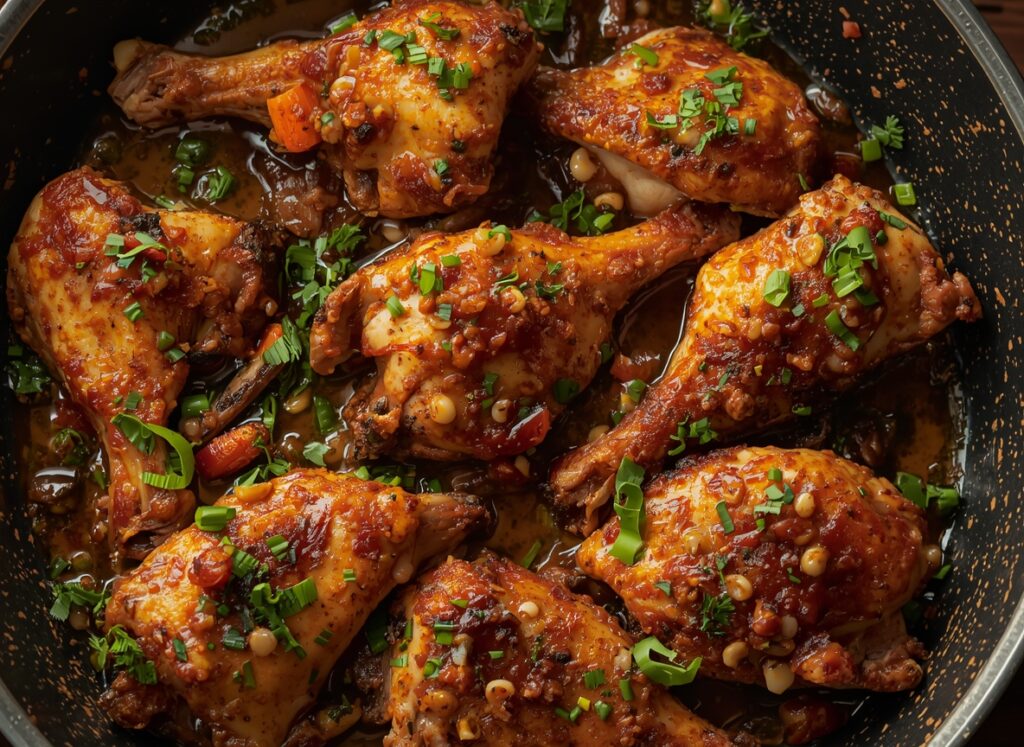
Heat a cast iron skillet over medium-high heat with a drizzle of oil. Working in batches to avoid crowding the pan, add the chicken. Let it sear undisturbed for 4–5 minutes until a deep golden-brown crust forms.
5. Final Cook
Flip the chicken and cook for another 5–7 minutes. If the chicken is thick, you can finish it in a $400^\circ F$ oven for a few minutes to ensure even cooking throughout.
6. The Rest
Remove the chicken from the heat and let it rest for 5 minutes. This allows the internal juices to settle, ensuring a moist bite.
Flavor and Texture Tips
The secret to a professional easy middle eastern chicken recipe is the “char.” Those dark, caramelized spots on the chicken are not burnt meat; they are the result of the sugars in the yogurt and lemon juice reacting to high heat (the Maillard reaction). This provides a smoky contrast to the creamy interior.
To improve the texture further, always use fresh spices. Spices that have sat in the cupboard for over a year lose their essential oils and will result in a “dusty” rather than “aromatic” flavor. Toasting your whole cumin or coriander seeds before grinding them can elevate your homemade middle eastern chicken to a five-star restaurant level.
Mistakes That Reduce Quality
The most common mistake when following Middle Eastern Chicken Recipes is over-marinating with too much acid. While lemon juice is great, leaving chicken in a highly acidic marinade for more than 24 hours can actually “cook” the meat (like ceviche) and turn the texture mushy and mealy.
Another error is washing the chicken. Modern food safety guidelines advise against this, as it splashes bacteria around your kitchen. Instead, pat the meat dry; this allows the marinade to stick better and ensures a better sear in the pan.
Best Serving Methods
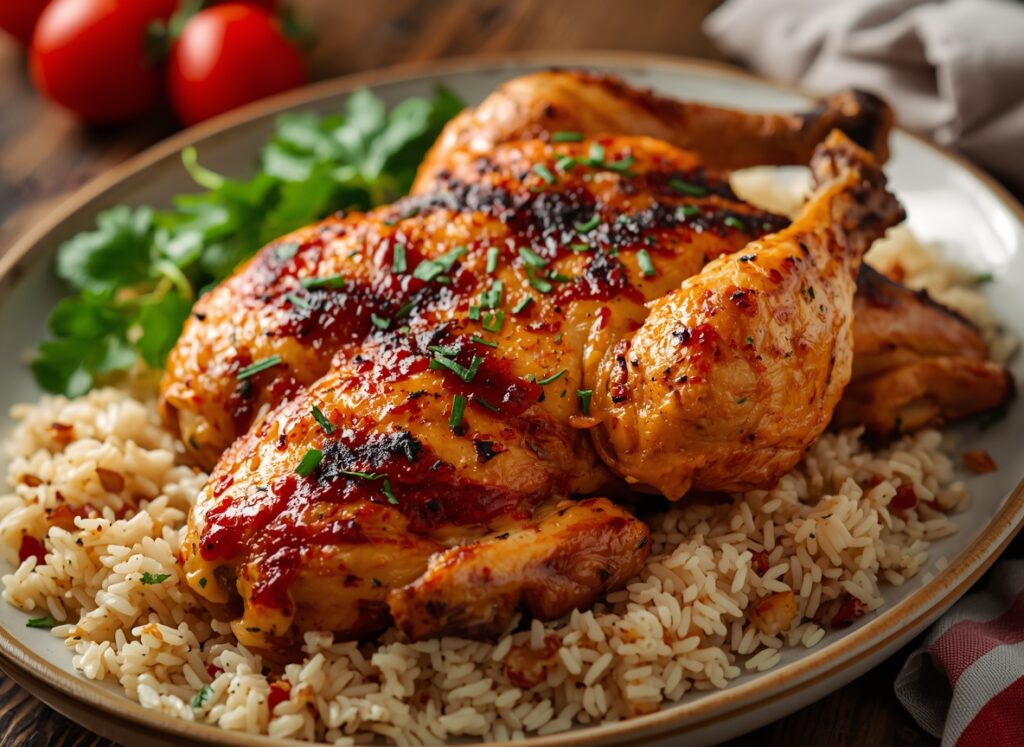
- Rice Pilaf: Serve over a bed of yellow basmati rice cooked with turmeric and toasted vermicelli.
- The Sauces: No homemade middle eastern chicken is complete without Toum (a thick garlic sauce) or a cooling Cucumber Tahini or Tzatziki sauce.
- Fresh Salads: Pair with a bright Tabbouleh (parsley and bulgur) or a Fattoush salad with toasted pita chips and sumac dressing.
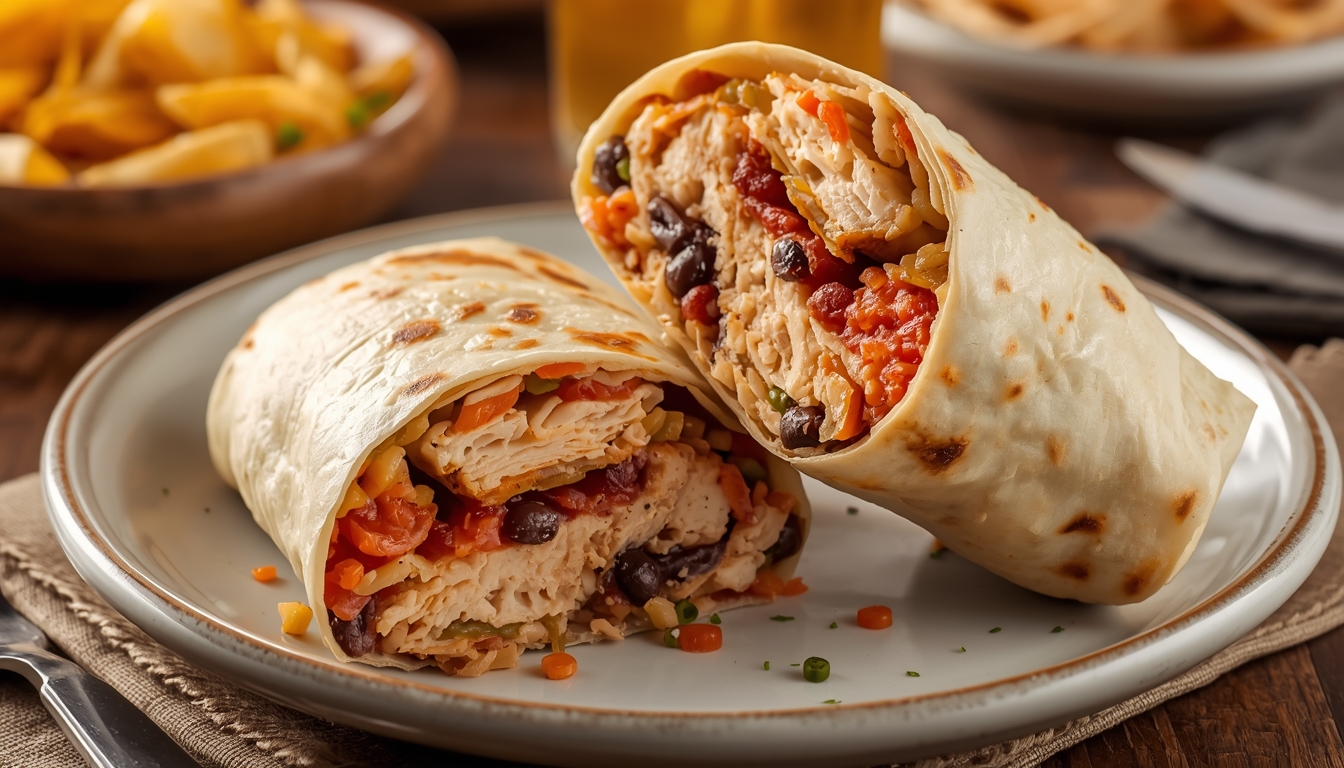
- Wraps: Use warm pita or lavash bread, spread with hummus, and fill with the chicken, pickled turnips, and fresh mint.
Health Benefits of Middle Eastern Chicken Recipes
This style of cooking is inherently healthy, focusing on lean proteins and “good” fats like olive oil. Garlic and turmeric are well-known for their anti-inflammatory properties, while the heavy use of fresh herbs provides a dose of Vitamin K and antioxidants. Because the recipes rely on spices for flavor rather than sugar or heavy creams, they are excellent for those managing their weight or heart health.
Nutrition Estimate
(Per 6oz serving of cooked chicken thighs)
| Nutrient | Amount |
| Calories | 290 kcal |
| Protein | 34g |
| Total Fat | 14g |
| Carbohydrates | 4g |
| Sodium | 420mg |
Proper Storage and Reheating
- Storage: Store cooked chicken in an airtight container for up to 4 days.
- Freezing: You can freeze the chicken in the marinade (raw) for up to 3 months. This is a great meal-prep hack, as the chicken marinates while it thaws.
- Reheating: To maintain moisture, reheat the chicken in a skillet over medium heat with a splash of water or chicken broth. Cover with a lid to steam the meat back to life. Avoid high-power microwaving, which can make the chicken rubbery.
Frequently Asked Questions
Q: Can I make this in an Air Fryer?
A: Yes! Cook the marinated chicken at $380^\circ F$ for 12–15 minutes, shaking the basket halfway through. It produces a fantastic crust.
Q: What if I don’t have Sumac?
A: You can substitute sumac with extra lemon zest and a pinch of salt to mimic that bright, tangy flavor profile.
Q: Is Greek yogurt better than regular yogurt for the marinade?
A: Yes. Greek yogurt is thicker and has a higher protein content, which creates a better “crust” on the chicken than thinner, watery yogurts.
Q: Can I use this recipe for whole roasted chicken?
A: Absolutely. Simply double the marinade and rub it under the skin and inside the cavity of a whole chicken. Roast at $375^\circ F$ until the internal temperature reaches $165^\circ F$.
Homemade Chicken Empanada Recipe Made Simple
Quick Buffalo Chicken Wrap Recipe Made at Home
Simple Breaded Chicken Recipes You’ll Make Again
Homemade Chicken Mole Recipe Step by Step