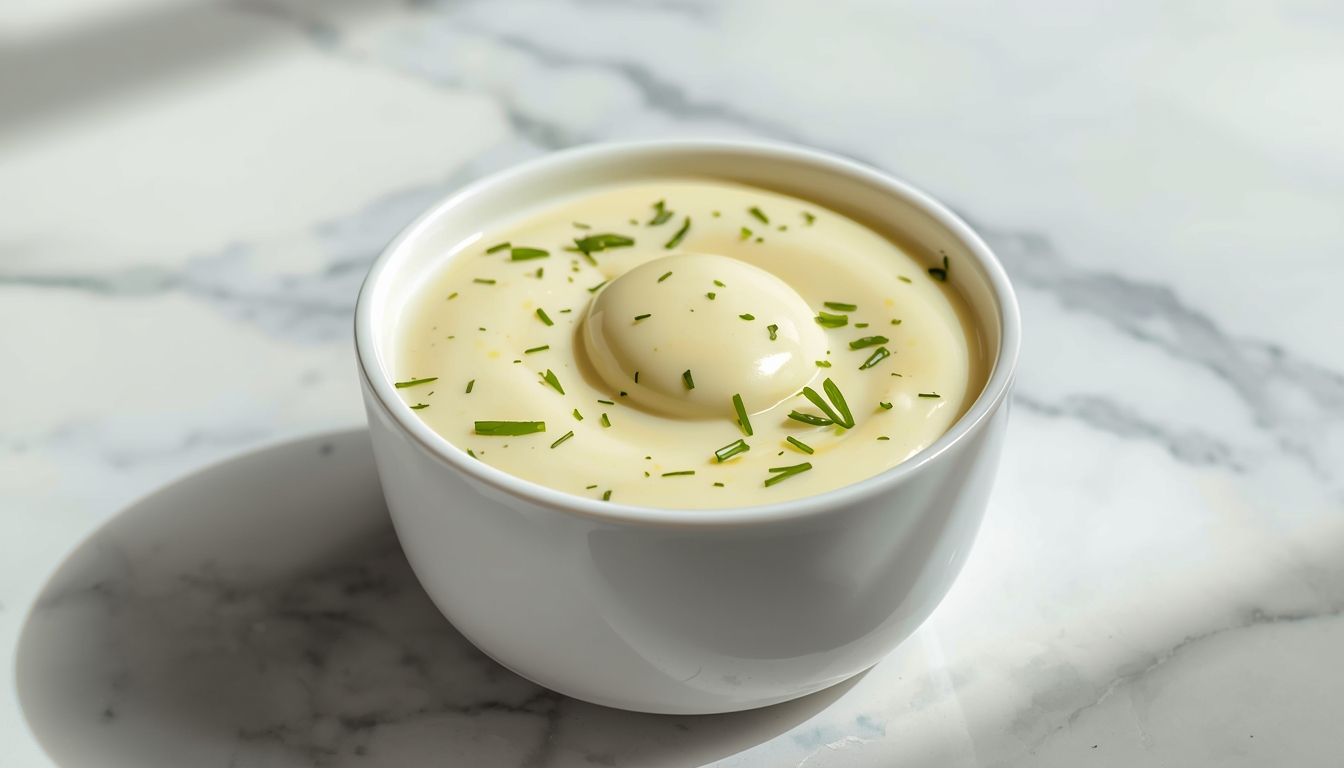
Béarnaise sauce recipe often scares home cooks. It looks tricky with all that whisking and heat control. People worry the emulsion will break, leaving a oily mess. But it’s not as hard as you think. This guide shows you a clear way to make restaurant-quality authentic Béarnaise sauce at home. We’ll focus on fresh ingredients and easy steps to get that rich, velvety texture every time.
Demystifying the Classic French Sauce
Many folks see Béarnaise as a fancy chef’s secret. The fear comes from its base in egg yolks and butter that can curdle if you’re not careful. Yet, once you break it down, this French classic becomes simple to master.
This guide gives you a foolproof method for an authentic Béarnaise sauce recipe. You’ll learn the key ingredients and techniques that make it shine. No more guessing— just follow along for smooth results.
Understanding the Soul of Béarnaise – Ingredients and Flavor Profile
Béarnaise starts with the right building blocks. These create its tangy, herby punch. Let’s dive into what makes it tick.
Essential Components: The Flavor Trinity
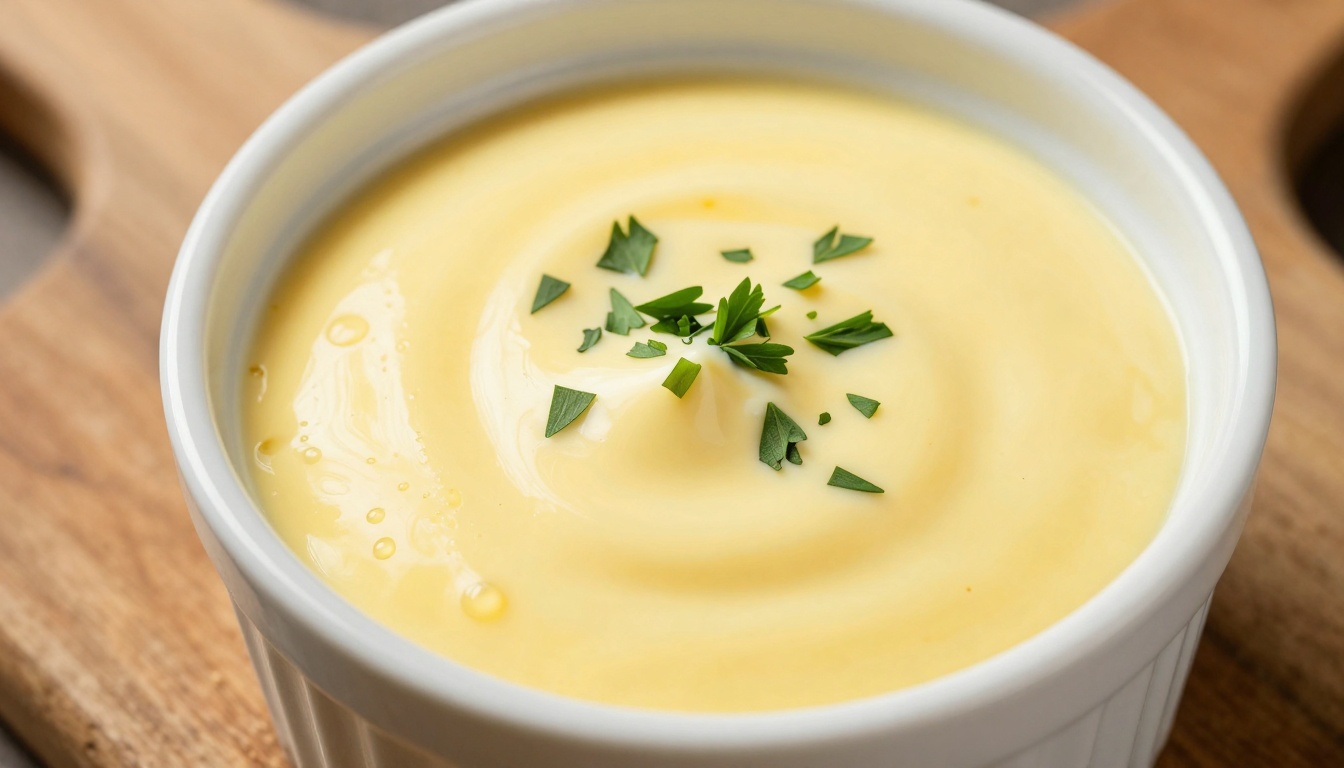
The heart of authentic Béarnaise sauce lies in three main parts: butter, egg yolks, and a sharp reduction. Use clarified butter for a clean taste, or high-quality whole butter if you’re new to this. Egg yolks bind everything into that silky emulsion—they’re the glue that holds the sauce together.Béarnaise sauce recipe
Fresh tarragon and chervil add the signature green notes. Shallots give a mild onion bite, while white wine vinegar brings acidity to balance the richness. Each bit plays a role; skip one, and the flavor falls flat.
For best results, keep egg yolks at room temperature. This helps them whisk up faster and stabilize the mix. Warm yolks grab the butter better, cutting down on breaks.
- Clarified butter: Melted and skimmed for pure fat—about 1 cup for a standard batch.
- Egg yolks: 3 large ones, fresh from the fridge but warmed slightly.
- Herbs: 2 tablespoons chopped tarragon and 1 tablespoon chervil for that fresh pop.
The Critical Reduction: Building the Flavor Foundation
The reduction, or gastrique, is your flavor base. It boils down shallots, vinegar, and herbs into a thick syrup. This step packs in the tangy essence that sets Béarnaise apart from its cousin, Hollandaise.
Start with 1/4 cup white wine vinegar, 1/4 cup dry white wine, and 2 minced shallots. Add a pinch of pepper and some tarragon stems. Simmer until it reduces to about 2 tablespoons—this takes 10 minutes on medium heat.Béarnaise sauce recipe
Pro kitchens make big batches of this ahead. They store it in the fridge for up to a week. That way, they whip up Béarnaise fast during service. At home, you can do the same for quick weeknight meals.
Think of the reduction like a marinade. It infuses depth without overwhelming the sauce. Rush this, and your Béarnaise tastes flat.
Clarified vs. Whole Butter: Which Yields the Best Results?
Clarified butter shines in Béarnaise for its high smoke point and smooth texture. You melt butter, skim off the foam, and strain out the milky bits. This leaves pure gold fat that blends without clouding the sauce.
Whole melted butter works for beginners—it’s easier, no straining needed. Just melt it gently and use right away. But it carries a small risk of separating if the heat gets too high.
In tests by home cooks, clarified gives a cleaner finish. Whole butter adds a bit more depth from the milk solids. Pick based on your comfort; both make great authentic Béarnaise sauce.
For a simple Béarnaise sauce recipe, start with whole if you’re short on time. Clarify next time for pro-level results.
The Technique Masterclass – Creating the Stable Emulsion
Now we get to the fun part—building the sauce. Patience pays off here. Follow these steps for a sauce that holds up.Béarnaise sauce recipe
Preparing the Yolks: The Heat Application Method
Set up a bain-marie, or double boiler. This means a bowl over simmering water, not touching the bottom. It gives gentle heat to cook the yolks without scrambling them.
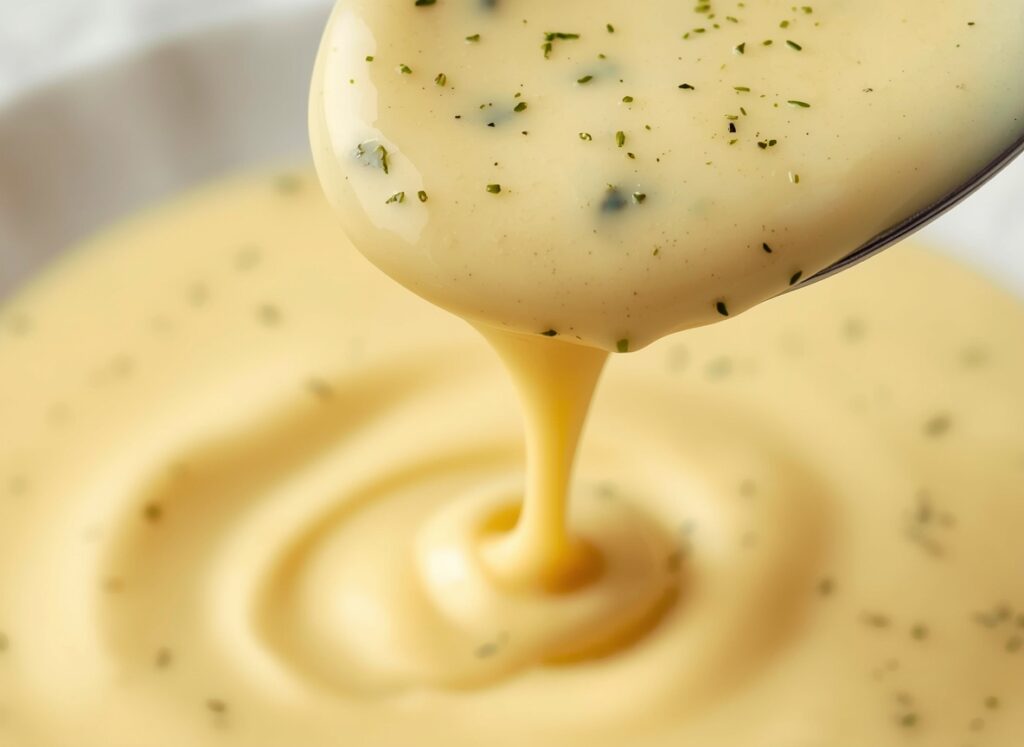
Whisk the three egg yolks with your reduction in the bowl. The water below should bubble lightly—around 160°F if you have a thermometer. Stir constantly until the mix thickens to a ribbon stage; it coats the whisk and drips in ribbons.
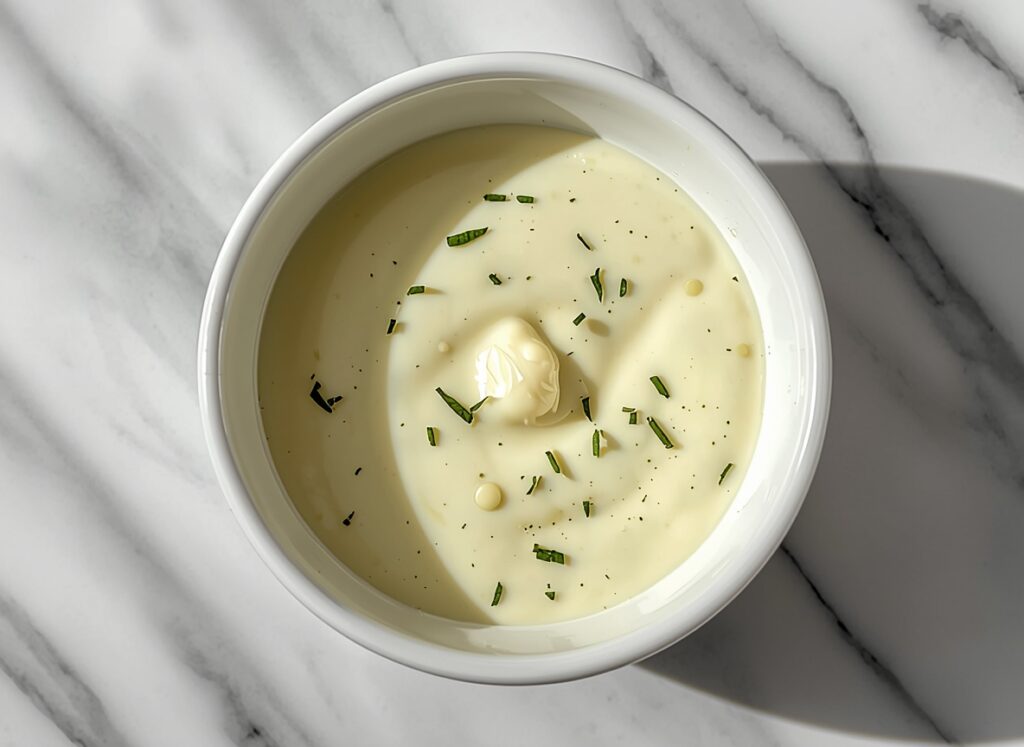
This method pasteurizes the eggs for safety. No one wants raw egg worries. Keep the heat low; high temps curdle everything fast.
- Whisk slow at first to blend.
- Speed up as it warms—the mix will lighten in color.
- Takes about 5 minutes for that perfect thickness.
Incorporating the Butter: The Slow Drizzle Imperative
Warm your butter to about 120°F—not boiling hot. This prevents shocking the yolks. Start adding it drop by drop while whisking hard.
Once the sauce thickens and “catches,” you can pour in a thin stream. Keep whisking to build the emulsion. If it looks too thick, add a splash of warm water.
Chefs like Thomas Keller use a squeeze bottle for butter control. It lets you drizzle at a steady pace. No fancy tools? A measuring cup with a spout works fine.
This slow add is key to a stable Béarnaise. Rush it, and you’ll end up with butter pools. Take your time for velvety bliss.
Troubleshooting Common Emulsion Failures
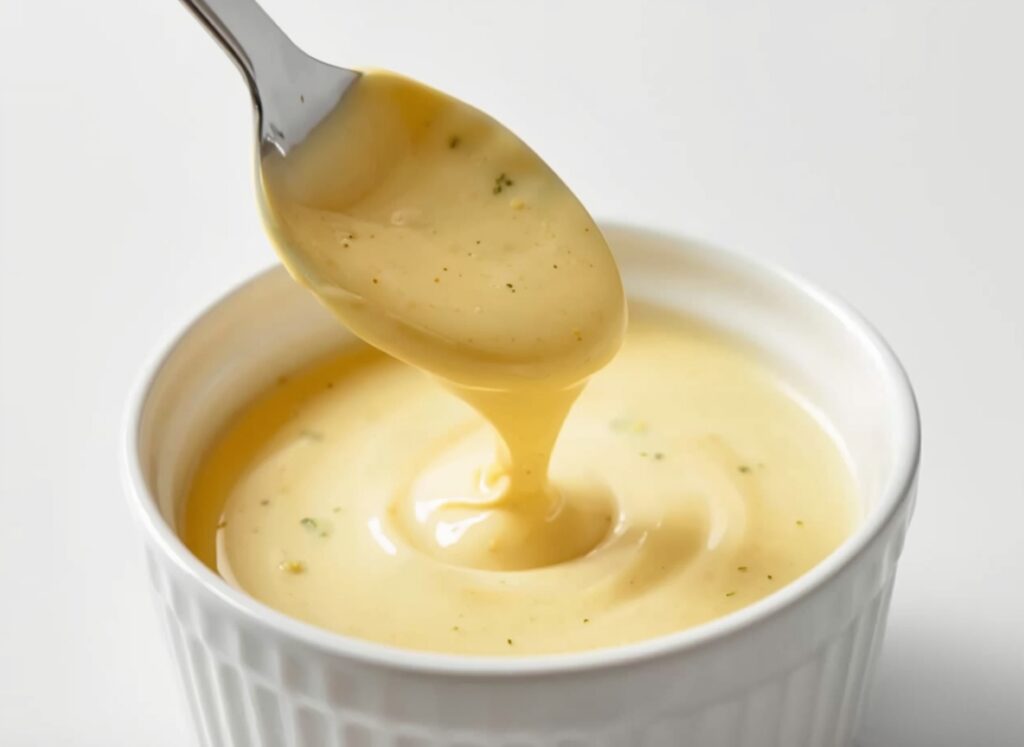
Emulsions break from too much heat or fast butter adds. You’ll see the sauce split, with fat floating on top. Don’t toss it—fix it quick.Béarnaise sauce recipe
Grab a fresh egg yolk in a clean bowl over low heat. Whisk it until frothy. Slowly beat the broken sauce into this new base, drop by drop.
If heat caused the issue, cool the bowl in ice water first. Then re-emulsify over gentle warmth. Most breaks recover this way.
Common fixes include:
- Adding a teaspoon of hot water to thin and bind.
- Using a blender on low for stubborn cases.
- Storing in a thermos to hold without breaking later.
Finishing Touches and Seasoning Harmony
Your base is ready—now polish it. Herbs and tweaks make it sing. Keep it simple here.
The Importance of Fresh Herbs: Tarragon and Chervil Balance
Tarragon leads with its anise-like zing—use twice as much as chervil. Chervil adds a mild parsley note to round it out. Fresh is best; dried loses punch.Béarnaise sauce recipe
Chop them fine off the heat. This keeps their color bright and flavor alive. Stir in at the end for maximum impact.Béarnaise sauce recipe
A good ratio: 1 tablespoon tarragon to 1/2 tablespoon chervil per three yolks. Taste and adjust. Too much, and herbs overpower the buttery base.
To chiffonade without bruising, stack leaves and roll tight. Slice thin with a sharp knife. Your Béarnaise gains that pro look and taste.
Acid Adjustment and Seasoning Precision
Taste your sauce now. Add a dash of cayenne for subtle heat—it lifts the herbs without spice overload. Salt brings out all flavors; start with 1/4 teaspoon.
A squeeze of lemon juice can brighten if it’s too rich. But go easy—the reduction already has acid. Sample often to nail the balance.Béarnaise sauce recipe
This stage turns good sauce into great. No measurements beat your tongue here. Adjust until it pops.
Maintaining Temperature Without Ruining Texture
Béarnaise needs warmth to serve, but not heat that breaks it. Place the bowl over a barely warm water bath—water at 140°F max. Stir now and then.
A thermos works great for holding. Pour in and seal; it stays perfect for 30 minutes. Avoid microwaves—they zap the emulsion.
For parties, make ahead and rewarm gently. This keeps your authentic Béarnaise sauce recipe ready without stress.
Pairing Perfection: Where to Serve Authentic Béarnaise
Béarnaise isn’t just for show. It elevates simple dishes. Let’s explore matches.
The Classic Companion: Steakhouse Staples
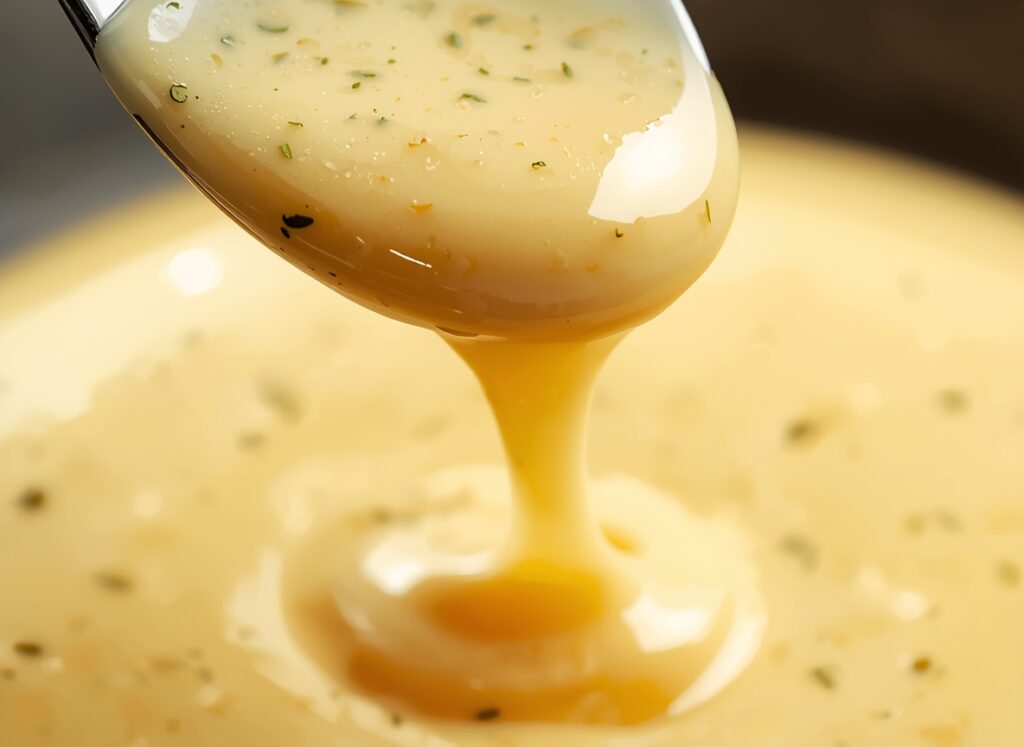
Steak loves Béarnaise—its tang cuts the fat. Filet mignon gets a rich lift without overwhelming its tenderness. Ribeye’s marbling pairs with the sauce’s creaminess.
The acidity balances beef’s savoriness. Drizzle over grilled cuts for that steakhouse vibe. Traditional Steak Béarnaise uses this combo for good reason.
In France, it’s a bistro staple. Home cooks recreate it weekly. Try it on your next grill night.
Beyond Beef: Unexpected Pairings
Grilled asparagus shines under Béarnaise. The sauce’s herbs echo the veggie char. Poached salmon finds a creamy friend—the tang offsets the fish’s oil.Béarnaise sauce recipe
Roasted root veggies like carrots get a gourmet twist. Even eggs Benedict variations work with a Béarnaise swap. Its versatility surprises.Béarnaise sauce recipe
Experiment with these for weeknights. A simple Béarnaise sauce recipe opens doors beyond meat.
Authentic Béarnaise Sauce Recipe Made Simple – FAQ
What is Béarnaise sauce?
A classic French butter sauce with herbs.
What does it taste like?
Rich, buttery, slightly tangy.
Is it hard to make?
No, with low heat and patience.
What does it pair with?
Steak, chicken, fish, or vegetables.
Can it break easily?
Yes, overheating causes separation.
Can I reheat it?
Gently, using warm water bath.
Can I store it?
Best fresh, but lasts 24 hours refrigerated.
Is it similar to hollandaise?
Yes, but with herbs and vinegar.
Homemade Hot Fudge Sauce Recipe – Chocolate Lovers’ Dream
Sardines in Tomato Sauce Recipe – Easy & Delicious Homemade
Conclusion: Your Journey to Béarnaise Mastery
Mastering authentic Béarnaise sauce comes down to two things: slow butter adds and steady heat. These keep the emulsion stable and smooth. Nail them, and you’ll avoid common pitfalls.Béarnaise sauce recipe
Don’t skip the reduction—it’s the flavor heart. Take time to simmer it right for that deep taste.
Grab your ingredients and try this simple Béarnaise sauce recipe today. Your first win will boost your skills. Soon, you’ll drizzle it on everything with ease. What’s your go-to pairing? Share in the comments and keep cooking!Béarnaise sauce recipe
[…] Authentic Béarnaise Sauce Recipe Made Simple […]
[…] Authentic Béarnaise Sauce Recipe Made Simple […]
[…] Authentic Béarnaise Sauce Recipe Made Simple […]
[…] Authentic Béarnaise Sauce Recipe Made Simple […]
[…] Authentic Béarnaise Sauce Recipe Made Simple […]