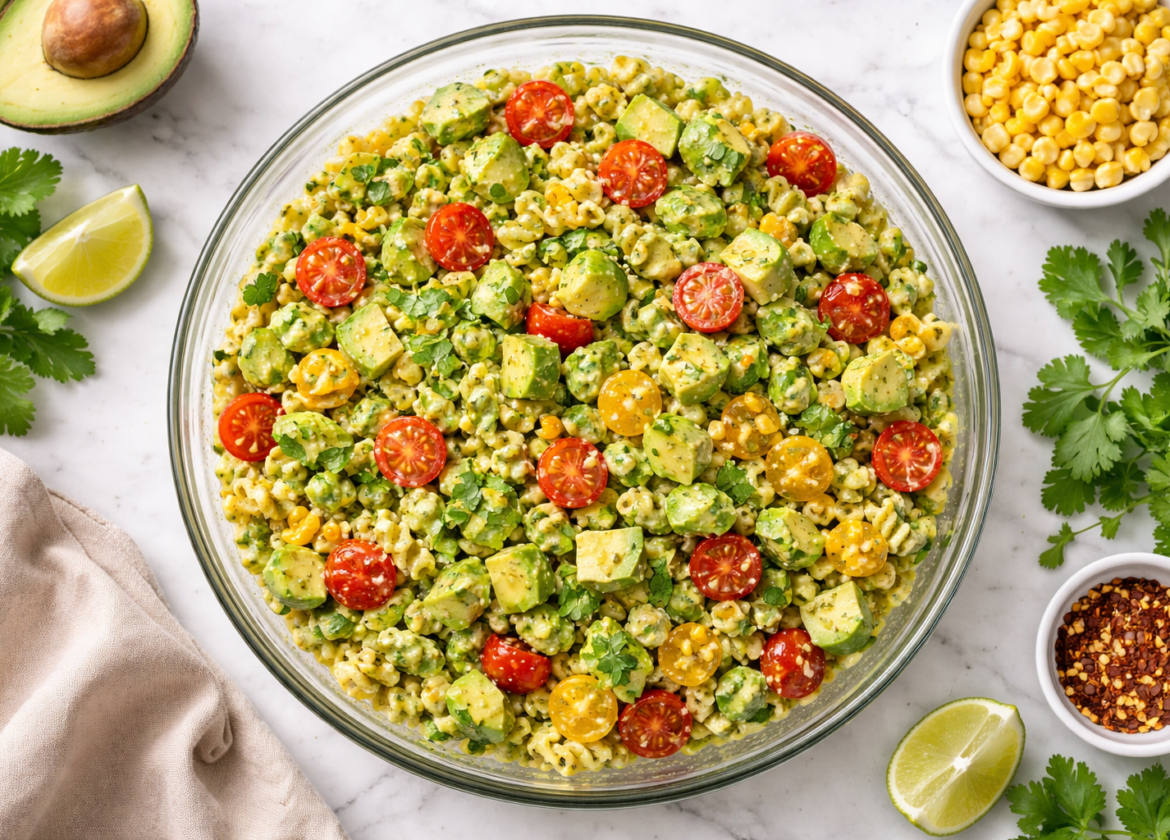
The Avocado Pasta Recipe has transitioned from a niche dietary alternative to a beloved staple for those seeking a quick, nutritious, and incredibly creamy meal. At its core, this dish is a lesson in the power of healthy fats. Unlike traditional Alfredo sauces that rely on heavy cream and butter, an avocado-based sauce utilizes the fruit’s natural lipids to create a velvety coating for the noodles. It is the ultimate “bridge” recipe—satisfying the craving for comfort food while delivering a significant dose of vitamins and minerals.
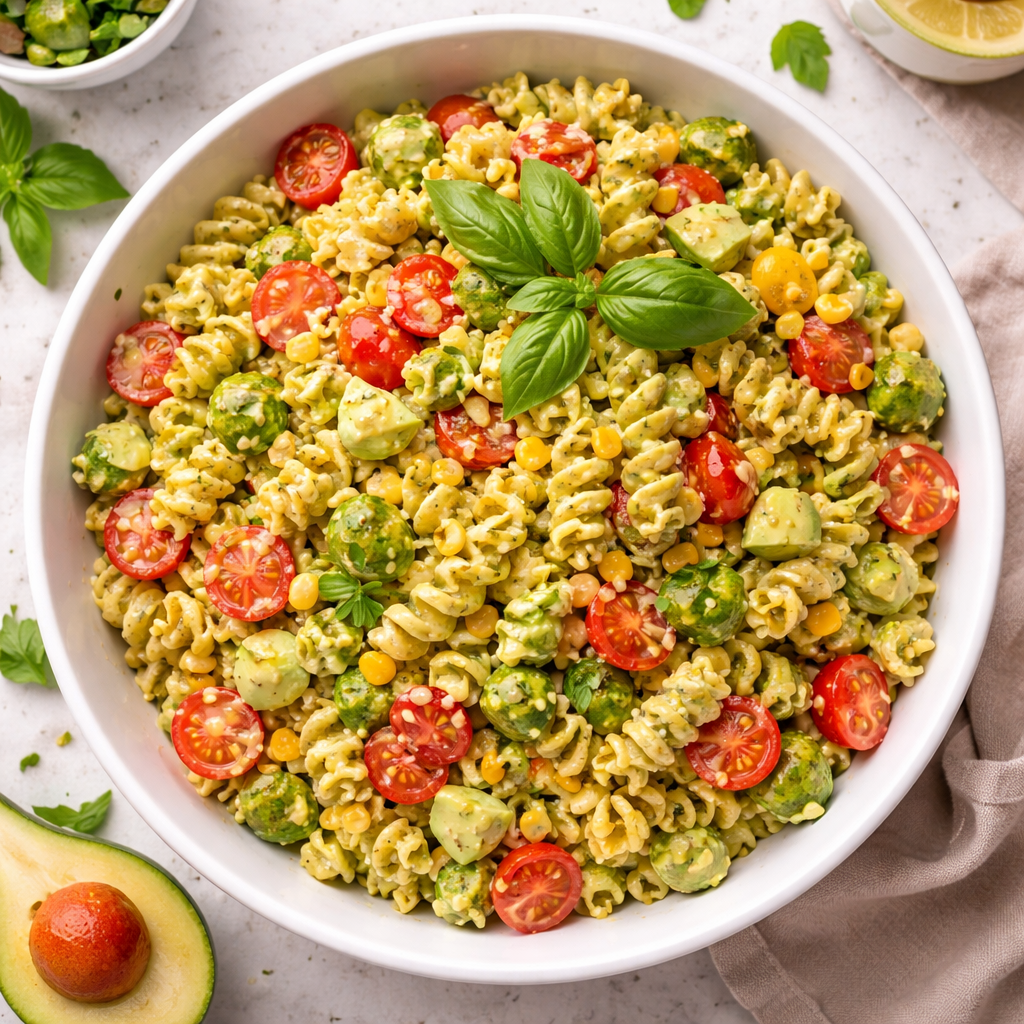
When you first approach an Avocado Pasta Recipe, the most important thing to keep in mind is that you aren’t “cooking” a sauce in the traditional sense. You are essentially creating a warm emulsion. Because avocados are sensitive to heat, the success of this dish lies in the assembly rather than a long simmering process. It is a fast-paced recipe that rewards fresh ingredients and immediate service, making it a perfect solution for busy weeknights when you want something that feels much more sophisticated than its ten-minute prep time suggests.
Understanding the Method Before You Begin
The primary technical challenge of an Avocado Pasta Recipe is oxidation. Avocados turn brown when exposed to air due to an enzyme called polyphenol oxidase. To keep your pasta looking as vibrant as it tastes, the method focuses on high-acid integration (using lemon or lime juice) and timing. You want to prepare the sauce at the exact moment the pasta is finishing its boil.
Another key aspect of the method is “pasta water management.” Since we aren’t using cream, the starchy water used to boil the noodles becomes our most valuable tool. This water contains dissolved starches that act as an emulsifier, helping the thick avocado puree transform into a silky sauce that clings to the pasta rather than sitting in a heavy clump at the bottom of the bowl. Understanding this relationship between the fruit’s fat and the pasta’s starch is what separates a mediocre dish from a restaurant-quality experience.
Ingredient Preparation Explained Simply
For an Avocado Pasta Recipe, your result is only as good as your produce. Because there is no long cooking time to “mellow” flavors, every ingredient stands out.
The Avocado
You need avocados that are “perfectly ripe”—they should give slightly to gentle pressure but not feel mushy or hollow. Bold Tip: If your avocado has black stringy bits or large brown spots, it will make the sauce look muddy and taste slightly bitter; use only the vibrant green flesh.
The Aromatics
- Garlic: Fresh is mandatory. Since the garlic is often processed raw into the sauce, its “bite” will be quite sharp. If you prefer a milder flavor, you can briefly sauté the minced garlic in a teaspoon of olive oil before adding it to the blender.
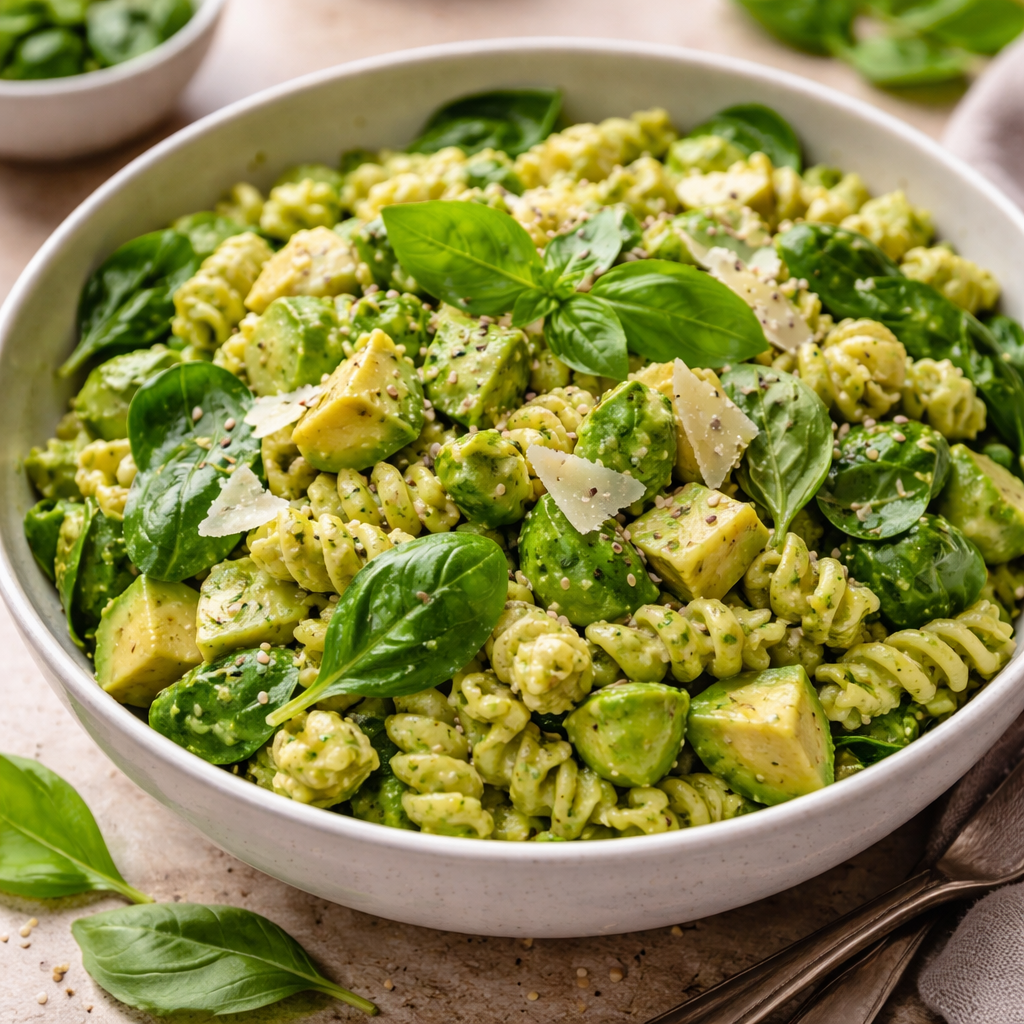
- Basil or Spinach: Adding a handful of fresh basil reinforces the green color and adds a peppery sweetness. Spinach is a great alternative if you want a more neutral flavor with extra iron.
The Acid
Fresh lemon juice serves two purposes: it prevents the avocado from browning and it “lifts” the heavy fats of the fruit. Without enough acid, the Avocado Pasta Recipe can feel a bit flat on the tongue.
Cooking Tools and Why They Matter
While this is a simple recipe, using the right tools ensures the sauce achieves the correct “creamy” consistency without lumps.
- A Food Processor or High-Speed Blender: This is non-negotiable for a truly smooth sauce. While you can mash avocados with a fork, it will never achieve the luxurious, “cream-like” texture that a blender provides.
- A Large Pasta Pot: You want plenty of water to allow the pasta to move freely, which ensures a high-quality starch release for your pasta water.
- A Microplane or Fine Grater: This is for the lemon zest and garlic. The smaller the particles, the better they will integrate into the raw sauce.
- Tongs or a Pasta Fork: Essential for tossing the noodles in the sauce. You need to be able to lift and swirl the pasta to ensure every strand is evenly coated.
Organizing the Cooking Process
The workflow of an Avocado Pasta Recipe is all about the “simultaneous finish.”
- Step 1: The Boil (10 Minutes): Get the water salted and the pasta cooking. This sets your timer.
- Step 2: The Puree (3 Minutes): While the pasta boils, combine the avocado, garlic, lemon, and herbs in the blender.
- Step 3: The Emulsion (2 Minutes): This happens right as the pasta reaches al dente. You take the water from the pot and blend it into the sauce.
- Step 4: The Toss and Serve (1 Minute): Combine and eat immediately.
How to Serve
This pasta waits for no one. Because the sauce is raw and based on fresh fruit, it begins to set and lose its vibrant color quickly. Serve it in warmed bowls and garnish with extra lemon zest, red pepper flakes, or a sprinkle of Parmesan cheese (or nutritional yeast for a vegan version).
Writing a Natural Avocado Pasta Recipe Guide
1. The Pasta Base
Bring a large pot of heavily salted water to a boil. Add 12 oz of your favorite pasta (linguine, spaghetti, or fusilli work best). Cook according to the package directions until it is al dente.
2. Crafting the Sauce
While the pasta is bubbling, scoop the flesh of 2 large, ripe avocados into your blender. Add 1/2 cup of fresh basil leaves, 2 cloves of garlic, 2 tablespoons of extra virgin olive oil, and the juice of one large lemon. Season with a generous pinch of salt and black pepper.
3. The Secret Ingredient: Pasta Water
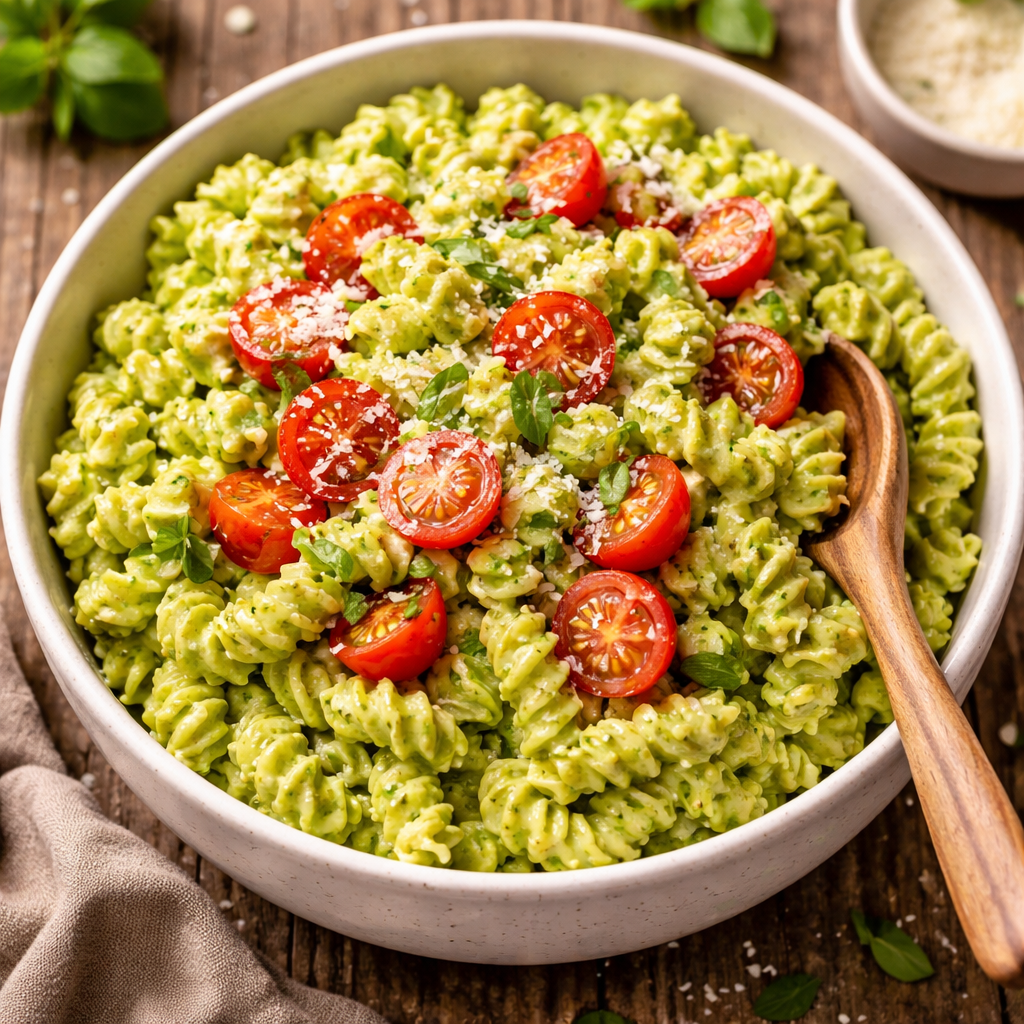
Before you drain the pasta, use a heat-proof measuring cup to scoop out about 1 cup of the boiling pasta water. Bold Tip: Start by adding 1/4 cup of this hot water to the blender and pulse. The heat will help melt the avocado fats and create a smooth, pourable sauce.
4. Integration
Drain the pasta and return it to the pot (off the heat). Pour the avocado sauce over the noodles. Use tongs to toss vigorously. If the sauce feels too thick or “tacky,” add a little more of the reserved pasta water until you reach your desired silkiness.
5. The Final Polish
Taste the pasta. It often needs a bit more salt or lemon than you think. Once seasoned to your liking, plate it immediately.
Avoidable Problems and Practical Fixes
Even a straightforward Avocado Pasta Recipe can present a few hurdles if the timing or ingredients are off.
- The Sauce is Too Thick: This usually happens if you didn’t use enough pasta water or if the avocados were over-ripe. Simply add a tablespoon of warm water at a time until the sauce thins out.
- The Sauce Tastes Bitter: This often comes from using the “pith” of the lemon or an avocado that was slightly past its prime. You can balance bitterness with a tiny pinch of sugar or by adding more salt.
- The Pasta is Cold: Since the sauce isn’t cooked on the stove, it can cool the pasta down quickly. Ensure your pasta is piping hot and your serving bowls are pre-warmed.
- It Turns Brown Fast: If you have leftovers, the air will turn them brown. To prevent this, press a layer of plastic wrap directly onto the surface of the pasta to eliminate air gaps. However, this dish is truly best eaten fresh.
Estimated Calories
A standard serving of this Avocado Pasta Recipe (based on 2 oz of dry pasta and 1/2 an avocado) typically contains between 350 and 450 calories. This varies depending on the amount of olive oil and cheese used for garnish.
Frequently Asked Questions About Avocado Pasta
Can I reheat avocado pasta?
It is tricky. If you microwave it, the avocado can take on a strange, slightly bitter cooked flavor. If you must reheat it, do so gently on the stovetop with a splash of water, but be aware the color will likely fade to a duller green.
Is this recipe vegan?
Yes! The base Avocado Pasta Recipe is naturally vegan. Just ensure your pasta brand doesn’t use eggs and skip the Parmesan garnish in favor of hemp seeds or nutritional yeast.
Which pasta shape is best?
Long, flat noodles like linguine or fettuccine are excellent because they provide a large surface area for the creamy sauce to cling to. However, rotini (spirals) are great for trapping the sauce in their grooves.
Can I add protein?
Absolutely. Grilled chicken, sautéed shrimp, or even chickpeas pair wonderfully with the creamy, citrusy profile of the avocado.
Nutritional Information
Avocados are a powerhouse of nutrition. They are rich in monounsaturated oleic acid (heart-healthy fat), Vitamin K, Folate, and Vitamin C. They also contain more potassium than bananas. Combined with the complex carbohydrates of the pasta, this meal provides sustained energy and supports healthy cholesterol levels.
Boursin Cheese Pasta Recipes – Creamy, Easy & Flavorful
Easy Pappardelle Pasta Recipes You Can Make at Home
How to Make Squid Ink Pasta recipe at Home – Simple & Delicious
Best Eggplant Pasta Recipes – Easy, Hearty & Delicious
Quick Spinach Tomato Pasta Recipe – Healthy & Flavorful
Easy Tortellini Pasta Salad Recipe – Fresh & Flavorful