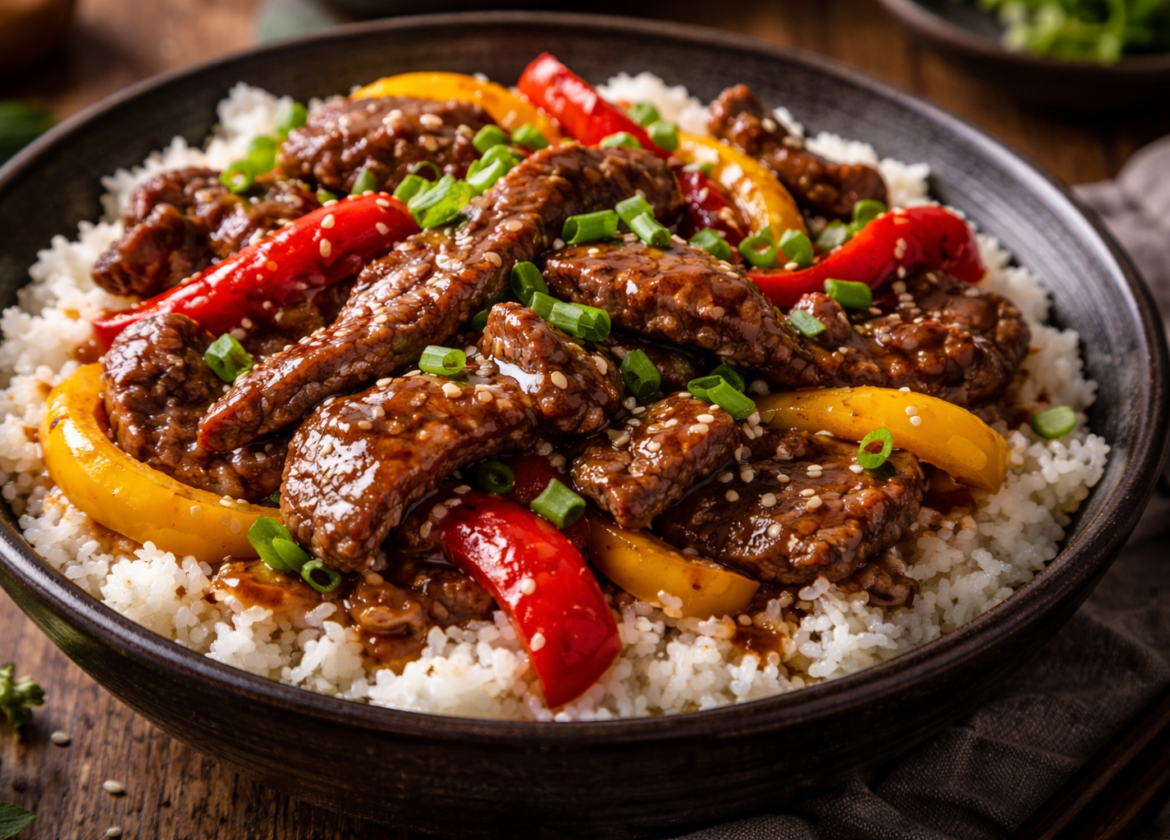
When attempting a Beef and Pepper Rice Bowl Recipe at home, many cooks encounter a frustrating gap between their expectations and the reality of the final dish. The most pervasive issue is texture management. In professional kitchens, the beef is tender and “velvety,” while the peppers maintain a bright, crisp-tender snap. At home, however, it is all too common to end up with grey, boiled-looking meat and soggy, overcooked vegetables swimming in a thin, watery sauce.
Another significant hurdle involves the rice itself. Often, the rice is either too mushy or serves as a bland backdrop that fails to integrate with the savory beef and pepper mixture. Achieving that perfect “bowl balance”—where every grain of rice is seasoned by the sauce without losing its individual structure—requires a shift in how we approach the order of operations. This guide focuses on identifying these common technical failures and providing the logical solutions necessary to master the Beef and Pepper Rice Bowl Recipe.
Why This Recipe Solves These Problems
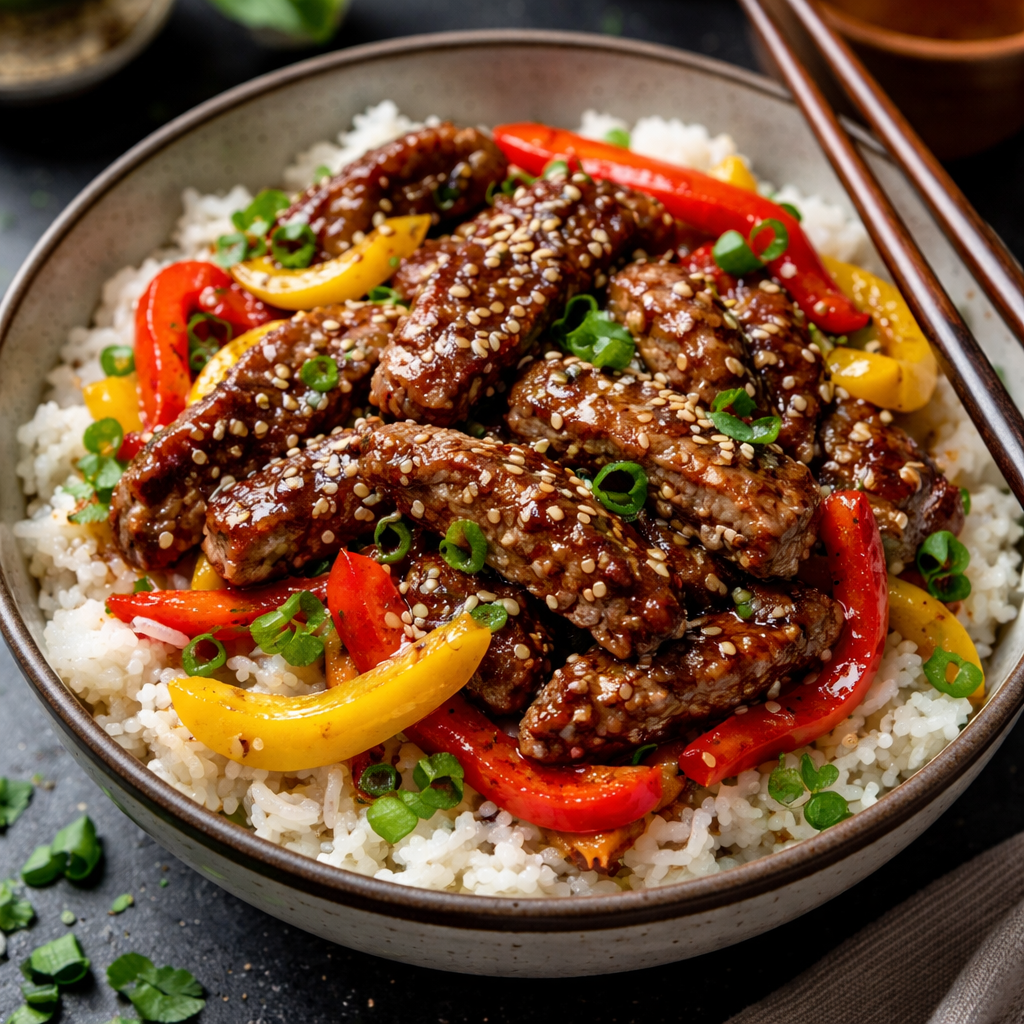
This specific approach to the Beef and Pepper Rice Bowl Recipe is designed to address the physics of the pan. Instead of tossing everything into the heat at once, we utilize a staggered cooking method. This ensures that the high-moisture vegetables do not interfere with the searing of the protein.
- Moisture Control: By searing the beef in small batches and removing it, we prevent the “steaming” effect that leads to tough, grey meat.
- Sauce Emulsification: Rather than using a thin, watery soy base, this recipe incorporates a small amount of starch to create a glaze. This allows the sauce to “cling” to the beef and peppers, ensuring the flavors don’t just sink to the bottom of the bowl.
- Aromatic Layering: We introduce aromatics like ginger and garlic at a specific temperature window to ensure they infuse the oil without burning and becoming bitter.
Ingredient Handling for Better Control
The success of your Beef and Pepper Rice Bowl Recipe starts long before the stove is turned on. How you prep your ingredients determines how they will react to the heat.
The Beef
Selection is critical. For a quick stir-fry style bowl, flank steak or top sirloin are the best choices. They are lean but tender enough for fast cooking. The secret is the cut: Always slice the beef against the grain into thin, uniform strips. Slicing against the grain breaks up the tough muscle fibers, ensuring the meat is easy to chew.
The Peppers
Use a variety of colors—bell peppers in red, yellow, and green. Beyond the visual appeal, they provide different levels of sweetness. For the best results, slice them into uniform strips that match the size of the beef. This ensures that a single bite contains a balanced ratio of meat and vegetable.
The Rice
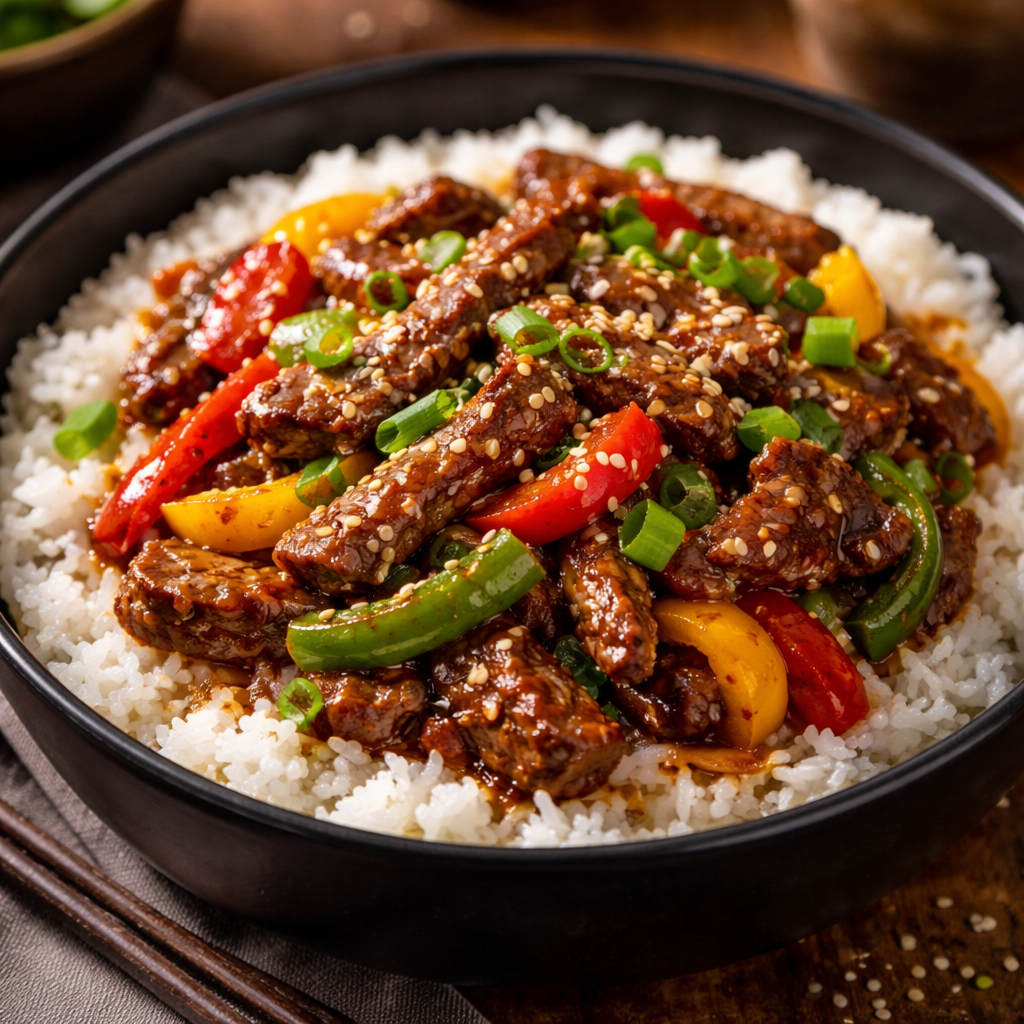
For a sturdy base, Long-grain Jasmine rice is the gold standard. It has a subtle floral aroma and a low starch content that prevents it from becoming sticky. Rinsing the rice until the water runs clear is a mandatory step to remove surface starches.
Equipment Choices That Reduce Errors
You do not need an industrial wok to create a high-quality Beef and Pepper Rice Bowl Recipe, but you do need equipment that manages heat retention effectively.
- Cast Iron or Heavy Stainless Steel Skillet: If you don’t have a wok, a heavy skillet is actually better than a thin non-stick pan. Heavy pans retain heat when the cold meat hits the surface, which is essential for a proper sear.
- Fine-Mesh Sieve: For rinsing the rice. This is the simplest way to prevent “mushy rice” problems.
- Sharp Chef’s Knife: Dull knives tear the beef fibers rather than slicing them, which leads to uneven cooking and juice loss.
- Small Whisk: For the sauce. You must ensure the cornstarch is fully dissolved in the liquid before it hits the pan to avoid “gelatinous clumps.”
Preventive Planning Before Cooking
In a Beef and Pepper Rice Bowl Recipe, the “active” cooking time is very short—usually under ten minutes. This means you must have your plan ready to execute without pause.
- The Rice Timeline: Start your rice first. Rice needs time to simmer and, more importantly, time to rest. Resting the rice for 10 minutes after the heat is off allows the steam to finish the grain, resulting in a fluffier texture.
- The “Dry” Rule: Pat your beef strips and pepper slices dry with a paper towel. Any surface moisture will immediately turn to steam in the pan, preventing the Maillard reaction (browning) from occurring.
- The Sauce Slurry: Always mix your sauce (soy sauce, broth, ginger, garlic, and cornstarch) in a separate bowl before you start the stove.
Executing the Beef and Pepper Rice Bowl Recipe
1. The Rice Base
Rinse 1 ½ cups of Jasmine rice. Combine with 2 cups of water and a pinch of salt in a pot. Bring to a boil, then cover and simmer on low for 15 minutes. Turn off the heat and let it sit, covered, while you prepare the rest of the meal.
2. High-Heat Searing
Heat 2 tablespoons of oil in your skillet until it just starts to smoke. Add the beef in a single layer. Do not crowd the pan. Sear for 1–2 minutes per side until deeply browned. Remove the beef and set it aside on a plate.
3. The Pepper Flash
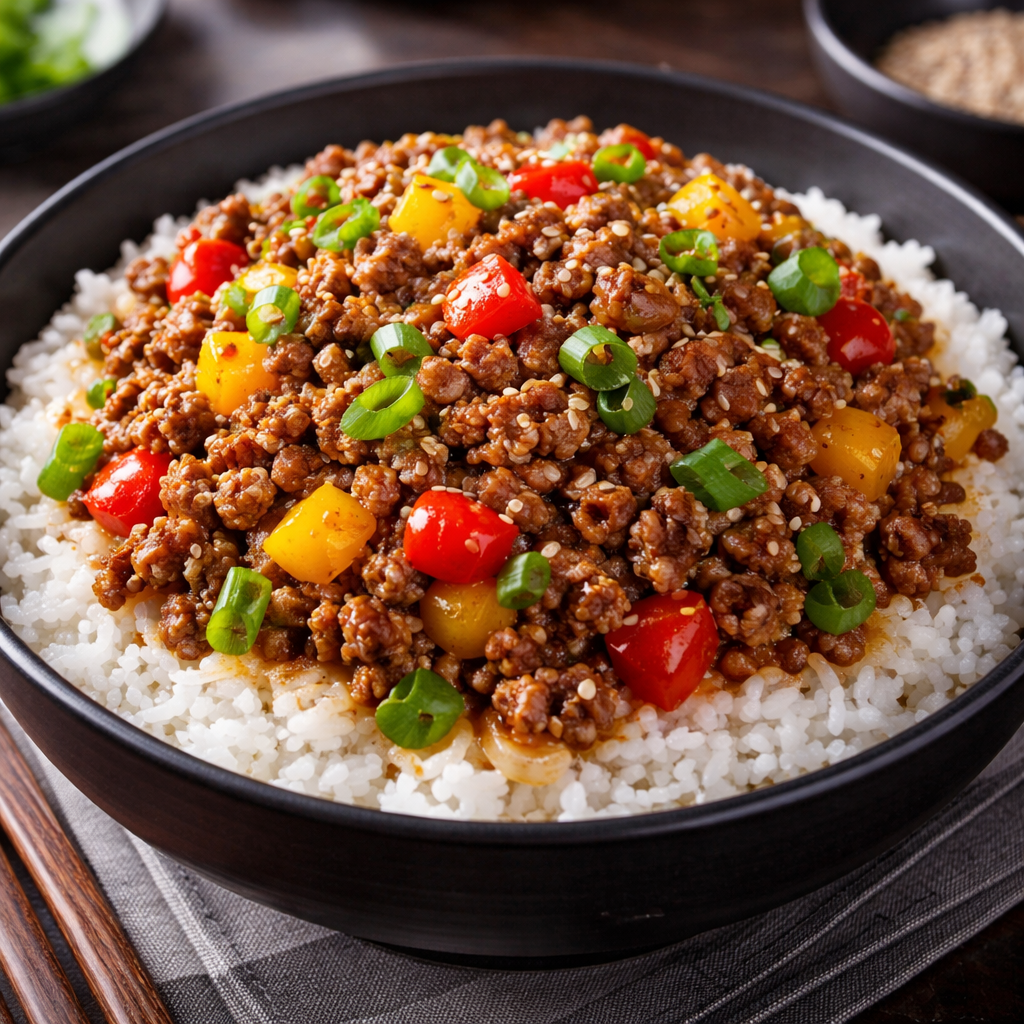
In the same pan (which now contains the flavor from the beef), add the sliced peppers. Stir-fry for 3–4 minutes. You want the skins to slightly blister while the interior remains crisp.
4. The Integration
Add the beef back into the pan with the peppers. Give the sauce slurry a quick stir (cornstarch settles at the bottom) and pour it over the beef and peppers.
5. The Glaze
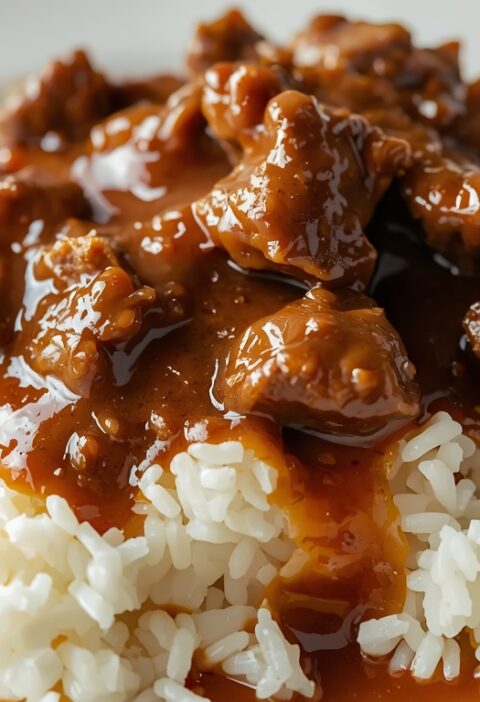
Toss the mixture constantly over medium-high heat. Within 60 seconds, the sauce will bubble and transform from a thin liquid into a glossy, dark glaze. Once the sauce coats the back of a spoon, remove from the heat immediately.
6. Assembly
Fluff the rested rice with a fork. Divide into bowls and top generously with the beef and pepper mixture. Garnish with sliced green onions or toasted sesame seeds.
Fixing Texture or Flavor Problems
Even experienced cooks encounter variables like stove temperature or meat quality that can affect a Beef and Pepper Rice Bowl Recipe. Here is how to troubleshoot in real-time:
- Problem: The beef is tough.
- Fix: This usually means it was sliced with the grain or overcooked. If the batch is already done, you can “rescue” it by adding a tablespoon of broth and simmering it with the lid on for 2 minutes to soften the fibers.
- Problem: The sauce is too thick or “gloopy.”
- Fix: You likely used too much cornstarch or cooked it too long. Add a splash of water or beef broth and whisk vigorously to thin the consistency back to a pourable glaze.
- Problem: The flavor is too salty.
- Fix: Soy sauce varies in salinity. To balance it, add a teaspoon of honey or brown sugar. The sweetness will neutralize the salt without changing the savory profile.
- Problem: The rice is sticky.
- Fix: You likely didn’t rinse enough starch off. For the current batch, you can spread the rice on a baking sheet for a few minutes to let excess moisture evaporate before serving.
Frequently Asked Questions Explained Simply
Can I use a different cut of beef?
While flank or sirloin are preferred for a Beef and Pepper Rice Bowl Recipe, you can use ribeye for a more indulgent, fatty version. Avoid “stew meat” or “chuck,” as these require hours of braising to become tender and will be very tough if stir-fried.
Is this recipe gluten-free?
Standard soy sauce contains wheat. To make this recipe gluten-free, simply substitute the soy sauce for Tamari or Liquid Aminos. Ensure your beef broth is also certified gluten-free.
How do I store and reheat this?
This bowl is excellent for meal prep. Store the rice and beef/pepper mixture together in an airtight container for up to 3 days. When reheating, add a teaspoon of water to the bowl before microwaving; this creates steam that “refreshes” both the rice and the sauce.
Can I add other vegetables?
Absolutely. Onions, snap peas, and broccoli are classic additions. Just remember to slice them to a similar size as the peppers to ensure they cook at the same rate.
Why does my beef “bleed” juice into the pan?
This happens when the pan isn’t hot enough or you’ve added too much meat at once. The temperature drops, the meat can’t sear, and it begins to release its internal moisture. Cook in batches for the best results.
Chicken Hainanese Rice Recipe – Classic, Tender & Delicious
Benihana Fried Rice Recipe – Easy, Flavorful & Authentic
Mango Sticky Rice Recipe – Sweet, Creamy & Authentic
Spanish Yellow Rice Recipe – Vibrant & Delicious
Delicious Crab and Rice Recipe – Easy & Flavorful
Broccoli Rice Casserole Recipe – Creamy, Flavorful & Easy
Easy Shrimp Fried Rice Recipe – Quick, Flavorful & Delicious
How to Make Puerto Rican Rice recipe Like a Pro – Quick & Delicious!