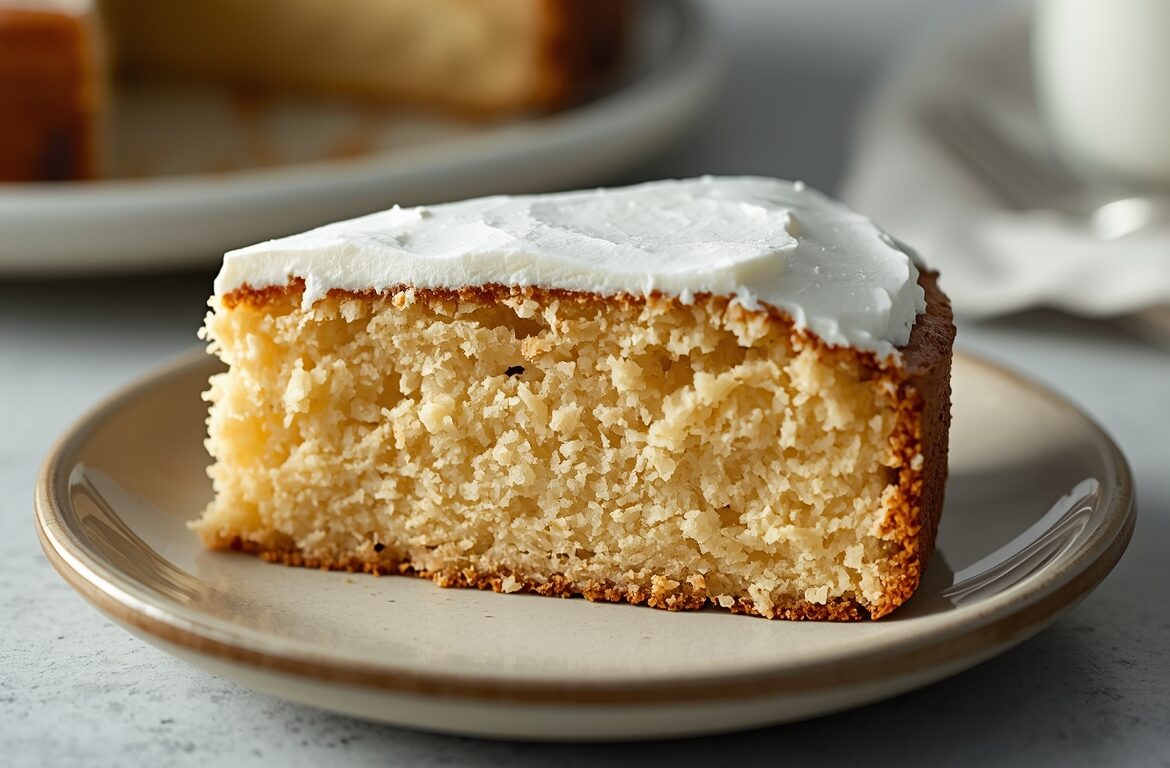
The Brown Butter Cake Recipe is a sophisticated variation of the classic sponge cake, characterized by its deep, nutty aroma and toasted flavor profile. The primary differentiator in this recipe is the use of beurre noisette, or brown butter. This is achieved by heating butter until the water content evaporates and the milk solids undergo the Maillard reaction, turning a deep golden brown.
For the home baker, this recipe offers a significant upgrade in flavor complexity without requiring specialized pastry skills. The resulting cake possesses a moist, tight crumb and a distinctive savory-sweet balance that pairs exceptionally well with stone fruits, vanilla bean, or simple caramel glazes. Understanding the transition from standard butter to brown butter is the key to mastering this specific dessert.
Why This Method Is Reliable
The reliability of a Brown Butter Cake Recipe stems from the stability of the fats used. When butter is browned, the moisture is removed, leaving behind concentrated butterfat and toasted solids. This creates a more consistent fat profile than using softened “room temperature” butter, which can vary in water content and aeration.
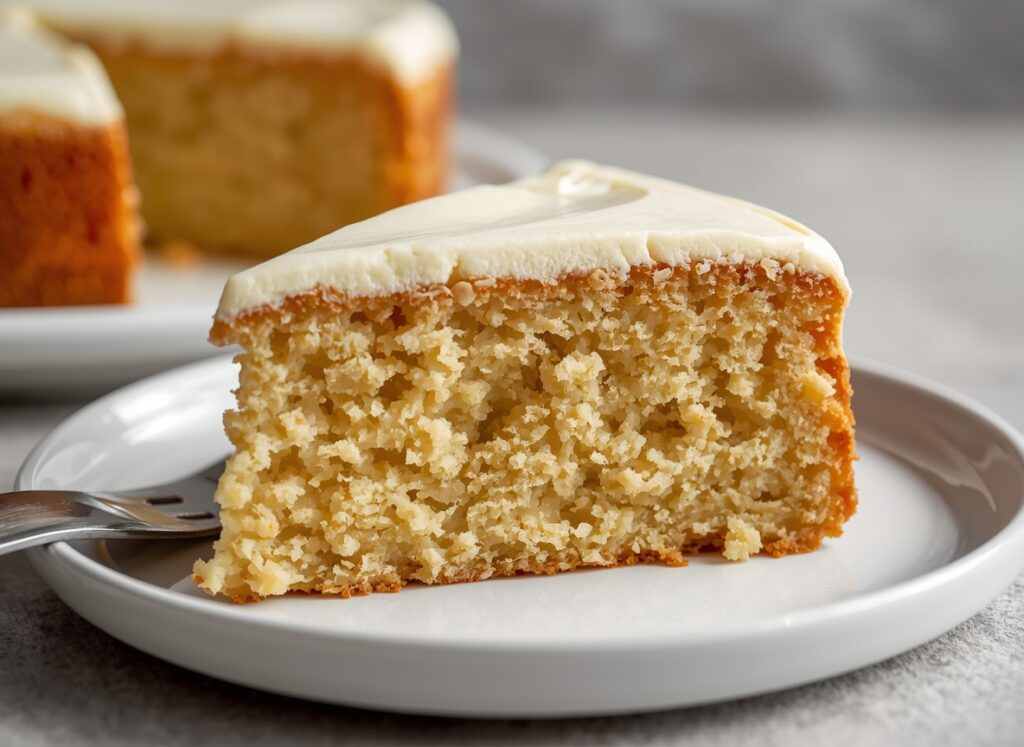
This method is also highly resilient because it relies on a “reverse-creaming” or a liquid-fat integration approach. Unlike traditional cakes that depend on the precarious aeration of butter and sugar, this recipe focuses on the thorough emulsification of fats and liquids. This leads to a more uniform rise and a cake that is less likely to collapse or develop large, uneven air pockets.
Choosing the Right Ingredients
To achieve a professional result with your Brown Butter Cake Recipe, you must select ingredients that complement the intensity of the toasted butter.
The Butter
Always use high-quality unsalted butter. Since the flavor of the butter is being concentrated, any additives or high salt content in lower-quality brands will become overly pronounced. European-style butters are preferred for their higher butterfat percentage.
The Flour
A standard all-purpose flour with a protein content of 10-11% is ideal. If you desire a more delicate, melt-in-the-mouth texture, you can substitute 25% of the all-purpose flour with cake flour.
The Sweetener
Granulated white sugar is used for the bulk of the recipe to allow the brown butter flavor to shine. However, adding a small amount of light brown sugar can enhance the “toffee” notes created by the browned milk solids.
The Leavening Agents
Freshness is critical. Ensure your baking powder is not expired, as the weight of the brown butterfat requires a strong, immediate lift once the batter enters the oven.
Essential Cooking Tools
The Brown Butter Cake Recipe requires a few specific tools to manage the temperature of the butter and ensure a smooth batter.
- Light-Colored Stainless Steel Saucepan: This is essential for browning the butter. A dark-colored or non-stick pan makes it nearly impossible to see the color of the milk solids, increasing the risk of burning.
- Fine-Mesh Sieve: Useful if you prefer a smoother texture, though most bakers choose to keep the browned specks (the flavor) in the cake.
- Digital Kitchen Scale: Weighing ingredients like flour and sugar is the only way to ensure the ratio of fat to starch is accurate.
- Stand Mixer or Hand Mixer: Necessary for the emulsification of eggs and sugar into the cooled brown butter.
- Heat-Proof Bowl: To immediately transfer the butter out of the hot pan once it reaches the target color.
Preparation and Cooking Timeline
Management of time is the most important part of the Brown Butter Cake Recipe. You cannot use the butter while it is boiling hot, as it will scramble the eggs and melt the sugar prematurely.
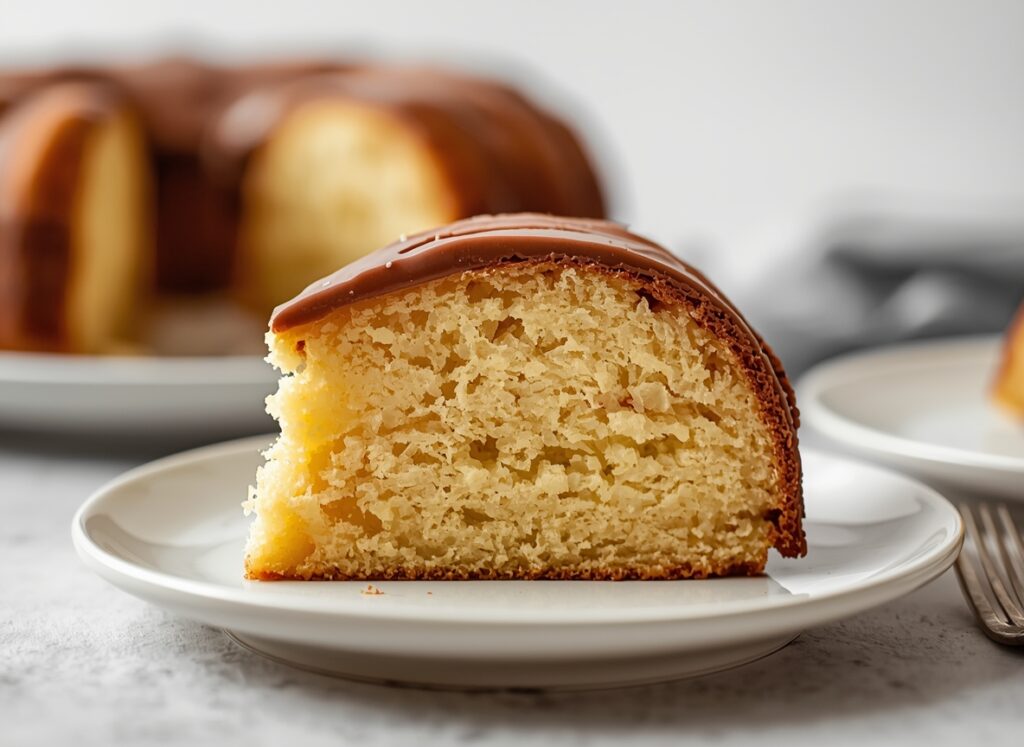
- 0-10 Minutes: Browning the butter and transferring it to a bowl to cool.
- 10-30 Minutes: Cooling phase. The butter should be liquid but close to room temperature.
- 30-45 Minutes: Preparing the batter and preheating the oven.
- 45-80 Minutes: Baking time (varies by pan size).
- 80+ Minutes: Cooling the cake before slicing.
Full Brown Butter Cake Recipe Method
1. The Browning Process
Place 225g of unsalted butter in your stainless steel saucepan over medium heat. The butter will melt, then begin to foam and pop. This is the water evaporating. Stir constantly with a heat-resistant spatula. As the popping subsides, watch for golden-brown specks to form at the bottom. Bold Tip: As soon as the butter smells nutty and turns the color of a penny, remove it from the heat and pour it into a heat-proof bowl to stop the cooking.
2. Cooling the Butter
Allow the brown butter to cool for approximately 20 minutes. It should still be liquid but no longer hot to the touch.
3. Mixing the Dry Ingredients
Whisk together 300g of all-purpose flour, 1.5 teaspoons of baking powder, and 0.5 teaspoons of salt in a medium bowl. Ensure no clumps of leavening agent remain.
4. Aerating the Eggs and Sugar
In your mixer, combine 200g of granulated sugar and 3 large room-temperature eggs. Beat on medium-high speed for 3-5 minutes until the mixture is pale and has doubled in volume. This creates the structural “lift” for the Brown Butter Cake Recipe.
5. Emulsification
Reduce the mixer speed to low. Slowly stream in the cooled brown butter, ensuring all the toasted specks from the bottom of the bowl are included. Add 1 tablespoon of vanilla extract and 120ml of whole milk.
6. The Final Fold
Gently fold the dry ingredients into the wet mixture. Do not over-mix; stop as soon as the last streak of flour disappears. Pour the batter into a greased and floured 9-inch round pan or a loaf pan.
7. The Bake
Bake at 350°F (175°C) for 35-45 minutes. The cake is done when a skewer inserted into the center comes out clean or with a few dry crumbs.
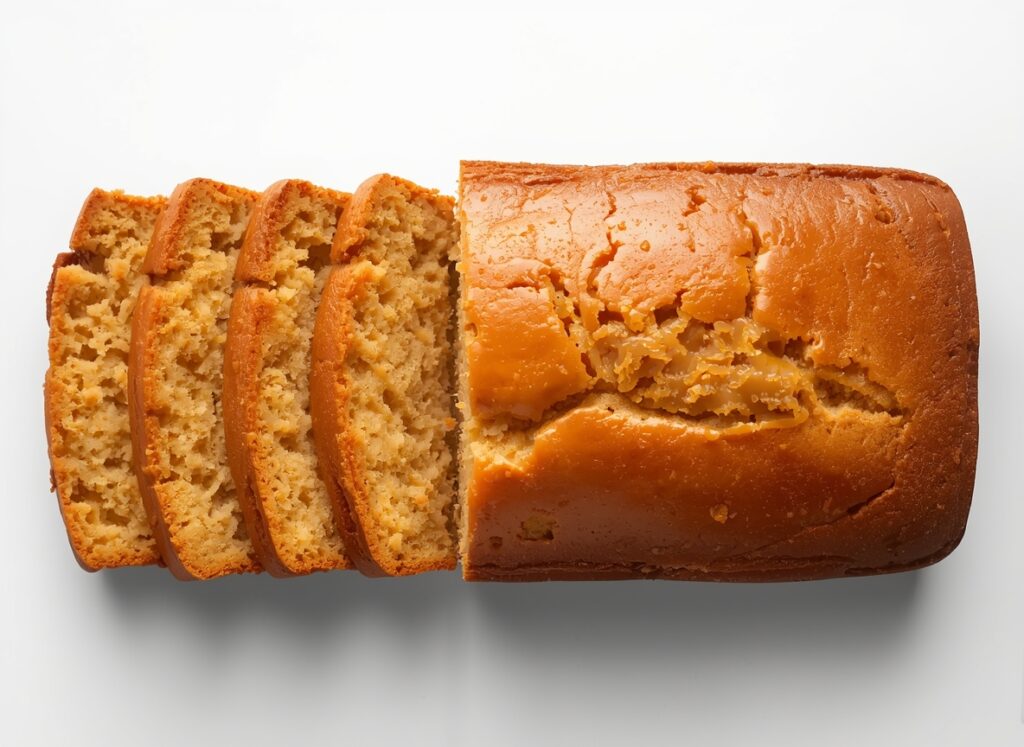
Mistakes That Affect Texture and Taste
- Burning the Milk Solids: If the butter turns black instead of brown, it will taste bitter. You must start over if the butter passes the deep amber stage.
- Using Cold Eggs: If you add cold eggs to the brown butter, the fat will seize and clump. Always ensure your eggs and milk are at room temperature.
- Over-mixing the Batter: Once the flour is added, over-working the batter develops gluten, which turns a tender Brown Butter Cake Recipe into a tough, bread-like loaf.
- Inaccurate Flour Measurement: Using a cup to scoop flour can result in up to 25% more flour than required. Always use a scale for accuracy.
- Baking at Too High a Temperature: Brown butter contains toasted solids that can scorch further if the oven is too hot, leading to a dark, thick crust before the center is cooked.
Frequently Asked Questions (FAQ)
Can I use the brown butter while it is still hot? No. Hot butter will cook the eggs in the batter and destroy the leavening properties of the baking powder. It must be cooled to room temperature (liquid but not hot) before proceeding.
Should I strain out the brown bits? It is not recommended. The brown specks at the bottom of the pan are the caramelized milk solids and contain the majority of the “nutty” flavor that defines a Brown Butter Cake Recipe.
How do I store a brown butter cake? This cake stays moist for several days because of the high fat content. Wrap it tightly in plastic wrap and store it at room temperature for up to 3 days, or in the refrigerator for up to 6 days.
Can I freeze this cake? Yes. This cake freezes exceptionally well. Wrap individual slices or the whole cake in parchment paper followed by foil. It can be frozen for up to 3 months. Thaw at room temperature before serving.
Why did my cake sink in the middle? This usually occurs if the oven door was opened too early or if the baking powder was expired. It can also happen if the eggs and sugar were not beaten sufficiently to provide the necessary structure.
Is brown butter the same as clarified butter (Ghee)? No. Clarified butter has the milk solids removed. Brown butter keeps the milk solids and toasts them to create a specific flavor. You cannot substitute Ghee in a Brown Butter Cake Recipe and expect the same results.
By following these structured steps and maintaining control over the temperature of your ingredients, you can successfully create a professional-quality cake that showcases the unique depth of toasted butter.
The Best Pig Pickin Cake Recipe You’ll Ever Try
Moist Buttermilk Cake Recipe – Soft, Rich & Homemade
Easy Hoe Cakes Recipe Made with Simple Ingredients
Easy Cinnamon Coffee Cake Recipe Perfect for Breakfast