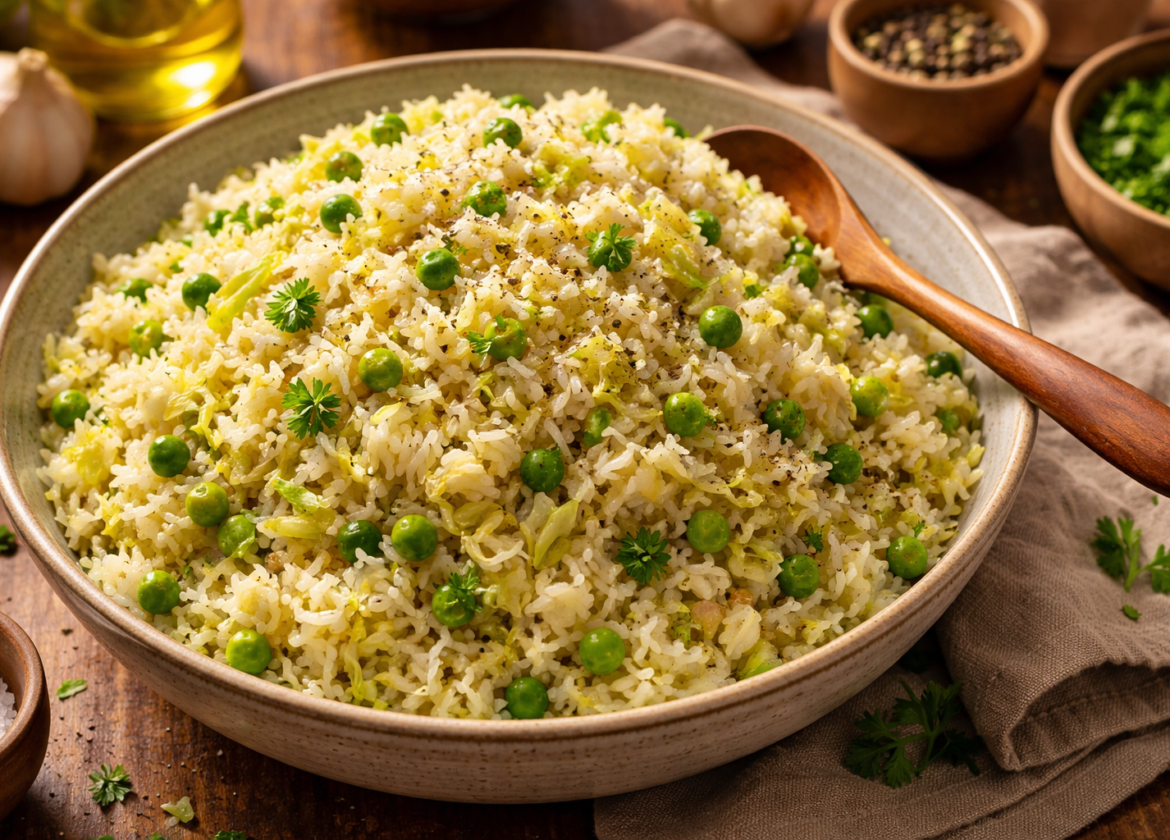
In my years of working through various grain-based dishes, I have found that a Cabbage Rice Recipe stands out because of its remarkable structural integrity. Unlike many vegetable-heavy rice dishes that tend to become mushy or overly damp, this recipe relies on the fibrous nature of cabbage to provide a distinct, satisfying bite. Cabbage is a hardy vegetable that, when treated correctly, retains a slight crunch even after being steamed alongside rice.
The reliability of this dish comes from the way the cabbage releases its moisture. By sautéing the cabbage before adding the rice and water, you lock in the flavor and prevent the vegetable from turning the rice into a purée. This method ensures that every grain of rice remains separate and fluffy, while the cabbage becomes a tender, savory inclusion rather than a soggy distraction. It is a foolproof choice for meal prepping or high-volume family dinners because it reheats exceptionally well without losing its original texture.
Cooking Insights You Learn From Experience
One of the most important things I have learned while perfecting the Cabbage Rice Recipe is that the way you cut the cabbage dictates the entire mouthfeel of the dish. If the cabbage is shredded too thinly, it disappears into the rice. If it is chopped into large chunks, it fails to distribute its natural sweetness. The “sweet spot” is a medium shred—roughly the width of a pencil. This allows the cabbage to wilt slightly but still hold its own against the grain.
Another insight involves the “toasting” phase. Many people make the mistake of boiling the cabbage and rice together immediately. Through experience, I discovered that toasting the raw rice in the oil alongside the softened cabbage for just two minutes before adding liquid changes the flavor profile entirely. It adds a nutty undertone that balances the earthy, sulfurous notes often associated with cooked cabbage. This small technical adjustment is what separates a mediocre bowl of rice from a professional-grade meal.
Ingredient Preparation Details
The success of a Cabbage Rice Recipe depends on the state of your ingredients before they ever hit the heat. Precision in preparation prevents the common issue of uneven cooking.
Choosing the Cabbage
I prefer using a standard Green Cabbage or Savoy Cabbage. Red cabbage, while nutritious, will bleed its color into the rice, turning the entire dish a shade of purple that many find unappealing. Ensure you remove the tough outer leaves and the dense inner core. The core does not soften at the same rate as the leaves and will remain unpleasantly hard.
Rice Selection and Rinsing
Long-grain varieties like Basmati or Jasmine are the best choices here. They have a lower starch content than short-grain rice, which is essential for a fluffy result. Always rinse your rice until the water runs clear. This removes surface starch that would otherwise cause the rice to clump together.
Aromatics
- Onions: Yellow onions provide the best sweetness when caramelized.
- Ginger and Garlic: These are non-negotiable. They provide the “high notes” that cut through the density of the cabbage.
- Whole Spices: If you want an authentic depth, use whole cumin seeds or a bay leaf. In my experience, whole spices provide a cleaner flavor than their ground counterparts in this specific dish.
Equipment Setup Explained Clearly
To get the most out of this Cabbage Rice Recipe, you need equipment that manages moisture and heat distribution effectively
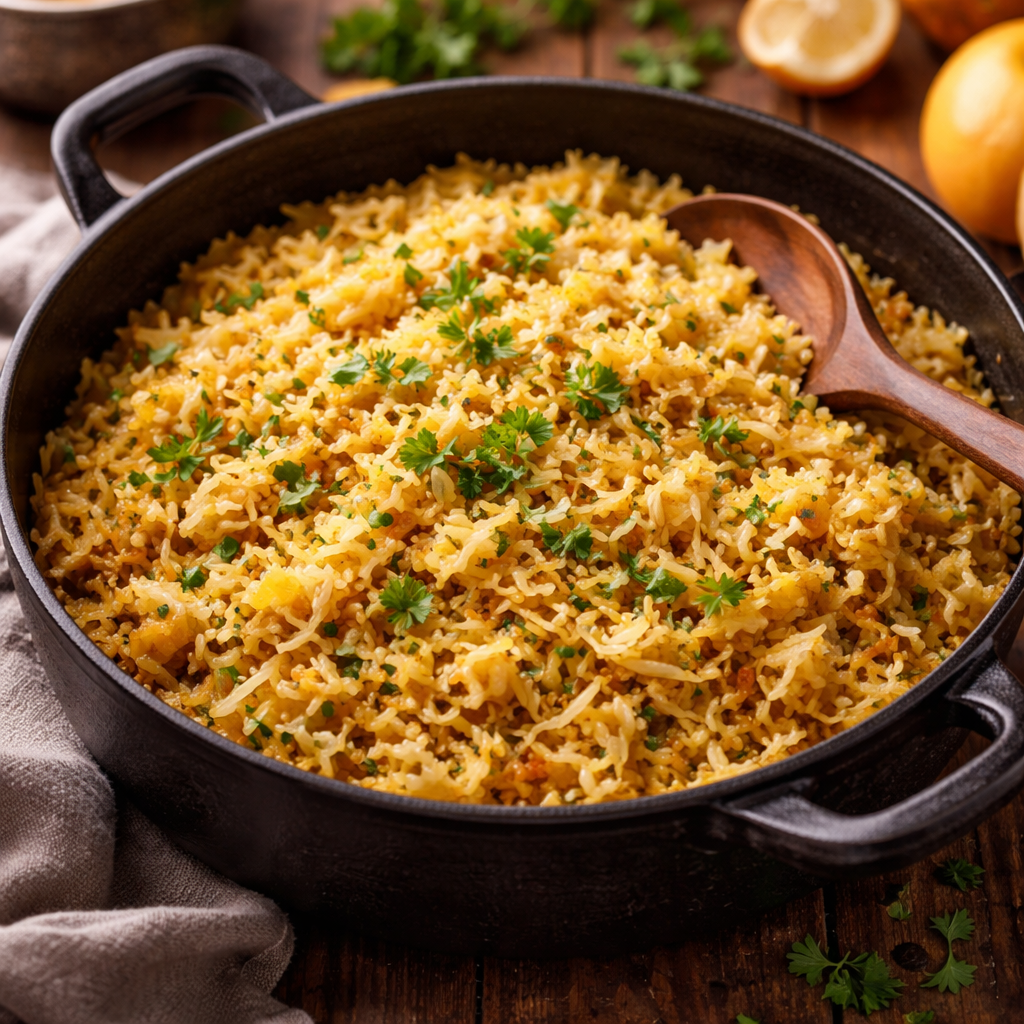
- Heavy-Bottomed Pot or Dutch Oven: A thin pot will create hot spots, causing the rice at the bottom to burn before the top is steamed. A heavy-bottomed vessel ensures the heat is radiated evenly.
- A Tight-Fitting Lid: The steaming phase is the most critical part of the process. If your lid is loose, steam escapes, and you will end up with undercooked, crunchy rice. Tip: If your lid isn’t perfectly tight, place a clean kitchen towel over the pot before putting the lid on to create a better seal.
- Wide Pan or Sauté Pan: If you are making a large batch, use a wide pan. This gives the cabbage more surface area to sauté, which is vital for removing excess moisture before adding the water.
Managing Time and Temperature
Cooking is as much about the clock as it is about the ingredients. For a Cabbage Rice Recipe, the transition from high to low heat must be timed precisely.
- Sautéing (Medium-High Heat): This takes about 8 to 10 minutes. You want the cabbage to reduce in volume by about half and show slight browning on the edges.
- The Boil (High Heat): Once the water is added, bring it to a rolling boil. Do not cover the pot until it reaches this point.
- The Simmer (Low Heat): This is the absorption phase, usually taking 15 to 18 minutes. Do not lift the lid during this time. Every time you lift the lid, the internal temperature drops, and the steaming process is interrupted.
- The Rest (Off Heat): After the water is absorbed, let the pot sit, covered, for at least 10 minutes. This allows the moisture to redistribute evenly through the grains.
Cooking Cabbage Rice: A Realistic Guide
1. The Sauté Foundation
Heat 2 tablespoons of oil or ghee in your pot. Add cumin seeds and let them sizzle for 30 seconds. Add your onions and cook until they are translucent. Now, add the shredded cabbage. Sauté the cabbage for about 8 minutes. You will notice it releases a lot of water at first; keep cooking until that water evaporates and the cabbage begins to take on a golden color.
2. The Aromatic Addition
Add your minced garlic, ginger, and any dry spices (like turmeric or garam masala). Stir for 60 seconds. The fat in the pan will help “bloom” the spices, making them more fragrant.
3. Toasting the Rice
Add your rinsed and drained rice to the pot. Stir gently for 2 minutes. You want each grain of rice to be coated in the flavored oil. This step is the secret to a non-sticky Cabbage Rice Recipe.
4. The Liquid Ratio
Add your water or vegetable broth. A standard ratio is 1.5 cups of liquid for every 1 cup of long-grain rice, accounting for the moisture the cabbage will still release. Add salt to taste. Bring the mixture to a boil.
5. The Steam
As soon as the water boils, turn the heat down to the lowest setting and cover the pot tightly. Set a timer for 17 minutes. Walk away and let the steam do the work.
6. The Finish
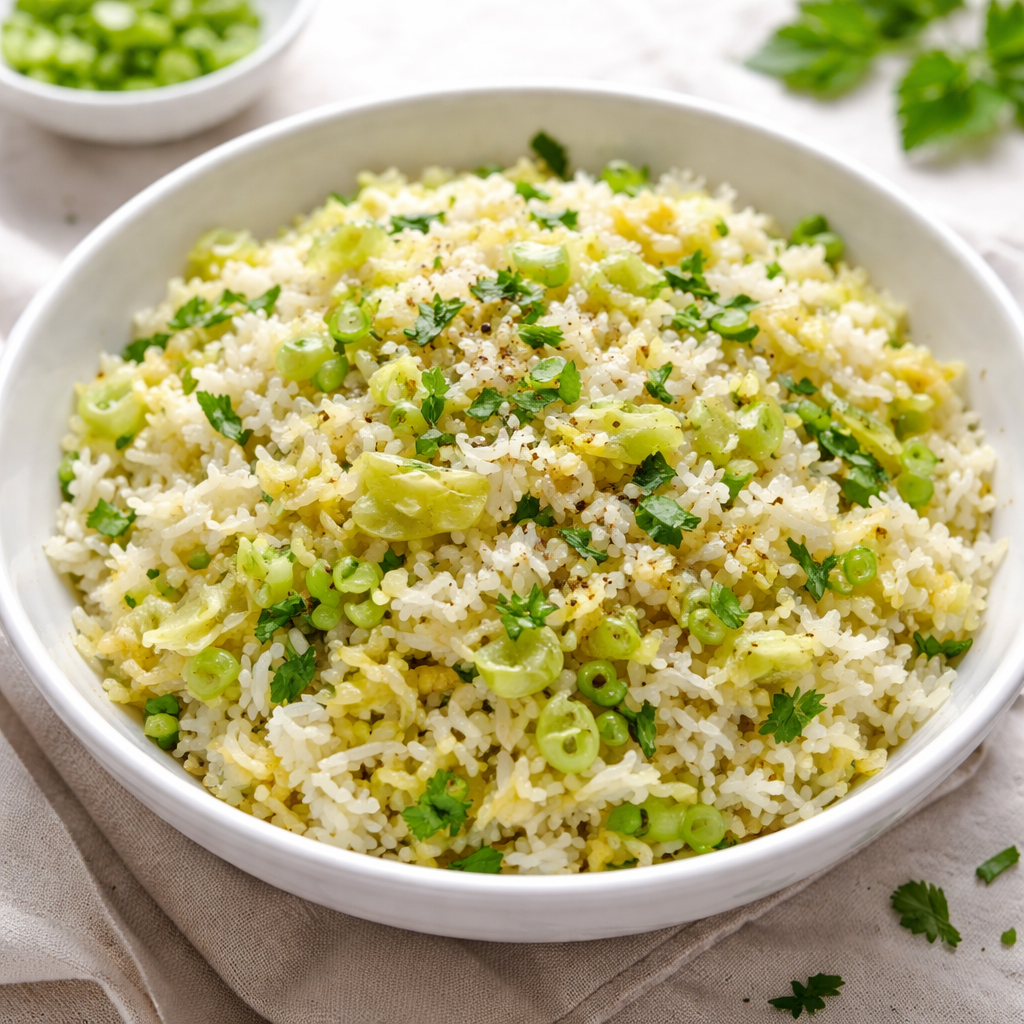
Turn off the heat. Let the pot sit undisturbed for 10 minutes. Use a fork to gently fluff the rice, lifting from the bottom to ensure the cabbage is evenly distributed.
Practical Errors and How to Fix Them
Even when following a Cabbage Rice Recipe closely, variables like stove power or cabbage water content can cause issues. Here is how I handle them in real-time.
- The Rice is Still Crunchy: If the timer is up and the rice is undercooked, do not panic. Add 3 tablespoons of boiling water, put the lid back on, and let it sit on low heat for another 5 minutes. The extra steam usually solves the problem.
- The Dish is Too Salty: If you over-salted the water, you can balance it by serving the rice with a dollop of plain yogurt or adding a squeeze of fresh lemon juice at the end. The acidity or creaminess will neutralize the saltiness.
- The Cabbage is Bitter: Sometimes older cabbage can have a bitter edge. Adding a teaspoon of sugar or a handful of peas during the final steaming phase can provide enough sweetness to counteract the bitterness.
- Scorched Bottom: If the bottom of the rice is burnt, do not stir it. Transfer the good rice from the top into a fresh bowl. If you stir the burnt bits, the smoky flavor will permeate the entire dish.
Frequently Asked Questions From Practice
Can I use a rice cooker for this recipe?
Yes, you can. However, I recommend still sautéing the cabbage and aromatics in a pan first, then transferring everything to the rice cooker. If you put raw cabbage directly into a rice cooker, the texture often becomes too soft and “boiled.”
What is the best way to reheat Cabbage Rice?
I have found that the best way is to use a skillet with a teaspoon of water and a lid. This “re-steams” the rice and cabbage, keeping them moist. Avoid the microwave if possible, as it can dry out the rice grains.
Is this recipe gluten-free and vegan?
Naturally, yes. As long as you use oil instead of butter and ensure your broth is vegetable-based, this Cabbage Rice Recipe is a perfect option for various dietary needs.
Can I add protein to this?
Certainly. I often add sautéed tofu, chickpeas, or even shredded leftover chicken during the final fluffing stage. It turns the side dish into a complete, balanced meal.
How long does it stay fresh in the fridge?
This rice is incredibly durable. It stays fresh and flavorful in an airtight container for up to 4 days. In fact, I often find that the flavors are more integrated on the second day.
Quick Cuban Rice Recipe Perfect for Dinner
Easy Spinach Rice Recipe – Healthy & Flavorful
Easy French Onion Rice Recipe – Rich & Savory
The Best Pineapple Rice Recipe for Quick Weeknight Meals
Simple Chipotle Lime Rice Recipe Made at Home
Simple Jasmine Rice Recipes for Lunch & Dinner