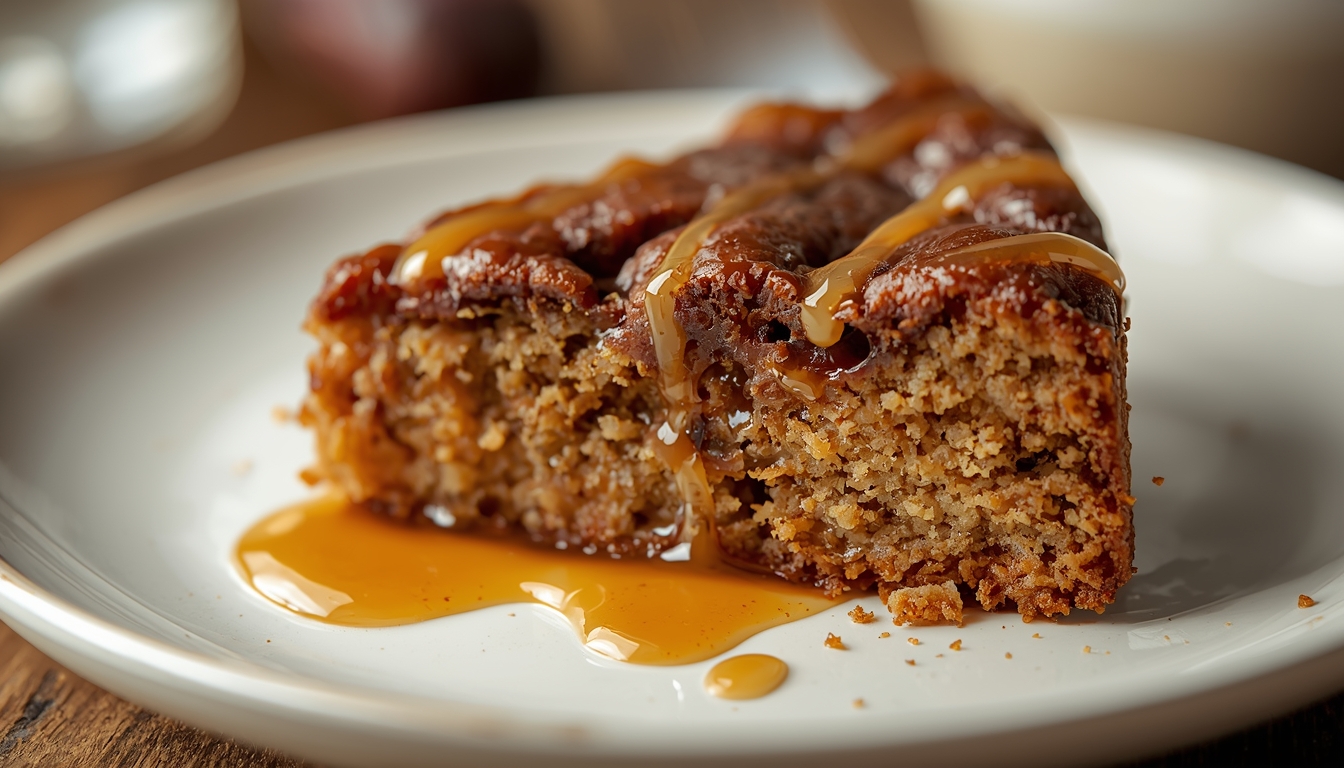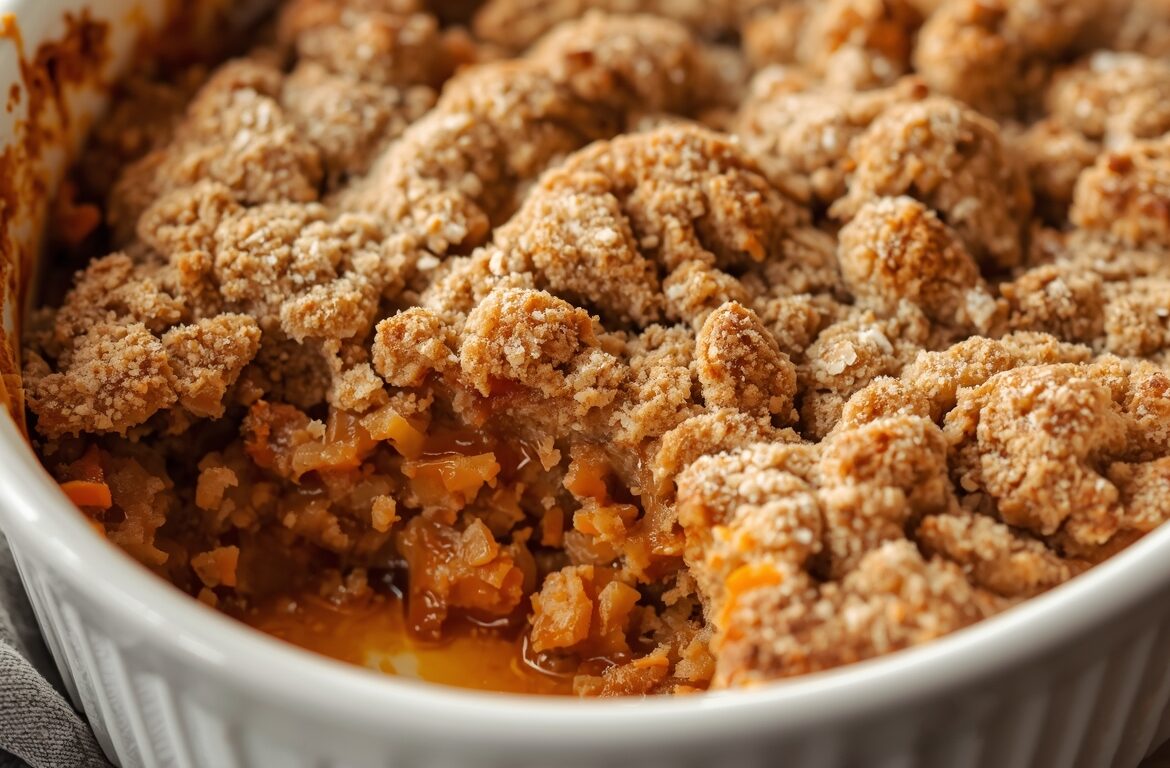
Most people are familiar with the classic fruit-based cobblers of summer, but the Carrot Cake Cobbler Recipe is a different beast entirely. It sits in that wonderful, middle-ground space between a pudding cake and a traditional cobbler. What makes this particular version so reliable is the structural integrity of the base. Unlike a standard carrot cake, which can sometimes turn out too dense or overly oily, a cobbler format allows for a more forgiving crumb that stays moist under a blanket of spiced topping.
In my experience, the reliability comes from the moisture control. Carrots are unpredictable; some are juicy and fresh, while others are older and more fibrous. This recipe accounts for those variations by using a hot-water pour-over technique—similar to a chocolate fudge pudding cake. This ensures that even if your carrots are on the drier side, the final result is a rich, saucy dessert that never feels parched. It is a foolproof way to get that signature carrot cake flavor without the stress of multi-layer frosting and leveling.
Cooking Insights You Learn From Experience
After making this several times, you start to notice the small things that aren’t usually in the manuals. The first major insight is about carrot texture. While many people reach for a box grater, the size of the shred changes everything. If you use the large holes, the carrots retain a bit of “snap” even after baking. If you use a fine microplane, they almost disappear into the batter, tinting it a beautiful orange but losing that rustic mouthfeel. I’ve found that a medium shred is the “sweet spot” for a Carrot Cake Cobbler Recipe.
Another thing I’ve learned is the importance of the fat-to-sugar ratio in the topping. The cobbler “biscuits” or the cakey top layer needs to be slightly less sweet than the carrot base. This creates a flavor contrast that keeps the dish from being cloying. Also, don’t be afraid of the spices. Because this is served warm, the heat tends to dull the impact of cinnamon and nutmeg slightly, so being generous with your spice measurements actually results in a more balanced flavor once the dish hits the table.
Ingredient Preparation Detail
Success with a Carrot Cake Cobbler Recipe starts long before the oven is preheated. It is all in how you treat the raw materials.
- The Carrots: Always peel them first. The skin can be bitter and earthy, which clashes with the sweetness of the cobbler. Once peeled, pat them dry before shredding so you aren’t introducing unaccounted-for moisture into the batter.
- The Spices: If your cinnamon has been sitting in the back of the pantry for two years, replace it. Freshly ground nutmeg makes a world of difference here.
- The Nuts: If you are using pecans or walnuts, toast them in a dry pan for three minutes before adding them. This keeps them crunchy even when they are nestled in a soft cobbler.
- The Sugars: I prefer a mix of dark brown sugar for the base (for that molasses depth) and granulated sugar for the topping to help create a slight crust.
Equipment Setup Explained Clearly
You don’t need a professional kitchen for this, but the right vessel changes the bake. I almost exclusively use a 9×13 inch ceramic or glass baking dish. Metal pans tend to heat up too quickly, which can scorch the bottom “sauce” layer of the cobbler before the cakey top is fully set.
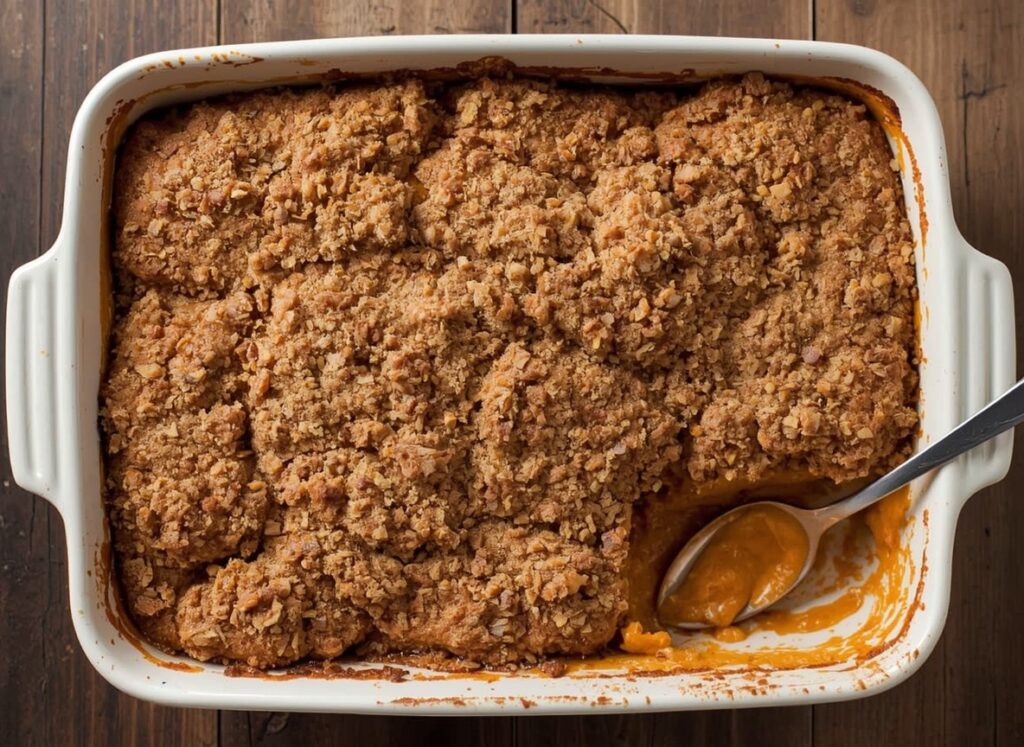
You’ll also want a large mixing bowl for the batter and a heat-proof pitcher for the hot water pour. Bold Tip: Use a whisk for the dry ingredients to ensure the leavening agents are perfectly distributed, but switch to a sturdy spatula when folding in the carrots. You want to avoid overworking the flour, which leads to a tough, rubbery cobbler rather than a tender one.
Managing Time and Temperature
Temperature management is the “secret sauce” of the Carrot Cake Cobbler Recipe. Most home ovens have hot spots, so I always recommend using an oven thermometer. You are looking for a steady 350°F (175°C).
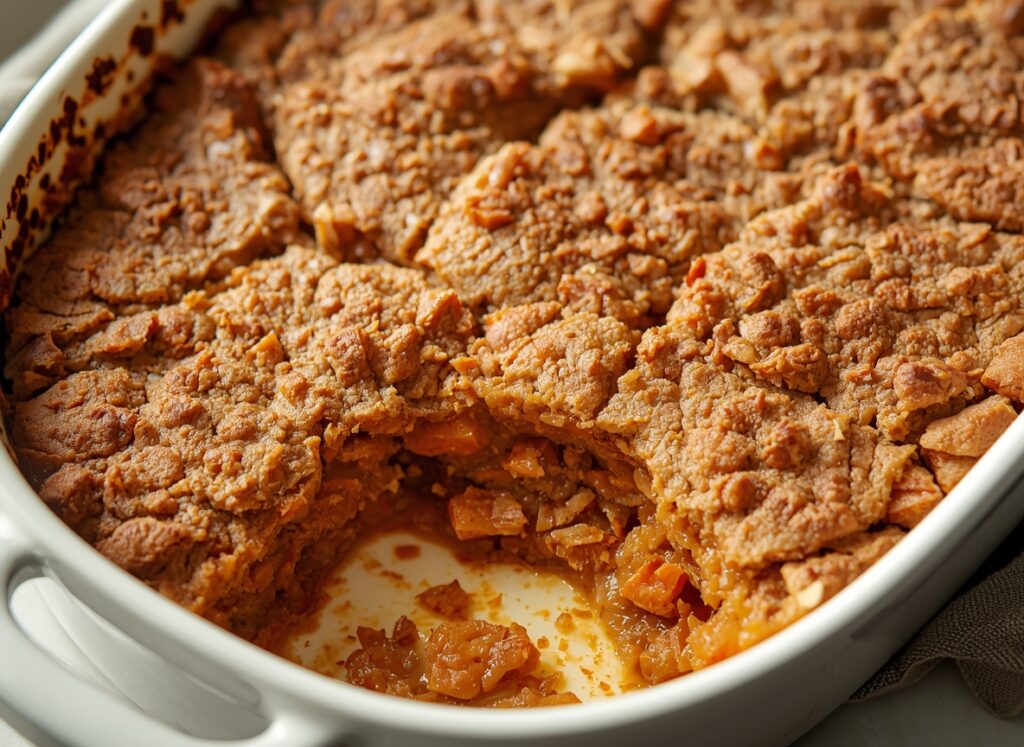
The timing is divided into two parts: the bake and the rest. The bake typically takes 40 to 45 minutes. You are looking for the edges to be bubbling and the center to be springy to the touch. But the rest is where the magic happens. If you scoop into a carrot cake cobbler the second it comes out of the oven, the sauce will be thin and runny. If you wait 15 to 20 minutes, the starches in the flour settle, and the sauce thickens into a rich, syrupy glaze that clings to the cake.
Cooking Carrot Cake Cobbler Recipe: A Realistic Guide
When you start putting the Carrot Cake Cobbler Recipe together, begin by whisking your dry ingredients—flour, baking powder, salt, and spices. In a separate bowl, cream your butter and brown sugar until it looks like wet sand, then fold in your shredded carrots and vanilla.
Combine the wet and dry until just mixed, then spread this thick batter into your greased baking dish. Now comes the “cobbler” part. Sprinkle a layer of cinnamon-sugar and chopped nuts across the top of the raw batter.
Finally, the step that feels wrong but is entirely right: pour 1.5 cups of very hot water over the back of a spoon onto the top of the dish. Do not stir it. The water will sit on top, looking like a disaster. However, as it bakes, the water sinks through the batter, cooking the flour and creating a self-saucing layer at the bottom while the cake rises to the top.
Practical Errors and How to Fix Them
Even experienced cooks hit snags with a Carrot Cake Cobbler Recipe. Here is how to handle them:
- The top is browning too fast: If the nuts look like they are burning but the center is still wobbly, tent the dish loosely with aluminum foil. This reflects the direct heat while allowing the middle to finish steaming.
- The center is gummy: This usually means the water wasn’t hot enough or the oven temperature was too low. If this happens, give it another 5-8 minutes of bake time.
- The sauce is too thick: You might have over-measured your flour. Next time, use the “spoon and level” method rather than scooping the flour directly with the measuring cup.
- It’s too oily: This happens if the butter wasn’t fully incorporated into the sugar. Make sure your butter is truly softened (but not melted) before you start.
Frequently Asked Questions From Practice
Can I use pre-shredded carrots from the grocery store? I wouldn’t recommend it for a Carrot Cake Cobbler Recipe. Those carrots are usually treated with preservatives to stay crunchy and dry in the bag. They don’t soften well during the bake and can feel “woody” in the final dish. Freshly shredded is always better.
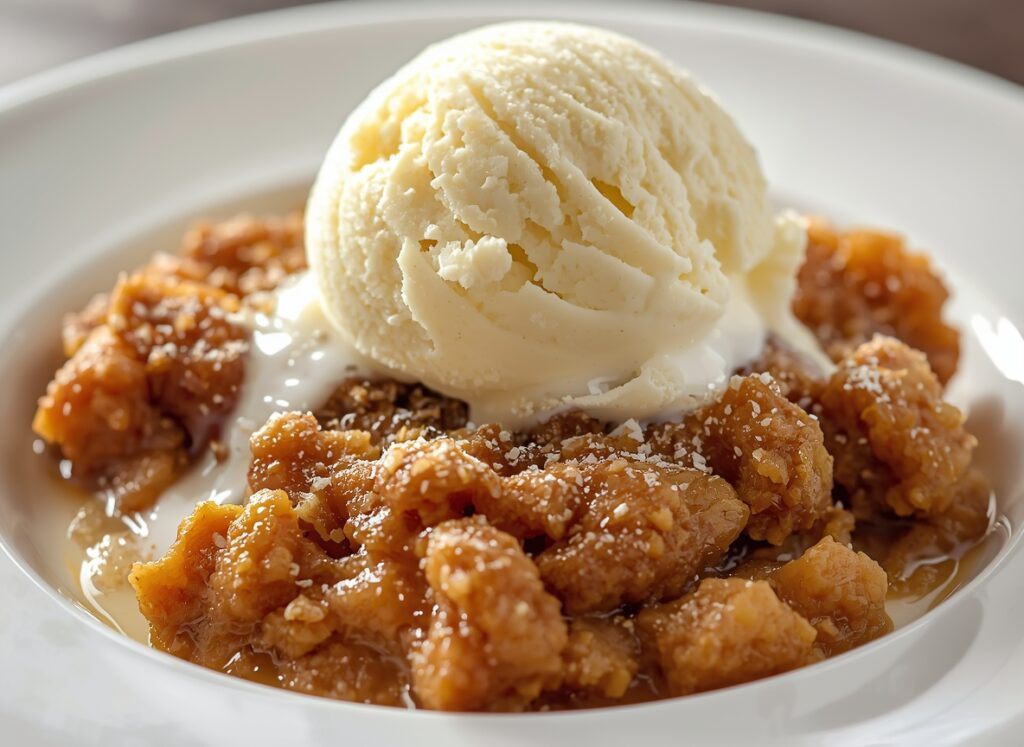
Does this need a cream cheese frosting? While a traditional carrot cake demands it, this cobbler is rich enough on its own. However, a dollop of cream cheese whipped cream (heavy cream, powdered sugar, and a bit of softened cream cheese) is an incredible addition when served warm.
How do I store leftovers? This dish is best fresh, but it keeps well in the fridge for about three days. Because of the sauce at the bottom, it can get a bit soft. To revive it, reheat it in the oven at 300°F rather than the microwave to help the top get some of its texture back.
Can I add raisins or pineapple? Absolutely. If you like the “everything” style of carrot cake, add a half-cup of raisins or crushed (and drained) pineapple to the batter. Just be aware that pineapple adds more moisture, so you might need to increase the bake time by five minutes.
Why do we pour water over the top? This is the “pudding cake” method. The hot water mixes with the sugar and some of the flour on the surface to create a sauce. As the cake rises, it filters through that liquid, resulting in a moist cake on top and a thick custard-like sauce on the bottom.
By sticking to these practical, experience-based steps, you’ll find the Carrot Cake Cobbler Recipe becomes a frequent request in your household. It’s less about perfection and more about the process.
The Best Recipe for Wacky Cake Everyone Will Love
Easy Raspberry Cake Recipe – Moist & Fruity
Classic Pear Cake Recipe Made at Home
Classic Moist White Cake Recipe Made Simple
Easy Pandan Cake Recipe – Soft, Fluffy & Aromatic
The Best Jello Cake Recipe Poke for Dessert Lovers