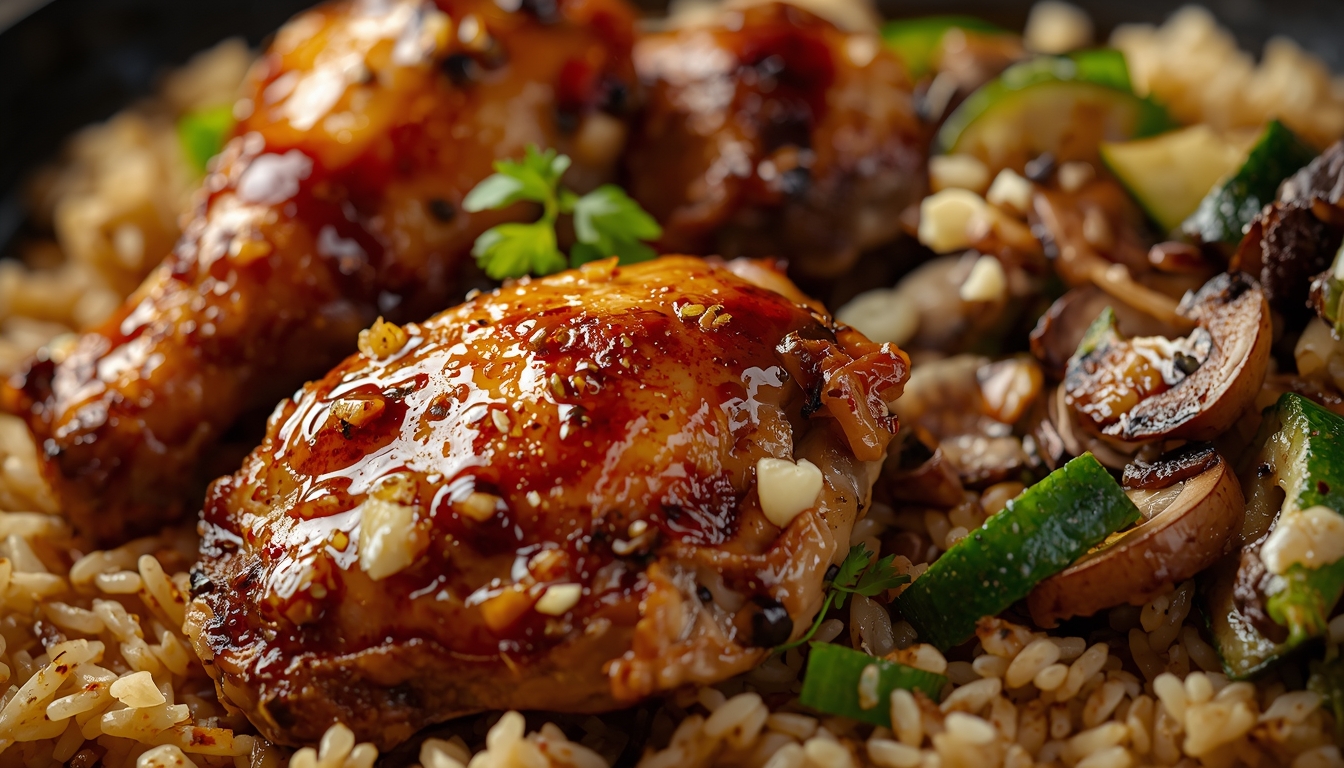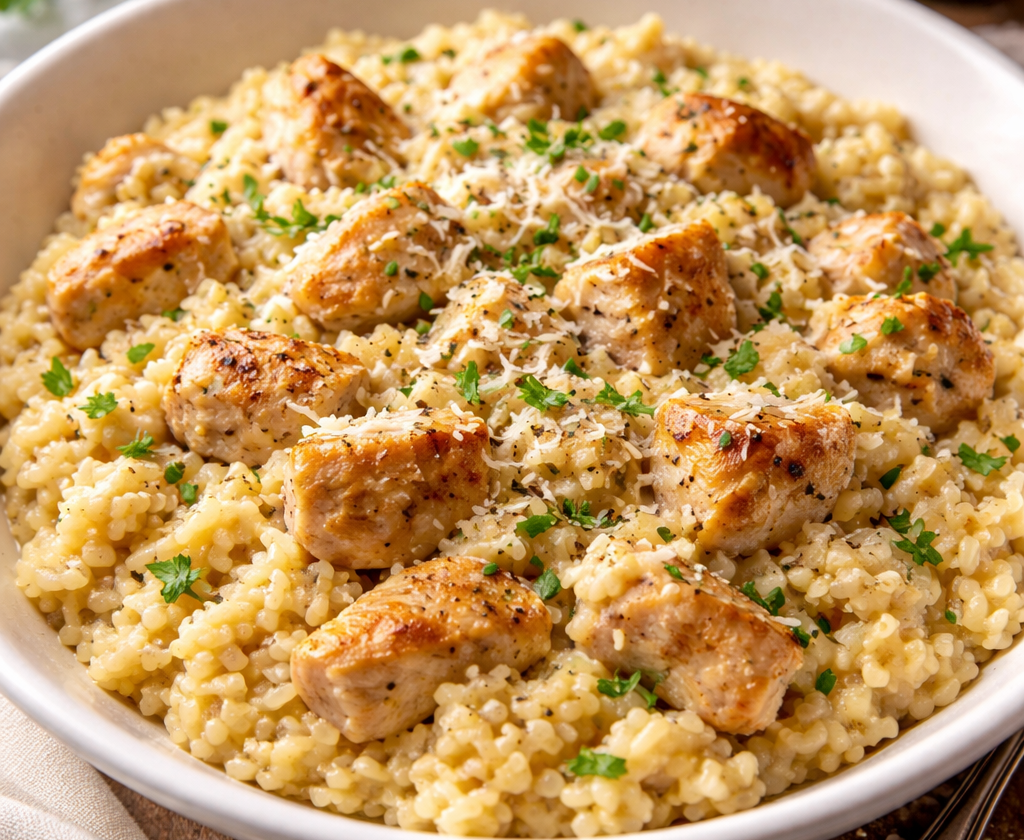
The Chicken and Risotto Recipe is often regarded as the ultimate test of a home cook’s patience and technique. Unlike a standard rice pilaf where the grains are boiled in a fixed amount of liquid, risotto is a process of gradual absorption. By slowly adding warm stock to high-starch rice, you coax out the natural amylopectin, creating a self-thickening, creamy sauce that requires no heavy cream or flour.
When you integrate chicken into this process, the dish evolves from a delicate side to a robust, one-pot meal. The primary objective of a high-quality Chicken and Risotto Recipe is to achieve a contrast in textures: succulent, golden-brown chicken breast paired with rice that is “al dente”—firm to the bite but enveloped in a silken, velvet-like finish. Mastering this dish is less about following a rigid timer and more about observing the physical changes in the pan as the starch transforms.
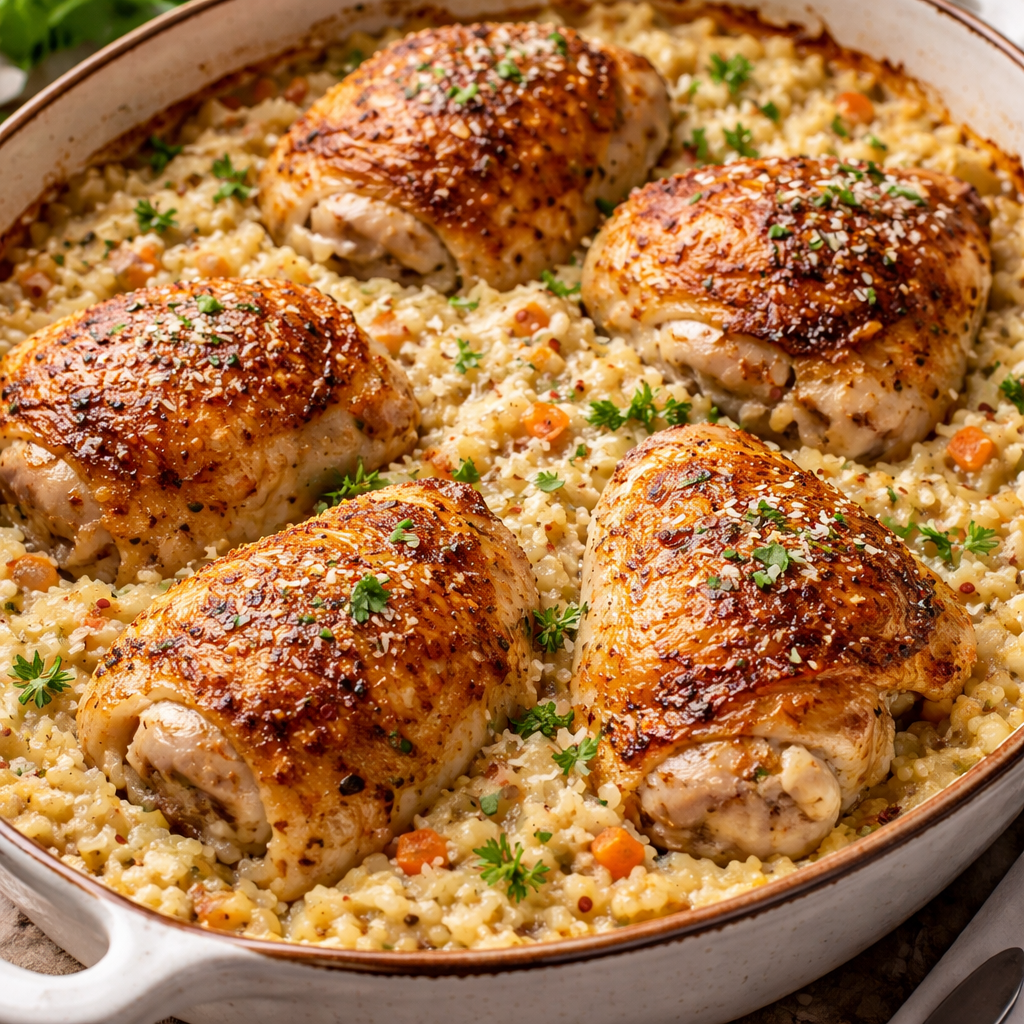
Understanding the Method Before You Begin
Before applying heat, it is vital to understand the “Sfumato” and “Manteca” stages of a Chicken and Risotto Recipe. These are the technical pillars that differentiate a professional risotto from a bowl of soggy rice.
The Toasting Phase (Tostatura)
The first step after sautéing your aromatics is to toast the dry rice in fat. This is not just for flavor; toasting the exterior of the grain creates a thermal barrier. This barrier allows the rice to cook through without the surface disintegrating into mush. If you skip this, the risotto will lose its structural integrity.
Gradual Hydration and Agitation
Risotto requires constant, gentle stirring. This mechanical action rubs the grains against one another, which is exactly what releases the starch into the broth. The liquid must be added one ladle at a time, allowing the rice to “drink” the stock before more is introduced.
The Finish (Mantecatura)
This is the final “beating” of the rice. Once the heat is turned off, cold butter and grated cheese are vigorously stirred into the rice. This creates an emulsion between the fats and the starchy liquid, resulting in the glossy, flowing consistency known in Italy as all’onda (like a wave).
Ingredient Preparation Explained Simply
The success of your Chicken and Risotto Recipe hinges on the specific properties of your ingredients. Substituting these components often leads to a failure of the starch emulsion.
The Rice: Arborio or Carnaroli
You must use a short-grain, high-starch Italian rice. Arborio is the most common and produces a very creamy result. Carnaroli is often preferred by chefs because it has a higher starch content and is more resistant to overcooking. Do not rinse the rice, as you need every bit of surface starch to create the sauce.
The Chicken
Use boneless, skinless chicken breasts or thighs. To ensure the chicken remains tender, it should be seared separately and added back at the end. This prevents the meat from becoming rubbery during the 20-minute rice simmering process.
The Stock
A high-quality chicken bone broth is essential. The stock must be kept simmering in a separate pot throughout the process. Adding cold stock to hot rice shocks the grain and halts the starch release, leading to a grainy texture.
Cooking Tools and Why They Matter
A Chicken and Risotto Recipe is a high-maintenance dish that requires tools with excellent heat retention and ergonomic design.
- Wide, Heavy-Bottomed Sauté Pan: A wide pan is superior to a deep pot. It allows for a larger surface area for the rice to make contact with the heat and facilitates even evaporation.
- Small Saucepan: To keep the chicken stock at a constant simmer.
- Wooden Spoon: Traditionally, a wooden spoon with a hole in the middle (a “risotto spoon”) is used. Wood is gentle on the rice grains, preventing them from breaking, which would make the dish gummy.
- Ladle: For consistent portioning of the stock.
Organizing the Cooking Process
Precision in a Chicken and Risotto Recipe comes from a structured workflow. Because the rice requires constant attention, all preparation must be finished before the first grain hits the pan.
- Prep Window (15 Minutes): Dicing the chicken, mincing the shallots, and warming the stock.
- Searing Window (10 Minutes): Cooking the chicken and setting it aside.
- The “Stirring” Window (20–25 Minutes): This is the active cooking phase where the rice is hydrated.
- The Resting Window (3 Minutes): Vital for the emulsion to set before serving.
Writing a Natural Chicken and Risotto Recipe Guide
1. Preparing the Chicken
Dice 1 lb of chicken into bite-sized pieces. Season with salt and pepper. Heat a tablespoon of olive oil in your sauté pan over medium-high heat. Sear the chicken until golden brown and just cooked through. Remove the chicken from the pan and set it aside; it will finish warming through in the residual heat of the rice later.
2. Sautéing the Foundation
In the same pan, melt a tablespoon of butter. Add one finely minced shallot and two cloves of garlic. Cook on medium-low until translucent. Do not let the garlic brown, as bitter garlic will overwhelm the delicate rice flavor.
3. Toasting the Grains
Add 1.5 cups of Arborio rice to the pan. Stir for 2–3 minutes until the edges of the grains become translucent but the centers remain white. You should smell a faint, nutty aroma.
4. Deglazing
Pour in 1/2 cup of dry white wine (like Pinot Grigio or Sauvignon Blanc). Stir until the wine is completely absorbed. This acidity is what balances the richness of the final Chicken and Risotto Recipe.
5. The Hydration Cycle
Add one ladle of hot stock to the rice. Stir gently but constantly. Once the liquid has been mostly absorbed—you should be able to drag your spoon through the rice and see the bottom of the pan for a second—add another ladle. Repeat this for about 18 to 22 minutes.
6. The Final Integration
When the rice is tender but still has a slight firm core, add the seared chicken and any accumulated juices back into the pan. Add one final half-ladle of stock.
7. Mantecatura (The Finish)
Turn off the heat. This is the most important step for a professional Chicken and Risotto Recipe. Add 2 tablespoons of cold butter and 1/2 cup of freshly grated Parmesan cheese. Vigorously beat the mixture for 60 seconds. Cover the pan and let it rest for 3 minutes.
Avoidable Problems and Practical Fixes
Even with a detailed Chicken and Risotto Recipe, environmental variables can cause issues. Here is how to correct them in real-time.
- The Rice is Crunchy but the Liquid is Gone: You likely had the heat too high, causing the water to evaporate before the starch could soften. Fix: Add a small amount of warm water or extra broth and continue the stirring process on lower heat.
- The Risotto is Sticky/Gummy: This usually happens from over-stirring too aggressively or using the wrong rice. Fix: You cannot un-gum the rice, but you can thin the sauce with a little more stock and extra butter to improve the mouthfeel.
- The Dish is Too Salty: Stock reduces as it cooks, concentrating the salt. Fix: If you find the flavor getting too salty mid-way, switch from stock to warm water for the final few ladles.
- The Chicken is Dry: This happens if the chicken is boiled inside the rice for the full 20 minutes. Fix: Always sear the chicken first and add it only at the very end to keep it succulent.
Frequently Asked Questions About Chicken and Risotto
Can I make this recipe without wine?
Yes. While wine adds a necessary acidity, you can substitute it with an equal amount of chicken stock and a teaspoon of lemon juice added at the very end.
Is it possible to over-stir risotto?
While stirring is necessary to release starch, “beating” the rice too early in the process can break the grains. Use a gentle, folding motion until the very final stage (Mantecatura), where a more vigorous stir is required.
Can I use brown rice?
Technically, no. Brown rice has the bran intact, which prevents the starch from leaching out into the liquid. You will end up with a chicken and rice pilaf, but it will lack the signature creamy texture of a true Chicken and Risotto Recipe.
How do I store and reheat leftovers?
Risotto is best eaten immediately because the starch continues to absorb moisture as it sits. To reheat, add a splash of water or milk to a pan and stir over low heat until the creamy consistency is restored. Avoid the microwave, as it tends to make the rice rubbery.
Can I add vegetables?
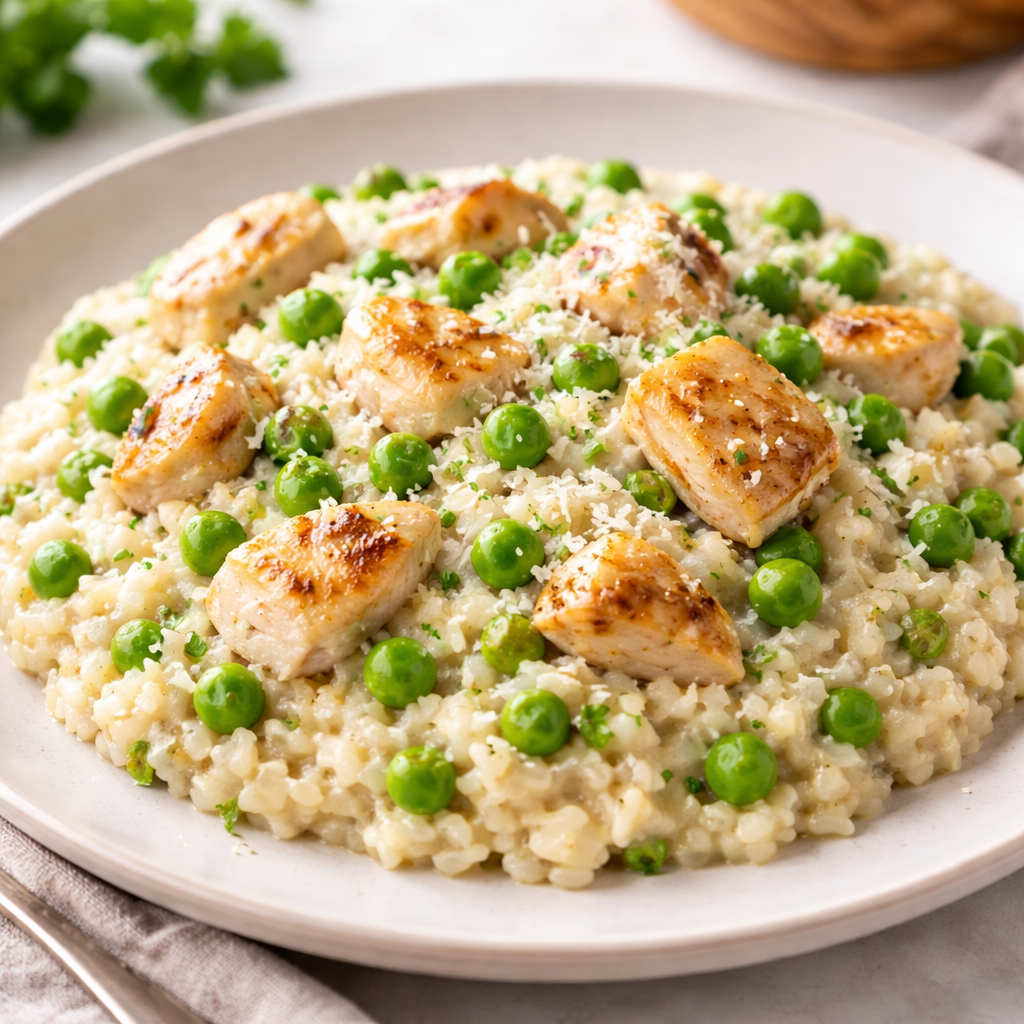
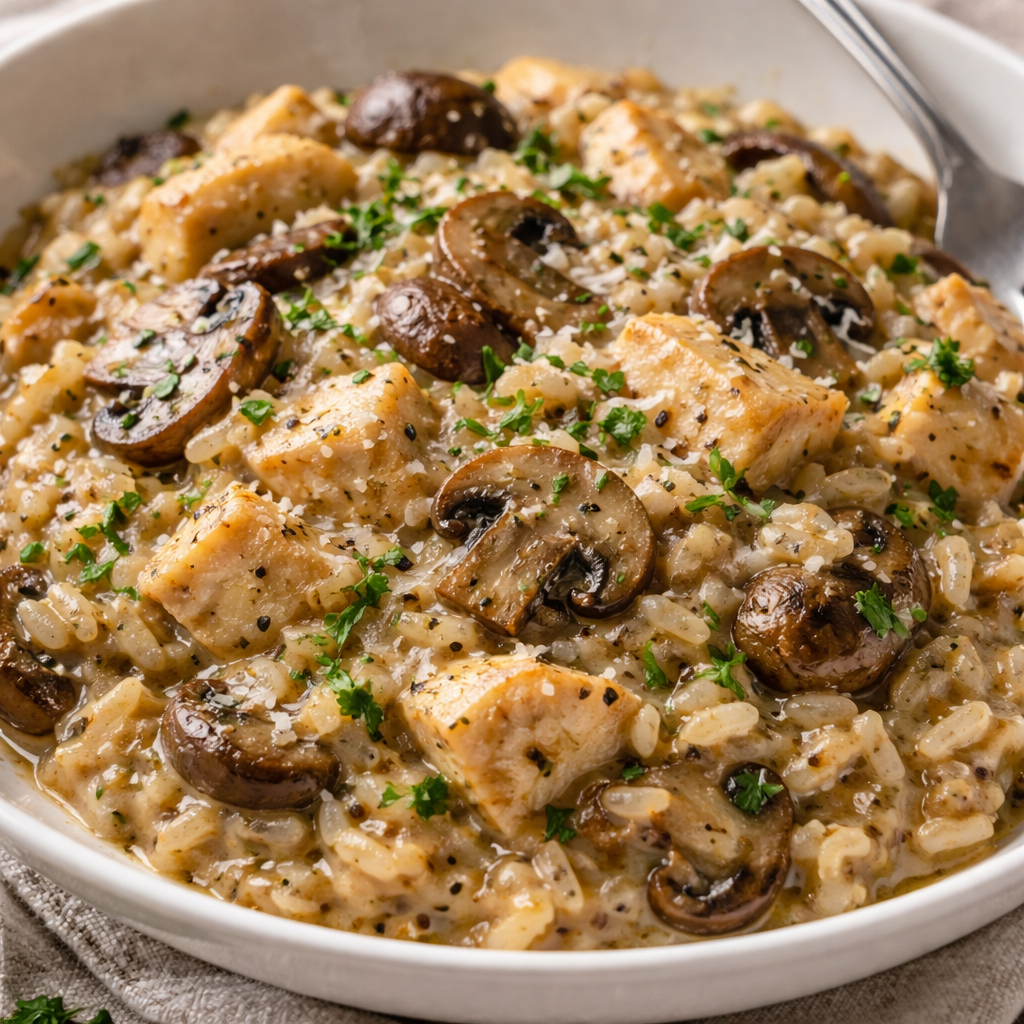
Absolutely. Asparagus, peas, or mushrooms are classic additions. Sauté mushrooms with the chicken, but add delicate vegetables like peas during the last 5 minutes of the rice cooking to preserve their color and snap.
By following these technical stages and respecting the gradual nature of the hydration process, your Chicken and Risotto Recipe will achieve the perfect balance of flavor and texture, suitable for any professional table.
Classic Chicken Artichoke Recipe Made at Home
The Best Apricot Chicken Recipe for Weeknight Dinnerse
The Best Shawarma Chicken Recipe Made at Home full guide
Classic Cheesy Chicken and Rice Recipe Made Simple