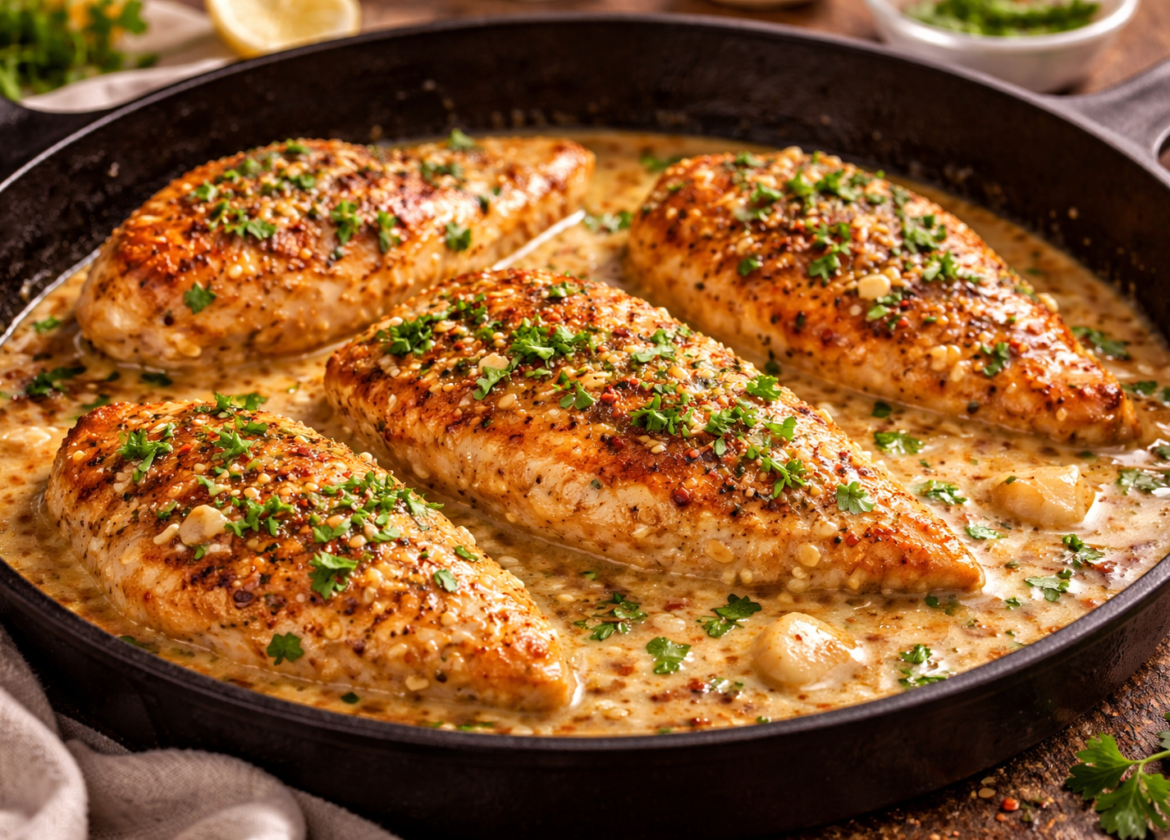
When searching for a Chicken with Butter Sauce Recipe, most home cooks are looking for a technique to transform lean poultry into a rich, restaurant-quality meal. The primary concern is often the “breakage” of the sauce—where the butter separates into oil and solids rather than forming a silky emulsion. Understanding the science of emulsification is the key to mastering this dish.
Readers also frequently ask about the versatility of the flavor profile. While a basic butter sauce is savory and mild, it serves as a blank canvas for aromatics like garlic, shallots, and fresh herbs. This article addresses the technical requirements for achieving a stable, velvety sauce while ensuring the chicken remains succulent and properly seared. By following a structured approach, you can create a sophisticated dish that relies on simple, high-quality pantry staples.
When Chicken with Butter Sauce Is the Best Choice
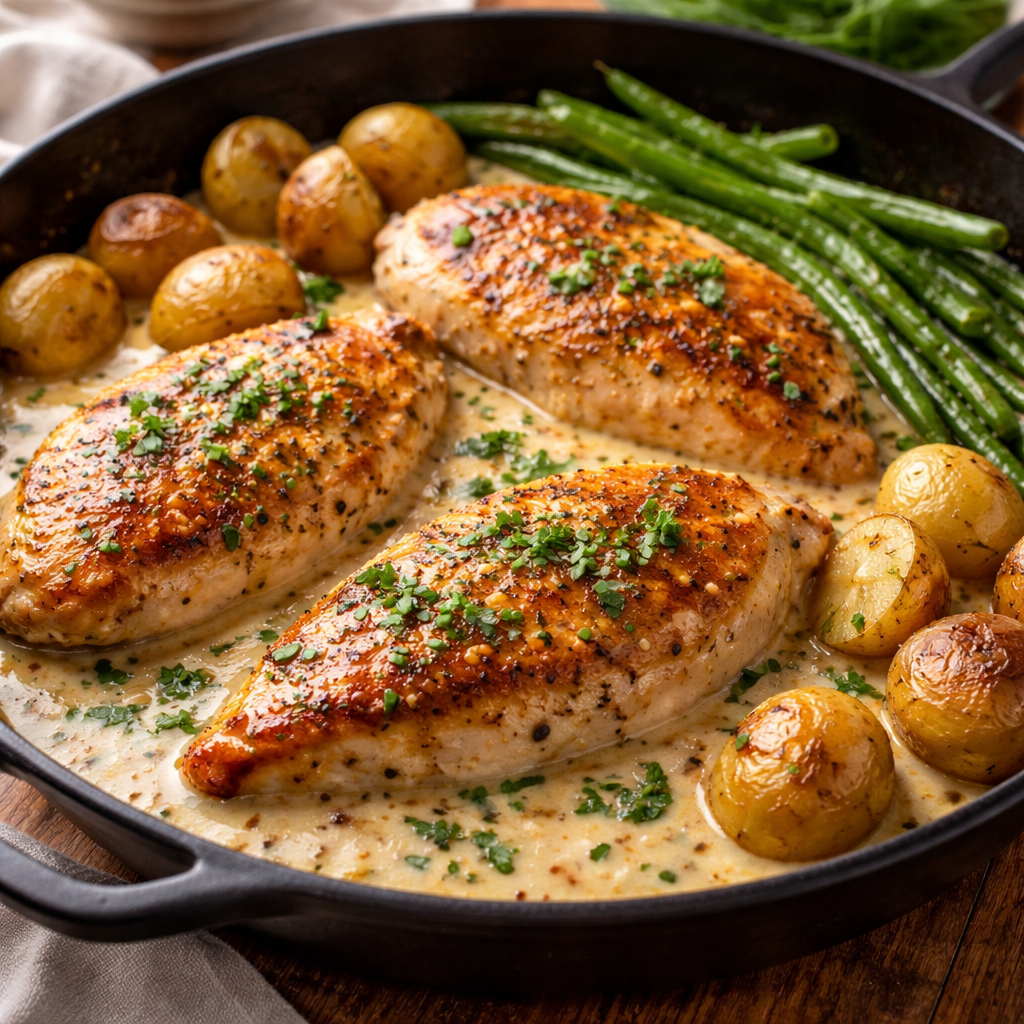
A Chicken with Butter Sauce Recipe is an ideal choice for several culinary scenarios. Because the preparation time is relatively short—usually under 30 minutes—it functions as an efficient weeknight dinner. However, the luxurious mouthfeel of a butter-based emulsion (often referred to in French cuisine as a beurre blanc or beurre monté) makes it elegant enough for formal entertaining.
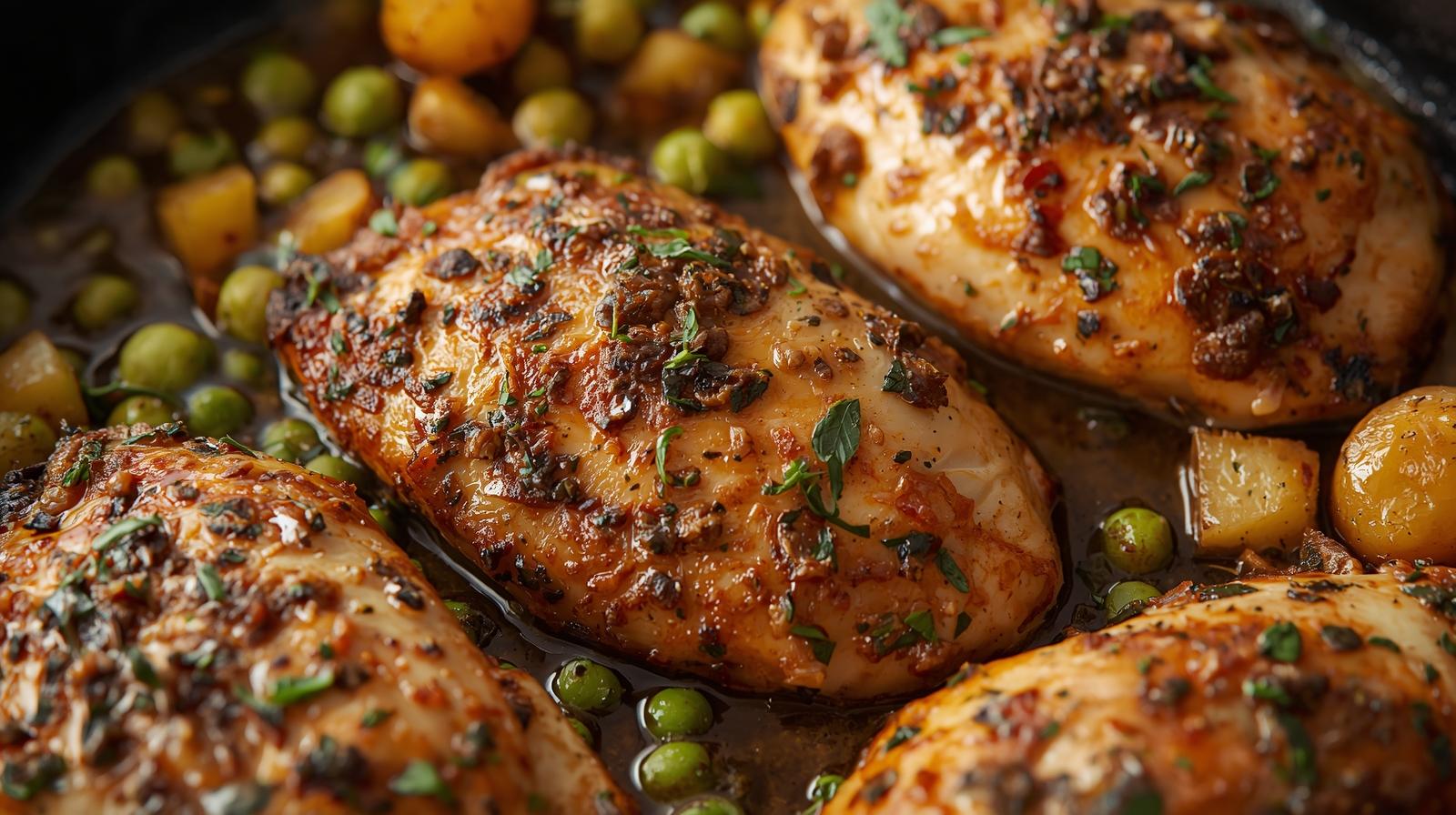
This dish is particularly effective when you are working with chicken breasts or cutlets. Since white meat lacks the intramuscular fat of darker cuts, a butter sauce provides the necessary moisture and richness to balance the protein. It is also a “one-pan” compatible method, meaning the sauce can be built directly in the skillet used to sear the chicken, allowing you to incorporate the flavorful browned bits (the fond) into the final emulsion.
Ingredient Choices That Matter
The success of a Chicken with Butter Sauce Recipe depends heavily on the quality and temperature of your ingredients.
The Butter
The butter is the star of this recipe. Bold Tip: Use high-quality unsalted European-style butter if possible. European butters typically have a higher butterfat content and lower water content, which results in a more stable and flavorful sauce. Using unsalted butter allows you to control the sodium levels precisely.
The Chicken
For the most consistent results, use boneless, skinless chicken breasts pounded to a uniform thickness. This ensures that the chicken cooks evenly and reaches the safe internal temperature of 165°F at the same time the exterior achieves a golden-brown sear.
The Emulsifiers and Aromatics
- Shallots and Garlic: These provide the foundational flavor notes. Shallots are preferred over onions for their subtle sweetness and ability to dissolve into the sauce.
- Acid (Lemon Juice or White Wine): Acid is essential to “cut” through the richness of the butter. It also helps stabilize the emulsion.
- Cold Liquid: Whether you use a splash of heavy cream or chicken stock, adding a small amount of liquid before the butter helps create the initial bond for the sauce.
Equipment That Improves Accuracy
To execute a Chicken with Butter Sauce Recipe with professional precision, specific kitchen tools are required.
- Stainless Steel or Cast Iron Skillet: Avoid non-stick pans if you want a deep sear. Stainless steel is ideal because it allows for the development of the “fond,” which is critical for the flavor of the butter sauce.
- Instant-Read Thermometer: Chicken can go from juicy to dry in a matter of seconds. Pulling the chicken at 160°F (allowing residual heat to bring it to 165°F) is the only way to guarantee tenderness.
- Whisk: A sturdy whisk is necessary to incorporate the cold butter into the sauce. Mechanical agitation is what creates the emulsion.
- Fine-Mesh Sieve (Optional): If you prefer a perfectly smooth, professional finish, you can strain the sauce to remove the solids from the shallots and garlic before serving.
Time and Temperature Planning
Management of heat is the most technical aspect of any Chicken with Butter Sauce Recipe.
- Searing Phase (Medium-High Heat): The chicken requires high heat to achieve the Maillard reaction (browning). This usually takes 5–7 minutes per side.
- Deglazing Phase (Medium Heat): Once the chicken is removed, the pan must be cooled slightly before adding aromatics and liquids to prevent burning the garlic.
- Emulsification Phase (Low Heat): This is the most critical stage. Bold Tip: The butter must be added while cold, and the pan must stay over low heat. If the sauce reaches a boil once the butter is added, the emulsion will break, and the sauce will turn oily.
Step-by-Step Chicken with Butter Sauce Recipe
1. Prepare the Chicken
Season the chicken breasts with salt and white pepper. Dredge them lightly in all-purpose flour, shaking off the excess. This flour coating helps the chicken brown and provides a small amount of starch to help thicken the sauce later.
2. The Sear
Heat 2 tablespoons of oil in a skillet over medium-high heat. Place the chicken in the pan and sear until golden brown and cooked through (internal temperature of 165°F). Remove the chicken from the pan and tent loosely with foil to keep warm.
3. Sauté Aromatics
Reduce the heat to medium. Add a small knob of butter to the pan. Add one finely minced shallot and two cloves of minced garlic. Sauté for 1–2 minutes until fragrant but not browned.
4. Deglaze the Pan
Pour in 1/4 cup of dry white wine or chicken stock. Use a wooden spoon to scrape the bottom of the pan to release the fond. Let the liquid reduce by half.
5. Mount the Sauce with Butter
Turn the heat to low. Cut 6 tablespoons of cold unsalted butter into small cubes. Add the butter to the pan two cubes at a time, whisking constantly. Wait until the butter is nearly melted before adding the next pieces.
6. Finishing Touches
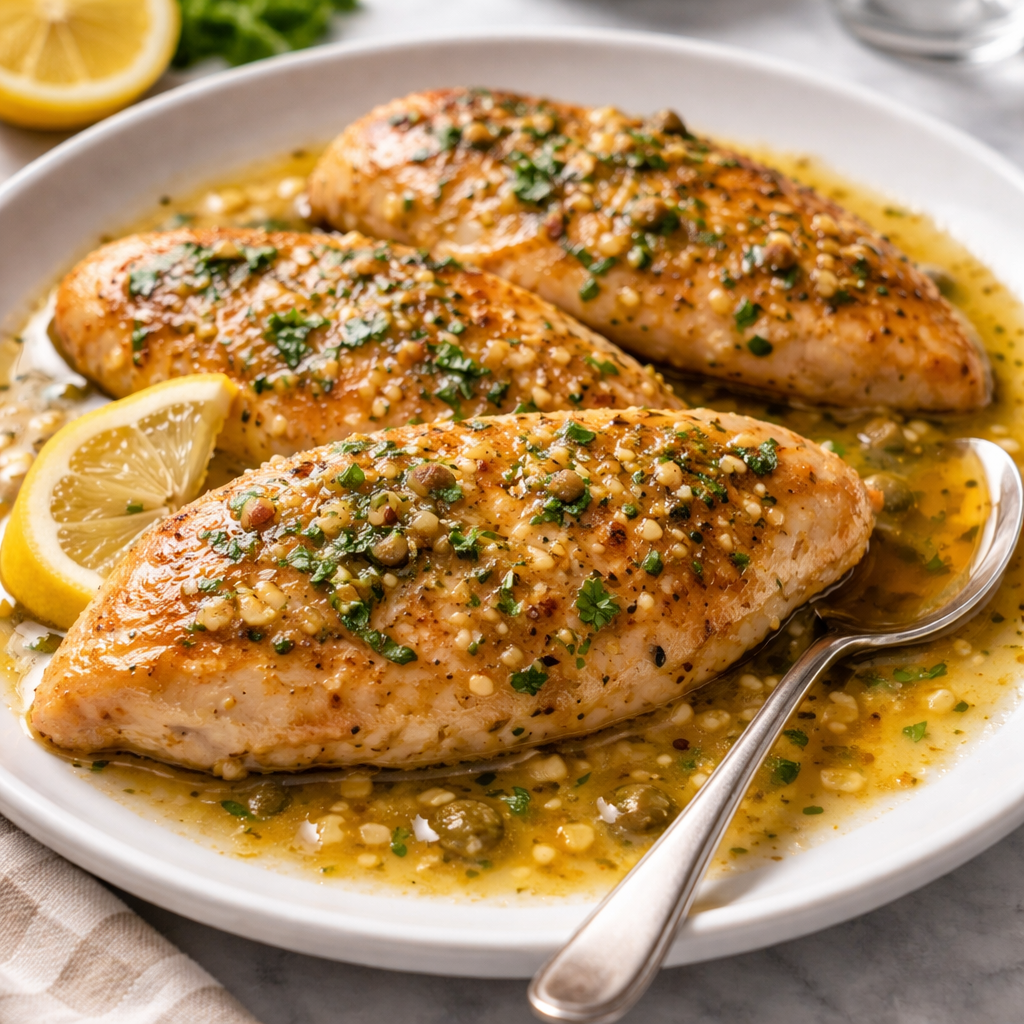
Once the sauce is thick and glossy, whisk in 1 tablespoon of fresh lemon juice and 1 tablespoon of chopped parsley. Taste and adjust the salt as needed. Pour the sauce over the seared chicken and serve immediately.
User Mistakes and Fixes
Even experienced cooks encounter issues when preparing a Chicken with Butter Sauce Recipe. Here are the most common failures and how to address them:
- Problem: The sauce is thin and watery.
- Fix: You may not have reduced your deglazing liquid enough. Next time, ensure the wine or stock is reduced to a syrupy consistency before adding the butter. You can also whisk in a teaspoon of heavy cream to help stabilize the body.
- Problem: The sauce has separated (broken).
- Fix: This happens if the pan is too hot. To fix a broken sauce, remove it from the heat and whisk in a teaspoon of cold heavy cream or a splash of very hot water. Whisk vigorously until the emulsion reforms.
- Problem: The garlic tastes bitter.
- Fix: This occurs when garlic is burnt during the sauté phase. Always ensure the pan has cooled down after searing the chicken before adding your aromatics.
- Problem: The chicken is dry.
- Fix: This is a result of overcooking. Use an instant-read thermometer and remove the chicken the moment it hits 160°F–165°F.
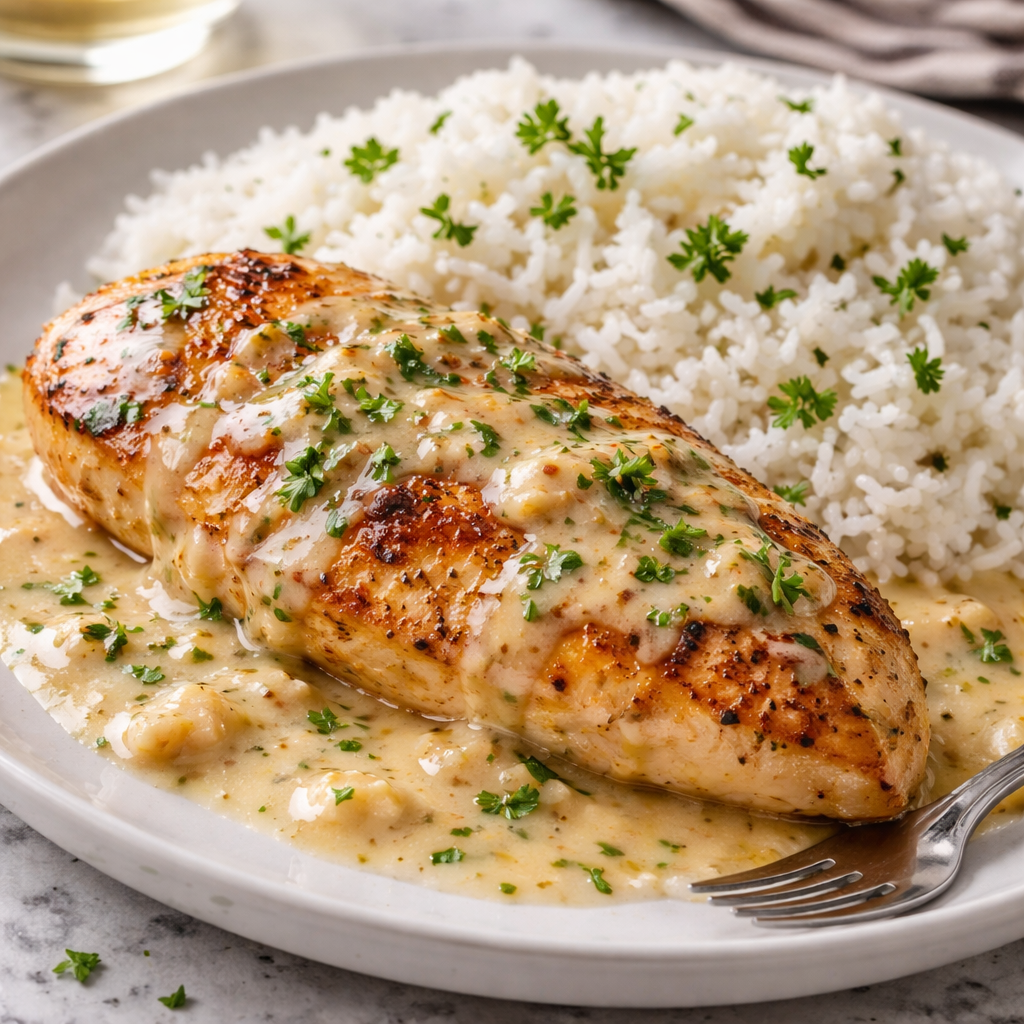
Chicken with Butter Sauce Recipe FAQ
Can I use salted butter? Yes, but you must reduce the amount of added salt in the chicken seasoning and the final sauce. It is much harder to balance the flavor with salted butter.
Can I make this recipe dairy-free? A true Chicken with Butter Sauce Recipe relies on the milk solids and fats in real butter to create the emulsion. While you can use vegan butter substitutes, the flavor and “cling” of the sauce will be significantly different.
How do I store and reheat the sauce? Butter sauces do not reheat well. Once the sauce cools and the butter solidifies, reheating it usually causes it to break. It is best to make only as much as you need for one meal. If you must reheat, do so over a very low double boiler while whisking constantly.
What wine is best for deglazing? A dry, crisp white wine like Sauvignon Blanc, Pinot Grigio, or an un-oaked Chardonnay is ideal. Avoid sweet wines, as they will make the sauce cloying.
Is it necessary to dredge the chicken in flour? While not strictly necessary, the flour creates a better crust and provides a small amount of starch that helps bond the butter sauce to the meat. For a gluten-free version, you can skip this step or use a gluten-free flour blend.
How can I add more flavor to the sauce? You can customize the base recipe by adding capers for a “Piccata” style, or by adding fresh tarragon or chives for an “aux herbes” finish. A teaspoon of Dijon mustard added during the deglazing phase can also add depth and act as an extra stabilizer.
By following these instructional steps and respecting the temperature constraints of emulsification, you can consistently produce a high-quality Chicken with Butter Sauce Recipe that is both flavorful and technically sound.
Thin Sliced Chicken Breast Recipes – Quick, Healthy & Delicious
Rotisserie Chicken Recipes – Easy, Juicy & Flavorful
Stuffed Chicken Recipes – Easy, Delicious & Flavorful
Healthy Chicken Breast Recipes – Easy, Nutritious & Delicious