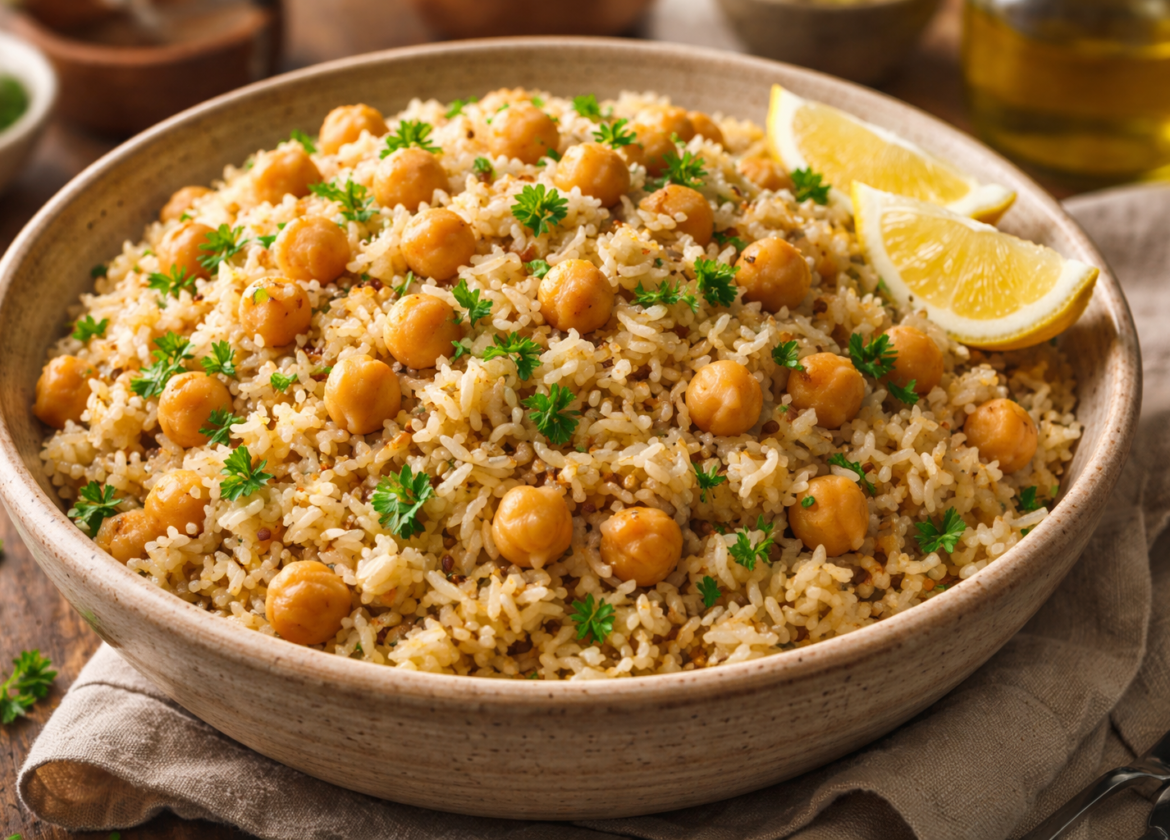
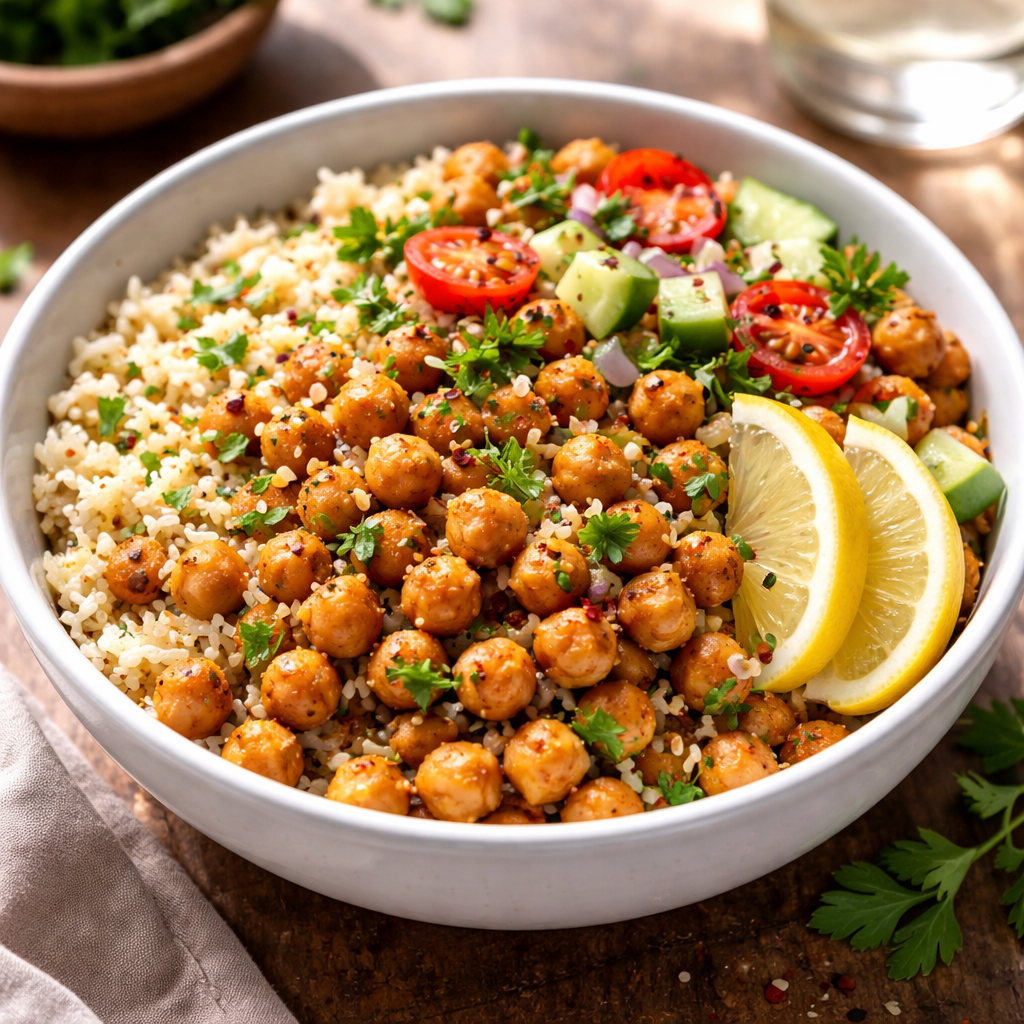
The technical synergy between legumes and grains is a cornerstone of global nutrition. Chickpea and Rice Recipes provide a complete protein profile, containing all nine essential amino acids required by the human body. Beyond their biological value, these dishes are prized for their shelf-stability, cost-effectiveness, and structural versatility. Whether prepared as a Mediterranean pilaf, an Indian chana pulao, or a Middle Eastern mujadara variant, the fundamental objective remains the same: achieving perfectly tender chickpeas alongside fluffy, individual grains of rice.
Executing high-quality Chickpea and Rice Recipes requires a transition from basic boiling to a controlled steaming and absorption method. The primary culinary challenge lies in the differing hydration rates of the two main components. By understanding the mechanical properties of starch and fiber, home cooks can produce consistent, restaurant-grade results that serve as a nutritious foundation for diverse flavor profiles.
The Science Behind Chickpea and Rice Recipes
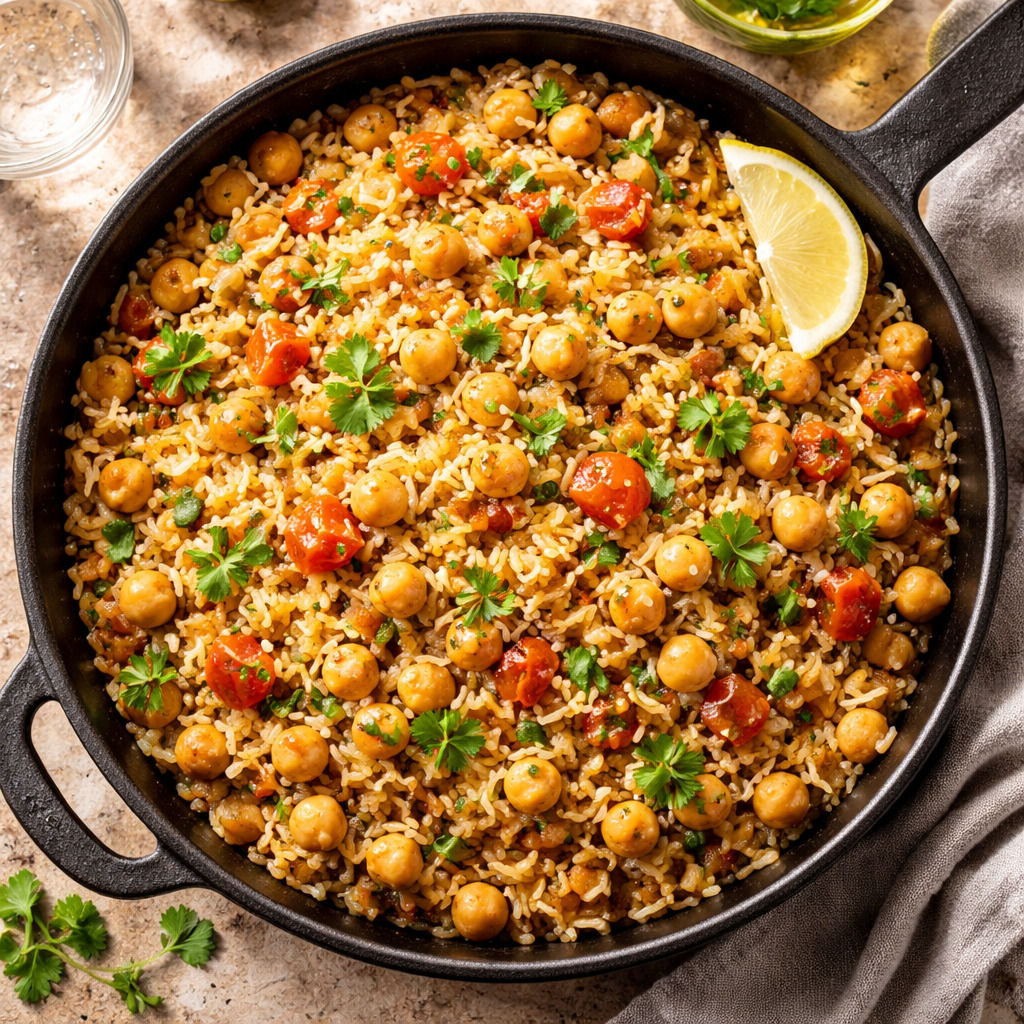
To master Chickpea and Rice Recipes, one must understand the behavior of amylose and cellulose under heat. Rice is primarily composed of starch, specifically amylose and amylopectin. For a fluffy result, we aim to preserve the integrity of the grain by preventing the excessive release of amylopectin, which causes stickiness.
Chickpeas, conversely, are rich in dietary fiber and complex carbohydrates. If using dried chickpeas, they require a rehydration phase to soften the hemicellulose in their cell walls. When these two ingredients are combined in a single pot, the cooking environment must be carefully managed so that the rice does not turn to a purée while waiting for the chickpeas to reach the desired “al dente” state. The use of aromatics and fats in Chickpea and Rice Recipes serves a secondary scientific purpose: the fats coat the rice grains, creating a hydrophobic barrier that further ensures grain separation during the steaming process.
Ingredients and Quality Considerations
The output of any Chickpea and Rice Recipes is directly proportional to the quality of the raw inputs. Precision in selection is the first step toward consistency.
The Rice
Long-grain Basmati or Jasmine rice is recommended for these recipes. These varieties have a high amylose content, which facilitates a firm, non-sticky texture. Avoid short-grain “sticky” rice or arborio unless the specific goal is a risotto-style consistency.
The Chickpeas
- Dried Chickpeas: These offer superior texture and flavor but require a 12-hour soak and a pre-simmer phase.
- Canned Chickpeas: These provide convenience and consistency. If utilizing canned varieties, they must be rinsed thoroughly to remove excess sodium and the viscous canning liquid (aquafaba), which can interfere with the rice’s absorption of the cooking broth.
The Liquid Medium
Use a high-quality vegetable or chicken bone broth. The liquid-to-rice ratio is the most critical variable. Standard ratios for Chickpea and Rice Recipes generally hover around 1 part rice to 1.5 or 2 parts liquid, depending on the specific rice variety and the moisture content of the added vegetables.
Equipment and Setup for Chickpea and Rice Recipes
Accuracy in cooking is often a result of using the correct thermal conductors.
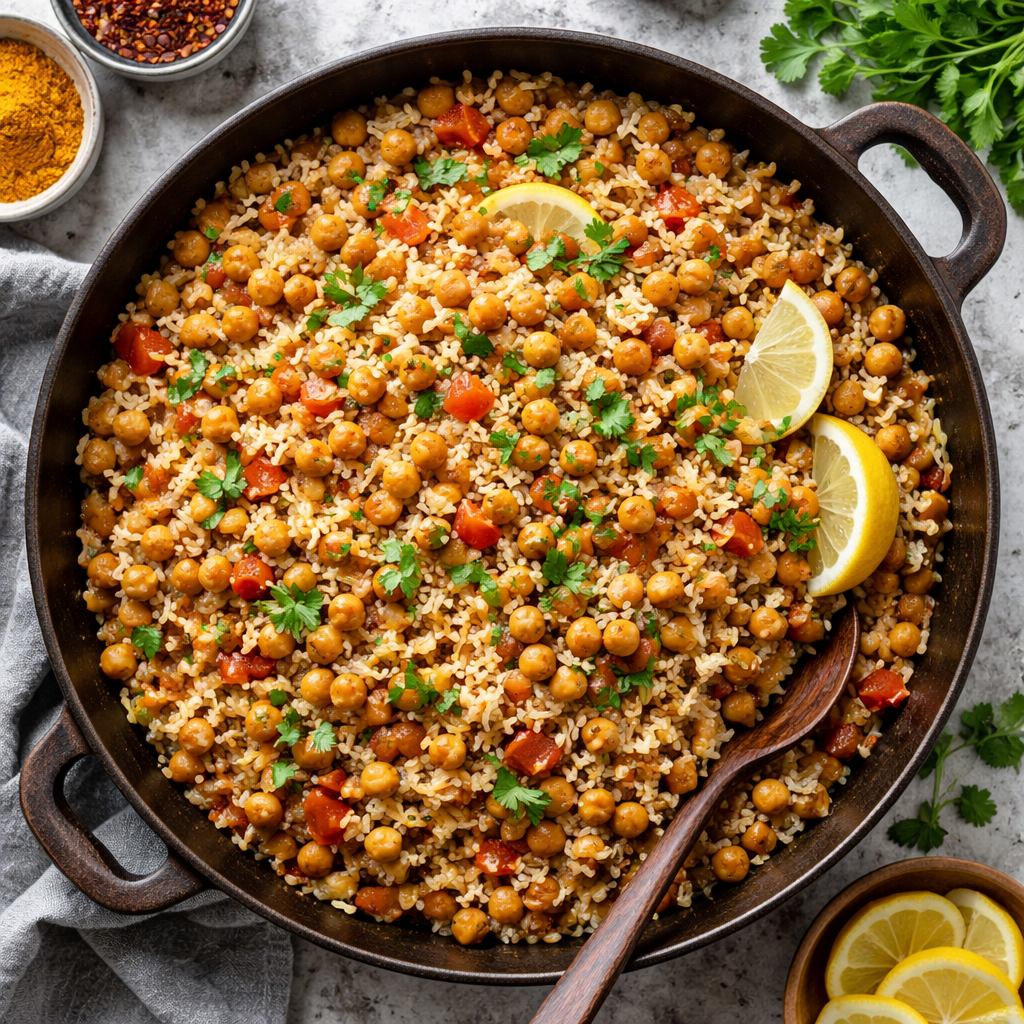
- Heavy-Bottomed Pot or Dutch Oven: Thin-walled pots are prone to hot spots, which lead to scorched rice at the base before the top is steamed. A heavy-bottomed vessel ensures even heat distribution.
- Tight-Fitting Lid: The steaming phase of Chickpea and Rice Recipes relies on internal pressure. If the lid allows steam to escape, the rice will remain undercooked despite the liquid being absorbed.
- Fine-Mesh Sieve: Essential for washing the rice to remove surface starch.
- Digital Scale: Measuring by weight rather than volume provides the highest level of accuracy for liquid-to-grain ratios.
Safe Temperature and Time Standards
Safety and quality in Chickpea and Rice Recipes are governed by specific time and temperature thresholds.
- Soaking Time (Dried Chickpeas): 8 to 12 hours at room temperature, or a “quick soak” involving a 1-minute boil followed by a 1-hour rest.
- Sautéing Aromatics: 5 to 7 minutes at medium heat ($150^{\circ}C$) to soften cellulose without burning sugars.
- Simmering Phase: 15 to 18 minutes at a low simmer ($95^{\circ}C$ to $100^{\circ}C$).
- Resting Phase: 10 minutes off-heat. This allows the starches to firm up and prevents the grains from breaking when fluffed.
- Internal Safety: If meat is added to the recipe, ensure it reaches an internal temperature of $74^{\circ}C$ (165°F).
Chickpea and Rice Recipes: Complete Method
1. Grain Preparation
Rinse the rice in cold water at least three times. Continue until the water transitions from cloudy to clear. This removal of surface starch is vital for achieving individual grains.
2. Aromatic Foundation
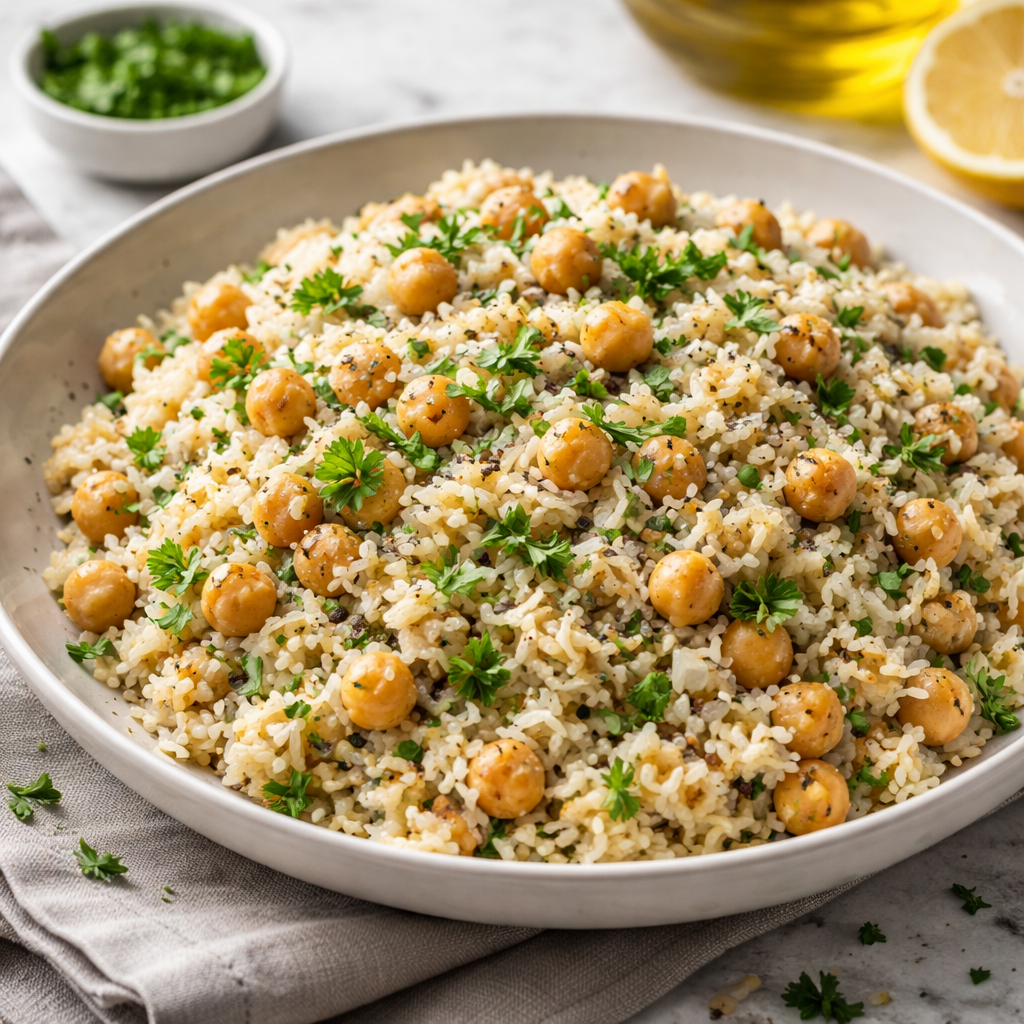
Heat 2 tablespoons of oil or clarified butter (ghee) in the pot. Add diced onions, carrots, and garlic. Sauté until the onions reach a translucent state. This builds a savory base for the Chickpea and Rice Recipes.
3. Toasting the Rice and Chickpeas
Add the rinsed rice and the chickpeas (cooked or canned/rinsed) to the pot. Stir for 2 minutes to coat the grains in fat. This step helps the rice maintain its structural integrity during the simmer.
4. Liquid Integration
Add the measured broth and salt. Bring the mixture to a full boil. Once boiling, stir once to ensure no grains are stuck to the bottom, then immediately reduce the heat to the lowest possible setting.
5. The Steam Cycle
Cover the pot with a tight-fitting lid. Cook for 17 minutes without lifting the lid. Maintaining the seal is crucial to the internal steam pressure.
6. The Mandatory Rest
Remove the pot from the heat source. Do not remove the lid. Let the dish rest for 10 minutes. Use a fork to gently fluff the rice, moving from the edges toward the center to avoid crushing the grains.
Technical Problems and Solutions
Even when following standardized Chickpea and Rice Recipes, variables such as altitude or humidity can impact the results.
- Problem: Rice is crunchy after the allotted time.
- Solution: Add 2 to 3 tablespoons of boiling water, replace the lid immediately, and let it rest on the lowest heat for an additional 5 minutes.
- Problem: Rice is mushy or gummy.
- Solution: This is caused by excessive agitation or too much liquid. For future batches, reduce the liquid ratio by 10% and ensure the rice is toasted in fat before adding broth.
- Problem: Chickpeas are too hard.
- Solution: If using dried chickpeas, ensure they were not “old stock,” as aged legumes may never soften. Always pre-cook dried chickpeas until tender before adding them to the rice.
- Problem: Scorched bottom.
- Solution: The heat source was too high during the simmer phase. Use a flame tamer (heat diffuser) if your stove’s lowest setting is still too aggressive.
Frequently Asked Questions on Chickpea and Rice Recipes
Can brown rice be used in these recipes?
Yes, but the technical requirements change. Brown rice requires a higher liquid ratio (typically 1:2.5) and a significantly longer cook time (40 to 45 minutes). The chickpeas must be added later in the process or be of a firmer variety to prevent them from overcooking.
How do I store and reheat Chickpea and Rice Recipes?
Cool the leftovers quickly and store them in an airtight container for up to 4 days. When reheating, add a teaspoon of water per cup of rice to generate steam, which restores the moisture lost during refrigeration.
Are these recipes suitable for freezing?
Rice and chickpeas freeze exceptionally well. For the best texture, slightly undercook the rice by 2 minutes before freezing. Thaw in the refrigerator overnight and reheat thoroughly.
Can I use a rice cooker?
Most Chickpea and Rice Recipes adapt well to rice cookers. Simply add the sautéed aromatics, chickpeas, and rinsed rice to the cooker and use the standard “White Rice” setting.
The Best Pineapple Rice Recipe for Quick Weeknight Meals
Simple Chipotle Lime Rice Recipe Made at Home
Simple Jasmine Rice Recipes for Lunch & Dinner
The Best Ham Fried Rice Recipe for Busy Nights
Easy Salmon Rice Bowl Recipe – Healthy & Delicious
The Best Mediterranean Rice Recipe for Any Meal