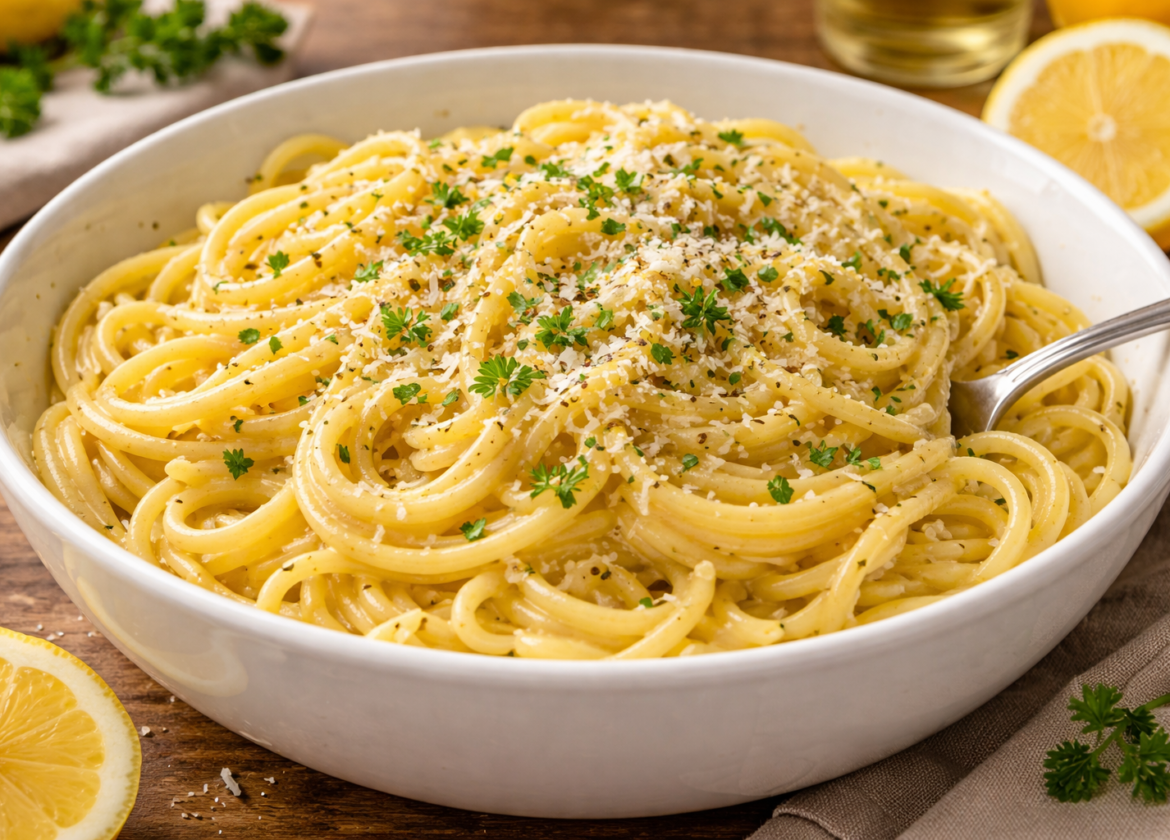
The Creamy Lemon Pasta Recipe is a technical exercise in balancing acidity and fat. This dish, frequently referred to in Italian cuisine as Pasta al Limone, relies on the emulsification of citrus juice and dairy to create a sauce that is both rich and refreshing. Achieving a restaurant-quality result requires more than simply combining ingredients; it necessitates an understanding of how lemon juice interacts with proteins and starches.
In a professional kitchen, the goal for a Creamy Lemon Pasta Recipe is a silky, cohesive sauce that clings to the noodles without breaking or appearing greasy. By focusing on the temperature of the dairy and the timing of the lemon integration, home cooks can replicate the bright, velvety textures that define this classic Mediterranean preparation.
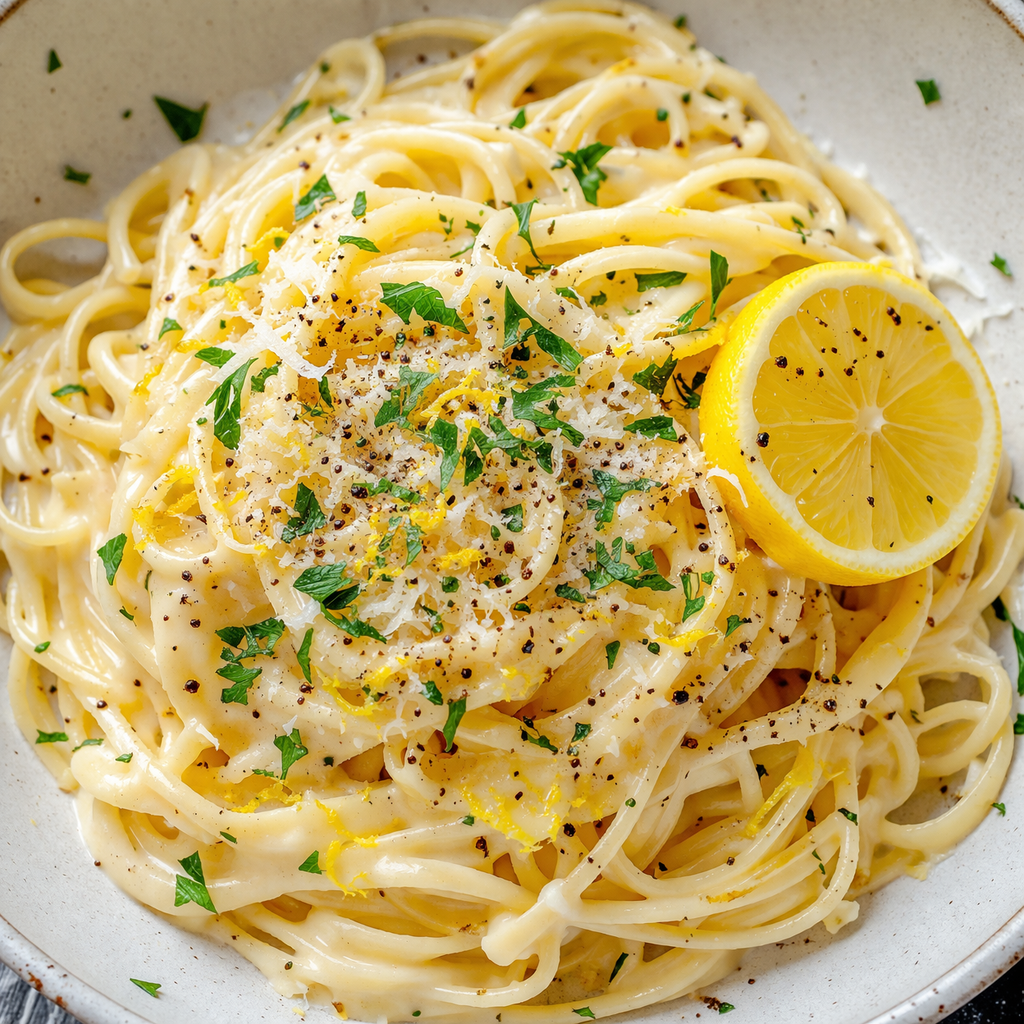
Variables That Affect Cooking Accuracy
Several scientific factors influence the success of a Creamy Lemon Pasta Recipe. Precision in these areas ensures the sauce maintains its structure.
- Acidity and Curdling: Lemon juice is highly acidic. If added to cold cream or subjected to a rapid boil, it can cause the dairy proteins to denature and clump.
- Starch Concentration: The “liquid gold” of this recipe is the pasta cooking water. The starches released during the boiling process act as a natural emulsifier, binding the lemon oil and cream together.
- Citrus Freshness: Bottled lemon juice lacks the volatile oils found in the zest of fresh fruit. For a high-quality Creamy Lemon Pasta Recipe, the zest provides the aroma, while the juice provides the structural acidity.
Ingredient Prep for Reliable Outcomes
Selecting the right components is the first step toward a consistent Creamy Lemon Pasta Recipe. High-fat dairy and bronze-cut pasta are recommended for the best sauce adhesion.
- Pasta Selection: Long, flat noodles like Linguine or Fettuccine are ideal. Bronze-cut pasta has a rougher surface area, which helps the cream sauce “grip” the noodle.
- Heavy Cream: Utilize cream with at least 36% milkfat. The high fat content makes the sauce more stable and less likely to break when the lemon is added.
- Fresh Lemons: Use two large, heavy-bottomed lemons. Weight indicates a higher juice content.
- Unsalted Butter: This allows you to control the salinity of the dish manually.
- Cheese: Freshly grated Parmesan or Pecorino Romano. Avoid pre-shredded cheese, as it contains anti-caking agents that prevent a smooth melt.
Equipment Calibration and Setup
To execute the Creamy Lemon Pasta Recipe efficiently, organize your workspace with the following tools:
- Large Stockpot: To ensure the pasta has enough room to move, preventing clumping.
- Wide Skillet or Sauté Pan: A wide surface area allows the cream to reduce evenly and provides space to toss the pasta.
- Microplane or Zester: Essential for removing only the yellow flavedo (zest) and avoiding the bitter white pith.
- Tongs: For transferring pasta directly from the water to the pan, which preserves the essential cooking water.
- Whisk: To facilitate the emulsification of the butter, cream, and lemon.
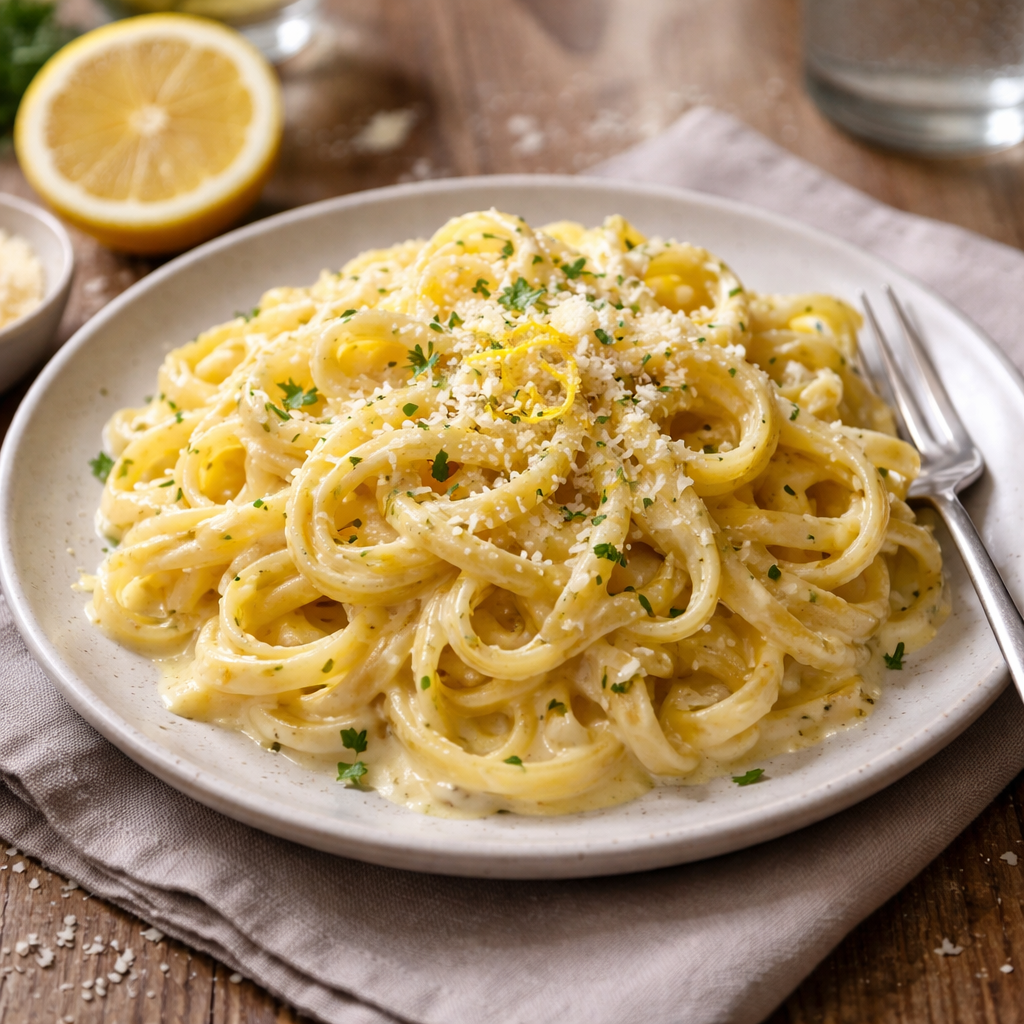
Timing Strategy for Best Results
Efficiency in a Creamy Lemon Pasta Recipe depends on synchronized timing. The sauce and the pasta should reach completion simultaneously.
- Prep (10 Minutes): Zest and juice the lemons; grate the cheese.
- Pasta Boil (8–10 Minutes): Cook the pasta to al dente—approximately 2 minutes less than the package instructions.
- Sauce Reduction (5 Minutes): Simmering the cream and aromatics while the pasta boils.
- The Emulsion (2 Minutes): Combining the components over low heat.
Reliable Creamy Lemon Pasta Recipe Method
1. The Pasta Foundation
Bring a large pot of water to a rolling boil. Add a generous amount of salt. Add the pasta and set a timer for 2 minutes less than the recommended cook time.
2. Infusing the Aromatics
In your wide skillet, melt 2 tablespoons of butter over medium heat. Add the lemon zest and a pinch of black pepper. Sauté for 30 seconds until the lemon oils are released and fragrant.
3. Reducing the Cream
Pour 1 cup of heavy cream into the skillet. Bring to a gentle simmer. Do not let the cream reach a hard boil. Allow it to reduce for 3–4 minutes until it slightly thickens and can coat the back of a spoon.
4. The Marriage of Components
Using tongs, transfer the al dente pasta directly from the boiling water into the cream sauce. Do not drain the pasta water yet. ### 5. Emulsification Add 1/2 cup of the starchy pasta water and the lemon juice to the skillet. Toss vigorously over low heat. The starch will react with the cream and lemon to create a glossy, thick sauce.
6. The Final Texture
Turn off the heat. Gradually whisk in the grated Parmesan cheese. If the sauce appears too thick, add more pasta water one tablespoon at a time until the desired consistency is achieved.
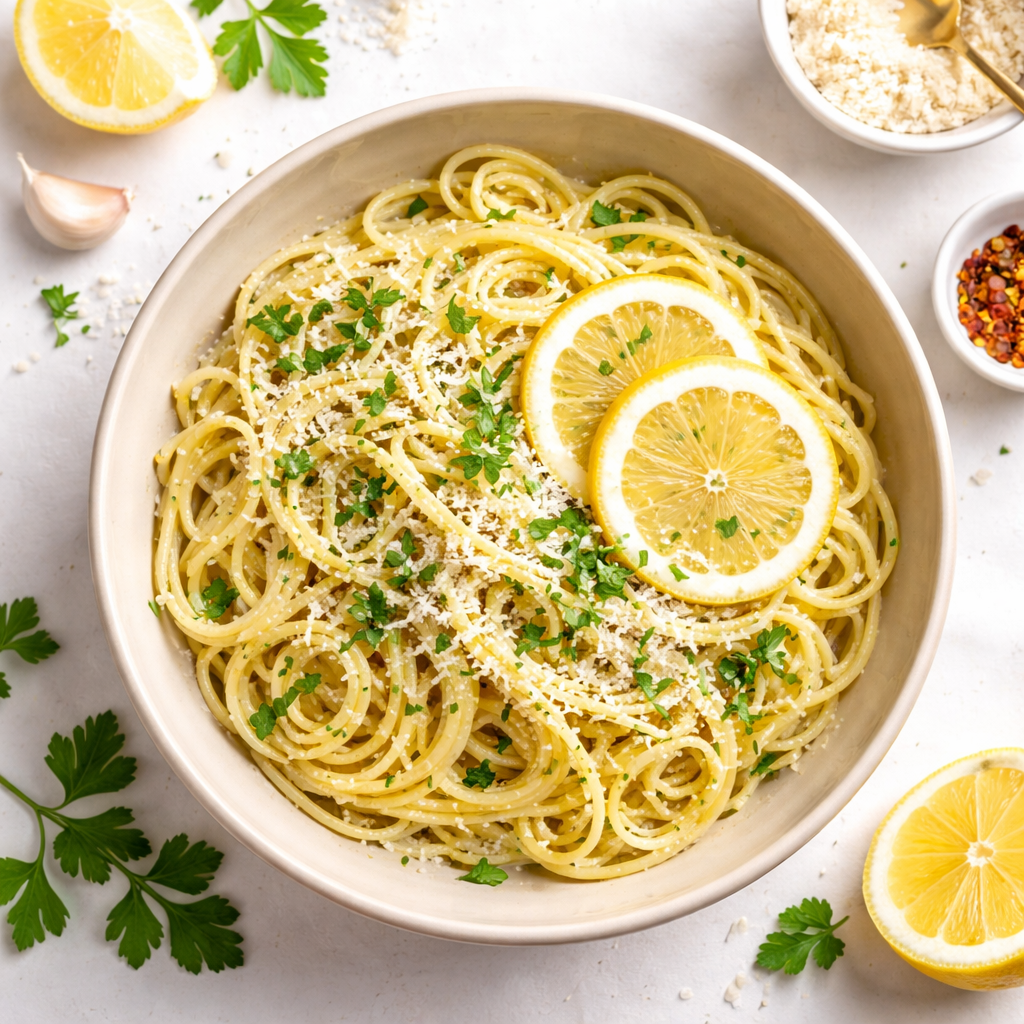
Consistency Issues and Solutions
Even a standardized Creamy Lemon Pasta Recipe can present technical challenges. Below are common issues and professional corrections:
- Problem: The sauce is grainy or clumped.
- Correction: This occurs if the cheese was added over high heat. Always remove the pan from the heat source before adding cheese. Whisk in a tablespoon of hot pasta water to smooth it out.
- Problem: The lemon flavor is too subtle.
- Correction: Acidity can be muted by fat. Add a final sprinkle of fresh zest right before serving to provide a bright aromatic “lift.”
- Problem: The sauce is thin and pools at the bottom of the plate.
- Correction: The pasta was likely not tossed enough with the cooking water. Tossing creates friction, which helps the starch and fat bond. Continue tossing for an extra minute over low heat.
- Problem: The pasta is mushy.
- Correction: Pasta continues to cook in the sauce. Always pull the pasta from the water while it still has a firm “snap” in the center.
Frequently Asked Questions (FAQ)
Can I use milk instead of heavy cream?
In a Creamy Lemon Pasta Recipe, milk is significantly less stable than cream. The lower fat content increases the risk of the sauce breaking or curdling when lemon juice is added. If you must use milk, you will need to create a roux (flour and butter base) to stabilize the sauce.
How do I store and reheat leftovers?
Cream-based sauces tend to thicken and separate when cooled. Store in an airtight container for up to 2 days. To reheat, place the pasta in a pan over low heat and add a splash of milk or water to re-emulsify the sauce. Avoid the microwave, as it often causes the fat to separate.
Is the lemon zest really necessary?
Yes. The zest contains the essential oils that provide the “citrus” flavor profile. The juice provides the “sour” acidity. Without the zest, the Creamy Lemon Pasta Recipe will lack depth and aroma.
What protein can I add to this recipe?
This dish pairs exceptionally well with grilled chicken, sautéed shrimp, or seared scallops. To maintain the integrity of the sauce, cook the proteins separately and place them on top of the finished pasta.
Classic Caprese Pasta Salad Recipe Everyone Loves
Simple Rigatoni Pasta Recipe Made at Home
Easy Tortellini Pasta Salad Recipe – Fresh & Flavorful
Chickpea Pasta Recipe – Gluten-Free & Delicious
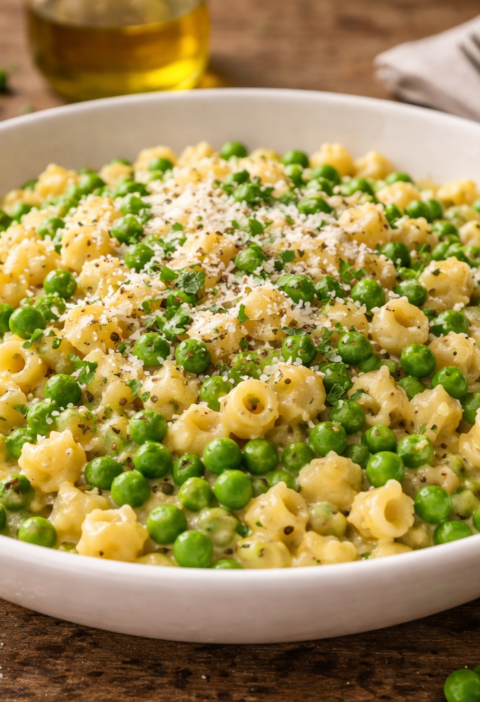
Quick & Delicious Creamy Ditalini Pasta Recipe