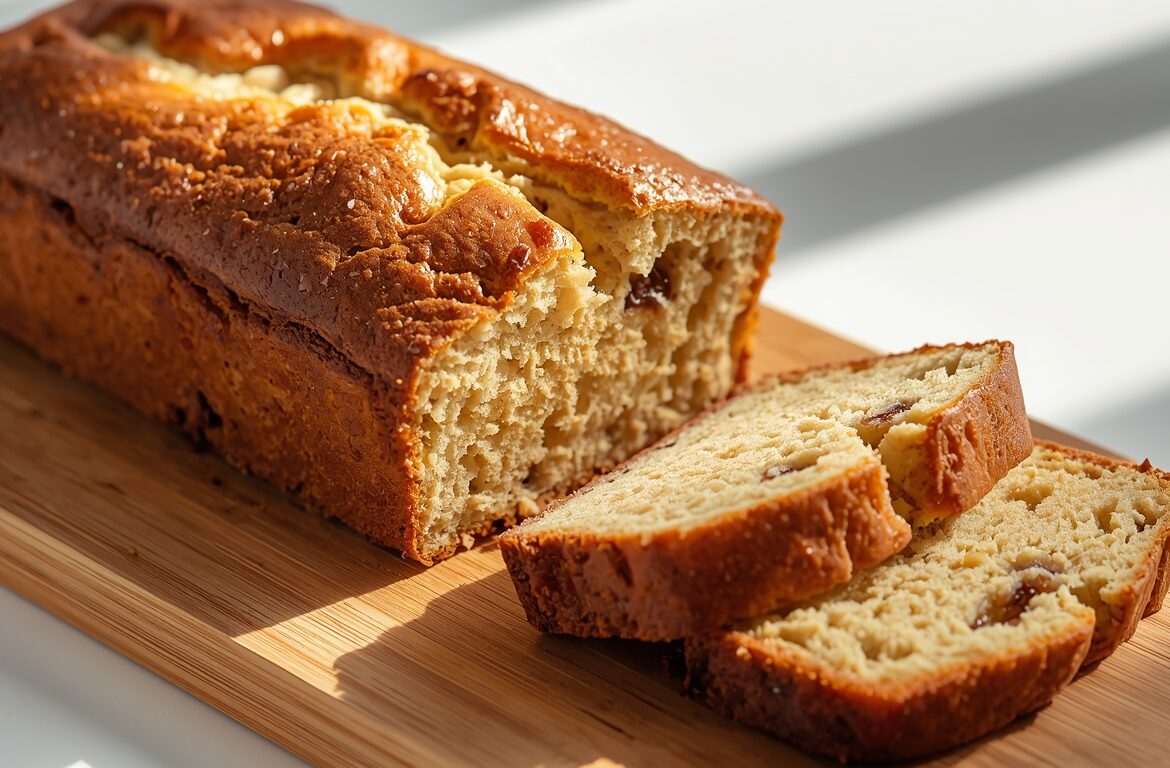
In the world of classic baking, few things are as comforting and timeless as a perfectly baked tea cake. An Easy Tea Cake Recipe is a staple for home bakers because it bridges the gap between a soft cookie and a delicate sponge cake. Traditionally served alongside a hot cup of Earl Grey or English Breakfast, these treats are celebrated for their subtle sweetness, buttery crumb, and hint of vanilla.
Unlike elaborate layered cakes, a homemade easy tea cake focuses on the purity of its ingredients. It is a humble yet sophisticated dessert that relies on proper aeration and high-quality dairy to achieve its signature “melt-in-your-mouth” texture. This guide will provide the technical foundations and practical tips needed to master this old-fashioned favorite in your own kitchen.
Why This Recipe Works So Well
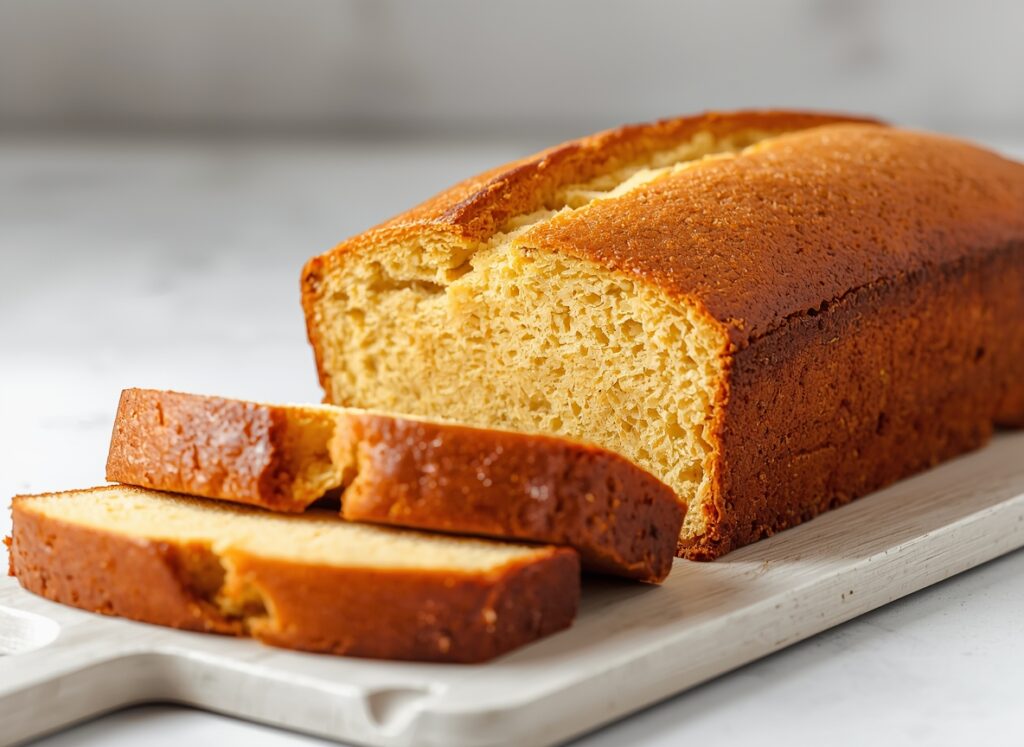
The brilliance of this Easy Tea Cake Recipe lies in its structural simplicity. By utilizing a balanced ratio of flour, fat, and sugar, the recipe produces a cake that is sturdy enough to be handled but delicate enough to dissolve quickly on the palate. The high butter content ensures a rich flavor, while the specific leavening process creates a tight yet tender crumb that absorbs tea or coffee beautifully.
Furthermore, this is a highly reliable recipe for beginners. It does not require complex folding techniques or temperamental meringues. Instead, it uses the “creaming method,” a foundational baking skill that, once mastered, ensures a consistent rise and an even golden-brown finish every time you bake.
Ingredients & Measurements Explained
To achieve the best results with an easy tea cake, you must pay close attention to the state of your ingredients:
- All-Purpose Flour: This provides the necessary structure. Sifting the flour is essential to remove lumps and introduce air into the dry mix.
- Unsalted Butter: Use high-quality butter and ensure it is softened to room temperature ($65^\circ F$ to $70^\circ F$). This is critical for proper aeration during the creaming stage.
- Granulated Sugar: Standard sugar provides sweetness and helps “cut” into the butter to create tiny air pockets.
- Large Eggs: Eggs act as the emulsifier and provide moisture. They should also be at room temperature to prevent the batter from curdling.
- Vanilla Extract: Use pure vanilla extract rather than imitation for a deeper, more aromatic flavor profile.
- Baking Powder: This is the primary leavening agent. Ensure it is fresh to guarantee a proper rise.
- Whole Milk: A splash of milk adds fat and moisture, contributing to the “cake-like” softness of the final product.
Substitution Ideas for Any Kitchen
If you find yourself missing an ingredient for your homemade easy tea cake, these professional swaps will maintain the integrity of the bake:
- Flour Alternatives: You can use a 1:1 gluten-free baking flour blend if needed. For a finer crumb, replace 20% of the all-purpose flour with cake flour.
- Dairy-Free Options: Substitute the butter with a high-quality vegan butter block and use almond or oat milk. Avoid liquid oils, as they will alter the structure of the cake significantly.
- Sugar Swaps: While granulated sugar is traditional, using light brown sugar will result in a slightly chewier texture and a hint of caramel flavor.
- Flavor Variations: Replace vanilla extract with almond extract or add a teaspoon of fresh lemon zest for a bright, citrusy twist.
Tools Required for Best Results
- Stand Mixer or Hand Mixer: Essential for the creaming process, which requires several minutes of high-speed beating.
- Fine-Mesh Sieve: For sifting the dry ingredients to ensure a uniform texture.
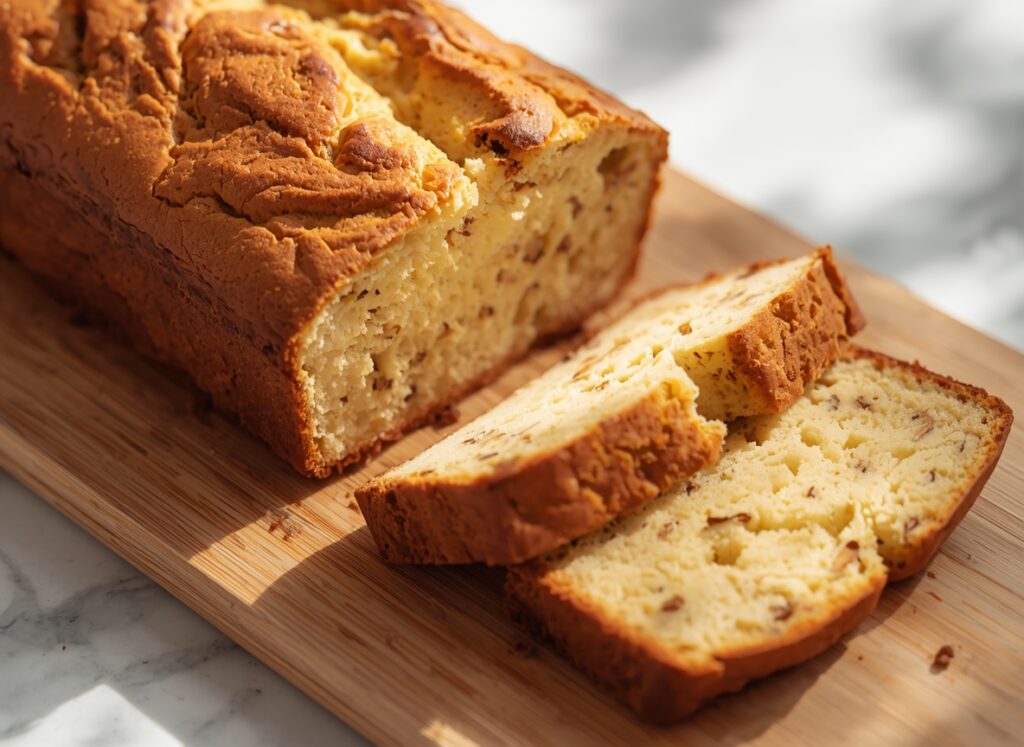
- Baking Sheet or Shallow Cake Pan: Depending on your preference, you can bake these as individual “cakes” (cookies) or as a single thin cake to be sliced.
- Parchment Paper: Prevents sticking and ensures the bottoms of the cakes remain a light golden brown.
Prep Time, Cook Time & Total Time
- Prep Time: 15 minutes (creaming and mixing).
- Cook Time: 12–15 minutes (for individual cakes) or 25 minutes (for a whole pan).
- Total Time: Approximately 40 minutes.
- Yield: Makes about 18–24 individual tea cakes.
How to Make Easy Tea Cake Recipe (Step-by-Step)
1. The Creaming Stage
In a large bowl, beat the softened butter and granulated sugar together on medium-high speed. Continue for at least 3–5 minutes until the mixture is pale, light, and doubled in volume.
2. Incorporate the Liquids
Add the eggs one at a time, beating well after each addition. Mix in the vanilla extract. If the batter looks slightly curdled, add a tablespoon of your weighed flour to help the emulsion come back together.
3. Sift and Combine
In a separate bowl, sift together the flour, baking powder, and a pinch of salt. Gradually add the dry ingredients to the butter mixture, alternating with the milk. Mix on low speed until just combined; do not overmix.
4. Portioning the Batter
For individual tea cakes, use a small scoop to place rounded mounds of batter onto a parchment-lined sheet, spaced 2 inches apart. If baking a tray, spread the batter evenly into a greased pan.
5. The Bake
Bake in a preheated oven at $350^\circ F$ ($177^\circ C$). The cakes are done when the edges are lightly golden and the centers spring back when touched.
6. Cooling
Let the cakes sit on the baking sheet for 5 minutes before transferring them to a wire rack. This allows the internal structure to set without becoming soggy.
Professional Tips for Maximum Flavo
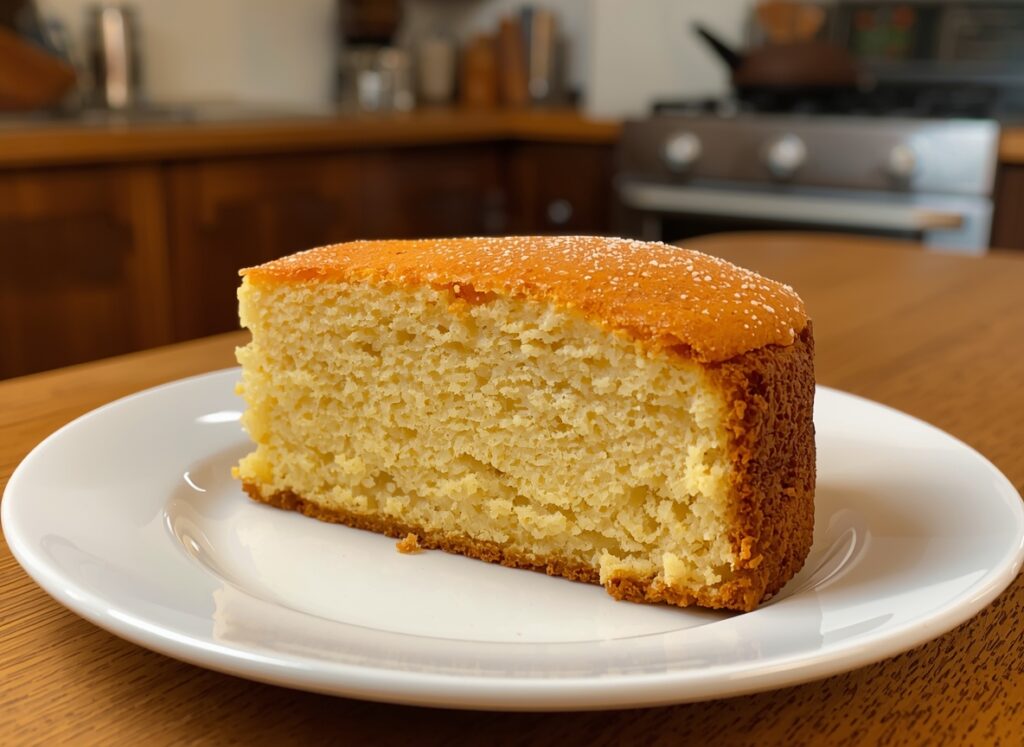
The secret to an elite Easy Tea Cake Recipe is the quality of the vanilla and the salt. Using a “finishing salt” or a high-quality sea salt in the batter enhances the buttery notes.
Another pro tip is to “brown” half of your butter before letting it solidify again. Brown butter (beurre noisette) introduces toasted, nutty aromas that make a simple tea cake taste like it came from a high-end French patisserie.
Common Mistakes & How to Avoid Them
The most common error is using cold ingredients. If your eggs or milk are cold, they will cause the creamed butter to seize, resulting in a dense, heavy cake. Always set your ingredients on the counter at least an hour before baking.
Another mistake is overbaking. Because tea cakes are low in moisture compared to fruit cakes, even two minutes of extra oven time can make them dry. Start checking for doneness at the 10-minute mark; they should be pale in the center with only the slightest tint of gold on the edges.
Best Times & Ways to Serve
- Afternoon Tea: Serve warm with a side of clotted cream and strawberry jam.
- Morning Coffee: These cakes are excellent for dipping, as they hold their shape well when submerged in hot liquids.
- Dessert Platter: Dust with powdered sugar and serve alongside fresh berries for a light post-dinner treat.
- Gift Tins: Because of their sturdy nature, they are perfect for holiday gift-giving or bake sales.
Health & Nutrition Overview
While tea cakes are a sweet treat, a homemade easy tea cake allows you to avoid the high-fructose corn syrup and artificial preservatives found in store-bought versions. The inclusion of eggs provides a small amount of protein, and by controlling the sugar content, you can make a version that is less sweet but equally satisfying.
Estimated Calories & Nutrients
(Per individual tea cake)
| Nutrient | Amount |
| Calories | 145 kcal |
| Total Fat | 7g |
| Carbohydrates | 18g |
| Protein | 2g |
| Sodium | 85mg |
Storage Rules You Should Follow
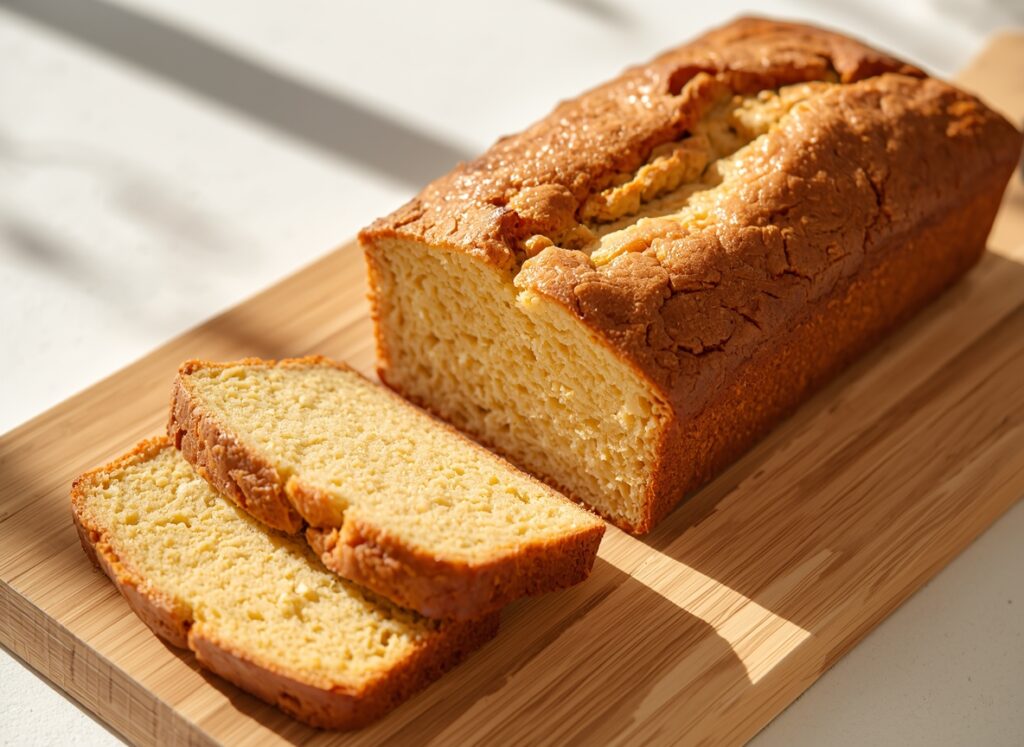
- Room Temperature: Store in an airtight container for up to 3 days. To keep them soft, place a small piece of bread in the container; the cakes will absorb the moisture from the bread.
- Freezing: These cakes freeze exceptionally well. Wrap them individually in plastic wrap and store in a freezer bag for up to 3 months.
- Avoiding Humidity: Never store tea cakes while they are still warm, as the trapped steam will make the crust sticky and soft.
Reheating Without Losing Flavor
To enjoy that “freshly baked” experience with leftovers, use the oven rather than the microwave. Place the cakes on a baking sheet and warm them at $300^\circ F$ ($150^\circ C$) for about 5 minutes. This restores the crispness to the edges while softening the buttery center.
Easy Tea Cake Recipe FAQs Answered
Q: Why are my tea cakes flat?
A: This usually happens if the butter was too soft (melted) or if the baking powder has expired. Ensure your butter is “cool-room temperature” and your leavening agents are fresh.
Q: Can I add fruit to this Easy Tea Cake Recipe?
A: Yes. Dried currants or sultanas are traditional additions. Toss them in a little flour before adding to the batter to prevent them from sinking to the bottom.
Q: What is the difference between a tea cake and a cookie?
A: A tea cake has a higher moisture and egg content, resulting in a soft, cake-like interior. A cookie is generally crispier and has less leavening.
Q: My cakes are tough. What went wrong?
A: You likely overmixed the batter after adding the flour. Overmixing develops the gluten, which leads to a bready, tough texture. Mix only until the flour disappears.
Easy Italian Rum Cake Recipe – Perfect for Any Occasion
Easy Cherry Chip Cake Recipe for Beginners
Easy Butter Pecan Cake Recipe – Sweet & Nutty Perfection
Easy Mandarin Orange Cake Recipe for a Perfect Citrus Dessert