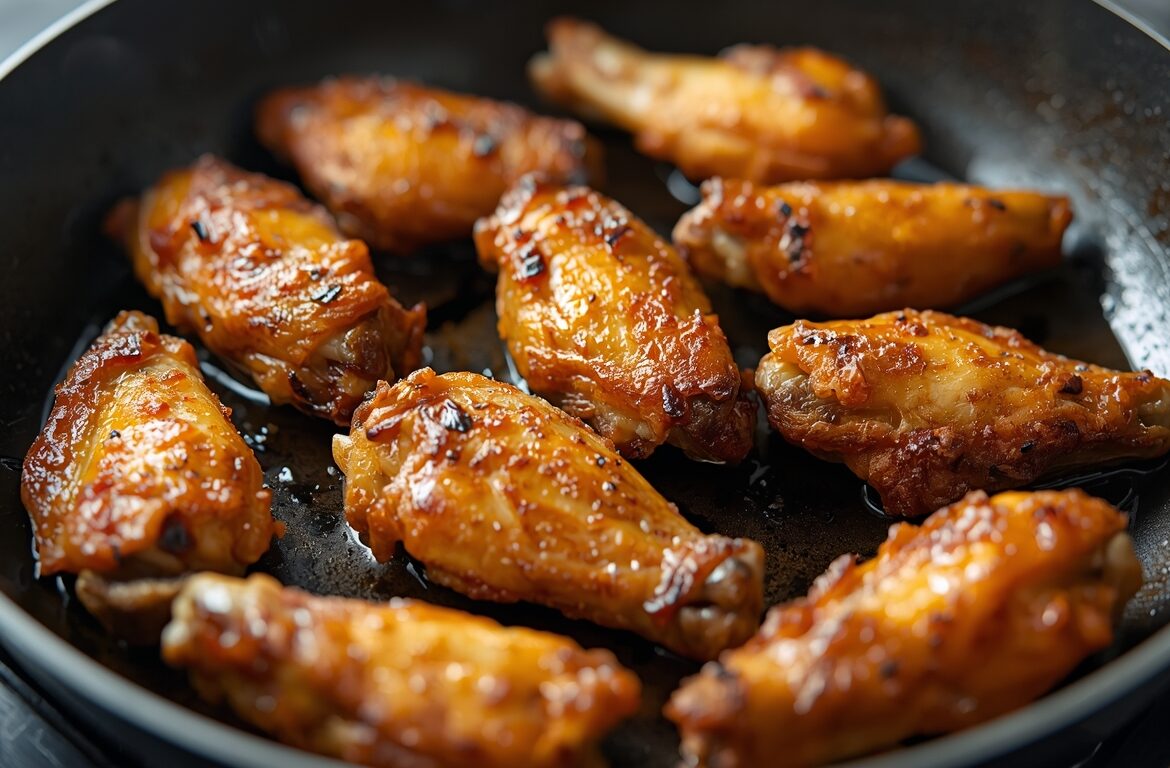
Choosing to make Fried Chicken Wing Recipes at home is usually a decision driven by a search for a specific kind of texture that takeout rarely preserves. By the time a box of wings travels from a restaurant to your front door, the steam trapped in the packaging has often compromised the crust. When you decide to fry them yourself, you are taking control of the most volatile element of the dish: the crunch.
From a culinary standpoint, the wing is the most rewarding part of the bird to fry because of the high skin-to-meat ratio. Unlike a drumstick or a breast, which can be prone to drying out, the wing is encased in enough fat and collagen to stay succulent even when subjected to high heat. Whether you are planning a game-day spread or a focused dinner, the decision to fry wings is a commitment to a multi-sensory experience that balances salt, fat, and heat.
Expected Results From This Cooking Method
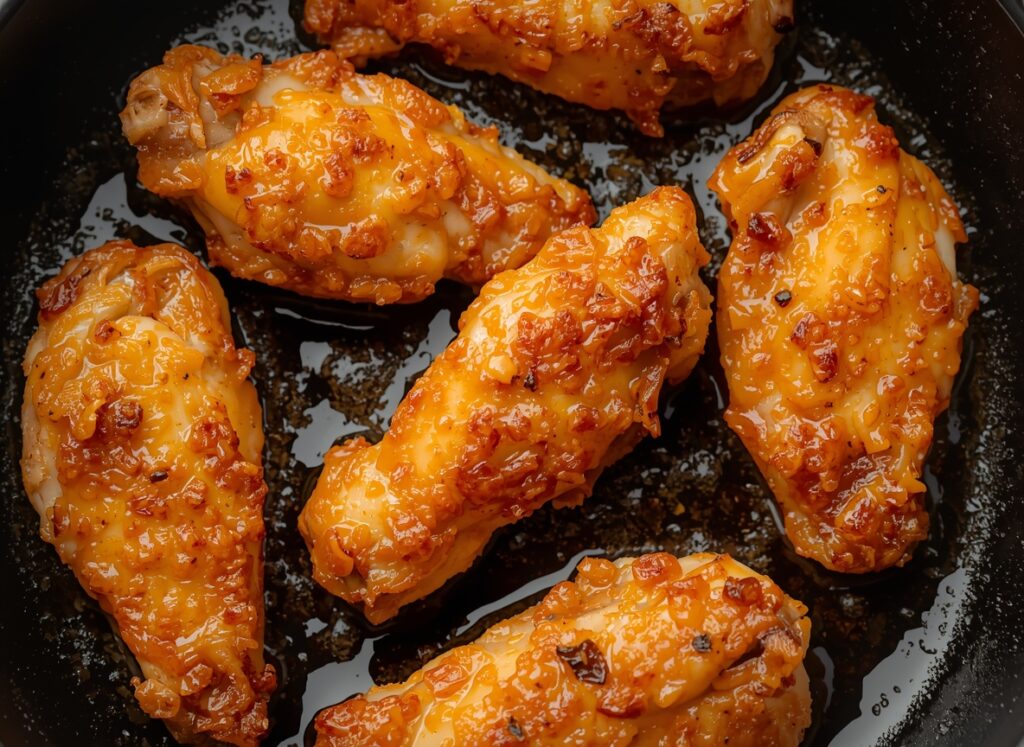
When you follow a professional Fried Chicken Wing Recipes approach, the results are fundamentally different from baking or air-frying. Deep frying provides an immediate, 360-degree heat transfer that renders the fat beneath the skin almost instantly.
The Auditory Crunch
A successful fry results in a “shatter-crisp” crust. This is achieved through the rapid evaporation of moisture from the breading or the skin itself. If you are using a batter, it should be aerated and light; if you are going for a naked fry (the Buffalo style), the skin should be blistered and firm.
Internal Succulence
Because the fry time for wings is relatively short—usually between 8 and 12 minutes—the internal meat reaches its peak temperature without the moisture having time to escape. You should expect the meat to pull away from the bone cleanly, with a glistening, juicy interior that stands in direct contrast to the dry exterior.
Ingredient Decisions That Affect Flavor
The choices you make in the pantry will dictate the “personality” of your wings. Fried Chicken Wing Recipes are highly customizable, but certain foundational ingredients are non-negotiable for high-quality outcomes.
The Chicken Quality
Always look for “Air-Chilled” wings if available. Most poultry is chilled in water baths, which leads to the meat absorbing excess liquid. Air-chilled chicken has less water weight, meaning the skin will crisp up faster and more effectively. Also, ensure the wings are split into “flats” and “drums” for even cooking.
The Coating Strategy
- The Naked Fry: No flour, just seasoned skin. This is best for those who want a light, high-protein snack.
- The Flour Dredge: A simple coating of seasoned all-purpose flour. This creates a thin, traditional crust.
- The Double-Dredge (Buttermilk): Dipping in seasoned flour, then buttermilk, then back in flour. This results in the “craggy,” thick crust seen in Southern-style wings.
- Cornstarch or Potato Starch: Bold Tip: Replacing 25% of your flour with cornstarch will result in a much crispier wing that stays crunchy even after being tossed in sauce.
Oil Selection
Use an oil with a high smoke point and neutral flavor. Peanut oil is the gold standard for Fried Chicken Wing Recipes due to its stability, but canola or vegetable oil are excellent, cost-effective alternatives.
Choosing the Right Equipment Setup
Fried chicken is as much about the tools as it is about the technique. To avoid a greasy kitchen and inconsistent wings, your setup needs to be deliberate.
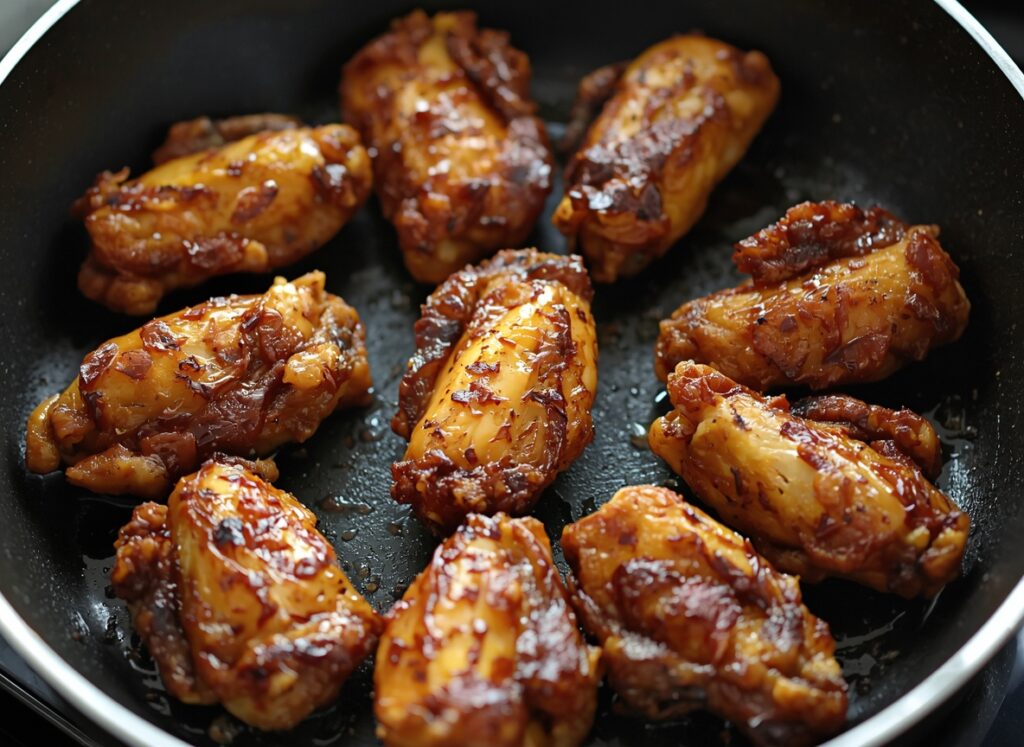
- A Deep Dutch Oven or Cast-Iron Pot: These vessels have high walls (to prevent splashes) and heavy bottoms (to maintain a steady oil temperature). Avoid thin aluminum pots, which lose heat the moment the cold chicken hits the oil.
- Digital Oil Thermometer: This is the single most important tool. You cannot guess oil temperature. If the oil is at 325°F, your wings will be greasy; if it’s at 400°F, they will be burnt on the outside and raw inside.
- A Wire Cooling Rack: Never drain wings on paper towels. Paper towels trap steam, which turns your crispy crust into a soggy mess within seconds. A wire rack allows air to circulate around the entire wing.
- A Spider Strainer: This allows you to lift the wings out while letting the oil drain back into the pot immediately.
Planning the Cooking Window
Working with Fried Chicken Wing Recipes requires a realistic timeline. It isn’t just about the ten minutes they spend in the oil.
- The Dry Brine (1–24 Hours): Salting your wings and letting them sit uncovered in the fridge is the best way to ensure the skin is dry and the meat is seasoned to the bone.
- The Tempering (20 Minutes): Taking the wings out of the fridge before frying ensures they aren’t ice-cold, which prevents the oil temperature from crashing.
- The Fry Batches (10 Minutes per batch): Depending on the size of your pot, you will likely need 2 to 3 batches.
- The Rest (3–5 Minutes): Letting the wings sit for a few minutes allows the internal juices to stabilize so they don’t run out on the first bite.
Fried Chicken Wing Recipes Explained Clearly
1. The Preparation and Salt
Pat your wings dry with paper towels. Even if they look dry, they aren’t. Season them with kosher salt and let them rest. If you have the time, do this in the fridge for a few hours.
2. The Dredging Protocol
In a large bowl, mix 1 cup of flour, 1/4 cup of cornstarch, and your spices (garlic powder, smoked paprika, cayenne, and black pepper). Dredge each wing, shaking off the absolute excess. Bold Tip: A thin, even coat is better than a thick, clumpy one. Excess flour will fall off in the oil and burn, making your oil taste bitter.
3. The Temperature Target
Heat 2 to 3 inches of oil to 360°F (182°C). Aim for this slightly higher temperature because it will drop to the ideal 325°F–350°F range once the chicken is added.
4. The Agitated Fry
Carefully lower the wings into the oil using tongs. Do not crowd the pot; the wings should have room to “swim.” Stir gently after the first minute to ensure they aren’t sticking together. Fry for 8 to 10 minutes.
5. The Visual and Internal Check
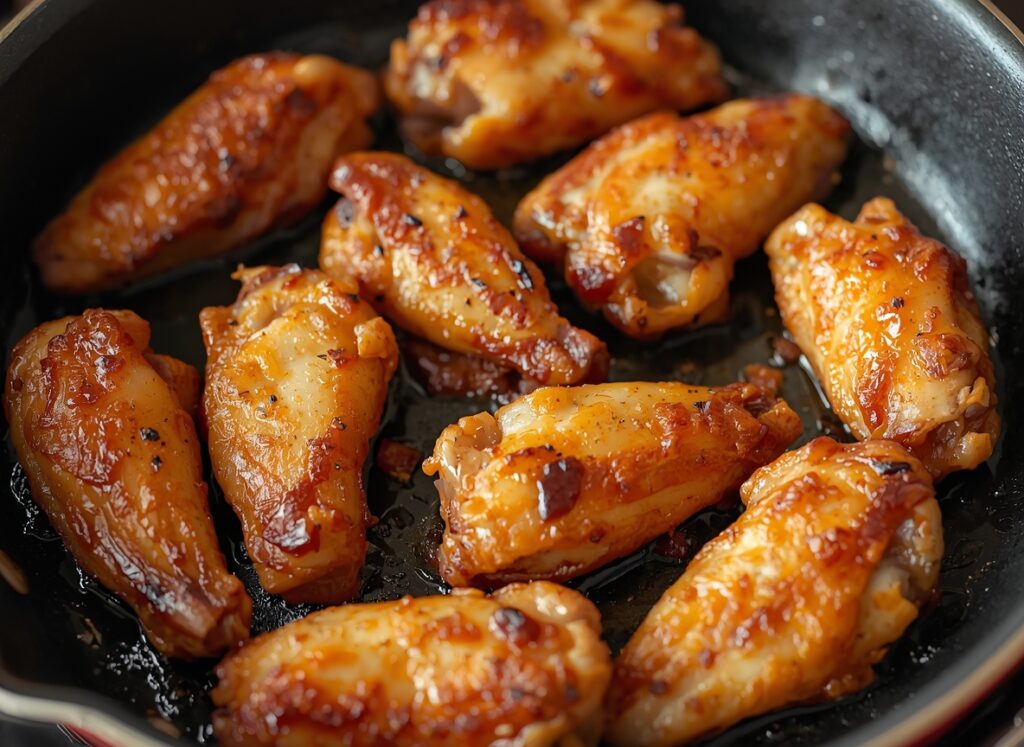
The wings should be a deep golden brown. If you are unsure, use a meat thermometer to ensure they have reached at least 165°F (74°C). Remove them and place them immediately on the wire rack.
6. The Sauce Toss
If you are saucing your wings, do it in a large metal bowl while the wings are still piping hot. This helps the sauce “set” onto the crust.
Result-Based Problems and Adjustments
Even with the best Fried Chicken Wing Recipes, real-world variables can affect the outcome. Here is how to adjust based on what you see in the pot:
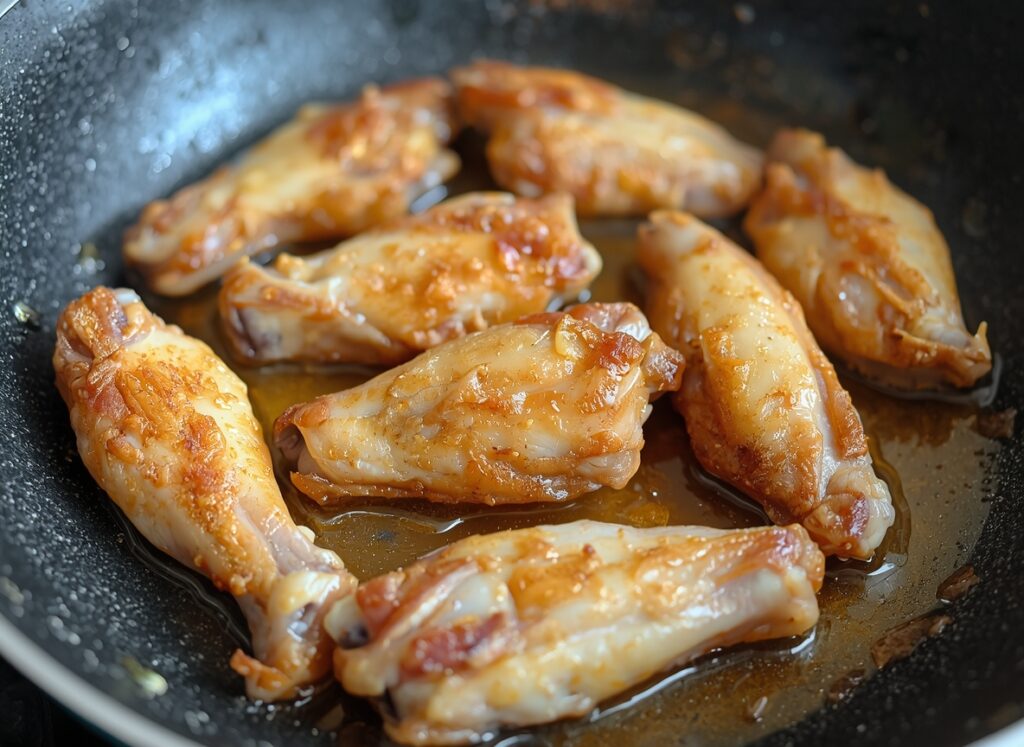
- The Crust is Dark but the Meat is Raw: Your oil is too hot. Lower the heat and allow the oil temperature to drop before starting the next batch. You can save the current batch by finishing them in a 350°F oven for 5 minutes.
- The Breading is Falling Off: This happens if the wings were too wet before dredging or if you moved them too early. Let the wings sit for at least 60 seconds in the oil before touching them so the crust can set.
- The Wings are Greasy: Your oil temperature was too low. Ensure your oil recovers to 360°F between every single batch.
- The Chicken Tastes “Heavy”: Your oil might be old or “broken down.” If the oil is dark and foamy, it’s time to change it. Fresh oil always produces a cleaner, crispier wing.
Frequently Asked Questions From Readers
Can I reuse the frying oil? Yes. Once the oil has cooled, strain it through a coffee filter or fine-mesh sieve into a glass jar. You can reuse it 2 to 3 times, provided it hasn’t been overheated or used for fish. Store it in a cool, dark place.
Why use cornstarch in the flour? Cornstarch has no gluten and interferes with the gluten development in the flour. This prevents the breading from becoming “bready” or tough, resulting in a lighter, crunchier shell.
How do I keep wings crispy for a party? If you aren’t serving them immediately, keep them on a wire rack in a 200°F (93°C) oven. Do not cover them with foil, as this will trap steam and soften the crust.
What is the best way to reheat leftovers? Avoid the microwave. Reheat leftover wings in an air fryer at 350°F for 4 minutes or in a conventional oven at 400°F for 6–8 minutes. This will draw out the moisture and re-crisp the fat.
Should I boil or steam wings before frying? Some Fried Chicken Wing Recipes suggest a “par-boil” to render fat early. While effective for some, it is generally unnecessary for home cooks and adds a step where the chicken can become waterlogged. A dry brine is a much more reliable way to achieve the same result.
Is it better to fry with the lid on or off? Always fry with the lid off. Frying with a lid traps steam, which can cause the oil to bubble over dangerously and will result in a soggy wing.
By approaching your kitchen with these decision-making steps, you can ensure that your Fried Chicken Wing Recipes deliver the professional results that guests expect. It is a process of managing heat and moisture to highlight the natural quality of the chicken.
Easy & Flavorful Chicken Bog Recipe for Family Dinners
The Best Mississippi Chicken Recipe for Comfort Food Lovers
The Best Chicken Cutlet Recipes for Weeknight Dinners
White Chicken Chili with Corn – Easy & Healthy Dinner