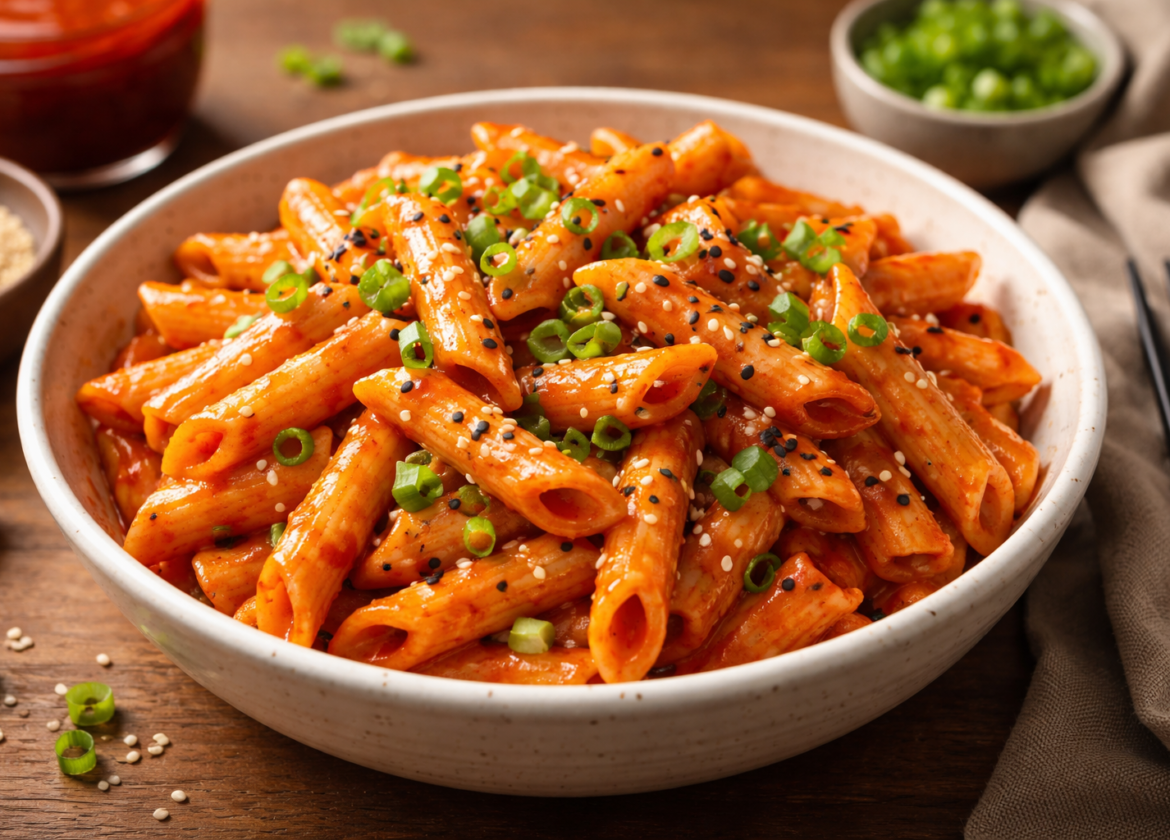
The Gochujang Pasta Recipe has rapidly transitioned from a niche fusion experiment to a global culinary staple, representing the perfect marriage between Italian pasta techniques and Korean fermentation traditions. At its core, this dish solves a common problem in modern home cooking: the desire for a complex, restaurant-quality meal that can be prepared in under thirty minutes.
By introducing Gochujang—a savory, sweet, and pungent fermented chili paste—into a traditional cream-based pasta sauce, you achieve a depth of flavor that usually requires hours of simmering. This recipe matters because it challenges the traditional boundaries of pasta, offering a bold alternative to tomato-based or standard Alfredo sauces. For the home cook, mastering a Gochujang Pasta Recipe is a gateway to understanding how fermentation can be used to balance fats and carbohydrates, resulting in a meal that is as satisfying as it is sophisticated.
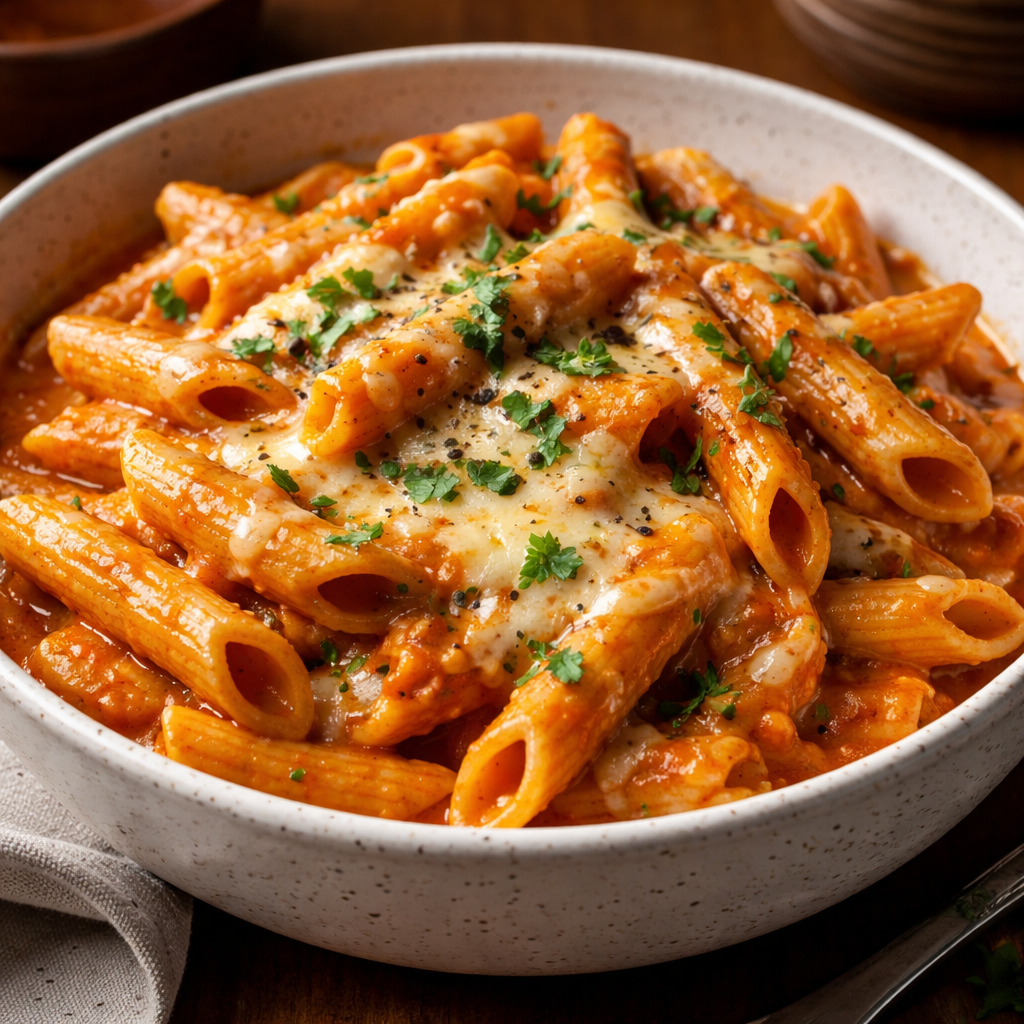
What Makes Gochujang Pasta Recipe Different
What sets a Gochujang Pasta Recipe apart from other spicy pasta dishes, such as Penne all’Arrabbiata, is the unique chemical composition of the chili paste itself. Gochujang is made from red chili powder, glutinous rice, fermented soybeans, and salt. This combination creates a “slow heat” rather than a sharp, immediate sting.
The Power of Fermentation
The fermented soybeans in the paste provide a massive hit of umami, which is the savory “fifth taste.” When this umami meets the fats in heavy cream or butter, it creates a rich, velvety emulsion that clings to the pasta better than oil-based sauces.
Balanced Flavor Profiles
Unlike many hot sauces that are vinegar-heavy, the Gochujang Pasta Recipe relies on the natural sweetness of the glutinous rice within the paste. This sweetness acts as a counterweight to the saltiness of the Parmesan cheese and the heat of the chilies, creating a rounded palate experience that hits spicy, sweet, and salty notes simultaneously.
Ingredient Preparation and Selection Tips
The success of your Gochujang Pasta Recipe depends heavily on the quality and specific type of ingredients you select. Because the sauce is an emulsion, the physical state of your ingredients matters.
Selecting the Gochujang
Gochujang comes in various heat levels, usually marked on the tub. If this is your first time attempting a Gochujang Pasta Recipe, look for a “mild” or “medium” heat level. Avoid “Gochujang Sauce” (which is thinned with vinegar and sugar for dipping) and ensure you are buying the thick, concentrated paste.
The Pasta Choice
- Long Noodles: Bucatini or Spaghetti are excellent for picking up the creamy sauce.
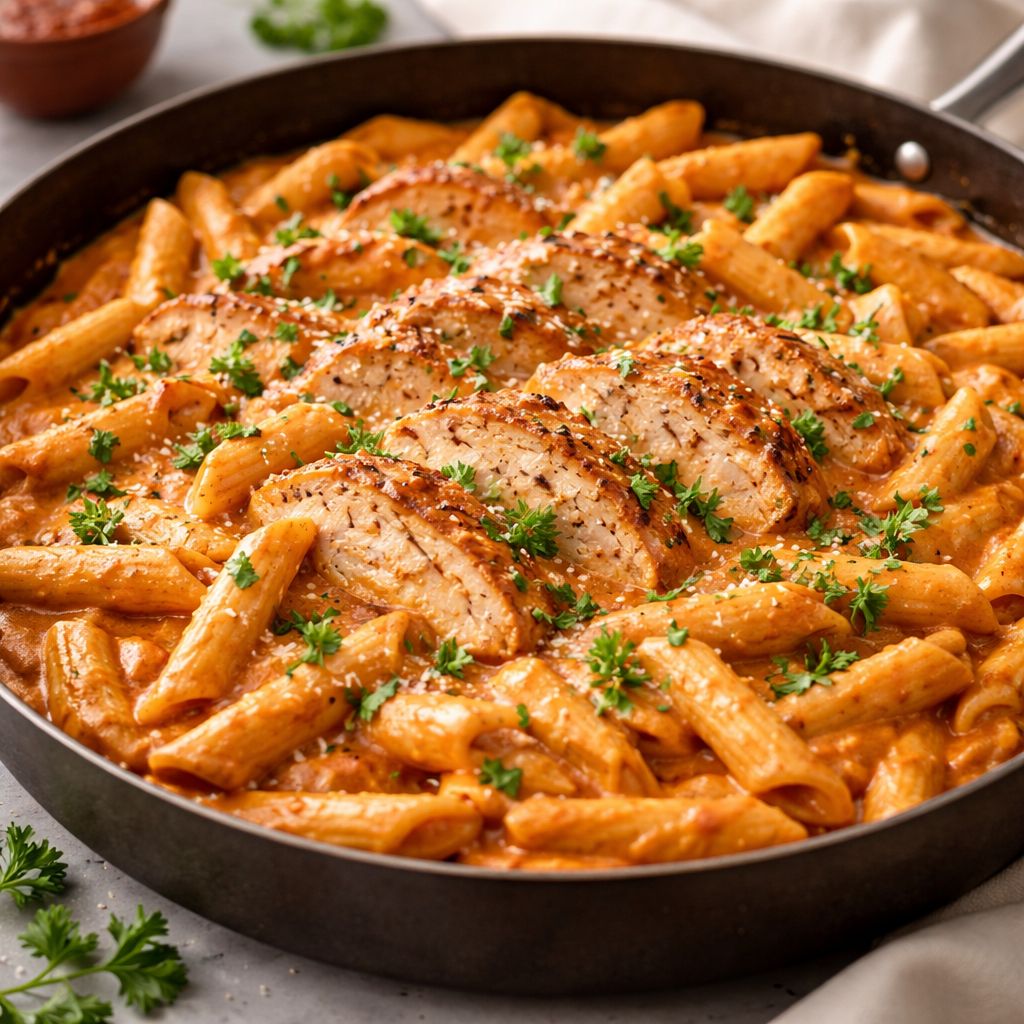
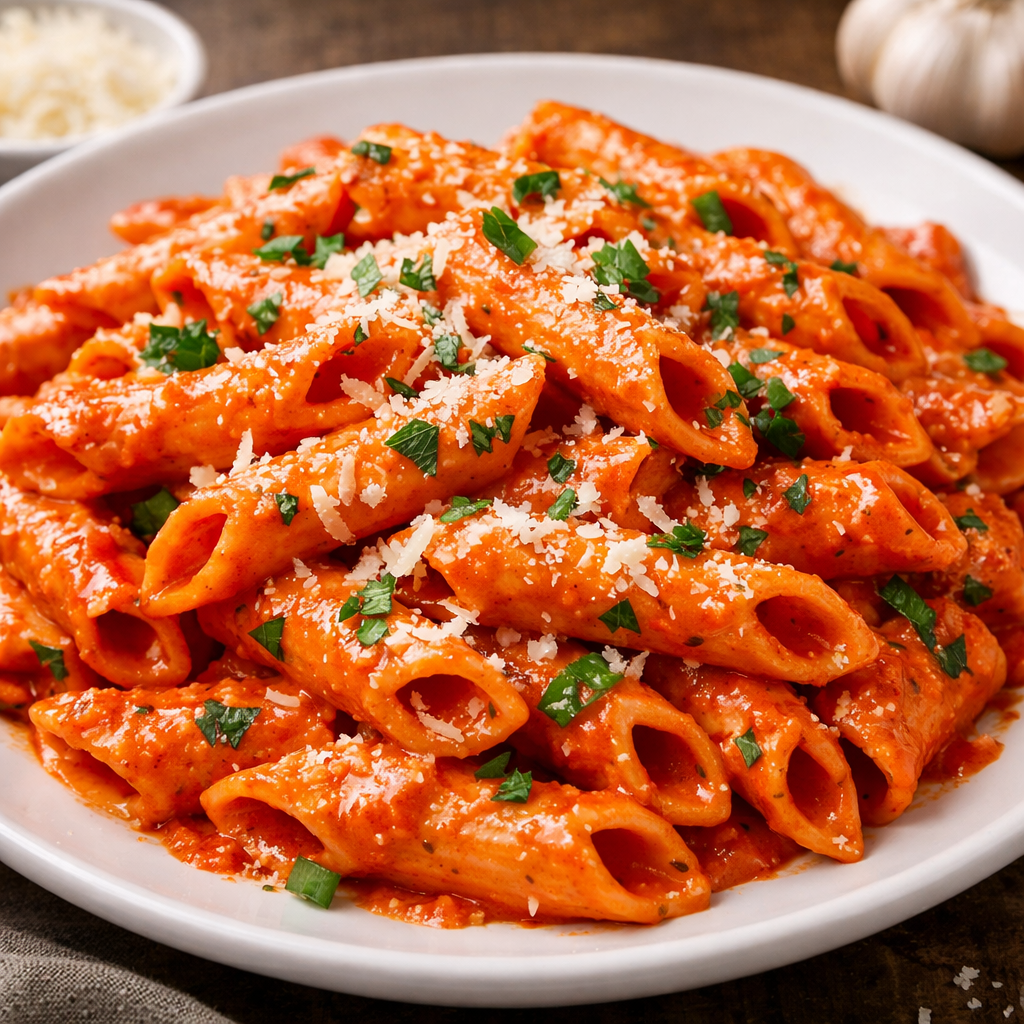
- Short Shapes: Rigatoni or Penne are ideal because the hollow centers trap the thick, Gochujang-infused cream.
Aromatics and Dairy
- Garlic and Shallots: These should be finely minced. Shallots are preferred over white onions for their subtle sweetness and ability to melt into the sauce.
- Heavy Cream: Use full-fat heavy cream. Lower-fat alternatives or milk are prone to curdling when mixed with the acidic and salty fermented paste.
- Parmesan Cheese: Always use freshly grated Parmesan. The pre-shredded variety is coated in cornstarch, which will make your Gochujang Pasta Recipe grainy rather than smooth.
Tools Required for Gochujang Pasta Recipe
Precision and heat management are the keys to a smooth sauce. Having the following tools ready will ensure a seamless cooking process:
- Large Skillet or Sauté Pan: A wide surface area is necessary for the cream to reduce evenly and for the pasta to be tossed effectively.
- Stockpot: For boiling the pasta. Ensure it is large enough to allow the noodles to move freely.
- Tongs or a Pasta Fork: Essential for transferring pasta directly from the water into the sauce.
- Fine Microplane: For grating the garlic and cheese into the sauce for immediate melting.
- Small Whisk: To ensure the Gochujang paste is fully dissolved into the cream without leaving spicy clumps.
From Prep to Finish: Cooking Flow
A Gochujang Pasta Recipe is a fast-paced process. Understanding the flow prevents the sauce from over-reducing while you wait for the pasta to boil.
- Phase 1: Boiling (10–12 Minutes): Start your pasta water first. The sauce only takes about 7 minutes to prepare, so the pasta should be nearly done before you start the skillet work.
- Phase 2: Sautéing (3 Minutes): Softening the garlic and shallots in butter.
- Phase 3: The Base (2 Minutes): Incorporating the Gochujang and tomato paste.
- Phase 4: Emulsification (2 Minutes): Adding cream and cheese.
- Phase 5: The Toss (1 Minute): Combining the pasta and sauce with starchy pasta water.
Step-by-Step Gochujang Pasta Recipe Guide
1. The Pasta Foundation
Bring a large pot of water to a boil. Add a generous amount of salt. Cook your chosen pasta for one minute less than the package instructions (al dente). Crucial Step: Reserve one cup of starchy pasta water before draining.
2. Sautéing Aromatics
In a large skillet over medium heat, melt 2 tablespoons of unsalted butter. Add two minced shallots and four cloves of minced garlic. Sauté for 2–3 minutes until translucent and fragrant. Do not let the garlic brown, as it will distract from the clean spice of the Gochujang.
3. Blooming the Paste
Add 2 tablespoons of Gochujang paste and 1 tablespoon of tomato paste to the skillet. Stir constantly for 2 minutes. This “blooms” the pastes, deepening their color and removing the “raw” fermented edge from the Gochujang.
4. Creating the Cream Sauce
Pour in 1 cup of heavy cream. Use your whisk to combine the cream with the paste until the sauce is a vibrant, uniform orange color. Bring to a very gentle simmer.
5. Cheese Integration
Whisk in 1/2 cup of freshly grated Parmesan cheese. Continue whisking until the cheese has completely melted and the sauce has thickened slightly.
6. The Marriage of Pasta and Sauce
Transfer the cooked pasta directly into the skillet. Pour in 1/4 cup of the reserved pasta water. Toss the pasta vigorously over medium-high heat. The starch in the water will act as a bridge, helping the Gochujang Pasta Recipe sauce bind to the noodles. If the sauce is too thick, add more pasta water a tablespoon at a time.
7. The Final Garnish
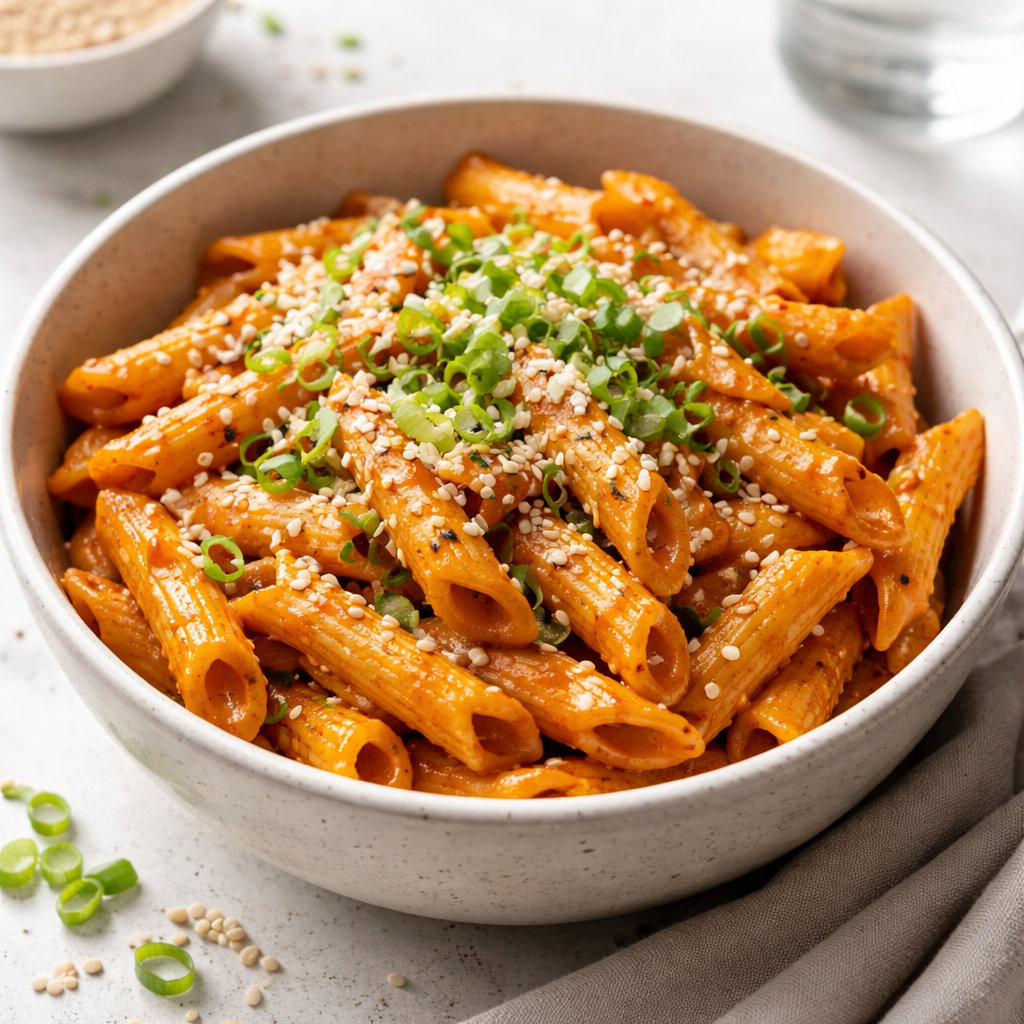
Turn off the heat. Garnish with sliced green onions, sesame seeds, or a drizzle of toasted sesame oil for an extra layer of Korean-inspired aroma.
Common Questions and Practical Answers
Executing a Gochujang Pasta Recipe perfectly every time requires an understanding of how to troubleshoot the emulsion.
- Why is my sauce separating?
- Separation usually occurs if the heat is too high after the cream and cheese are added. To fix this, remove the pan from the heat and whisk in a tablespoon of hot pasta water to bring the fats back into the emulsion.
- Can I add protein to this recipe?
- Yes. Searing shrimp or thin slices of chicken breast before starting the aromatics works perfectly. Simply remove the protein after searing and add it back in during the final tossing phase.
- Is the tomato paste necessary?
- While the Gochujang is the star, tomato paste adds a familiar acidic backbone that makes the Gochujang Pasta Recipe feel more like a traditional pasta dish. It also enhances the deep red color.
- What if I don’t have heavy cream?
- You can use half-and-half, but the sauce will be thinner. To compensate, you may need to add more Parmesan cheese or a small cornstarch slurry to reach the desired thickness.
FAQ: Gochujang Pasta Recipe Explained
Is Gochujang Pasta very spicy?
The spiciness is highly adjustable. A standard Gochujang Pasta Recipe using 2 tablespoons of paste is medium-spicy. The heavy cream significantly mellows the heat, making it accessible to those who enjoy a mild “kick.”
How long does Gochujang paste last?
Once opened, a tub of Gochujang can last for up to a year in the refrigerator. Its high salt and fermented content make it very shelf-stable, so you can keep it on hand for whenever you crave this recipe.
Can I make this recipe vegan?
Yes. Substitute the butter with oil, use full-fat canned coconut milk or a cashew-based cream in place of heavy cream, and use nutritional yeast instead of Parmesan cheese. The fermented Gochujang provides enough umami to make the vegan version very successful.
Why do I need pasta water?
Pasta water contains salt and starch. In a Gochujang Pasta Recipe, this liquid is the secret to a glossy, restaurant-style finish. It prevents the sauce from becoming “clumpy” and helps it coat every inch of the pasta.
What should I serve with Gochujang Pasta?
Because the dish is rich and spicy, it pairs well with a simple cucumber salad dressed in rice vinegar or steamed bok choy. These fresh, crisp sides provide a necessary palate cleanser between bites of the decadent pasta.
Easy Pistachio Paste Recipe – Smooth & Homemade
Quick & Delicious Creamy Ditalini Pasta Recipe