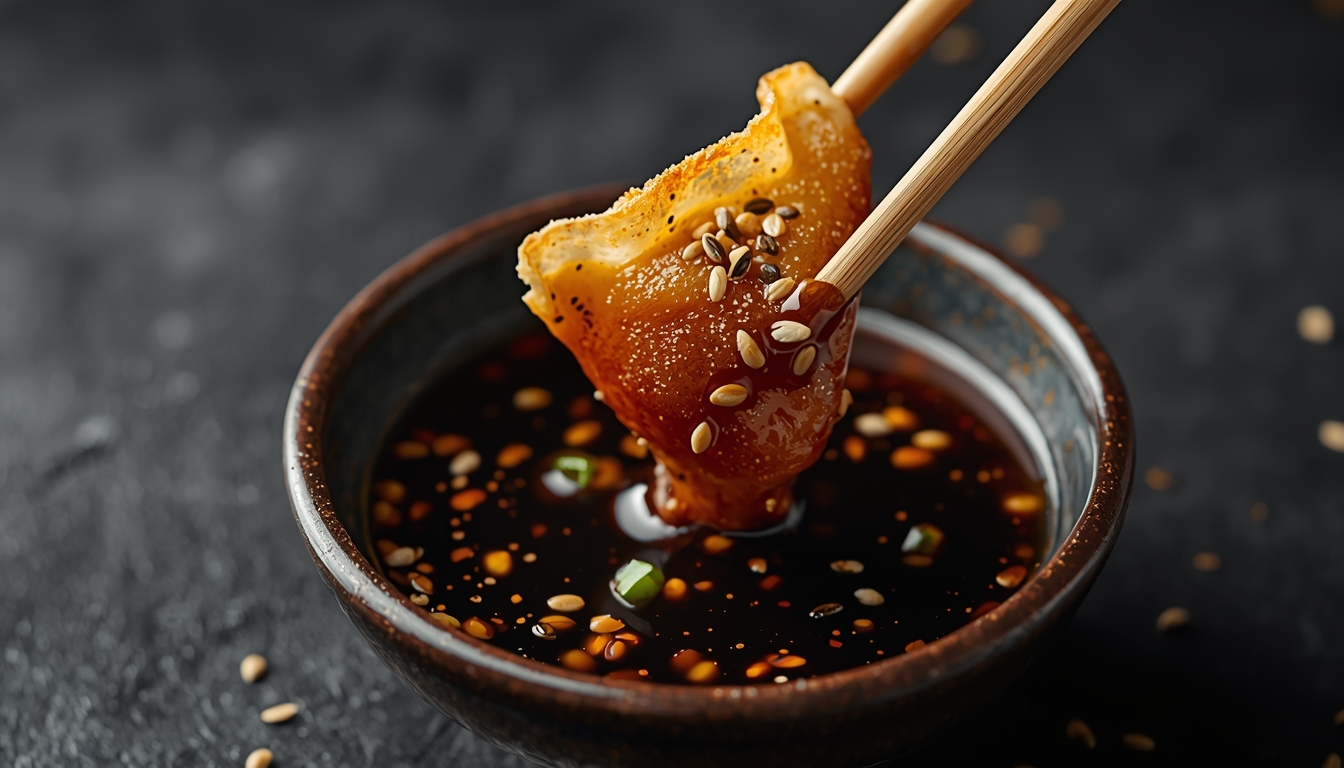
Gyoza Sauce Recipe Picture this: You’ve just pan-fried a batch of gyoza until they’re golden and crisp. The wrappers crackle with every bite. But without the right dip, they fall flat. That’s where a quick gyoza sauce recipe changes everything. You can whip it up at home in minutes. It beats any jar from the store. Let’s dive into why this matters and how to make your own.Gyoza Sauce Recipe
Store-bought sauces often pack too much salt. They hide behind fake flavors that leave you wanting more. A homemade version lets you control the taste. It turns basic dumplings into a standout meal. You get that fresh zing every time.
Why Homemade Dipping Sauce Matters
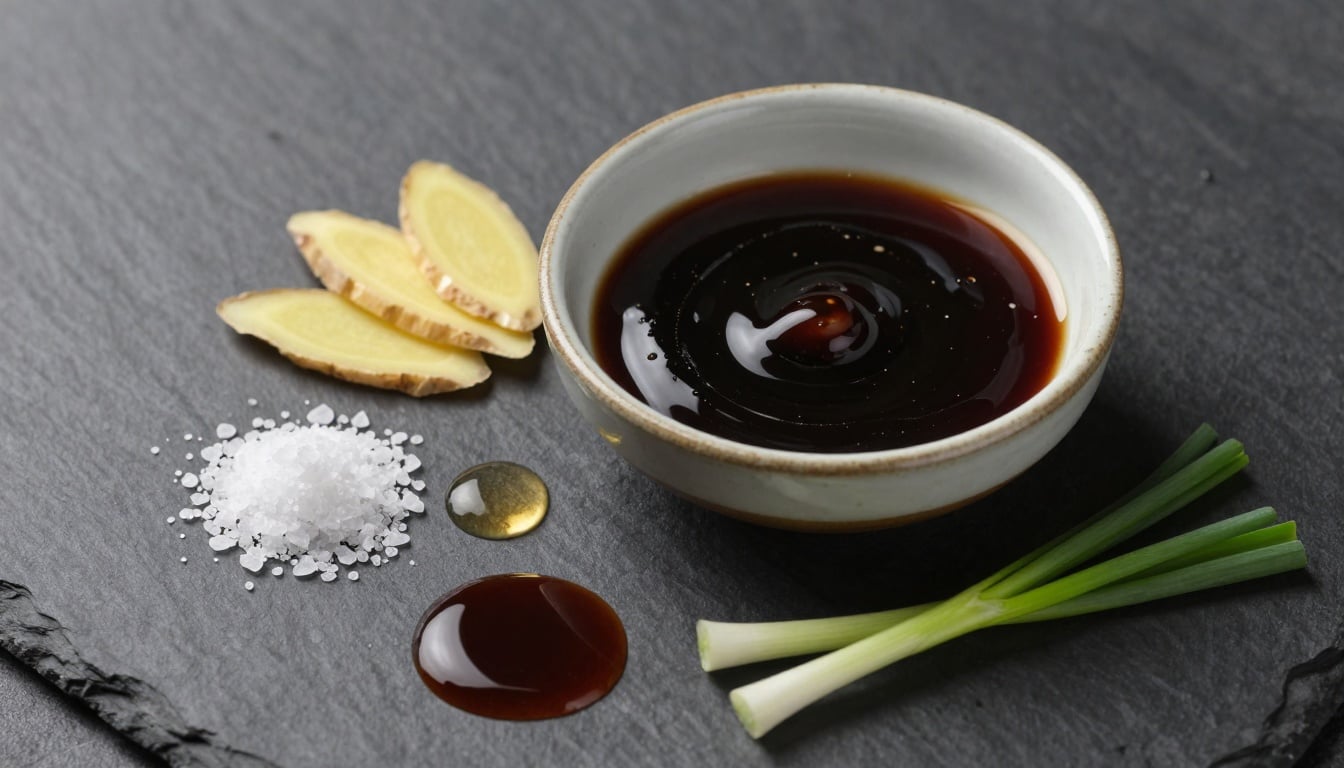
Store-bought gyoza dipping sauces can overload on sodium. One tablespoon might hit 500 milligrams. That’s a big chunk of your daily limit. Artificial additives sneak in too. They make the sauce taste flat over time. But when you mix your own quick gyoza sauce recipe, you skip all that. It highlights the dumpling’s natural flavors. A simple tweak elevates pork or veggie gyoza to pro level.Gyoza Sauce Recipe
What Makes a Great Gyoza Sauce?
The best gyoza sauce blends salty notes with a sharp tang. Umami kicks in for depth, and a touch of heat adds excitement. Think savory soy mixed with vinegar’s bite. It’s not complicated. This fast recipe uses pantry staples. You can tweak it to match your mood. Ready to build it from scratch?
The Foundational Ingredients for Authentic Gyoza Sauce
Start with basics that pack a punch. Good ingredients make all the difference in your homemade gyoza dipping sauce. They create balance without effort. Let’s break down the stars of the show.
Mastering the Soy Sauce Base
Soy sauce forms the heart of any gyoza sauce. Pick a low-sodium kind to avoid over-salting. High-quality shoyu from Japan brings subtle wheat notes. Chinese light soy works too for a milder edge. Use about three parts soy to one part vinegar. That ratio keeps things savory. Darker varieties add color but watch the intensity. Always taste as you go.Gyoza Sauce Recipe
The Essential Tang: Rice Vinegar Deep Dive
Rice vinegar gives that clean acidity without harshness. White vinegar bites too hard and lacks sweetness. Rice type offers a soft, rounded tang. Brands like Kikkoman stay mild and reliable. If yours is old, it might lose punch—check the date. Swap in apple cider vinegar if needed, but dilute it. This step brightens your quick gyoza sauce recipe every time.Gyoza Sauce Recipe
Building Umami Depth: Mirin and Sesame Oil
Mirin adds sweet gloss and ties flavors together. It’s rice wine that mellows the soy. Use half a part for every three of soy. Toasted sesame oil drops in nutty warmth. Just a teaspoon per batch does the trick. Drizzle it last to keep the aroma fresh. These build layers fast. Your sauce will sing with every dip.
The Quickest 5-Minute Gyoza Dipping Sauce Recipe
Time to mix. This quick gyoza sauce recipe takes five minutes tops. No cooking needed. Grab a small bowl and your basics. You’ll love how easy it is.
Precision Measurements for a Classic Ratio
Stick to a 3:1:1:½ ratio for foolproof results. That means three tablespoons soy sauce. Add one tablespoon rice vinegar. One tablespoon mirin follows. Finish with half a tablespoon sesame oil. This works for two to four servings. Beginners, measure with spoons for ease. Double it for a crowd. Adjust salt at the end.
Step-by-Step Mixing Instructions
Pour the soy sauce into your bowl first. Stir in rice vinegar next—watch it mingle. Add mirin to soften the edges. Drizzle sesame oil gently. Use a whisk or fork for even blend. No lumps here. Taste and tweak if needed. Liquids first keep it smooth.Gyoza Sauce Recipe

Allowing the Flavors to Meld
Your sauce is ready right away. But let it sit for ten minutes if you can. Flavors deepen as they blend. Cover it to trap aromas. This quick rest boosts umami without extra work. Serve warm or cold. Your gyoza will thank you.
Customizing Your Quick Gyoza Sauce: Heat and Spice Adjustments
Make it yours. A base recipe is great, but spice amps it up. Play with heat to suit your taste. It’s all about that personal kick.
Incorporating Chili for a Kick (Rāyu vs. Sriracha)
Rāyu, Japanese chili oil, adds subtle heat and oil slick. Start with a few drops. Sriracha brings bold garlic notes and thicker texture. One teaspoon per batch works. Gochujang offers Korean depth with sweetness. Pick based on what you have. Each changes the sauce’s flow—rāyu for slick, Sriracha for cling. Test small amounts.
Aromatic Add-ins: Fresh Ginger and Garlic
Grate fresh ginger for zesty warmth. A teaspoon keeps it light. Mince garlic fine to avoid chunks. Half a clove prevents overpowering. Stir them in after liquids. Let rest to infuse. Too much, and it dominates. Fresh beats powdered every time.Gyoza Sauce Recipe
Balancing Sweetness: Sugar Alternatives
Vinegar can overpower, so sweeten lightly. A dash of honey smooths it out. Maple syrup adds earthy notes. Skip refined sugar if you want. Stir well to dissolve. This tweak makes your homemade gyoza sauce versatile. Try it with veggie dumplings.
Beyond the Basics: Pro-Level Gyoza Sauce Variations
Go further. Once basics click, experiment. These twists add fun without fuss. Turn simple into special.
The Creamy Twist: Adding Mayonnaise or Peanut Butter
Mix in a teaspoon of mayo for silkiness. It emulsifies with oils for cream dip. Peanut butter brings nutty fusion—half a tablespoon max. Whisk fast to blend smooth. Great for sesame gyoza. Avoid overdoing or it gets heavy. This modern take surprises guests.
Green Onion Garnish: Texture and Freshness
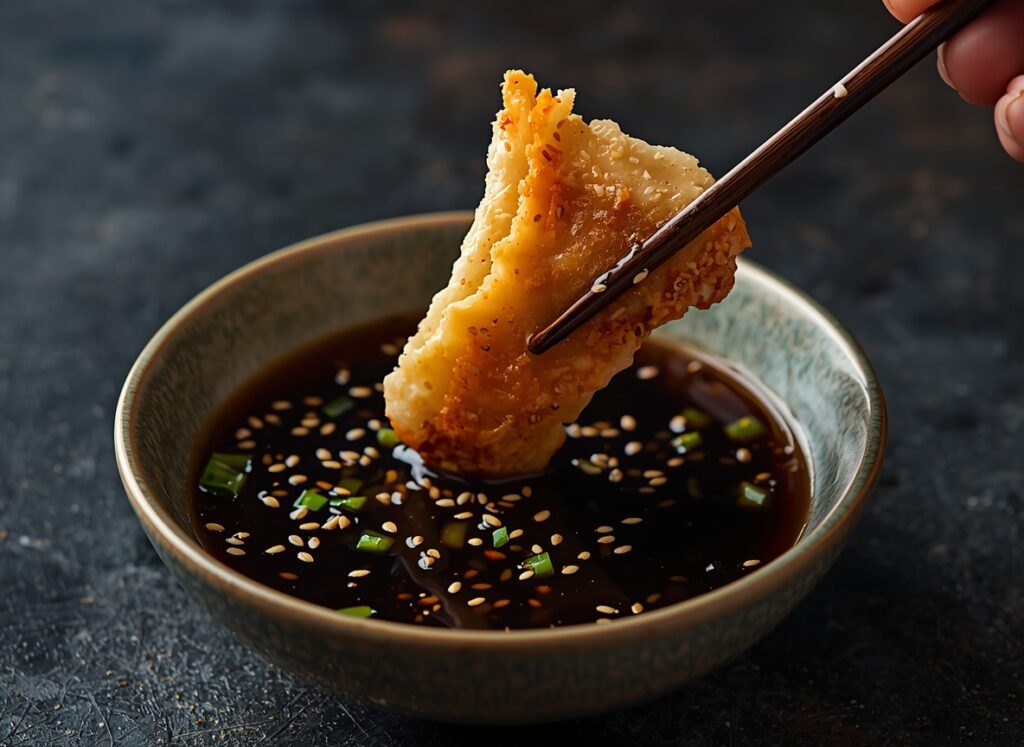
Slice green onions thin on the bias. That angle gives pretty curls. Add them just before serving. They stay crisp and add pop. One tablespoon per batch. No earlier, or they wilt. This boosts visual appeal too.
Citrus Brightness: A Splash of Yuzu or Lime
Yuzu juice swaps half the vinegar for floral tang. Lime works if yuzu’s hard to find—squeeze fresh. Zest adds extra lift. Start with one teaspoon. It cuts richness in pork gyoza. Brightens the whole plate.
Section 5: Storage and Serving Best Practices
Keep it fresh. Proper storage means your sauce lasts. Serve smart for best bites.
Maximizing Freshness: Shelf Life of Homemade Sauce
Store in an airtight jar in the fridge. It lasts up to a week. Fresh garlic shortens that—use within days. No garlic? Stretch to ten days. Shake before use. Discard if it smells off.
Ideal Sauce-to-Dumpling Ratios
Plan one tablespoon per two dumplings. For four people, make half a cup. Adjust for spice lovers. This avoids waste. Drizzle or dip as you like.Gyoza Sauce Recipe
Pairing Sauces with Different Dumpling Styles
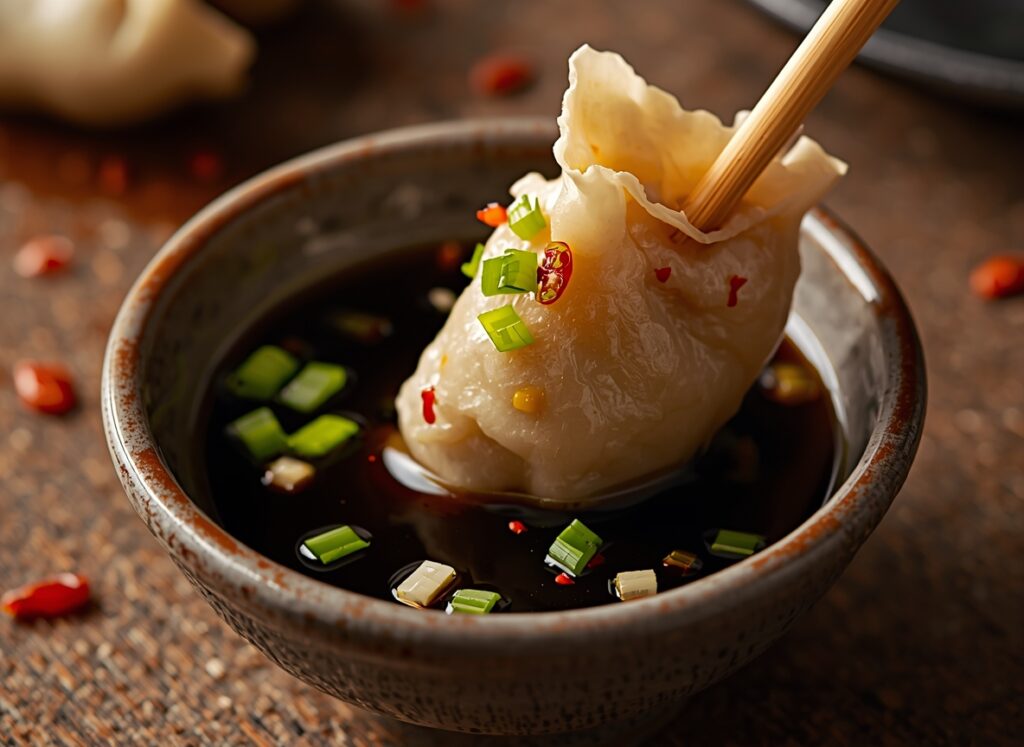
Spicy suits pork gyoza’s fat. Mild tang fits shrimp. Veggie ones love citrus twists. Match heat to filling. Experiment with potstickers too.Gyoza Sauce Recipe
Homemade Cilantro Lime Sauce Recipe with Simple Ingredients
The Best Bang Bang Sauce Recipe for Shrimp & Chicken
Authentic Béarnaise Sauce Recipe Made Simple
The Best Easy Alfredo Sauce Recipe for Pasta Nights
Easy Bordelaise Sauce Recipe for Steak & Meats
The Best Mornay Sauce Recipe for Pasta & Veggies
Quick & Flavorful Potsticker Sauce Recipe – Step-by-Step
Big Mac Sauce Recipe – Easy, Classic & Homemade
Homemade Hot Fudge Sauce Recipe – Chocolate Lovers’ Dream
Remoulade Sauce Recipe – Tangy, Creamy & Easy to Make
Easy Adobo Sauce Recipe for Beginners
Quick Gyoza Sauce Recipe You Can Make at Home
FAQ 1: What is gyoza sauce and why is it so popular?
Gyoza sauce is a classic Asian dipping sauce traditionally served with dumplings, especially Japanese gyoza. It is popular because it balances salty, tangy, slightly sweet, and nutty flavors in a very simple way. The base usually includes soy sauce, rice vinegar, and sesame oil, which together enhance the savory filling of dumplings without overpowering them. Gyoza sauce is loved because it’s quick to prepare, requires no cooking, and instantly elevates homemade or store-bought dumplings. Its versatility also makes it a favorite for many Asian-inspired meals beyond just gyoza.
FAQ 2: What ingredients do I need to make gyoza sauce at home?
To make gyoza sauce at home, you need soy sauce, rice vinegar, sesame oil, and a small amount of sugar. Optional ingredients include chili oil, garlic, ginger, or sesame seeds for extra flavor. These ingredients are easy to find and inexpensive, making this sauce perfect for quick meals. Homemade gyoza sauce allows you to control saltiness, sweetness, and spice levels, unlike store-bought versions that may contain preservatives. This simple ingredient list is why the sauce can be made in minutes while still tasting authentic and delicious.
FAQ 3: How long does homemade gyoza sauce last?
Homemade gyoza sauce can last up to 7 days when stored in an airtight container in the refrigerator. Because it contains vinegar and soy sauce, it naturally keeps well. Stir the sauce before using, as ingredients may separate slightly over time. For best flavor, use it within the first 3–4 days. Always use a clean spoon to avoid contamination. Proper storage ensures the sauce remains fresh, flavorful, and safe to enjoy with dumplings, noodles, or other dishes throughout the week.
FAQ 4: Can I make gyoza sauce less salty?
Yes, you can easily make gyoza sauce less salty. Use low-sodium soy sauce or reduce the amount of soy sauce and increase rice vinegar slightly. Adding a teaspoon of water can also help balance saltiness without ruining flavor. Adjusting sugar or sesame oil can further smooth out strong flavors. This flexibility is one of the biggest advantages of making gyoza sauce at home, especially for those watching sodium intake or preparing meals for children.Gyoza Sauce Recipe
FAQ 5: Is gyoza sauce spicy?
Traditional gyoza sauce is not spicy. However, spice can be added easily by including chili oil, chili flakes, or fresh chopped chilies. You control the heat level, making it suitable for both mild and spicy preferences. For families, you can keep the base sauce mild and add spice individually when serving. This customization makes gyoza sauce ideal for shared meals where everyone has different taste preferences.
FAQ 6: Can gyoza sauce be used for other foods?
Absolutely. Gyoza sauce is extremely versatile. It works as a dipping sauce for spring rolls, dumplings, potstickers, and fried tofu. It can also be drizzled over noodles, rice bowls, or grilled vegetables. Some people even use it as a light marinade for chicken or shrimp. Its balanced flavor profile makes it a great all-purpose Asian-style sauce to keep on hand.Gyoza Sauce Recipe
FAQ 7: Is homemade gyoza sauce healthier than store-bought?
Yes. Homemade gyoza sauce is generally healthier because it contains no preservatives, artificial flavors, or excess sugar. You control the ingredients, allowing you to reduce sodium and sweetness as needed. This makes it a better option for clean eating and balanced diets while still enjoying bold flavors.
Conclusion: Dip, Devour, and Delight
Key Takeaways for Flavor Mastery
Quality soy and rice vinegar set the base. Balance soy to vinegar for harmony. Customize with heat or citrus. Resting melds tastes best. These steps make pro sauce at home.Gyoza Sauce Recipe
Final Encouragement for Culinary Confidence
Grab those ingredients today. Mix your quick gyoza sauce recipe. Dip into crispy dumplings. You’ll nail that restaurant vibe easy. Share with friends—it’s simple joy. Your kitchen just got better.Gyoza Sauce Recipe