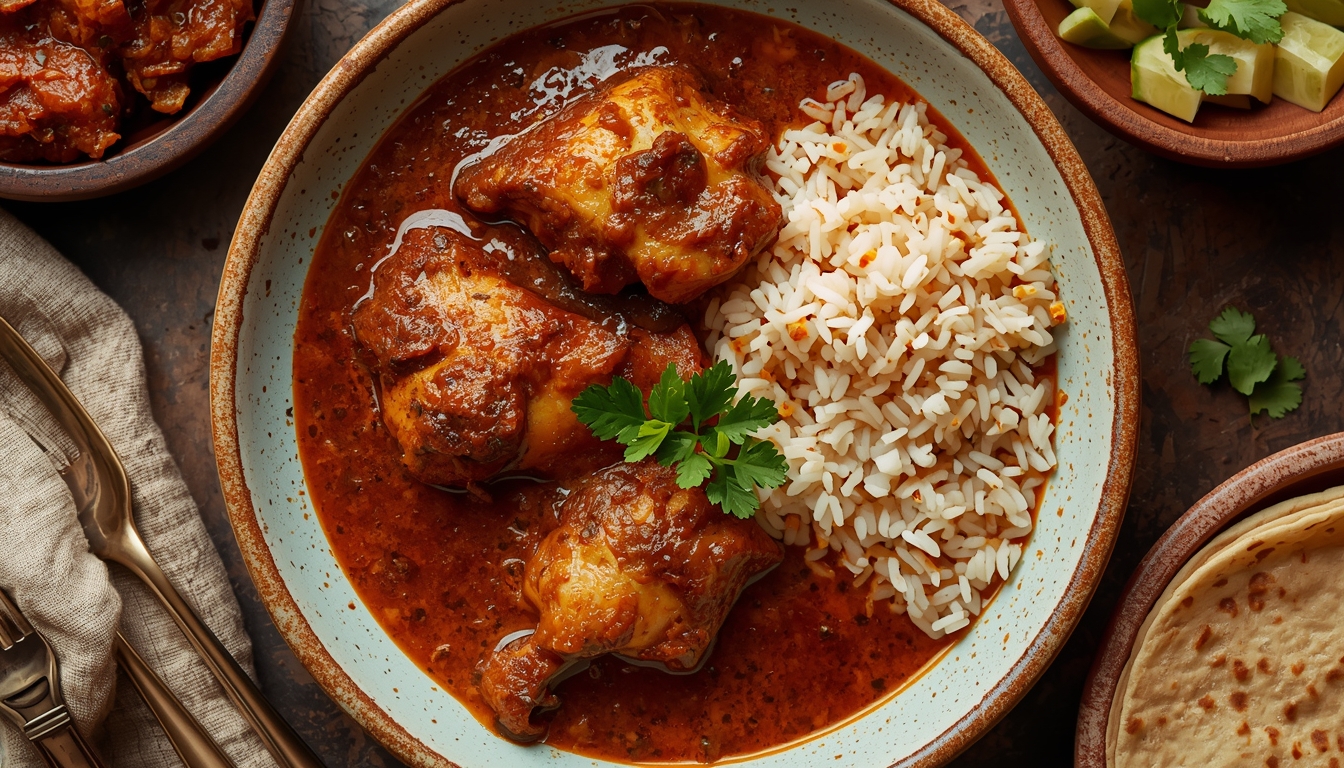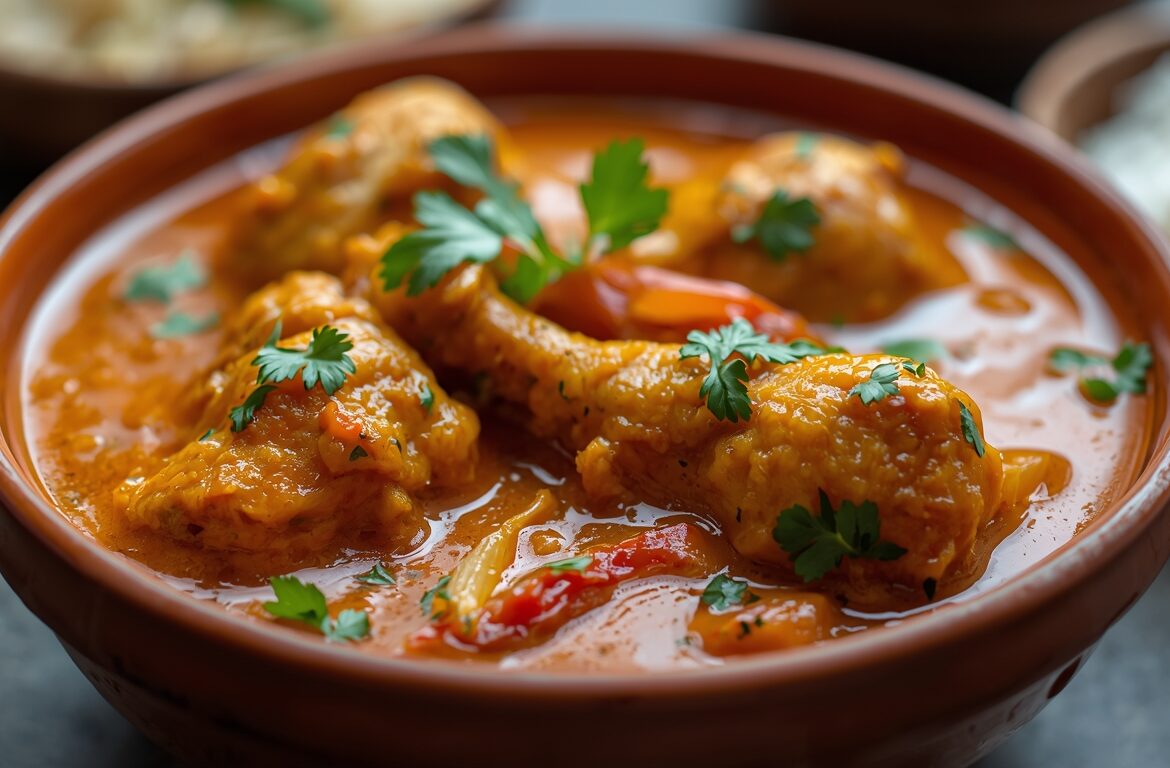
There is a profound sense of comfort that comes from a bowl of authentic, homemade Indian chicken curry. For many, it is the definitive soul food—a harmonious blend of tender protein, aromatic spices, and a rich, savory gravy that has been perfected over generations. This Indian Food Recipes Chicken Curry is designed to bring those deep, complex flavors into your home kitchen without requiring a culinary degree.
While there are countless regional variations across the Indian subcontinent, the hallmark of a great curry remains the same: the “bhuna” process. This involves slow-cooking spices and aromatics until they release their essential oils, creating a base that is vibrant in color and layered in taste. Whether you are a seasoned home cook or a beginner, this guide will help you master the art of the perfect curry.
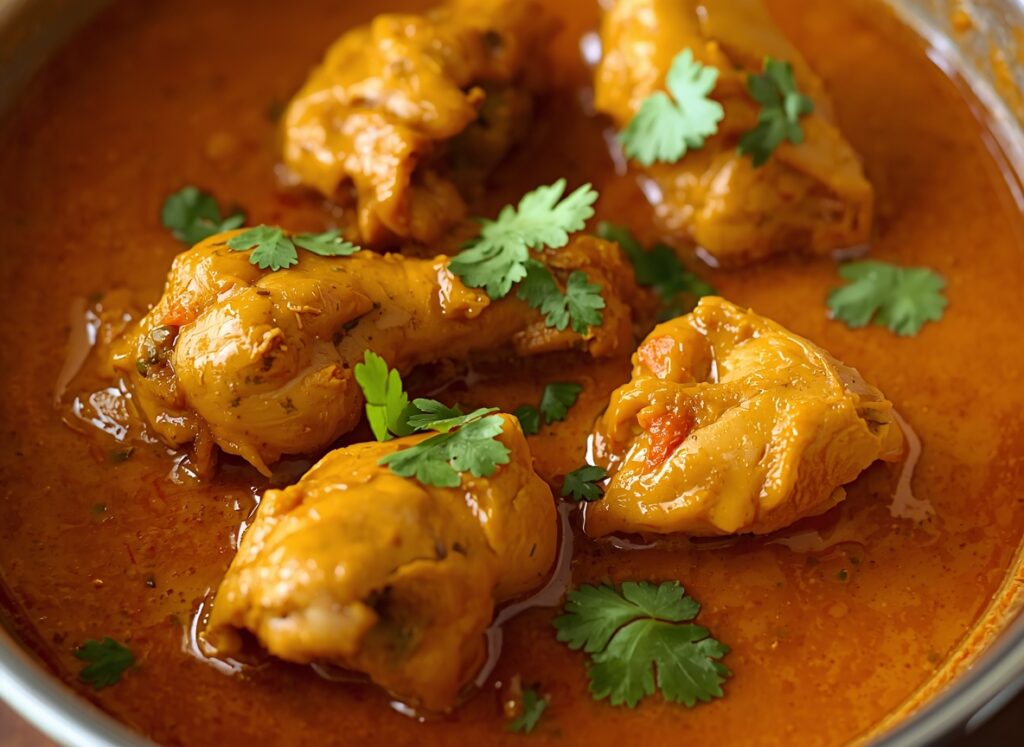
Why This Dish Deserves a Try
This Indian Food Recipes Chicken Curry is more than just a meal; it is an education in flavor balancing. Unlike store-bought pastes that can taste one-dimensional, a scratch-made curry allows you to control the heat, the tang, and the richness. It is naturally gluten-free and can be easily adapted to suit various dietary preferences.
Furthermore, it is an excellent “make-ahead” meal. The flavors of a traditional indian chicken curry actually improve after sitting in the refrigerator overnight, as the spices penetrate deeper into the meat. It is economical, uses pantry staples, and provides a restaurant-quality experience at a fraction of the cost.
Ingredients Explained in Detail
To achieve a truly authentic homemade indian chicken curry, the quality of your ingredients is paramount. Each component serves a specific purpose in building the final flavor profile.
- Chicken: Use bone-in, skinless pieces for the most flavor. The marrow from the bones enriches the gravy, though boneless thighs are a great alternative for quicker cooking.
- Aromatics (Onions, Ginger, Garlic): These form the “masala” base. Red onions are preferred for their higher sugar content, which caramelizes beautifully.
- Tomatoes: These provide the necessary acidity to balance the heavy spices. Use fresh, ripe tomatoes or high-quality canned purée.
- Whole Spices: Cumin seeds, cinnamon sticks, and green cardamom pods provide the initial layer of fragrance when tempered in hot oil.
- Ground Spices: Turmeric for earthy color, Kashmiri red chili powder for vibrant red hue without extreme heat, and coriander powder for a nutty, citrusy finish.
- Fats: Ghee (clarified butter) offers a traditional nutty aroma, but a neutral vegetable oil works perfectly for a lighter version.
Ingredient Alternatives & Swaps
If you find your pantry missing an item, this easy indian chicken curry recipe is quite forgiving. Here are some reliable substitutions:
- Tomato Swap: If you lack fresh tomatoes, use 2 tablespoons of tomato paste diluted with a little water for a concentrated tang.
- Heat Control: If Kashmiri chili powder is unavailable, use a mix of paprika (for color) and a pinch of cayenne (for heat).
- Creaminess: For a richer, North Indian style, stir in 2 tablespoons of Greek yogurt or heavy cream at the very end. For a dairy-free version, coconut milk adds a lovely South Indian flair.
- Acid: If the curry feels “flat,” a squeeze of lemon juice or a teaspoon of white vinegar just before serving can brighten the entire dish.
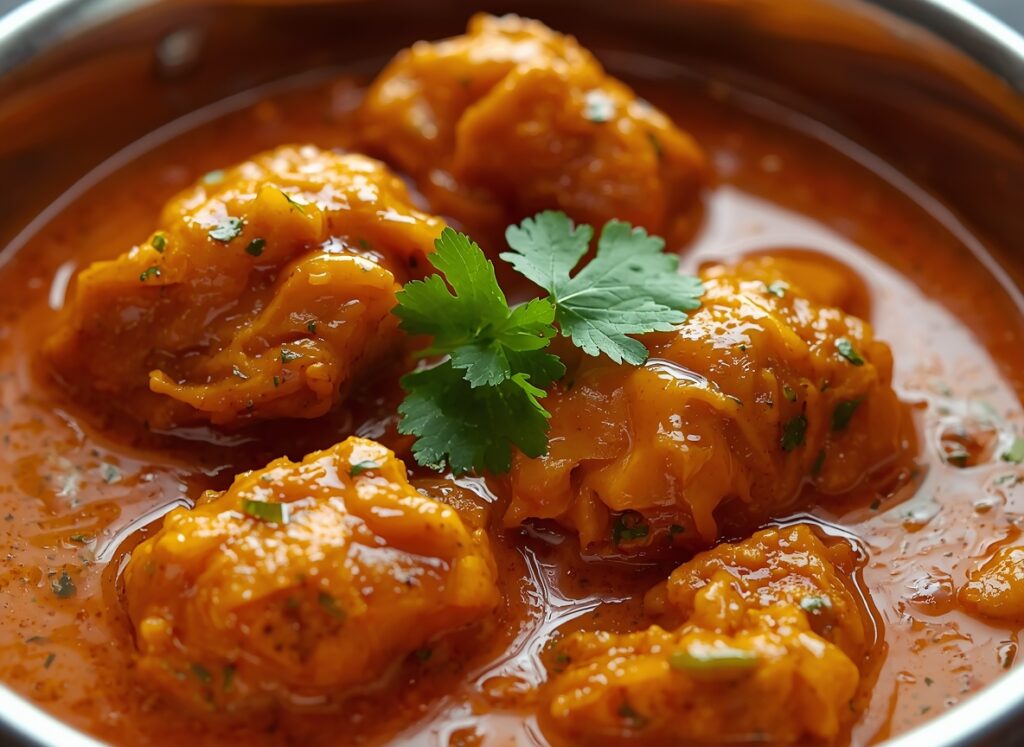
Kitchen Essentials
You don’t need specialized equipment, but these tools will make the process smoother:
- Heavy-Bottomed Pot or Dutch Oven: Essential for even heat distribution and preventing the spices from burning.
- Mortar and Pestle: Ideal for crushing fresh ginger and garlic into a paste, which releases more oils than mincing.
- Wooden Spoon: Perfect for scraping the bottom of the pan to incorporate the “fond” (the browned bits) into the sauce.
Time Required for Preparation
- Prep Time: 20 minutes (chopping and spice measuring)
- Cook Time: 40 minutes
- Total Time: 1 hour
- Servings: 4 people
Step-by-Step Indian Food Recipes Chicken Curry
1. Sauté the Whole Spices
Heat 3 tablespoons of oil or ghee in your pot over medium heat. Add one cinnamon stick, 3 cardamom pods, and 1 teaspoon of cumin seeds. Wait until they sizzle and become fragrant (about 30 seconds).
2. Brown the Onions
Add 2 finely chopped onions. Sauté them for 10–12 minutes. This is the most important step; the onions should be deep golden brown, not just translucent. This provides the curry’s color and sweetness.
3. Add the Aromatics
Stir in 1 tablespoon each of ginger paste and garlic paste. Sauté for another 2 minutes until the raw smell disappears.
4. Build the Masala Base
Add 1 cup of tomato purée along with 1 teaspoon turmeric, 2 teaspoons coriander powder, and 1 teaspoon chili powder. Cook this mixture until the oil begins to separate from the sides of the paste.
5. Sear the Chicken
Add 1.5 lbs (700g) of chicken pieces. Turn the heat to medium-high and stir frequently for 5 minutes, ensuring the chicken is well-coated in the spice base and lightly browned on the outside.
6. The Simmer
Pour in 1 to 1.5 cups of warm water (depending on how thick you want the gravy). Bring to a boil, then reduce heat to low. Cover and simmer for 20–25 minutes, or until the chicken is tender and cooked through.
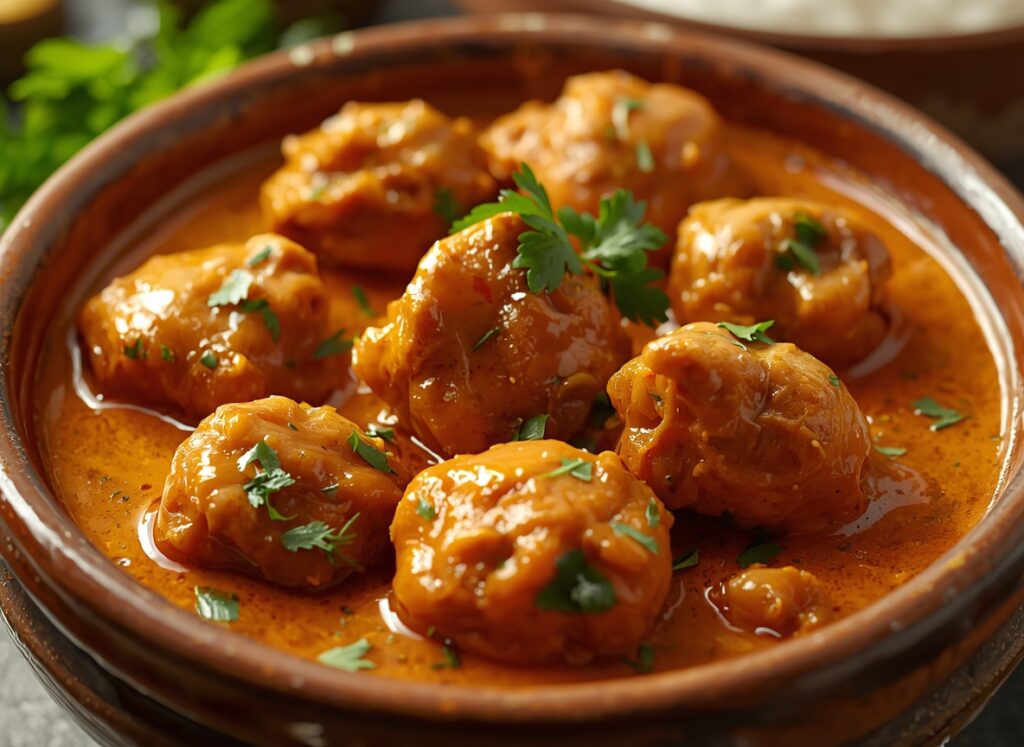
7. The Finishing Touch
Stir in 1 teaspoon of Garam Masala and a handful of freshly chopped cilantro. Let it rest for 5 minutes before serving.
Tips for Perfect Indian Food Recipes Chicken Curry
- Don’t Rush the Onions: The secret to a dark, flavorful gravy is the caramelization of the onions. If they aren’t brown enough, the curry will taste “raw.”
- Use Warm Water: When adding liquid to the pot, use warm water. Cold water shocks the meat and can make it tough.
- Salt in Stages: Add a little salt to the onions to help them release moisture, and then adjust the final seasoning at the end.
- The Oil Separation: You know the masala is ready when you see tiny droplets of oil (the “tarka”) rising to the surface. This indicates the water has evaporated and the spices are perfectly toasted.
Cooking Mistakes to Avoid
- Burning the Spices: Ground spices burn quickly. If the pan looks too dry when adding them, add a splash of water to create a paste.
- Overcrowding the Pan: If you are doubling the recipe, use a larger pot. Overcrowded chicken will steam rather than sear, losing that essential texture.
- Skipping the Rest Period: Like a steak, curry needs to “settle.” Letting it sit for 10 minutes allows the fibers of the meat to reabsorb the juices.
Best Ways to Serve This Dish
This Indian Food Recipes Chicken Curry is incredibly versatile. For a traditional experience, serve it with:
- Basmati Rice: Long-grain, fluffy rice is the perfect vessel for soaking up the gravy.
- Garlic Naan or Roti: These flatbreads are essential for “scooping” the chicken and sauce.
- Kachumber Salad: A simple mix of diced cucumbers, tomatoes, and onions with lemon juice provides a refreshing crunch.
- Raita: A cooling yogurt-based side helps balance the heat if you’ve gone heavy on the chilies.
When to Make Indian Food Recipes Chicken Curry
This dish is a staple for Sunday family dinners because it feels celebratory but remains practical. It is also a fantastic option for meal prepping, as it freezes exceptionally well. If you are hosting a dinner party, this curry serves as an impressive centerpiece that allows you to do most of the work before your guests even arrive.
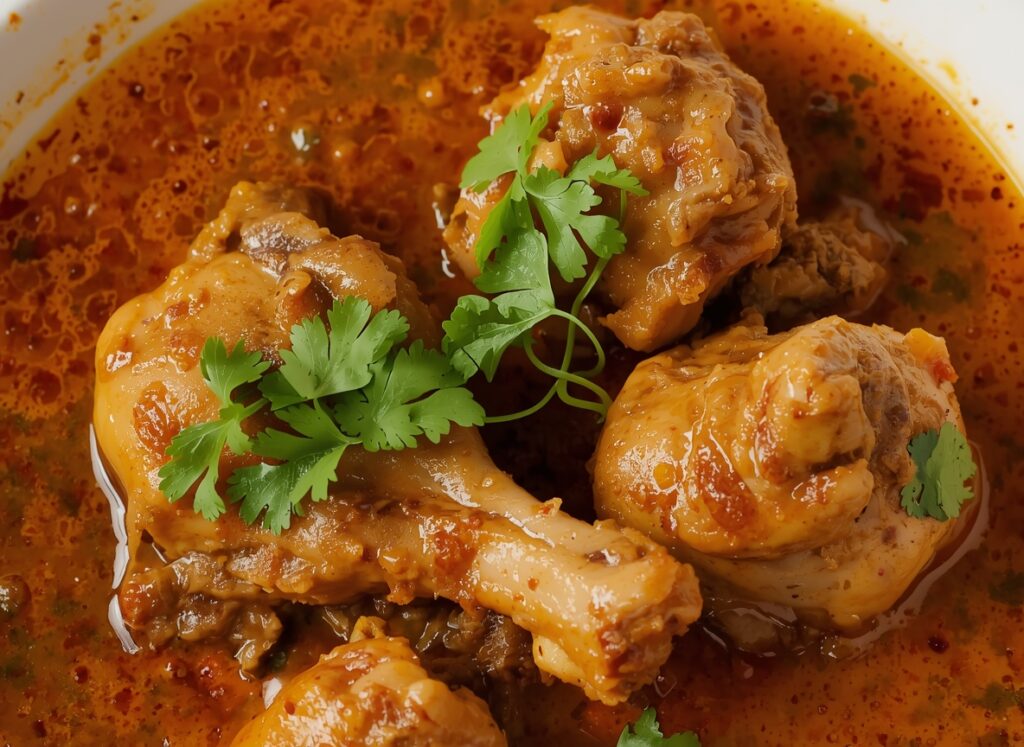
Estimated Nutrition Information
(Per serving, based on 4 servings)
| Nutrient | Amount |
| Calories | 340 kcal |
| Protein | 28g |
| Total Fat | 18g |
| Carbohydrates | 12g |
| Fiber | 3g |
Proper Storage Methods
- Refrigeration: Store in an airtight container for up to 3–4 days.
- Freezing: This curry freezes beautifully. Ensure it is completely cool before transferring to a freezer-safe bag or container. It will stay fresh for up to 3 months.
Reheating Without Losing Flavor
To maintain the texture of the chicken, avoid the microwave if possible. Instead, place the curry in a small saucepan over low heat. Add a splash of water or chicken broth to loosen the gravy, as it naturally thickens when cold. Cover and heat gently until simmering.
Indian Food Recipes Chicken Curry FAQ
Q: Can I use chicken breast?
A: Yes, but be careful not to overcook it. Breast meat dries out quickly; simmer it for only 12–15 minutes once the liquid is added.
Q: Why is my curry bitter?
A: This usually happens if the ginger-garlic paste or the ground spices were burnt. Ensure there is enough moisture in the pan when adding these ingredients.
Q: How do I make the curry spicier?
A: Add 2–3 slit green chilies during the simmering stage, or increase the amount of red chili powder.
Classic Chicken Artichoke Recipe Made at Home
The Best Apricot Chicken Recipe for Weeknight Dinnerse
The Best Shawarma Chicken Recipe Made at Home full guide
Classic Cheesy Chicken and Rice Recipe Made Simple
Homemade Chicken Empanada Recipe Made Simple