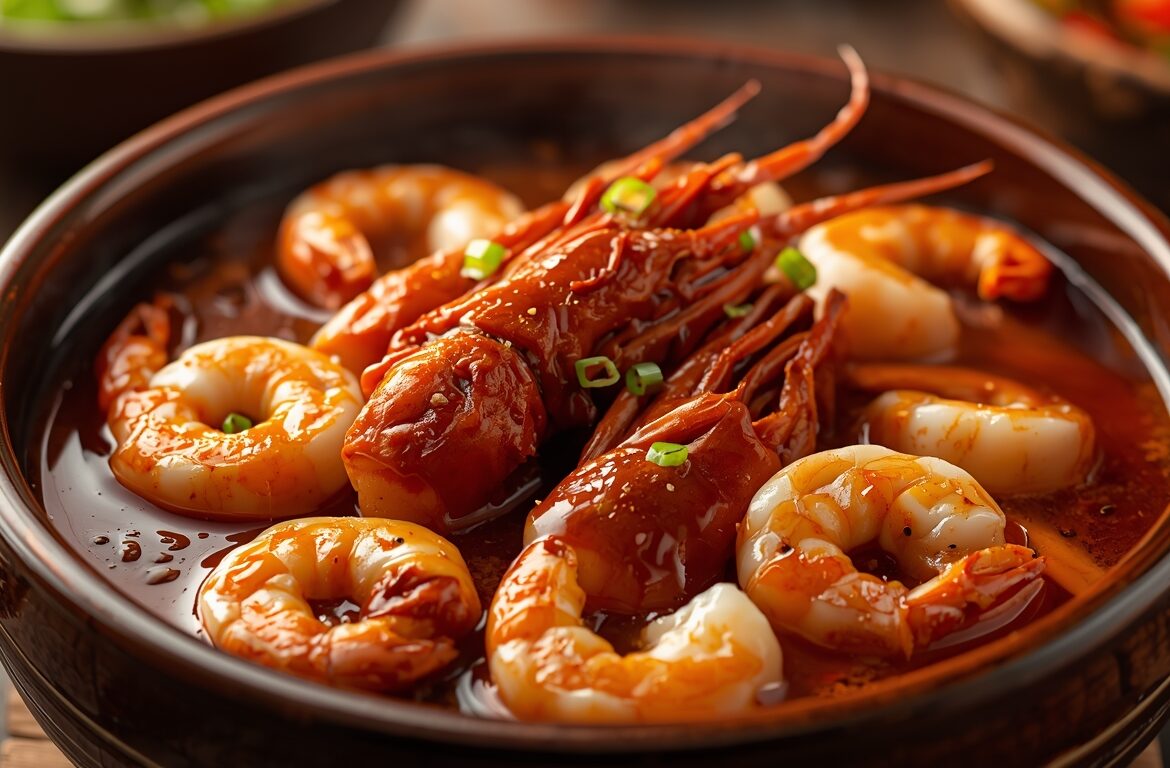
The Lobster Sauce Recipe is a foundational element of Cantonese-American cuisine, traditionally served over shrimp or lobster. Despite its name, most versions of this savory, white or brown gravy do not actually contain lobster meat. Instead, the name refers to the specific sauce preparation originally designed to complement lobster in high-end Chinese restaurants. It is characterized by its velvety texture, savory umami depth, and the inclusion of “egg ribbons” which provide a unique silkiness.
To master this recipe, a cook must understand the principles of thickening and emulsification. The goal is to create a translucent, viscous liquid that clings to protein without becoming gummy or overly opaque. Whether you are preparing the “white” version (common in New England) or the “brown” version (popular in New York), the technical requirements remain largely the same: a balanced stock, properly handled aromatics, and a controlled cornstarch slurry.
How Cooking Affects Chicken Texture
While the Lobster Sauce Recipe is often associated with seafood, it is frequently served with minced pork or chicken. When using chicken as the protein base in this dish, understanding the thermal reaction of the meat is essential. Chicken breast or thigh meat should be prepared using the “velveting” technique—a method involving a marinade of cornstarch and egg whites.
Cooking chicken at high temperatures for short durations prevents the muscle fibers from tightening and expelling moisture. When chicken is simmered in the sauce, the starch coating created during velveting acts as a thermal barrier. This ensures the chicken remains tender and “slippery” rather than dry or fibrous. Bold Tip: To ensure professional results, protein should be par-cooked (blanched in oil or water) before being integrated into the final sauce.
Ingredients Required for Lobster Sauce
A professional Lobster Sauce Recipe relies on a specific set of aromatics and stabilizers to achieve its signature profile.
The Aromatic Base
- Fermented Black Beans (Dousi): These provide the salty, pungent “funk” that defines the dish. They must be rinsed and lightly mashed before use.
- Minced Pork: Even in seafood versions, a small amount of finely ground pork is often used to provide fat and savory depth.
- Garlic and Ginger: Freshly minced aromatics are non-negotiable for a clean, sharp flavor profile.
The Liquid and Thickening Agents
- Chicken or Seafood Stock: A high-quality, low-sodium stock is the primary body of the sauce.
- Cornstarch Slurry: A 1:1 ratio of cornstarch to cold water is used to achieve the desired viscosity.
- Eggs: Whisked eggs are drizzled into the hot sauce to create “flowers” or ribbons.
Seasonings
- Shaoxing Wine: Provides a nutty acidity.
- White Pepper: Essential for a floral, earthy heat that does not cloud the sauce.
- Toasted Sesame Oil: Added at the very end to preserve its volatile aromatics.
Equipment Needed for Accurate Results
Precision in a Lobster Sauce Recipe is largely dictated by the heat conductivity of your cookware.
- Carbon Steel Wok or Heavy Skillet: The wide surface area allows for rapid evaporation and even heat distribution.
- Fine-Mesh Sieve: Useful for rinsing fermented black beans to control salinity levels.
- Digital Thermometer: While not always used for the sauce itself, it is critical for ensuring par-cooked proteins reach safe internal temperatures.
- Whisk and Small Bowls: For preparing the cornstarch slurry and the egg mixture separately before they are introduced to the heat.
Temperature and Time Guidelines
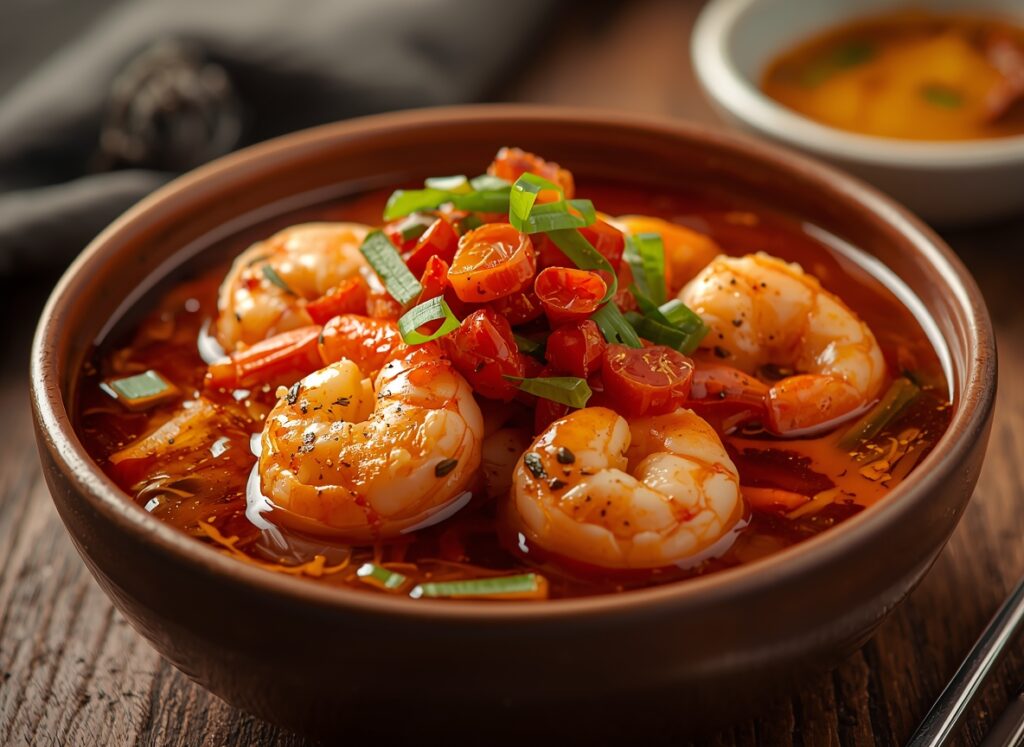
The Lobster Sauce Recipe is a high-speed preparation. Once the liquid reaches a boil, the transitions happen in seconds.
- Sautéing (Medium-High Heat): 2–3 minutes to render pork fat and soften aromatics.
- Simmering (Medium Heat): 5 minutes to allow the fermented black beans to infuse the stock.
- Thickening (High Heat): 30–60 seconds. The slurry must be added to a boiling liquid to activate the starch’s thickening properties.
- Egg Ribboning (Off Heat or Low Heat): 10 seconds. Residual heat is sufficient to cook the egg without making it rubbery.
Lobster Sauce Recipe: Step-by-Step Method
1. Preparing the Aromatics
Rinse 1 tablespoon of fermented black beans under cold water. Mash them lightly with the side of a knife. Mince two cloves of garlic and one teaspoon of ginger.
2. Rendering the Fat
Heat one tablespoon of neutral oil in a wok. Add 1/4 cup of ground pork (or finely minced chicken). Sauté until the meat is fully cooked and begins to slightly brown. Add the black beans, garlic, and ginger, stirring for 30 seconds until fragrant.
3. Building the Stock
Pour in 2 cups of chicken or seafood stock. Add 1 tablespoon of Shaoxing wine and a pinch of white pepper. Bring the mixture to a gentle boil. Bold Tip: Taste the stock at this stage; fermented beans are very salty, so you may not need to add any additional salt.
4. Activating the Slurry
In a small bowl, mix 2 tablespoons of cornstarch with 2 tablespoons of cold water. Ensure no lumps remain. Slowly pour the slurry into the boiling stock while stirring constantly. The sauce will transition from opaque to a glossy, translucent state.
5. Creating Egg Ribbons
Once the sauce has thickened, reduce the heat to low. Whisk two large eggs in a bowl. Slowly drizzle the eggs into the sauce in a circular motion. Wait 5 seconds, then gently stir once. This creates wide, silky ribbons rather than a “scrambled” texture.
6. Finishing
Turn off the heat. Stir in 1/2 teaspoon of toasted sesame oil and a handful of chopped green onions.
Technical Mistakes That Reduce Quality
A Lobster Sauce Recipe can easily become unpalatable if certain technical errors occur:
- Clumping of the Slurry: If the cornstarch is added directly to hot liquid without being mixed into a cold water slurry first, it will form insoluble gelatinous clumps.
- Overcooking the Eggs: If the eggs are boiled vigorously, they become tough and separate from the sauce. Use residual heat for a soft, custard-like texture.
- Incorrect Viscosity: A sauce that is too thin will run off the protein, while a sauce that is too thick will feel heavy on the palate. The sauce should be thick enough to coat the back of a spoon.
- Excessive Salinity: Failing to rinse the fermented black beans can make the dish inedible. Always rinse the beans and taste the sauce before adding soy sauce or salt.
Presentation, Serving, and Conclusion
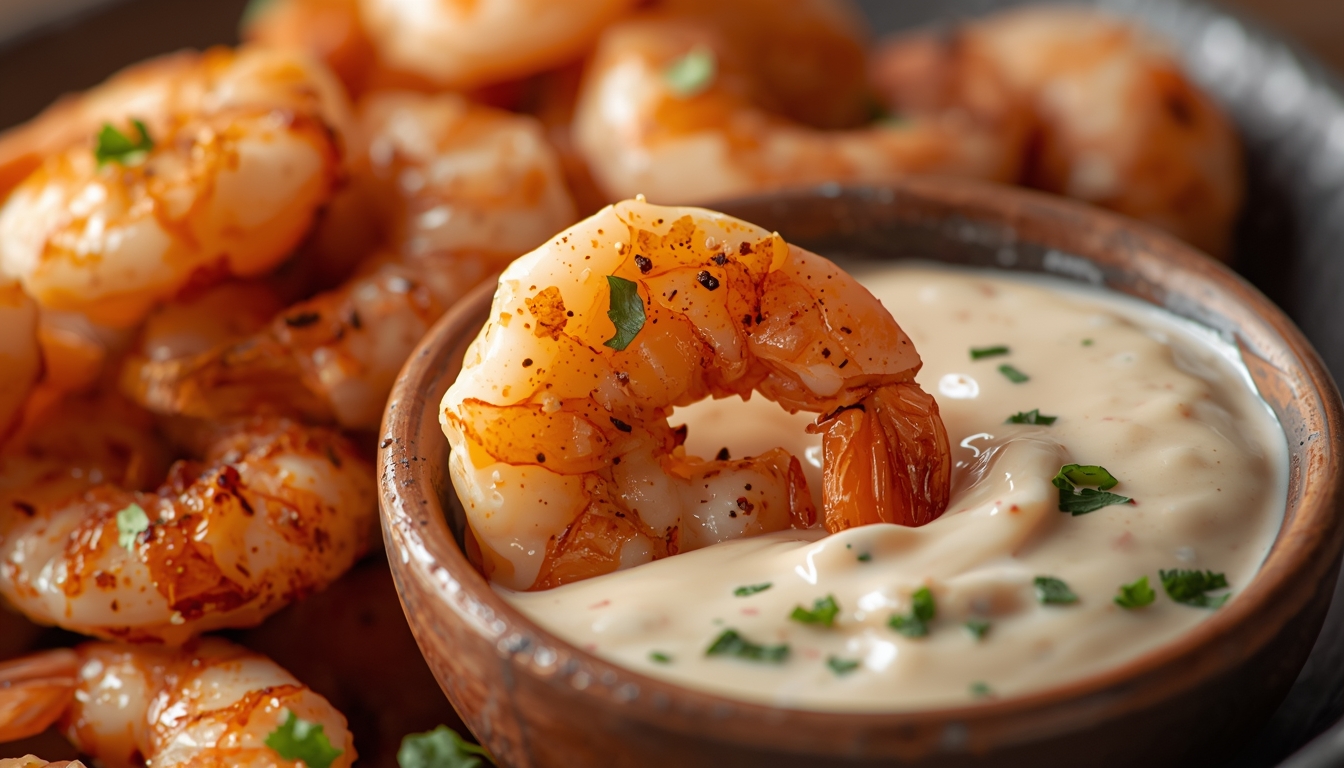
The final Lobster Sauce Recipe should be served immediately. It is traditionally presented over large steamed shrimp or a halved lobster tail, accompanied by a side of white jasmine rice. The rice is essential as it acts as a vessel for the savory gravy.
For a professional presentation, ensure the green onions are cut on a bias and added only at the very end to maintain their bright green color. The sauce should have a brilliant sheen, indicating that the starch has been properly cooked and the sesame oil has been emulsified.
In conclusion, this recipe is an exercise in restraint and technique. By focusing on the quality of the stock and the precision of the thickening process, you can achieve a restaurant-standard dish at home.
Homemade Peruvian Green Sauce Recipe Everyone Loves
Quick Garlic Cream Sauce Recipe in 10 Minutes
Classic White Pasta Sauce Recipe Everyone Loves
Homemade Hot Honey Sauce Recipe Everyone Loves
Quick Gyoza Sauce Recipe You Can Make at Home